Introduction – Why Tick Control Matters in Druid Hills
In 2023 the Centers for Disease Control and Prevention reported a sharp uptick in tick-borne illnesses across Fulton County, with 112 confirmed cases of Lyme disease and 27 cases of Rocky Mountain spotted fever—both numbers higher than any year in the past decade. Those figures translate to real families in Druid Hills spending weeks in doctors’ offices, missing work, and watching pets suffer from painful rashes and fever. For many homeowners searching for a reliable tick exterminator near me Druid Hills, the trend isn’t random; it reflects expanding tick populations in our wooded neighborhoods and the increasing interaction between humans, pets, and outdoor spaces.
Because ticks can hitch a ride on a child’s shoe, a dog’s fur, or even a garden rake, a single infestation can quickly become a community health issue. Hiring a local tick exterminator isn’t just a convenience—it’s a proactive defense that protects your family’s well‑being, safeguards your pets from disease, and preserves the curb‑appeal of your property. Professional treatments target the hidden micro‑habitats where ticks thrive—under decks, in leaf litter, and along fence lines—areas that DIY sprays often miss or treat only superficially.
In the pages that follow, we’ll walk you through:
- The life cycle and preferred habitats of the most common ticks in Druid Hills.
- How to spot early signs of an infestation before it spreads.
- Why DIY methods fall short and when to call a professional.
- Key factors to consider when selecting a reputable tick exterminator.
- The step‑by‑step treatment process you can expect from a certified technician.
- Season‑long prevention strategies to keep ticks at bay year after year.
- Helpful resources, local reporting tools, and next‑step actions for homeowners.
This guide is built on the latest CDC statistics, local entomology reports, and the hands‑on experience of Anthem Pest Control technicians who serve Druid Hills every season. By the end of the article you’ll have a clear, data‑driven roadmap to eliminate ticks, protect your loved ones, and maintain a healthy, pest‑free home.
Understanding Ticks in Druid Hills

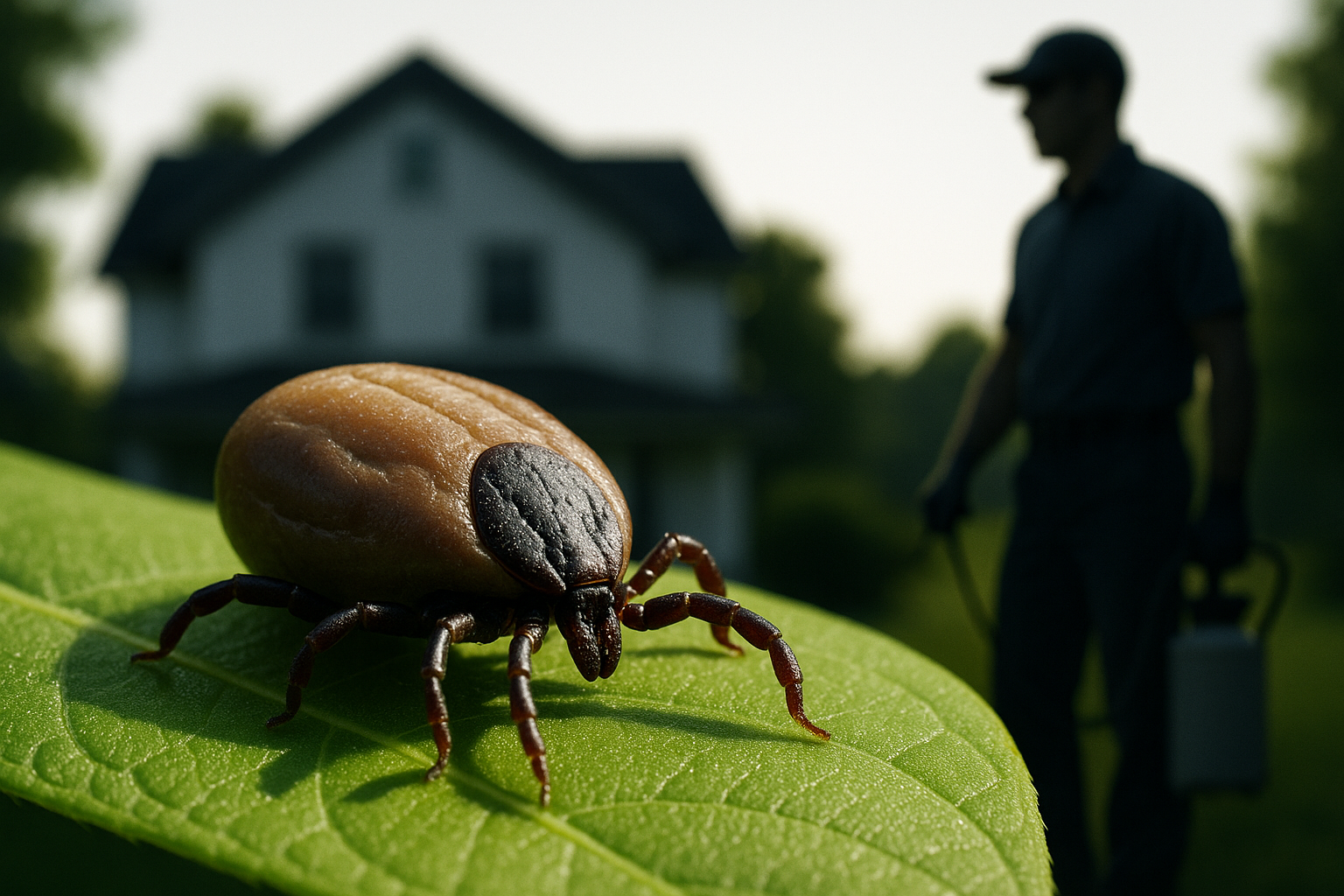
When you hear the word “tick,” most homeowners picture a tiny, hard‑bodied insect lurking in the grass. In Druid Hills, the reality is a bit more specific: three species dominate the local landscape, each with its own habits and health concerns.
Primary Tick Species You’ll Encounter
- Lone Star tick (Amblyomma americanum) – the most common culprit in the area, recognizable by the single white spot on the female’s back.
- American Dog tick (Dermacentor variabilis) – often found on pets and humans alike, especially in shaded, moist spots.
- Blacklegged tick (Ixodes scapularis) – less frequent but still present, known for transmitting Lyme disease in other parts of the state.
According to the CDC Georgia data, Fulton County recorded 1,200 Rocky Mountain spotted fever cases in 2022. While not every bite leads to illness, those numbers underscore the importance of knowing which ticks are around you and when they’re most active.
Seasonal Risk Patterns
Tick activity in Druid Hills follows a predictable rhythm. Spring and early summer (April through June) are peak months. During this window, daytime temperatures hover between 65°F and 80°F, and humidity stays above 60 %. These conditions trigger the nymphal stage of the Lone Star and American Dog ticks, the phase most likely to bite humans because the insects are small enough to go unnoticed.
As the summer progresses, adult ticks become more prevalent, especially in late July and August. By fall, activity drops sharply as cooler, drier air forces ticks into a dormant state until the following spring.
Backyard Hotspots Where Ticks Thrive
Imagine stepping into a typical Druid Hills backyard on a warm June afternoon. The lawn is a mix of tall grass and ornamental shrubs, a few leaf piles sit near the fence, and your dog loves to nap under the oak tree. Those exact spots—tall grass, leaf litter, and pet resting areas—create micro‑climates that retain moisture and shade, providing the perfect breeding ground for ticks.
Even a well‑maintained garden can harbor ticks if you allow patches of grass to grow longer than two inches, let leaf debris accumulate, or keep wood piles near the house. Regular mowing, leaf removal, and keeping pet bedding off the ground are simple steps that dramatically reduce tick hideouts.
Disease Transmission Risks by Species
| Tick Species | Commonly Transmitted Diseases |
|---|---|
| Lone Star tick | Rocky Mountain spotted fever, ehrlichiosis, α‑gal meat allergy |
| American Dog tick | Rocky Mountain spotted fever, tularemia |
| Blacklegged tick | Lyme disease, anaplasmosis, babesiosis |
While the chance of disease after a bite is relatively low, the consequences can be serious. Prompt removal of an attached tick—using fine‑tipped tweezers to grasp close to the skin and pulling straight out—reduces infection risk. If you notice a rash, fever, or flu‑like symptoms after a bite, contact your healthcare provider and let them know the likely tick species.
Understanding which ticks call Druid Hills home, when they’re most active, and where they hide in your yard empowers you to take proactive steps. Pair this knowledge with professional inspections from Anthem Pest Control, and you’ll keep your family and pets safer throughout the tick season.
Identifying Tick Infestations
Before a single bite lands on you or your pet, a tick infestation often leaves subtle clues in your yard and on the animals you love. Spotting those clues early lets you act fast, keeping your family safe and avoiding costly treatments later.

Step‑by‑step visual checklist
- Inspect pets daily. Run your fingers along your dog’s ears, neck, and paws after any outdoor adventure. Look for tiny, moving specks the size of a pinhead (larvae) or slightly larger dark dots (nymphs).
- Examine clothing and gear. Before you hang up a shirt or pull on hiking boots, shake them out over a light-colored surface. Ticks cling to fabric, especially in seams and cuffs.
- Conduct systematic yard sweeps. Walk the perimeter of your property, focusing on shaded, moist spots such as under decks, leaf piles, and the base of trees. Use a flashlight to spot the glossy backs of adult ticks.
Quick reference: tick life‑stage table
Understanding the size and appearance of each stage helps you confirm what you’re seeing.
| Life Stage | Size (mm) | Key Visual Cue |
|---|---|---|
| Egg | 0.1–0.2 | tiny, translucent clusters on the ground |
| Larva (seed tick) | 0.5–0.8 | red‑brown, six‑legged, often on low‑lying grass |
| Nymph | 1.5–2.0 | dark, eight‑legged, easily missed on skin |
| Adult | 3–5 | brown‑black, robust, visible on dogs or in leaf litter |
Local health tip
“We recommend a thorough yard inspection at least once a week during peak tick season. Focus on humid, shaded zones and remove any leaf debris that could harbor ticks.” – Druid Hills Health Department, 2024
Red‑flag signs to watch
- Clusters of tiny, dark spots on grass that look like pepper grains.
- Sudden increase in pet scratching, especially around the ears and neck.
- Visible “tick trails” – a line of small, dark specks leading from leaf litter to a host.
- Unexplained skin irritation after a walk in a wooded area.
- Higher tick activity after a rainy week, when humidity creates ideal breeding conditions.
By following this checklist, using the table as a quick reference, and heeding the Druid Hills Health Department’s weekly yard‑inspection advice, you’ll catch a tick problem before it spreads. Early detection is the most affordable and effective defense against the diseases ticks can transmit.
Why DIY Solutions Often Fall Short
OTC Sprays vs. EPA‑Registered Professional Products
Most homeowners reach for the nearest over‑the‑counter (OTC) spray, assuming a quick mist will keep ticks at bay. In reality, EPA data shows that many OTC formulations achieve less than 50 % mortality on adult ticks, while EPA‑registered professional products consistently exceed 90 % efficacy (see the EPA product efficacy report). The difference lies in the active ingredients, formulation stability, and the rigorous field testing that professional products undergo before registration.
Safety Concerns You Can’t Ignore
DIY chemicals often contain high concentrations of pyrethroids or organophosphates that can linger on treated surfaces. This residue poses a hidden risk to children playing on the lawn, pets that roll in the grass, and even beneficial insects like bees and ladybugs. Professional applicators, on the other hand, calibrate dosage precisely and use low‑toxicity, EPA‑approved products that minimize off‑target exposure while still delivering strong tick control.
Cost‑Benefit Reality Check
At first glance, a $30 OTC spray that promises a two-week residual seems like a bargain. However, when you factor in re-application every fortnight, the annual outlay quickly approaches $150—still less than a single professional treatment, but with far lower protection. A typical professional service from a tick exterminator near me Druid Hills homeowners trust costs around $150 and provides 8–12 weeks of residual control, reducing the need for repeated applications and the associated labor. Over a full season, the professional route often saves both money and time while delivering superior results.
DIY Misses Hidden Tick Havens
Ticks thrive in micro‑environments that a handheld sprayer rarely reaches. Soil pockets, deep mulch layers, and the shaded undersides of decks create humid refuges where ticks hide day after day. Homeowners who only spray visible grass surfaces leave these sanctuaries untouched, allowing the tick population to rebound after each treatment. Licensed technicians use specialized equipment—such as soil‑penetrating applicators and targeted perimeter sprays—to treat these concealed zones, ensuring a comprehensive barrier that DIY methods simply cannot match.
What to Expect from a Professional Tick Treatment
Pre‑treatment Inspection
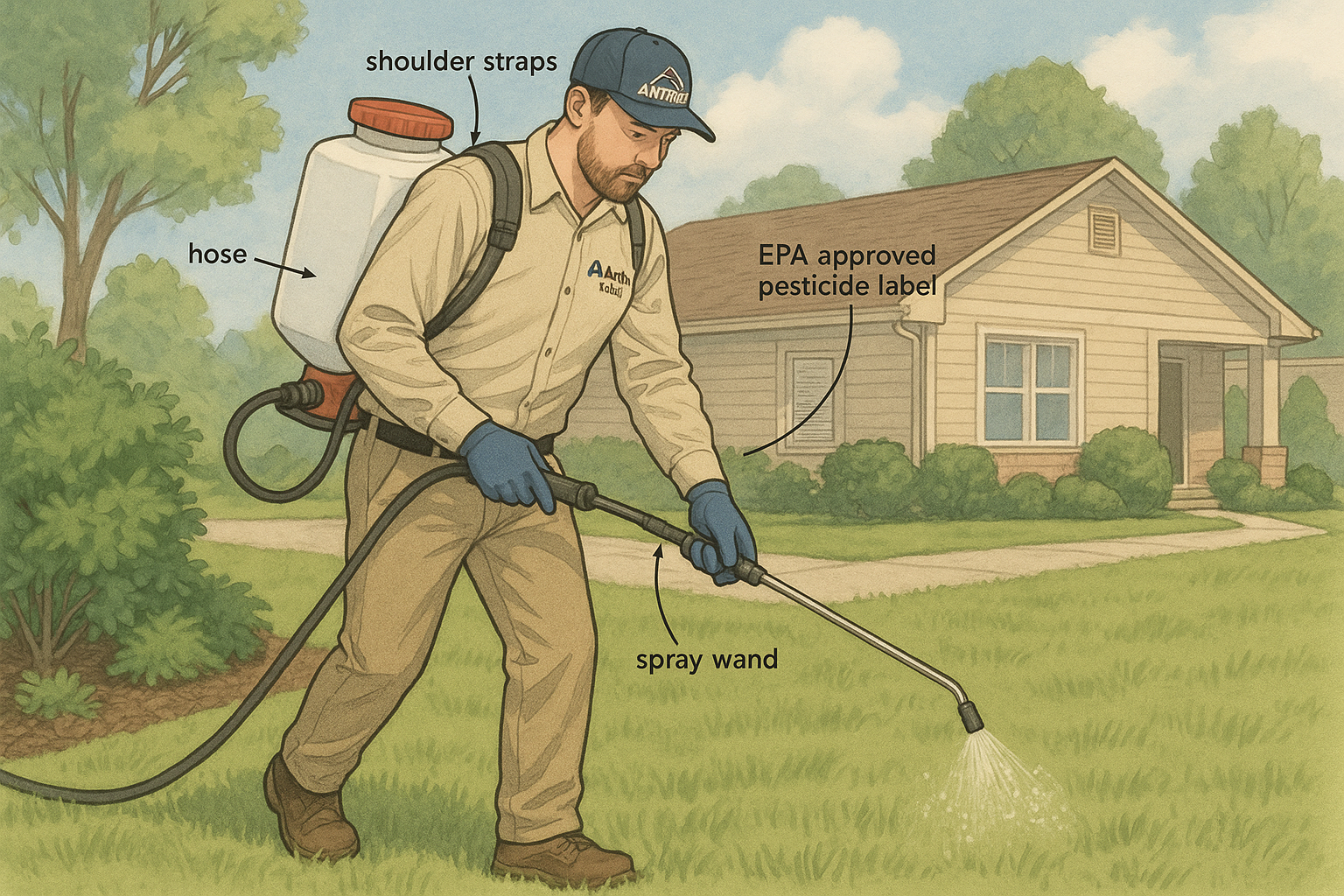
When the technician arrives, the first step is a thorough walk‑through of your property. They’ll map out the yard’s layout, noting shaded areas, tall grass, leaf piles, and any landscaping features that can harbor ticks. High‑risk zones—such as pet‑friendly zones, playgrounds, and garden beds—are flagged for special attention. During this inspection, the professional asks about recent tick sightings, pet habits, and any concerns you have about chemical use. This conversation ensures the treatment plan matches your lifestyle and the unique challenges of your Druid Hills home.
Treatment Options Explained
Anthem Pest tailors the solution to the inspection findings. Common options include:
- Soil drench: A low‑volume, EPA‑approved liquid applied to the top few inches of soil where ticks quest for hosts.
- Perimeter barrier spray: A fine mist that creates a protective ring around the property’s edges, reducing tick migration from neighboring yards.
- Pet‑safe fogger: A quick‑acting fog that targets ticks in lawn and shrubbery without harming dogs or cats.
- Targeted spot treatments: Focused applications on known hotspots, such as a shaded patio or a dog’s favorite digging spot.
The technician explains the pros and cons of each method, letting you choose the combination that fits your budget and comfort level.
Post‑treatment Follow‑up
Effective tick control doesn’t end after the spray can dries. Anthem Pest schedules a verification visit—usually 7‑10 days later—to confirm that the treatment has taken hold. During this follow‑up, the technician checks for any surviving ticks, assesses product efficacy, and provides a written report. If needed, they’ll recommend a re‑treatment window, typically 4‑6 weeks for high‑pressure areas, to maintain a tick‑free environment throughout the season.
Pricing Expectations for Druid Hills Homes
For a standard ¼-acre yard in Druid Hills, you can expect a transparent price range of $120-$250 when working with a trusted tick exterminator near me Druid Hills homeowners rely on. This estimate covers the initial inspection, chosen treatment options, and the first post-treatment verification visit. Larger properties or extensive landscaping may shift the cost upward, but Anthem Pest always provides a detailed quote before any work begins.
EPA‑approved Products & Technician Safety
All chemicals used are registered with the U.S. Environmental Protection Agency, guaranteeing they meet strict safety standards for humans, pets, and the environment. Technicians wear personal protective equipment, follow EPA label instructions to the letter, and use calibrated applicators to avoid over‑application. After treatment, they advise you on safe re‑entry times—usually 30 minutes for foggers and 2‑4 hours for sprays—so you can get back to your yard with confidence.
Ongoing Prevention Strategies
Landscaping Practices that Starve Ticks
Ticks thrive in cool, damp micro‑habitats. By shaping your yard to eliminate those hide‑outs, you cut their life cycle short. Keep your lawn trimmed to no more than three inches; short grass lets sunlight dry the soil and makes it harder for ticks to cling to hosts. Remove leaf litter and pine needles regularly, especially in shaded corners where moisture lingers. Create mulch‑free zones along walkways and play areas—use stone, gravel, or bare soil instead of wood chips. Finally, consider planting native, tick‑repellent herbs such as lavender, rosemary, and sage. Their strong scents act as a natural deterrent while adding curb appeal.
Pet‑Centric Tick Defense
Pets are the most common tick carriers in residential settings, so a proactive routine is essential. Perform a thorough tick check on each animal at least once a week, paying close attention to ears, neck folds, and between toes. Choose an AVMA‑endorsed tick‑preventive collar or topical treatment that matches your pet’s size and health profile; these products provide continuous protection for up to three months. Keep pet bedding, crates, and favorite resting spots clean and washed regularly to remove any hitchhiking larvae. When possible, limit your dog or cat’s access to high‑risk zones—like dense brush or wooded edges—until a barrier treatment has been applied.
Seasonal Calendar: What to Do When
- Spring – Conduct a comprehensive yard cleanup: mow, rake, and apply a pre‑emptive tick barrier to perimeter fences and garden beds.
- Summer – Perform weekly visual inspections of both lawn and pets; reapply any monthly preventatives and spot‑treat hot‑spot areas.
- Fall – Rake away fallen leaves, clear debris, and install a final barrier treatment before the first frost to protect overwintering ticks.
- Winter – Even when the ground is frozen, ticks can linger in sheltered spots like garage corners or under decks. Monitor these areas and keep entry points sealed.
Get Involved with Community Tick‑Watch Programs
Many counties, including Druid Hills, run volunteer‑based tick‑watch initiatives that map hot spots and share treatment updates. Joining a local group lets you stay informed about emerging risks, contributes valuable data for municipal pest managers, and often grants participants discounted or free barrier applications. Check with your city’s public health department or neighborhood association for upcoming meetings, online reporting tools, and educational workshops. A coordinated community effort multiplies the impact of individual actions, turning your yard into one of the safest zones in the neighborhood.
Conclusion & Call to Action
When it comes to ticks, a DIY spray or home remedy might seem convenient, but it rarely reaches the hidden cracks, dense foliage, and soil layers where ticks thrive. Professional treatment penetrates those hotspots, uses scientifically proven formulations, and follows a schedule that breaks the life cycle. The result is a lasting barrier that safeguards your family’s health, protects pets from disease, and preserves the integrity of your lawn and home.
Anthem Pest Control brings that level of protection to Druid Hills residents with a team that knows the local tick hotspots inside out. Our technicians are EPA‑registered, trained to apply the safest yet most effective products, and equipped with region‑specific knowledge that lets us target the species most common to our neighborhoods. Because we combine cutting‑edge chemistry with years of field experience, you get a service that’s both reliable and affordable.
Ready to enjoy a tick-free yard without the guesswork? If you’ve been searching for a trusted tick exterminator near me Druid Hills, call us today at 877-371-8196 for a free, no-obligation quote or schedule an on-site inspection. Our friendly team will assess your property, explain the treatment plan, and set a timeline that fits your schedule. Take the first step toward lasting peace of mind—visit Anthem Pest Control now.