Understanding Flea Risks in Woodstock, GA

In Woodstock, the warm, humid summers and mild winters create an ideal playground for the common cat flea (Ctenocephalides felis). This tiny, wingless parasite thrives when temperatures stay above 65 °F and humidity hovers around 70 %. Under those conditions, a flea can complete its life cycle—from egg to adult—in as little as two weeks, leading to rapid population spikes throughout the season.
How Fleas Slip Into Your Home
- Pets: Dogs and cats are the most direct carriers, bringing adult fleas and eggs on their coats after roaming outdoor yards.
- Outdoor yards: Tall grass, leaf litter, and shaded mulch provide safe breeding grounds where fleas develop before hopping onto a passing animal.
- Neighboring properties: In tightly packed suburban neighborhoods, fleas can jump the fence or hitch a ride on a stray animal moving between yards.
- Clothing and shoes: Fleas are opportunistic hitchhikers; a stray flea can cling to socks or pant legs and be deposited indoors.
Warning Signs Homeowners Should Spot
- Pets scratching or biting at their skin more than usual, especially around the tail base and neck.
- “Black pepper” flea dirt—tiny specks of digested blood that appear as dark granules on bedding or carpet.
- Bite clusters on human skin, often in a line or around the ankles and lower legs.
- Sudden, noticeable fur loss or thinning patches on pets, indicating heavy feeding.
Flea activity isn’t confined to the indoors. Outdoor hotspots such as shaded garden beds or pet shelters can harbor thousands of eggs and larvae. When indoor conditions become favorable—think heated homes in winter—those outdoor populations can migrate inside, making both environments equally important to monitor in Woodstock’s suburban settings.
Quick Tip – “Three‑Step Check”
1. Inspect pets: Part the fur and look for live fleas or flea dirt.
2. Examine bedding: Use a white cloth to wipe sheets; dark specks that turn red when moistened are flea feces.
3. Set a trap: Place a small dish of soapy water near pet resting spots; fleas attracted to warmth will drown and confirm their presence.
If you find evidence at any step, it’s time to call a professional.
The U.S. Environmental Protection Agency (EPA) recommends an integrated approach—combining proper pet treatment, environmental sanitation, and targeted insecticide use—to keep flea populations under control. Following EPA best practices helps protect both your family’s health and the local ecosystem.
When Fleas Are Most Active – Seasonal Patterns in Georgia
Understanding the flea life cycle
Fleas move through four distinct stages: egg → larva → pupa → adult. Each transition is tightly linked to the surrounding temperature and humidity. Eggs hatch fastest when the air stays above 65°F (18°C) and moisture is moderate. Larvae feed on organic debris and need a humid micro‑environment to avoid desiccation; they typically develop within 5‑10 days in Georgia’s warm, damp spring. The pupal stage can linger for weeks, but a sudden rise in temperature or a surge of host activity (like a dog returning from a walk) can trigger mass emergence of adult fleas.
Seasonal activity chart
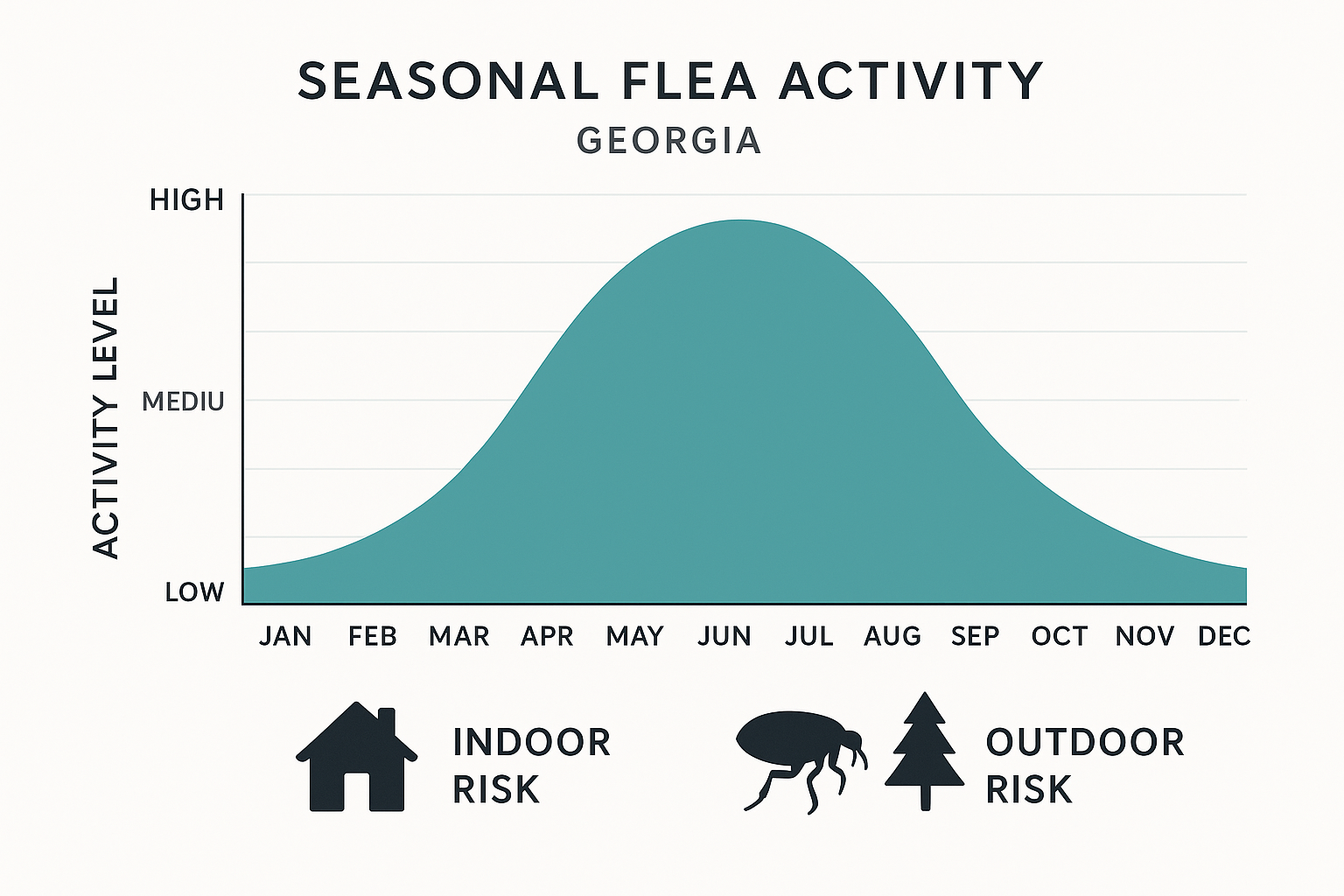
The chart above visualizes two clear windows of heightened risk for Georgia homeowners. From late April through early July, outdoor flea populations explode as lawns, gardens, and stray wildlife provide ideal breeding grounds. A secondary, smaller wave appears in September and October when indoor infestations, already established earlier in the year, become more noticeable as pets spend more time inside.
Indoor vs. outdoor risk
- Outdoor risk: Warm, humid days accelerate egg hatching and larval growth. Yard debris, mulch, and shaded spots act as nurseries for new fleas.
- Indoor risk: Once adult fleas find a host inside the home, they can complete their life cycle year‑round. Eggs, larvae, and pupae hide in carpet fibers, pet bedding, and cracks, making the indoor environment a long‑term reservoir.
Timing inspections and treatments
To stay ahead of the surge, schedule a professional inspection in early March. This allows technicians to treat any hidden indoor colonies before the outdoor wave pushes new adults inside. After the fall peak (late September to early November), a second inspection helps eradicate lingering indoor stages before winter slows flea development.
Practical steps for homeowners:
- Check pet bedding, under‑furniture cushions, and carpet edges for tiny black specks (flea dirt) each month.
- Vacuum thoroughly after each outdoor walk to remove stray larvae and pupae.
- Apply a veterinarian‑approved spot‑on product before the March inspection to reduce adult flea numbers.
- Consider a targeted indoor fogger or spray in November if you notice persistent activity.
Further reading
For detailed federal guidance on seasonal flea management, consult the EPA’s flea control resource page. It outlines best practices for both indoor and outdoor treatments, helping you align your pest‑control plan with scientific recommendations.
How Professional Flea Treatments Work
Initial Inspection
Before any chemicals touch your home, a certified technician conducts a thorough walk‑through. They locate flea hotspots such as pet bedding, carpet edges, and under furniture, while also checking for signs of larval development in cracks and crevices. A quick pet assessment follows—identifying the number of animals, their size, and any sensitivities—to ensure that subsequent treatments won’t irritate skin or cause allergic reactions. Finally, the tech may collect a few environmental samples (e.g., a small carpet swab) to confirm the species and gauge infestation intensity. This data‑driven start guarantees that the plan targets the right areas and uses the appropriate product strength.
Core Treatment Options
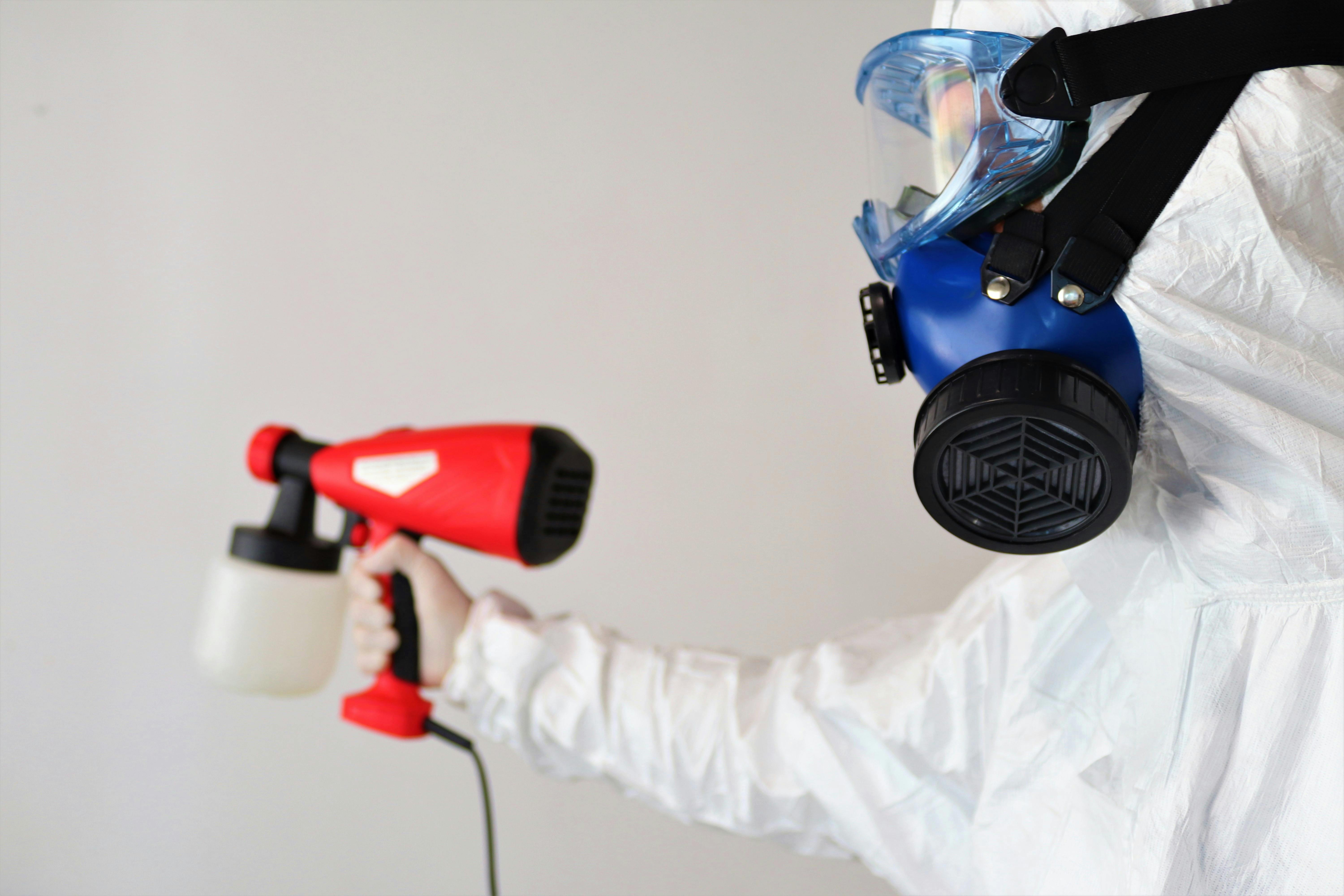
- Targeted indoor spray (residual insecticide) – A low‑toxicity, EPA‑registered spray is applied to baseboards, under cushions, and other high‑traffic zones. The formulation leaves a residual barrier that kills adult fleas for weeks. Technicians wear protective gloves and respirators, and they advise homeowners to keep children and pets out of treated rooms for the recommended ventilation period.
- Outdoor perimeter treatment – Fleas often hide in shaded garden beds, under mulch, and around the house foundation. The technician treats these zones with a weather‑resistant spray that targets adult fleas before they can jump indoors. This creates a protective “fence” around the property, reducing reinfestation from the yard.
- Pet‑focused products – While the technician handles the environment, they also coordinate with your veterinarian to recommend safe collars, spot‑on treatments, or oral medications for each pet. Synchronizing the pet product with the home treatment maximizes kill rates and prevents new fleas from hatching on the animal’s coat.
Specialized Equipment
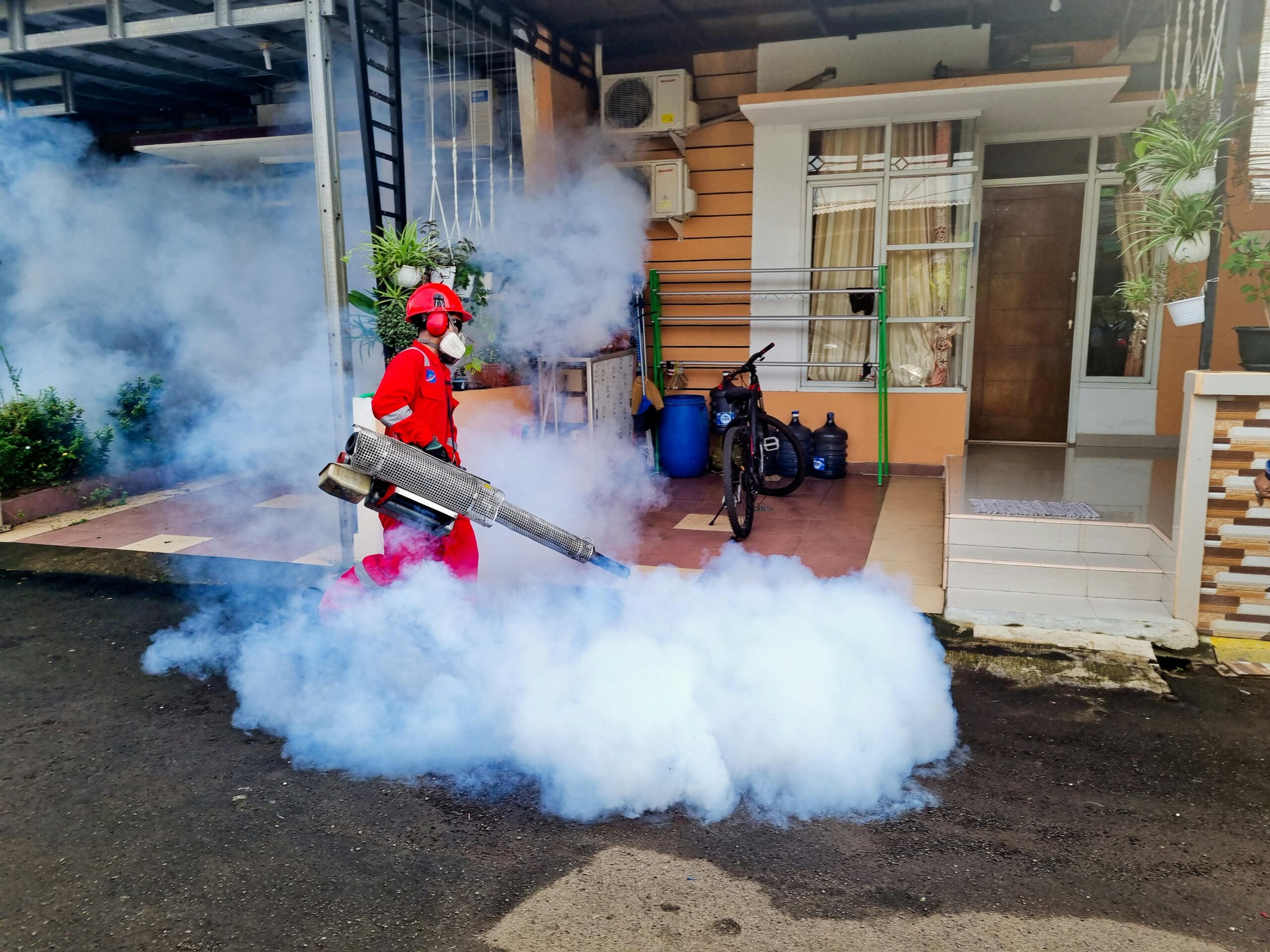
Professional crews rely on low‑pressure foggers and micro‑atomizers rather than the high‑pressure sprayers you might see in DIY kits. These devices produce a fine mist that settles evenly on surfaces without creating excessive airborne particles. The result is a uniform coverage that reaches cracks, seams, and upholstery while keeping human exposure to a minimum. Technicians also use handheld UV lights to spot hidden larvae, ensuring no stage of the flea life cycle is missed.
Post‑Treatment Follow‑Up
Eliminating fleas is a process, not a one‑time event. After the initial service, the technician schedules a re‑inspection—usually 7 to 10 days later—to verify that adult fleas are gone and to treat any emerging larvae. Homeowners play a crucial role during this window: vacuuming carpets and upholstery daily removes eggs and larvae, and washing pet bedding in hot water kills any survivors. By maintaining a clean environment, you give the professional treatment a clear runway to work its residual effect.
Safety First
All products used by Anthem Pest Control are EPA‑registered and have undergone rigorous testing for human and pet safety. Technicians strictly follow label instructions, which dictate application rates, dwell times, and re‑entry intervals. Homeowners are reminded to keep doors and windows open for proper ventilation and to store all chemicals out of reach of children and pets. When you choose a licensed professional, you gain the peace of mind that comes from knowing every step—from inspection to follow‑up—is backed by science and regulated standards.
Flea Control Costs in Woodstock, GA – What to Expect
One‑Time Treatment vs. Quarterly Service
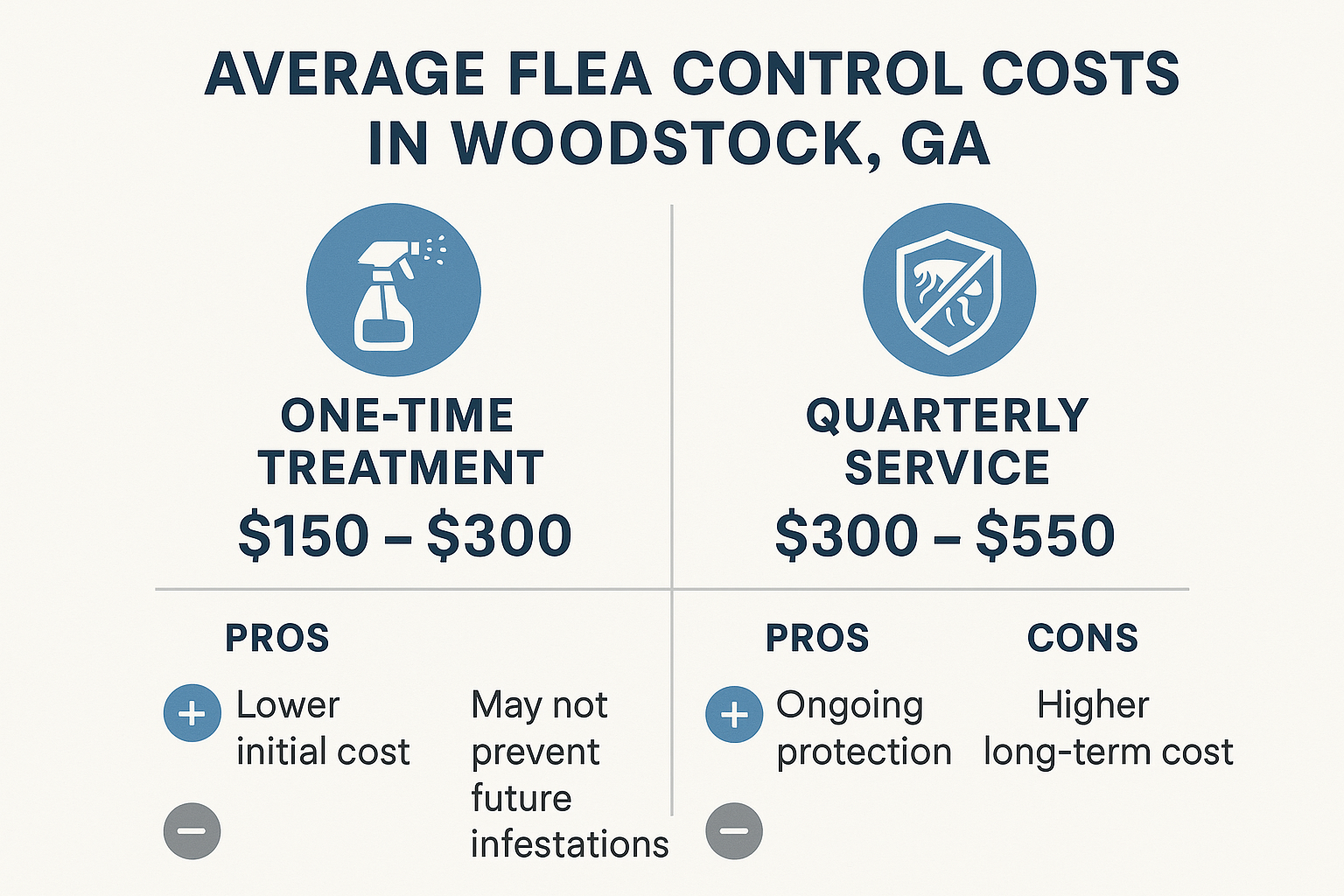
Homeowners typically choose between a single, intensive interior/exterior treatment and a scheduled quarterly preventative plan. Both approaches eliminate fleas, but they differ in timing, cash flow, and long‑term protection.
- One‑time interior/exterior treatment
- Pros: Immediate eradication, single payment, ideal for sudden outbreaks.
- Cons: No ongoing monitoring, risk of re‑infestation once the residual effect fades, higher upfront cost.
- Quarterly preventative service
- Pros: Continuous protection, includes re‑treatments and monthly monitoring, spreads cost over four payments.
- Cons: Slightly higher total spend over a year, commitment to a schedule.
What Drives the Price?
Several variables affect the final invoice for flea control in Woodstock:
- Home size – Larger square footage requires more product and labor.
- Yard acreage – Outdoor treatment area expands the scope of work.
- Infestation severity – Heavy infestations need extra applications or stronger formulations.
- Pet count – More animals may need pet‑safe products, which can add to the cost.
- Specialized pet products – Collars, sprays, or oral medications tailored for dogs or cats are priced separately.
Example: 2‑Bedroom Home with a Fenced Yard
| Service Option | Upfront Cost | Quarterly Payments | Total Annual Cost | What’s Included |
|---|---|---|---|---|
| One‑Time Interior/Exterior Treatment | $250 | — | $250 | Full‑home spray, yard perimeter, pet‑safe spot‑on treatment |
| Quarterly Preventative Plan | $120 (first visit) | $90 per quarter | $480 | Initial treatment, three follow‑up visits, monitoring, pet‑specific products (if needed) |
Financing & Discounts from Anthem Pest Control
Anthem understands that pest control is an essential household expense. To ease the financial burden, we offer:
- 0% APR financing for up to 12 months on quarterly plans.
- 10% discount for homeowners who bundle flea control with any other annual service (e.g., mosquito or termite protection).
- Veteran and senior citizen discounts of up to 15% on the first year of service.
All discounts are applied before taxes, and financing applications can be completed online or over the phone.
Why paying for quarterly service can save you money in the long run.
Protect Your Home with Anthem Pest Control
Fleas don’t take a vacation, and Woodstock’s mild winters mean they can linger all year long. A single bite can trigger itching, allergic reactions, and even transmit disease to pets and people. Because fleas reproduce quickly, delaying treatment often turns a minor nuisance into a full‑blown infestation that spreads from your yard to every room in the house. That’s why timely, professional flea control is essential for keeping your family comfortable and your home safe.
Why Choose Anthem Pest Control?
- Safe, EPA‑approved solutions: Our technicians use products that are rigorously tested and approved for indoor use, protecting children, pets, and the environment while eradicating fleas at every life stage.
- Transparent pricing: No hidden fees or surprise add‑ons. You’ll receive a clear, upfront quote that outlines exactly what’s included in your treatment plan.
- Local expertise: We know Woodstock’s climate, common flea hotspots, and the best timing for preventative applications. Our technicians tailor each service to the unique needs of your property.
Ready for a flea‑free home? Our certified technicians are just a call away. Give us a ring at 877‑371‑8196 to schedule a free, no‑obligation quote and learn how quickly we can restore comfort to your living space.
Take the first step toward lasting relief—visit Anthem Pest Control and discover why homeowners across Woodstock trust us to protect what matters most.