Introduction to House Fly Control Costs in Chamblee

When summer settles over Chamblee, the neighborhood’s lush lawns and open windows become an invitation for one of the most persistent seasonal visitors – the common house fly (Musca domestica). These buzzing intruders are more than a minor annoyance; they swarm around outdoor grills, hover near indoor lights, and can quickly turn a comfortable porch into a buzzing nightmare.
Beyond the irritation, house flies pose real concerns for comfort, hygiene, and health. Their tiny bodies are perfect carriers for bacteria, viruses, and parasites picked up from garbage, pet waste, or decaying organic matter. A single fly can transfer pathogens from a kitchen trash can to a family’s dinner plate in seconds, raising the risk of food‑borne illnesses such as salmonella or E. coli. For homeowners who take pride in a clean, safe environment, the presence of flies undermines that peace of mind.
Because flies multiply quickly and can re‑enter a home through even the smallest cracks, many residents find themselves chasing a moving target. That’s why understanding the true cost of house‑fly control matters. Transparent pricing lets you plan your home‑maintenance budget without surprise invoices, and it empowers you to weigh the value of professional treatment against DIY alternatives.
At Anthem Pest Control, we recognize that Chamblee homeowners deserve clear, upfront information. Our mission is simple: provide safe, effective fly‑control solutions at a price that won’t break the bank. We use EPA‑approved products that are tough on flies but gentle on families, pets, and the surrounding environment. Every service quote includes a detailed breakdown of labor, materials, and any follow‑up visits, so you know exactly where each dollar goes.
In the sections that follow, we’ll walk you through:
- What drives the cost of fly control – from the type of treatment to the size of your property.
- Typical price ranges in Chamblee – a realistic look at what most homeowners pay for one‑time and ongoing services.
- How Anthem Pest ensures value – our pricing model, guarantees, and safety protocols.
- DIY vs. professional options – when a home‑owner can safely tackle the problem and when it’s best to call the pros.
- Seasonal timing tips – the optimal windows for treatment to keep flies at bay year‑round.
By the end of this guide, you’ll have a complete picture of the financial and practical considerations involved in keeping house flies out of your Chamblee home. Armed with that knowledge, you can make confident decisions, protect your family’s health, and enjoy a fly‑free summer without hidden costs.
Identifying a House Fly Infestation
Understanding the Fly’s Life Cycle
House flies (Musca domestica) complete their entire life cycle in as little as seven to ten days when conditions are warm and moist. An adult female can lay up to 150 eggs in a single batch, preferring soft, organic material that is already decomposing. Those eggs hatch into tiny larvae—commonly called maggots—within 24 hours. The maggots feed voraciously on the same decaying matter, growing through three instar stages before dropping to the ground to pupate. In just a few days the pupae transform into fresh adult flies, ready to reproduce again. This rapid turnover means that a single overlooked breeding site can generate dozens of new flies in less than a week.
Where Flies Choose to Breed
In a typical Chamblee backyard or garage, flies gravitate toward three primary resources:
- Trash and garbage bins—especially those that are not sealed or are left outdoors for extended periods.
- Pet waste—dog or cat droppings provide a moist, nutrient‑rich environment perfect for egg‑laying.
- Standing water or damp organic matter—think of soggy leaves, compost piles, or even a leaky faucet that creates a persistent wet spot.
Because each of these sites can support an entire generation, the key to prevention is eliminating the habitat before the flies can finish their cycle.
Why Flies Matter: Disease Risk
Beyond the nuisance factor, house flies are proven mechanical vectors for a range of pathogens. The CDC, 2023, House Flies as Vectors reports that flies can transfer bacteria such as Salmonella, E. coli, and even parasites like Cryptosporidium from contaminated surfaces to food, countertops, and open wounds. A single fly can carry thousands of microorganisms on its body hairs and in its digestive tract, contaminating anything it lands on. For families with children, seniors, or immunocompromised members, an unchecked fly problem can quickly become a health concern.
Quick Homeowner Checklist
- Visible flies buzzing inside the kitchen, dining area, or around light fixtures.
- Increased fly activity near outdoor garbage cans, pet feeding stations, or compost heaps.
- Noticeable breeding sites—rotting fruit, uncovered food waste, damp mulch, or pet waste left unattended.
- Sticky traps or fly ribbons catching more than a handful of flies in a single day.
If you tick more than one of these boxes, it’s time to act before the population explodes.
Typical Backyard Scenario
Imagine stepping onto your patio on a warm summer evening. A soft hum fills the air as flies circle the outdoor dining set, occasionally landing on plates left out for a lingering barbecue. Nearby, a compost bin sits under a shaded tree, its lid slightly ajar, allowing moisture to seep in. A small puddle forms at the base of the bin, and a stray dog’s waste sits just a foot away. This combination of food residue, moisture, and organic decay creates an ideal breeding ground. Within days, the maggots you can’t see are turning into dozens of new adults, ready to invade your indoor spaces.
What Drives the Cost of Fly Control
Property Size and Layout
The larger the square footage, the more product and labor are required to reach every corner where flies can hide. A single‑family home with an open floor plan typically needs fewer spray passes than a multi‑unit building with shared walls, stairwells, and multiple entry points. Inspectors will measure the total livable area and note any hard‑to‑reach spaces—like crawl‑spaces or attic vents—that add time to the job.
Infestation Severity Levels
Fly populations are usually categorized as low, moderate, or high. A low‑level problem might be handled with a single residual spray and a follow‑up check. Moderate infestations often require a combination of sprays and bait stations, plus a second visit to ensure the numbers drop. High‑severity situations can demand weekly treatments, trap placement, and extensive sanitation work, all of which drive the price upward.
Treatment Types: Pros and Cons
- Residual Spray – Leaves a protective barrier for weeks. Great for outdoor patios and indoor perimeters, but may need re‑application after heavy rain.
- Bait Stations – Attracts flies to a poisoned food source. Effective for indoor use and reduces the amount of chemicals in the air, yet placement must be strategic to avoid pets.
- Fly Traps – Mechanical or adhesive traps capture adults quickly. Ideal for monitoring, but they don’t eliminate breeding sites.
- Eco‑Friendly Options – Uses botanically based sprays or growth regulators. Safer for children and pets, though they may require more frequent applications to match the knock‑down power of conventional chemicals.
Seasonal Demand Spikes
Summertime in Chamblee brings warm, humid conditions that accelerate fly breeding cycles. Demand for professional fly control surges from May through August, and many companies adjust their rates to reflect the higher volume of work. Scheduling treatment early in the season can lock in a lower price and prevent the infestation from reaching a costly high‑severity stage.
Local Regulations and the 2024 Georgia Department of Agriculture Pesticide Application Fee Schedule
Georgia law requires licensed applicators to pay a per‑application fee that varies with the type of pesticide used. In 2024, the fee schedule includes a base charge for standard residual sprays and an additional surcharge for restricted‑use products. These fees are passed directly to the homeowner, so a quote that lists “state‑mandated fee” isn’t a hidden cost—it’s a compliance requirement.
| Size (sq ft.) | Severity | Treatment Type | Estimated Cost (USD) |
|---|---|---|---|
| Up to 1,500 | Low | Residual spray | $120‑$150 |
| 1,501‑3,000 | Moderate | Spray + bait stations | $180‑$250 |
| 3,001+ (multi‑unit) | High | Weekly spray + traps + eco‑friendly product | $350‑$500 |
Typical Fly‑Control Pricing in Chamblee, GA
When it comes to keeping house flies out of your home, knowing what you’ll actually pay is half the battle. In Chamblee, Georgia, the cost of professional fly control is shaped by the type of service you choose, the materials involved, and the local market dynamics. Below is a clear breakdown of what most homeowners can expect to spend, followed by a side‑by‑side comparison with nearby cities.
Basic One‑Time Treatment
A single, targeted application is the most affordable way to knock down an existing fly infestation. Most reputable companies, including Anthem Pest Control, quote a price range of $80‑$120 for this service. The variation depends on factors such as the size of the property, the severity of the problem, and whether any special chemicals are required.
Quarterly Maintenance Plan
For homeowners who want to stay ahead of seasonal spikes, a quarterly maintenance plan spreads the work (and the cost) over the year. In Chamblee, the typical annual price falls between $150‑$250. This includes four visits, each with a light treatment and a visual inspection to ensure flies haven’t found a new foothold.
Comprehensive Package (Treatment + Traps + Follow‑Up)
If you prefer an all‑in‑one solution, the comprehensive package bundles a thorough initial treatment, strategically placed fly traps, and a follow‑up visit to fine‑tune the results. Homeowners usually see a price tag of $300‑$450 for the full year. The higher cost reflects the added equipment, additional labor hours, and the premium chemicals that target both adult flies and their breeding sites.
Cost Breakdown by Component
- Labor: Technicians typically charge $50‑$80 per hour. A one‑time treatment generally requires 1‑2 hours, while quarterly visits and comprehensive packages can add up to 4‑6 hours over the year.
- Chemicals: EPA‑approved adulticides and larvicides range from $15‑$30 per treatment. Packages that include traps add $10‑$20 for consumables.
- Equipment: Disposable applicators, sprayers, and trap hardware contribute $5‑$15 per visit. The comprehensive package amortizes these costs across multiple services, which is why the per‑visit expense appears lower.
When you add these components together, the resulting price ranges align closely with the figures listed above. For example, a basic treatment might consist of 1.5 hours of labor ($75), a single dose of insecticide ($20), and a set of applicators ($10), totaling roughly $105—right in the middle of the $80‑$120 range.
How Chamblee Prices Compare to Nearby Cities
Chamblee’s pricing is competitive, but it helps to see the numbers side by side with neighboring markets. The table below shows the typical cost ranges for the three most common service options in Doraville and Brookhaven. All figures are based on quotes from local licensed providers and reflect the same service definitions used in Chamblee.
| Service Type | Chamblee, GA | Doraville, GA | Brookhaven, GA |
|---|---|---|---|
| Basic One‑Time Treatment | $80‑$120 | $85‑$130 | $75‑$115 |
| Quarterly Maintenance Plan (annual) | $150‑$250 | $160‑$270 | $140‑$230 |
| Comprehensive Package | $300‑$450 | $320‑$480 | $290‑$430 |
Notice that Doraville tends to be slightly pricier across the board, likely due to higher labor rates, while Brookhaven’s numbers sit just a notch below Chamblee’s. This context reinforces that Chamblee’s pricing is firmly in the middle of the regional market, offering a balanced mix of affordability and service depth.
National Benchmark
The National Pest Management Association (NPMA) released its 2023 market report, which found that the average residential fly‑control cost across the United States falls between $120‑$380 per year, depending on service complexity. Read the full NPMA report here. Chamblee’s pricing aligns well with this national average, confirming that local homeowners are not paying an outlier price for professional fly management.
Understanding these numbers helps you make an informed decision about which service level matches your budget and fly‑control goals. Whether you opt for a quick knock‑down or a year‑long protection plan, Anthem Pest Control is ready to tailor a solution that fits both your home’s needs and your wallet.
DIY Methods vs. Professional Fly Control
When house flies start buzzing around your kitchen, the first instinct for many Chamblee homeowners is to grab a spray from the local hardware store and hope for the best. While a quick‑fix can feel satisfying, it’s worth weighing the true cost of a DIY approach against the long‑term benefits of hiring a licensed professional. Below we break down the options, the hidden pitfalls of “do‑it‑yourself,” and why a certified pest‑control technician often delivers the best value.
Common DIY Solutions
- Store‑bought aerosol sprays – Typically priced between $10 and $20 per can. Effective for immediate knock‑down but offer limited residual protection.
- Sticky fly traps – Available in packs of 5‑10 for $12‑$25. Good for monitoring, but they capture only a fraction of the population.
- Fly baits and gel stations – Cost around $15‑$30. Require careful placement and can be less attractive to flies in cooler months.
- DIY home remedies (vinegar traps, essential‑oil sprays) – Often free or under $10, but lack scientific validation and can attract other insects.
Limitations of DIY
While the upfront price tag of a spray can be tempting, the true cost of a DIY program quickly adds up:
- Inconsistent coverage – Most retail products treat only visible surfaces. Hidden breeding sites, such as garbage bins or wall voids, remain untouched.
- Safety concerns – Aerosols contain pyrethroids or other chemicals that can irritate skin, eyes, and pets if misapplied.
- Lack of warranty – If flies return, there’s no guarantee of a repeat service or a refund.
- Regulatory blind spots – Georgia’s Department of Agriculture sets specific guidelines for pesticide use around food‑preparation areas. DIY users often unknowingly violate these rules.
- Time and effort – Frequent re‑applications and trap checks can become a weekly chore, diverting time from family or work.
Why a Licensed Professional Makes Sense
Choosing Anthem Pest Control means you’re investing in a solution that addresses the problem at its source, not just the symptoms:
- Guaranteed efficacy – Certified technicians conduct a thorough inspection, identify breeding hotspots, and apply EPA‑registered products that provide weeks of residual control.
- Compliance with Georgia regulations – Our team follows state‑mandated application protocols, ensuring safe use around children, pets, and food‑handling surfaces.
- Comprehensive warranty – If flies reappear within the treatment window, we’ll revisit your home at no extra charge.
- Ongoing monitoring – Seasonal follow‑ups keep the fly population in check year‑round, preventing future infestations.
- Professional equipment – Foggers, ULV (ultra‑low volume) sprayers, and targeted bait stations reach cracks, vents, and outdoor perimeters where DIY tools can’t.
Cost‑Benefit Matrix
| Factor | DIY (Store‑bought) | Professional (Anthem Pest) |
|---|---|---|
| Upfront Cost | Low ($10‑$30 per product) | Medium‑High ($120‑$250 per treatment) |
| Long‑Term Effectiveness | Short (1‑2 weeks) | Extended (4‑8 weeks, plus follow‑ups) |
| Safety | Variable – higher risk of misuse | High – EPA‑registered, technician‑applied |
| Peace of Mind | Limited – no warranty, frequent re‑application | Comprehensive – warranty, monitoring, expert support |
When you add up the recurring cost of buying new sprays every few weeks, the price gap narrows dramatically. More importantly, the professional route eliminates the guesswork, reduces health hazards, and frees you from the endless cycle of “spray‑and‑pray.”
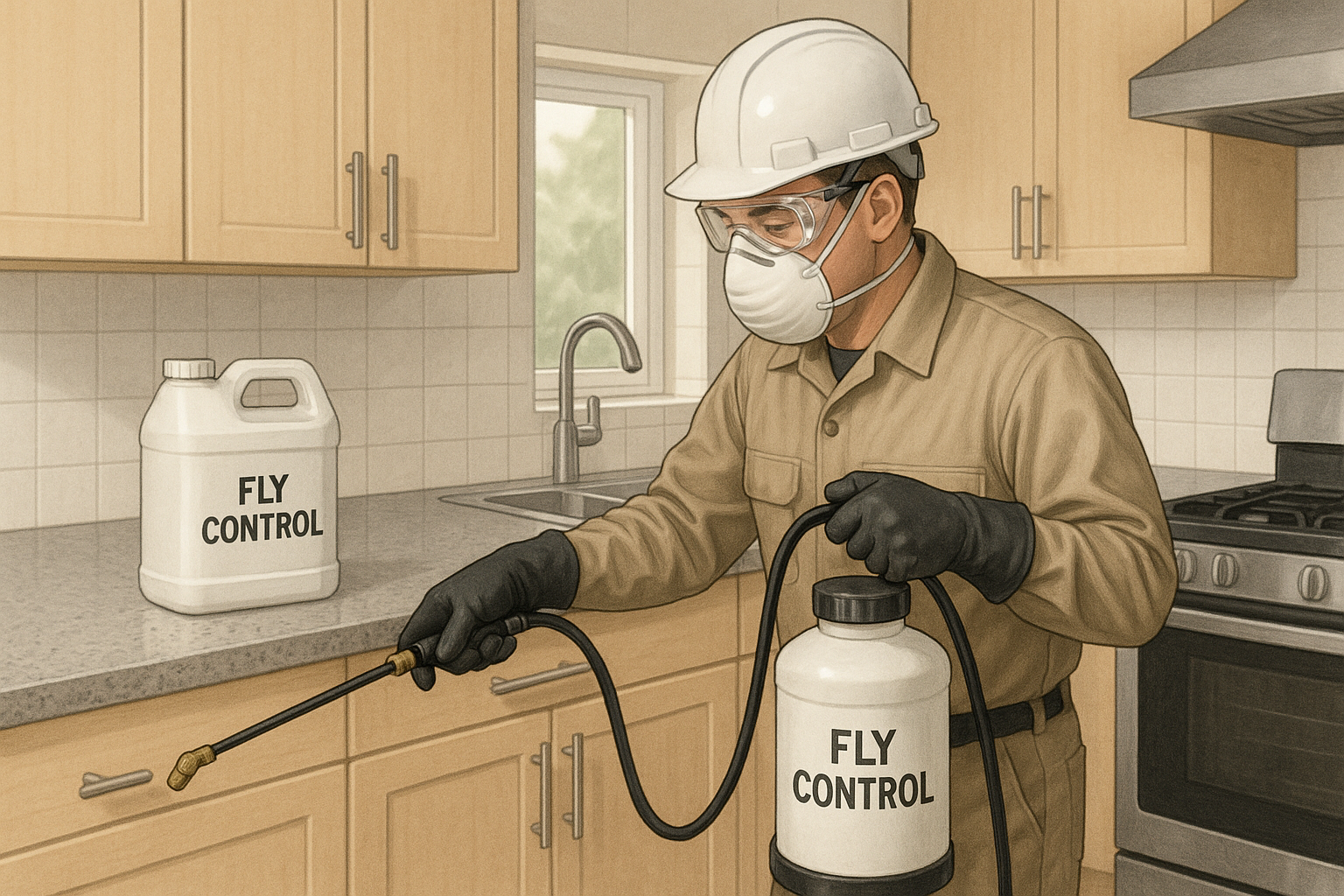
Seasonal Timing for Fly Treatments
In Chamblee, Georgia, the months of June through August are practically a fly‑fest. The combination of daytime highs often climbing above 90°F (32°C) and humidity levels hovering around 70 % creates the perfect breeding ground for house flies. Warm temperatures accelerate the life cycle—from egg to adult can happen in as little as seven days—while moisture keeps larvae from drying out. The result? A rapid, exponential rise in the local fly population.
Why the Summer Surge Happens
Flies are ectothermic, meaning their metabolism is driven by the surrounding temperature. When it’s hot, they become more active, feeding more often and laying more eggs. Humidity plays a supporting role: it prevents the tiny maggots in organic waste from desiccating, allowing them to mature into adults. In Chamblee’s summer, outdoor trash, pet waste, and even damp garden mulch become ideal nurseries, feeding the seasonal boom.
Pre‑emptive Treatment: Early May is Key
Waiting until flies are already swarming makes control harder and often more costly. By scheduling a professional fly treatment in early May—before the first major heat wave—you give the insecticide a chance to establish a protective barrier around your home’s exterior and interior entry points. This “front‑loading” approach reduces the number of flies that can even get inside once the summer heat kicks in.
| Time Frame | Purpose | Key Actions |
|---|---|---|
| Early May (1‑15) | Pre‑emptive barrier | Exterior spray, perimeter sealing, indoor residual |
| Mid‑June (15‑30) | Peak activity boost | Follow‑up spot treatments, trap placement |
| September (1‑15) | Post‑season follow‑up | Final inspection, residual re‑application if needed |
What Homeowners Can Do During High‑Risk Months
- Manage waste properly. Keep trash cans tightly sealed and remove organic waste (food scraps, pet droppings) at least daily. Compost bins should be covered and turned regularly.
- Eliminate standing water. Empty bird baths, pet water dishes, and clogged gutters at least once a week. Even a shallow puddle can become a larval habitat.
- Seal entry points. Install or repair screen doors, window screens, and weather‑stripping around doors. Flies can slip through gaps as small as a quarter of an inch.
- Reduce indoor attractants. Store food in airtight containers, clean up spills immediately, and keep countertops free of crumbs. A clean kitchen is less inviting to foraging flies.
- Control outdoor lighting. Bright porch lights draw flies at night. Use amber‑tinted bulbs or limit outdoor lighting during peak fly hours (late afternoon to early evening).
By aligning your treatment schedule with Chamblee’s climate patterns and pairing professional services with these homeowner habits, you’ll keep fly numbers low, protect your family’s comfort, and avoid the surprise expense of emergency pest control later in the summer.
How Anthem Pest Delivers Value in Chamblee
When a house fly swarm settles on your kitchen counter, you need more than a quick spray—you need a partner who understands the unique challenges of the Chamblee climate and can back up every treatment with clear, honest pricing. Anthem Pest does exactly that, blending local expertise with transparent practices, low‑toxicity products, and a track record of satisfied homeowners.
Local Expertise You Can Trust
Chamblee’s humid subtropical climate creates the perfect breeding ground for house flies. Our technicians spend months training specifically on Georgia’s weather patterns, seasonal humidity spikes, and the typical fly habitats found in neighborhoods like Ashford Park and Peachtree Corners. That means they know where flies love to hide—under porch decks, in over‑grown yard mulch, and inside poorly sealed trash enclosures.
During a free on‑site inspection, an Anthem specialist will walk your property, identify the exact sources of attraction, and explain how local factors such as rain‑driven drainage issues or nearby commercial eateries can amplify fly activity. This hyper‑local knowledge lets us design a treatment plan that targets the problem at its root, not just the visible insects.
Transparent Pricing—No Surprises
Homeowners in Chamblee often worry about hidden fees that appear after a service call. Anthem Pest eliminates that anxiety with a detailed, item‑by‑item quote delivered before any work begins. Our pricing sheet breaks down:
- Initial inspection (free)
- Baseline treatment cost per square foot
- Optional follow‑up visits and preventative add‑ons
- Any applicable tax or disposal fees
Because the quote is written in plain language, you can see exactly what you’re paying for and compare it to other local providers without guessing. If you decide to move forward, the price you approved is the price you pay—no surprise surcharges, no “service fees” hidden in the fine print.
Safe, EPA‑Registered Products
Anthem Pest is committed to protecting both your family and the environment. All of our fly‑control chemicals are EPA‑registered and selected for low toxicity to humans and pets while remaining lethal to adult flies and their larvae. We prioritize products that break down quickly in the soil and do not linger in indoor air, reducing the risk of respiratory irritation or accidental exposure.
Our technicians wear personal protective equipment and follow strict application protocols, ensuring that each spray is applied only where needed. This approach not only meets federal safety standards but also aligns with the growing demand among Chamblee homeowners for greener, healthier pest‑management solutions.
What Neighbors Are Saying
“Anthem’s crew came out for a free inspection and instantly spotted the fly‑breeding spot behind our compost bin. Their treatment cleared the house flies within two days, and we haven’t seen a single one since. Highly recommend!”
— Emily R., Ashford Park
“I was skeptical about pest control costs, but Anthem gave me a clear, written quote and stuck to it. The low‑toxicity spray was safe for my toddler and our dog, and the flies are gone. Excellent service and honest pricing.”
— Marcus L., Peachtree Corners
Free Inspection & How to Request a Quote
Ready to experience the Anthem difference? Schedule your complimentary on‑site inspection by calling 877‑371‑8196 or visiting our website. During the visit, we’ll assess fly activity, discuss any seasonal concerns, and provide a written, no‑obligation quote that outlines every step of the process.
By choosing Anthem Pest, Chamblee homeowners gain a local partner who blends climate‑specific knowledge, crystal‑clear pricing, and safe, EPA‑approved products—all backed by real testimonials from neighbors who have already reclaimed their homes from house flies.
Frequently Asked Questions About Fly Control
How long does a treatment last?
Most residential fly‑control programs provide a residual effect that protects your home for four to six weeks. The exact duration depends on the product class—residual sprays, baits, or perimeter foggers each degrade at different rates. In Chamblee’s humid climate, moisture can shorten efficacy, so we often recommend a follow‑up inspection after the fifth week. Indoor applications tend to last a bit longer than outdoor ones because they are shielded from rain and direct sunlight. If you notice a resurgence sooner, it may be a sign that additional treatment or a different formulation is needed.
Will pets be affected?
We only apply EPA‑registered products that are classified as low‑toxicity for mammals. Labels typically require pets to stay away from treated zones for 30 minutes to two hours, depending on the formulation. After that window, normal activity can resume safely. As a precaution, keep cats and dogs off treated surfaces until the label‑specified drying time has passed, and store pet food, water bowls, and toys away from the application area. Most of the active ingredients, such as pyrethroids, break down quickly once exposed to air and sunlight, further reducing risk.
What if flies return after a month?
Should you see a noticeable fly return around the 30‑day mark, contact us right away. Our service agreement includes a guaranteed follow‑up visit at no extra charge to reassess the situation. Technicians will verify that the original treatment was applied correctly, check for new breeding sites—like uncovered garbage, pet waste, or damp organic debris—and may adjust the product mix or add a targeted bait. In many cases, a simple corrective spray restores the protective barrier and eliminates the comeback. Our warranty also covers a second‑visit discount if the issue stems from an unforeseen infestation source.
Are there rebates or senior discounts?
Anthem Pest Control frequently runs seasonal promotions, including rebates on multi‑service packages and a **5 % discount for seniors**. These offers change throughout the year, so the most reliable way to capture current savings is to call our office or visit the website. We also offer a **military discount** and a **referral bonus** for neighbors who recommend our service. Our representatives can verify eligibility, apply any applicable coupon codes, and walk you through the pricing breakdown before scheduling.
All of the guidelines above follow the best practices outlined by the CDC and the EPA. By staying informed and partnering with a licensed professional, you protect both your family and your home from the nuisance and health risks that house flies bring.
Take the Next Step with Anthem Pest Control
When you’ve weighed the numbers, the picture becomes clear: a modest upfront investment in professional fly control often saves you far more in the long run. DIY sprays may appear cheap, but they rarely eradicate the source, leading to repeated purchases, wasted time, and lingering health risks. By contrast, a professionally‑applied treatment targets the entire life cycle of house flies, preventing future infestations and protecting your family’s comfort year after year.
Why professional treatment is the most cost‑effective solution
- Comprehensive coverage: Technicians assess indoor and outdoor breeding sites, seal entry points, and apply products that remain active for weeks.
- Reduced re‑treatment: One thorough service eliminates the need for multiple over‑the‑counter applications.
- Health protection: EPA‑approved products used by certified professionals keep harmful residues away from children and pets.
Anthem Pest’s transparent pricing and safety focus
At Anthem Pest Control, we believe you should know exactly what you’re paying for before any work begins. Our quotes break down every step—inspection, treatment, follow‑up—so there are no surprise fees. All of our technicians are trained in the latest Integrated Pest Management (IPM) practices, which prioritize low‑toxicity solutions and limit chemical exposure while still delivering fast, reliable results.
Being a national company with local teams means we combine broad expertise with a deep understanding of Chamblee’s unique climate and fly activity patterns. Our technicians know where flies are most likely to breed in Georgia homes, from humid basements to shaded porch corners, and they tailor each plan to your property’s specific needs.
Schedule your free assessment today
Ready to see how affordable a professional solution can be? Anthem offers a no‑cost, no‑obligation assessment that includes:
- A detailed inspection of indoor and outdoor spaces.
- Identification of breeding hotspots and risk factors.
- A personalized treatment recommendation with a clear, upfront price.
Give us a call at 877‑371‑8196 to set up your free assessment. Our friendly scheduling team will find a convenient time that fits your busy life, and a certified technician will arrive ready to answer every question you have about fly control, safety, and long‑term prevention.
Experience hassle‑free fly control
Imagine a summer evening on your porch without the constant buzz and annoyance of house flies. With Anthem Pest, that peace of mind is more than a promise—it’s a service backed by years of experience, rigorous safety standards, and a commitment to transparent pricing. We handle the heavy lifting, from thorough inspections to precise applications, so you can focus on what matters most: enjoying a comfortable, fly‑free home.
Take the first step toward a healthier living environment. Visit Anthem Pest Control now, or call 877‑371‑8196 to schedule your free, personalized quote. Let us show you how simple, effective fly control can be when you partner with experts who put safety and value first.