Recognizing Millipedes in Canton Gardens
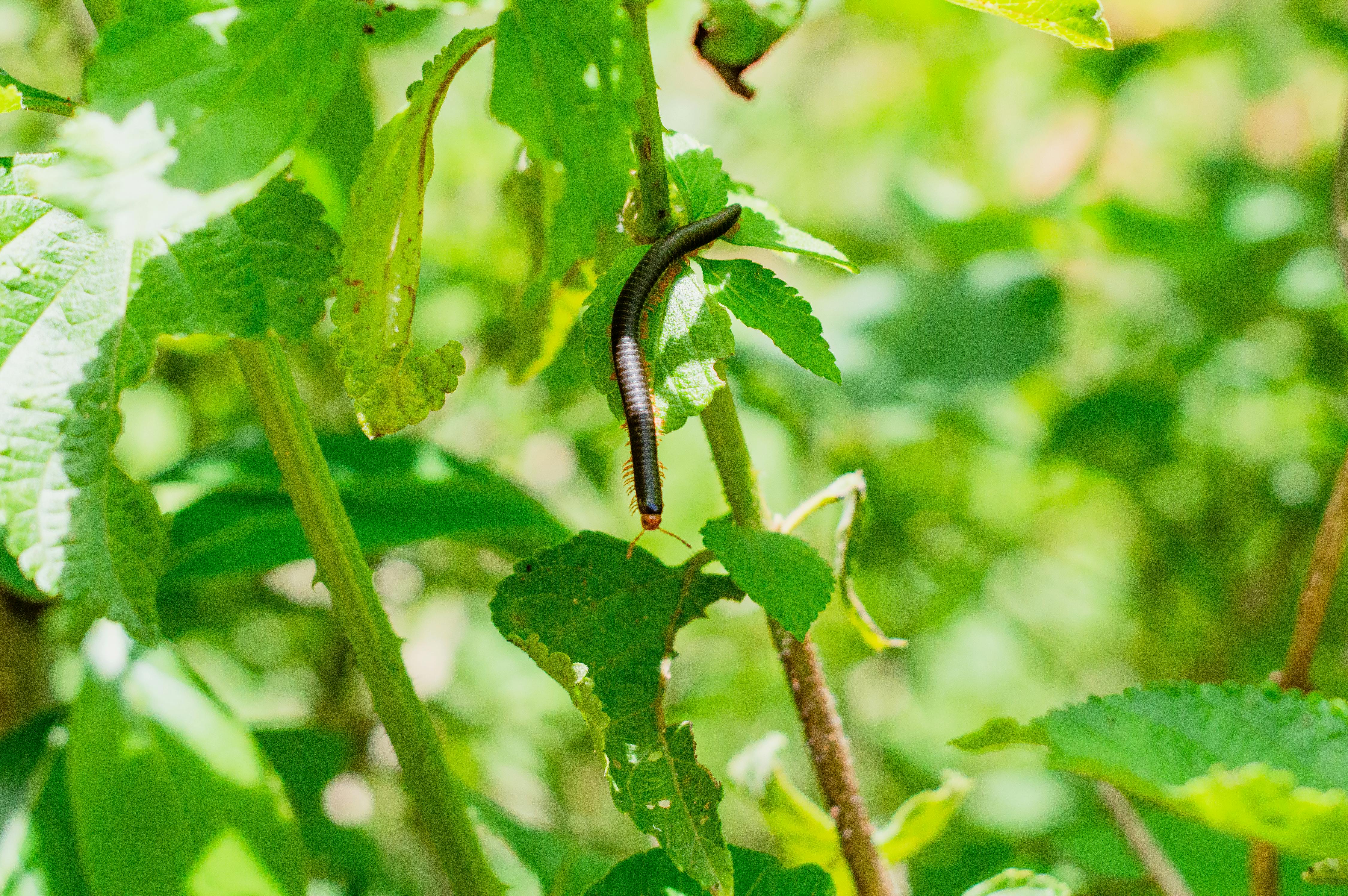
Millipedes are the long‑legged, many‑segmented critters you sometimes spot scurrying across your garden paths after a rainstorm. In Canton, Georgia, the most common species are the Eastern black millipede (Oxidus gracilis) and the Southern millipede (Apheloria virginiensis). Both range from 1½ to 3 inches in length, sport a smooth, rounded body, and move with a slow, wave‑like motion that can be surprisingly graceful.
What Do They Look Like?
- Size: Typically 1.5–3 inches long; juveniles are much smaller.
- Color: Varies from dark brown or black to reddish‑brown, depending on the species.
- Body shape: Cylindrical, with two pairs of legs per segment, giving the classic “many‑legged” appearance.
- Behavior: They coil into a tight spiral when disturbed, a defensive move that protects their soft undersides.
Where They Hang Out in Your Garden
In the humid climate of northern Georgia, millipedes thrive in the cool, moist micro‑environments that most homeowners unintentionally create:
- Under leaf litter and fallen twigs where organic matter decomposes.
- Within mulch beds, especially those made from pine bark or shredded hardwood.
- In the top few inches of soil that stays damp after irrigation or rainfall.
- Along the edges of garden beds, near stone walls, and around compost piles.
Seasonal Surge Triggers
Millipedes are most active during the spring and early summer, but a sudden spike can occur any time the region experiences:
- Extended periods of rain that saturate the soil.
- High humidity levels, often above 70%.
- Warm nights that keep the ground temperature above 60°F.
These conditions push millipedes out of their underground refuges in search of drier shelter, leading them to congregate on walkways, patios, and even the interior of homes.
Harmless Helpers—Until They’re Not
Ecologically, millipedes are beneficial decomposers, breaking down dead plant material and enriching the soil. They do not bite, sting, or spread disease. However, when large numbers migrate indoors, they can become a nuisance:
- They leave a silvery‑gray trail of mucus on floors and countertops.
- Clusters on windowsills or door thresholds can look unsightly.
- In rare cases, they may damage delicate houseplants by feeding on tender roots.
Warning Signs of an Emerging Problem
Being proactive can save you from a full‑blown infestation. Keep an eye out for these red flags:
- Seeing dozens of millipedes on a single walkway after a rainstorm.
- Frequent indoor sightings, especially near entry doors, basements, or crawl spaces.
- Accumulated mucus trails that persist despite cleaning.
- Increased activity in mulch beds that have become overly damp.
If any of these symptoms appear, it’s a good time to contact a local professional—like Anthem Pest Control—who can assess the situation, recommend targeted treatments, and help you implement preventative measures that keep your garden thriving without an unwanted millipede parade.
When Millipedes Are Most Active in Canton
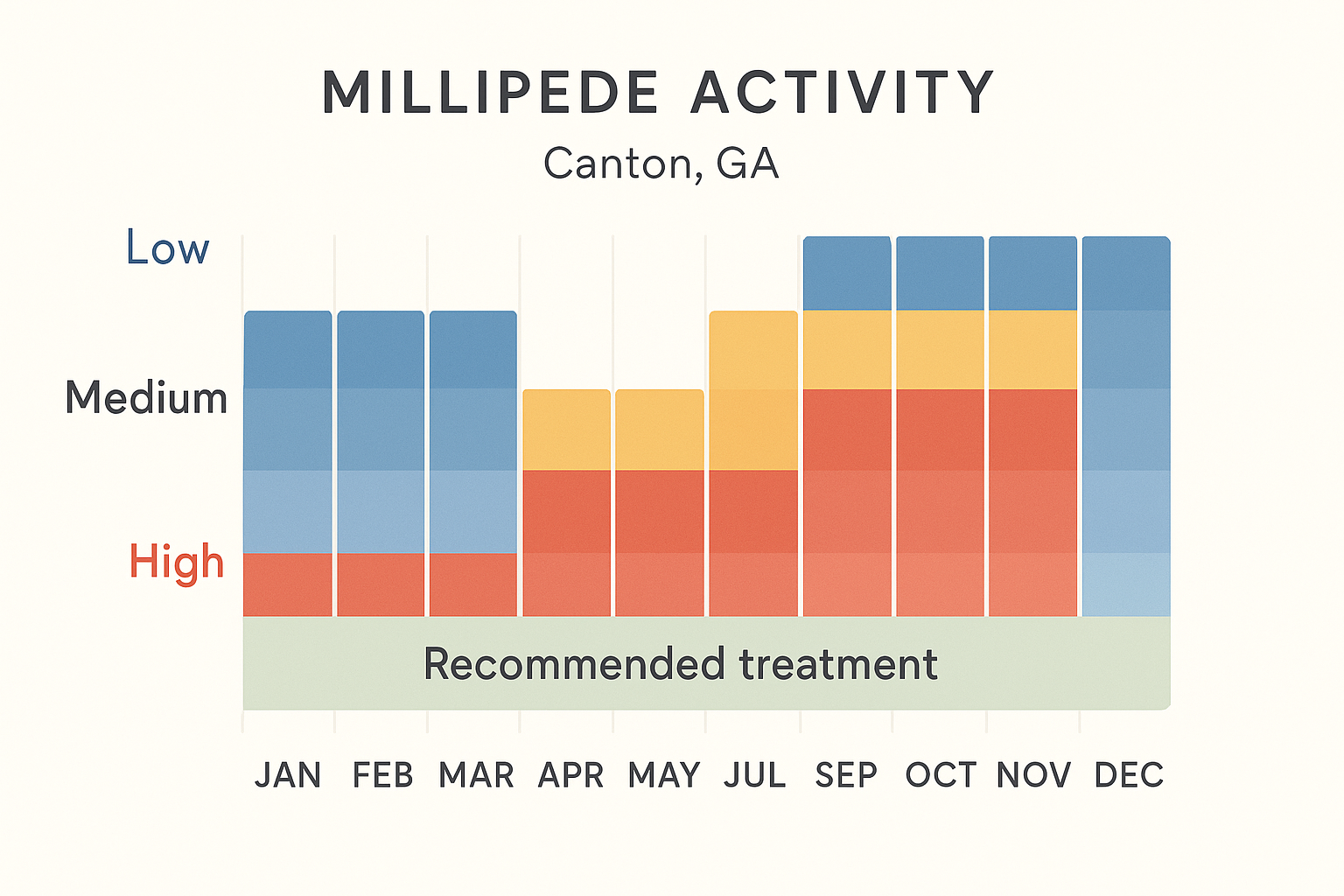
Seasonal activity at a glance
The chart above condenses a full year of millipede behavior into a simple, month‑by‑month view. In Canton, temperature and soil moisture are the two biggest drivers of activity. When daytime highs hover between 55 °F and 75 °F and the ground stays damp, millipedes emerge from their leaf‑litter hideaways to forage.
Peak periods: spring and fall
Data from local weather stations consistently show two activity spikes:
- March – May: Warming soils after winter release a surge of millipedes looking for food and mates.
- September – November: Autumn rains and cooler nights create ideal humidity, prompting another wave of movement.
During the summer months (June‑August) the heat often dries out the topsoil, pushing millipedes deeper underground where they remain less visible. Winter (December‑February) slows them down dramatically, but a warm spell can still trigger brief surface activity.
Why NOAA data matters
National Oceanic and Atmospheric Administration (NOAA) records for Canton show a clear correlation between average monthly precipitation and millipede sightings. For example, the NOAA climate archive notes that March and October typically receive 3‑4 inches of rain—exactly the moisture level that fuels the peaks highlighted above.
When to inspect your property
Homeowners should schedule a visual walk‑through during the early weeks of each peak:
- Check foundation walls, crawl spaces, and garden beds for clusters of millipedes.
- Look for tell‑tale signs such as shredded leaves or a faint, musty odor near mulch.
- Use a flashlight to spot them under rocks, logs, and patio pavers.
If you notice more than a handful in a single area, it’s time to call a professional before the population explodes.
Optimal timing for treatment
Anthem Pest recommends a pre‑emptive treatment in late February or early March, just before the first activity surge. A follow‑up application in late August helps suppress the fall wave, especially after a rainy spell. Targeted perimeter sprays and soil‑active granules create a barrier that millipedes must cross, dramatically reducing indoor incursions.
Moisture‑management tips for peak months
- Redirect downspouts at least 6 feet away from the foundation.
- Replace wood mulch with inorganic alternatives (gravel or stone) near the house.
- Repair any leaky irrigation heads or basement drainage cracks.
- Keep garden beds well‑aerated; compacted soil holds moisture longer, inviting millipedes.
By aligning inspections and treatments with the natural activity rhythm shown in the chart, you’ll keep millipedes where they belong—outside your home.
Millipede Control Methods – DIY vs. Professional
DIY Barriers You Can Install Today
Homeowners who prefer a hands‑on approach have several low‑cost options that create a physical barrier against millipedes. Sprinkling a thin layer of diatomaceous earth around foundation walls and garden beds disrupts the insects’ soft exoskeletons, causing dehydration. Copper strips work similarly; when placed along the perimeter of a yard, the metal creates a mild electrical shock that deters crawling pests. Proper mulching is another key step—using coarse bark or wood chips instead of fine mulch eliminates the moist, sheltered environment millipedes love. Finally, a routine of regular yard cleaning—removing leaf litter, dead plant material, and standing water—reduces the humidity that encourages them to migrate indoors.
Safe Chemical Treatments for the DIY Enthusiast
If you’re comfortable handling pesticides, the EPA provides clear guidelines for residential use. Look for products labeled specifically for “millipede control” and follow the label’s dilution rates, application timing, and personal protective equipment (PPE) recommendations. Applying a granular insecticide to the soil surface around the home’s foundation creates a residual barrier that remains effective for several weeks. For spot treatments, a low‑toxicity liquid spray can be directed at entry points such as door thresholds and window sills. Always read the EPA pesticides page to stay current on safety standards and any state‑specific restrictions in Georgia.
Professional Services: What the Experts Do
Certified technicians bring tools and expertise that go beyond what most homeowners can achieve on their own. The service typically begins with a thorough inspection to identify millipede hotspots and confirm that the pests aren’t a symptom of a larger infestation (like termites or ants). Next, technicians apply a targeted perimeter spray using professional‑grade formulations that penetrate deep into soil cracks and foundation voids. This treatment is calibrated to the specific species and local climate, ensuring maximum efficacy. After the initial application, most companies schedule follow‑up monitoring visits to assess residual activity and re‑treat if necessary.
Why Hiring a Licensed Pest Control Company Pays Off
- Expert Identification: Trained professionals can distinguish millipedes from look‑alike pests, preventing misapplied treatments.
- Guaranteed Efficacy: Many companies, including Anthem Pest Control, offer service guarantees that protect your investment if pests return.
- Safety Compliance: Licensed technicians are versed in EPA regulations, proper PPE use, and environmentally responsible disposal methods.
- Time Savings: A single, well‑executed treatment eliminates the need for repeated DIY attempts, freeing you to focus on other home projects.
Real‑World Example: Technician Applying a Spray Treatment
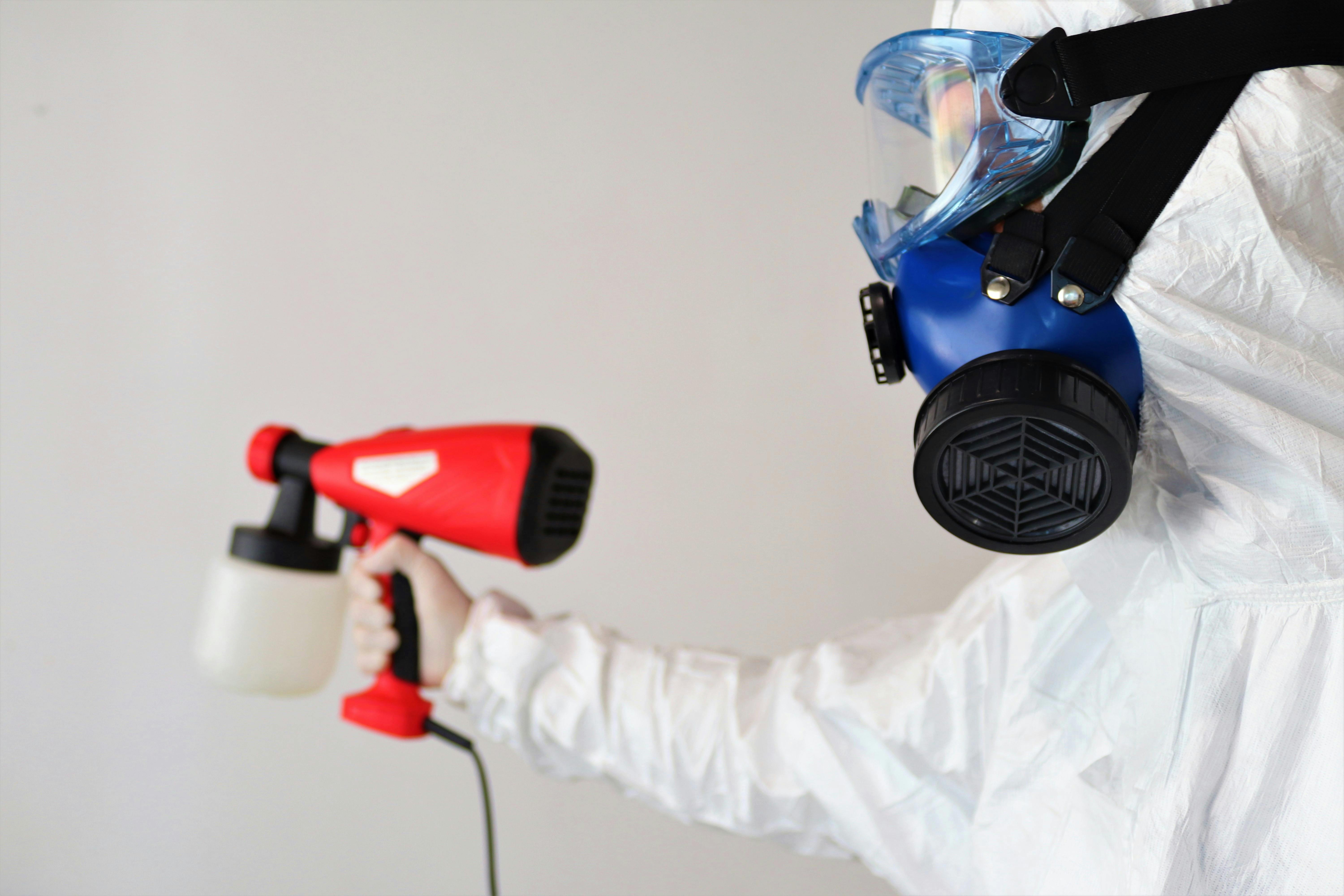
In this typical service call, an Anthem Pest technician first marks the high‑risk zones—such as the base of the house, garden beds, and drainage areas. Using a calibrated backpack sprayer, they apply a fine mist of EPA‑approved insecticide that seeps into cracks and crevices where millipedes hide. The technician then provides the homeowner with a simple after‑care checklist: keep mulch dry, clear debris weekly, and report any new activity within the next 30 days for a complimentary follow‑up visit.
Cost Comparison for Millipede Management in Canton
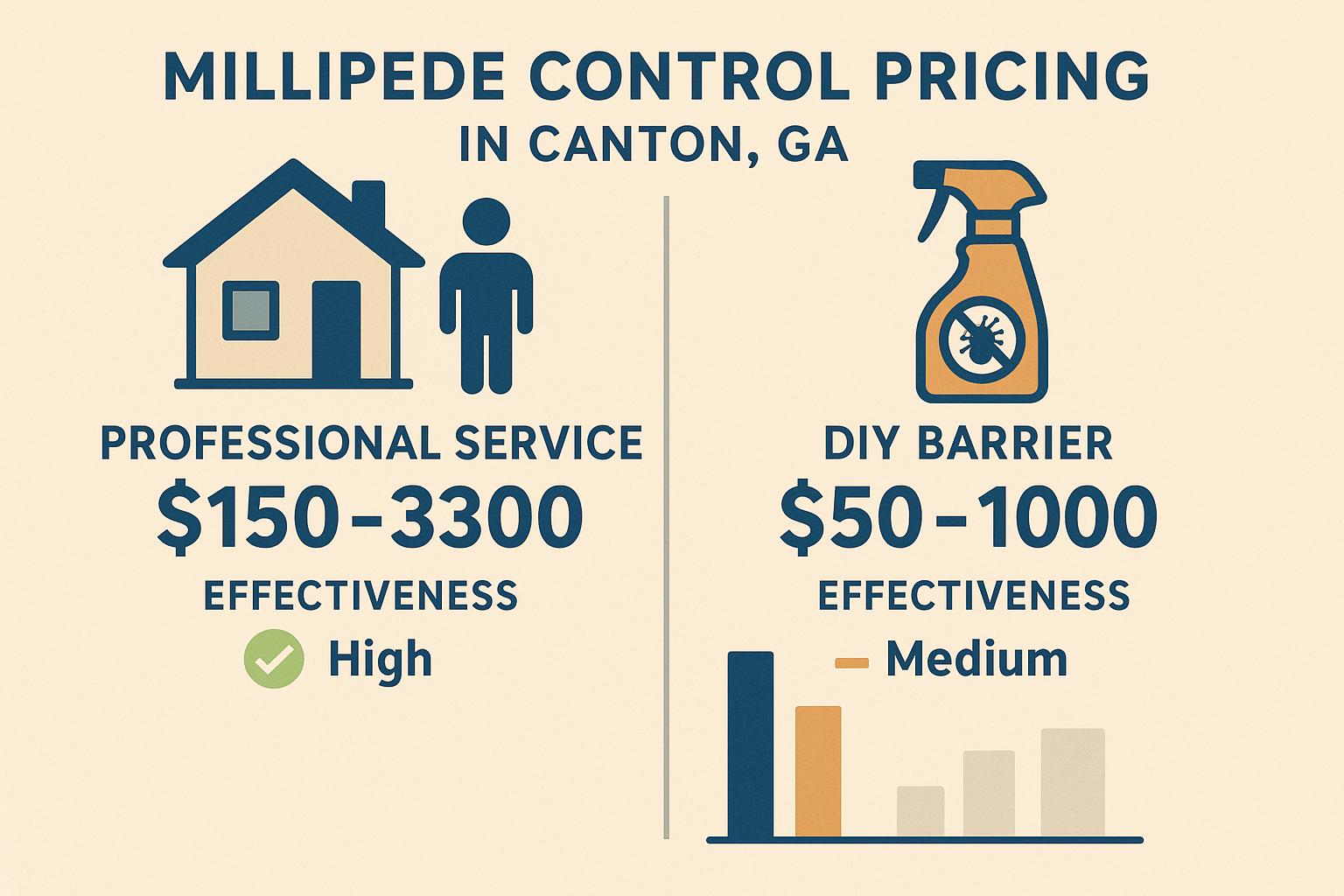
When a millipede invasion shows up around your foundation, the first question most homeowners ask is, “How much will it cost to get rid of them?” In Canton, Georgia, the price you pay depends largely on whether you call a professional service like Anthem Pest Control or tackle the problem yourself with a DIY barrier.
Professional service vs. DIY barrier
Professional millipede control typically runs between $150 and $300 per treatment. The fee includes a thorough inspection, targeted pesticide application, and a guarantee of effectiveness that the NPMA 2024 price survey rates as high. By contrast, a DIY barrier—usually a combination of diatomaceous earth, cedar mulch, or a perimeter spray—costs roughly $50 to $100 in materials. Effectiveness for the DIY route is generally rated as medium, because success hinges on proper placement and regular re‑application.
| Method | Cost Range | Effectiveness Rating | Typical Inclusions |
|---|---|---|---|
| Professional service | $150 – $300 | High | Inspection, treatment, follow‑up visit |
| DIY barrier | $50 – $100 | Medium | Barrier material, application tools |
The NPMA’s 2024 survey shows that the $150‑$300 band aligns with national averages for small‑scale outdoor pest treatments, reinforcing that you’re not paying a premium simply because you live in Canton. However, the upfront savings of a DIY barrier can be offset by hidden costs.
Hidden costs to watch for
- Repeat treatments: Millipedes often return after heavy rain. Professional plans usually include a second visit at no extra charge, while DIY users may need to re‑apply barrier material every few weeks.
- Equipment purchase: Sprayers, protective gloves, and applicators add $20‑$40 to the DIY total.
- Time investment: Applying a barrier correctly can take 2‑3 hours, especially if you’re covering a large yard.
Seasonal factors also play a role; treatments applied in early spring tend to stay effective longer because millipedes are less active during cooler months.
When choosing the most cost‑effective solution, consider the severity of the infestation. A light, occasional presence can often be managed with a well‑placed DIY barrier and periodic monitoring. For heavy, recurring invasions—especially those that threaten indoor spaces—a professional service provides a faster, more reliable knock‑down and reduces the risk of additional hidden expenses.
Choosing a licensed provider ensures that the chemicals used meet Georgia’s environmental regulations. Ultimately, budgeting for millipede control means weighing upfront price against long‑term effectiveness. If you’re unsure which route fits your situation, give Anthem Pest Control a call at 877‑371‑8196 for a free on‑site estimate.
Protect Your Home with Expert Millipede Solutions
Millipedes may seem harmless, but when they congregate around your foundation they can create moisture‑related issues and attract other pests. Spotting the problem early and acting quickly is the most effective way to keep your home safe and dry.
A professional inspection gives you more than a quick glance. Trained technicians identify the species, locate entry points, and assess environmental factors that encourage millipede activity. From there, they design a treatment plan that targets the source, not just the visible insects.
Why a Tailored, Professional Approach Wins
- Precision. We use industry‑approved tools to locate hidden nests and apply treatments only where needed.
- Safety. Our products meet EPA standards, protecting children, pets, and the surrounding ecosystem.
- Affordability. Transparent pricing means you know exactly what you’re paying for—no surprise fees.
- Long‑term protection. Follow‑up visits and preventive measures keep millipedes from returning season after season.
Anthem Pest Control has spent years mastering millipede management across Georgia. Our technicians understand the local climate, soil conditions, and the specific species that thrive in Canton. We combine that knowledge with safe, effective chemicals and environmentally friendly practices to deliver results you can trust.
Choosing Anthem means you’re partnering with a company that values clear communication and honest pricing. We’ll walk you through every step, from the initial inspection to the final walkthrough, ensuring you feel confident in the protection your home receives.
Ready to safeguard your home? Call us today for a free, no‑obligation quote. Our friendly team is standing by to answer your questions and schedule an inspection at a time that works for you.
Call now at 877-371-8196 or visit Anthem Pest Control to request your free quote.