Millipede Nuisance in Lawrenceville – Why It Matters
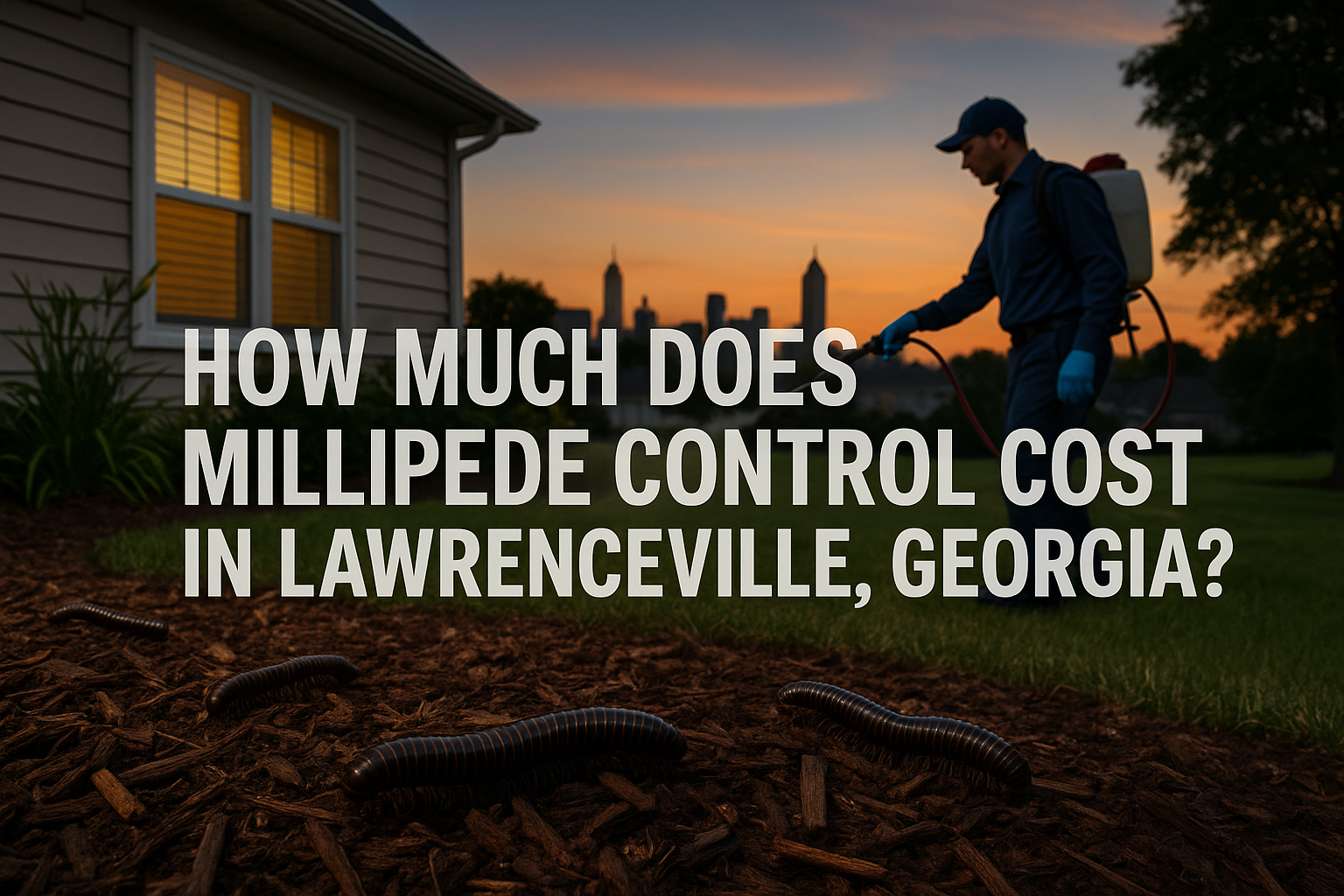
When spring rains soak the soil and the cooler fall evenings linger, Lawrenceville yards come alive with a familiar sight: countless millipedes marching across sidewalks, garden beds, and even into basements. These harmless‑looking arthropods thrive in damp conditions, seeking shelter in mulch, leaf litter, and the cracks around foundations. Homeowners often notice them after a heavy rainstorm, when the insects emerge en masse to find drier ground.

Recent data underscores why this seasonal surge matters. The 2024 EPA pest‑complaint report documents a 12% increase in arthropod complaints across the Southeast, with millipedes ranking among the top reported nuisances. This uptick reflects both wetter weather patterns and growing homeowner frustration when these critters infiltrate living spaces.
For a Lawrenceville homeowner, the nuisance translates into more than an eyesore. Millipedes can clog drainage systems, damage delicate garden plants, and, in large numbers, create slippery surfaces that pose safety hazards. While they do not bite or transmit disease, the sheer volume can overwhelm a household’s ability to manage them without professional help.
That’s why clear pricing and proactive measures are essential. Knowing what a treatment will cost, how long it will last, and what steps you can take before an infestation grows empowers you to make informed decisions and avoid surprise expenses later in the season.
This guide is designed to give you exactly that transparency. We’ll break down the typical cost range for millipede control in Lawrenceville, compare DIY options with professional services, and outline the most effective seasonal prevention tactics. By the end, you’ll have a roadmap for keeping your yard and home millipede‑free without guessing at the price tag.
Identifying Millipedes and Understanding the Risks
Millipedes that show up in Lawrenceville homes are usually 2‑3 inches long, with a sleek, cylindrical body covered in dozens of short, uniform legs. Their coloration ranges from dark brown to jet‑black, giving them a glossy, almost armored look.
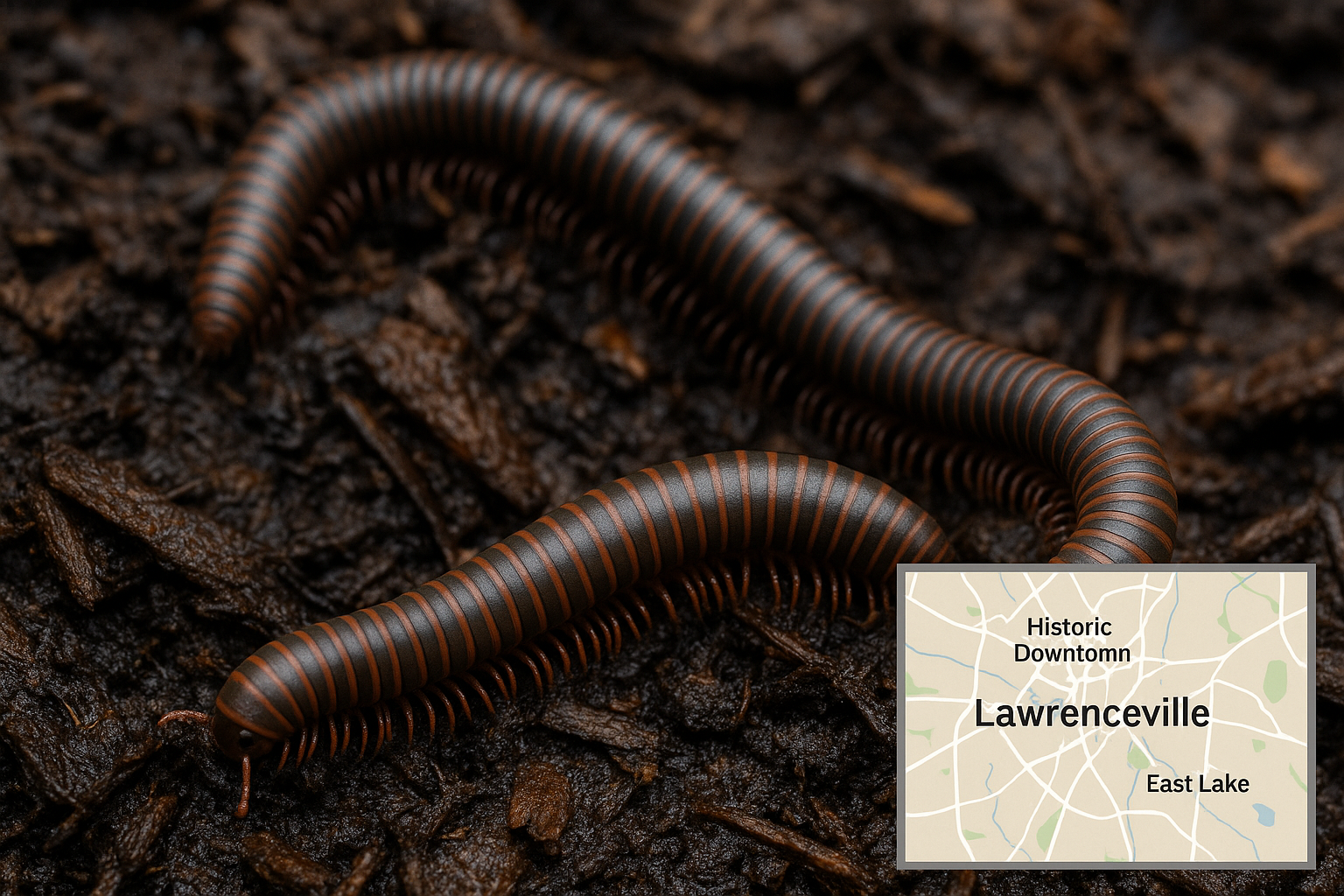
In the spring and after a heavy rain, they gather in damp mulch, leaf litter, or the shadow of a stone wall. From there they crawl up foundations, slip through tiny cracks, and enter houses in search of moisture.
While millipedes don’t bite or chew wood, their sheer numbers can become a nuisance—large clusters on porches or in basements are unsettling. Moist environments that attract them also encourage wood rot, and prolonged contact may trigger mild allergic skin reactions in sensitive individuals.
Recent complaints illustrate how localized the problem can be. Residents of the Historic Downtown district reported nightly sightings near their patio pavers, while homeowners in the West End noticed swarms emerging from garden mulch after a week of rain. Both neighborhoods saw a spike in indoor sightings within days.
According to the 2023 Georgia Department of Agriculture report, the average Lawrenceville household reports 3.2 millipede sightings per year, with a 27 % increase during the May‑July rainy window.
If you spot these critters, check for excess moisture around foundations, clean out clogged gutters, and replace any deteriorating wood that stays damp for extended periods. Simple steps like moving mulch at least six inches from the house and sealing cracks under windows can dramatically reduce the likelihood of a millipede invasion.
What Drives Millipede Control Costs in Lawrenceville
When you request professional millipede control, the price you receive isn’t arbitrary. It reflects a mix of measurable factors—size of your home, how your yard is laid out, the level of infestation, and the service you select right here in Lawrenceville. Knowing these drivers helps you compare quotes confidently.
Property size and landscaping complexity
Square footage forms the baseline cost. A modest 1,200‑sq ft cottage needs fewer spray points than a 3,000‑sq ft house. Yet landscaping adds complexity—mulch beds, stone pathways, and raised gardens create hidden routes for millipedes, requiring extra product and labor.
Infestation severity
Most companies grade infestations as light, moderate, or heavy. Light cases often clear with a single perimeter spray. Moderate problems need a more thorough application and a follow‑up visit, while heavy infestations may demand multiple treatments and higher insecticide concentrations, raising the price.
Treatment type: one‑time barrier vs. maintenance program
A one‑time perimeter barrier creates a seasonal shield and is billed as a single service. Homeowners who prefer ongoing protection often choose a quarterly maintenance program, which spreads the cost over four visits but adds a modest premium for repeat applications and inspections.
Seasonal pricing spikes
Millipedes peak in April‑June and again in September‑October. Demand for treatment surges, and many providers apply a seasonal surcharge. Scheduling before the first peak or after the second can shave a few dollars off the estimate without sacrificing effectiveness.
Access challenges
Tight crawl spaces, steep slopes, or multi‑unit buildings force technicians to spend extra time positioning equipment and may require specialized tools. Those access hurdles are reflected in the labor portion of the invoice, so expect a modest increase for hard‑to‑reach properties.
Real‑world example
For instance, a typical 2,000‑sq ft home in East Lake with a moderate millipede presence usually pays $180‑$250 for a single perimeter barrier. That range captures the combined effect of square footage, landscaping, infestation level, and local seasonal demand.
Treatment Options and Typical Pricing
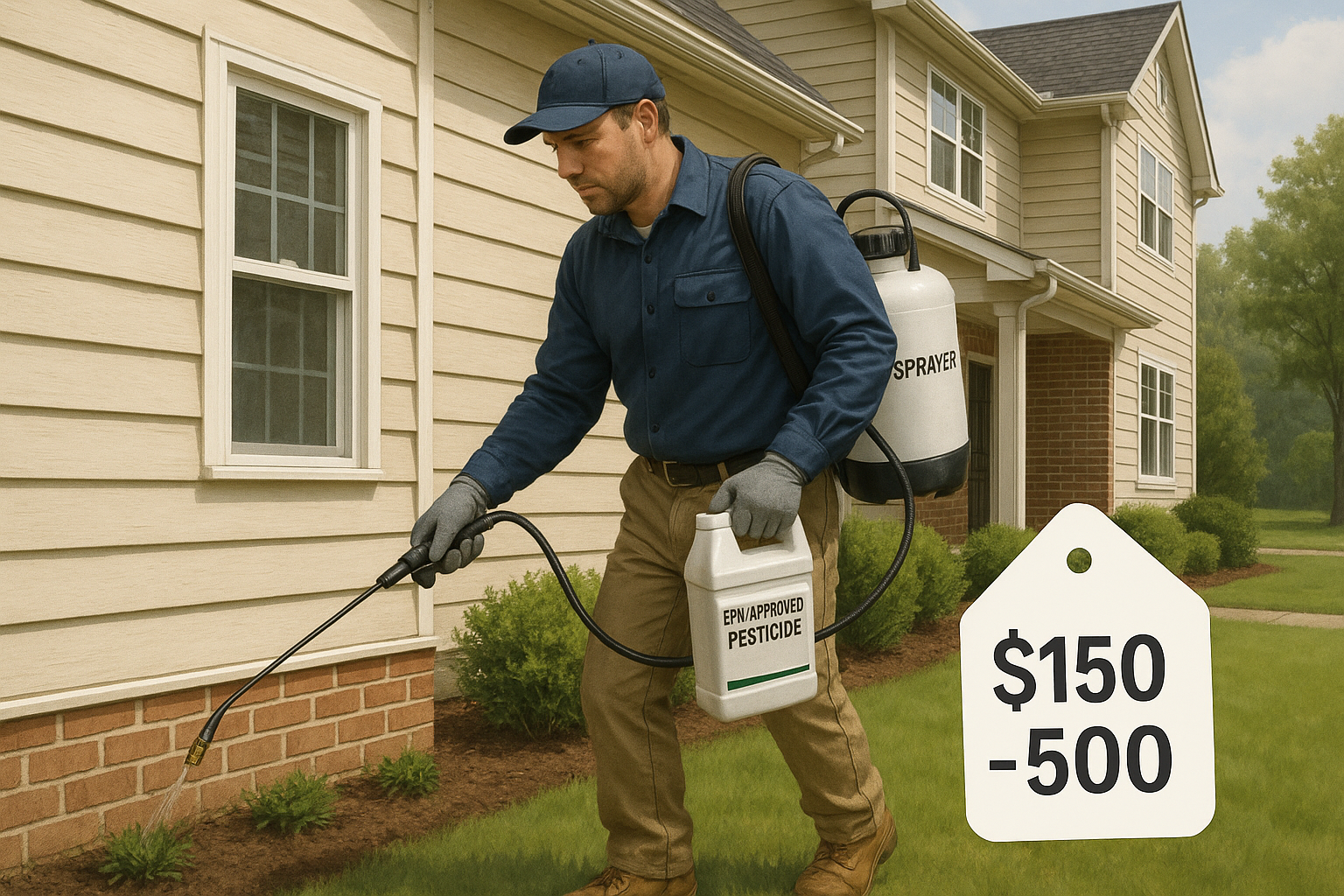
When millipedes start marching across your porch or slipping into your home, you need a solution that’s both effective and budget‑friendly. Below, we break down the four most common professional treatments we offer in Lawrenceville, Georgia, and give you a realistic price window for each. All prices are estimates based on a typical single‑family residence; actual costs can vary with square footage, property layout, and any special circumstances.
Perimeter Barrier Spray
This is the workhorse of millipede control. Our technicians apply an EPA‑registered pesticide in a continuous band around the foundation, crawl spaces, and any exterior cracks where millipedes can gain entry. The barrier creates a chemical wall that repels insects for weeks, reducing the chance of indoor invasions during peak season. Because it covers the entire exterior envelope, the labor component is higher than spot treatments, but the result is a long‑lasting shield.
Typical price range: $150 – $300.
Indoor Spot Treatment
When you notice millipedes gathering in a specific room, a targeted indoor application can be the quickest fix. We locate the hot spots—often near windows, doors, or damp basements—and apply a low‑volume spray directly onto the insects and their hiding places. This method is ideal for isolated infestations and can be combined with other services if you have multiple pest concerns.
Typical price range: $75 – $150 per visit.
Eco‑Friendly Borate Dust
For homeowners who prefer a low‑toxicity approach, we offer a borate‑based dust that’s safe for families and pets when applied correctly. The powder is dusted into cracks, mulch beds, and other entry points where millipedes travel. Borate works by dehydrating the insects, and it remains effective for months as long as it stays dry. It’s especially popular for properties with children or pets who spend a lot of time outdoors.
Typical price range: $120 – $200.
Annual Maintenance Plan
Millipedes are seasonal, so a one‑time treatment may not keep them away year after year. Our annual plan spreads four seasonal visits—early spring, midsummer, early fall, and late fall—across the calendar. Each visit includes a perimeter spray, a quick interior inspection, and a touch‑up of any vulnerable spots. Bundling the services saves you money compared to scheduling each visit separately, and it gives you peace of mind that your home stays protected through every stage of the millipede life cycle.
Typical price range: $400 – $600 total for the full year.
- Perimeter Barrier Spray: $150 – $300
- Indoor Spot Treatment: $75 – $150 per visit
- Eco‑Friendly Borate Dust: $120 – $200
- Annual Maintenance Plan (4 visits): $400 – $600
For a more detailed look at industry‑wide pricing trends, see the NPMA 2023 Residential Pest Service Pricing Guide. Our rates are competitive and transparent, so you always know exactly what you’re paying for before we start the work.
DIY Solutions vs. Professional Services
What’s in a DIY kit?
Most retail millipede kits in Georgia cost between $30 and $80. They typically contain a small bottle of spray or granules meant for a single‑season, limited‑area treatment—usually a few hundred square feet around a porch or garden bed. While the upfront price looks attractive, the product label often warns that it may not be applied near children, pets, or food‑preparation zones, and using it incorrectly can run afoul of Georgia’s pesticide regulations.
Benefits of hiring a licensed professional
When you call Anthem Pest Control, a certified technician arrives with EPA‑approved formulations that penetrate deep into soil and mulch where millipedes hide. The crew carries liability insurance, so any accidental damage or exposure is covered. After the initial application, we schedule a follow‑up inspection to verify that the treatment held, and we back our work with a warranty that protects against reinfestation for a full year.
Cost comparison
| Option | Typical total cost | Coverage & support |
|---|---|---|
| DIY kit | $60‑$120 | One‑time product, limited area, no warranty |
| Professional single‑visit | $180‑$300 | Full‑property treatment, EPA‑approved chemicals, insurance, follow‑up, warranty |
Although the professional route requires a larger upfront payment, the long‑term value is clear. A thorough, insured treatment reduces the chance of repeat infestations, saves you the hassle of re‑purchasing kits, and keeps you compliant with state pesticide laws. For most Lawrenceville homeowners, the peace of mind that comes with a licensed service outweighs the short‑term savings of a DIY approach.
Anthem Pest Control Services for Lawrenceville Homeowners
When millipedes start marching across your foundation, you need a partner that knows Lawrenceville’s climate, soil type, and the quirks of local landscaping. Anthem Pest Control has a dedicated office just minutes from downtown Lawrenceville, staffed by fully licensed technicians who live in the same neighborhoods they protect. That proximity lets them promise a 24‑hour response window—if you call after hours, a crew is on standby to schedule a same‑day visit.
Transparent, Lawrenceville‑Specific Pricing
Anthem keeps its quotes simple and upfront, so you never wonder what’s hidden in the fine print. For homeowners who want a one‑time perimeter barrier, the cost ranges from $199 to $259 depending on square‑footage and the number of entry points. If you prefer continuous protection, the quarterly maintenance plan runs between $499 and $649 per year. Each plan includes a full perimeter treatment, interior crack‑and‑crevice spray, and a follow‑up inspection after the first application. All applications meet EPA standards and are safe for pets and kids.
Free Inspection and Satisfaction Guarantee
Before any money changes hands, Anthem offers a complimentary millipede inspection. A technician will assess your property, identify hotspots, and recommend the most cost‑effective solution. After treatment, the company backs its work with a 100 % satisfaction guarantee—if millipedes return within 30 days, Anthem will re‑treat at no additional charge. The 30‑day promise ensures you never pay twice for the same issue.
What Our Neighbors Are Saying
“I’ve lived on West End for ten years and never dealt with a millipede invasion until last summer. Anthem’s technician arrived within hours, set up a perimeter barrier, and the critters vanished. The price was exactly what they quoted, and the follow‑up call gave me peace of mind.” – Maria L., West End resident
Ready to protect your home? Call the toll‑free line at 877‑371‑8196 to schedule your free inspection, or click directly to learn more about Anthem’s millipede control service. With local expertise, clear pricing, and a guarantee you can trust, Anthem Pest Control is the go‑to solution for Lawrenceville homeowners who refuse to share their yard with marching millipedes. Ask about bundled discounts if you add ant or termite protection.
Timing Treatments and Preventive Landscaping Tips
Millipedes thrive in moist, shady environments, so timing your treatment and adjusting your landscape are the most effective ways to keep them from marching into your home. In Lawrenceville, the two sweet spots for a professional application are early spring (mid‑March through early April) and early fall (late September). During these windows the soil is still damp enough for the pesticide to penetrate, yet the insects are not yet in their peak summer activity, allowing the product to work before they multiply.
Seasonal Treatment Windows
- Early Spring (March‑April): This is when millipedes emerge from overwintering sites and start seeking shelter in basements and crawl spaces. Treating now stops an infestation before it spreads.
- Early Fall (September): As summer heat fades, millipedes again look for cooler, moist refuges. A September application protects your home during the rainy months that follow.
Landscaping Practices That Deter Millipedes
- Keep mulch at least 12 inches away from the foundation. Mulch retains moisture and creates a perfect bridge for millipedes to cross.
- Trim back shrubs, vines, and any vegetation that touches the house. Direct contact gives pests a highway straight to your doors.
- Rake away excess leaf litter and dead plant material regularly. These are prime feeding grounds and hiding spots.
Improving Drainage
Standing water is a magnet for millipedes. Fix any soggy spots in your yard by regrading the soil or installing a French drain where water pools near the home. Good drainage reduces the humidity levels that millipedes love.
Seal Entry Points
Use moisture‑resistant barriers and caulk to seal cracks around windows, doors, and the foundation. A tight seal not only blocks insects but also prevents the damp air that encourages them to linger.
For a broader view on pest‑habitat reduction, the CDC’s 2024 guidance on reducing arthropod habitats recommends eliminating moisture sources, clearing debris, and maintaining proper landscaping—exactly the steps outlined above.
Frequently Asked Questions About Millipede Control
How long does a perimeter treatment last?
Typically the barrier remains effective for 8‑12 weeks. The exact duration depends on local weather—heavy rain or extreme heat can shorten the residual activity, while milder conditions help it last closer to the full three months. If you notice activity returning sooner, a quick spot‑treatment can extend protection without a full re‑application.
Are the chemicals safe for pets?
We use EPA‑approved products that are low‑toxicity when applied by trained technicians. To be extra safe, we recommend keeping dogs and cats indoors until the spray has dried, usually about 30 minutes. Once dry, the treatment poses minimal risk to pets and family members. We also seal entry points and advise on indoor hygiene to further reduce any chance of exposure.
Can I combine millipede control with other pest services?
Absolutely. Anthem offers bundled packages that let you protect your home from ants, spiders, rodents, and more in a single visit. Combining services can streamline scheduling and often reduces overall cost, while ensuring comprehensive protection throughout the season. Customers who bundle services often receive a 10 % discount and benefit from our integrated pest‑management plan, which monitors all target pests year‑round.
Take the Next Step – Free Inspection with Anthem Pest Control
By now you understand the key cost drivers—property size, infestation level, and treatment type—plus the seasonal timing that influences millipede activity in Lawrenceville. With this knowledge, you can pick a solution that fits your budget and peace of mind.
Choosing a reputable local provider makes the difference. Anthem Pest Control combines years of Georgia‑specific experience with EPA‑approved products, ensuring safe, effective results you can trust. Our technicians know the Lawrenceville climate, tailoring applications to maximize effectiveness while protecting your family and pets.
We invite you to schedule a complimentary inspection. Our licensed technicians will assess your home, discuss the best treatment options, and provide a customized quote that reflects your property’s unique needs. The inspection also pinpoints entry points and recommends preventive measures to keep future invasions at bay.
Give us a call at 877‑371‑8196 or visit our website to book your free, no‑obligation inspection. We offer flexible appointment times, including evenings and weekends, to fit your busy schedule.
Whether you’re dealing with a light summer surge or a persistent year‑round presence, our licensed technicians are ready to protect your home. Reach out today for a quote and enjoy peace of mind that comes from knowing Lawrenceville’s millipedes stay where they belong—outside. Plus, all treatments come with a satisfaction guarantee, so you can rest easy knowing we stand behind our work.