Why Moths Matter for Kennesaw Homeowners
Georgia’s warm, humid summers and mild winters create a perfect breeding ground for moths. In Kennesaw, temperatures often linger above 70°F (21°C) for more than eight months, and the occasional rain provides the moisture larvae need to thrive. This climate means moths are active longer than in northern states, giving them ample time to infiltrate homes.
Most homeowners encounter two species: the clothes moth (Tineola bisselliella) and the pantry moth (Plodia interpunctella). Clothes moths are attracted to natural fibers—wool, silk, cashmere—where they lay eggs and the larvae chew tiny holes in garments. Pantry moths, on the other hand, seek out stored grains, cereals, nuts, and dried fruit, turning a pantry into a feeding ground for their caterpillars.
Local pest‑control reports from Got‑Bugs show that moth complaints rank among the top ten pest calls in Kennesaw each year. The data indicates a steady rise in sightings during the late spring and early summer months, confirming that our community’s climate directly fuels moth populations.
The damage can be costly and frustrating. Clothes moths silently destroy wardrobes, leading to discarded sweaters and heirloom textiles. Pantry moths contaminate food supplies, forcing families to toss out unopened packages and risk cross‑contamination. Moreover, both species produce webs and droppings that attract secondary pests such as beetles and flies, compounding the problem.
Understanding these risks sets the foundation for effective control. In the sections that follow, we’ll walk you through how to identify each moth type, spot the early warning signs, implement preventative measures, choose the right treatment, and finally calculate the true cost of moth control in Kennesaw.
Identifying Clothes Moths vs. Pantry Moths
What a clothes moth looks like
Adult clothes moths are about a half‑inch across when their wings are spread. Their wings carry a warm, golden‑brown hue and a distinctive “chevron” pattern that looks like a tiny, inverted V. The moth’s body is stout, and it tends to rest with its wings held roof‑like over its back, making the pattern easy to spot on a light‑colored wall or in a closet.
What a pantry moth looks like
Pantry moths, often called Indian meal moths, are slightly smaller—roughly a third of an inch in wingspan. Their wings are a muted gray‑brown and appear more slender than those of their clothing‑eating cousins. Unlike clothes moths, pantry moths usually keep their wings flat when they settle, giving them a flatter silhouette that blends well with pantry shelving.
Lifecycle at a glance
Both species share a four‑stage life cycle: egg → larva → pupa → adult. The larval stage is where the damage happens. Clothes‑moth larvae spin silken tunnels inside fibers, while pantry‑moth larvae chew through grains, cereals, and dried goods. After feeding, the larvae spin cocoons and pupate, emerging as adults ready to reproduce within a few weeks.
- Egg: Laid on or near a food source; hatch in 4–10 days.
- Larva: The feeding stage; can last 2–6 weeks (clothes) or up to 2 months (pantry).
- Pupa: Enclosed in a silken cocoon; transforms over 1–3 weeks.
- Adult: Lives long enough to mate and lay more eggs; typically 2–4 weeks.
Where you’ll most likely find them
Clothes moths gravitate toward dark, undisturbed areas where natural fibers accumulate. Think closets packed with wool sweaters, blankets, upholstered furniture, and even stored fur coats. The larvae hide in seams, folds, and crevices, feeding silently until the damage becomes visible.
Pantry moths set up shop wherever dry, stored food is present. Grain bins, cereal boxes, flour sacks, and pet food containers are prime real estate. The moths lay eggs directly on the food surface; once the larvae hatch, they burrow into the product, leaving webbing and frass (tiny droppings) as tell‑tale signs.

Spotting these differences early can save you time and money. If you notice the chevron‑marked moth fluttering near a wool coat, you’re likely dealing with a clothes moth. If you find tiny gray‑brown moths buzzing around your cereal boxes, it’s a pantry moth. Identifying the culprit correctly lets Anthem Pest tailor a treatment plan that targets the right life stage, keeping your home moth‑free without unnecessary expense.
Early Warning Signs of a Moth Infestation
Clothes Moth Clues
When moths target your wardrobe, they leave a trail that’s harder to miss than a loose button. The first thing you might notice is a faint, silky tunnel running through the fibers of a sweater or coat. Inside those tunnels, tiny larvae—about the size of a cocoa bean—chew away at natural fibers, leaving behind fuzzy, irregular patches on wool, cashmere, or silk. Finally, keep an eye on the corners of closets; a fine webbing often forms where the insects hide during the day.
- Silken tunnels woven through fabrics
- Small “cocoa‑bean” sized larvae
- Fuzzy patches on wool, cashmere, or silk
- Webbing in closet corners or drawer interiors
Pantry Moth Clues
Pantry moths don’t care about fashion—they’re after your dry goods. A common early indicator is a delicate web inside the opening of a grain bag or cereal box. If you lift the lid of a flour container and see a thin, spider‑web‑like coating, that’s a red flag. Tiny, cream‑colored larvae often gather in clusters near the source food, and you may even spot adult moths fluttering lazily around the pantry light, especially after dusk.
- Webbing inside packages or on the tops of containers
- Clusters of tiny larvae near food items
- “Spider‑web” coating on flour, rice, or grains
- Adult moths attracted to pantry lights
How to Conduct a Quick “Moth Sweep”
Before the damage spreads, give your closets and pantry a rapid inspection. Follow these steps:
- Clear the area. Remove clothing, linens, or food items from shelves and place them on a clean surface.
- Use a flashlight. A focused beam reveals webbing and larvae hidden in seams or corners.
- Inspect seams and folds. Run your fingers along fabric seams and the edges of boxes; feel for the tell‑tale silky threads.
- Check packaging. Look inside unopened bags and containers for any sign of webbing or larvae.
- Vacuum and bag. Immediately vacuum the inspected area and seal the vacuum bag or dispose of the contents in a sealed trash can.
Why Early Action Matters
Moths work silently, but they multiply quickly. One adult can lay up to 200 eggs, and each larva can destroy an entire sweater or a bag of flour before you even notice the damage. Acting at the first hint—whether it’s a single strand of silk or a lone adult fluttering near a light—prevents a small nuisance from becoming a costly repair. Early detection also reduces the amount of pesticide needed, keeping your home safer for children and pets.
Professional Guidance
For a systematic approach and peace of mind, follow the best‑practice guidance outlined by Swat Services. Their proven methods can help you confirm an infestation, choose the right treatment, and protect your home from future moth invasions.
Proven Prevention Strategies for Kennesaw Homes
Keeping moths at bay isn’t about a one‑time spray; it’s about daily habits that make your home uninviting to these persistent pests. Below are practical, DIY steps you can adopt now and repeat year‑round to protect clothing, carpets, and pantry items from moth damage.
1. Regular Cleaning Routines
Consistent cleaning removes the eggs and larvae before they can establish a colony. Start by vacuuming carpets, rugs, and upholstered furniture at least once a week, paying special attention to seams and corners where moths love to hide. Rotate seasonal clothing—store winter coats in sealed garment bags and bring summer garments out early to air out.
- Vacuum frequency: weekly for high‑traffic areas, bi‑weekly for seldom‑used rooms.
- Fabric care: wash all washable fabrics at 120°F (49°C) to kill any hidden larvae.
- Rotation tip: label storage bags with the season and date to avoid leaving items untouched for months.
2. Food Storage Best Practices
Pantry moths (like Indian meal moths) thrive on grains, nuts, and dried fruit left in open containers. Transfer all dry goods into airtight, PET or glass containers with secure lids. Conduct a quick pantry sweep every three months—discard anything past its “best‑by” date and clean shelves with a solution of vinegar and water.
- Airtight containers: use containers rated for food storage, not just decorative jars.
- Expiration check: toss anything older than six months, especially if it shows signs of webbing or clumping.
- Pantry inspection: pull out each item, wipe down the shelf, and replace the liner if needed.
3. Environmental Controls
Reducing the attractiveness of indoor spaces is a simple, chemical‑free defense. Cedar blocks or lavender sachets emit scents that repel both clothes and pantry moths; place them in closets, drawers, and pantry corners. Maintaining indoor humidity at 50 % or lower also discourages moth development, as they prefer drier conditions.
- Cedar & lavender: replace sachets every 2–3 months to keep the fragrance strong.
- Humidity management: use a hygrometer and a dehumidifier in damp basements or bathrooms.
- Air circulation: keep closets slightly ajar when possible to allow fresh air flow.
4. Seasonal Checklist
Each season brings a shift in moth activity, so a quick, targeted checklist helps you stay ahead.
- Spring (pre‑summer): deep‑clean closets, replace worn carpet padding, and set out pheromone traps before moths emerge.
- Summer (peak activity): inspect outdoor storage sheds for moth‑infested fabrics, keep windows screened, and rotate pantry stock to use older items first.
- Fall (pre‑winter): store summer clothing in sealed bags, check attic insulation for moth damage, and lower indoor humidity as temperatures drop.
- Winter (maintenance): run a final vacuum of all rooms, refresh cedar or lavender sachets, and review the pantry for any missed expired products.
5. Quick DIY Traps
When you suspect an early infestation, traps can catch adult moths before they lay eggs. For pantry moths, place a pheromone‑baited trap near grain containers; the scent lures males and interrupts breeding cycles. For clothes moths, sticky traps positioned in dark corners of closets provide a visual cue and capture both genders.
- Pantry pheromone trap: hang or lay flat on the pantry shelf; replace every 30 days.
- Clothes‑moth sticky trap: attach to the inner side of closet rods; check weekly and replace as needed.
- Placement tip: avoid direct sunlight on traps, as UV can degrade the lure.
By integrating these routine actions into your home‑care schedule, you’ll create an environment that’s simply too hostile for moths to thrive. Consistency is key—small, regular steps beat occasional deep cleans every few years.
Treatment Options – DIY vs. Professional Services
When you discover a moth infestation in your Kennesaw home, the first question is whether you can handle it yourself or should call a certified technician. Both options have merits, but knowing their strengths and limits helps you choose the safest, most effective path.
DIY Options You Can Try Right Now
Many homeowners start with over‑the‑counter or household remedies. Here are the most common DIY tactics:
- Benzoyl peroxide spray: Oxidizes the moth’s cuticle, killing larvae on contact. It’s sold for pantry moths and works best on visible infestations.
- Diatomaceous earth (DE): A fine powder of fossilized algae that punctures insects’ exoskeletons. Sprinkle it in closets, pantry corners, and baseboards; it stays effective while dry.
- Freezing infested items: Place clothing, fabrics, or stored food in a freezer at ‑18 °C (0 °F) for 72 hours to kill eggs, larvae, and adults.
- Homemade traps: A simple pheromone trap—sticky card in a shallow dish with a lure—captures adult moths and shows the size of the problem.
Why DIY May Not Be Enough
While these methods can reduce a light population, they often fall short in three key areas:
- Incomplete coverage: Moths hide in cracks, under floorboards, and deep within walls where sprays rarely reach.
- Safety concerns: Benzoyl peroxide and other chemicals can irritate skin, eyes, and lungs if misused. DE can irritate lungs when inhaled as dust.
- Risk of re‑infestation: Without a thorough inspection, hidden larvae or eggs may be missed, letting the colony rebound after DIY treatment fades.
In short, a DIY plan works for a minor, isolated incident, but it rarely eliminates a well‑established infestation.
Professional Services: What the Experts Do
Certified pest‑control technicians bring a systematic, science‑backed approach that tackles the problem at its source. A typical professional service in Kennesaw includes:
- Comprehensive inspection: Technicians use flashlights, moisture meters, and sometimes infrared cameras to locate larvae, eggs, and adult moths in hard‑to‑see places.
- Targeted treatment: Options include aerosolized insect growth regulators (IGRs) that halt the moth life cycle, and heat treatments that raise closet temperatures to 55 °C (130 °F) for several hours, sterilizing fabrics without chemicals.
- Follow‑up monitoring: After the initial visit, a technician places pheromone traps and schedules a check‑in to ensure no new activity appears.

How Anthem Pest Control Handles Moth Problems in Kennesaw
Anthem’s certified technicians start every job with a house‑wide assessment, noting where moths are most active and identifying any conditions—such as excess humidity or food storage practices—that encourage breeding. Based on that data, they craft a customized plan that may combine:
- Precision‑applied IGRs to stop larvae from maturing.
- Localized heat treatments for wardrobes, blankets, and stored garments.
- Strategic placement of pheromone traps for ongoing detection.
- Education on proper food storage, vacuuming routines, and fabric care to prevent future outbreaks.
The result is a single, coordinated solution rather than a patchwork of home remedies. Homeowners benefit from reduced chemical exposure, guaranteed coverage of hidden hotspots, and the peace of mind that comes with a professional warranty.
When to Pick Up the Phone
If you notice any of the following, it’s time to call Anthem Pest Control:
- More than a few moths fluttering near lights or inside pantry boxes.
- Visible webbing, cocoons, or silken tunnels in closets or stored goods.
- Recurring damage to clothing, upholstery, or stored food despite DIY attempts.
- Any concern about chemical safety for children, pets, or seniors.
A quick call to 877‑371‑8196 lets a local Kennesaw specialist schedule an inspection and provide a transparent quote—often less than you’d expect for a complete, long‑lasting solution.
Cost Breakdown & Seasonal Activity in Georgia
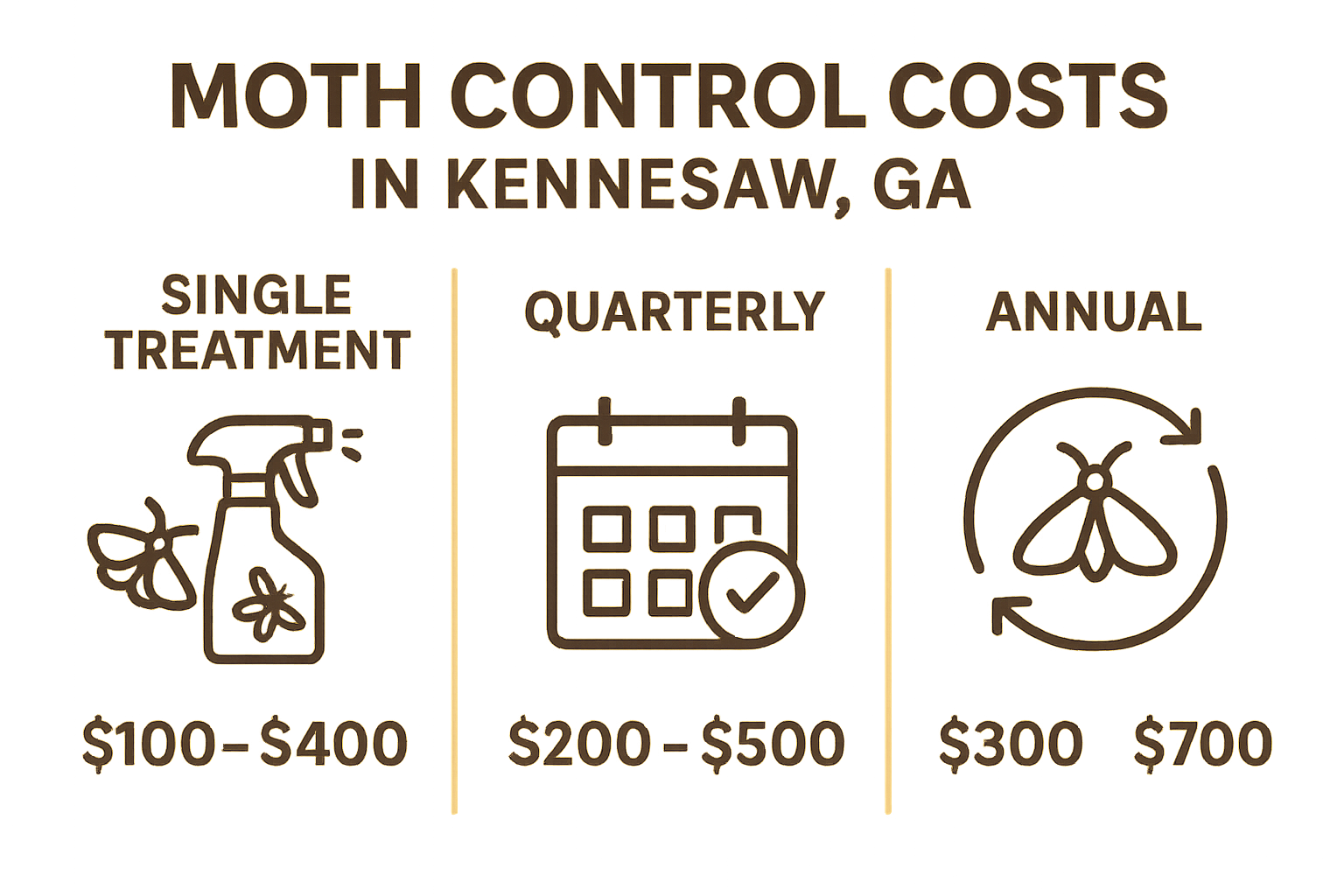
When it comes to protecting your Kennesaw home from moth damage, knowing exactly what you’ll pay and when the bugs are most active can save both money and frustration. Below you’ll find a clear snapshot of Anthem Pest Control’s three most popular moth‑control packages, followed by a quick guide to Georgia’s seasonal moth peaks.
What’s included in each service tier?
Single‑treatment plan – Ideal for a one‑off problem, this option covers a thorough inspection, a targeted application of a moth‑specific insecticide, and a 30‑day warranty that guarantees the treated area stays moth‑free.
Quarterly plan – Best for homeowners who want ongoing protection, the quarterly package includes four inspections spaced three months apart, four treatment visits, and a 90‑day warranty after each visit. The plan also adds a complimentary follow‑up call after each treatment to confirm results.
Annual plan – The most comprehensive choice, the annual tier bundles six inspections, six treatments (including a pre‑summer “preventative” spray and a post‑summer “cleanup” service), unlimited follow‑up visits, and a full‑year warranty that covers any re‑infestation.
All three tiers come with Anthem’s industry‑standard warranty, which includes a free re‑treatment if moth activity returns within the covered period. Homeowners also benefit from flexible payment plans—monthly or upfront—so the cost fits comfortably into most household budgets.
How local conditions shape the price
Kennesaw’s humid summers and lush vegetation create a perfect breeding ground for both outdoor and indoor moth species. Higher humidity means larvae develop faster, which can increase the frequency of treatments needed to keep an infestation at bay. Because of these local pressures, Anthem Pest adjusts its pricing slightly above the state average to cover the extra product volume and labor required during peak months.
Kennesaw’s average July humidity hovers around 78%, which accelerates moth egg development. Our technicians often choose a moisture‑reducing additive for the spray, a step that adds roughly $20 to the single‑treatment price but dramatically improves long‑term control.
For a broader perspective, the HomeYou cost guide for termite control in Kennesaw shows that regional pest‑service rates typically range from $80 to $150 per visit, depending on the pest type and treatment complexity. Moth control follows a similar pattern, with single treatments landing near the lower end of that range and comprehensive annual plans approaching the higher end.
Seasonal activity and timing recommendations
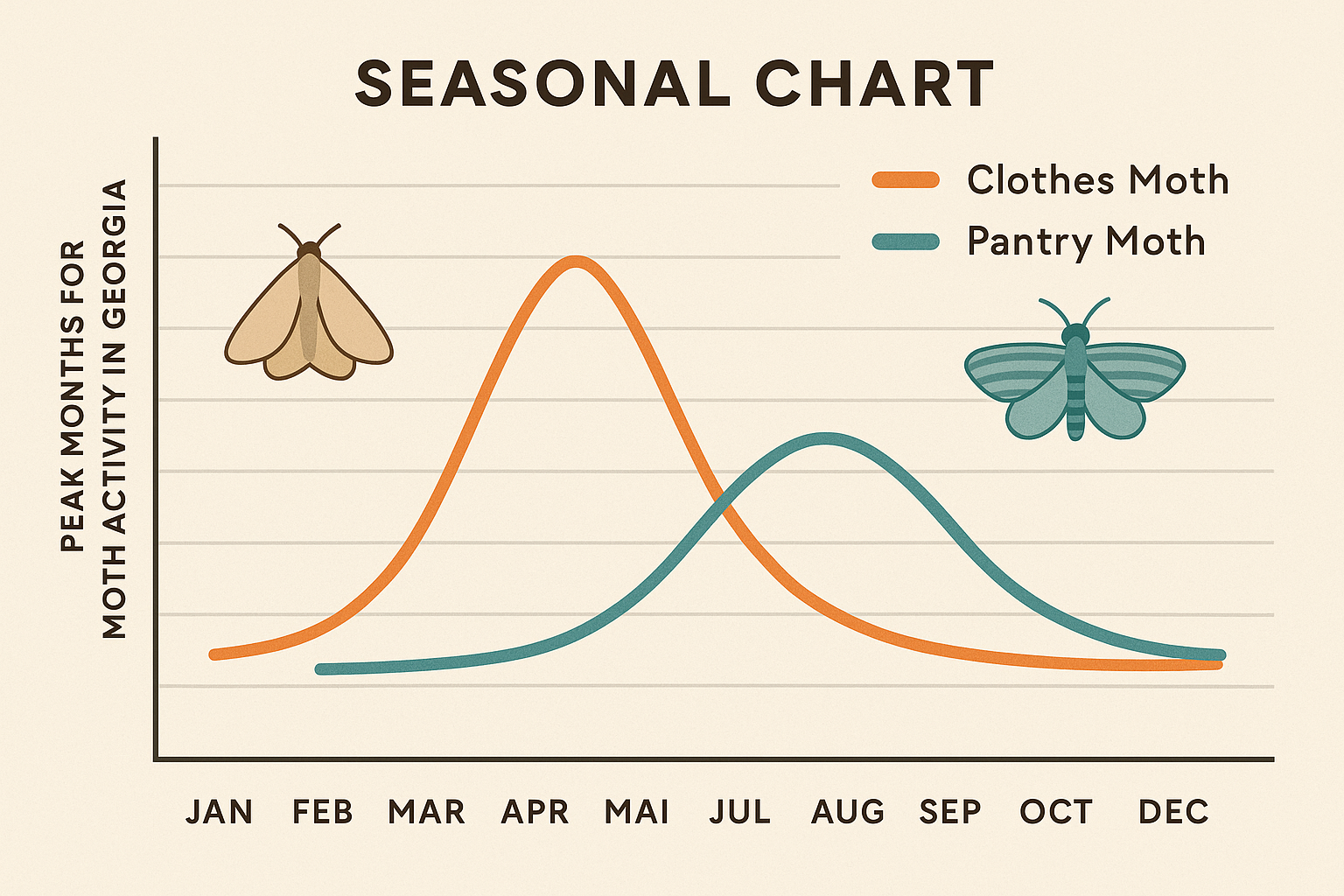
In Georgia, clothes moths tend to peak from May through August, while pantry moths reach their highest numbers between June and September. Scheduling a preventative treatment just before these windows—ideally in early April for clothes moths and early May for pantry moths—gives the insecticide time to establish a protective barrier before the insects emerge.
If you opt for the quarterly or annual plan, align the first visit with that early‑spring window, then plan the second visit for late August or early September to mop up any late‑season survivors. A post‑summer follow‑up, especially for the annual tier, ensures that any stray larvae that survived the heat are eliminated before they can lay the next generation of eggs.
By matching your budget to the right service tier and timing your appointments around Georgia’s moth calendar, you’ll keep your closets, pantry, and home fabric free from costly damage—all while staying within a predictable cost structure.
Protect Your Home Today with Anthem Pest Control
In Kennesaw, moths can quickly turn a quiet home into a source of damage and irritation. Spotting the first signs—such as webbing in closets, damaged fabrics, or adult moths fluttering near lights—and acting fast is the most reliable way to keep an infestation from spreading. Regular prevention, like proper storage and seasonal inspections, combined with prompt professional treatment, protects both your belongings and your peace of mind.
Anthem Pest Control brings that level of protection right to your doorstep. As a locally‑based team, we know the specific moth species that thrive in Kennesaw’s climate and the most effective timing for interventions. Our certified technicians use EPA‑approved, low‑toxicity products that are safe for children and pets, while delivering results that last. Transparent pricing means you’ll see a clear, itemized quote before any work begins, and our satisfaction guarantee ensures we don’t stop until the problem is resolved.
Ready to take the next step? Schedule a complimentary inspection and let us craft a personalized, no‑obligation quote tailored to your home’s layout and the severity of the moth activity. Our friendly staff will walk you through every recommendation, answer any questions, and set up a treatment plan that fits your schedule and budget.
If you’ve spotted the first signs of a moth problem or simply want to safeguard your home before the summer surge, let Anthem Pest Control handle it. Our certified technicians will conduct a thorough, free inspection, explain your options, and provide a clear, upfront quote—no hidden fees. Call us today at 877‑371‑8196 for your complimentary estimate, or visit our website to learn more. Visit Anthem Pest Control.