Spotting Silverfish in Your Home
Silverfish are the sneaky, wingless insects that often go unnoticed until they’ve already started a quiet invasion. Their elongated, fish‑shaped bodies are covered in silvery, iridescent scales that give them a shimmering appearance—hence the name. Though they’re harmless to people and pets, they love to gnaw on paper, glue, and fabric, which can turn a tidy home into a slow‑moving disaster zone.
Where Silverfish Like to Hide
These pests thrive in any area that offers moisture and darkness. In a typical Kennesaw home you’ll find them:
- Bathrooms: especially around tile grout, under sinks, and behind shower curtains.
- Kitchens: near leaky pipes, under appliances, and in pantry corners.
- Basements and Crawl Spaces: any damp, poorly ventilated nook.
- Closets and Dressers: where fabrics and paper goods are stored.
- Any Spot with Persistent Humidity: think laundry rooms, window sills, or even indoor plant trays.
Visual Clues That Say “Silverfish Are Here”
Spotting a silverfish isn’t always easy, but they leave unmistakable evidence:
- Tiny shed skins: as they grow, they molt and leave delicate, translucent exoskeletons.
- Yellow‑brown fecal pellets: look for pepper‑like specks near baseboards or under appliances.
- Damage to paper, books, or clothing: irregular, chewed edges or small holes are a dead giveaway.
- Silvery streaks on surfaces: occasionally you’ll see a faint, metallic trail left by their movement.

The bathroom tile photo above illustrates a classic silverfish hotspot. Moisture that pools behind grout creates the perfect breeding ground, and the dark crevices give these insects a safe place to hide during the day.
Quick Inspection Checklist
Grab a flashlight and run through this short list during your next home walk‑through:
- Check bathroom grout and under the sink for tiny shed skins.
- Inspect kitchen cabinets and pantry corners for yellow‑brown pellets.
- Look inside closets, especially where clothing is stored in fabric bags.
- Examine basements and crawl spaces for damp corners and any sign of web‑like residue.
- Flip through books, magazines, and paper documents for chewed edges or missing pages.
If you notice two or more of these signs, it’s time to act. Early identification not only prevents costly damage but also makes professional treatment far more effective. At Anthem Pest Control, we combine thorough inspections with targeted, low‑impact solutions to keep silverfish—and the headaches they bring—out of your home for good.
Why Silverfish Matter
Seeing a silverfish dart across the floor can feel like a minor nuisance, yet these tiny, fish‑shaped insects often herald bigger issues. In the humid climate of Kennesaw, Georgia, a silverfish sighting is usually the first clue that moisture, food sources, and structural vulnerabilities are converging inside your home. Understanding what’s at stake helps you act before the problem escalates.
Material Damage
Silverfish feed on anything that contains starch or protein, and they can silently gnaw through a range of household items:
- Wallpaper and wallboard: Their mandibles scrape away paper fibers, leading to peeling or bubbling that compromises the finish.
- Books, photographs, and documents: The tiny insects chew on the glue and paper, leaving unsightly holes and permanent loss of cherished memories.
- Stored food: Cereals, flour, rice, and pet kibble become contaminated as silverfish leave droppings and shed skins on the surface.
- Clothing and fabrics: Natural fibers such as cotton or silk can be weakened, especially in closets with high humidity.
Minor Health Impact
While silverfish are not known to transmit diseases, they can still affect your family’s well‑being. Their shed skins and feces become airborne allergens, triggering sneezing, itchy eyes, or skin irritation in sensitive individuals. Moreover, when silverfish contaminate food surfaces, they introduce bacteria that may cause mild gastrointestinal upset if ingested.
Psychological Effect
Finding silverfish in kitchens, bathrooms, or bedrooms creates an unsettling feeling of loss of control. The mere sight of these pests can increase stress and reduce confidence in the cleanliness of your home, prompting unnecessary worry and distraction from daily life.
What Silverfish Tell You About Your Home
Silverfish thrive in damp, poorly ventilated spaces. Their presence often signals excess humidity, leaky pipes, or inadequate insulation—conditions that can foster mold growth and attract other pests like termites or carpenter ants. Addressing the underlying moisture problem not only eliminates the silverfish but also protects the structural integrity of your house.
Early intervention matters. By treating a silverfish infestation promptly, you protect your belongings, safeguard health, and uncover hidden moisture issues before they cause costly damage.
Treatment Options from DIY to Professional
DIY Spray Treatments
Ready‑made silverfish sprays are the most common first‑line defense for homeowners. The active ingredients typically include pyrethroids such as permethrin or bifenthrin, which knock down insects on contact, and growth regulators that interrupt the life cycle. For best results, apply the spray along baseboards, under appliances, and in cracks where silverfish hide. Use a fine mist, allow the surface to stay damp for a few minutes, then ventilate the room. Safety is key: wear gloves, keep children and pets out of the treated area for at least two hours, and store the canister out of reach.
Bait Stations
Bait stations work by attracting silverfish with a food‑based lure that contains a slow‑acting insecticide. Once the pest feeds, it carries the toxin back to its hideouts, affecting the colony. Place stations near known activity zones—under sinks, behind bookshelves, and along the perimeter of closets. Replace or reposition baits every 30 days until you see a decline in sightings. Baiting is most effective for low‑level infestations; heavy populations often require supplemental treatments.
Home Remedies
Many homeowners turn to boric acid or diatomaceous earth (DE) as low‑cost, low‑toxicity options. Boric acid disrupts the insect’s digestive system when ingested, while DE’s microscopic shards abrade the exoskeleton, causing dehydration. Sprinkle a thin layer in cracks, behind radiators, and in pantry corners, then vacuum after a week. These remedies work best as preventive measures or in combination with other tactics. Their limitations include slower knock‑down rates and reduced efficacy in high‑humidity environments, which silverfish love.
Professional Services
When DIY attempts stall, a licensed pest‑control professional can provide a comprehensive solution. The inspection begins with a thorough walkthrough to locate breeding sites, moisture sources, and structural vulnerabilities. Technicians then apply targeted treatments—residual sprays that protect surfaces for weeks, misting systems that penetrate hard‑to‑reach voids, and structural sealing to block entry points. In severe cases, heat or nitrogen‑based treatments may be used to eradicate hidden colonies. Professional services also include a follow‑up plan, ensuring the problem stays solved long after the initial visit.

Decision‑Making Flowchart
Use this quick guide to decide when to stay DIY and when to call a pro:
- Infestation severity low – Start with DIY sprays or bait stations. Re‑evaluate after 2 weeks.
- Persistent sightings after DIY trial – Increase bait density and add home remedies.
- Infestation moderate to high – Schedule a professional inspection to identify moisture issues and structural gaps.
- Recurring problems despite professional treatment – Request a comprehensive seal‑and‑prevent plan, possibly including structural repairs.
How Much Silverfish Control Costs
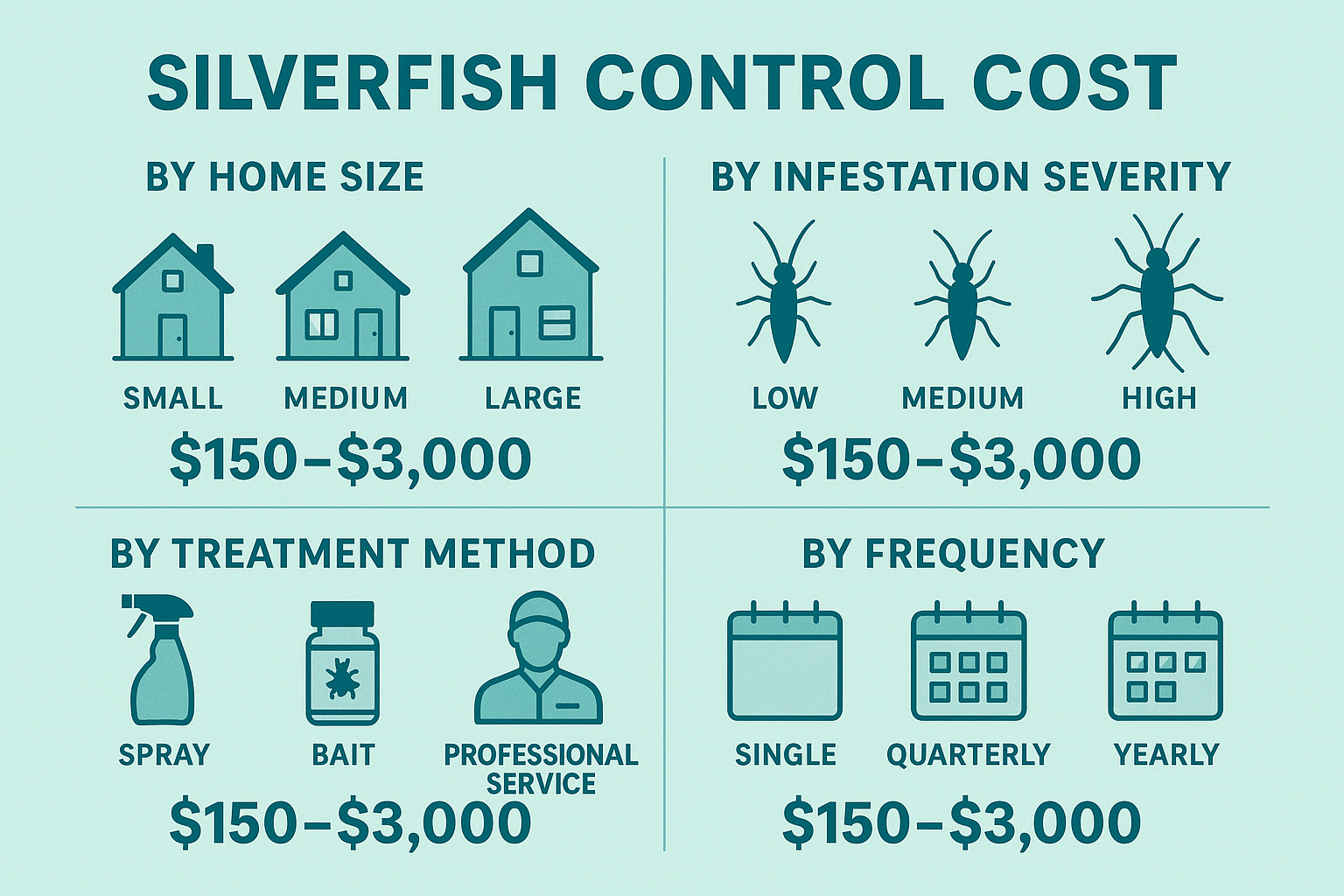
Silverfish may seem harmless, but a full‑blown infestation can quickly become a pricey problem. Nationwide data from Angi shows that homeowners in the Kennesaw area typically spend anywhere from $150 for a single‑visit DIY spray to as much as $3,000 for a comprehensive, multi‑year professional program. The wide range reflects the many variables that influence a final quote.
Key Factors That Drive the Price
Understanding what shapes your bill helps you ask the right questions during the estimate. Below are the four most common levers:
- Home size: Small apartments (under 1,000 sq ft) often require fewer treatment points, while large homes (over 2,500 sq ft) need more product and labor.
- Infestation severity: A low‑level sighting can be handled with spot‑treatments; medium and high infestations usually demand multiple applications and deeper structural work.
- Treatment method: Basic spray‑and‑wait solutions are the cheapest, bait stations add moderate cost, and full‑service plans that include sealing cracks, humidity control, and follow‑up visits sit at the top end.
- Treatment frequency: One‑time visits address immediate bugs, but quarterly or yearly maintenance contracts spread the expense and often lock in a lower per‑visit rate.
Infographic Overview
The graphic below visualizes how each factor stacks against the overall price tiers. Imagine a ladder: the first rung shows the base cost for a small, low‑severity home treated with a simple spray. As you climb—adding square footage, a heavier infestation, a bait or professional method, and more frequent visits—the ladder widens, illustrating the jump to the $2,000‑$3,000 range.
Budget‑Friendly Tips for Homeowners
- Schedule a professional inspection first. A detailed assessment pinpoints the exact severity and hidden entry points, preventing over‑treatment.
- Bundle silverfish control with other pest services you may need (e.g., ants or cockroaches). Many companies, including Anthem Pest Control, offer package discounts that shave 10‑15 % off the total.
- Maintain low indoor humidity. Using dehumidifiers or fixing leaks reduces silverfish activity, extending the life of any treatment you purchase.
- Ask about a guaranteed price lock for a 12‑month plan. This protects you from seasonal price spikes.
Quick Cost Summary
| Factor | Typical Cost Range |
|---|---|
| Home size (small) | $150 – $400 |
| Home size (medium) | $400 – $900 |
| Home size (large) | $900 – $1,800 |
| Infestation severity (low) | $150 – $350 |
| Infestation severity (high) | $1,200 – $3,000 |
| Treatment method (spray) | $150 – $500 |
| Treatment method (bait & professional) | $800 – $2,500 |
| Frequency (single visit) | $150 – $600 |
| Frequency (quarterly/yearly) | $1,000 – $3,000 |
Seasonal Activity and the Best Time to Treat
Why Humidity and Temperature Drive Silverfish Peaks
Silverfish thrive in environments where moisture and warmth intersect. Their thin, scale‑covered bodies lose water quickly, so they gravitate toward areas with relative humidity above 60 % and temperatures between 70 °F and 80 °F. In Kennesaw, Georgia, summer rainstorms and the lingering heat after a hot day create the perfect micro‑climate for these pests to multiply, while colder, drier winter months force them into deep cracks or dormant states.
Interpreting the Seasonal Activity Chart
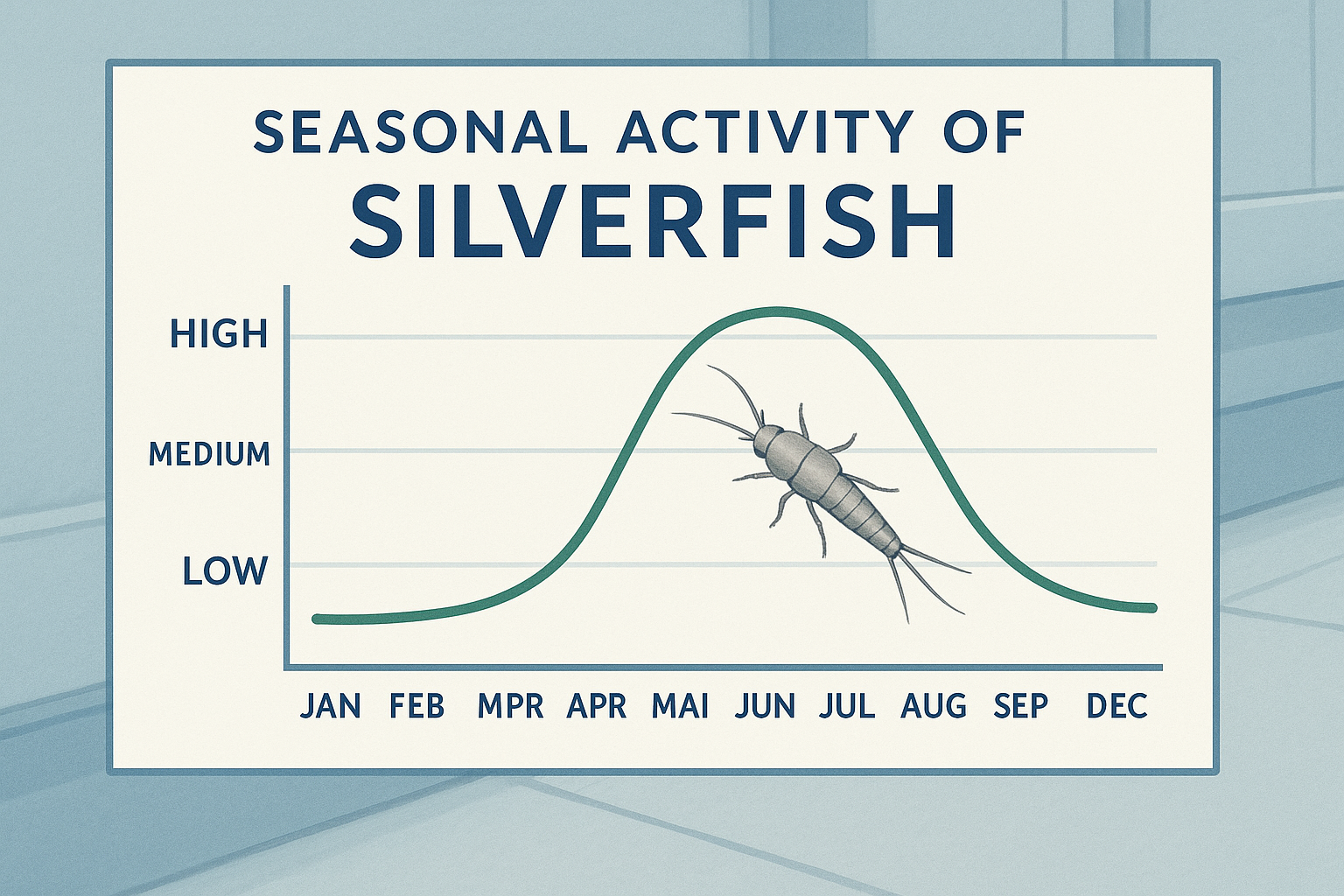
The chart shows a clear trough in December through February, a gradual climb in spring, and a sharp rise from July through early October. The highest counts appear in late summer and early fall, coinciding with the region’s peak humidity and warm nights. This pattern tells homeowners when silverfish are most likely to appear in kitchens, bathrooms, and basements.
Recommendations for Optimal Treatment Timing
Understanding the curve lets you plan interventions that stay ahead of the infestation:
- Pre‑emptive treatment: Schedule a professional inspection and preventive application in late April or early May, before the humidity surge.
- Follow‑up during peak months: If you notice continued activity in July or August, a targeted retreat—especially in moisture‑prone zones—can break the breeding cycle.
- Post‑peak check: A final visit in September helps ensure any late‑season survivors are eliminated before winter dormancy.
How Homeowners Can Reduce Seasonal Spikes Indoors
Simple humidity‑control steps can flatten the seasonal curve inside your home:
- Run dehumidifiers in basements and crawl spaces, aiming for 45‑50 % relative humidity.
- Vent bathrooms and kitchens with exhaust fans during showers and cooking.
- Repair leaky pipes, roof drips, or condensation on windows promptly.
- Use silica‑gel packets or moisture‑absorbing crystals in closets and pantry shelves.
By combining these homeowner actions with timely professional treatments, you keep silverfish populations low year‑round and avoid the costly surge that typically hits Kennesaw homes in late summer.
Choosing a Professional Service & Frequently Asked Questions
Key criteria for selecting a pest‑control company
When you’re ready to tackle a silverfish invasion, the right partner can make all the difference. Look for these four hallmarks before you sign a contract:
- Licensed and insured: A valid state license proves the technicians have met rigorous training standards, while insurance protects you from accidental damage.
- Transparent pricing: Reputable firms break down costs up‑front—service fee, product charge, and any follow‑up visits—so you never face surprise bills.
- Local experience: Companies that have served Kennesaw for years understand the regional climate, building styles, and the specific pests that thrive here.
- Safety‑first approach: Look for providers that use EPA‑approved products, low‑odor formulations, and integrated pest‑management (IPM) techniques that safeguard children and pets.
DIY vs. Professional: What really matters?
| Factor | DIY Approach | Professional Service |
|---|---|---|
| Cost (initial) | $30‑$80 for over‑the‑counter sprays | $150‑$300 per treatment (transparent quote) |
| Effectiveness | Variable; often misses hidden infestations | High; technicians target nests, cracks, and moisture sources |
| Guarantee | None | Service guarantee with free re‑treatment if pests return |
| Safety | Risk of improper handling, especially around kids/pets | EPA‑approved products applied with calibrated equipment |
| Time investment | Hours of research, prep, and repeated applications | One‑time visit, plus optional follow‑up |
Frequently Asked Questions
How long does a treatment last?
Our standard silverfish treatment provides residual protection for 3‑4 months. If moisture issues persist, a follow‑up visit may be recommended to keep the environment inhospitable.
Will chemicals affect pets or children?
Anthem Pest Control uses low‑toxicity, EPA‑approved products that are safe for families when applied by certified technicians. We also offer “pet‑friendly” options that leave no harmful residue.
Do I need multiple visits?
Most Kennesaw homes see a dramatic reduction after the first service. However, severe infestations or structural moisture problems may require a second visit, which is covered under our satisfaction guarantee.
What preparation is required before a technician arrives?
Clear clutter from baseboards, under sinks, and pantry shelves. Remove food items, dishes, and pet bowls from the treatment zones. If you have delicate electronics, let the technician know so they can protect them.
Choosing a provider that blends expertise, safety, and transparent pricing isn’t a gamble—it’s an investment in peace of mind. Anthem Pest Control brings nationwide resources, a full spectrum of pest‑management services, and a local Kennesaw team that knows how to keep silverfish—and every other household pest—out of your home.
Take Action Against Silverfish Today
Silverfish thrive in the hidden cracks of a home, and the longer they go unnoticed, the more damage they can cause to paper, fabrics, and even structural components. Catching an infestation early not only prevents costly repairs but also makes treatment far more effective. Professional pest technicians have the tools and knowledge to identify the exact species, locate hidden hotspots, and apply a targeted regimen that eliminates the problem at its source.
Key Points to Remember
- Early identification matters: Spotting the tell‑tale signs—tiny fish‑shaped insects, silvery scales, or damaged paper—allows for a quick, decisive response.
- Proper treatment is essential: DIY sprays often miss concealed nests, whereas a licensed technician uses a combination of baits, residual sprays, and moisture control to eradicate the colony.
- Cost considerations: In Kennesaw, Georgia, silverfish control typically ranges from $150 to $300 for a standard residential service, depending on the severity of the infestation and any needed follow‑up visits.
- Seasonal timing: Silverfish activity spikes in the humid months of late spring through early fall. Scheduling treatment before this peak can keep your home pest‑free throughout the year.
If you’ve spotted silverfish or simply want peace of mind, a free, no‑obligation inspection from a trusted local expert is just a phone call away. Our specialists will assess the situation, discuss pricing transparently, and outline a customized prevention plan that fits your budget.
Give us a call today at 877‑371‑8196 or visit our website to learn more about our silverfish control services, request a detailed quote, and explore additional resources for home protection.
Ready to protect your home? Visit Anthem Pest Control now to schedule your free inspection and take the first step toward a silverfish‑free household.