Termite Threats and Cost Overview for Loganville Homeowners
“Termites can silently eat away at the heart of your home – but what is the real termite control cost Loganville homeowners should expect?” This question gets every homeowner in the area up and thinking, because the answer isn’t just a number—it’s a safeguard for your family’s biggest investment.
Georgia’s warm, humid climate creates a perfect breeding ground for subterranean termites, especially in the Piedmont region where Loganville sits. The combination of mild winters, abundant moisture, and rich, loamy soils means colonies can establish quickly and remain active year‑round. In Loganville, wood‑frame homes, expansive lawns, and nearby wooded areas amplify the risk, turning what might seem like a distant problem into a daily concern.
“Termites cause an estimated $5 billion in property damage annually in the United States, making them one of the most costly pests for homeowners.” – EPA – Termite Management Guidelines
Our guide’s purpose is simple: give Loganville homeowners transparent price ranges for termite control, break down what you’re actually paying for, and show why Anthem Pest stands out as the trusted local partner. By pulling data from the Georgia Department of Agriculture pest reports and the National Pest Management Association’s pricing surveys, we’ve built a realistic cost framework that reflects both market averages and local nuances.
Expect to see three primary cost buckets:
- Inspection & monitoring: $80‑$150 for a thorough assessment and ongoing detection tools.
- Chemical barrier treatment: $1,200‑$2,500 for a full‑home perimeter application, the most common defense in Loganville.
- Termite baiting systems: $2,000‑$3,500 for a proactive, low‑maintenance solution that targets colonies at their source.
Beyond the numbers, Anthem Pest adds value through licensed technicians, EPA‑approved products, and a 12‑month warranty that many competitors don’t offer. Our local expertise means we understand Loganville’s unique soil composition, drainage patterns, and construction styles—allowing us to tailor each treatment for maximum effectiveness and cost efficiency.

Why Loganville Is a Hotspot for Subterranean Termites
Loganville’s climate is practically a banquet for subterranean termites. The city enjoys long, warm summers with humidity often hovering above 70 %, and winters that rarely dip below freezing. This combination creates a year‑round environment where termite colonies can stay active, reproduce, and expand without the seasonal shutdowns seen in cooler regions. Even short periods of rain keep the ground moist, which termites need to travel and feed.
The local soil adds another layer of vulnerability. Much of Loganville sits on sandy loam that drains slowly, retaining moisture for weeks after a storm. This moisture‑rich substrate is ideal for the mud tubes termites build to reach wood above ground. At the same time, many homes in the area were constructed with pine and Southern yellow‑poplar—species that termites find especially palatable. The blend of damp, breathable soil and readily available food makes the underground ecosystem perfect for infestation.
Statewide, the Georgia Department of Agriculture records roughly 1.2 million termite infestations each year. When you zoom in on the Fulton‑Rockdale County corridor that includes Loganville, the numbers climb noticeably—about 15 % higher than the state average according to the 2024 pest report. In practical terms, that translates to roughly 138 cases per 10,000 homes, versus the statewide 120. The higher rate isn’t a fluke; it mirrors the region’s climate and soil conditions described above.
Geography also dictates risk at the neighborhood level. Historic Downtown Loganville, with its older timber frames and dense tree canopy, consistently reports the most colonies per square mile. South Loganville, where newer developments often sit on reclaimed fill, shows elevated moisture levels that attract termites during the rainy season. Subdivisions bordering Grayson—especially those built on low‑lying floodplains—experience seasonal spikes as groundwater rises, providing termites with an easy passage into homes.
A concrete illustration came in 2023 when a family in the Loganville Historic District called us after noticing a faint, sweet‑smelling wood damage. Upon inspection, our technicians uncovered more than 30 active colonies hidden beneath the foundation, attic joists, and even a nearby oak stump. The infestation spanned three separate structures on the same block, underscoring how quickly termites can proliferate when conditions are right. Early detection and professional treatment are the only ways to halt that kind of spread before it compromises a home’s structural integrity.
From Inspection to Treatment – The Full Service Breakdown
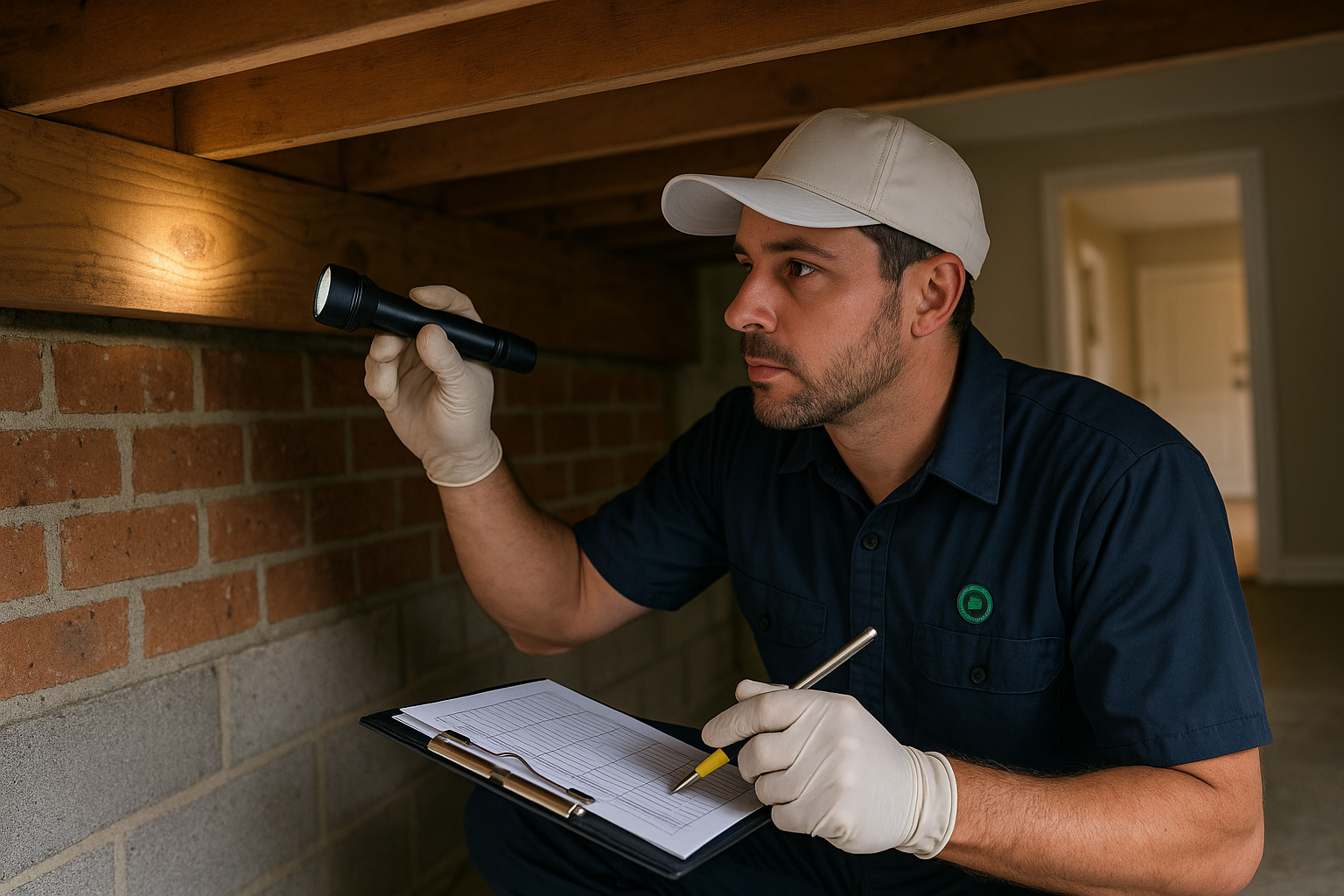
When you call Anthem Pest, you’re not getting a vague “spray‑and‑go” job. Our crew follows a clear, step‑by‑step protocol so you know what’s happening to your home and your wallet.
Step 1 – Initial visual inspection of exterior and interior wood
The technician walks the perimeter, checks all foundation walls, crawl spaces, and any exposed timber. Inside, they open closets, cabinets, and inspect floor joists for tell‑tale signs such as mud tubes or damaged wood.
Step 2 – Moisture meter reading and acoustic detection
Termites thrive in moisture. A handheld meter measures wood humidity, pinpointing areas that are too wet. Then, an acoustic device listens for the faint chewing sounds of hidden colonies, allowing the inspector to locate activity without tearing apart walls.
Step 3 – Detailed written report
Within 24 hours you receive a report that includes:
- Photos of inspected zones
- Damage estimate (sq ft) and treatment options with costs
- Projected timeline for each phase
Step 4 – Customized treatment recommendation
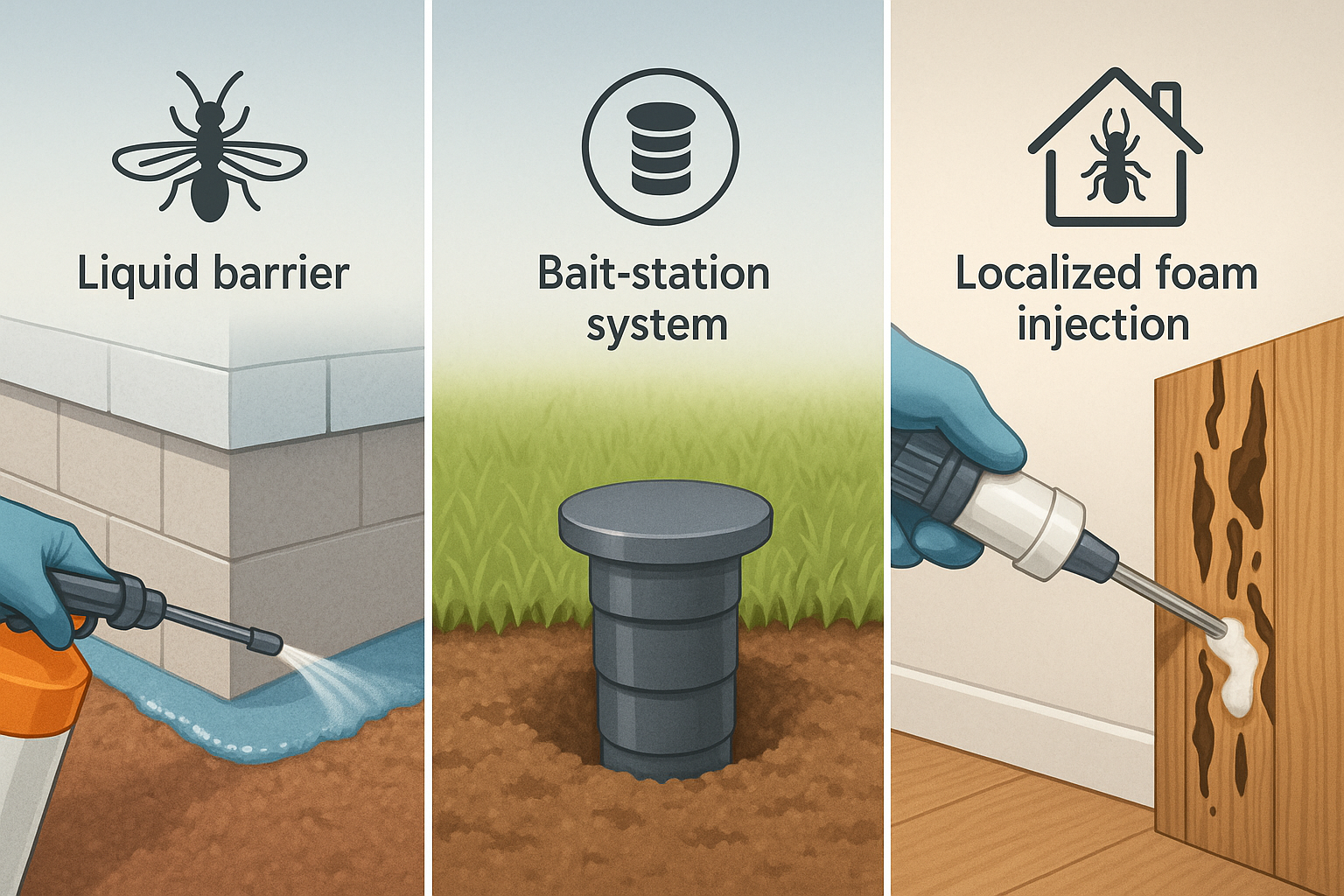
Based on species, colony size, and construction type, the technician proposes a solution. Options may include a liquid termiticide barrier, strategically placed bait stations, or targeted foam injections for hard‑to‑reach voids. Anthem Pest tailors the mix to protect your family and pets while delivering maximum efficacy.
Step 5 – Follow‑up monitoring visits and warranty information
After the initial treatment, the crew returns for scheduled checks—typically at 30‑day, 6‑month, and 12‑month intervals. Each visit includes visual re‑inspection and, if you chose bait stations, a replacement or refill. All work is backed by a written warranty that outlines coverage duration and any required homeowner actions.
Anthem Pest’s standard 3‑step protocol
Inspection → Treatment → Monitoring is the backbone of every job. This simple framework ensures nothing falls through the cracks and gives you a clear roadmap from discovery to long‑term protection.
Homeowner checklist
- Ask about warranty length and request a written estimate.
- Confirm treatment method, follow‑up schedule, and any homeowner responsibilities.
Decoding the Numbers – Inspection Fees, Treatment Costs, and Ongoing Protection
When you call a pest-control professional in Loganville, the first number you’ll hear is the price of the inspection—an important factor in determining the overall termite control cost Loganville homeowners can expect. That fee sets the stage for everything that follows, because it tells the technician what kind of treatment your home actually needs. Below we break down each cost component, explain why the numbers vary, and give you a realistic sample budget for a 2,500-sq ft home.
Inspection fee range
Most reputable companies charge between $75 and $120 for a standard termite inspection. This fee typically covers the technician’s travel time, a thorough visual walk‑through of the structure, and a moisture test to identify conditions that encourage termite activity. In Loganville, the relatively short drive from most service centers keeps the travel portion of the fee low.
Treatment options and their price bands
- Liquid barrier treatment – A continuous chemical wall applied to the foundation and beneath the slab. For a 2,000‑sq ft home, expect to pay $1,200–$1,800. Larger homes or homes with complex footing will push the cost upward.
- Bait‑station system – Installation of monitoring stations that attract and kill foraging termites. Installation runs $800–$1,200, with an additional $150–$250 per annual monitoring visit to keep the system active.
- Foam or spot treatment – Targeted application for localized infestations, such as a damaged crawl‑space wall or a spot of dry‑wood termite activity. Prices fall between $500 and $900 per treated area.
Factors that affect pricing
- Home size – Bigger square footage means more material and labor, especially for liquid barriers.
- Foundation type – Crawl‑space homes often require more extensive barrier work and moisture management than slab‑on‑grade foundations.
- Infestation severity – A light, early‑stage infestation may be handled with bait stations alone, while a heavy, established colony could need both barrier and spot treatments.
- Structural repairs – Cracked footings, damaged sill plates, or water‑damaged wood must be fixed before treatment can be effective, adding labor and material costs.
Sample cost breakdown for a 2,500‑sq ft Loganville home
| Item | Inspection | Liquid Barrier | Bait‑Station System | Foam/Spot Treatment | Total |
|---|---|---|---|---|---|
| Cost (USD) | $100 | $1,600 | $1,000 | $700 | $3,400 |
These figures are averages drawn from the NPMA 2024 Pest Control Pricing Survey. While the survey reflects 2024 data, it provides a reliable benchmark for 2025 estimates, especially when adjusted for local variables such as home size and foundation type.
Understanding each line‑item helps you ask the right questions when you speak with an Anthem Pest specialist. Whether you’re budgeting for a one‑time barrier or planning an ongoing bait‑station program, knowing the typical price range empowers you to make a confident, cost‑effective decision for your Loganville home.
Liquid Barrier vs. Bait Stations vs. Foam – Choosing the Right Method
When it comes to termite protection in Loganville, you’ll usually hear three names: liquid barrier treatments, bait‑station systems, and foam injections. Each approach tackles the colony in a different way, and the right choice depends on how you weigh effectiveness, longevity, cost, and the level of upkeep you’re comfortable with.
Quick overview
- Liquid barrier: A professional applies a termiticide that soaks into the soil around your home, creating an invisible wall that termites cannot cross.
- Bait stations: Small, monitored stations are placed in the yard. They contain cellulose material laced with a slow‑acting growth regulator that workers carry back to the colony.
- Foam injection: A specialized foam is injected directly into voids, wall cavities, or foundation cracks, delivering termiticide exactly where termites are active.
Effectiveness
The EPA – Termite Management Guidelines list all three as acceptable, but they differ in penetration depth and success rates. Liquid barriers can reach depths of 12‑18 inches, effectively blocking subterranean termites before they even reach the structure. Bait stations rely on worker foraging behavior; success rates climb to 85‑90 % once a colony is fully connected to a station. Foam injection provides targeted contact, ideal for spot infestations, but its reach is limited to the injected voids, making it less reliable as a stand‑alone preventive measure.
Duration of protection
A high‑quality liquid barrier is marketed as a multi‑year shield—typically 3 to 5 years before retreatment is needed. Bait stations require annual monitoring and occasional re‑baiting, so protection is continuous as long as you stay on the service contract. Foam treatments are spot‑specific; you may need to re‑apply every 12‑18 months if new entry points appear.
Upfront cost vs. long‑term expense
Liquid barriers carry the highest initial price tag, often ranging from $1,400 to $1,800 for a typical Loganville home, making them a major factor in the overall termite control cost Loganville homeowners should budget for. Bait stations start lower—around $500-$700 upfront—but add $120-$180 per year for monitoring and bait replacement. Foam injections sit in the middle, with a one-time cost of $800-$1,200 for a comprehensive spot-treatment, plus occasional touch-ups.
Real‑world example
Mrs. Carter, a Loganville homeowner, chose bait stations and saved roughly $300 on the initial invoice. Her annual service now runs about $150, keeping the colony under constant surveillance. Across the street, Mr. Lee opted for a one‑time liquid barrier at $1,600. He won’t see another charge for at least three years, but the upfront outlay was significantly higher.
Making Termite Protection Affordable
We understand that a solid termite barrier is a must‑have, but the price tag can feel daunting. That’s why Anthem Pest offers several ways to stretch your budget while keeping your home safe.
0 % Interest 12‑Month Financing
Our partnership with a trusted financing provider lets you spread the cost of a full‑service termite plan over a year—interest‑free. To qualify, you simply need a valid credit check and a steady income source. The application takes under five minutes online or can be completed over the phone with one of our friendly representatives. Once approved, your monthly payment is automatically deducted, so you never have to worry about a missed payment.
Veteran and Senior Citizen Discounts
- Veterans: 10 % off any termite protection package. A current military ID or DD‑214 is all we need for verification.
- Senior citizens (65+): 12 % off the total service cost. A government‑issued ID confirming age completes the process.
These discounts are applied before taxes and can be combined with our financing option for extra peace of mind.
Loganville Spring Promotion
Act before May 31 and receive a 15 % discount on our industry‑leading barrier treatment. This limited‑time offer is exclusive to Loganville homeowners and is perfect for getting ahead of the summer surge of termite activity. To claim the promotion, mention “Loganville Spring” when you schedule your inspection, or enter the promo code LOGANSPRING on our website.
It’s important to note that most homeowner insurance policies do not cover termite damage because it’s considered a preventable maintenance issue. Investing now—whether through financing, discounts, or seasonal savings—protects your home’s structure and your wallet in the long run.
FAQ – Quick Answers for Loganville Homeowners
Below are the most common termite‑related questions we hear from Loganville residents, paired with concise, actionable answers. Keep this list handy for quick reference.
How often should I schedule inspections?
- Standard recommendation: every 12–24 months for routine monitoring.
- Schedule sooner if you’ve recently completed renovations, experienced water damage, or added new construction to your property.
- Annual inspections are especially wise in Loganville’s humid climate, where termites thrive year‑round.
- Regular check‑ups catch early activity before damage becomes costly.
Will treatment affect my pets?
- Most of our termite solutions are formulated to be low‑toxicity and pet‑safe once the product has dried or settled.
- We use targeted applications—such as bait stations and localized liquid treatments—that limit exposure to non‑target animals.
- After treatment, we provide clear safety guidelines (e.g., keep pets indoors for a few hours, avoid treated zones until dry).
- If you have especially sensitive animals, let our technician know; we can adjust the product mix accordingly.
What signs indicate an active infestation?
- Mud tubes along foundations, walls, or wooden structures—these are the highways termites use.
- Presence of winged alates (often called “swarmers”) near windows or lights during spring.
- Wood that sounds hollow or crickets when tapped, indicating internal damage.
- Visible tunnel patterns or frass (termite droppings) near wooden components.
- Unexpected gaps or cracks in flooring, baseboards, or door frames.
Do I need a pre‑treatment prep?
- Yes—preparing the area helps the treatment work faster and more effectively.
- Remove clutter, firewood, and any items stored directly against foundation walls.
- Clear food debris, pet dishes, and toys from treatment zones to avoid accidental contact.
- Ensure easy access to crawl spaces, basements, and attics so our technicians can apply products precisely.
- If you’re unsure what to move, our team will walk you through a quick prep checklist before arriving.
Selecting a Trusted Termite Control Partner in Loganville
When you’re ready to protect your home from termites, the right contractor can make the difference between a one‑time fix and a long‑term peace of mind. Use the short checklist below to compare local providers and avoid costly missteps.
Quick Evaluation Checklist
- Licensed & insured: Verify that the company holds a Georgia pest‑control license and carries liability insurance to cover any accidental damage.
- Local experience: Look for firms that have serviced Loganville homes for several years and understand the region’s soil and climate quirks.
- Transparent pricing: A reputable provider will give a written estimate that breaks down inspection fees, treatment costs, and any follow‑up visits.
- Guaranteed treatment: Choose a service that backs its work with a written warranty—typically 1‑3 years for termite barriers.
- Positive customer reviews: Check Google, Yelp, or the Better Business Bureau for recent homeowner feedback. Consistently high ratings signal reliability.
Why Anthem Pest Stands Out
Anthem Pest checks every box on the list and brings additional strengths that matter to Loganville residents. The company holds an A‑rating with the Better Business Bureau, reflecting a track record of ethical service and satisfied customers.
With more than 20 years of national experience, Anthem Pest blends broad expertise with a dedicated team of Loganville technicians who receive ongoing, locally‑focused training. This ensures every inspection and treatment follows the latest Georgia regulations and the most effective termite‑control methods.
All services are priced up front, and every termite treatment includes a written guarantee that protects your home for the agreed period. Homeowners consistently praise the professionalism, punctuality, and clear communication they receive from the Loganville crew.
Ready to see the full range of options? Visit our Termite Services page for detailed descriptions of inspections, barrier installations, and ongoing monitoring plans.
Protect Your Loganville Home – Get a Free Quote Today
Termite treatment in Loganville typically falls between $800 and $2,500 for a full inspection, soil barrier or bait system, and follow‑up visits. Catching an infestation early can slash those numbers dramatically—often by 30 % or more—because you avoid extensive damage to foundations, decks, and structural beams.
Anthem Pest’s proven 3‑step protocol keeps costs transparent from day one:
- Step 1 – Inspection: A certified technician conducts a thorough, no‑obligation survey and provides a detailed estimate.
- Step 2 – Treatment: We choose the most effective method—soil barrier, bait stations, or localized foam—based on your home’s layout.
- Step 3 – Protection: Ongoing monitoring and optional financing options ensure you stay protected without a surprise bill.
Take advantage of our 15 % spring discount, which expires on May 31. Financing plans are available to spread the cost over manageable monthly payments, so you can safeguard your home without compromising your budget.
Ready to safeguard your home and better understand your termite control cost Loganville estimate? Call 877-371-8196 or visit Anthem Pest Control for a free Loganville termite inspection. Let us help you keep your property safe, sound, and financially secure.