Why Flea Infestations Matter for Kennesaw Homeowners

Kennesaw’s humid subtropical climate is a perfect breeding ground for fleas. Warm summers, mild winters, and frequent rain keep lawns and yards lush, creating the moist environments fleas love for egg‑laying and larval development. When the temperature stays above 65°F for most of the year, flea life cycles accelerate, meaning a single stray flea can quickly turn into a full‑blown infestation throughout a home.
Health impacts on people and pets
Flea bites are more than a minor annoyance. For humans, they cause intense itching, red welts, and in some cases allergic reactions that can lead to skin infections if scratched excessively. Pets suffer even more; a single dog or cat can host hundreds of fleas, resulting in anemia, dermatitis, and secondary bacterial infections. Young children and immunocompromised family members are especially vulnerable to the irritation and potential disease transmission associated with flea bites.
Economic and emotional toll
Leaving a flea problem unchecked can quickly become costly. Fleas lay eggs in carpets, upholstery, and bedding, and those eggs hatch into larvae that feed on organic debris. Over time, the infestation can damage fabrics, create unsightly stains, and force homeowners to replace or professionally clean carpets and furniture. Beyond the monetary expense, the constant scratching and anxiety can strain family dynamics, turning a once‑comfortable home into a source of stress.
Why early detection matters
Spotting the first signs—tiny black specks in pet bedding, sudden scratching, or a “flea dirt” residue—allows for a targeted, professional assessment before the population explodes. Anthem Pest Control’s local expertise means a quick inspection can identify hotspots, recommend a tailored treatment plan, and prevent the infestation from spreading to neighboring homes. Acting early not only saves money but also protects the health and peace of mind of every household member.
Identifying Flea Warning Signs Inside and Out

Visual clues inside the house
Fleas leave a trail of tiny, black specks that look like pepper—this is flea dirt, essentially digested blood. Spot it on your pet’s bedding, in carpet seams, or on upholstered furniture. Adult fleas are about the size of a sesame seed; a quick glance at your dog or cat’s coat, especially around the neck and tail base, can reveal them. In carpet fibers and under rugs you may also notice tiny, white, worm‑like larvae that move slowly and avoid light.
Behavioral clues from pets and people
When fleas are present, pets will scratch, bite, or groom obsessively. Look for sudden, unexplained hair loss or red, irritated patches on their skin. Family members can experience similar irritation—tiny, itchy bumps often appear on ankles, wrists, or lower legs after a night of rest. These skin reactions are a strong hint that flea activity has moved beyond the pet.
Outdoor indicators that invite fleas
Fleas thrive in environments where wildlife congregates. Raccoons, squirrels, opossums, and even stray cats can bring adult fleas into your yard. Pay attention to animal tracks, nests, or frequent sightings. A dense, moist lawn, leaf litter, or shaded mulch creates the perfect humid micro‑climate for flea eggs and larvae to develop. If the grass is thick and the soil stays damp after rain, it’s a red flag.
Step‑by‑step home inspection checklist
- Check pet bedding: Shake out blankets and look for black specks or live fleas.
- Inspect carpets and rugs: Use a bright flashlight; run your hand over fibers to spot larvae or dirt.
- Examine furniture: Lift cushions and look in seams for flea dirt.
- Observe pet behavior: Note any excessive scratching, biting, or hair loss.
- Survey the yard: Identify wildlife activity, dense grass, and areas of leaf litter.
- Test for flea dirt: Place a few suspected specks on a damp white paper towel; if they turn reddish-brown, they’re flea feces.
- Document findings: Take photos or notes of hotspots to share with a pest professional.
Running through this checklist before you call a technician gives you a clear picture of the infestation’s scope. It also helps Anthem Pest Control tailor a treatment plan that targets both indoor and outdoor hotspots, ensuring a faster, more cost‑effective resolution.
Seasonal Flea Activity in Kennesaw, GA
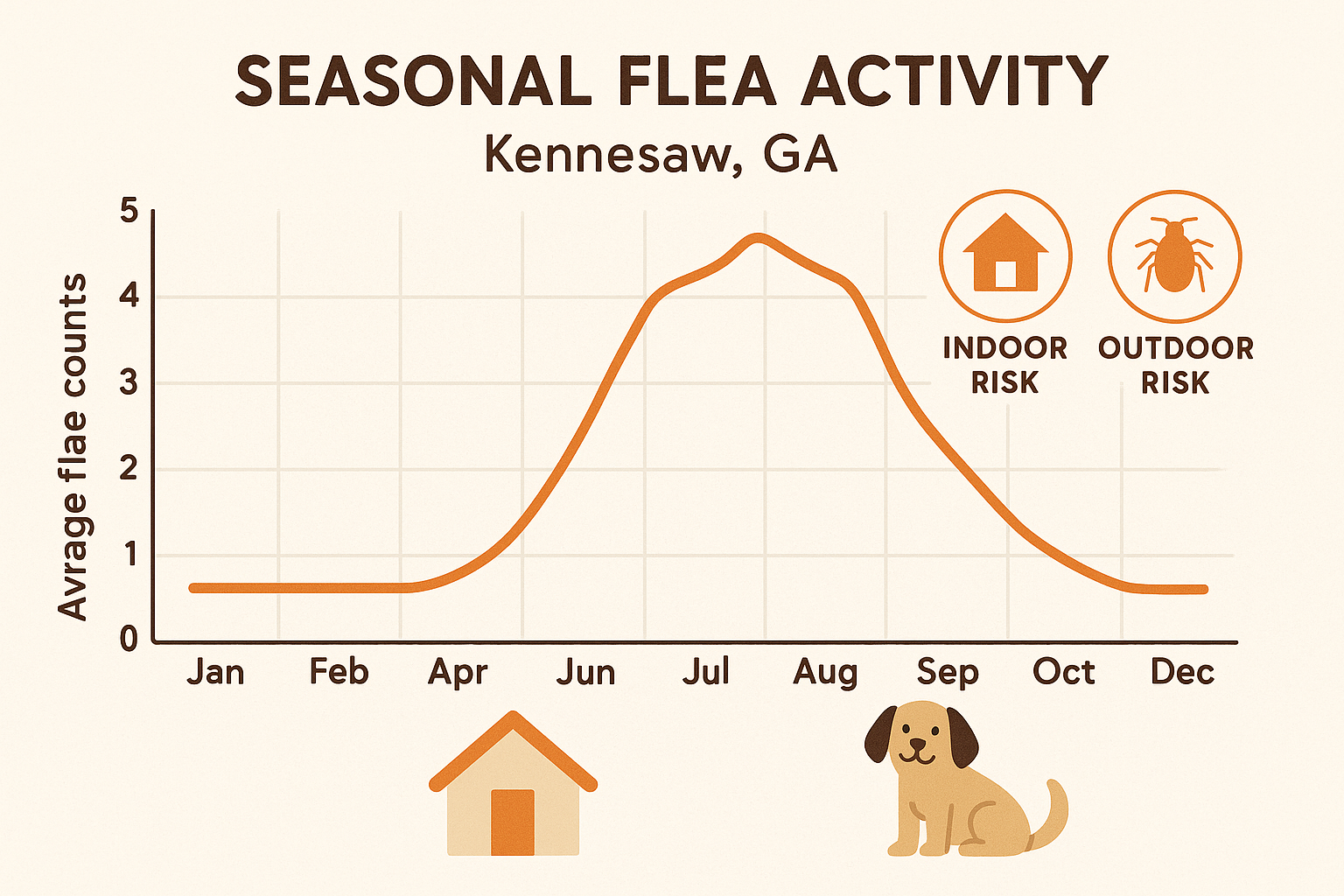
Anthem Pest’s seasonal flea activity chart shows a clear pattern: the highest flea counts appear in late May through early July, with a smaller spike in September. Indoor risk mirrors the outdoor trend, but indoor numbers stay a touch higher during the cooler months because pets bring fleas inside.
What the line graph tells us
The line graph peaks sharply in late spring, drops slightly in midsummer, then climbs again in early fall. This double‑hump reflects the flea life cycle: eggs hatch faster when temperatures sit between 70‑85°F and humidity stays above 60%. As summer heat peaks, the cycle slows, then resumes when evenings cool and humidity rises again in September.
Why temperature and humidity matter
Fleas need warm, moist environments to develop from egg to adult in just 2‑3 weeks. A sudden cold snap or dry spell can halt development, while a warm, damp night accelerates it. Kennesaw’s climate—humid summers and mild winters—creates ideal conditions for multiple generations each year.
Best windows for treatment
To stay ahead of the infestation, schedule a professional treatment just before the first peak, ideally in late April. A follow‑up in early August helps eliminate the second generation before the September rise. For indoor protection, a quarterly preventative program keeps flea populations suppressed year‑round, especially during the shoulder months of May and October when indoor activity can linger.
Timing matters because fleas spend most of their life hidden in the larval stage, which is resistant to adult‑targeted sprays. Treating during the adult peak knocks out the breeding population, while a follow‑up in the fall catches any larvae that survived the summer heat. This two‑step approach reduces the chance of a rebound infestation and maximizes the value of your service.
How Much Does Flea Control Cost in Kennesaw?
Primary Treatment Methods
Homeowners in Kennesaw typically choose one of three proven flea‑control approaches:
- Chemical spray: A targeted application that kills adult fleas and larvae on contact.
- Fogger (or “flea bomb”): A space‑wide aerosol that penetrates cracks, upholstery, and carpet fibers.
- Yard treatment: Outdoor granules or liquid sprays that reduce the flea population before it reaches the home.
Pricing Tiers by Infestation Severity
Our partners in Kennesaw report consistent price bands based on the level of infestation. The infographic below breaks down the typical cost ranges for each method.
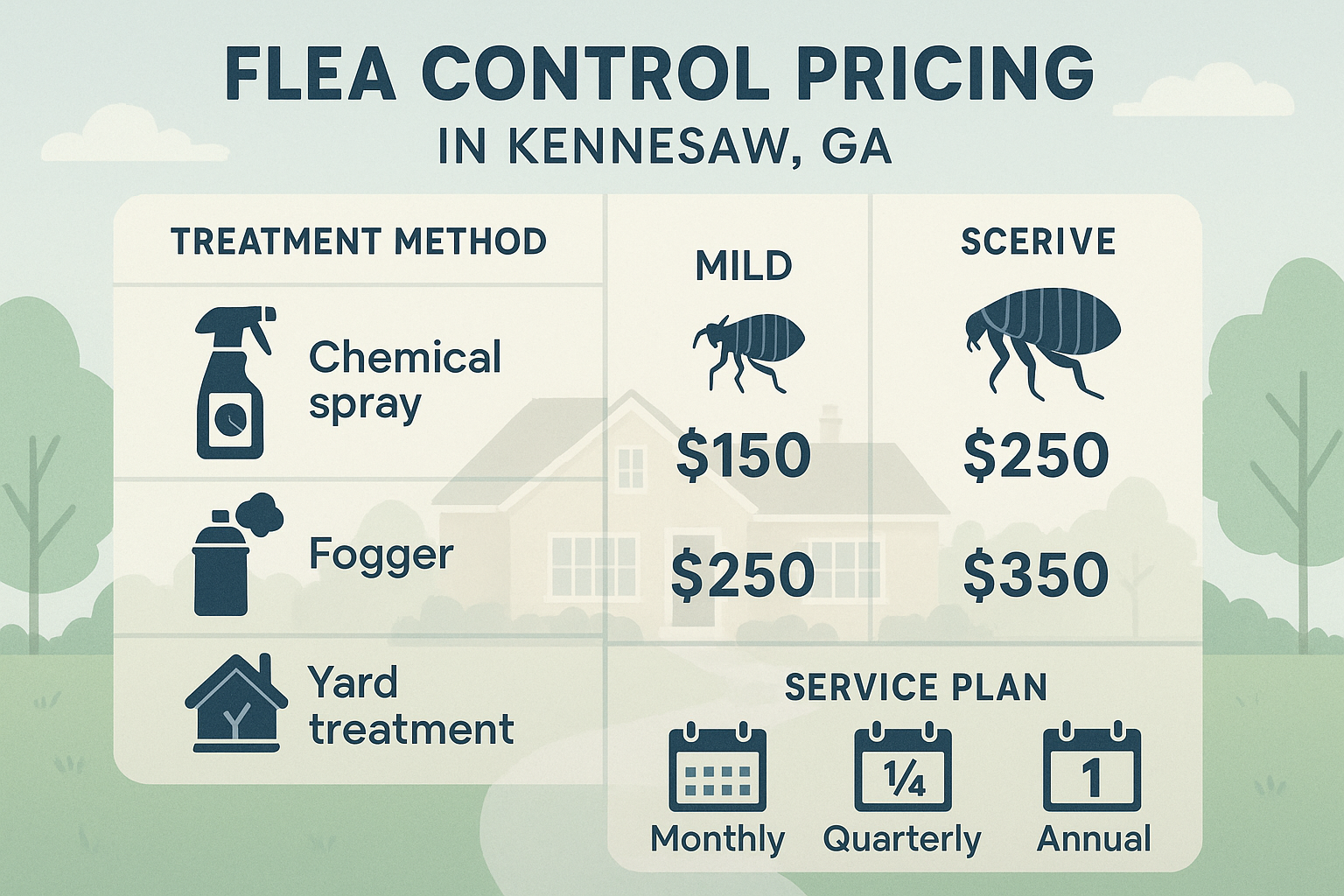
Mild infestations: Expect to pay $80‑$120 for a single chemical spray or $100‑$150 for a fogger session.
Moderate infestations: Costs rise to $130‑$180 for spray, $150‑$200 for fogger, and $120‑$170 for a yard treatment.
Severe infestations: Comprehensive packages—including multiple indoor applications plus yard treatment—typically range from $250 to $350.
Service Plan Comparison
| Plan Frequency | Typical Annual Cost | What’s Included | Savings vs. One‑Time Treatments |
|---|---|---|---|
| Monthly | $420‑$540 | Four indoor sprays, two fogger sessions, quarterly yard treatment | Up to 25% off cumulative one‑time prices |
| Quarterly | $260‑$340 | Two indoor sprays, one fogger, semi‑annual yard treatment | 15%‑20% savings |
| Annual | $190‑$260 | One comprehensive indoor spray, one fogger, full‑year yard maintenance | 10%‑15% savings and priority scheduling |
Choosing a recurring plan not only spreads the expense across the year but also prevents flea populations from rebounding between visits. For households with pets or children, the consistent barrier offers peace of mind and reduces the need for emergency “quick‑fix” treatments.
Local Data Backed by Independent Research
Our pricing aligns with the latest market analysis for Kennesaw, Georgia. For a deeper dive into regional cost averages, see the study from HomeYou. Transparency is our promise—so you always know exactly what you’re paying for and why.
Effective Flea Treatment Options and Prevention Strategies
Professional treatments
When fleas have taken hold, a licensed technician can eliminate the problem faster and more safely than any DIY effort. Anthem Pest Control typically recommends a three‑pronged approach:
- Targeted indoor spray: A low‑odor, pet‑safe insecticide is applied to carpets, baseboards, upholstery, and cracks where adult fleas hide.
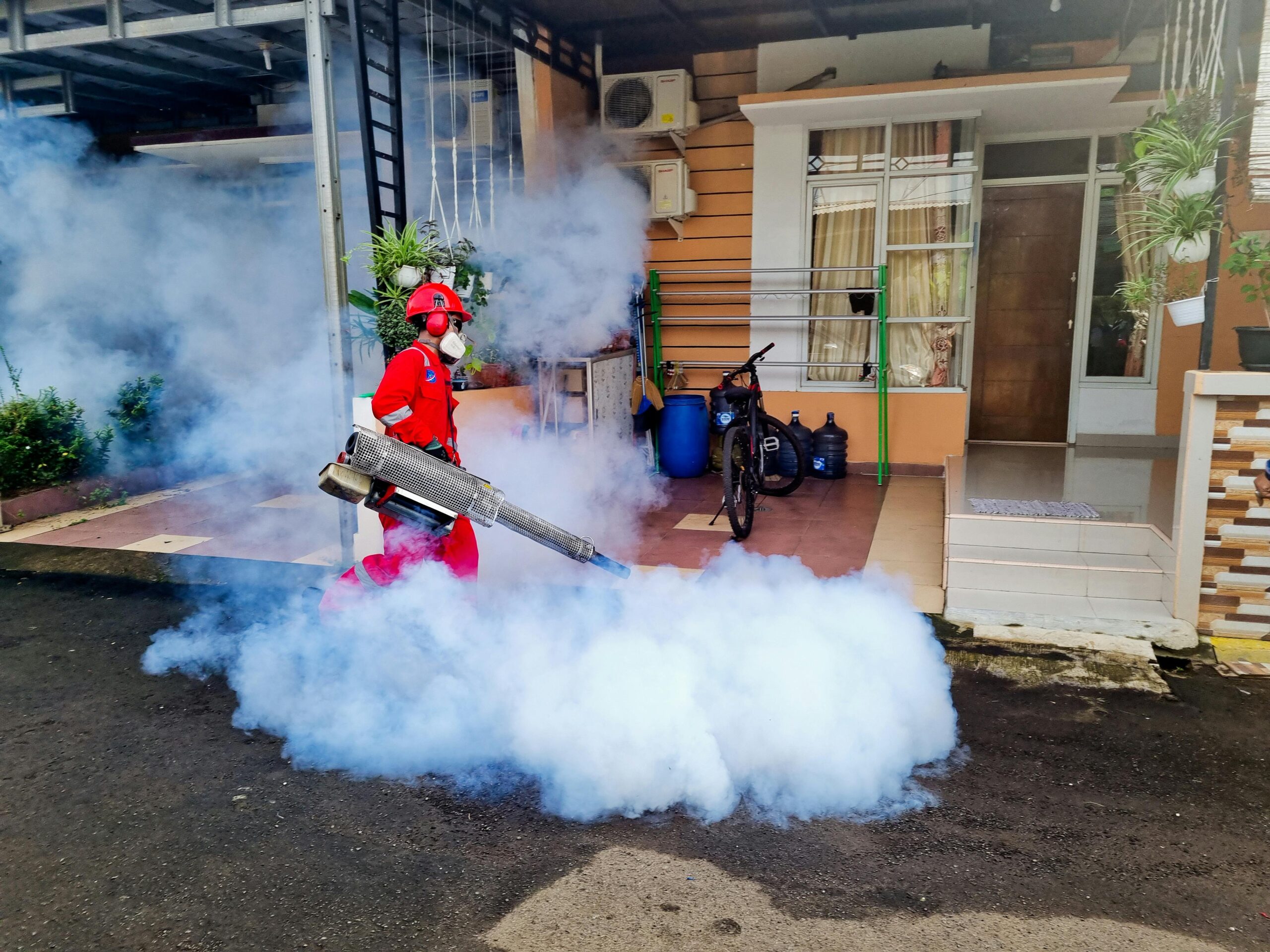
- Perimeter yard fogging: A fine mist is dispersed around the home’s exterior, creating a protective barrier that kills emerging adults before they jump indoors.
- Pet‑specific products: Veterinarian‑approved spot‑on treatments or oral medications are prescribed to break the flea life cycle on your dog or cat.
These services are performed during a single visit, but the chemicals remain active for weeks, giving you a clean slate to start preventative habits.
DIY supplements
Even after a professional treatment, regular household chores can keep flea numbers from rebounding. Homeowners can reinforce the work of the technician with the following safe, inexpensive steps:
- Vacuum daily: Focus on rugs, pet bedding, and under furniture. Empty the canister or bag immediately and dispose of it in a sealed bag.
- Wash bedding at high heat: Temperatures of 130°F (54°C) or higher kill eggs, larvae, and pupae. Include pet blankets, cushion covers, and any removable furniture covers.
- Apply diatomaceous earth (food‑grade only): Lightly dust cracks, baseboards, and under pet sleeping areas. The microscopic silica particles dehydrate fleas without harming people or pets when used correctly.
Preventive measures for a flea‑free yard
Fleas thrive in cool, shaded, and cluttered outdoor spaces. Simple landscaping habits can deny them a breeding ground:
- Maintain lawn height at 2–3 inches; short grass lets sunlight dry out flea larvae.
- Remove leaf piles, tall weeds, and other debris where fleas hide.
- Schedule routine inspections—especially after heavy rain or when pets spend more time outdoors.
One‑time extermination vs. recurring service plans
Choosing the right service model depends on infestation severity and your long‑term goals. A one‑time extermination works well for a mild outbreak that’s caught early; the professional spray and fogging can eradicate the current generation of fleas, and diligent home maintenance prevents a resurgence.
For moderate to heavy infestations—or if you have multiple pets—the recurring service plan offers continuous protection. Quarterly visits keep the perimeter treated, refresh indoor applications, and include a fresh pet product each cycle. Over time, the plan reduces the total number of treatments needed and often saves money compared with repeated one‑off jobs.
Assess the size of the problem, your budget, and how much time you can devote to DIY upkeep. When in doubt, a brief consultation with Anthem Pest’s local experts will pinpoint the most cost‑effective route for your Kennesaw home.
Protect Your Home with Anthem Pest Control
When it comes to fleas, catching the problem early, treating at the right season, and understanding the true cost are the three pillars of effective control. Early detection stops a tiny infestation from becoming a full‑blown invasion, while timing your treatment to the flea life cycle—typically early spring and late summer—ensures you hit the pests when they’re most vulnerable. Transparent, fair pricing lets you budget confidently and avoid hidden fees that can erode trust.
Anthem Pest Control brings that expertise right to your doorstep. Our technicians are trained to identify flea hotspots, apply targeted treatments, and integrate those actions with broader pest‑management strategies. Whether you’re battling fleas, termites, mosquitoes, rodents, or bed bugs, Anthem’s comprehensive service menu means you get a single, reliable partner for every pest challenge. We use EPA‑approved products, follow strict safety protocols, and tailor each plan to your home’s unique layout and your family’s health needs.
Ready to protect your family and pets from unwanted guests? A professional inspection from Anthem is just a call or click away—no obligation, no pressure. Our specialists will walk you through the findings, explain the recommended steps, and provide a clear, upfront quote.
Schedule your free inspection today:
Phone: 877‑371‑8196
Website: https://anthempest.com/