What Homeowners in Druid Hills Need to Know About Rat Inspections
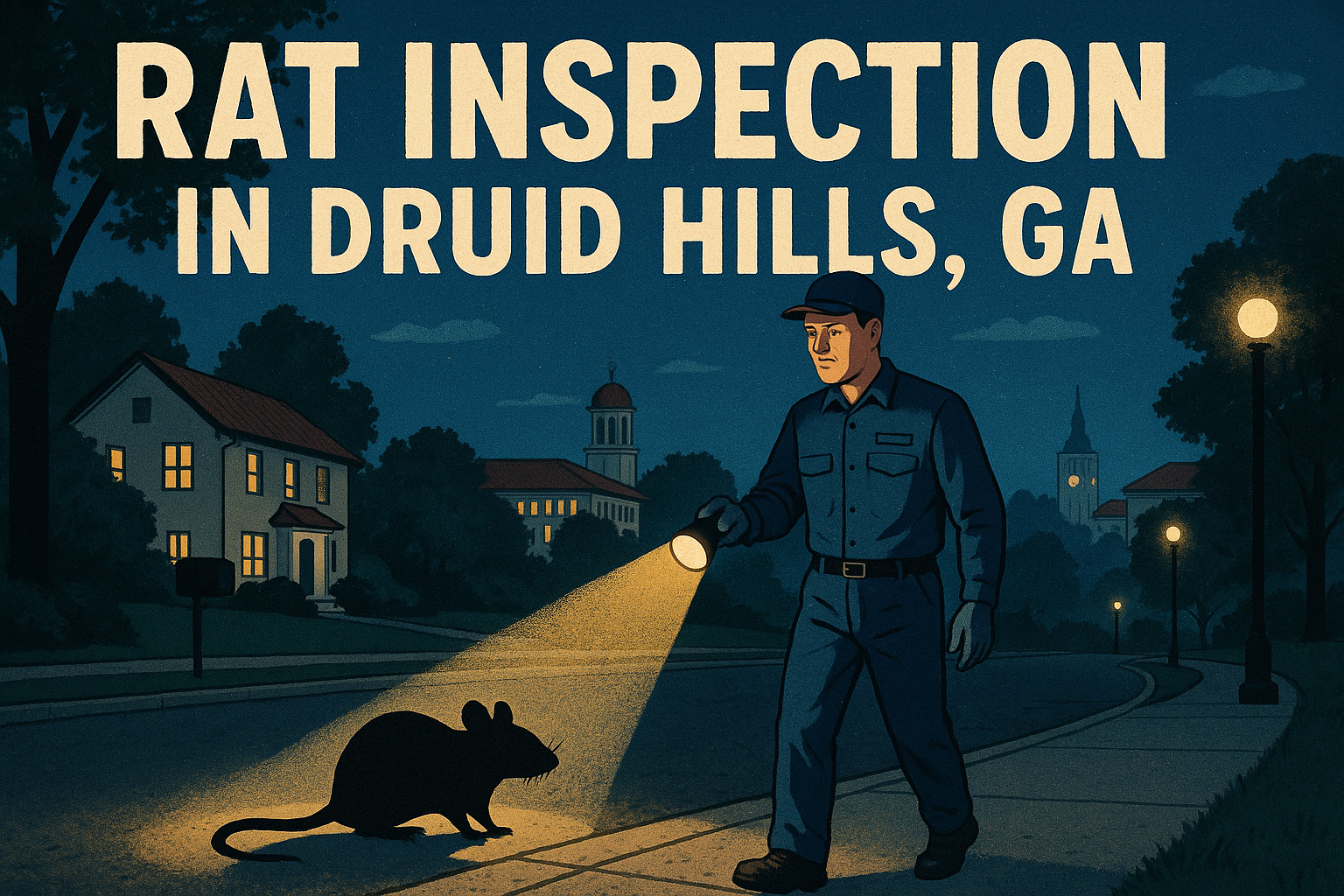
Imagine settling into bed on a quiet Tuesday night in your Druid Hills bungalow, only to hear faint scurrying behind the walls or in the attic. The sound starts as a curiosity, then turns into a worry: “What’s living in my home?” That moment is the exact reason a professional rat inspection Druid Hills homeowners trust matters.
This guide walks you through exactly what a rat inspection looks like, why it’s essential for protecting your property and health, and the signs that tell you it’s time to call Anthem Pest. A thorough inspection isn’t just about spotting droppings; it’s about identifying entry points, mapping activity patterns, and recommending long‑term prevention that fits the historic charm of Druid Hills homes.
Rodents are more than a nuisance. According to the EPA, “Rodents cause an estimated $20 billion in property damage annually in the U.S.” That figure includes structural damage, contaminated food, and the cost of repairs you could avoid with early detection.
In the sections that follow, we’ll explore:
- The impact of Druid Hills’ climate on rat activity
- Step‑by‑step what inspectors do during a typical visit
- DIY spotting tips versus the advantages of hiring a professional
- How Anthem Pest’s safe, affordable solutions keep your home rodent‑free
When you hear those unsettling noises, notice gnaw marks, or find droppings, it’s a clear signal to schedule an inspection. Trust a local expert who understands the unique architecture and seasonal patterns of Druid Hills—call Anthem Pest for a thorough, transparent assessment before the problem escalates.
Why Rats Pose a Unique Threat in Druid Hills
Druid Hills sits in the heart of Atlanta’s humid subtropical zone, where hot, moist summers and mild winters create an almost year‑round banquet for rodents. The neighborhood’s dense canopy of oak and magnolia trees not only shades homes but also provides continuous cover for rats moving between trees, roofs, and ground‑level burrows. Adding to the mix, the community borders Emory University’s research campus and the bustling streets of Decatur, both of which generate abundant food waste and irrigation runoff that rats love to exploit. These conditions also encourage insects and other pests that serve as additional food sources for rats, creating a feedback loop that amplifies their numbers.
Common Rat Species in the Area
Two species dominate Druid Hills’ rodent scene. The Norwegian roof rat (Rattus rattus) prefers elevated habitats, nesting in attics, eaves, and the upper branches of the neighborhood’s towering trees. Its agile climbers can slip through as‑small‑as‑a‑quarter‑inch openings, making roof‑line inspections essential. The Norway, or brown, rat (Rattus norvegicus) favors ground‑level burrows, sewer lines, and garden compost, thriving where moisture accumulates near foundations.
Health Risks Backed by CDC Data
Rats are more than a nuisance; they are vectors for serious diseases. The CDC reports over 1,000 confirmed cases of leptospirosis in the United States each year, a bacterial infection often transmitted through rat urine that can cause flu‑like symptoms, kidney damage, or even meningitis. Other rat‑borne illnesses—such as hantavirus pulmonary syndrome and salmonellosis—can spread via contaminated droppings, gnawed food, or water sources that enter your home. Because rats can travel up to 100 feet in a single night, an infestation on a neighboring property can quickly become yours if left unchecked.
Real‑World Example: 2023 Storm Surge
In July 2023, a Druid Hills family reported a sudden explosion of rat droppings in their basement after a heavy thunderstorm flooded their yard. The standing water forced several roof rats to descend in search of dry shelter, while the brown rats took advantage of the moist soil to expand their burrow network. Within 48 hours, the homeowners noticed dark, rice‑shaped droppings lining the floorboards and gnaw marks on stored pantry boxes—clear signs that a hidden colony had moved in.
Visual Warning Signs for Homeowners
Spotting a rat problem early can save you time, money, and health risks. Keep an eye out for these tell‑tale clues:
- Droppings: Small, dark, rice‑shaped pellets often found near walls, cabinets, or pantry shelves.
- Gnaw marks: Fresh cuts on wood, plastic, or electrical wiring.
- Grease trails: Oily smears along baseboards or behind appliances where rats travel.
- Noises: Scratching or scurrying sounds in attics, crawl spaces, or walls, especially at night.
What to Expect During a Professional Rat Inspection
When you call Anthem Pest for a rat inspection Druid Hills, you’re not just scheduling a quick look-over. Our certified technicians follow a proven, step-by-step process that captures every possible entry point, activity sign, and risk factor. Knowing what happens before, during, and after the visit helps you feel confident that the job will be thorough, transparent, and priced fairly.
Step 1: Pre‑inspection Phone Call
Before any boots hit your porch, the dispatcher gathers essential details. You’ll be asked about recent rat sightings, the age of your home, and any recent landscaping changes—like new mulch beds or tree trimming. This information lets the technician tailor the inspection, prioritize high‑risk zones, and estimate the time needed for a complete assessment.
Step 2: Exterior Survey
The technician begins at the perimeter, checking foundation cracks, utility penetrations, and any gaps around vents or pipes. Vegetation clearance is also examined; overgrown shrubs and dense ground cover can provide cover for rodents. By documenting these vulnerabilities, the team can recommend simple fixes—such as sealing a ¼‑inch crack or trimming back a hedge—that dramatically reduce future infestations.
Step 3: Interior Inspection
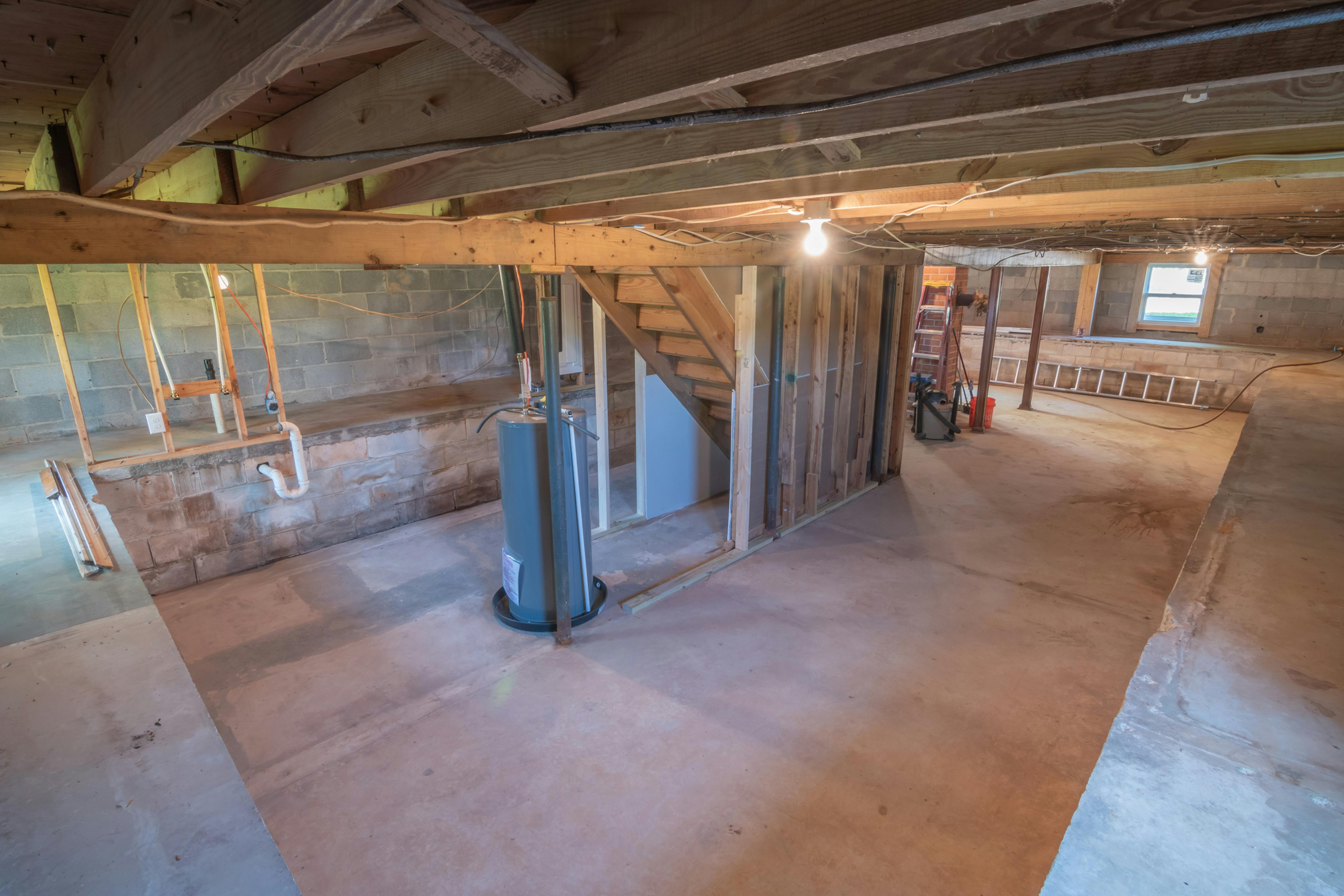
Inside, focus shifts to the kitchen, basements, attics, and crawl spaces—areas where rats love to hide and travel. The technician looks for droppings, gnaw marks, burrows, and grease trails that reveal active pathways. Special attention is given to food storage zones and hidden voids, because a single unnoticed droppings cluster can indicate a thriving colony.
Step 4: Tools Used
Our experts come equipped with:
- Flashlights for low‑light areas.
- Fiber‑optic cameras that slide into tight wall cavities to spot hidden nests.
- Moisture meters to detect damp spots that attract rodents.
These tools ensure nothing is missed, even in the most concealed corners of your home.
Step 5: Documentation
Every finding is captured with digital photos and logged into a detailed report. The report includes a risk rating—Low, Medium, or High—based on the number of entry points, evidence of activity, and environmental conditions. Below is a sample risk‑rating table you’ll receive after the inspection.
| Rating | Criteria | Recommended Action |
|---|---|---|
| Low | 1–2 entry points, minimal droppings, no active burrows | Seal gaps, schedule a follow‑up in 6 months |
| Medium | 3–5 entry points, moderate droppings, occasional gnaw marks | Immediate sealing, install bait stations, treat within 2 weeks |
| High | More than 5 entry points, heavy droppings, active nests | Full‑scale treatment, ongoing monitoring, monthly inspections |
Timing and Cost
A typical residential inspection in Druid Hills takes between 45 – 90 minutes, depending on the size of the property and the complexity of the findings. Pricing for a comprehensive rat inspection ranges from $120 to $250, reflecting the thoroughness of the assessment and the detailed report you receive.
After the inspection, the technician may set up a few bait stations in strategic locations. This step not only confirms activity but also lays the groundwork for any immediate control measures you might need.

Verification note: Verify current Anthem Pest inspection pricing on https://anthempest.com/rat-inspection.
Key Indicators Homeowners Can Spot Before Calling
Detecting a rat problem early can save you time, money, and stress. By learning the tell‑tale signs of rodent activity, you’ll know exactly when it’s time to pick up the phone and call Anthem Pest Control for a professional inspection.
Quick‑Reference Checklist
- Fresh droppings – Look for small, 2‑3 mm dark brown pellets near food storage areas, pantry shelves, or behind appliances. Fresh droppings are glossy and may appear in clusters, indicating recent foraging activity.
- Gnaw marks – Rats love to chew on wood, plastic, and electrical wiring. Notice any clean, V‑shaped bite edges along baseboards, cabinets, or exposed cords. These marks are often accompanied by a faint, metallic scent.
- Grease or oil trails – As rats travel along walls, they leave behind a thin, oily residue that looks like a faint smudge. This trail is especially common in corners, behind refrigerators, or near utility lines.
- Nesting material – Shredded paper, tissue, insulation, or even bits of fabric gathered in hidden spots (attics, crawl spaces, wall voids) signal a rat’s attempt to build a cozy nest.
- Audible noises – Scratching, scurrying, or faint squeaks are most noticeable at night when the house is quiet. If you hear these sounds coming from walls, ceilings, or beneath floorboards, rats are likely moving about.
For added convenience, download our printable Rat Activity Checklist. The one‑page PDF lets you tick off each indicator as you inspect your home, ensuring nothing slips through the cracks.
Data from a recent NPMA survey shows that 87 % of homeowners who spotted fresh droppings called a professional within two weeks. That swift response dramatically reduces the chance of an infestation spreading to structural damage or health hazards.

Keep this checklist handy in your kitchen drawer or on your phone. When you notice any of these signs, document the location and frequency, then reach out to Anthem Pest Control. Our local expertise in Druid Hills means we’ll arrive promptly, assess the situation, and recommend a safe, effective solution tailored to your home.
DIY vs. Professional Intervention: When to Call a Pro
Finding a rat droppings trail or a gnawed wire can make any Druid Hills homeowner wonder if a simple trap will solve the problem. While the urge to “handle it yourself” is understandable, Georgia’s Fulton County ordinances and the safety of your family set clear limits on what a DIY approach can safely achieve.
Legal and safety limits of DIY control
Fulton County classifies certain rodent‑control devices as “restricted traps.” Snap traps that fire without a safety guard, glue boards, and homemade baits containing toxic chemicals are either prohibited or require a licensed pest‑control operator to deploy. Violating these rules can result in fines and, more importantly, expose children or pets to accidental injury. The county’s Rodent Control Ordinance specifically mandates that any lethal device must meet ASTM safety standards and be placed by a certified professional.
Decision matrix: DIY or call a pro?
| Situation | Recommended Action |
|---|---|
| Single, isolated sighting (e.g., one droppings spot) | Set a single, county‑approved snap trap placed out of reach of children and pets. |
| Multiple signs of activity (droppings, gnaw marks, burrows) | Contact a licensed professional to assess and implement a comprehensive plan. |
| Evidence of structural damage or entry points | Professional inspection is essential to seal gaps and prevent re‑infestation. |
| Presence of disease risk (e.g., near food prep areas) | Hire a pro immediately; proper sanitation and disposal are required by law. |
| Home with small children or pets | Professional services are the safest choice to avoid accidental exposure. |
In short, if the problem is limited to a single, easily reachable rat, a county‑approved snap trap can work. Anything beyond that—multiple sightings, damage, or health concerns—warrants a professional’s expertise.
“At Anthem Pest, our mission is to deliver safe, effective, and affordable solutions that protect families and homes without compromising the law.” – Anthem Pest Control
Choosing the right path not only keeps you compliant with Fulton County regulations but also ensures that the infestation is handled efficiently, minimizing stress and future costs. When in doubt, a quick call to Anthem Pest (877‑371‑8196) can clarify whether a DIY fix will suffice or if a licensed technician should take over.
What Happens After the Inspection: Anthem Pest’s Treatment Process
Once the technician finishes the thorough rat inspection Druid Hills, you’ll receive a clear, written report that outlines exactly where rats are active and which entry points they’re using. From there, Anthem Pest moves straight into a customized treatment plan designed to eliminate the current infestation and prevent future invasions.
Treatment Options
- Baiting program – We install tamper‑proof bait stations in concealed, high‑traffic areas such as behind appliances, along walls, and in attic corners. Each station is locked to keep children and pets safe, while the strategically placed bait draws rats away from your home and into the poison.
- Exclusion work – Our exclusion crew seals every discovered opening with steel mesh, concrete, or silicone caulk. Common entry points include gaps around utility lines, vent openings, and foundation cracks. By eliminating these pathways, rats lose the ability to re‑enter after the bait has done its job.
- Integrated Pest Management (IPM) – Anthem Pest pairs baiting and exclusion with ongoing monitoring. We place discreet monitoring stations and schedule follow‑up visits every two weeks for the first month, then monthly for the next two months. This proactive approach catches any late‑season activity before it becomes a problem.
Pricing Transparency
We believe homeowners should know exactly what they’re paying for. A standard baiting package starts at $180 and can rise to $300 depending on the size of the property and the number of stations required. If exclusion is needed, each sealed entry point is billed between $100 and $150, allowing you to see the cost per repair and avoid surprise fees.
90‑Day Rodent‑Free Guarantee
All treatment plans come with Anthem Pest’s 90‑day rodent‑free guarantee. If any rat activity is detected within 90 days of the final service, we’ll return at no additional charge to re‑treat the affected area. The guarantee underscores our confidence in the combined bait‑and‑exclusion strategy and gives Druid Hills homeowners peace of mind.
“Anthem Pest showed up the same day we called, set up the bait stations, and sealed the holes in our basement. Within a week we stopped hearing scurrying sounds, and the follow‑up visits kept everything quiet. I’m thrilled we finally have a rodent‑free home!”
— Maria L., Druid Hills, GA
Seasonal Timing and Prevention Tips for Druid Hills
When Rats Are Most Active
In Druid Hills, rat activity peaks from late spring through early fall. The combination of warming temperatures and the region’s occasional heavy rains creates ideal conditions for rodents to seek shelter and food inside homes. After a downpour, you’ll often notice increased movement as rats exploit newly‑wet vegetation and flood‑affected basements.
Five Simple Prevention Actions
- Trim tree branches away from the roof. Overhanging limbs give rats a direct pathway onto your attic or eaves. Cutting them back at least three feet from the house removes this natural bridge.
- Store firewood off the ground. Piles of wood provide nesting material and concealment. Keep firewood on a pallet or rack, at least six inches above the soil, and away from exterior walls.
- Seal cracks larger than ¼ inch. Rats can squeeze through openings the size of a pencil. Use steel wool or caulk to close gaps around utility penetrations, vents, and foundation seams.
- Keep garbage in sealed containers. Open bins emit scent cues that attract rodents. Choose containers with tight‑fitting lids and empty them regularly, especially after rain.
- Regularly inspect crawl spaces. Moisture and clutter in crawl spaces are a rat magnet. Look for droppings, gnaw marks, and nesting material, then address any water intrusion or debris buildup.
Sticking to these steps each season helps break the cycle before rats can establish a foothold. For a deeper dive into timing and additional regional recommendations, consult the EPA seasonal pest guide for rodents. Pairing vigilant prevention with a professional inspection from Anthem Pest Control ensures your Druid Hills home stays rodent‑free year‑round.
Secure a Rat‑Free Home in Druid Hills Today
Early detection and a professional rat inspection are the cornerstones of a healthy, protected home. By catching a rodent problem before it spreads, you safeguard your family’s health, prevent costly structural damage, and enjoy the peace of mind that comes from knowing a certified expert has evaluated every entry point and hiding spot.
That’s why Anthem Pest recommends scheduling a thorough, no‑obligation inspection as soon as you notice the first sign—droppings, gnaw marks, or unusual noises. Our Druid Hills technicians bring local knowledge and the latest eco‑friendly techniques to identify and eliminate rats before they establish a colony.
Our Druid Hills team combines local expertise with proven, environmentally responsible methods to keep your home rodent‑free. Let us handle the inspection, treatment, and ongoing monitoring so you can focus on what matters most.
A rat‑free home reduces disease risk, protects insulation and wiring, and stops the noisy scurrying that disturbs sleep. Anthem Pest’s follow‑up plan adds quarterly inspections and a satisfaction guarantee, keeping rodents out year after year.
Ready to protect your property? Call us today at 877‑371‑8196 or schedule your free quote online. We’ll walk you through every step, from initial assessment to long‑term prevention.
Visit Anthem Pest Control to learn more about scheduling a professional rat inspection Druid Hills homeowners trust.