Understanding Earwigs and Their Impact on Your Home
Earwigs are often mistaken for “bad” insects, but they deserve a closer look because their habits can quickly become a nuisance for homeowners. Recognizable by their elongated, flattened bodies and distinctive pair of forceps‑like pincers at the rear, these nocturnal critters thrive in damp, sheltered spots. Their love of moisture drives them to seek out basements, crawl spaces, and garden mulch where humidity is high, making your home’s quiet corners an ideal hideout.
What an earwig looks like and how it lives
Adult earwigs range from ½ to 1½ inches long, sporting a dark brown to reddish hue and three visible tail‑like cerci. They are primarily active after sunset, venturing out to feed on decaying plant material, soft leaves, and occasionally small insects. Because they avoid bright light, you’ll most often notice them scurrying across walls or windowsills in the early morning or late evening, especially after a rainstorm that raises outdoor humidity.
Common signs of an earwig presence
Spotting a few earwigs isn’t always a cause for alarm, but repeated sightings signal a growing population. Typical red flags include:
- Live earwigs gathered near light fixtures, doorways, or in kitchen cabinets.
- Irregular bite‑shaped holes in tender garden leaves or seedlings.
- Mulch or soil that appears gnawed or overly disturbed.
- Small, crescent‑shaped feeding scars on indoor houseplants.
How earwigs can affect your home and landscape
In the yard, earwigs chew on young foliage, ornamental shrubs, and the tender edges of vegetable plants, which can stunt growth and reduce yields. While they rarely cause structural damage, a large indoor infestation may become a nuisance—earwigs can crawl across countertops, into laundry baskets, or even into bedding, creating an unsettling experience for occupants. Their pincers, though harmless to humans, can leave a faint pinching sensation if handled.
Why early detection matters
Catching earwigs before they establish a breeding hub saves you from a cascade of problems. A small group can lay dozens of eggs in a protected, moist environment, leading to exponential growth within weeks. Prompt identification lets you address moisture sources, trim vegetation, and apply targeted treatments before the population overwhelms your home’s perimeter.
Seasonal activity peaks to watch
Earwig activity surges during the warm, humid months of spring and summer. As temperatures rise, adults emerge from overwintering sites to reproduce, and the increased rainfall creates the perfect conditions for larvae to develop. Knowing these peaks helps you plan preventative measures—such as reducing excess mulch and sealing foundation cracks—before the insects reach peak numbers.
Simple DIY Earwig Traps You Can Set Today

Safety First: Precautions Before You Set a Trap
Even a low‑cost earwig trap can become a nuisance if handled carelessly. Wear sturdy gardening gloves to protect your hands from the sharp pincers of any earwigs you might encounter. Choose a location away from children’s play areas and pet pathways, and keep the trap out of direct sunlight to prevent the oil from overheating.
Step‑by‑Step: Building a Tin‑Can Oil Trap
Materials you’ll need:
- One empty tin can (≈½ liter capacity)
- Vegetable oil (any type works)
- A short bamboo stick or wooden skewer
- Gravel or small pebbles
1. Clean the can. Rinse it thoroughly and dry it upside down.
2. Drill or punch two small holes. Space them a few centimeters apart near the top edge; these will serve as entry points.
3. Add a thin layer of oil. Pour enough vegetable oil to cover the bottom – about ¼ inch deep. The oil creates a slick surface that earwigs can’t escape.
4. Insert the bamboo stick. Position it so it leans against the inner wall, creating a ramp that guides insects toward the oil.
5. Top with gravel. Scatter a handful of small stones over the oil. The gravel gives earwigs a foothold to walk on, leading them into the trap while keeping the oil from splashing out.
Placement Tips for Maximum Capture
Earwigs thrive in damp, sheltered spots. Place your tin‑can trap:
- Along garden mulch where moisture lingers.
- Inside foundation cracks or gaps around doors.
- Near compost piles, flower beds, or any area that stays moist after rain.
Position the trap with the entry holes facing outward, allowing earwigs to wander in naturally.
Checking, Resetting, and Maintaining Your Traps
Inspect the traps every 24‑48 hours. If you see a buildup of earwigs, carefully remove the can, discard the oil, and rinse it before refilling. In hot weather, replace the oil more often, as it can evaporate quickly. Consistent checking ensures the trap stays effective and prevents a backup of dead insects that could attract other pests.
Pros and Cons: DIY Traps vs. Professional Treatments
| Aspect | DIY Tin‑Can Oil Trap | Professional Treatment |
|---|---|---|
| Cost | Under $5 per trap | $150‑$300 per service |
| Speed of Setup | Minutes | Schedule a visit, usually 1‑2 days |
| Effectiveness | Reduces numbers locally | Targets entire property, including hidden colonies |
| Safety | Low‑risk with gloves | Uses regulated chemicals, handled by technicians |
| Long‑Term Control | Requires ongoing maintenance | Often includes preventative barrier |
Quick FAQ
Do DIY traps eliminate earwigs completely? Not entirely. Homemade traps are excellent for lowering visible populations and keeping outdoor areas tidy, but they don’t eradicate nests hidden in soil or deep wall voids. For a thorough, long‑lasting solution—especially if earwigs are invading your home—consider pairing DIY efforts with a professional inspection from Anthem Pest Control.
Professional Earwig Control Services Explained
When earwigs start invading your home, a licensed technician from Anthem Pest Control brings the expertise and equipment that a DIY approach simply can’t match. Our certified pros follow a systematic, EPA‑compliant process that targets the insects where they hide, treats the points they use to get inside, and leaves you with a clear plan to keep them out for good.

Perimeter Spray Treatment
Our first line of defense is a perimeter spray that creates an invisible barrier around your home’s foundation. Technicians use a low‑pressure, backpack‑type sprayer to apply an EPA‑registered insecticide—typically a pyrethroid or neonicotinoid formulation—directly onto exterior walls, cracks, and the soil surface up to 12 inches deep. The product is chosen for its rapid knock‑down effect on earwigs while remaining safe for pets and children when applied according to label directions. All equipment is calibrated before each job to ensure even coverage and to minimize any drift onto neighboring properties.
Locating Entry Points and Treating Soil
After the spray, the technician conducts a thorough walk‑around to pinpoint the exact routes earwigs use to enter your home. Common culprits include gaps around utility lines, foundation cracks, and poorly sealed door sweeps. Using a handheld UV flashlight, the pro can even see residual insecticide trails that reveal hidden pathways. Once identified, those openings are sealed with weather‑resistant caulk, and the surrounding soil is treated with a granular insecticide that continues to work for weeks, reducing the chance of re‑entry from the yard.
Benefits of Professional Treatment
- Comprehensive coverage: Every inch of exterior surface and soil is addressed, not just the spots you can see.
- Faster results: Professional formulations act within minutes, delivering noticeable relief in a single visit.
- Reduced re‑infestation risk: Soil‑active products keep earwigs from re‑establishing colonies nearby.
- Safety assurance: EPA‑registered chemicals are applied by certified technicians who follow strict safety protocols.
- Warranty protection: Most treatments come with a guarantee that includes a follow‑up visit if earwigs return.
Typical Workflow of a Single‑Visit Service
- Inspection: The technician arrives, conducts a visual inspection, and uses diagnostic tools to locate active earwig activity.
- Treatment: Perimeter spray is applied, entry points are sealed, and soil is treated with a residual granule.
- Post‑treatment advice: Homeowners receive a concise checklist—such as removing outdoor lighting that attracts insects and keeping mulch away from the foundation—to extend the treatment’s effectiveness.
- Documentation: A service report is left on your door, detailing the products used, application areas, and warranty terms.
When to Schedule a Professional Visit
Earwig activity peaks in early summer and after heavy rains when the soil is moist and they’re looking for shelter. If you notice earwigs in kitchens, bathrooms, or around outdoor lighting, or if DIY traps and sprays haven’t made a dent, it’s time to call a pro. Booking a service before the first major rain event gives the treatment the best chance to establish a protective barrier before the insects surge.
Customer Reassurance
All products we use are EPA‑registered, meaning they have passed rigorous safety and efficacy testing. Our technicians hold state‑issued pest‑control licenses and complete ongoing training to stay current with the latest earwig management strategies. For added peace of mind, Anthem Pest offers a limited‑time warranty that covers a complimentary retreatment if earwigs reappear within the guarantee period. When you choose us, you’re not just getting a spray—you’re getting a fully backed, professional solution that protects your home year after year.
Earwig Control Pricing – DIY vs. Professional Options
When it comes to earwig control in Suwanee, Georgia, the first question most homeowners ask is “how much will it cost?” The answer falls into three clear buckets: a do‑it‑yourself (DIY) trap kit, a one‑time professional treatment, and an annual service plan that keeps the pests at bay year after year.
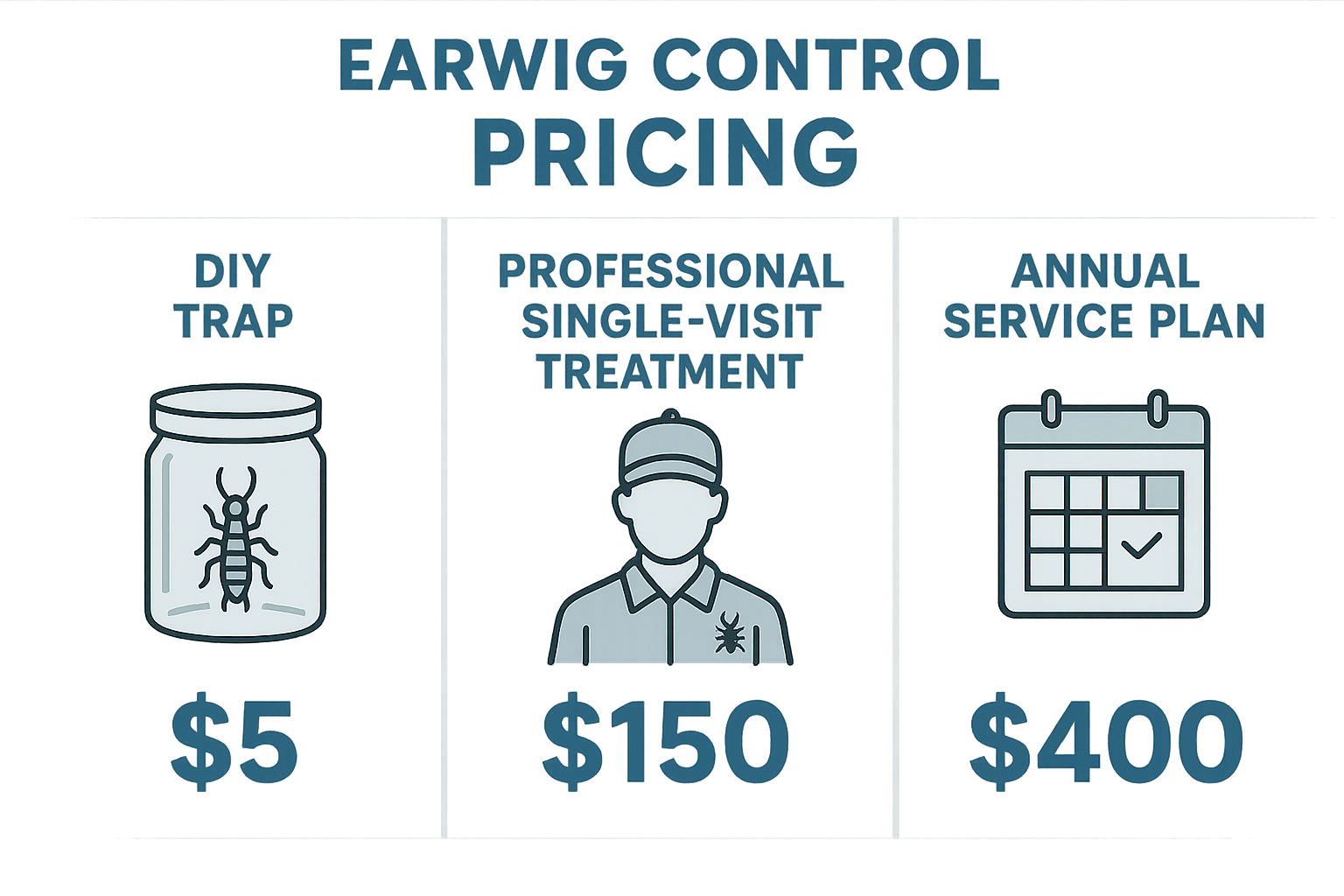
DIY trap kit: Most hardware stores and online retailers sell a basic earwig trap kit for roughly $10‑$15. The kit usually includes a few glue boards, a bait attractant, and simple instructions. It’s a low‑upfront expense, but you’ll need to replace traps regularly and spend time monitoring them.
One‑time professional treatment: A licensed technician will inspect your home, identify entry points, and apply a targeted pesticide. In Suwanee, the average price for a single visit ranges from $120 to $180. This fee typically covers the initial inspection, the treatment itself, and a brief follow‑up call to ensure the job was effective.
Annual service plan: For homeowners who want “set it and forget it,” many pest companies—including Anthem Pest Control—offer an annual package priced between $300 and $400. The plan bundles an initial inspection, two to three scheduled treatments throughout the year, and unlimited follow‑up visits if earwigs reappear.
What’s included in a professional package?
- Comprehensive indoor and outdoor inspection to locate nests and breeding sites.
- Application of EPA‑approved, low‑toxicity products safe for families and pets.
- Documentation of treatment areas and a detailed action plan.
- One or more follow‑up visits to reassess and retreat if necessary.
Value factors to weigh
While the DIY route saves money upfront, it often lacks the long‑term prevention that a professional can provide. A technician’s labor saves you hours of trap placement and daily checks, and the chemicals used are formulated to penetrate hidden cracks where earwigs hide. The annual plan, though higher in price, delivers peace of mind: you’re covered for seasonal spikes, and any resurgence is handled at no extra charge.
| Option | Price Range | Includes |
|---|---|---|
| DIY trap kit | $10‑$15 | Glue boards, bait, instructions |
| One‑time professional treatment | $120‑$180 | Inspection, single treatment, follow‑up call |
| Annual service plan | $300‑$400 | Inspection, multiple treatments, unlimited follow‑ups |
Source: Anthem Pest Control earwig cost guide
Considering the cumulative cost of repeated DIY purchases and the potential damage earwigs can cause to garden plants, many Suwanee homeowners find the professional annual plan to be the most economical long‑term solution.
Seasonal Timing for Earwig Treatment
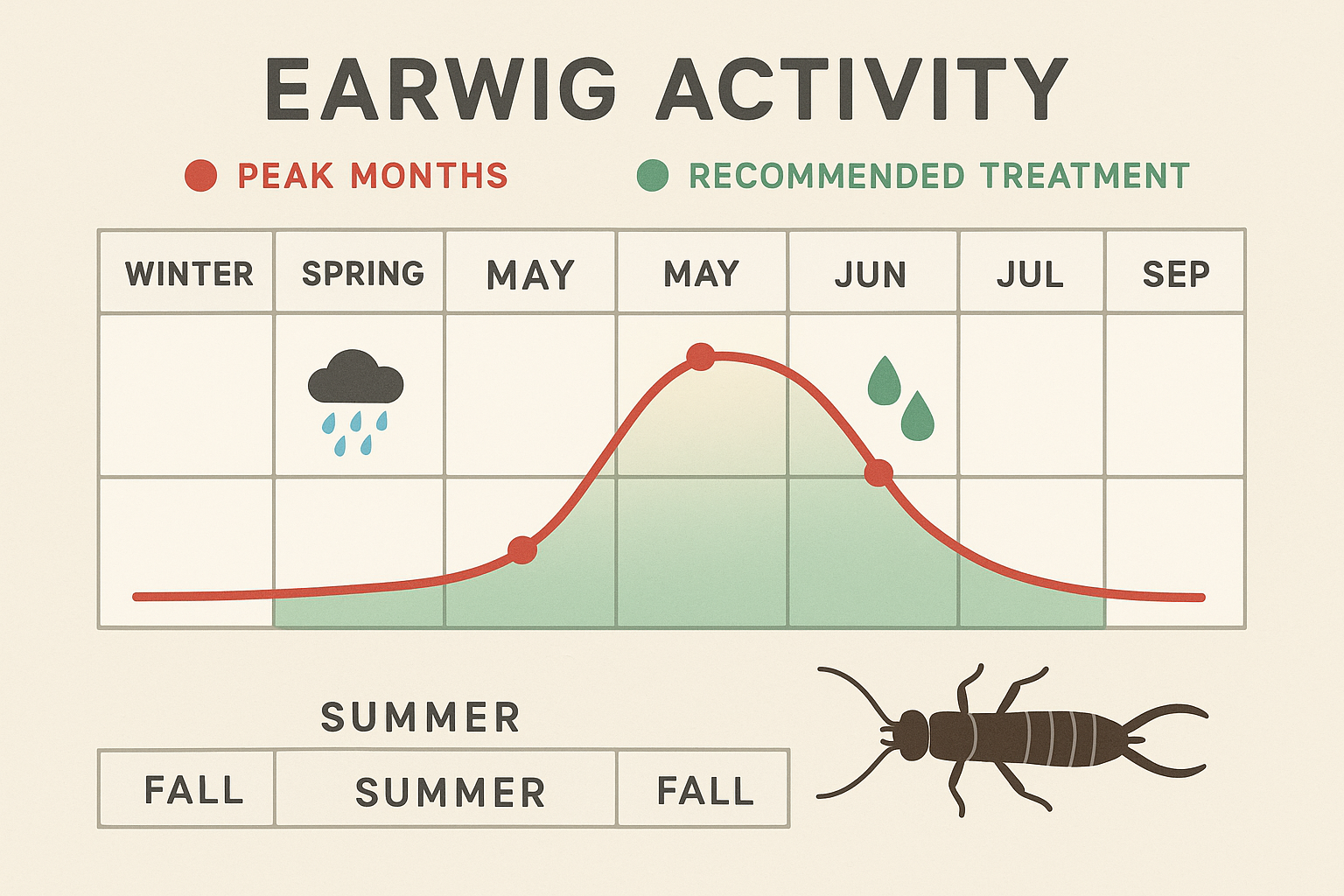
Earwigs in Suwanee follow a predictable rhythm tied to temperature and moisture. The activity chart above shows a clear surge from late March through August, with the highest counts in May and July. As temperatures dip in September, earwig numbers drop dramatically, and by December most adults are hiding in the soil or seeking shelter indoors.
Ideal Treatment Windows
Early spring (pre‑breeding) – When soil temperatures reach about 55°F, adult earwigs emerge to mate and lay eggs. Treating now stops the first generation before it can infest your garden or crawl spaces.
Mid‑summer (post‑rain) – A heavy rain event softens the soil and forces earwigs to the surface in search of dry refuge. Applying a spray or setting traps within 48 hours of the rain captures the most active individuals.
Why Moisture Matters
Earwigs thrive in damp environments. Rainfall raises soil moisture, which not only drives them out of the ground but also creates ideal breeding sites under mulch, leaf litter, and around foundation cracks. By aligning treatment with these moist periods, you hit the pest when it’s most vulnerable and most likely to encounter your control measures.
Checklist: Is It Time to Treat?
- Soil feels damp to the touch for several days after rain.
- Visible earwig sightings on patio steps, garden beds, or inside basements.
- Noticeable damage to tender seedlings, especially leaf edges and flower buds.
- Increased earwig activity after a rainstorm lasting more than 12 hours.
- Presence of mulch or leaf piles that stay wet for extended periods.
Combining Timing with Control Methods
When you treat during the recommended windows, pair the timing with either a DIY trap or a professional spray for maximum impact. Simple traps—like rolled-up newspaper soaked in soapy water—work best when earwigs are actively roaming after rain. For broader coverage, especially around foundation cracks and garden borders, a professional-grade insecticide applied by Anthem Pest Control ensures residual protection that lasts through the peak season.
By watching the weather, monitoring soil moisture, and using the checklist above, you’ll know exactly when to act. A well‑timed treatment not only reduces the current infestation but also curtails the next generation, keeping your home and garden earwig‑free all year long.
Protect Your Home with Expert Earwig Control Today
Early detection of earwigs can save you from costly damage to garden plants and unwanted indoor sightings. Whether you choose a do‑it‑yourself approach with traps and barrier sprays or call in a professional, the goal is the same: eliminate the problem before it spreads.
When you partner with a licensed provider like Anthem Pest Control, you gain three distinct advantages. First, our technicians apply EPA‑approved chemicals that are safe for children, pets, and the environment—something DIY products often can’t guarantee. Second, we conduct a thorough inspection, treating entry points, nesting sites, and surrounding landscaping for comprehensive coverage. Finally, our services come with a performance guarantee, giving you peace of mind that the earwigs are truly gone.
Our Suwanee technicians know the local climate and the hiding spots earwigs favor, from mulch beds to basement cracks. By customizing treatments to your property, we not only eradicate the current infestation but also create a barrier that deters future invasions, protecting your home year‑round.
Ready for a solution that’s both effective and hassle‑free? We offer a free, no‑obligation quote tailored to the unique layout of your home and garden. Our team will walk you through the recommended treatment plan, answer any questions, and schedule a convenient time for service.
If you’re ready to keep earwigs out of your garden and home, let Anthem Pest Control handle the job for you. Our certified technicians use EPA‑approved treatments that protect your family and pets while delivering fast, lasting results. Call us today at 877‑371‑8196 for a free, personalized quote, or simply click the link below to schedule your service.