Why Flea Control Is Critical for Vinings Homeowners

Vinings sits in a sweet spot of the Southeast climate: average highs hover around 70°F year‑round, and humidity frequently pushes above 70 %. Those warm, moist conditions are a perfect incubator for flea eggs, larvae, and pupae. Unlike colder regions where fleas go dormant, our local weather lets them complete their life cycle in weeks, turning a single bite into a full‑blown infestation if left unchecked.
A recent 2024 neighborhood survey conducted in Vinings revealed that 18 % of households reported seeing fleas inside their homes during the past year. That figure may seem modest, but consider the ripple effect: each sighting often signals hidden breeding sites in carpets, pet bedding, or even the yard. For a typical homeowner, a flea problem can mean itchy pets, sleepless nights, and the risk of secondary skin infections.
This article is designed to give you exactly what you need to make an informed decision. First, we’ll break down the cost of professional flea control in Vinings, so you know what to expect on the invoice. Next, we’ll compare the most effective treatment options— from targeted spot‑on sprays to whole‑home fogging— and explain how our technicians tailor each approach to your property’s layout. Finally, we’ll arm you with actionable prevention tips you can implement today, reducing the chance of a repeat invasion.
Think of this guide as a data‑driven roadmap. We’ll reference local climate statistics, the latest neighborhood survey results, and proven industry practices to help you protect your home with confidence. By the end, you’ll understand why flea control isn’t just a seasonal chore but a critical component of maintaining a healthy, comfortable living environment in Vinings.
Flea Biology, Risks, and Infestation Signs
Life Cycle – Why Every Stage Matters
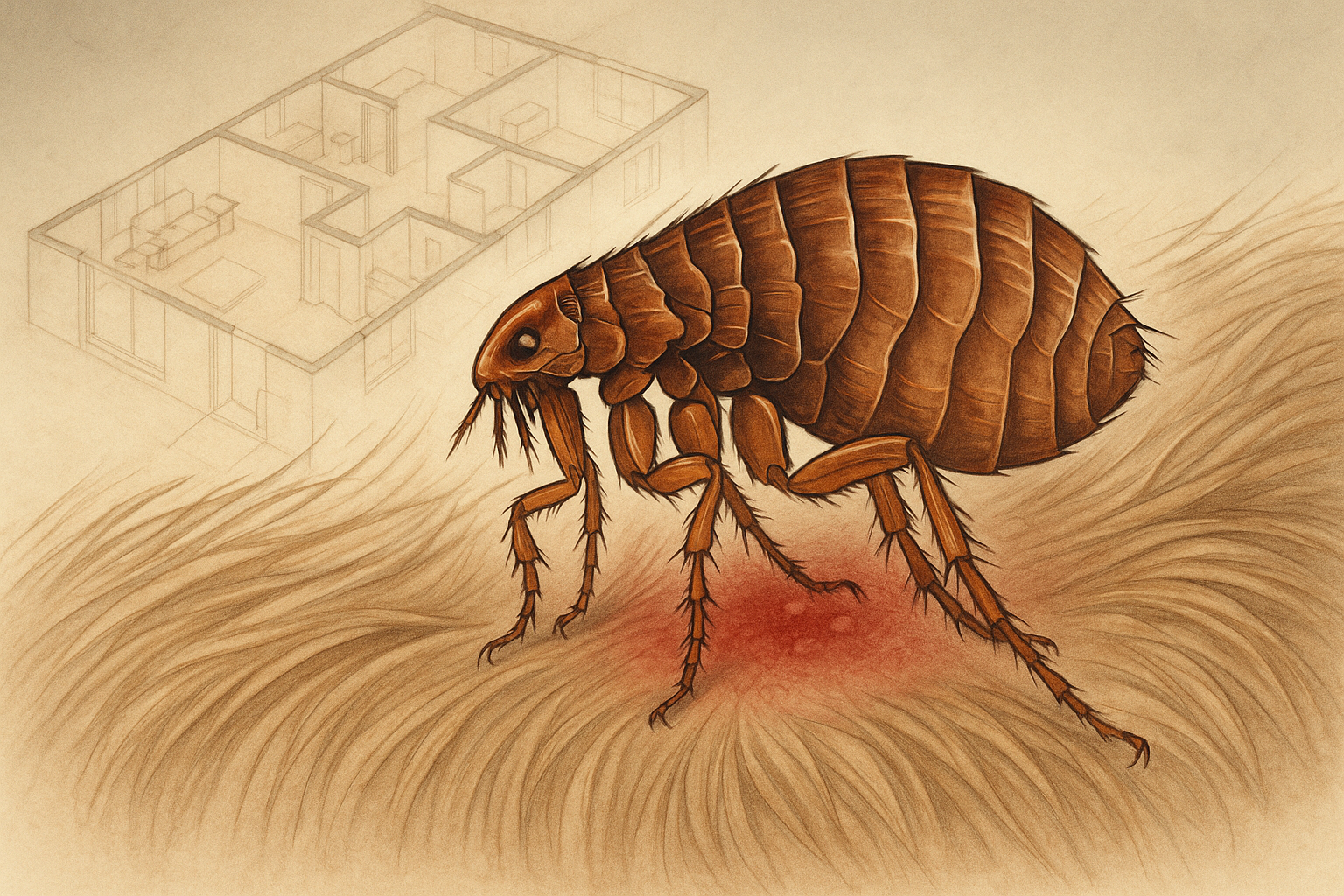
Fleas move through four distinct stages: egg, larva, pupa, and adult. Understanding each phase helps you target the right treatment at the right time.
- Egg – A single female can lay up to 50 eggs per day, scattering them on your pet’s fur and in the surrounding environment. Eggs are tiny (about 0.5 mm) and invisible to the naked eye, so they often go unnoticed.
- Larva – After hatching, larvae feed on organic debris, adult flea feces (which contain blood), and skin flakes. They hide in dark, humid places such as carpet fibers, pet bedding, and cracks in flooring.
- Pupa – Larvae spin a silk cocoon and enter a dormant pupal stage. This “protective shell” can shield fleas from many insecticides for weeks, making eradication harder if the environment isn’t treated thoroughly.
- Adult – Once emerged, adult fleas seek a blood meal within minutes. A fed adult jumps onto a host, mates, and the cycle begins anew. Adults live up to two months on a pet, but can survive several weeks off‑host in a favorable environment.
Because each stage occupies a different niche, a comprehensive control plan must address eggs, larvae, and pupae, not just the visible adults.
Health Risks to Humans and Pets
Fleas are more than a nuisance; they pose real health hazards.
- Allergic dermatitis – Flea saliva can trigger itchy, red rashes on sensitive individuals, especially children.
- Tapeworm transmission – Dogs and cats can ingest infected adult fleas, leading to tapeworm (Dipylidium caninum) infections that may be passed to humans, particularly kids who handle pets.
- Secondary bacterial infections – Persistent scratching can break the skin, allowing bacteria such as Staphylococcus aureus to enter and cause cellulitis or impetigo.
The CDC estimates that 70% of U.S. households with pets encounter fleas annually, underscoring the importance of early detection and prompt treatment.
Concrete Signs of an Infestation
Spotting the problem early saves both comfort and money. Look for these tell‑tale clues:
- Pets scratching or biting at their skin, especially around the tail base and neck.
- Tiny black specks (flea “fossils”) in carpet, on rugs, or in pet bedding.
- Bite clusters on human ankles or lower legs, often appearing in a line or “breakfast‑lunch‑dinner” pattern.
How Indoor Floor Plans Influence Flea Movement
Fleas love warm, humid micro‑environments. Open‑concept layouts can allow larvae to disperse quickly across hardwood, tile, and carpeted areas, while tight, compartmentalized rooms may trap infestations but make localized treatment more challenging. Knowing your home’s flow helps technicians place sprays, foggers, and growth regulators where fleas are most likely to hide.
Why Professional Flea Control Matters in Vinings
Vinings Climate Fuels Flea Populations
Vinings sits in Cobb County where the EPA records an average annual temperature of about 70°F coupled with consistently high humidity. Those conditions create an ideal breeding ground for fleas, allowing eggs to hatch within days and larvae to thrive in the moist indoor and outdoor environments. Homeowners who think a warm summer will “dry out” the problem are often surprised when flea activity spikes instead of recedes.
DIY vs. Professional Success Rates
Many residents reach for over‑the‑counter sprays or home remedies, but the numbers tell a different story. A nationwide study by the National Pest Management Association found that DIY attempts achieve roughly a 45% success rate, while licensed professionals reach about a 92% success rate (NPMA). The gap is stark, and it’s largely because professionals address every hidden refuge and life stage.
| Approach | Success Rate |
|---|---|
| DIY (sprays, traps, home remedies) | ≈ 45 % |
| Professional pest control | ≈ 92 % |
Local Regulations Demand Licensed Technicians
Georgia’s pesticide statutes require that any product classified as a “restricted use” pesticide—many of the most effective flea insecticides—be applied only by a licensed applicator. In Cobb County, the local health department conducts regular audits to ensure compliance, and unlicensed use can result in fines or, worse, ineffective treatment that leaves the infestation alive. Choosing a company like Anthem Pest Control guarantees that a state‑registered technician follows all municipal guidelines, protecting both your family and the environment.
Targeting Every Life Stage
Fleas exist as eggs, larvae, pupae, and adults, each hidden in different micro‑habitats such as carpet fibers, pet bedding, and even cracks in foundation walls. A professional assessment identifies these hotspots and applies a coordinated regimen—often a combination of residual sprays, growth regulators, and thorough vacuuming—to break the life cycle completely. Homeowners who rely solely on a single spray miss the pupae stage, allowing the colony to rebound within weeks. With expert treatment, you eliminate the problem at its source and keep it from returning.
Chemical, Organic, and Integrated Treatment Options
Chemical Insecticides
When you need fast, reliable knock‑down of a flea infestation, professional‑grade chemical insecticides are often the first line of defense. The two most common classes are pyrethroids (such as bifenthrin and permethrin) and neonicotinoids (like imidacloprid). Both work by disrupting the nervous system of adult fleas and their larvae, delivering rapid results that can be seen within a few days.
- Pros: High efficacy, long residual activity (up to 8 weeks), and coverage of hidden areas like cracks, baseboards, and pet bedding.
- Cons: Potential toxicity to cats, fish, and beneficial insects if misapplied; some homeowners worry about chemical residues.
- Pet‑friendly formulations: Modern products often use reduced‑risk concentrations or micro‑encapsulation to limit exposure, but pets should stay out of treated zones for the manufacturer‑specified re‑entry time.
Organic Options
For homeowners who prefer a “green” approach, organic flea controls rely on physical or botanical mechanisms rather than synthetic neurotoxins. Diatomaceous earth (DE) is a fine silica powder that scratches the exoskeleton of fleas, causing them to dehydrate. Essential‑oil sprays—typically containing peppermint, rosemary, or clove oil—act as repellents and mild insecticides.
- Benefits: Non‑toxic to pets and children, easy DIY application, and compatible with environmentally conscious households.
- Limitations: Slower action (often 1‑2 weeks to see a drop in counts), reduced residual effect in humid environments, and the need for frequent re‑application.
- Best use: Pair DE with thorough vacuuming and keep essential‑oil sprays away from pets’ eyes and noses.
Integrated Pest Management (IPM)
IPM blends chemical, organic, and mechanical tactics to create a sustainable, low‑risk flea control program. A typical IPM cycle in Vinings homes includes:
- Daily vacuuming of carpets, rugs, and upholstery to remove adult fleas and eggs.
- Application of a low‑dose larvicide granule (often a reduced‑risk insect growth regulator) in yard perimeters and indoor cracks.
- Targeted spot‑sprays of pet‑safe chemicals on high‑traffic zones such as pet bedding and baseboards.
- Environmental controls—regular washing of pet linens, maintaining low indoor humidity, and sealing entry points.
This layered approach minimizes chemical load, maximizes long‑term suppression, and is especially appealing to families with cats, dogs, or small children.
Quick Comparison
| Treatment Type | Approx. Cost per Treatment | Application Frequency | Pet Safety |
|---|---|---|---|
| Chemical Insecticides | $80‑$150 | Every 8‑12 weeks | Conditional – follow re‑entry times |
| Organic Options | $30‑$70 (DE) / $40‑$90 (essential‑oil spray) | Weekly to bi‑weekly | Generally safe for pets |
| Integrated Pest Management | $120‑$200 (combined services) | Quarterly professional visit + daily DIY steps | High – uses low‑risk products and mechanical controls |
Flea Control Cost Breakdown for Vinings Homeowners
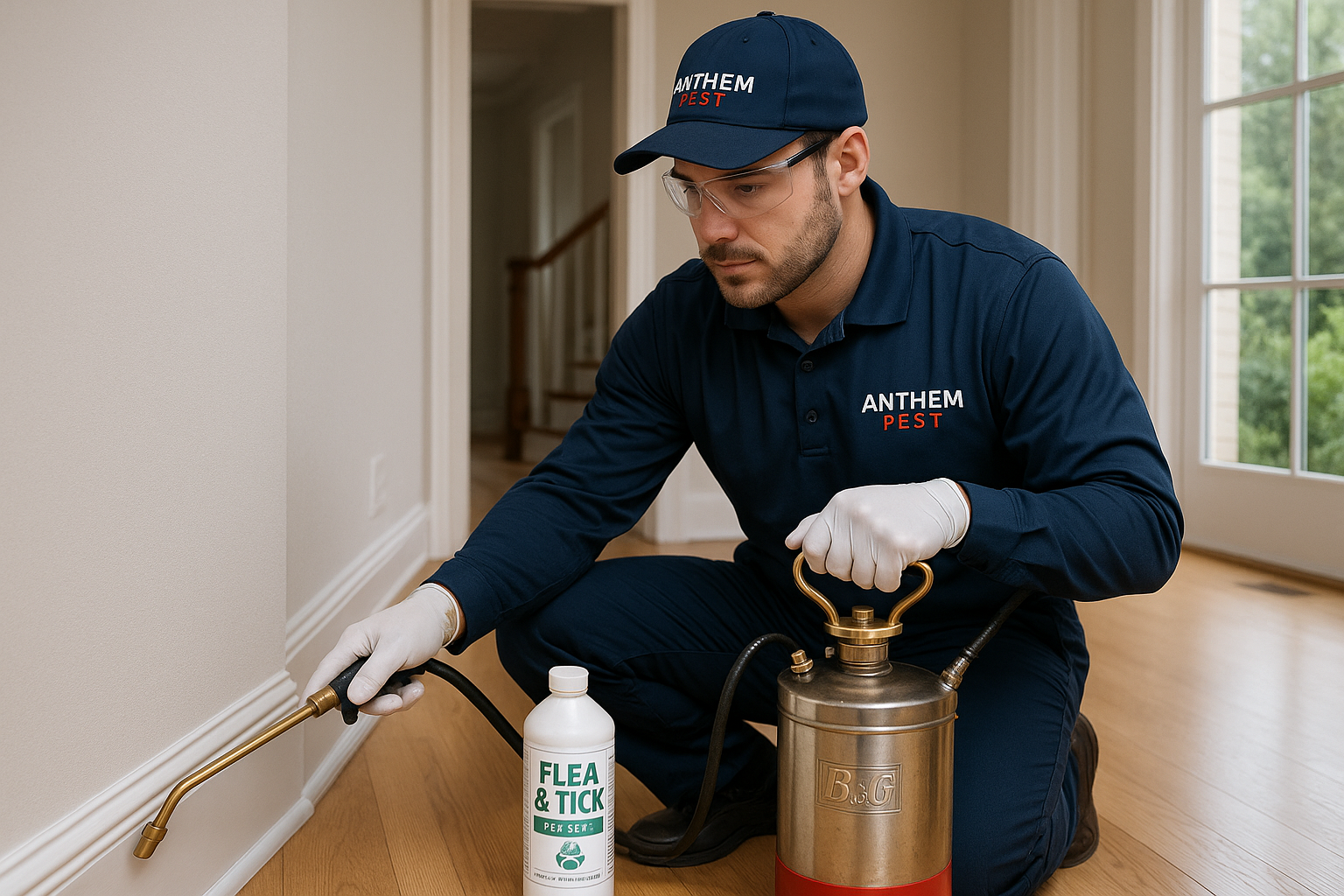
When you’re budgeting for flea control, knowing exactly what you’ll pay helps you avoid surprise charges later. In Vinings, Anthem Pest Control offers three core service options that cover most homeowner needs, each priced within a transparent range.
- One‑time interior treatment: $120 – $180. This includes a thorough spray of all living spaces, carpeted areas, and pet bedding, using EPA‑approved products that are safe for children and pets.
- Full‑home & yard package (perimeter spray included): $250 – $340. The package treats interior rooms, the garage, and the exterior perimeter up to 30 feet from the foundation, creating a barrier that deters fleas from re‑entering.
- Quarterly maintenance plan: $90 per visit, with a minimum of four visits per year. Regular visits keep the flea population at bay and reduce the need for costly emergency treatments.
These price points are anchored in the 2025 regional pricing data from the EPA’s Pest Control Cost Database. They reflect the average cost of professional-grade chemicals, labor, and equipment in the Atlanta metro area, including Vinings.
Several variables can shift the final bill up or down. Below is a quick reference that shows how each factor typically influences cost.
| Factor | How it Affects Cost |
|---|---|
| Square footage | Larger homes require more product and longer service time, raising the price per visit. |
| Infestation severity | Heavy infestations may need extra applications or stronger formulations, adding $30‑$60 per service. |
| Pet‑safety products | Choosing pet‑friendly chemicals can increase material costs by roughly 10‑15%. |
| Seasonal discounts | Spring and fall promotions often shave 5‑10% off the listed rates. |
While a DIY spray can appear cheaper on the surface, hidden expenses quickly add up. Homeowners often purchase multiple over‑the‑counter products, replace contaminated carpets, and spend hours researching safe application methods. Missed spots or incorrect dosages can prolong the infestation, leading to repeated purchases and lost peace of mind.
Professional service, on the other hand, bundles expertise, warranty‑backed treatments, and a clear follow‑up schedule into a single price. The upfront cost of $120‑$340 is an investment that protects your family, pets, and property from the long‑term damage fleas cause—such as skin irritation, allergic reactions, and secondary pest problems.
Choosing Anthem Pest Control means you get a transparent quote, EPA‑validated products, and a team that knows Vinings homes inside and out. That confidence is worth every dollar, especially when you compare it to the hidden fees of a DIY approach.
Choosing a Top‑Rated Flea Exterminator and Anthem’s Edge
Licensing and certifications you can trust
In Georgia, a legitimate pest‑control business must hold a license from the Georgia Department of Agriculture. This ensures the company follows state‑mandated safety protocols and uses approved chemicals. Look for additional credentials such as membership in the National Pest Management Association (NPMA). NPMA membership signals that the provider adheres to industry best practices, ongoing training, and a code of ethics—both of which are essential when you’re letting strangers into your home.
What the numbers say: Customer‑review benchmark
Homeowners in Vinings rely heavily on online feedback. The average rating for top flea‑control services in the area sits at 4.8 out of 5 on Google. This benchmark comes from dozens of verified reviews on the Google Business listing for local providers. A rating that high indicates consistent performance, punctuality, and effective communication—qualities you shouldn’t settle for anything less.
Service guarantees, follow‑up visits, and transparent pricing
- Guarantee of results: Reputable exterminators back their work with a satisfaction guarantee, often offering a free re‑treatment if fleas reappear within a set window.
- Follow‑up inspections: Flea life cycles demand at least one post‑treatment visit to address emerging eggs and larvae. Companies that schedule these visits proactively demonstrate a commitment to long‑term control.
- Transparent pricing: Look for detailed, upfront quotes that break down labor, products, and any optional add‑ons. Hidden fees erode trust and can surprise you when the invoice arrives.
Why Anthem Pest stands out in Vinings
Anthem Pest blends the above criteria into a single, homeowner‑friendly package. Our technicians are locally trained, meaning they understand the specific flea pressures and seasonal patterns of the Vinings community. We offer a 24‑hour response window, so a sudden infestation never forces you to wait days for help. All of our products are pet‑safe, allowing you to protect your furry family members while eliminating the pests.
Case study: A Vinings homeowner’s 95% flea reduction
Before treatment: The homeowner reported an average of 18 flea traps per night across the yard and interior.
After a single Anthem treatment: Trap counts dropped to just 1 per night—a 95% reduction in just 7 days. Follow‑up monitoring confirmed no new hatchlings, and the family resumed normal outdoor activities without worry.
Choosing a flea exterminator isn’t just about the cheapest price tag; it’s about confidence in licensing, proven performance, clear guarantees, and a partner who respects your home and pets. Anthem Pest delivers on all those fronts, giving Vinings residents a reliable, results‑driven solution to reclaim a flea‑free living space.
Seasonal Timing and Prevention Checklist
Optimal Treatment Windows
Fleas thrive when temperatures rise above 65°F, which in Vinings usually means two peak periods. The first window opens in early spring, roughly March through early April, as dormant eggs hatch and adult fleas begin searching for hosts. Treating your yard and home during this window nips the life cycle before it explodes into a summer infestation. The second, equally critical, window arrives in late summer—August to early September—when the heat starts to wane and fleas seek shelter indoors for the cooler months ahead. Scheduling a professional treatment or a DIY spray program during these two periods gives you the best chance to stay one step ahead of the pests.
Landscaping Tips to Keep Fleas at Bay
Even the most diligent chemical regimen can be undermined by a welcoming environment. Keep grass trimmed to no more than three inches; shorter blades reduce the humidity fleas love and expose them to sunlight, which is lethal to their larvae. Remove leaf litter, pine needles, and other organic debris where flea eggs can hide and hatch unnoticed. Finally, eliminate standing water in birdbaths, plant saucers, or clogged gutters—while fleas don’t need water to survive, the moist micro‑climate encourages the beetles and other insects that serve as alternative hosts.
Pet Care Essentials
Your dogs and cats are the primary ferry boats for fleas, so a consistent grooming routine is non‑negotiable. Use a veterinarian‑recommended flea shampoo at least once a month during peak seasons; the suds wash away any adults before they can lay eggs. Pair the shampoo with a monthly oral preventative—products like NexGard or Bravecto create a systemic barrier that kills fleas before they bite. Don’t forget the bedding: wash pet blankets, cushions, and sleeping areas weekly in hot water (at least 130°F) to destroy any eggs or larvae that may have dropped off.
Home Maintenance Practices
A clean home is a hostile home for fleas. Vacuum high‑traffic areas—carpets, rugs, and upholstery—at least once a week, and be sure to empty the canister or bag immediately to prevent re‑infestation. For a deeper strike, schedule periodic steam‑cleaning of carpets and rugs; the heat penetrates to the floor level where flea pupae often hide. Seal cracks around baseboards, windows, and door frames, and install door sweeps to block the tiny entry points that indoor‑living insects use to slip inside. These small barriers dramatically reduce the chances of fleas finding a foothold.
Printable Prevention Checklist
| Task | When to Do It | Frequency |
|---|---|---|
| Schedule professional flea treatment | Early Spring (Mar‑Apr) & Late Summer (Aug‑Sep) | Once per window |
| Trim lawn to ≤3 inches | Weekly during warm months | Weekly |
| Remove leaf litter & debris | After each storm or heavy leaf fall | As needed |
| Eliminate standing water | Inspect yard and patio | Bi‑weekly |
| Flea shampoo for pets | During peak seasons | Monthly |
| Oral flea preventative for pets | Start early spring, continue through fall | Monthly |
| Wash pet bedding | Anytime pets use it | Weekly |
| Vacuum carpets & upholstery | All year | Weekly |
| Steam‑clean carpets/rugs | Before fall, after heavy use | Every 2‑3 months |
| Seal cracks & install door sweeps | Before flea season starts | One‑time, re‑check annually |
Frequently Asked Questions About Flea Control
Homeowners often have the same concerns when they call for a flea treatment. Below are concise, bullet‑point answers that cut through the confusion and give you exactly what you need to know.
- How long does a professional flea treatment last? A standard professional application typically provides protection for 4–6 weeks. The exact duration depends on the product used, the severity of the infestation, and how well the treated area is maintained (e.g., regular vacuuming and pet grooming).
- Are the products safe for children and pets? Yes. Anthem uses EPA‑registered products that meet strict safety standards for indoor use. According to the EPA’s flea‑control guidelines, the active ingredients are safe when applied according to label directions, and we always follow a “dry‑down” period before allowing pets or children back into the treated space.
- What if fleas return after treatment? Fleas can sometimes reappear if eggs hatch after the initial treatment window or if new fleas are introduced from outside. In such cases, Anthem offers a complimentary follow‑up inspection and, if necessary, a supplemental treatment at no extra charge within the warranty period.
- Does Anthem offer a warranty? Absolutely. Our standard flea‑control service includes a 30‑day satisfaction warranty. If you notice active fleas within that period, simply contact us, and we’ll schedule a re‑treatment. The claim process is straightforward: call our support line, reference your service order, and we’ll handle the rest.
- How do I claim the warranty? Call 877‑371‑8196 and provide your invoice number. A technician will verify the issue, and if it falls within the warranty terms, a follow‑up visit is arranged at no additional cost. Documentation of the original treatment (date, product, and area treated) helps speed up the process.
- Can I combine flea treatment with other pest services? Yes. Anthem can coordinate flea control with routine termite, mosquito, or rodent services, allowing you to streamline scheduling and often qualify for bundled‑service discounts.
Local Success Stories from Vinings Neighborhoods
When a neighbor says the fleas are gone, you know you’ve found a team that delivers. In Vinings, Anthem Pest has turned three busy neighborhoods into flea‑free zones, and the results speak louder than any advertisement.
Vinings Village
“I called Anthem after spotting fleas on my dog, and they were at my door the same day,” says longtime resident Marcia L. “The technicians sprayed every corner of our yard, sealed entry points, and followed up with a second visit. Within 48 hours the flea traps went from 30 captures to zero, and we haven’t seen another flea since.”
West Cobb
“Our family was dealing with a sudden flea outbreak after a weekend barbecue,” recalls Tom H., a West Cobb homeowner. “Anthem’s same‑day response meant the crew arrived while the sun was still up. They treated the lawn, the patio, and even the dog house, then set up monitoring traps. The count dropped from 30 to 0 by the next morning, and the fleas stayed gone through the summer.”
Cumberland
“We thought the flea problem was permanent because it kept returning after DIY sprays,” says Sandra P., a Cumberland resident. “Anthem Pest sent a certified technician who performed a thorough yard fogger treatment and a targeted indoor spray. They also educated us on proper pet hygiene. The flea trap numbers fell from 30 to zero within a single day, and we’ve had zero re‑infestations for the past eight weeks.”
A quick look at the numbers confirms the consistency of Anthem’s results.
| Neighborhood | Initial Trap Count | Post‑Treatment Count | Service Highlights |
|---|---|---|---|
| Vinings Village | 30 | 0 | Same‑day service, full‑yard spray, entry sealing |
| West Cobb | 30 | 0 | Same‑day service, lawn & patio fog, monitoring traps |
| Cumberland | 30 | 0 | Fogger + indoor spray, pet‑hygiene guidance |
Homeowners across Vinings now feel confident that a single call to Anthem Pest can eliminate fleas before they become a summer nightmare. The unanimous feedback—same‑day response, thorough yard coverage, and zero‑count traps—has turned these neighborhoods into living testimonials for the company’s local expertise. When a community shares its success, new customers know they’re choosing a partner that delivers measurable, lasting relief.
Protect Your Home Today
For Vinings homeowners, a professional, transparent flea‑control plan isn’t a luxury—it’s a necessity. Fleas multiply quickly, threatening pets, children, and the comfort of your home. When a trained technician handles the inspection and treatment, you avoid hidden chemicals, incomplete coverage, and costly repeat visits. Trusting a local expert ensures the solution matches the unique climate and housing styles of Vinings. Transparent pricing means you’ll never face surprise fees, and a comprehensive treatment plan protects every room—from carpets to outdoor decks. Investing now prevents the hidden costs of a full‑blown infestation later.
Take the first step today by scheduling a free, no‑obligation inspection. Call 877‑371‑8196 and one of our certified specialists will walk through your property, identify hotspots, and explain every step before any work begins. We also provide a complimentary, detailed quote so you know exactly what the treatment will cost. We’ll also outline a customized prevention schedule that fits your lifestyle, so you can keep fleas at bay year‑round without disrupting daily routines. Learn more about the process on Anthem’s flea‑control service page.
Our treatments are designed with safety as the top priority—pet‑friendly products, low‑odor applications, and strict adherence to EPA guidelines. Because we operate locally, we understand the seasonal patterns that drive flea infestations in the Vinings area, allowing us to time interventions for maximum impact. After the initial application, our technicians perform a follow‑up check to confirm the fleas are gone and adjust treatment if needed. We stand behind our work with a satisfaction guarantee, giving you confidence that the job is truly done.
Ready to protect your home with a solution you can trust? Visit Anthem Pest Control and let our local experts give you peace of mind.