Why Gnats Are a Growing Problem in Brookhaven

Brookhaven’s spring and early summer climate creates the perfect nursery for gnats, which is why proactive gnat control Brookhaven homeowners rely on is so important. From April through June the area receives a steady stream of rain, keeping lawns, garden beds, and drainage ditches moist for weeks at a time. Those damp pockets become micro-climates where organic matter decomposes rapidly, providing abundant food and breeding sites for the tiny flies.
According to the 2023 Georgia Extension Service report, gnat‑related complaints rose 22 % statewide, with Brookhaven accounting for a disproportionate share of the increase. The surge aligns with the region’s higher humidity levels—often hovering above 70 % during peak months—and the prevalence of shaded, vegetated yards that trap moisture.
Neighborhoods Feeling the Bite
- North Brookhaven – dense canopy and older irrigation systems.
- Brookhaven Village – numerous community gardens and ornamental ponds.
- Druid Hills edge – proximity to forested patches and storm‑water basins.
These neighborhoods also share older irrigation infrastructure that can retain standing water for days, especially after the frequent May thunderstorms. Stagnant water becomes a breeding hotspot, allowing gnat populations to explode overnight.
For homeowners, gnats are more than a visual nuisance. Indoors, they can form irritating clouds around lights, disrupting sleep and outdoor gatherings. Outdoors, their swarms deter families from enjoying patios, decks, or evening walks. While gnats are not disease vectors like mosquitoes, some species can trigger allergic reactions or exacerbate asthma in sensitive individuals.
If you’re already noticing the buzz, you may be wondering about treatment costs. Anthem Pest – Gnat Control Cost Brookhaven provides transparent pricing so you can budget for a professional solution before the problem spreads.
Understanding why gnats thrive here sets the stage for effective control. In the next sections we’ll walk you through how to identify the specific species in your yard, simple DIY steps you can try today, and when it’s time to call a certified exterminator for lasting relief.
Homeowner‑Level Source Reduction
Before you call in a professional gnat treatment, there are a few low‑cost, homeowner‑friendly actions that can dramatically shrink the breeding pool right around your home. Gnats thrive in moist, organic environments, so the key is to eliminate those hidden water sources and deprive larvae of food. By tackling the problem at its source, you not only cut the current infestation but also prevent future spikes when the weather warms.
Step 1: Eliminate Standing Water
Birdbaths, clogged gutters, and plant saucers are the most common culprits. Empty and refill birdbaths at least once a week, and consider adding a fine mesh screen to keep debris out. Clean gutters regularly—leaf buildup creates tiny pools that become perfect larval habitats. For indoor plants, replace saucers with a shallow tray and pour out excess water after each watering. Even a few ounces of stagnant water can support dozens of gnat larvae.
Step 2: Dry Out Potting Mixes with a Sand Top‑Layer
Many indoor and patio plants sit in moist potting soil, providing an ideal nursery for fungus gnats. Adding a ¼‑inch layer of clean, dry sand on top of the soil creates a physical barrier that limits adult females from laying eggs and helps excess moisture evaporate faster. Sand also discourages the fungal growth gnats feed on, effectively starving the larvae before they can mature.
Step 3: Use Enzyme‑Based Drain Cleaners
Kitchen and bathroom drains often harbor organic buildup that fuels gnat larvae. The EPA recommends enzyme‑based cleaners because they break down grease and food particles without harming beneficial microbes or the plumbing system. Look for products labeled “EPA‑approved for safe drain use” and follow the manufacturer’s dosage instructions. A monthly flush can keep drains dry enough to deter gnats while maintaining a healthy sewer environment.
Evidence‑Based Impact
According to the University of Georgia Extension, proper drainage and moisture management can reduce indoor gnat populations by up to 80%. This statistic underscores how much of the problem is environmental rather than purely chemical.
Real‑World Success: A North Brookhaven Case Study
When a North Brookhaven homeowner noticed a sudden surge of gnats around their kitchen sink and patio planters, they implemented a three‑step source reduction plan. After clearing standing water, adding sand to potting mixes, and treating drains with an enzyme cleaner, they sprinkled Bacillus thuringiensis israelensis (BTI) granules—an EPA‑approved biological larvicide—around the most affected areas. Within two weeks, the gnat count dropped by 90%, and no further chemical sprays were needed.
Quick Maintenance Tips
- Irrigation: Water lawns and garden beds early in the morning, allowing the surface to dry before evening. Avoid over‑watering; aim for deep, infrequent cycles.
- Leaf‑Litter Removal: Rake fallen leaves weekly, especially under decks and patio furniture, where moisture can linger.
- Regular Inspection: Check for new puddles after storms and address them within 24 hours.
By consistently applying these homeowner‑level source reduction steps, you create an environment that’s hostile to gnats yet safe for family, pets, and the surrounding ecosystem. When the basics are covered, any remaining gnat activity can be managed with targeted, low‑impact treatments—often eliminating the need for costly professional interventions altogether.
Low‑Cost Traps That Actually Work
Apple Cider Vinegar Trap
One of the simplest, most effective gnat catchers you can assemble with pantry staples is the apple cider vinegar trap. Fill a 16‑ounce jar about one‑third full with apple cider vinegar, add one to two tablespoons of the vinegar, then stir in a teaspoon of granulated sugar. The sugar amplifies the vinegar’s sweet scent, mimicking the nectar that adult gnats hunt for. Finally, splash a few drops of liquid dish soap on the surface; the soap breaks the surface tension so the insects sink as soon as they land. Cover the jar with plastic wrap, poke several small holes with a toothpick, and place the trap wherever gnats gather – near houseplants, kitchen sinks, or compost bins. Check the trap every 24‑48 hours and refresh the mixture until the population dwindles.
Flypaper Ribbon Placement
Sticky flypaper isn’t just for flies; a thin ribbon of adhesive can silently capture gnats that hover around light sources. Cut the ribbon into 12‑inch strips and hang them about six inches above countertops or windowsills. The key is to avoid curtains, drapes, or any fabric that could become stained, and to position the strips directly under a lamp or near a sunny window where gnats are drawn. Replace the ribbons when they become covered with insects – typically every few days in a heavy infestation.
Larval Control Options
Even the best traps won’t eliminate gnats if their larvae continue to thrive in damp soil. Two inexpensive, homeowner‑friendly treatments work well on indoor plant media.
- Mosquito Bits (Bti): These granules contain Bacillus thuringiensis israelensis, a naturally occurring bacterium that kills gnat larvae but is harmless to people, pets, and beneficial insects. Dissolve one tablespoon of Mosquito Bits in a gallon of water and water your plants with the solution once a week. The larvae ingest the bacteria and perish within a few days.
- Diatomaceous Earth: Sprinkle a thin layer of food‑grade diatomaceous earth on the surface of dry potting soil. The microscopic fossilized algae have razor‑sharp edges that abrade the soft bodies of larvae, causing them to dehydrate. Reapply after watering, because the powder loses its effectiveness when it becomes wet.
Putting It All Together
For lasting relief, combine these low‑cost traps with the source‑reduction steps outlined in Part 3 – eliminate standing water, trim excess foliage, and keep compost bins sealed. When you remove the adult gnats with vinegar traps and flypaper, and simultaneously starve the next generation with Bti or diatomaceous earth, the infestation collapses from both ends.
For a step‑by‑step walkthrough of each recipe, see the DIY Gnat Control Guide. Following these simple, budget‑friendly measures can buy you weeks of peace while you decide whether a professional service from Anthem Pest Control is the next logical step.
Choosing the Right Service in Brookhaven
When gnat activity turns your backyard into a buzzing nuisance, the decision between a quick fix and a long-term plan can feel overwhelming. In Brookhaven, choosing professional gnat control Brookhaven homeowners trust not only eliminates the current swarm but also keeps future infestations at bay, saving you time, chemicals, and money. Below we break down the most common treatment structures, compare what local competitors charge, and explain why Anthem Pest’s approach delivers the best value for homeowners who demand both effectiveness and safety.
Typical Service Options
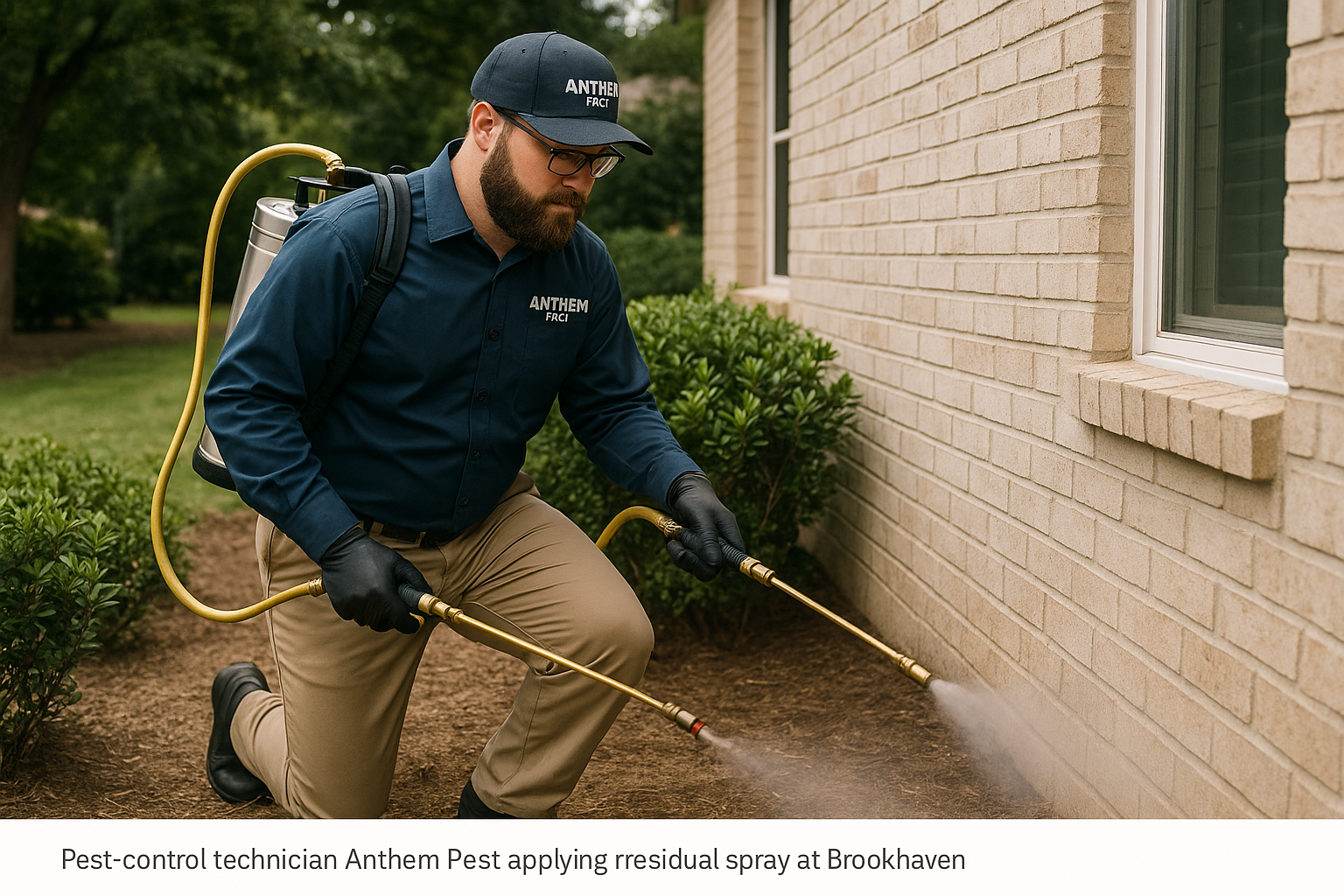
- Single‑visit residual spray – A one‑time application of an EPA‑registered larvicide that creates a protective barrier for 4‑6 weeks. Prices in Brookhaven typically range from $150 to $300 per treatment, depending on square footage and severity.
- Bundled mosquito/gnat/tick plan – A quarterly schedule that combines three‑month protection for all three pests. Companies usually apply a 10‑15 % discount when the services are purchased together, lowering the per‑visit cost to roughly $120‑$260.
Choosing a single‑visit spray is ideal for homeowners who need immediate relief and have a smaller yard, but the protection fades after a month and repeat visits can add up. Bundled plans, while requiring a longer commitment, lock in a discount and maintain a continuous barrier that deters new gnats before they hatch.
Anthem Pest’s Targeted Protocol
Anthem Pest distinguishes itself with a three‑step protocol that targets gnats at the source while minimizing exposure to people and pets. First, technicians apply Bifen IT, a fast‑acting, EPA‑registered spray that disrupts the insect’s nervous system within minutes and leaves a residual shield for up to eight weeks. Second, an emergency trap kit—comprised of a vinegar‑based attractant mixed with a mild soap solution—is positioned in high‑traffic zones to
Post‑Treatment Monitoring Checklist
After Anthem completes a gnat treatment, the real work begins: confirming that the bugs are gone and keeping them that way. A simple, consistent monitoring routine lets you spot any resurgence early and gives your pest‑control professional the data needed for targeted follow‑up.
- Step 1 – Re‑inspect identified breeding sites after 7 days. Walk through every area where gnats were previously found—drainage trays, compost piles, over‑watered potted plants, and any standing water. Use a flashlight to look for larvae or adult activity. If you still see moisture, correct the source before it becomes a new breeding hotspot.
- Step 2 – Set up a weekly trap‑count log. Place sticky or UV traps at the same locations each week. Record three pieces of information: the date, the exact spot (e.g., “kitchen sink drain”), and the number of gnats captured. Enter the data in a notebook or a spreadsheet so you can see trends at a glance.
- Step 3 – Schedule quarterly follow‑up visits with Anthem during peak seasons. Spring and early summer are the busiest times for gnats in Brookhaven. A professional check‑up every three months lets us recalibrate treatments, address any new moisture problems, and ensure your home stays gnat‑free.
When you review your weekly counts, look for a steady decline of at least 70 % within the first two weeks. If numbers plateau or rise, check for hidden moisture, replace traps, and call Anthem for a supplemental treatment.
Example Log
| Date | Location | Traps Captured |
|---|---|---|
| Day 1 | Kitchen sink drain | 12 |
| Day 4 | Kitchen sink drain | 5 |
| Day 7 | Kitchen sink drain | 2 |
| Day 10 | Kitchen sink drain | 2 |
In the example above, the homeowner started with twelve gnats caught on the first day and dropped to two by the seventh day—a reduction of roughly 83 %. Maintaining this log helps you verify that Anthem’s treatment is working and provides concrete evidence for any necessary adjustments.
For a broader perspective on sustainable pest management, see the EPA’s Integrated Pest Management (IPM) guidelines. Following these steps not only protects your family’s health but also maximizes the value of your investment in professional gnat control.
Need a hand interpreting your data? Our technicians are just a call away at 877‑371‑8196, ready to fine‑tune your gnat‑control plan quickly today.
Frequently Asked Questions
How long does a residual spray remain effective?
Typically 14–21 days under Georgia humidity. The formulation we use for professional gnat control Brookhaven services creates a thin, invisible barrier on surfaces where adult gnats land. In the humid climate of Brookhaven, the barrier stays active for about two to three weeks before rain or heavy dew begins to break it down. After that period, a follow-up application restores protection. We schedule re-treatments based on your property’s exposure and the level of activity you’ve observed. Heavy rain can shorten the barrier, so we may suggest a spot-treatment.
Are the chemicals safe for pets and children?
All products we apply are EPA‑registered and must be used exactly as the label directs. When applied by a certified technician, the residues are low‑risk for humans and animals. However, we always advise homeowners to keep pets and children away from treated zones for at least 30 minutes to an hour, or to temporarily relocate them during the application. This precaution ensures that any wet spray dries completely before contact, eliminating any chance of irritation. Our low‑odor formulas leave no lingering scent, keeping your home comfortable.
Can I combine BTI with chemical sprays?
Yes—BTI (Bacillus thuringiensis israelensis) targets gnat larvae in soil or standing water, while residual chemical sprays attack the flying adults. Using both creates a two‑pronged approach that interrupts the life cycle at multiple stages. Just be sure to read each product’s label for any incompatibility warnings and allow the recommended drying time between applications. Our technicians schedule the BTI treatment first, let it dry, then apply the spray so the two products complement each other without reducing efficacy. This combo works best in summer when gnats gather near lights.
Final Thoughts and How to Get Help
When gnat activity spikes, the most reliable defense follows a three‑tiered approach: start with source reduction, add targeted traps, and finish with professional intervention. By removing standing water, trimming overgrown vegetation, and sealing cracks around doors and windows, you eliminate the breeding grounds that attract gnats. Strategic traps then capture any survivors, giving you visible results while you wait for the pros to arrive.
Anthem Pest’s professional service typically ranges from $150 to $300 per visit. Homeowners who choose a bundled seasonal plan often lock in a lower per‑visit rate, receive priority scheduling, and avoid surprise fees when the weather changes. Early action not only prevents a full‑scale infestation but also reduces the total cost of treatment by up to 40 percent.
Key benefits of acting now:
- Fewer gnats inside your home and on your patio.
- Lower overall treatment expenses.
- Peace of mind knowing your family is protected from bites and allergens.
- Long‑term prevention through ongoing monitoring.
If you’re ready to protect your property, a free inspection and a personalized quote are just a call away. Dial 877-371-8196 or visit our dedicated gnat control Brookhaven page for more details. Our technicians are fully licensed and backed by a satisfaction guarantee. Visit Anthem Pest Control today and let our local experts put an end to those pesky gnats.