Millipede Nuisance Overview in Vinings
When the summer showers roll through Vinings, many homeowners notice an unexpected visitor scurrying across sidewalks, garden beds, and even into living rooms: the millipede. These long‑bodied, many‑legged arthropods are harmless to the structure of your home, but their sudden appearance can be unsettling. Millipedes thrive in moist environments, so a rainy spell creates the perfect highway for them to migrate from the damp soil to the drier surfaces of your property.
Why Millipedes Surface After Rain
Millipedes spend most of their lives hidden in leaf litter, mulch, and the top layers of soil where humidity is high. When rain saturates the ground, the insects are forced to seek drier refuge. They move upward, often congregating on foundations, decks, and porch steps—places where homeowners can easily spot them. In Vinings, where summer thunderstorms are common, this seasonal surge typically begins within 24‑48 hours after a heavy downpour.
Potential Impacts on Your Home and Garden
- Landscaping damage: Large groups can crush delicate seedlings and create unsightly clusters in flower beds. Their feeding on decaying organic matter may also accelerate the breakdown of mulch, leaving your garden looking ragged.
- Indoor sightings: While millipedes do not chew wood or fabric, they can wander inside through cracks around doors, windows, or utility openings. A sudden influx on kitchen counters or bathroom floors can be alarming, especially for families with young children.
- Allergic skin reactions: Some people experience mild irritation or a rash after handling millipedes, due to defensive secretions they release when threatened. The reaction is typically short‑lived, but it’s enough to make many homeowners eager for a solution.
What the EPA Says About Rain‑Driven Arthropod Activity
According to a statement from the U.S. Environmental Protection Agency, “Arthropod infestations, including millipedes, tend to rise sharply after periods of heavy rain, especially in regions with a pronounced summer wet season.” This pattern aligns perfectly with Vinings’ climate, where July and August often bring intense, localized thunderstorms. The EPA’s observation underscores the importance of proactive monitoring and early intervention before the millipede population balloons.
Early action is key. By addressing the issue promptly—sealing entry points, reducing excess moisture, and treating vulnerable zones—you can keep millipedes from becoming a nuisance that spills indoors. Delaying treatment allows the insects to multiply, making control efforts more extensive and costly.
For Vinings homeowners who spot millipedes marching across their property after a rainstorm, Anthem Pest offers a 24‑hour local hotline for immediate assistance. Our technicians understand the local climate patterns and can quickly deploy targeted, environmentally responsible treatments that protect both your home and the surrounding ecosystem.
What Are Millipedes and How Do They Affect Your Home?
Millipedes belong to the class Diplopoda, a distinct group of arthropods easily recognized by their two pairs of legs per body segment. Unlike centipedes, which have one leg per segment and are fast‑moving predators, millipedes are slow‑walking detritivores that feed on decaying plant material. Their elongated, cylindrical bodies are covered in a hard exoskeleton that can range in color from pale tan to deep brown, helping them blend into leaf litter and soil.
Life Cycle Overview
The millipede life cycle follows a straightforward three‑stage pattern: egg, nymph (often called a larva), and adult. Females lay clusters of eggs in moist soil or under rotting wood, usually in the spring. The eggs hatch into tiny, translucent nymphs that already display the characteristic body rings, though they possess only a few leg pairs. Over the next several months—typically 4 to 6 months in Georgia’s climate—the nymphs molt repeatedly, adding new segments and legs until they reach full adult size. By late summer, a new generation of adults emerges, ready to mate and repeat the cycle.
Size, Behavior, and Why They Appear Indoors
Adult millipedes in the Vinings area commonly measure between 2 and 4 inches in length. Their primary instinct is to seek out moisture, which is why they are most active after rain, during humid evenings, or when the ground is saturated. They are nocturnal, emerging after sunset to forage on leaf litter, fungi, and decaying wood. When the environment becomes too dry, or when they are disturbed, they may migrate toward the nearest source of moisture—often a home’s foundation, basement walls, or indoor plumbing leaks.
Rising Concern in Georgia
According to the Georgia Department of Agriculture, the state experienced a 12% increase in millipede complaints during the June‑August 2024 period compared with the same months in 2023. The spike aligns with an unusually wet summer that left many neighborhoods with soggy lawns, clogged gutters, and excess organic debris—perfect conditions for millipede populations to explode.
Real‑World Example from West Vinings
One West Vinings homeowner recounted a startling incident after a severe thunderstorm: “I woke up to find about 30 millipedes crawling across my kitchen floor in a single night.” The homeowner later discovered that a small crack in the foundation allowed water to seep into the crawl space, creating an ideal refuge for the insects. Within days, the millipedes migrated upward, attracted by the dampness and the warmth of the house.
Visual Cue for Identification
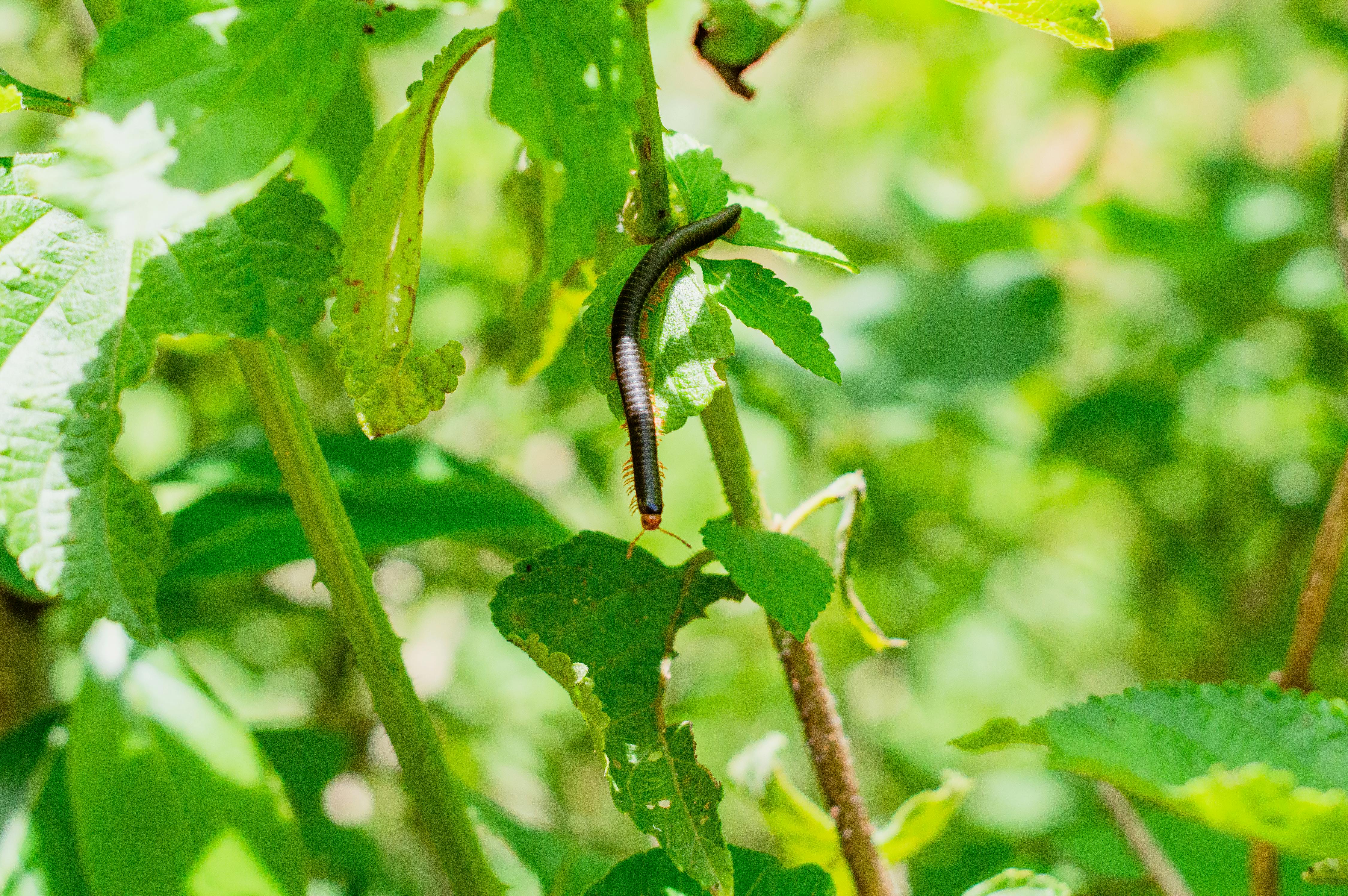
Spotting a millipede is usually straightforward once you know what to look for. Their segmented bodies, numerous legs, and preference for damp, dark areas set them apart from other household pests. If you notice a slow‑moving, multi‑legged creature near windowsills, baseboards, or indoor plant pots, you’re likely dealing with a millipede rather than a beetle or cockroach.
Understanding these basics—taxonomy, life cycle, size, and behavior—helps homeowners recognize why millipedes appear after rain and how they can inadvertently become indoor guests. Armed with this knowledge, you can take proactive steps, such as fixing foundation cracks, reducing excess mulch, and managing indoor humidity, to keep these harmless yet unwelcome critters from turning your home into a temporary millipede highway.
Vinings Climate & Landscape Factors that Invite Millipedes
Vinings sits in a humid subtropical zone where warm summers, mild winters, and abundant moisture create a perfect backdrop for millipedes. These tiny detritivores thrive when the environment stays damp for long periods, and the local climate delivers just that.
Humid subtropical climate and generous rainfall
The region receives roughly 52 inches of rain each year, with the bulk falling during spring and the frequent thunderstorms that roll through the summer months. High humidity levels—often hovering above 70 %—keep the soil and leaf litter moist well after the rain stops. For millipedes, which breathe through spiracles on their body segments, a consistently damp habitat means they can stay active and reproduce without the risk of desiccation.
Soil composition and drainage
Vinings sits on a mix of loamy and clay soils that hold moisture longer than sandy substrates. When rain infiltrates these soils, water percolates slowly, keeping the ground damp for weeks. This lingering moisture creates an ideal underground refuge where millipedes can lay eggs and avoid predators.
Neighborhood leaf‑litter buildup
Vinings neighborhoods such as Glenridge and Bridge Crossing are known for their mature oak, pine, and sweetgum trees. When these trees shed, they leave a thick carpet of leaves, pine needles, and small twigs on lawns and sidewalks. Homeowners who let this organic matter accumulate create a natural food source and shelter for millipedes. The leaf layer retains moisture, acting like a sponge that prolongs the wet conditions millipedes love.
Habitat enhancers around the home
Beyond natural litter, everyday yard practices can unintentionally boost millipede populations:
- Deep mulch beds—Many residents apply 3 inches or more of wood or bark mulch to garden beds for aesthetic appeal. While attractive, this depth holds water and provides a cool, protected corridor for millipedes to travel.
- Compost piles—Active compost is warm, moist, and rich in decaying organic material, making it a magnet for millipedes looking for food.
- Poorly drained basements and crawl spaces—When foundation walls leak or grading directs water toward the house, moisture seeps into lower levels. Millipedes will crawl up walls and emerge inside when they sense a dry refuge.
Irrigation and water management
Many homeowners run automatic sprinkler systems that water lawns early in the morning or late in the evening. While this keeps grass green, it also adds extra moisture to the already wet leaf layer and mulch. Leaky hoses, faulty drip lines, or over‑watering flower beds can create localized wet spots that act like miniature ponds for millipedes, encouraging them to venture closer to homes.
A University of Georgia Extension study found that mulch depths greater than 3 inches are linked to a 45 % increase in millipede activity in residential yards. You can read the full report here. This research underscores how a seemingly harmless landscaping choice can tip the balance in favor of these pests.
When you combine heavy, year‑round rainfall with abundant leaf litter, moisture‑retaining soils, and common yard practices, Vinings essentially offers a five‑star habitat for millipedes. Homeowners who notice increased traffic along foundation walls, in basements, or around mulch beds should consider a professional assessment. Addressing moisture sources, trimming back mulch, and maintaining clean
Spotting an Infestation Before It Spreads
Millipedes are shy, but when they gather in large numbers they can become a noticeable nuisance inside your home. Catching the problem early saves you from costly repairs and endless crawling in basements, kitchens, and garden paths. Below is a practical, homeowner‑friendly inspection checklist that lets you spot the first signs before the infestation spreads.
Step‑by‑step home inspection checklist
Grab a flashlight, a notebook, and a sturdy pair of gloves, then walk through each of the following zones. Spend a few minutes in each spot; the goal is to notice tiny clues rather than conduct a full‑blown investigation.
- Foundation cracks and gaps – Examine the exterior foundation for hairline cracks, especially near downspouts or where the soil meets the slab. Millipedes love the moisture that gathers in these fissures and will use them as highways into your crawl space.
- Basement corners and low‑lying walls – In the basement, focus on corners, joist spaces, and the perimeter of any unfinished walls. Look for clusters of dead millipedes, shed exoskeletons, or a faint, musty odor that can signal a hidden congregation.
- Garden beds after rain – After a heavy shower, walk the perimeter of flower beds, mulch, and leaf piles. Wet organic material attracts millipedes; if you see dozens crossing the path toward your home, they may soon seek shelter indoors.
- Window and door entry points – Check the seals around windows, sliding doors, and any vent openings. Even a tiny gap of a few millimeters can become a welcome doorway for these moisture‑loving critters.
When you notice any of the above signs, note the location, count the individuals, and photograph the area if possible. This information is gold for a professional technician, allowing a targeted treatment plan that focuses on the most vulnerable entry points.
Quick tip: DIY damp‑cardboard trap
Place a piece of corrugated cardboard on the floor in a low‑traffic corner, then lightly mist it with water. Leave the trap for 24 hours. Millipedes are attracted to the damp surface and will hide underneath. After the period, lift the cardboard and count the captured insects. One or two suggests a minor presence; dozens indicate a budding infestation that warrants immediate professional attention.
Local anecdote: How a Vinings homeowner turned the tide
“We kept finding millipedes near the basement vent, especially after the first spring rains,” says Mark, a homeowner in Vinings. “I sealed the vent with weather‑proof caulk and installed a fine‑mesh screen. Within a week, indoor sightings dropped by about 80 %. It was the simplest fix we ever made.”
Mark’s experience underscores a key principle: sealing a single entry point can dramatically reduce indoor activity. In Vinings, where the climate provides ample moisture, regular inspections of vents, crawl‑space vents, and foundation cracks are essential during the rainy months of March through May.
By following this checklist, using the damp‑cardboard trap, and acting on early warnings, you’ll stay ahead of millipedes before they turn a modest nuisance into a full‑scale problem. If the numbers keep climbing, give Anthem Pest Control a call at 877‑371‑8196 or visit our website for a fast, affordable treatment plan tailored to Vinings homeowners.
Effective Millipede Treatments – DIY vs. Professional
DIY Chemical Sprays
Many homeowners reach for EPA‑registered insecticides when millipedes start marching across the yard. Two of the most common options are bifenthrin (e.g., Talstar) and permethrin (e.g., Ortho Max). Both chemicals are applied at a rate of roughly 1 ounce per 1,000 sq ft, mixed with water in a garden sprayer, and directed at the perimeter of the home where the insects enter.
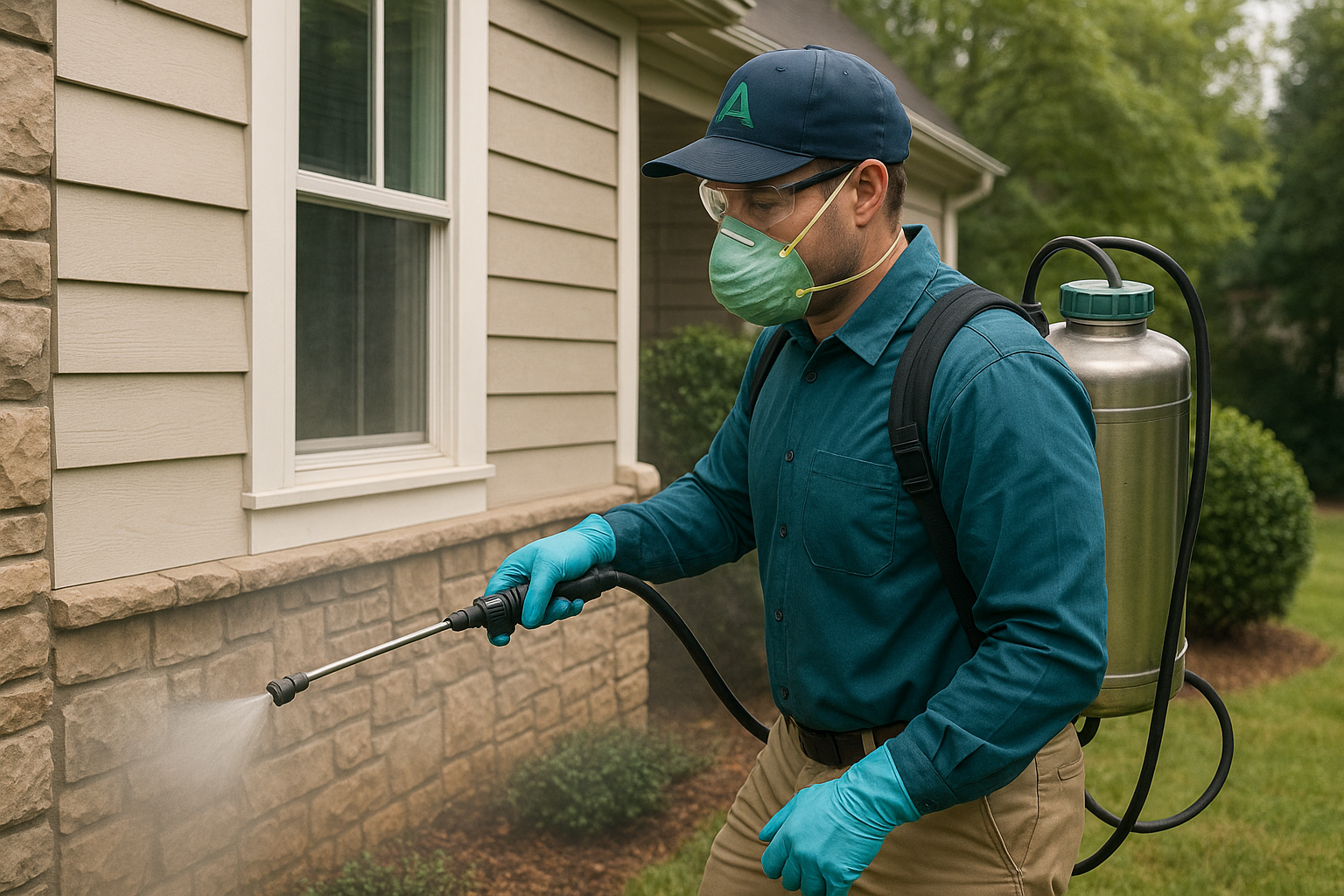
Safety is non‑negotiable: wear long sleeves, nitrile gloves, eye protection, and a NIOSH‑approved respirator if you’re spraying indoors or in windy conditions. Even with perfect coverage, chemical sprays can miss hidden nests under mulch, leaf litter, or within cracks in the foundation, leaving a reservoir of untreated millipedes that will repopulate the treated zone within days.
Non‑Chemical DIY Options
For homeowners who prefer a low‑toxicity approach, there are three practical tactics that can reduce millipede activity without a single drop of pesticide.
- Diatomaceous earth (DE) barriers: Sprinkle a 1‑inch‑wide line of food‑grade DE around the house’s foundation. The microscopic silica particles abrade the millipedes’ exoskeletons, causing dehydration on contact.
- Improve drainage: Millipedes thrive in damp environments. Ensure gutters direct water away from the foundation, add French drains if necessary, and keep the soil around the house slightly sloped.
- Remove excess mulch and leaf litter: Thick layers of organic debris retain moisture and provide perfect hiding places. Replace wood mulch with stone or gravel, or thin it to a depth of no more than 2 inches.
These methods are inexpensive and safe for pets and children, but they require consistent maintenance. A single DE application can lose effectiveness after heavy rain, and drainage improvements may involve a modest upfront cost.
Professional Service: Anthem Pest’s IPM Approach
Anthem Pest combines chemical and cultural tactics into a cohesive Integrated Pest Management (IPM) program. First, a certified technician conducts a thorough inspection to locate active entry points and any underground nests. Then a targeted perimeter spray—using a low‑risk, EPA‑registered formulation—creates a protective barrier that reaches the soil surface and the first few inches below.
Following the spray, the technician applies a soil‑active treatment that penetrates deeper into the root zone where millipedes lay their eggs. Finally, a follow‑up inspection ensures the barrier remains intact and offers homeowners customized advice on mulch depth, irrigation timing, and drainage tweaks.
Cost Breakdown
Anthem Pest’s pricing is transparent and aligns with the 2025 NPMA cost survey. Below is a quick reference for typical homeowners in Vinings, GA.
| Service | Price Range | Coverage / Frequency |
|---|---|---|
| One‑time exterior treatment | $150 – $250 | Up to 1,500 sq ft, single application |
| Quarterly preventive program | $90 – $130 per visit | 3‑4 visits per year, includes re‑inspection |
When you compare these figures to the cost of purchasing multiple gallons of bifenthrin, the protective equipment, and the time spent re‑applying DE after each rainstorm, the professional route often proves more economical in the long run. Plus, you gain the peace of mind that comes from a licensed technician who knows exactly where millipedes hide.
Which Path Is Right for You?
If you’re comfortable handling chemicals, have a small, dry yard, and can commit to regular DE re‑applications, a DIY regimen may keep millipedes at bay during a single season. However, for larger properties, persistent moisture problems, or anyone who prefers a hands‑off solution, Anthem Pest’s IPM program delivers consistent results, minimizes exposure to toxins, and includes expert advice to keep your landscape healthy year after year.
Long‑Term Millipede Prevention in Vinings
Millipedes are attracted to damp, organic‑rich environments that often develop around a home’s foundation. While a single infestation can be unsettling, the real cost comes from repeated invasions that force homeowners to call a professional over and over again. The good news is that most repeat problems can be stopped with a few disciplined, data‑backed habits. Below is a concise, five‑step checklist that any Vinings homeowner can follow to keep millipedes at bay year after year.
Actionable Prevention Checklist
- Keep soil moisture below 12 %. Use a handheld moisture meter to monitor the top 6‑12 inches of soil around your house. If readings creep above 12 %, improve drainage by adding a French drain, re‑grading the yard, or installing a rain‑garden to divert runoff.
- Trim vegetation 6‑12 inches from the foundation. Shrubs, vines, and lawn edging that touch the house create a bridge for millipedes to climb onto siding and crawl inside. Regular pruning creates a dry buffer zone that discourages them from approaching.
- Replace wood mulch with gravel in high‑risk zones. Wood chips retain moisture and decompose into a perfect food source. Swap mulch for crushed stone or pea gravel in flower beds or around the perimeter where you’ve seen millipedes gathering. Gravel dries quickly and offers no organic material to sustain them.
- Seal cracks with silicone caulk; install door sweeps. Even the smallest gap—around windows, utility openings, or the base of the exterior wall—can serve as an entry point. Silicone remains flexible in temperature swings, keeping cracks sealed longer than acrylic. Door sweeps block the low‑level route millipedes use to slip under doors.
- Schedule an annual professional inspection before the rainy season. A certified pest‑control technician can spot hidden moisture problems, identify structural gaps you might miss, and apply preventative treatments that are safe for pets and children. Booking the visit in early spring gives you a proactive shield before the first heavy rains.
When homeowners implement all five of these measures, the results are striking. According to an EPA pest‑prevention case study, homes that followed the complete checklist experienced a 70 % reduction in repeat millipede service calls (EPA pest‑prevention case study). The data underscores that consistency—not just a single fix—is the key to lasting control.
Putting the checklist into practice is easier than it sounds. Start by purchasing an inexpensive soil moisture meter (available at most garden centers) and take baseline readings around your foundation. From there, schedule a weekend to prune any overgrown plants and replace mulch in the most problematic beds. Finally, grab a tube of clear silicone caulk and a set of door sweeps; both are one‑time investments that pay off for years.
Remember, millipedes thrive on moisture and organic debris. By drying out the soil, removing their food source, and sealing the pathways they use to enter, you create an environment that simply isn’t inviting. Pair these DIY steps with a professional’s annual inspection, and you’ll dramatically lower the odds of a surprise millipede crawl‑in during the rainy months.
Why Anthem Pest Is Vinings’ Top Choice
When Vinings homeowners search for a pest‑control partner they need someone who knows the neighborhood, respects their family’s safety, and backs every job with a rock‑solid guarantee. Anthem Pest delivers on all three fronts, making it the clear favorite for millipede control and any other unwanted critters.
Local expertise you can trust
Anthem Pest is a licensed Georgia pest‑control operator with a 15‑year service record in Cobb County. Our technicians have spent more than a decade walking the streets of Vinings, learning the unique entry points, moisture patterns, and landscaping quirks that invite millipedes into basements and crawl spaces. That on‑the‑ground knowledge translates into faster inspections, pinpoint‑accurate treatments, and fewer follow‑up visits.
Transparent pricing and a solid reputation
We understand that surprise fees are the last thing a homeowner wants. That’s why Anthem Pest maintains a BBB rating of A+ and publishes a clear, transparent pricing model on our website. Before any work begins, you’ll receive a detailed estimate that breaks down labor, materials, and any optional add‑ons, so you know exactly what you’re paying for.
Safety‑first pesticide selection
Our commitment to safety starts at the product level. All pesticides we apply are EPA‑approved, low‑toxicity options specifically formulated for residential use. They target millipedes while posing minimal risk to children, pets, and the surrounding environment. We also follow strict application protocols—using calibrated equipment and precise placement—to ensure the treatment is effective without over‑application.
100 % satisfaction guarantee
Confidence in our work is reflected in our 100 % satisfaction guarantee. If you’re not completely happy with the results, we’ll return, re‑treat, and make it right at no extra cost. This guarantee isn’t just a marketing line; it’s a promise that drives us to stay current on the latest control methods and continuously train our staff.
What Vinings residents are saying
“The team treated our basement within 24 hours and we haven’t seen a millipede since.” – Vinings resident
Stories like this illustrate why neighbors keep choosing Anthem Pest year after year. Quick response times, thorough service, and lasting results have built a reputation that spreads through word‑of‑mouth and online reviews alike.
Brief call‑to‑action
If you’re ready to reclaim your home from millipedes or any other pest, give Anthem Pest a call at 877‑371‑8196 or visit anthempest.com. Our Vinings team is standing by to schedule an inspection, answer your questions, and put an end to unwanted crawlers.
Frequently Asked Questions About Millipedes
Are millipedes harmful to humans?
In most cases millipedes are harmless visitors. They do not carry diseases that can be transmitted to people, so you won’t catch an illness simply by seeing one in your yard. The main issue is a potential skin irritation; if a millipede is crushed against the skin it can release defensive chemicals that cause a mild allergic reaction, redness, or itching. The symptoms usually subside within a few hours and can be treated with a gentle wash and over‑the‑counter antihistamine if needed.
How long does a treatment last?
A professional perimeter spray applied by Anthem Pest Control is designed to stay active for 6‑8 weeks under typical weather conditions in Vinings. The formulation adheres to soil and plant surfaces, creating a barrier that repels or kills millipedes that try to cross it. Heavy rain, excessive irrigation, or landscaping changes can shorten the residual effect, so we recommend a follow‑up inspection after the eight‑week window to determine if a booster application is necessary.
Will pets be affected?
Our technicians use EPA‑approved, low‑toxicity products that are safe for dogs and cats when applied exactly as the label directs. The chemicals target the nervous system of arthropods and break down quickly in the environment, leaving no harmful residue for household pets. Nonetheless, we always advise keeping pets indoors or in a confined area until the spray has dried, usually about 30 minutes, to avoid any accidental contact.
Can I treat my own lawn?
Yes, homeowners can take basic steps to reduce millipede activity. Start by removing excess mulch, leaf litter, and decaying wood where millipedes like to hide. Keep the lawn mowed short and improve drainage to eliminate the damp conditions they thrive in. If you prefer a DIY spray, choose a product labeled for millipedes and follow the safety instructions carefully. For moderate to severe infestations, however, a professional evaluation is wise—our experts can identify the source, apply a treatment that penetrates deep into the soil, and provide a long‑lasting protection plan tailored to your property.
Have more questions? Give Anthem Pest Control a call at 877‑371‑8196 or visit our website for a free quote and detailed guidance.
Take Action Today – Secure Millipede‑Free Living in Vinings
Quick Recap
- Early detection lets you spot millipede activity before it becomes a nuisance, giving you a head start on treatment.
- Proper treatment—whether it’s targeted spot‑sprays, perimeter barriers, or soil applications—eliminates the insects that have already taken hold.
- Ongoing prevention, such as habitat modification, regular inspections, and seasonal treatments, keeps millipedes from returning to your home and yard.
Why Choose Anthem Pest?
Anthem Pest Control is rooted in the Vinings community, and our technicians know the local climate, soil conditions, and millipede habits better than anyone else in the area. Our 24‑hour hotline means you’re never left waiting for help—whether you notice a sudden surge of millipedes after a rainstorm or need advice on preventative landscaping. Plus, we offer a free, no‑obligation inspection to assess your property’s unique risk factors, so you can make an informed decision without surprise costs.
If you’re ready for a professional, data‑driven solution that protects your family and landscape, our certified technicians are just a call away. We’ll assess your property, tailor an Integrated Pest Management (IPM) plan, and provide transparent pricing—no hidden fees. Our approach blends proven chemical controls with environmentally conscious practices, ensuring effective results while safeguarding pets, children, and beneficial insects.
Take the next step toward a millipede‑free home today. Call our dedicated line at 877‑371‑8196 and speak with a local expert who can schedule your free inspection, answer any questions, and set up a customized treatment schedule that fits your timeline and budget.
Visit Anthem Pest Control to learn more about our services, read customer success stories, and explore additional resources for keeping your Vinings property pest‑free year round.