
Why Mouse Control Matters for Marietta Homeowners
Mice are more than a noisy inconvenience; they are carriers of serious diseases. They can transmit Hantavirus and salmonella, both of which pose heightened risks to children, seniors, and anyone with weakened immunity. An infection can lead to severe respiratory problems or gastrointestinal distress. For more information, visit the CDC Hantavirus page.
When rodents go unchecked, the damage to your property can be costly. They chew through electrical wiring, creating fire hazards, shred insulation, and infiltrate stored food, leaving behind urine and feces that contaminate pantry items. Even a small nest in an attic can compromise structural integrity and force expensive repairs.
This guide will give you a data‑driven breakdown of treatment costs, compare the most effective control options, and deliver prevention tips that are specific to Marietta’s climate and home construction. Knowing the stakes lets you act early, saving both health and hard‑earned money.
The Biology of the House Mouse in Georgia
Habits, diet, and nesting preferences
The house mouse (Mus musculus) is a small, adaptable rodent that thrives in both urban and suburban settings across Georgia. It prefers to stay close to food sources, slipping through tiny cracks to enter kitchens, pantries, and garage shelves. In the heat of a Georgia summer, mice favor dark, dry nests built from shredded paper, insulation, or fabric, usually tucked behind walls, under appliances, or in attic voids.
Breeding cycle
A single female can produce five to six litters each year, with an average of six pups per litter. Gestation lasts about 19‑21 days, and newborns reach independence in roughly three weeks, allowing rapid population growth when food and shelter are abundant.
Seasonal activity in Marietta
In Marietta, mouse activity follows a predictable seasonal curve. Numbers swell in late summer as new litters emerge, peaking through early fall when outdoor food sources dwindle and the cooler nights drive rodents indoors. This window is the optimal time for homeowners to schedule a preventive treatment before the mice settle into permanent homes.
Local sighting statistics
The USDA’s 2023 rodent surveillance report estimates 12‑15 mouse sightings per 1,000 homes across the Southeast, confirming that Georgia sits near the upper end of that range. View the full USDA data for a deeper dive into regional trends.
Neighborhood variations
Local surveys show that older housing districts like Whitfield and East Marietta report roughly 20 % more mouse sightings than newer subdivisions. Aging foundations, cracked siding, and legacy wiring create extra entry points, giving mice more opportunities to infiltrate. Homeowners in these neighborhoods should inspect exterior caulking and seal gaps before the fall surge.
Implications for control
Knowing these biological patterns helps you time interventions for maximum impact. Because mice reproduce so quickly, a single missed litter can double an infestation within weeks. Targeted bait stations placed along walls during the late‑summer peak, followed by a thorough exclusion audit, dramatically reduces the chance of a rebound population in winter.
How to Spot a Mouse Problem Before It Grows
Early detection saves you money and protects your family’s health. By learning the subtle clues mice leave behind, you can intervene before a few curious visitors turn into a full‑blown infestation.
Physical signs to watch for
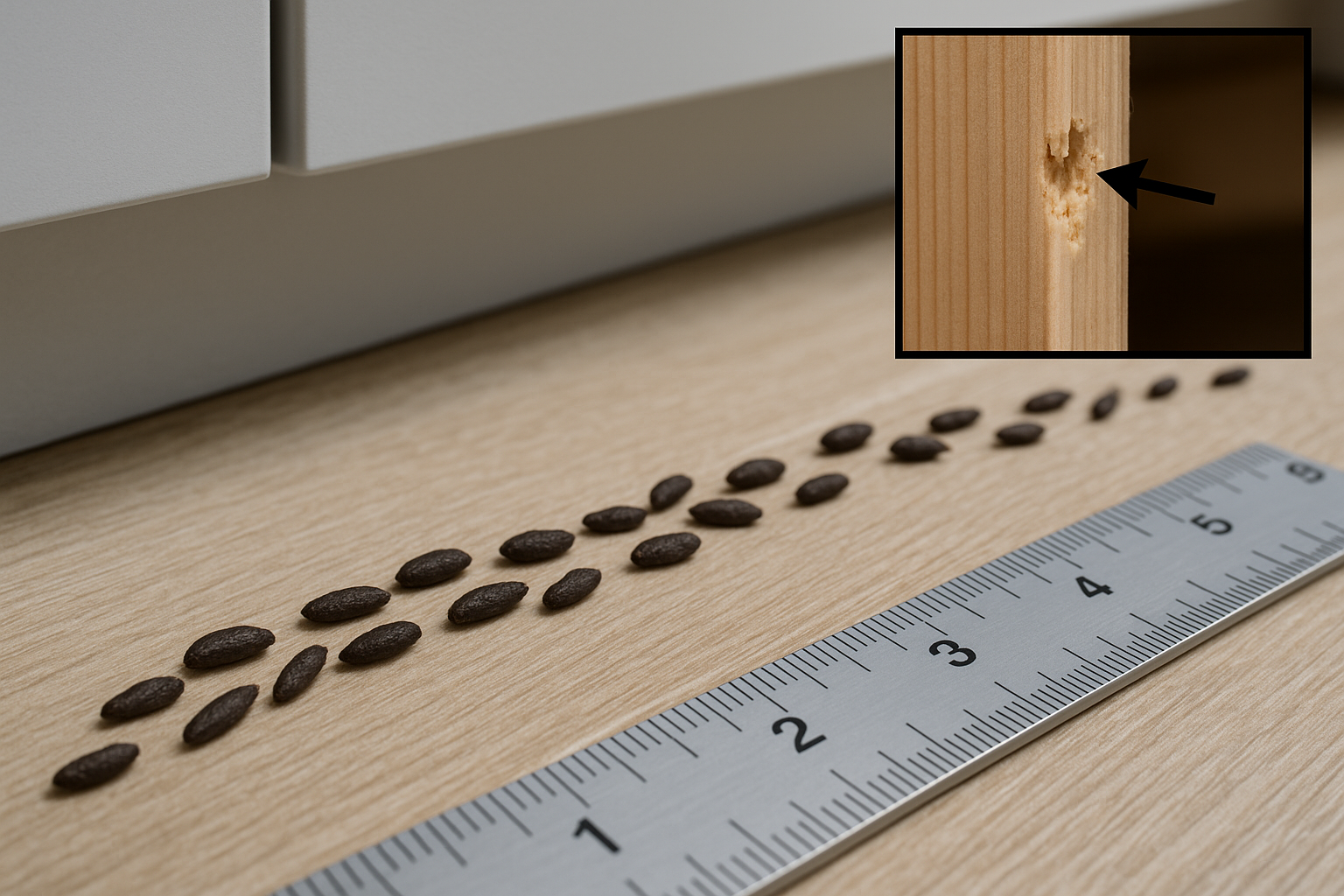
- Droppings: Tiny, 1‑2 mm black or dark brown pellets that often appear in clusters along walls, behind appliances, or in pantry corners.
- Gnaw marks: Fresh, clean cuts on wood, plastic, or wiring—look for parallel bite marks about the size of a pencil lead.
- Nesting material: Shredded paper, fabric fibers, or dried plant matter tucked into wall voids, attics, or under storage boxes.
- Audible scurrying: Light, rapid rustling sounds, especially at night, indicate active movement in hidden spaces.
Health risks you shouldn’t ignore
Mice are more than a nuisance; they can carry serious pathogens. CDC Hantavirus information warns that inhaling dust contaminated with mouse urine or droppings may trigger hantavirus pulmonary syndrome, a potentially fatal respiratory illness. Additionally, mouse feces can spread Salmonella, leading to gastrointestinal upset, and their dander often provokes allergic reactions or asthma flare‑ups in sensitive individuals. Prompt identification and removal are essential to keep these risks at bay.
Quick homeowner checklist
| Sign | Frequency of Checks | Action Step |
|---|---|---|
| Droppings in pantry or cabinets | Weekly | Vacuum safely, seal food, and call Anthem Pest Control |
| Gnaw marks on wiring or wood | Bi‑weekly | Inspect for entry points, block access, schedule a professional assessment |
| Nesting material in hidden corners | Monthly | Remove debris, store items off the floor, arrange a treatment plan |
| Scurrying noises at night | Whenever heard | Identify source, set traps, and request a comprehensive rodent control service |
Transparent Pricing for Marietta Mouse Control
Inspection Fee
One‑Time Treatment Cost
If you opt for a single intervention, the cost per visit ranges from $150 to $250. This fee covers the application of bait stations, traps, and any necessary sealing of entry points. The price variation depends on the size of the property and the severity of the mouse activity, but Anthem Pest guarantees that all materials and labor are included in the quoted amount.
Quarterly Service Packages
For continuous protection, many Marietta homeowners choose a quarterly maintenance plan. These plans are priced between $180 and $300 per quarter, providing four visits a year, routine monitoring, and replenishment of bait and traps. Over a 12‑month period, the total investment typically ranges from $720 to $1,200, delivering a proactive shield against new mouse invasions.
DIY Traps vs. Professional Service
Do‑it‑yourself solutions, such as snap traps or glue boards, usually cost $5‑$15 each. A homeowner might spend $30‑$60 on a basic kit, but the hidden expenses quickly add up: time spent setting and checking traps, the risk of missed entry points, and the potential for property damage. In contrast, a professional plan not only supplies high‑efficacy bait stations but also includes expert placement, regular follow‑ups, and a warranty that protects against re‑infestation, delivering a clear cost‑benefit advantage.
Bar Chart Description (Designer Note)
Envision a horizontal bar chart titled “Average 12‑Month Savings with Professional Mouse Control.” The x‑axis represents dollars saved, ranging from $0 to $800. Three bars compare: (1) DIY approach ($0‑$300 total cost), (2) One‑time professional treatment ($150‑$250), and (3) Quarterly professional plan ($720‑$1,200). The chart highlights that, after accounting for labor, re‑treatment, and property damage, the quarterly plan yields an average net saving of approximately $350 over a year compared to DIY methods.
EPA 2024 Rodent Control Cost Study
Recent findings from the EPA 2024 rodent control cost study reinforce these numbers, showing that professional services consistently reduce long‑term expenses by up to 45 % when compared with repeated DIY attempts. The study underscores the value of integrated pest management, a core principle of Anthem Pest’s approach.
Effective Mouse Treatment Methods Used by Anthem Pest
Inspection & Assessment Tools
Exclusion Techniques
Sealing every possible entry point is the cornerstone of long‑term mouse control. Our step‑by‑step exclusion process includes:
- Identify openings – tiny cracks, gaps around utility lines, and vent holes are logged during the inspection.
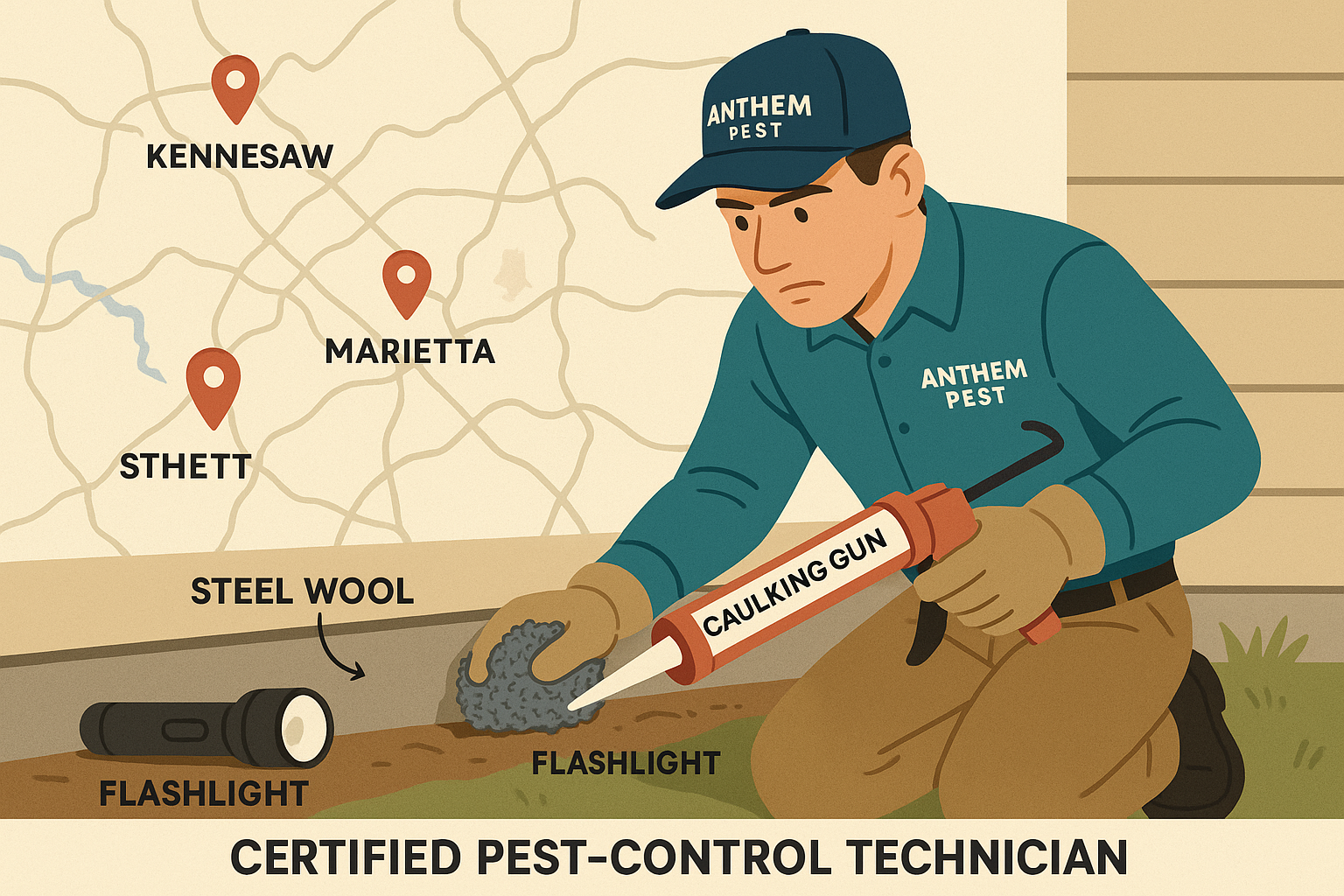
- Plug with steel wool – the coarse fibers deter mice from chewing through.
- Reinforce with caulk – a high‑quality silicone caulk locks the steel wool in place and creates a weather‑tight seal.
- Apply hardware cloth – for larger gaps such as foundation cracks or vent openings, we install a ¼‑inch mesh that mice cannot gnaw.
- Final verification – a second walkthrough ensures no new openings were missed.
Baiting Strategies
When exclusion alone isn’t enough, we deploy low‑toxicity bait stations that meet the EPA 2024 bait station regulations. Each station is placed according to EPA labeling guidelines: at least 12 inches off the ground, away from food preparation areas, and in concealed locations along mouse pathways. The bait is formulated to attract mice quickly while minimizing risk to children and pets. For more details on EPA requirements, visit the EPA rodent control page.
Trapping Options
Anthem Pest offers a range of trapping solutions to suit homeowner preferences. Snap traps provide rapid knock‑down action and are positioned at identified runways. For those seeking a no‑kill approach, we install live‑catch traps and advise on humane release protocols. All traps are set using bait that aligns with our activity map, ensuring maximum capture rates while keeping non‑target animals out of harm’s way.
Integrated Pest Management (IPM) Framework
Our mouse control program follows an IPM framework that blends exclusion, baiting, sanitation, and continuous monitoring. After sealing entry points and deploying bait stations, we educate homeowners on proper food storage, waste management, and clutter reduction—key sanitation steps that remove attractants. Ongoing monitoring visits let us adjust tactics based on real‑time data. Learn more about the IPM principles we follow at the National Pest Management Association (NPMA) IPM resources, which reflect the NPMA best‑practice guidelines.
Success Story: Kennesaw Avenue Home
One Marietta homeowner on Kennesaw Avenue called us after a persistent mouse problem that had resurfaced despite DIY traps. Our team performed a full inspection, sealed 27 potential entry points, and installed strategically placed bait stations. Within three weeks, mouse activity dropped dramatically, and after a follow‑up exclusion sweep, re‑infestation rates fell by 92% over the next three months. The homeowner praised the thoroughness of the work and the clear communication about prevention steps, confirming that a comprehensive approach beats piecemeal fixes every time.
When to Act and How to Keep Mice Out Year‑Round
Ideal Treatment Window
For Marietta homeowners, the sweet spot for mouse control is September through November. After the harvest, food sources such as fallen fruit and garden scraps start to dwindle, prompting rodents to scout for new shelter. By treating before the first hard freeze, you block their move‑in‑date and stop families from nesting inside your walls for the winter months.
Seasonal Prevention Checklist
- Yard clean‑up: Rake leaves, prune overgrown shrubs, and remove any debris that could hide a mouse nest.
- Firewood storage: Keep firewood at least three feet away from the house and elevate it on a pallet to discourage rodents from using it as a bridge.
- Secure trash cans: Use tight‑fitting lids and place cans on a solid surface; consider a small metal bin for food waste.
- Inspect screens and vents: Repair tears, install fine mesh, and seal gaps around utility openings before colder weather sets in.
- Exterior lighting: Switch to motion‑sensor lights to reduce nighttime activity that attracts insects—and the mice that follow them.
Neighborhood‑Specific Tips
Whitfield’s older brick foundations: The historic brickwork often develops tiny cracks that become perfect entry points. Apply a high‑quality silicone‑based sealant around the perimeter and consider a professional foundation coating every two years.
East Marietta’s dense foliage: Thick canopy creates natural “bridge” pathways from trees to the roof. Trim branches at least eight feet from the house, and install a low‑profile fence or metal flashing where vines meet the siding.
Printable Seasonal Calendar
| Month | Key Action | Quick Tip |
|---|---|---|
| September | Professional inspection & initial treatment | Focus on foundation cracks and attic access points. |
| October | Yard clean‑up and firewood relocation | Stack wood on a raised platform, 3 ft from the house. |
| November | Seal exterior vents and install mesh on screens | Use ¼‑inch steel mesh for maximum protection. |
| December–February | Monitor traps and check for signs of activity | Replace bait weekly; keep pantry sealed. |
| March–May | Spring yard sweep and prune overgrown shrubs | Eliminate ground cover that shelters nests. |
| June–August | Mid‑season check‑up and trash‑can maintenance | Inspect for new gaps after storm damage. |
Anthem Pest’s Local Expertise and Guarantees
When a mouse problem shows up at your Marietta home, you need a partner who knows the area, the pests, and the fastest way to protect your family. Anthem Pest brings a blend of local knowledge and nationwide standards that few other providers can match.
Why Homeowners Trust Our Team
- Licensed technicians – Every technician holds state‑required licenses and completes ongoing training on the latest rodent‑control methods.
- 24‑hour response time – We understand that mice don’t wait for business hours. Our crews are on call and ready to start treatment within the same day you call.
- EPA‑approved products – All chemicals used are vetted by the Environmental Protection Agency, ensuring they are safe for children, pets, and the surrounding environment.
“Anthem Pest arrived the same afternoon I called, identified the entry points, and had my house mouse‑free within a week. Their friendly tech explained every step, and I felt confident the solution would last.” – J. Martinez, Marietta, GA
Serving Marietta and the Neighboring Communities
Our service footprint covers the heart of Cobb County, including Marietta, Kennesaw, and Acworth. Whether you live in a historic bungalow or a modern subdivision, our local office knows the typical rodent pathways, seasonal activity patterns, and community‑specific challenges. This geographic focus lets us tailor inspections and treatments to the exact conditions you face.
Ready to schedule a professional mouse control visit? Call our local office at 877‑371‑8196 or click here to explore our mouse‑control services and view the full guarantee details.
Mouse Control FAQs for Marietta Homeowners
Below are the most common concerns Marietta residents raise after a mouse‑control service, with clear answers to help you stay safe and informed.
How long does a treatment last?
Our standard mouse‑control program in Marietta includes a thorough inspection, placement of low‑toxicity bait stations, and sealing of entry points. Once the bait stations are set, you can expect active control for 4‑6 weeks, which is the typical time needed for the entire colony to consume the bait. After that period we schedule a follow‑up visit to verify that activity has ceased and to replace any stations that may have been disturbed. Ongoing monitoring every 30 days helps maintain a mouse‑free home throughout the year.
Are the chemicals safe for children and pets?
Yes. Anthem Pest uses EPA‑registered bait stations that contain low‑toxicity anticoagulant compounds sealed inside tamper‑resistant containers. The EPA classifies these products as “restricted use” only when the bait is exposed, which never happens in our stations. Because the poison is inaccessible, the risk to children and pets is negligible when stations are installed according to label directions (EPA, 2023). We also offer non‑chemical exclusion methods for families who prefer a purely mechanical approach.
What’s the warranty on exclusion work?
Anthem Pest stands behind its exclusion services with a 90‑day warranty. If you discover a new mouse entry point within that window, we’ll return at no additional charge to re‑seal the opening and reinforce the barrier. The warranty covers all materials and labor used in the original exclusion job, provided the homeowner maintains regular inspections and follows our recommended sanitation guidelines. This guarantee reflects our confidence in delivering long‑term protection for Marietta homeowners.
Take Control of Mouse Problems Today
Key Takeaways
- Transparent pricing lets you know exactly what you’re paying for—no hidden fees.
- Professional treatments combine baits, traps, and exclusion to eliminate mice and keep them out.
- Spring and fall are the optimal windows for prevention and control, when mice are most active.
Seasonal timing matters because mice seek shelter as temperatures shift. Treating in early spring prevents a full‑blown infestation, while a fall follow‑up blocks entry before winter.
To make the next steps even easier, download our seasonal prevention checklist. It walks you through simple actions you can take right now to seal entry points, store food safely, and monitor activity.
Why Choose Anthem Pest?
At Anthem Pest, we prioritize safety, affordability, and results. Our locally trained technicians use EPA‑approved products and proven methods, so you get a mouse‑free home without compromising your family’s health. We stand behind our work with a satisfaction guarantee and transparent, upfront pricing that eliminates surprise costs. Request a free inspection quote and see how a professional approach can give you lasting peace of mind.