Understanding Silverfish and Their Impact
Silverfish (Lepisma saccharina) are small, wingless insects that most homeowners mistake for harmless houseguests. Measuring roughly ½ inch long, they have a silvery, fish‑like sheen, a tapered body, and three long bristles at the rear. Their lifespan can stretch up to three years, and they thrive in dark, humid environments. Unlike many pests, silverfish are omnivores; they feed on starches, sugars, and proteins found in paper, glue, dead skin, and even the occasional crumb.
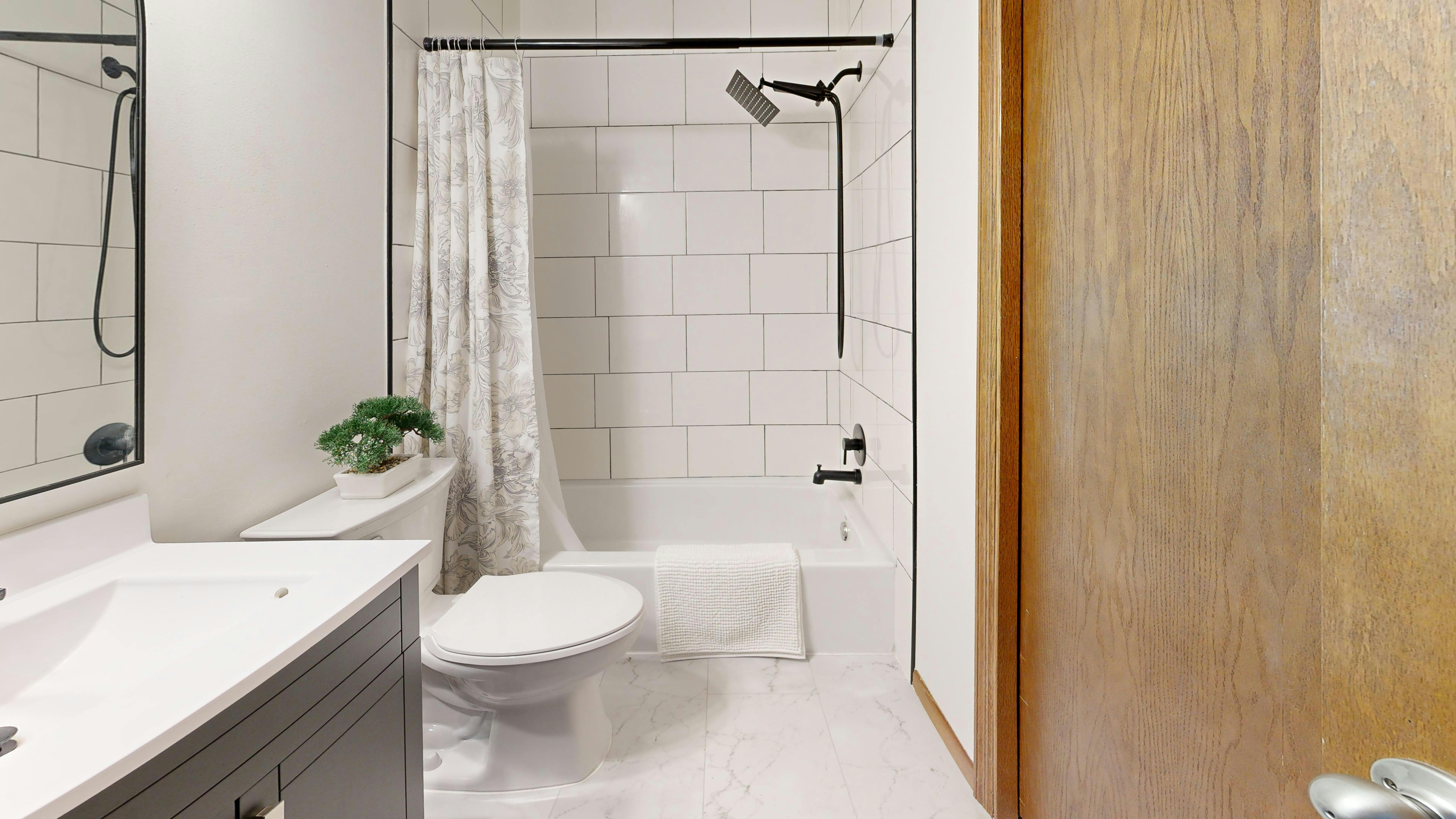
Inside a typical Suwanee home, silverfish favor locations that stay damp and concealed. Expect to find them scuttling across bathroom tiles, lurking behind kitchen cabinets, nesting in basement corners, or hiding in closet shelves where clothing is stored. These micro‑habitats provide the moisture and food sources they need to multiply unnoticed.
Although they don’t bite or spread disease, silverfish can be surprisingly destructive. Their diet includes cellulose, which means they chew through paper, books, and important documents. They also nibble on natural fabrics, leaving tiny holes in clothing, curtains, and upholstery. Wallpaper, especially the glue backing, and food packaging are vulnerable too—silverfish can create unsightly damage that forces homeowners to replace or repair cherished items.
When an infestation goes unchecked, the costs can snowball. Initial damage may seem minor, but over time the cumulative effect on books, heirloom fabrics, and structural materials can require professional restoration. Moreover, repeated DIY treatments often miss hidden colonies, leading to a cycle of recurring sprays and increased labor expenses. Investing in a comprehensive, professional approach early on can prevent these long‑term financial hits.
Understanding these habits and the potential damage they cause is the first step toward effective control. By recognizing the signs early—tiny silvery trails, shed skins, or occasional sightings—you can act before silverfish turn a minor nuisance into a costly repair project. In the sections that follow, we’ll break down the treatment options, pricing, and preventive measures that keep your Suwanee home silverfish‑free.
Identifying Silverfish Infestations in Your Home
Visual signs
Silverfish are tiny, silvery‑gray insects that move in a fish‑like, wavy motion. Spotting a live specimen is the most obvious clue, but you’ll often notice their shed skins (tiny, translucent exoskeletons) tucked away in corners. Another tell‑tale sign is a collection of fine, dark specks that look like pepper—these are their fecal pellets, usually found near food sources or moisture.
Damage clues
Although silverfish don’t bite, they love to munch on starchy or protein‑rich materials. Look for irregular, ragged holes in paper, cardboard, or wallpaper. Fabrics may develop yellowish stains or become threadbare, especially in closets or under beds. Books are a favorite target; check spines for chew marks and pages for tiny, shredded edges.
Common hiding spots
Silverfish thrive in dark, damp environments. Typical hideouts include:
- Under kitchen and bathroom sinks, where water drips are common.
- Behind baseboards and crown molding, especially if there’s a crack or gap.
- Inside stored boxes, bags, or old newspapers that have been tucked away for months.
- Near leaky pipes, HVAC condensate lines, or any area with persistent moisture.
DIY inspection checklist
Take a systematic, room‑by‑room approach. Follow these steps to uncover hidden activity:
- Gather tools: flashlight, magnifying glass, disposable gloves, and a small container for any specimens you find.
- Start at the entry points: inspect door thresholds, window sills, and vent openings for signs of moisture or debris.
- Check kitchens and bathrooms: look under sinks, behind appliances, and around the tub for shed skins or fecal specks.
- Examine storage areas: pull out boxes, laundry baskets, and seasonal clothing. Shake them gently and look for insects or their remnants.
- Survey baseboards and trim: run a flashlight along the edges, paying special attention to any cracks or gaps.
- Inspect closets and bedrooms: flip mattresses, check under bed frames, and glance at fabric rolls or curtains.
- Record findings: note the location, type of evidence, and frequency of sightings on a simple checklist.
- Address moisture: any area that feels damp should be dried or repaired, as moisture fuels silverfish populations.
When to call a professional
If you notice any of the following, it’s time to reach out to a pest‑control specialist:
- Multiple sightings in a single day or repeated encounters over several weeks.
- Extensive damage to books, clothing, or stored documents that could become costly to replace.
- Persistent moisture problems—leaky pipes, condensation, or high humidity—that you cannot resolve on your own.
- Signs that the infestation is spreading beyond one room, indicating a larger, hidden colony.
Anthem Pest Control offers a targeted silverfish treatment plan that eliminates the insects and addresses the underlying moisture issues. Give us a call at 877‑371‑8196 or visit anthempest.com for a free inspection and transparent pricing.
Seasonal Patterns and When to Act
Silverfish thrive on moisture, and their life cycle—egg, nymph, adult—spans several months. In Suwanee’s humid climate, even a slight rise in indoor humidity can trigger rapid population growth. Understanding how temperature and moisture shift throughout the year helps homeowners pinpoint the moments when a proactive treatment will have the biggest impact.
Spring: Rising Humidity Sparks Activity
As the snow melts and spring showers increase, indoor humidity climbs, especially in bathrooms and kitchens where water use spikes. Silverfish emerge from hidden cracks to feed on starches, paper, and mold. This is the ideal time for a thorough inspection of tile grout, under‑sink cabinets, and pantry shelves. Early‑spring treatments, combined with fixing leaky faucets, can stop a small infestation before it spreads.
Summer: Peak Season Demands Ventilation
Summer brings the highest humidity levels of the year, creating a perfect breeding ground for silverfish. They congregate near damp basements, laundry rooms, and any area lacking proper airflow. Installing exhaust fans, using dehumidifiers, and keeping windows open when possible are critical steps. A professional summer treatment—often a residual spray that remains effective for weeks—provides the strongest barrier against the season’s surge.
Fall: Migration to Drier Indoor Spaces
When outdoor humidity begins to fall, silverfish seek out the driest corners of the home. They migrate to storage closets, bookcases, and attics where paper products accumulate. Fall is the best moment to declutter, vacuum crevices, and treat these vulnerable zones with targeted baits or dusts. Preventing food sources and reducing cardboard clutter can dramatically lower the chance of a fall‑time rebound.
Winter: Hidden Populations Linger
Cold outdoor temperatures drive silverfish deeper into insulated walls and floor cavities, where they remain dormant but viable. Though visible activity drops, the hidden population can explode once humidity rises again in spring. A pre‑winter treatment—applied before heating systems are turned on—helps eradicate these concealed groups and protects your home from a surprise resurgence in the new year.
Below is a quick reference chart that summarizes seasonal activity levels and the recommended actions for each period.
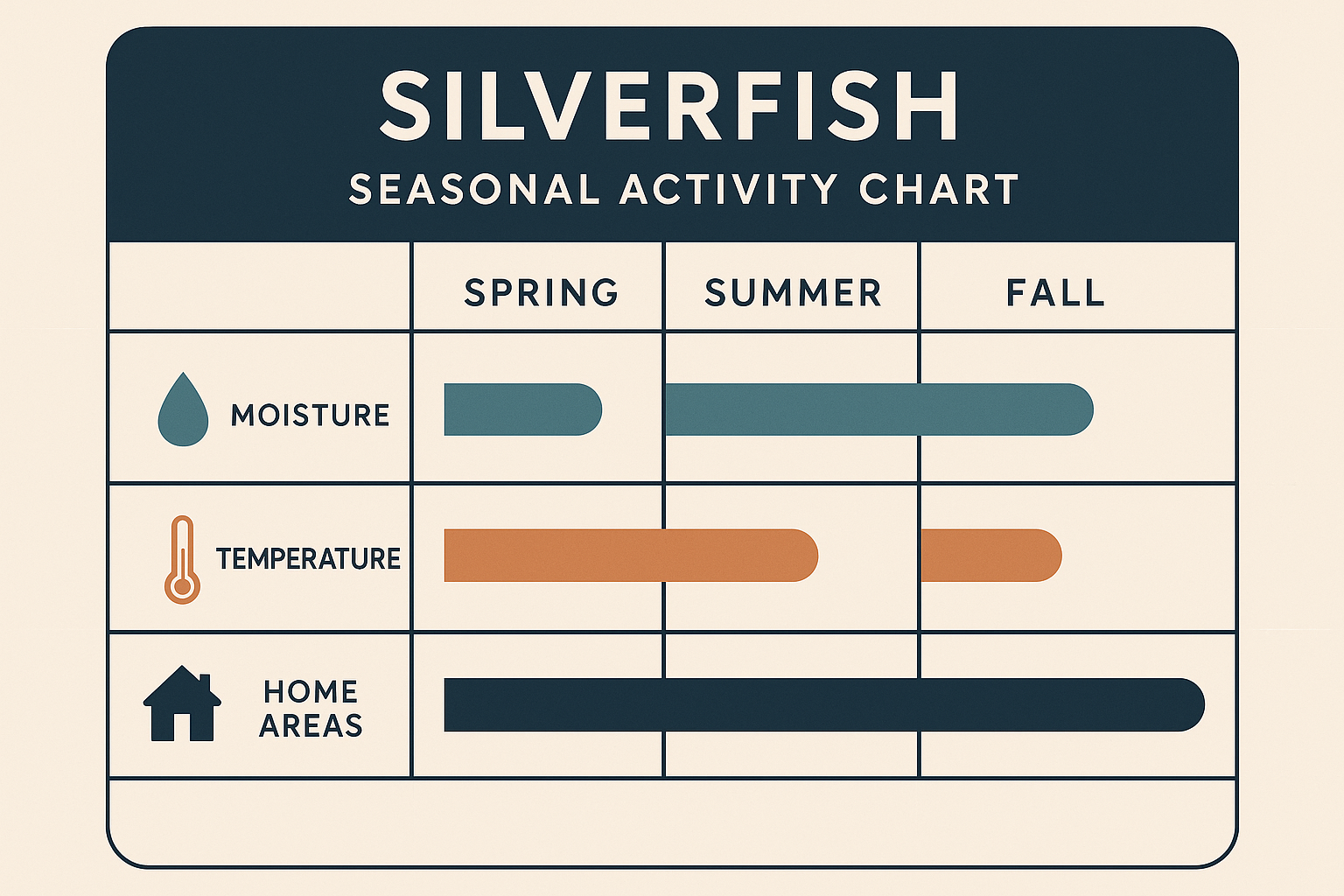
| Season | Typical Activity Level | Recommended Action |
|---|---|---|
| Spring | Increasing as humidity rises | Inspect bathrooms/kitchens; fix leaks; apply early‑season treatment |
| Summer | Peak activity | Enhance ventilation; use dehumidifiers; schedule residual spray |
| Fall | Migration to dry indoor areas | Declutter storage; treat closets/attics; use baits/dusts |
| Winter | Reduced but hidden populations persist | Pre‑winter residual treatment; seal entry points; monitor humidity |
Treatment Options and What to Expect
DIY Methods: What You Can Do Yourself
Many homeowners start with over‑the‑counter solutions because they’re inexpensive and easy to apply. Boric acid works by disrupting the silverfish’s digestive system when they walk across treated surfaces. Sprinkle a thin layer under appliances, along baseboards, and in closets, then vacuum the excess after a week.
Diatomaceous earth (DE) is another popular powder. Its microscopic shards cut the insect’s exoskeleton, causing dehydration. For best results, apply DE in dry areas where silverfish hide—behind bookshelves, under sinks, and in crawl spaces.
Sticky traps (often sold as “silverfish glue boards”) can help you confirm an infestation and monitor activity. Place them near known entry points and check them weekly.
While DIY tools can reduce numbers, they have clear limitations. They rarely reach the deep cracks, wall voids, and attic spaces where silverfish thrive. Moreover, powders lose effectiveness in humid environments, and traps only capture a fraction of the population. If the infestation is moderate to severe, a professional approach usually delivers faster, more comprehensive results.
Professional Treatments: Why Experts Are Often the Better Choice
Licensed technicians bring a toolbox of targeted insecticide sprays, dusts, and structural treatments that penetrate hidden galleries. Residual sprays create a long‑lasting barrier on baseboards, behind cabinets, and in floor joints, killing silverfish on contact and preventing re‑infestation for weeks.
For hard‑to‑reach voids, insecticide dusts (often silica‑based) are applied with a hand‑duster. The fine particles cling to surfaces and remain active even after cleaning, offering continuous protection.
Many companies, including Anthem Pest Control, employ an Integrated Pest Management (IPM) strategy. IPM blends chemical treatments with non‑chemical tactics—such as sealing cracks, removing food sources, and adjusting indoor humidity—to create a hostile environment for silverfish while minimizing pesticide use.
Moisture Management: The Hidden Ally in Silverfish Control
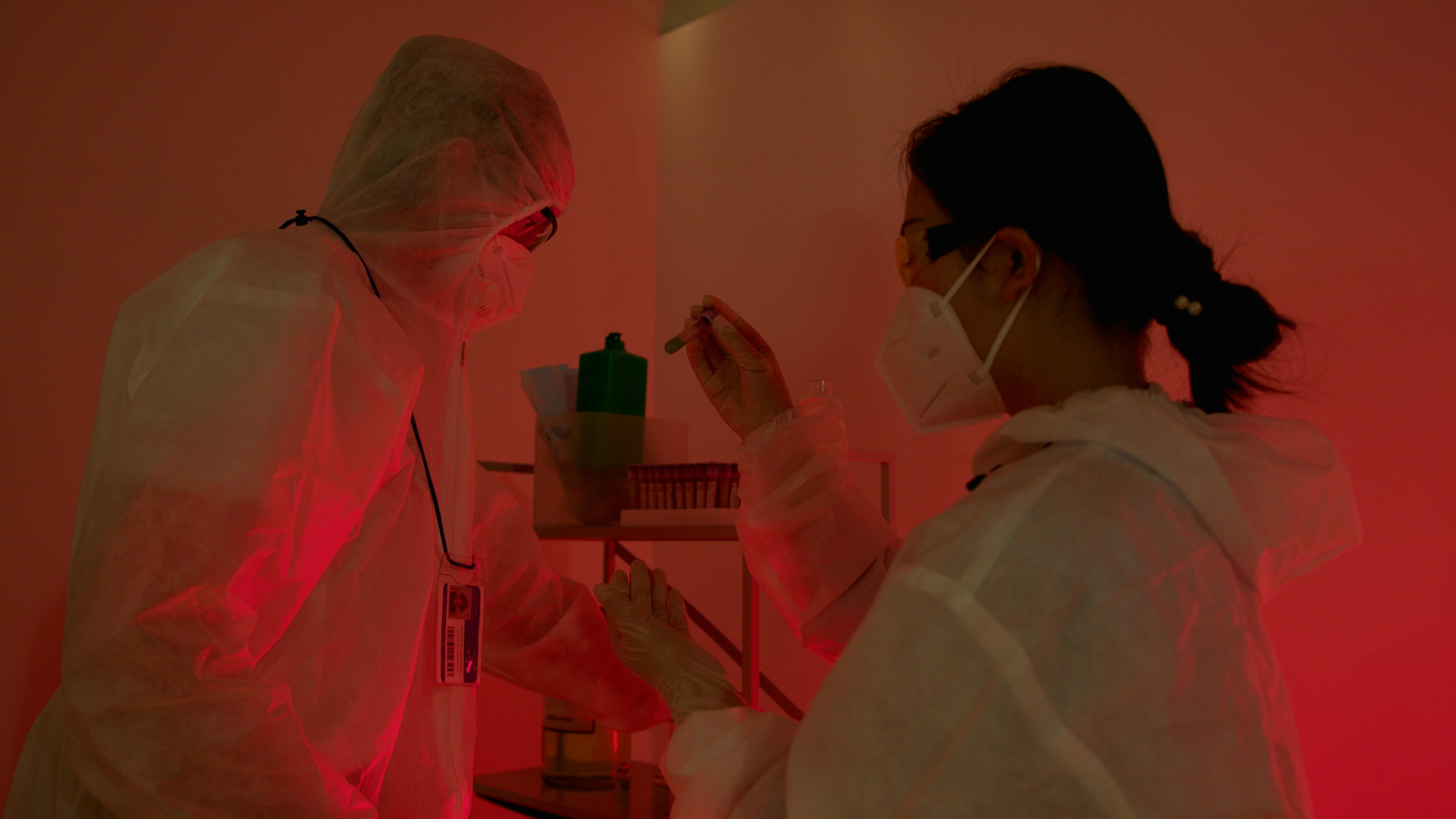
Silverfish thrive in damp, humid conditions. Addressing moisture is as critical as any pesticide. Fix leaky pipes, roof drips, and bathroom seals promptly. In basements or laundry rooms, run a dehumidifier to keep relative humidity below 50 %.
Even the most potent chemicals lose potency when constantly washed away by excess moisture. By reducing dampness, you not only starve silverfish of their preferred habitat but also boost the longevity of professional treatments.
Typical Treatment Timeline
- Inspection: A certified technician conducts a thorough walk‑through, identifying entry points, breeding sites, and moisture sources.
- Initial Application: Targeted sprays and dusts are applied to all identified hotspots. The technician also advises on immediate moisture‑control actions.
- Follow‑up Visits: One to two weeks later, a second visit ensures residual chemicals have settled and addresses any surviving insects. A final check, usually 30‑45 days after the first visit, confirms the infestation is eliminated.
Safety First: Protecting Your Family and Pets
Professional products are regulated for indoor use, but precautions are still essential. Technicians wear protective gloves, goggles, and respirators to avoid skin contact and inhalation. Homeowners should keep children and pets out of treatment zones for at least 2‑4 hours, depending on the product’s label instructions.
If you opt for DIY methods, wear a dust mask when handling boric acid or DE, and store all chemicals out of reach of curious hands or paws. Ventilate the area well after applying sprays, and avoid using multiple pesticide types simultaneously to prevent unwanted chemical reactions.
Pricing Breakdown: One‑Time vs. Quarterly Service
When it comes to silverfish control, the price tag can feel just as mysterious as the pests themselves. Homeowners in Suwanee often wonder whether a single, intensive treatment is enough or if a recurring plan offers better value over time. Understanding the cost structure helps you weigh immediate expenses against long‑term peace of mind, and it lets you choose the option that fits both your budget and your home’s unique needs.
Average One‑Time Treatment Cost in Suwanee, GA
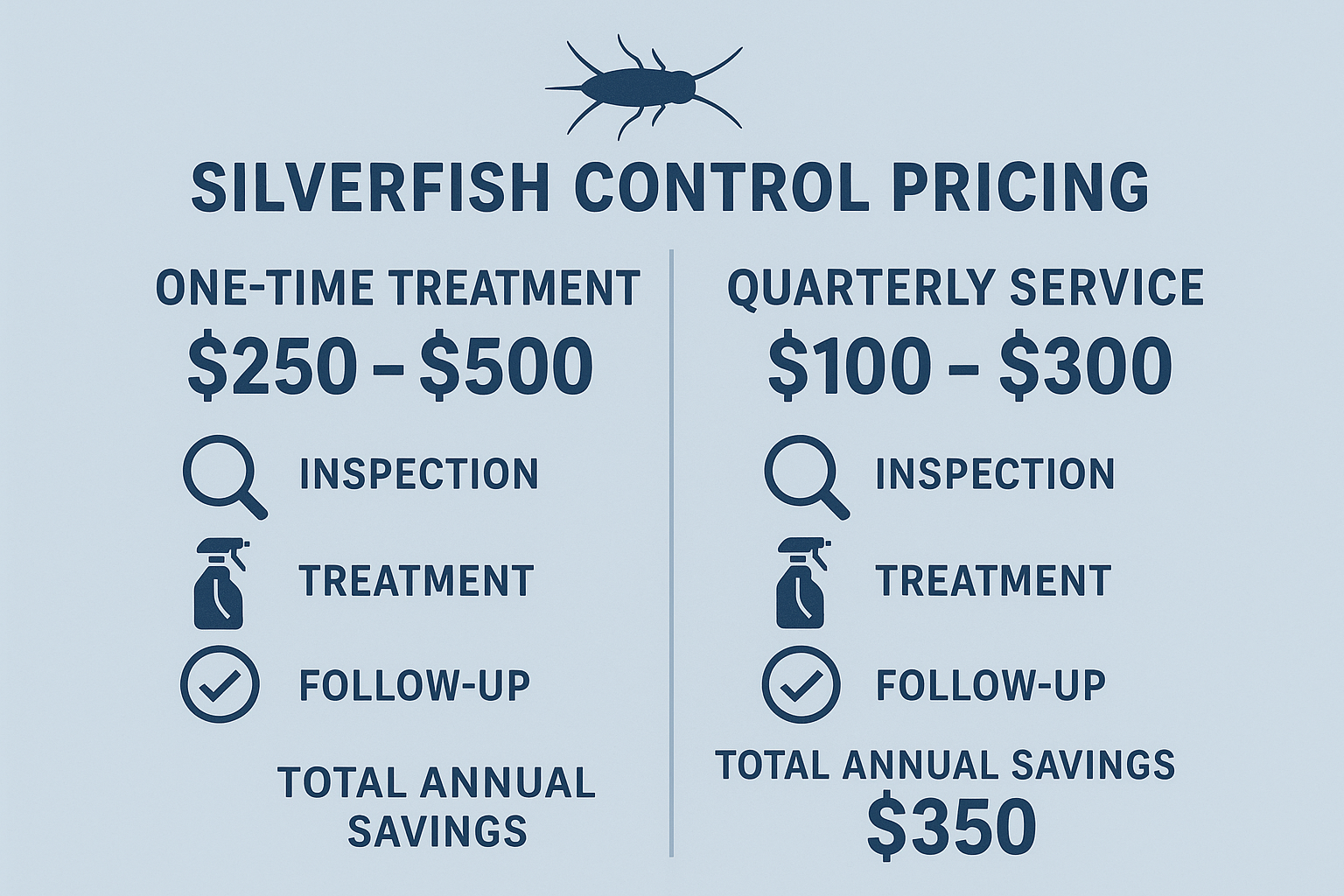
Based on the latest regional data from Anthem Pest, a one‑time silverfish extermination in Suwanee typically falls between $180 and $250. This range reflects variations in property size, the severity of the infestation, and any additional moisture‑control steps the technician may need to take. The quoted price usually includes a thorough inspection, targeted application of low‑toxicity insecticide, and a post‑treatment follow‑up call to ensure the problem is resolved.
Quarterly Service Package Details
Our quarterly service plan is designed for homeowners who prefer a proactive, hands‑off approach. The package includes four scheduled visits per year, each covering:
- Comprehensive inspection of interior and exterior entry points.
- Application of a residual, low‑odor treatment that remains effective between visits.
- Moisture assessment and basic remediation recommendations to deter future silverfish activity.
- Digital monitoring reports that track treatment efficacy and any emerging hotspots.
By spreading the work across the year, the quarterly plan not only keeps silverfish at bay but also reduces the need for costly emergency visits during peak seasons.
Cost Comparison
The table below breaks down the per‑visit price, total annual cost, and projected savings when you choose a quarterly plan over a series of one‑time treatments.
| Service Type | Per‑Visit Price | Total Annual Cost | Projected Savings vs. One‑Time (4×) |
|---|---|---|---|
| One‑Time Treatment (single visit) | $180 – $250 | $180 – $250 | – |
| Quarterly Service (4 visits) | $130 – $150 | $520 – $600 | $200 – $350* |
*Savings assume that a homeowner would otherwise need four separate one‑time treatments to maintain the same level of protection throughout the year.
Infographic Snapshot
Our upcoming infographic visualizes the key takeaways: the one‑time cost range, the four‑visit structure of the quarterly plan, and the average annual savings you can expect. It highlights that while the quarterly package carries a higher upfront total, the per‑visit cost drops by roughly 20 % and the consistent monitoring dramatically lowers the risk of re‑infestation, which can add hidden expenses.
Factors Influencing Your Price
Even within the same service tier, a few variables can shift the final number. Keep these in mind when you request a quote:
- Home size: Larger square footage requires more product and longer labor time.
- Infestation severity: Heavy populations may need additional treatment cycles.
- Moisture remediation: Properties with chronic dampness often need extra drying solutions.
- Access complexity: Difficult-to-reach areas (attics, crawl spaces) can increase labor costs.
For a detailed breakdown of the pricing data used in this section, please refer to the Anthem Pest silverfish control cost guide. If you’re ready to protect your home with a plan that matches your budget, give us a call at 877‑371‑8196 or visit our website for a personalized quote.
Protect Your Home with Anthem Pest Control
Silverfish may seem harmless, but their tiny, fish‑like bodies hide a costly problem. They gnaw on paper, fabrics, wallpaper, and even insulation, leaving behind unsightly damage that can quickly turn into expensive repairs. Because they thrive in dark, damp corners, most homeowners never notice them until the damage is already done.
Choosing Anthem Pest Control means you’re working with licensed technicians who follow an Integrated Pest Management (IPM) approach—targeted, safe, and environmentally responsible. Our transparent pricing eliminates surprise fees, and our local Suwanee, GA team understands the area’s unique moisture patterns and construction styles, ensuring a solution that fits your home.
Our Suwanee technicians are trained to recognize the subtle signs of silverfish activity—tiny shed skins, fine webbing, and small holes in stored goods. By addressing the problem early, we prevent the insects from establishing large colonies that could compromise books, clothing, and even structural components.
- Comprehensive inspection: We locate active infestations and identify conditions that attract silverfish.
- Effective treatment: Tailored applications that eradicate existing pests and prevent future colonies.
- Moisture management advice: Practical steps to reduce humidity, the primary driver of silverfish activity.
- Warranty protection: Ongoing monitoring and follow‑up visits for peace of mind.
With our warranty, you receive annual re‑inspections and a guarantee that any resurgence will be handled at no extra cost, giving you confidence that your home stays silverfish‑free year after year.
We invite you to schedule a free, no‑obligation quote so you can see exactly what’s needed to safeguard your home. Call us today at 877‑371‑8196 and let our Suwanee experts design a plan that fits your budget and timeline.
Don’t let silverfish silently damage your space—protect your home now.
Visit Anthem Pest Control for more information.