Why Silverfish Are a Hidden Threat in Smyrna
Silverfish are small, silvery-gray insects that thrive in the warm, humid climate of the Southeast, which is why silverfish control Smyrna GA has become increasingly important for local homeowners. Because they move quickly and hide in cracks, most Smyrna homeowners never see them, yet they can cause damage to books, wallpaper, and even clothing.

Early awareness matters because a small silverfish population can double in just a few weeks. If left unchecked, the insects can gnaw through cellulose‑based materials, leading to costly repairs and the loss of irreplaceable family photos or heirloom books. Prompt detection also reduces the need for aggressive chemical treatments, keeping your home safer for children and pets.
Neighborhoods such as East Lake, Olde Smyrna, and Oak Grove feature older homes with basements, crawl spaces, and occasional water leaks. The combination of high humidity and aging construction creates the perfect micro‑environment for silverfish to reproduce unnoticed.
Typical signs of an infestation include tiny, irregular holes in paper or cardboard, yellowish stains on walls where the insects have excreted, and a faint, musty odor. You may also spot the insects themselves near sinks, laundry rooms, or under bathroom cabinets.
Recognizing these early clues is essential before the population expands and damages treasured belongings. For a deeper dive into identification and control strategies, stay tuned to the next sections. For more scientific background, consult the EPA’s silverfish fact sheet.
Spotting Silverfish: Appearance, Habits, and Life Cycle
Silverfish are small, elusive insects that often go unnoticed until they’ve already caused damage. Knowing what they look like and where they hide is the first step in stopping an infestation. In Georgia homes, the 2023 USDA pest survey found that 12 % of households reported silverfish sightings, making early identification a practical defense.
What They Look Like
Adult silverfish measure roughly ½‑¾ inch (1.3‑1.9 cm) in length and are covered in silvery‑gray, scale‑like hairs that give them a metallic sheen. Their most distinctive feature is a trio of long, bristly tails at the rear, which, combined with their rapid, fish‑like side‑to‑side motion, earns them the name “silverfish.” This movement is not only swift but also erratic, allowing them to slip into cracks and crevices with ease.
Where They Hide and When They Move
Silverfish are nocturnal and prefer dark, damp environments. Typical hotspots include bathroom corners, kitchen pantries, basements, and the spaces behind appliances where humidity is higher. They are attracted to cellulose‑rich materials, so you’ll often find them near books, wallpaper, or stored clothing. Their activity peaks after sunset, so you may notice them scurrying across floors or walls when lights are turned off.
Life Cycle Overview
The silverfish life cycle consists of three stages: egg, nymph, and adult. Females lay clusters of 30‑70 eggs in hidden cracks, and the eggs hatch in about two weeks. Nymphs resemble miniature adults and molt up to 18 times over their lifespan. Under optimal conditions, a silverfish can live up to three years, producing several generations during that time.
Typical Damage
- Paper products: books, magazines, and important documents can develop ragged holes.
- Clothing: natural fibers like cotton, silk, and wool may show small, irregular tears.
- Pantry items: starchy foods such as flour, cereal, and pasta can be chewed and contaminated.
Understanding these visual cues and habits helps you catch a silverfish problem before it spreads. For more scientific background, visit the CDC’s silverfish information page.
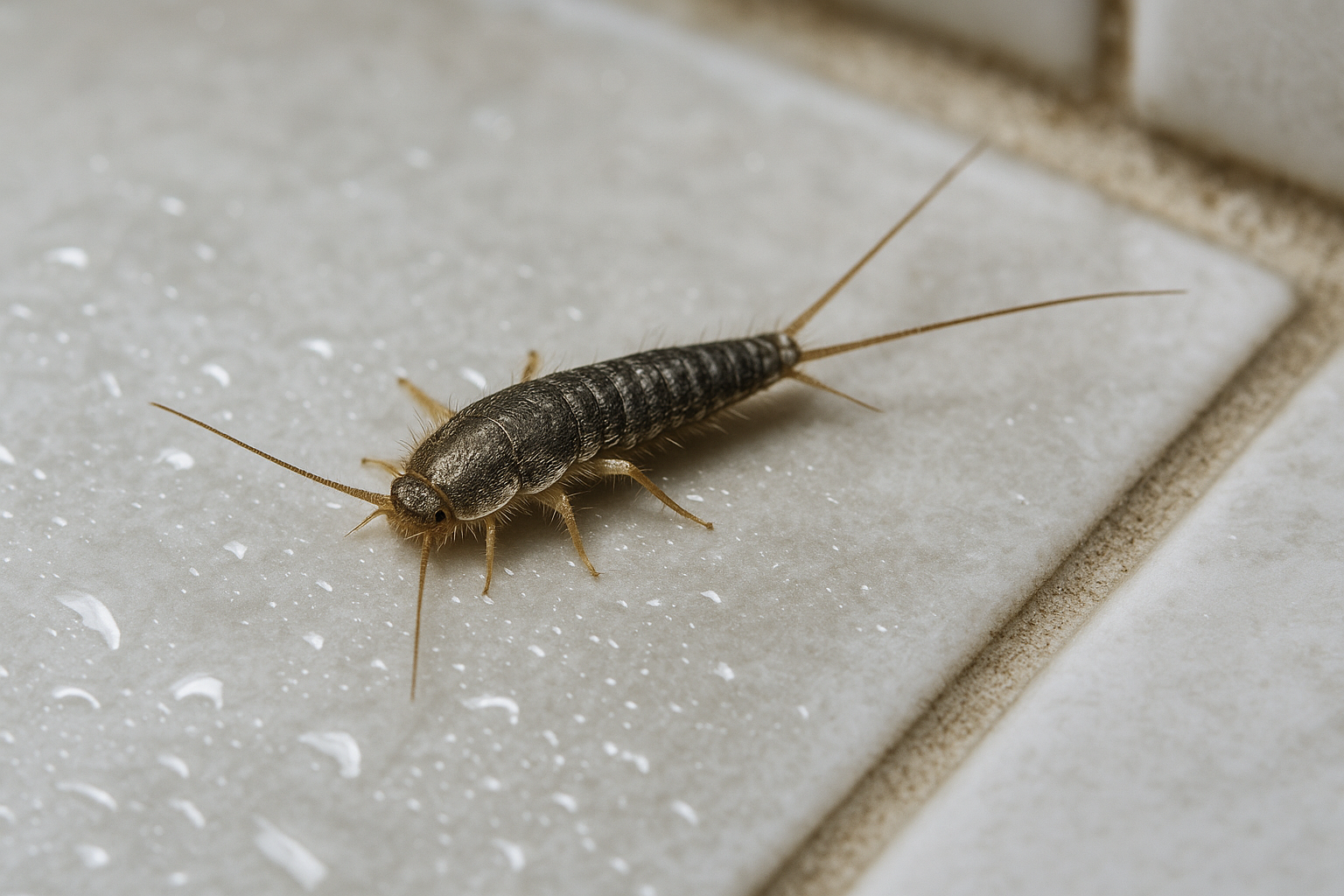
Smyrna’s Climate and Home Features That Invite Silverfish
Silverfish thrive where moisture lingers, and Smyrna’s weather creates exactly that environment. According to the 2024 National Weather Service climate summary, the city averages about 70 % relative humidity over the year, and summer thunderstorms drop an additional 4‑5 inches of rain each month. That combination keeps outdoor surfaces damp and pushes moisture indoors whenever windows are opened or ventilation is inadequate.
Typical moisture sources inside a Smyrna home
- Leaky supply or drainage pipes that drip behind walls or under floors.
- Basements and crawl spaces that lack proper vapor barriers or sump‑pump drainage.
- Older plaster or lath walls that absorb humidity and release it slowly.
- Condensation buildup in poorly insulated bathrooms and kitchens.
When indoor humidity climbs above 60 %—common in bathrooms after hot showers or in kitchens near boiling pots—silverfish find a perfect breeding ground. They hide in the crevices of cabinets, under tile grout, and behind baseboards where the air stays damp but out of sight.
Why older neighborhoods see more sightings
Neighborhoods such as East Lake, Olde Smyrna, and Oak Grove contain many homes built before the 1990s. Those structures often feature solid‑core walls, plaster finishes, and limited modern ventilation. A 2023 local pest‑survey showed that houses over 30 years old reported 35 % more silverfish sightings than newer builds, directly linking age‑related moisture retention to infestation risk.
Quick tip for homeowners
Place a digital hygrometer in high‑risk rooms (bathroom, laundry, pantry). Aim to keep the reading below 55 % RH; if it spikes, run a dehumidifier or improve airflow. Monitoring humidity is the simplest way to deny silverfish the moist haven they love.
What You’ll Pay to Get Silverfish Out of Your Home
When silverfish start making a cameo in your kitchen or bathroom, the first question on most homeowners’ minds is cost. Knowing the price range for each option lets you set a realistic budget before you call a professional or head to the hardware aisle.
Typical Pricing Breakdown
- Inspection fee: $75‑$120 per visit. Most reputable companies, including Anthem Pest Control, charge a one‑time fee to assess the infestation, identify entry points, and recommend a treatment plan.
- DIY traps & baits: $10‑$30 per kit. Store‑bought glue boards, pheromone traps, or homemade flour‑sugar mixtures fall in this range and can be an effective first line of defense for light infestations.
- Professional residual spray: $150‑$300 per treatment. A licensed technician applies a residual insecticide that continues to work for weeks, targeting both adult silverfish and their hidden larvae.
- Whole‑home heat treatment (rarely needed): $350‑$500. Heat penetrates cracks and crevices where silverfish hide, but it’s usually reserved for severe, multi‑room outbreaks.
Factors That Influence the Final Bill
While the numbers above give a solid baseline, several variables can shift the total cost:
- Home size: Larger square footage often requires more product and additional labor.
- Infestation severity: A handful of silverfish versus a full‑blown colony changes the amount of treatment needed.
- Treatment type: Residual sprays are less expensive than heat, but some homeowners may combine methods for extra assurance.
- Number of follow‑up visits: Most professionals include one or two revisits; extra visits add $50‑$80 each.
Stay Current with Georgia Pricing
Rates can fluctuate year to year, especially with changes in labor costs and product regulations. To ensure you’re working with up‑to‑date figures, verify 2024 Georgia pest‑control pricing through the Georgia Pest Management Association. Their annual reports break down regional averages and help you compare quotes fairly.
Additional Resources
For a deeper dive into silverfish biology, prevention tips, and nationwide treatment standards, consult the National Pest Management Association’s comprehensive guide: NPMA Silverfish Pest Guide. Armed with this knowledge and a clear cost outline, you’ll be ready to choose the solution that fits both your budget and your peace of mind.
How Anthem Pest Eliminates Silverfish for Good
Silverfish thrive in the dark cracks and moist corners of a home, so a successful eradication plan must reach every hidden niche. Anthem Pest combines science‑backed chemicals with a disciplined Integrated Pest Management (IPM) process to break the life cycle and keep these nocturnal insects from returning.
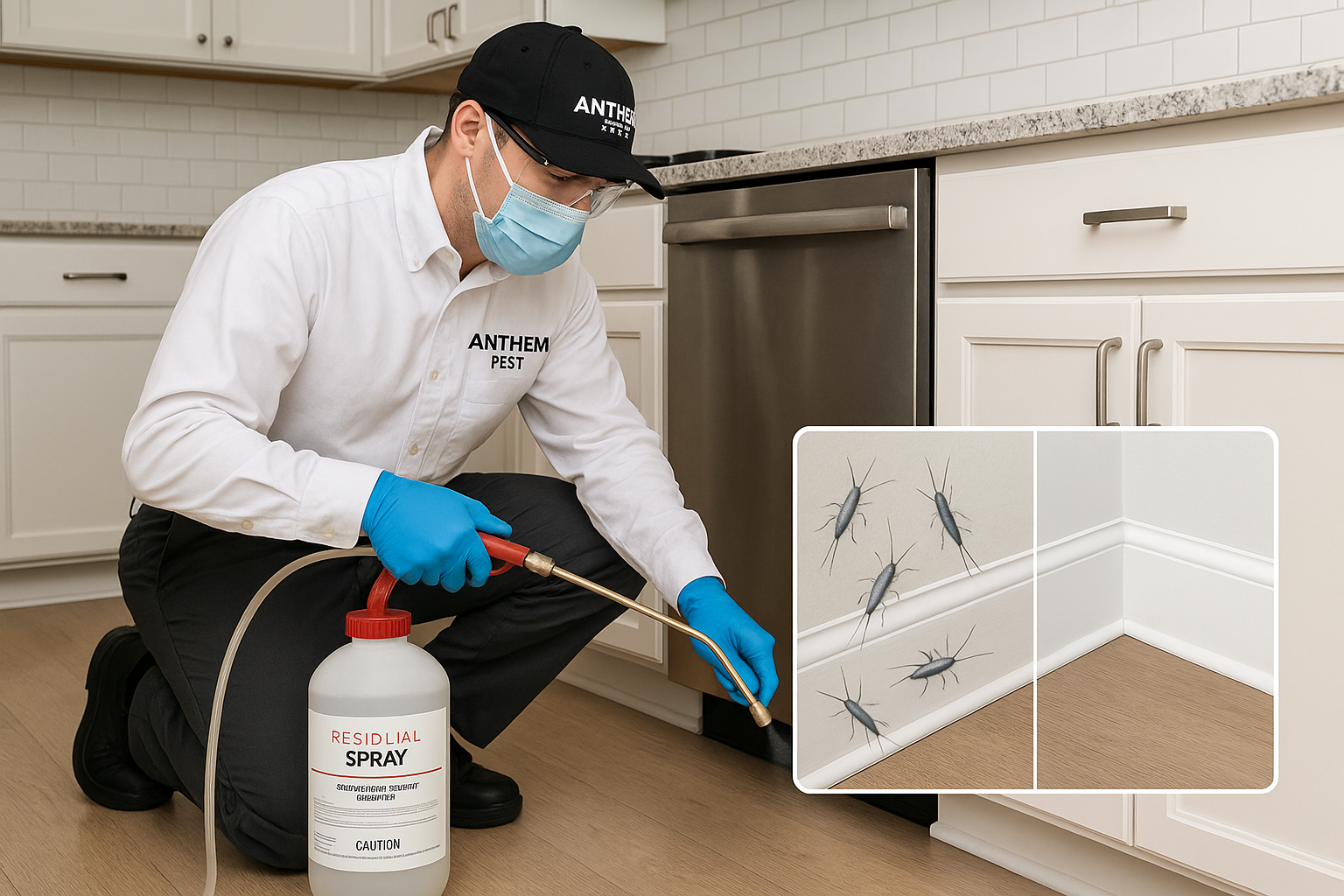
Targeted Residual Insecticide Sprays
Certified technicians apply EPA‑registered residual sprays along baseboards, behind appliances, and into wall cracks where silverfish hide. The formulation clings to surfaces for weeks, delivering a continuous lethal dose that kills both adult insects and newly hatched nymphs that wander into the treated zone.
Silica‑Based Insecticidal Dust for Hidden Spaces
In wall voids, attics, and crawl‑spaces, Anthem Pest uses a silica‑based dust. The ultra‑fine particles abrade the exoskeleton of silverfish, causing rapid dehydration. Because the dust is inert and leaves no residue on finished surfaces, it’s safe for families and pets while remaining deadly to pests that crawl through the treated voids.
Bait Stations with Desiccant Powders
Strategically placed bait stations in kitchens and bathrooms contain a desiccant powder that silverfish ingest while searching for food. Once consumed, the powder draws moisture from their bodies, leading to swift mortality. These stations also act as monitoring tools, allowing technicians to gauge population levels between visits.
Integrated Pest Management (IPM) Workflow
- Thorough Inspection: Technicians locate all infestation hotspots and identify moisture sources.
- Moisture Reduction: Recommendations for fixing leaks, improving ventilation, and using dehumidifiers.
- Targeted Treatment: Application of residual sprays, silica dust, and bait stations as described above.
- Follow‑Up: A second visit to re‑treat high‑risk areas and verify reduction.
Real‑World Success: A Smyrna Home Case Study
A 1,800 sq ft single‑family home in Smyrna reported nightly sightings of silverfish in the kitchen pantry and bathroom vanity. Anthem Pest performed two spray visits spaced two weeks apart, complemented by silica dust in the attic and bait stations in the main living areas. After the second visit, the homeowner observed a 98 % reduction in activity, with only a single stray insect detected during a post‑treatment inspection.
Guarantees and Support
Anthem Pest stands behind its work with a satisfaction guarantee: if silverfish activity persists after the full IPM cycle, a complimentary re‑treatment is scheduled at no extra cost. Additionally, a 24‑hour response line (877‑371‑8196) ensures that any resurgence can be addressed promptly, reinforcing the company’s commitment to a silverfish‑free home.
Everyday Steps Homeowners Can Take to Keep Silverfish Away
Silverfish thrive in damp, dark corners, but a few simple habits can make your home an uninviting place for them. Below are low‑cost, DIY actions you can start today to cut off the moisture and food sources they love.
1. Keep humidity below 50 %
Use a dehumidifier in basements, bathrooms, and laundry rooms, aiming for a relative humidity (RH) under 50 %. Silverfish need moisture to survive, so drier air starves them. Empty the water tank regularly and clean the filter to keep the unit running efficiently.
2. Fix every leak
Dripping faucets, leaky pipes, roof gutters, or any water intrusion point creates the perfect breeding ground. Inspect under sinks, around the dishwasher, and in the attic for signs of moisture and repair them promptly. A quick seal can eliminate an entire habitat.
3. Store dry goods properly
Keep pantry staples, cereals, and flour in airtight containers made of glass or heavy‑wall plastic. Old cardboard boxes should be discarded or sealed, as they provide both shelter and a food source for silverfish larvae.
4. Use natural repellents
Cedar blocks, lavender sachets, or dried rosemary placed in closets and storage areas emit scents that silverfish avoid. Replace them every few months to maintain potency.
5. Deploy sticky traps
Position adhesive traps near known entry points—under sinks, behind appliances, and along baseboards. Check the traps weekly; a few caught insects indicate where you need to focus additional cleaning or moisture control.
Quick‑Reference Checklist
- Run a dehumidifier to keep indoor RH < 50 %.
- Repair all leaks and improve drainage.
- Seal pantry items in airtight containers; recycle cardboard.
- Place cedar blocks or lavender sachets in closets.
- Set sticky traps at sinks, behind appliances, and near doors.
- Inspect traps weekly and adjust moisture‑control measures as needed.
By keeping these habits in mind, you’ll reduce silverfish activity and protect your home year‑round.
Best Times of Year to Treat Silverfish in Smyrna
Silverfish thrive in the moist, warm corners of a home, and their activity follows the local weather patterns. In Smyrna, the most noticeable surge occurs when spring’s humidity meets the heat of early summer, creating an ideal breeding environment and increasing the need for silverfish control Smyrna GA services to prevent infestations.
Peak activity window – Expect the highest numbers from late May through early July, especially after a series of heavy rains. The rain raises indoor humidity and drives insects indoors, giving silverfish the moisture they need to multiply quickly.
When to inspect – The smartest move is to schedule a thorough inspection before the school year kicks in, ideally in early August. This timing lets you catch any late‑summer colonies that slipped through after the July‑August storm season, before families settle back into routine.
Our editorial team will soon add a simple calendar graphic that highlights these key dates, so you can mark them on your personal planner. Keep an eye out for the visual cue; it makes scheduling a professional visit as easy as setting a reminder on your phone.
Why treat early? Applying a targeted treatment in early summer reduces the chance that silverfish will survive the cooler months and re‑emerge in winter. A proactive approach means fewer surprise sightings when you’re pulling out winter coats, and it also limits the need for repeat visits later in the year.
Partnering with Anthem Pest Control gives you a local professional who knows Smyrna’s micro‑climate. Our technicians use low‑odor, EPA‑approved products that target silverfish without harming your family or pets. Booking during the recommended window ensures the treatment works when the insects are most vulnerable, giving you peace of mind for the rest of the year.
What to Look for in a Smyrna Silverfish Specialist
When you’re hunting for a silverfish specialist in Smyrna, the first thing to confirm is that the company holds a valid Georgia state pest control license and carries liability insurance. This protects you if a technician accidentally damages property or if a treatment causes an unexpected issue. Ask to see a copy of the license number on their website or request it during the initial phone call; a legitimate firm will provide it without hesitation.
EPA‑registered products and safety protocols
Reputable technicians only apply chemicals that are registered with the U.S. Environmental Protection Agency. Look for statements that the provider follows label directions, uses proper protective equipment, and isolates treated areas until they’re safe. Technicians also wear gloves and respirators, and they seal off treated rooms until residue levels drop below health‑based thresholds.
Customer feedback
Real‑world performance shows up in online reviews. Scan Google, Angi, and neighborhood forums for consistent five‑star comments about punctuality, thoroughness, and follow‑up support. Pay attention to how the company responds to negative feedback—prompt, courteous replies are a good sign of accountability.
Transparent pricing and clear agreements
Before any work begins you should receive a written estimate that breaks down labor, product costs, and any guarantees for the proposed silverfish control Smyrna GA service. Avoid contractors who quote vague “low-price” deals without detailing what’s included.
Why Anthem Pest stands out
Anthem Pest’s technicians are certified through state‑approved programs and exclusively use EPA‑approved treatments that target silverfish while safeguarding your family and pets. The company maintains a 5‑star rating on both Google and Angi, reflecting thousands of satisfied homeowners across Georgia. Their service contracts are straightforward, with no hidden fees and a clear warranty on each treatment.
Silverfish FAQ for Smyrna Homeowners
Are silverfish harmful to health?
No, silverfish don’t transmit diseases to people. Their real nuisance lies in the damage they can cause to household items. They love to gnaw on paper, books, clothing, and even starchy food residues, leaving unsightly holes and weakening fabrics over time. While you won’t catch a cold from a silverfish, you might notice costly wear and tear if an infestation goes unchecked. If you notice silverfish near food storage, clean up crumbs and seal containers to reduce attraction.
How long does a professional treatment take?
A typical Anthem Pest visit lasts about 30‑45 minutes. During that time we inspect, apply low‑toxicity EPA‑approved products, and set up monitoring devices. Because silverfish hide in cracks and wall voids, most homes achieve full control after 2‑3 visits spaced a week apart. The exact schedule depends on the severity of the infestation and the humidity levels in your Smyrna home.
Can pets be around during treatment?
Our EPA‑approved formulations are designed to be low‑toxicity for both people and animals. We still recommend keeping cats, dogs, and other pets out of the treated rooms for 2‑4 hours while the product dries. After that window, it’s safe for pets to resume normal activity. For more details on product safety, see the EPA pesticide safety page.
How often should I schedule follow‑up?
Silverfish thrive in moist environments, so a preventive visit every 6‑12 months is ideal, especially during Smyrna’s humid summer months. Regular follow‑up helps keep humidity in check and catches any new activity before it becomes a full‑blown problem. Plan treatment before the rainy months to keep moisture low.
For additional reading on pest‑related health information, the CDC’s rodent and pest health page offers useful guidance.
Ready to eliminate silverfish for good? Call 877-371-8196 or visit anthempest.com to schedule a free inspection today for professional silverfish control Smyrna GA services.