Tick Threat Overview in Druid Hills, GA
Tick Control Druid Hills GA is essential for homeowners who want to protect their families and pets from year-round tick activity. Druid Hills sits just north of Atlanta, blending leafy streets, historic homes, and pockets of mature forest. The neighborhood’s rolling hills, oak-lined sidewalks, and nearby parks create an inviting backdrop for outdoor recreation—but they also provide the perfect environment for ticks to flourish. Moist leaf litter, shaded understories, and abundant wildlife such as deer and squirrels form a continuous life cycle that keeps tick populations thriving throughout the seasons.
According to recent EPA surveillance data, Druid Hills reports an average of 18 tick encounters per 1,000 residents each summer, with a documented 27% increase in reported bites over the past three years. These numbers reflect not only the high tick density but also the growing awareness among homeowners who are learning to recognize the bite symptoms and seek medical advice promptly.
Tick bites are more than a nuisance; they are a gateway to serious illnesses. The most common threat in Georgia is Lyme disease, transmitted by the black‑legged deer tick (*Ixodes scapularis*). In addition, residents must watch for Rocky Mountain spotted fever, which, although rarer, can be life‑threatening if untreated. Other emerging concerns include ehrlichiosis and babesiosis, both of which can cause flu‑like symptoms and, in severe cases, organ damage. Early detection is critical, yet many infections go unnoticed because the initial rash or fever can be mistaken for a simple skin irritation.
Because these diseases do not adhere to a seasonal calendar, tick prevention must be a year‑round priority. Families with children, outdoor enthusiasts, and pet owners are especially vulnerable. A single bite can sideline a weekend hike, force a pet to miss veterinary appointments, or, worse, result in costly medical treatment. Consistent yard maintenance, regular pet checks, and professional tick control services create a layered defense that protects both health and peace of mind.
Understanding the scale of the tick problem sets the foundation for effective action. In the next section, we’ll walk you through how to spot ticks on yourself, your loved ones, and your pets, and what early warning signs should trigger immediate attention.
Tick Identification and Early Warning Signs
Common Georgia Tick Species
Homeowners in Druid Hills most frequently encounter three culprits:
- American dog tick (Dermacentor variabilis) – About ¼‑½ inch long when unfed, reddish‑brown with a white‑gray shield‑shaped scutum. After feeding, the body swells and the color darkens.
- Lone‑star tick (Amblyomma americanum) – Slightly larger, ⅓‑⅝ inch, with a distinctive white spot on the back of adult females (the “lone star”). Its body is tan to reddish‑brown and the legs are banded.
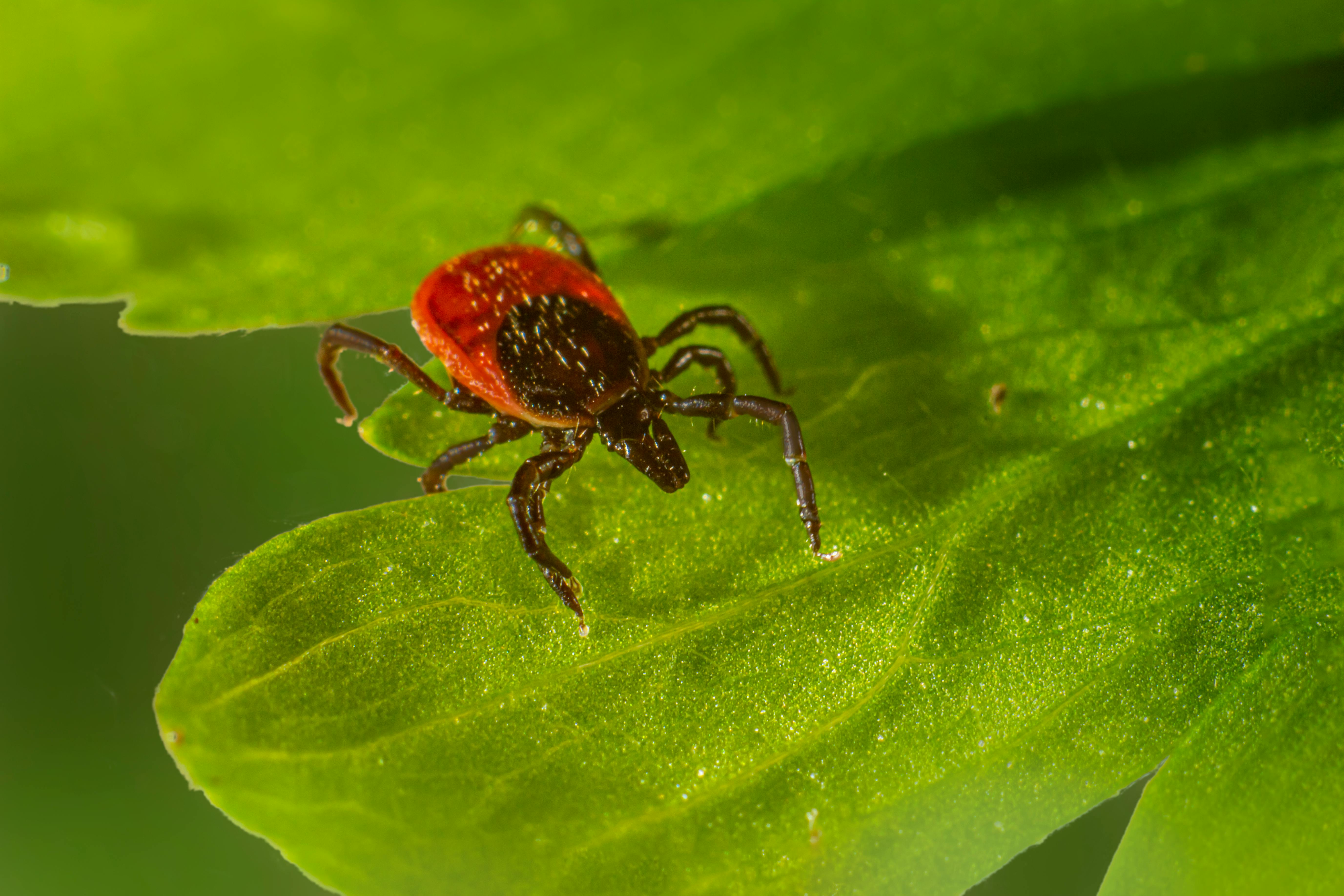
- Black‑legged tick (Ixodes scapularis), also called deer tick – The smallest, often under ⅓ inch, dark brown to black when unfed. The scutum is a solid, dark shield; females become noticeably engorged after a blood meal.
Collecting and Examining a Tick Safely
When dealing with Tick Control Druid Hills GA, proper tick removal is the first critical step in preventing disease transmission. If you spot a tick, use fine-pointed tweezers to grasp it as close to the skin as possible. Pull upward with steady pressure—avoid twisting, which can leave mouthparts embedded in the skin. Once removed, place the specimen in a sealed container or secure it in clear tape for later inspection. Using a handheld magnifier or smartphone macro lens can help you identify the scutum pattern, leg banding, and overall size, making it easier to match the tick to common Georgia species.
Where Ticks Hide Around Your Home
- Leaf litter and decomposing organic matter
- Tall, unmowed grass and garden borders
- Pet bedding, especially where dogs or cats rest outdoors
- Deck railings, fence posts, and the undersides of patio furniture
- Woodpiles and compost bins that retain moisture
Early Warning Signs of an Infestation
- Frequent, unexplained bites on family members after yard work or play
- Regular tick sightings on pets, especially after walks in nearby woods
- “Tick clusters” – groups of several ticks found together in a corner of the yard or near a pet’s favorite spot
- Visible tick drop‑offs on clothing or shoes after outdoor activities
Quick Self‑Check Checklist
- After any outdoor activity, scan the entire body—especially scalp, behind ears, underarms, and groin.
- Use a mirror or enlist a family member to inspect hard‑to‑see areas.
- Check pets’ fur, paying close attention to ears, neck, and between toes.
- If you find a tick, remove it promptly and record the date, location, and species (if identifiable).
- Monitor the bite site for redness or a rash over the next 48 hours.
For a deeper dive into tick biology, life cycles, and disease risks, visit the EPA – Ticks resource.
Seasonal Tick Activity Patterns in Druid Hills
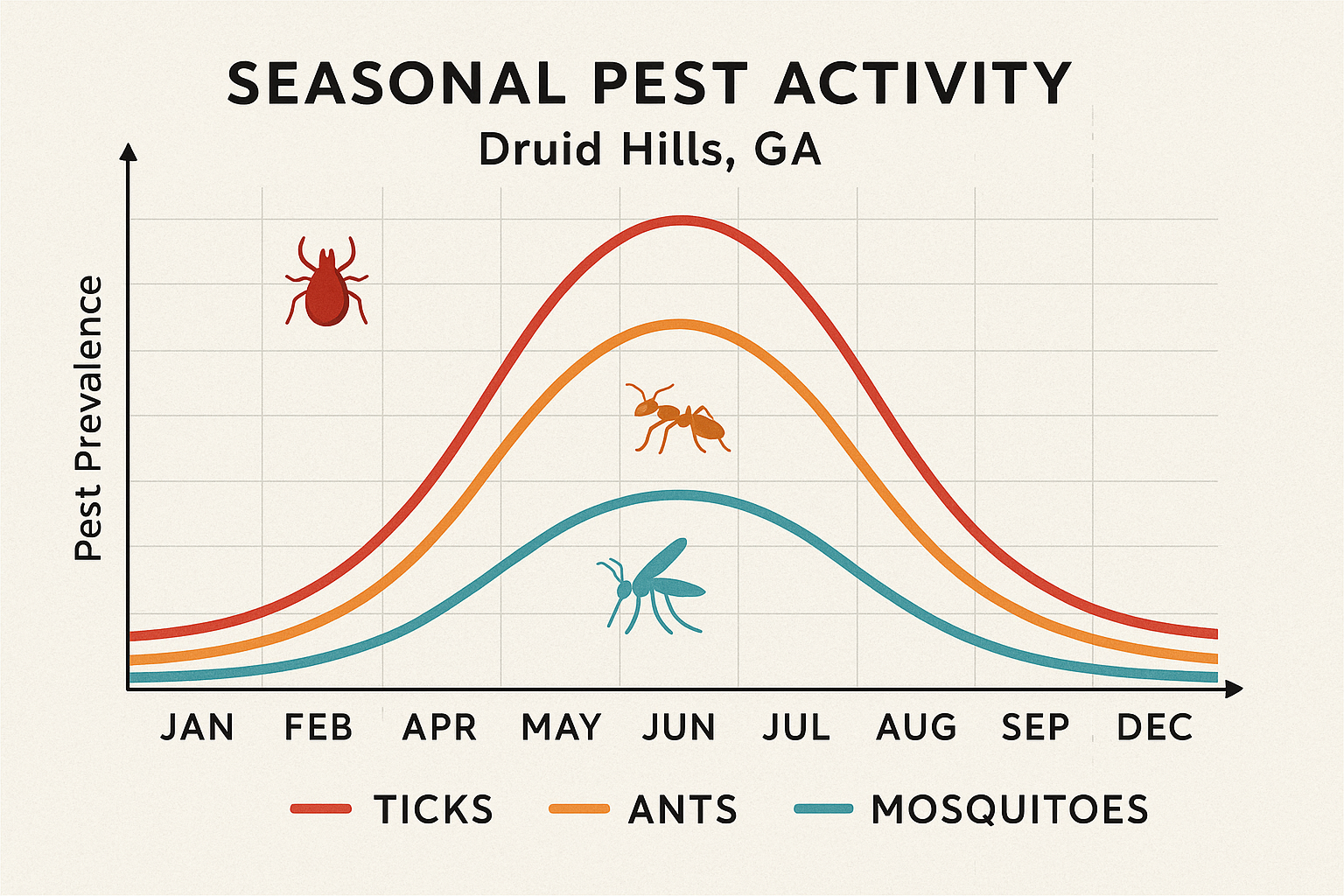
Understanding when ticks are most active lets you plan inspections and treatments before the bugs bite. In Druid Hills, the tiny arachnids follow a predictable rhythm that mirrors temperature and humidity swings throughout the year.
Tick life‑cycle basics
Ticks move through four stages: egg, larva, nymph, and adult. Each stage needs a blood meal to advance, and the environment dictates how quickly they develop.
- Eggs hatch when soil stays moist and temperatures hover between 55‑70°F.
- Larvae (the “seed ticks”) are active in late spring when humidity is above 70% and daytime highs reach the low 70s.
- Nymphs thrive in early summer; they are the most likely to transmit disease because they’re small enough to go unnoticed.
- Adults emerge in midsummer and can remain active into early fall, especially after a rainy night.
Month‑by‑month activity chart for Druid Hills
| Month | Ticks | Ants | Mosquitoes |
|---|---|---|---|
| January | Low (dormant) | Low | Very low |
| February | Low | Low | Very low |
| March | Increasing (larvae appear) | Moderate | Low |
| April | Moderate (larvae & nymphs) | Moderate | Low‑moderate |
| May | High (nymph surge) | High | Moderate |
| June | Peak (nymphs & adults) | High | High |
| July | Peak‑late (adults) | High | High |
| August | Declining (adults) | Moderate | High |
| September | Moderate (adults) | Low‑moderate | Moderate |
| October | Low (adults retreat) | Low | Low |
| November | Low (dormant) | Low | Very low |
| December | Low (dormant) | Low | Very low |
When the risk is highest
Spring (mid‑March through early June) is the critical window. Larvae hatch in March, and nymphs—responsible for most disease transmission—peak in May and June. If you wait until July, you’re already battling adult ticks that are harder to spot and may have already attached.
Scheduling inspections and treatments
Plan a professional inspection in late February or early March. This gives our technicians enough time to apply a preventative barrier before larvae emerge. Follow up with a second treatment in late May to target the nymph surge. For homes with heavy shade or dense landscaping, a third application in August can curb lingering adults.
Why pre‑emptive action matters
Ticks need a host to survive. By treating the yard before they become active, you break the life cycle at the source, reducing the number of bites on you and your pets. Early action also lowers the amount of pesticide needed, keeping costs down and minimizing environmental impact.
During late summer and early fall, tick activity wanes as daytime temperatures dip below 65°F and the ground dries out. This period—typically late September through November—is an excellent time for a post‑season follow‑up treatment that targets stray adults that survived the summer rush. Winter months (December‑February) see ticks dormant in leaf litter, so you won’t see many bites, but the eggs remain viable and will hatch when the soil warms again in early spring.
Homeowners can reinforce professional work with yard habits: keep grass trimmed to 3‑4 inches, remove leaf piles, and create a 3‑foot mulch‑free zone around foundations and play areas. Regularly inspect pets for attached ticks after walks in wooded parks, and wash clothing that’s been outdoors. These low‑cost steps keep the tick population low and make any treatment you schedule more effective.
Professional Tick Control Methods

Core Treatment Categories
Licensed pest‑control companies typically rely on three complementary strategies: perimeter barrier sprays, targeted spot treatments, and wildlife‑host control. A perimeter spray creates a protective ring around the home, treating the lawn, shrubs, and foundation walls where ticks first quest for a host. Spot treatments focus on high‑risk zones such as leaf piles, compost bins, and shaded depressions. Finally, wildlife‑host control reduces the number of deer, raccoons, or rodents that carry ticks into the yard, often through exclusion fencing or bait stations.
EPA‑Registered Products and Safety
Professional formulas are EPA‑registered acaricides that either kill ticks on contact or interrupt their life cycle. Neonicotinoids and pyrethroids act quickly, while insect growth regulators (IGRs) prevent larvae from maturing into biting adults. Because these chemicals are applied by certified technicians, they follow strict dosage guidelines that protect children, pets, and beneficial insects. Homeowners are advised to keep pets indoors for at least two hours after treatment and to avoid direct contact with treated surfaces until they are dry.
What a Typical Residential Visit Looks Like
- Inspection: The technician walks the property, identifies tick hotspots, and notes any wildlife activity that could re‑introduce pests.
- Perimeter Application: Using a calibrated sprayer, a calibrated dose of EPA‑approved acaricide is applied in a continuous band around the home, covering grass, mulch, and the first few feet of the foundation.
- Spot Treatment: High‑risk micro‑habitats receive a focused application, ensuring no refuge areas are missed.
- Documentation & Recommendations: A service report outlines the products used, coverage maps, and any follow‑up visits needed for optimal control.
Why Hire Licensed Technicians?
DIY tick sprays often lack the potency, coverage precision, and safety data required for long‑term control. Licensed professionals bring:
- Access to EPA‑registered, high‑efficacy products unavailable to the general public.
- Training on proper mixing, application rates, and environmental safeguards.
- Integrated pest‑management expertise that coordinates barrier sprays with wildlife‑host strategies.
- Warranty protection and post‑treatment monitoring that DIY kits simply cannot match.
Preparing Your Yard for Service
To maximize the effectiveness of the treatment, homeowners should:
- Trim back overgrown vegetation and remove debris such as leaf piles or old firewood.
- Secure pets in a safe indoor area or a fenced kennel for at least two hours before the appointment.
- Clear driveways, sidewalks, and patio furniture to give the technician unobstructed access.
- Provide a clear view of the home’s foundation, especially where the lawn meets the siding.
Following these simple steps ensures the technician can apply the barrier evenly, giving you a reliable, long‑lasting shield against ticks throughout the season.
Tick Control Service Pricing Guide for Druid Hills
Understanding the Service Tiers
Anthem Pest Control structures its tick‑control programs into three clear tiers so you can pick the level of protection that matches your yard’s size, activity level, and budget.
- Basic – One comprehensive treatment per season covering the primary lawn and high‑traffic zones. Includes a 30‑day warranty and a follow‑up call to confirm effectiveness.
- Standard – Two visits spaced 6‑8 weeks apart, extending treatment to garden beds, patios, and shaded perimeters. Comes with a 60‑day warranty and a complimentary tick‑identification kit.
- Premium – Four quarterly visits plus a pre‑season “early‑spring” boost. Treats the entire property—including dog runs, play structures, and hardscape—plus a 90‑day warranty and priority scheduling for any re‑treatments.
Average Price Ranges in Druid Hills, GA
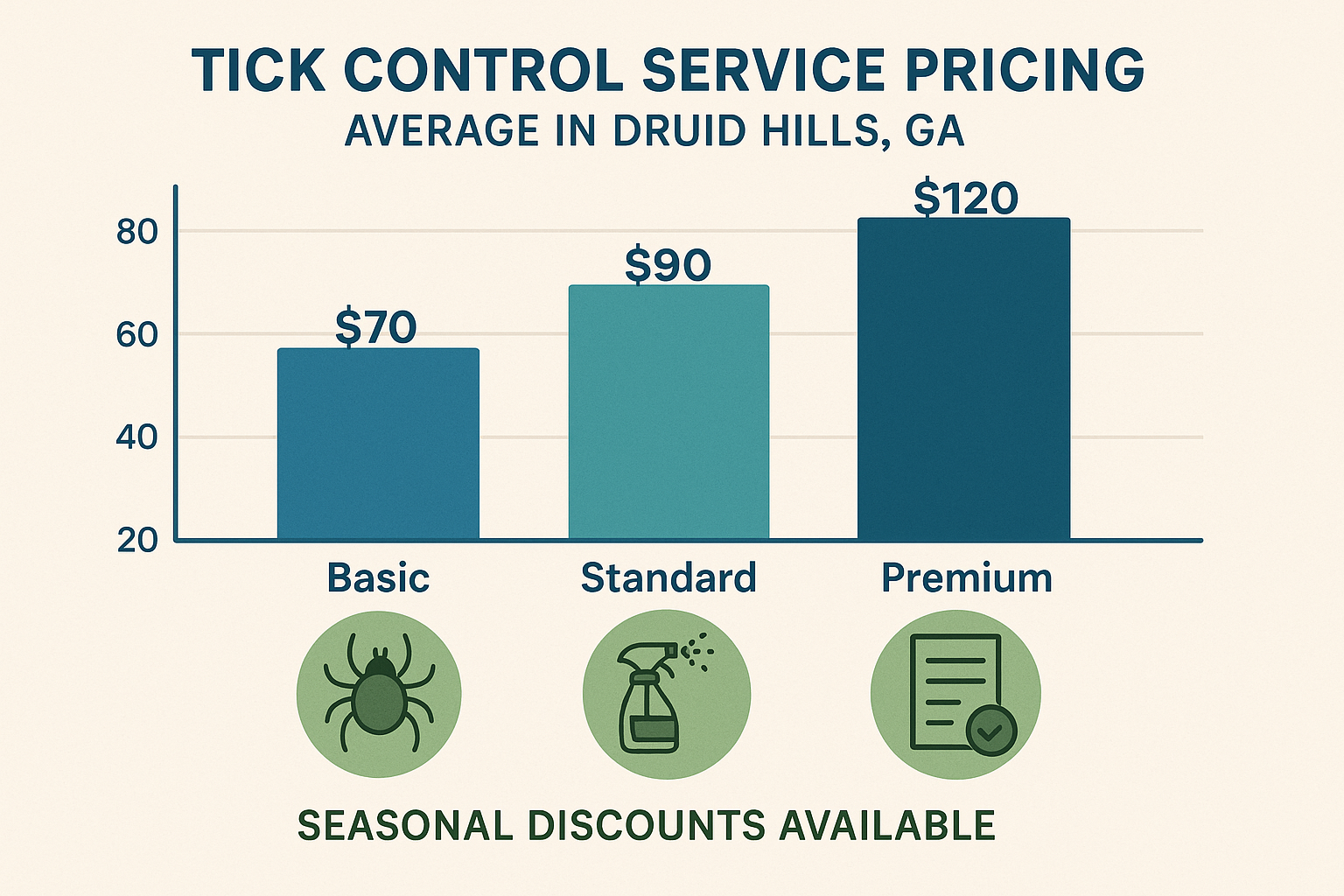
| Tier | Number of Visits | Coverage Area | Price Range (USD) | Warranty |
|---|---|---|---|---|
| Basic | 1 | Lawn & front porch | $149 – $199 | 30 days |
| Standard | 2 | Lawn, garden beds, patio | $229 – $279 | 60 days |
| Premium | 4 | Entire property, pet areas, play zones | $399 – $459 | 90 days |
Seasonal Discount Opportunities
We reward proactive homeowners. Book your treatment during the early‑spring window (mid‑February to early March) and receive a 15% discount on any tier. If you combine tick control with our mosquito or rodent packages, you’ll qualify for an additional bundled‑service rebate, often saving up to $100 on the total bill.
Cost‑Benefit Analysis: Health Savings vs. One‑Time Expense
Ticks are carriers of Lyme disease, Rocky Mountain spotted fever, and other illnesses that can lead to costly medical bills and lost workdays. A single emergency doctor visit in Georgia averages $250‑$350, not counting follow‑up labs or treatment. By investing $399 in a Premium tier, you’re essentially buying a preventive shield that can avert multiple medical expenses over the next five years.
Beyond health, untreated ticks damage the enjoyment of outdoor spaces. Families spend less time on decks, patios, and backyard games when they fear bites. The Premium tier’s comprehensive coverage preserves your quality of life while delivering a clear return on investment.
Ready for a Personalized Quote?
Every yard is unique, and our technicians tailor the plan to your exact needs. Request your free, no‑obligation quote today and let Anthem Pest Control give Druid Hills homeowners the peace of mind they deserve.
Protect Your Home with Anthem Pest Control
Ticks in Druid Hills aren’t just a nuisance—they’re a year‑round health risk for your family, pets, and even your landscaping. A single bite can transmit Lyme disease, Rocky Mountain spotted fever, or other serious illnesses, and untreated infestations quickly spread from yard to home. That’s why timely, professional treatment is essential; it eliminates the hidden hotspots before they become a public‑health emergency.
Why Choose Anthem Pest Control?
- Licensed technicians who understand the local tick species and their seasonal patterns.
- EPA‑approved products that target ticks at every life stage while keeping children and pets safe.
- Transparent pricing with no hidden fees, so you know exactly what you’re paying for.
- Local knowledge of Druid Hills neighborhoods, soil types, and vegetation that influence tick activity.
Our approach blends a thorough inspection with a customized treatment plan that fits your property’s unique layout. Whether you need a one‑time eradication or an ongoing prevention program, we tailor the service to protect the areas you use most—playgrounds, dog runs, garden beds, and porch steps.
Ready to take the first step? Schedule a free inspection today and receive a personalized quote—no obligations, just clear information. Call us at 877‑371‑8196 or visit anthempest.com to book online.
By acting now, you also reduce future treatment costs and avoid the stress of dealing with an established infestation.
Remember, proactive tick control isn’t a luxury; it’s a safeguard for the health of your loved ones, four‑legged companions, and the value of your home. Let Anthem Pest Control give you peace of mind, season after season.