Understanding Mouse Problems in Brookhaven, GA
Brookhaven’s humid subtropical climate, with mild winters and warm, moist summers, creates an ideal environment for house mice (Mus musculus), making effective mouse control Brookhaven homeowners rely on especially important. The area’s mix of historic bungalows, newer townhomes, and sprawling single-family houses offers plenty of shelter, while the surrounding oak-lined streets and well-kept gardens provide abundant food sources. These conditions invite rodents to settle close to human dwellings, making mouse activity a common, yet often overlooked, neighborhood issue.
Rising Sightings in the Community
Local homeowners have reported a noticeable uptick in mouse sightings over the past two years. The Brookhaven Neighborhood Association’s informal survey of 150 residents showed a 27 % increase in reported rodent encounters from 2022 to 2024. Anecdotal accounts from nearby schools and senior living facilities echo the same trend, citing more frequent droppings, gnaw marks, and audible scurrying in attics during late summer. While exact city‑wide statistics are limited, these grassroots observations suggest that mouse populations are expanding alongside the city’s growth.
How Mice Slip Inside
Understanding the pathways mice use to infiltrate homes is the first step toward effective prevention. Small gaps—often no larger than a pencil eraser—are enough for a determined mouse to squeeze through. Common entry points include:
- Unsealed cracks in foundation walls or basement floors.
- Openings around utility lines, such as electricity, water, and cable.
- Gaps beneath exterior doors and sliding windows.
- Unscreened vents, dryer exhausts, and chimney flues.
- Holes around pipe penetrations and HVAC ducts.
These tiny breaches are easy to miss during a routine visual inspection, yet they provide a direct highway into kitchens, storage areas, and wall voids where mice can establish nests.
Why this matters to you: A single mouse can chew through electrical wiring, contaminate food with urine and droppings, and trigger allergic reactions. Left unchecked, a small infestation can quickly damage insulation, furniture, and even compromise structural integrity.
Seasonal Peaks and Timing
Mice are opportunistic breeders, and their populations surge during specific times of the year. In Brookhaven, the highest activity typically occurs from late spring through early fall, when warm temperatures accelerate reproduction cycles—making proactive mouse control Brookhaven homeowners rely on especially important. During this period, a single female can produce up to five litters, each containing six to eight pups. Consequently, a modest infestation in June can balloon into a full-blown problem by September if left unchecked. Early detection and timely intervention—ideally before the peak season—are crucial for keeping numbers manageable.
Guidance from Trusted Sources
For homeowners seeking reliable, science‑based recommendations, the U.S. Environmental Protection Agency (EPA) offers comprehensive rodent‑control guidelines. Their resources cover everything from proper sanitation and exclusion techniques to safe pesticide use, aligning with Anthem Pest Control’s commitment to effective and environmentally responsible solutions. You can explore the EPA’s detailed advice here: EPA – Rodent Control. Anthem Pest Control leverages these EPA‑endorsed practices to design customized exclusion plans for Brookhaven homes.
Recognizing the Warning Signs of a Mouse Infestation
Before a mouse problem spirals into a full‑blown emergency, the clues are often right under your nose. By learning to spot the subtle (and not‑so‑subtle) signs, you can act fast, protect your home’s structure, and keep your family’s health safe. Below is a practical checklist you can use during a routine walk‑through of your house.
1. Droppings – The Telltale “toothpicks”
Mouse droppings are small, dark, and roughly the size of a grain of rice—about ¼ inch long with pointed ends. Unlike the larger, oval‑shaped droppings of rats, mouse feces are usually found in clusters rather than isolated piles. Typical hotspots include:
- Kitchens and pantry shelves: Look behind cereal boxes, under the sink, and along the back of the refrigerator.
- Cabinets and drawers: Check the corners of lower cabinets where food crumbs may accumulate.
- Attics and crawl spaces: Droppings near insulation or on wooden joists indicate they’re using these areas as travel routes.
Finding fresh droppings (still moist and dark) means the mice are active right now, and you should start a treatment plan immediately.
2. Gnaw Marks – Nature’s Little Saw
Mice need to gnaw constantly to keep their ever‑growing incisors in check. Their bite marks are typically shallow, V‑shaped cuts on wood, plastic, and especially on electrical wiring. Distinguish mouse gnawing from other pests by noting:
- Width of the bite: Mouse gnaw marks are usually 1‑2 mm wide, while rats leave broader, 3‑5 mm grooves.
- Location: Mice prefer tight, concealed pathways—inside wall cavities, behind baseboards, or along the underside of cabinets.
- Pattern: Look for parallel rows of tiny chew marks that follow a logical route toward a food source.
Any chewed wiring is a serious fire hazard, so flag it for an electrician as soon as you spot it.
3. Nest Material – The “DIY” Projects
Mice build nests from anything soft and pliable. Common materials you’ll discover include shredded paper, old insulation, cotton fibers, and even bits of dryer lint. Nests are usually hidden in:
- Behind appliances (refrigerator, stove)
- Inside wall voids or ceiling corners
- Under piles of stored boxes in basements or garages
If you pull back a box and find a ball of tangled material, you’ve likely uncovered a mouse’s “home office.”
4. Scratching and Scurrying – Night‑Time Noises
Unlike insects, mice are mammals, so they produce audible sounds. In quiet evenings, listen for:
- Soft scratching or rustling within walls, especially near baseboards.
- Rapid, high‑pitched scurrying that often peaks between 9 p.m. and midnight.
These noises are more noticeable in homes with minimal background sounds (no HVAC or music). If you hear them, it’s a clear sign that a colony is active nearby.
5. Food Packaging Damage & Missing Items
Mouse foraging leaves a distinct trail of damage:
- Chewed holes in cereal boxes, snack bags, and pet food containers.
- Crushed or torn packaging where a mouse has forced its way inside.
- Unexplained disappearance of small pantry items—especially those stored in low, open shelves.
Even a few shredded corners on a bag can indicate that a hungry mouse has found a way in.
Visual Cue: Classic Wooden Mouse Trap

The presence of a set trap—whether it’s still baited or already sprung—signals that mice have been active in the area. A trap found in a pantry, garage, or attic is often the first tangible proof that a hidden infestation exists.
By systematically scanning each of these indicators, you can confirm whether you’re dealing with a solitary visitor or a growing colony. Early detection not only saves you money on extensive treatments but also prevents structural damage and health risks associated with rodent‑borne diseases. If any of these signs appear, contact Anthem Pest Control at 877‑371‑8196 for a thorough inspection and a customized, homeowner‑friendly solution.
Health Risks and Property Damage from Mice
Disease Transmission
Mice are more than a nuisance—they are vectors for serious illnesses. Hantavirus, a respiratory disease, can be inhaled when dust contaminated with mouse droppings or urine is disturbed. Salmonella and leptospirosis are also linked to rodent feces, and both can cause severe gastrointestinal and kidney problems. Even a few unnoticed droppings on kitchen counters, pantry shelves, or in hidden crawl spaces can turn a clean home into a health hazard.
Food Contamination and Economic Impact
When mice gnaw through packaging, they expose food to saliva, urine, and feces. A single mouse can ruin an entire grocery haul, forcing homeowners to discard fresh produce, canned goods, and pet food. The financial loss adds up quickly—especially during peak shopping seasons—making the cost of a mouse infestation far more than just an inconvenience.
Structural Damage
Rodents have powerful incisors that grow continuously, prompting them to chew on anything they encounter. Insulation is a favorite target; once compromised, walls lose thermal efficiency and moisture can seep in, promoting mold growth. More dangerous is the tendency to gnaw electrical wiring. Exposed wires can spark, creating a genuine fire risk. Drywall, flooring, and even wooden beams are not immune—chewed holes weaken structural integrity and can lead to costly repairs.
HVAC Efficiency and Indoor Air Quality
Mice often seek the warmth of HVAC ducts for nesting. Their droppings, urine, and shed hair accumulate in filters and coils, reducing airflow and forcing the system to work harder. This not only spikes energy bills but also circulates allergens and pathogens throughout the house, degrading indoor air quality and aggravating asthma or allergy sufferers.
EPA Recommendations for Minimizing Health Risks
- Seal Entry Points: Close gaps larger than ¼ inch around foundations, doors, and utility openings.
- Maintain Cleanliness: Store food in airtight containers, promptly clean spills, and dispose of garbage in sealed bins.
- Eliminate Nesting Sites: Reduce clutter, trim vegetation away from the home, and keep storage areas organized.
- Use Proper Protective Gear: When cleaning droppings, wear gloves, a mask, and eye protection; disinfect surfaces with a bleach solution (1 part bleach to 10 parts water).
- Inspect Electrical Systems: Have a qualified electrician check for chewed wiring and replace compromised components.
- Schedule Professional Monitoring: Engage a licensed pest control service for regular inspections and targeted treatments to keep mouse populations below the threshold of harm.
Effective Treatment Options – DIY vs Professional Services
DIY Traps: Snap, Glue, and Live
Brookhaven’s humid subtropical climate, with mild winters and warm, moist summers, creates an ideal environment for house mice (Mus musculus), making effective mouse control Brookhaven homeowners rely on especially important. The area’s mix of historic bungalows, newer townhomes, and sprawling single-family houses offers plenty of shelter, while the surrounding oak-lined streets and well-kept gardens provide abundant food sources. These conditions invite rodents to settle close to human dwellings, making mouse activity a common, yet often overlooked, neighborhood issue.
DIY Baits and Rodenticides
Over‑the‑counter rodenticides are tempting for a quick fix, yet they come with strict legal restrictions in Georgia. Many products are classified as “restricted use” and require a licensed applicator. If you choose a consumer‑grade bait, wear disposable gloves, store it in a sealed container, and place it in tamper‑proof stations away from children and pets. Improper handling can lead to secondary poisoning of wildlife and severe health risks for household members. Always read the label, follow the dosage instructions, and dispose of any unused poison responsibly.
Limitations of DIY Approaches
Even the most diligent DIY effort can fall short. Traps and baits address the visible mice but rarely cover hidden entry points such as gaps around utility lines, foundation cracks, or vent openings. Without sealing these pathways, new mice will continually infiltrate, turning a short‑term solution into a recurring nightmare. Additionally, DIY methods lack the comprehensive inspection that reveals secondary infestations—like gnaw marks on insulation or droppings in attic spaces—making it difficult to assess the true scope of the problem.
Professional Services: Inspection, Fumigation, and Bait Stations
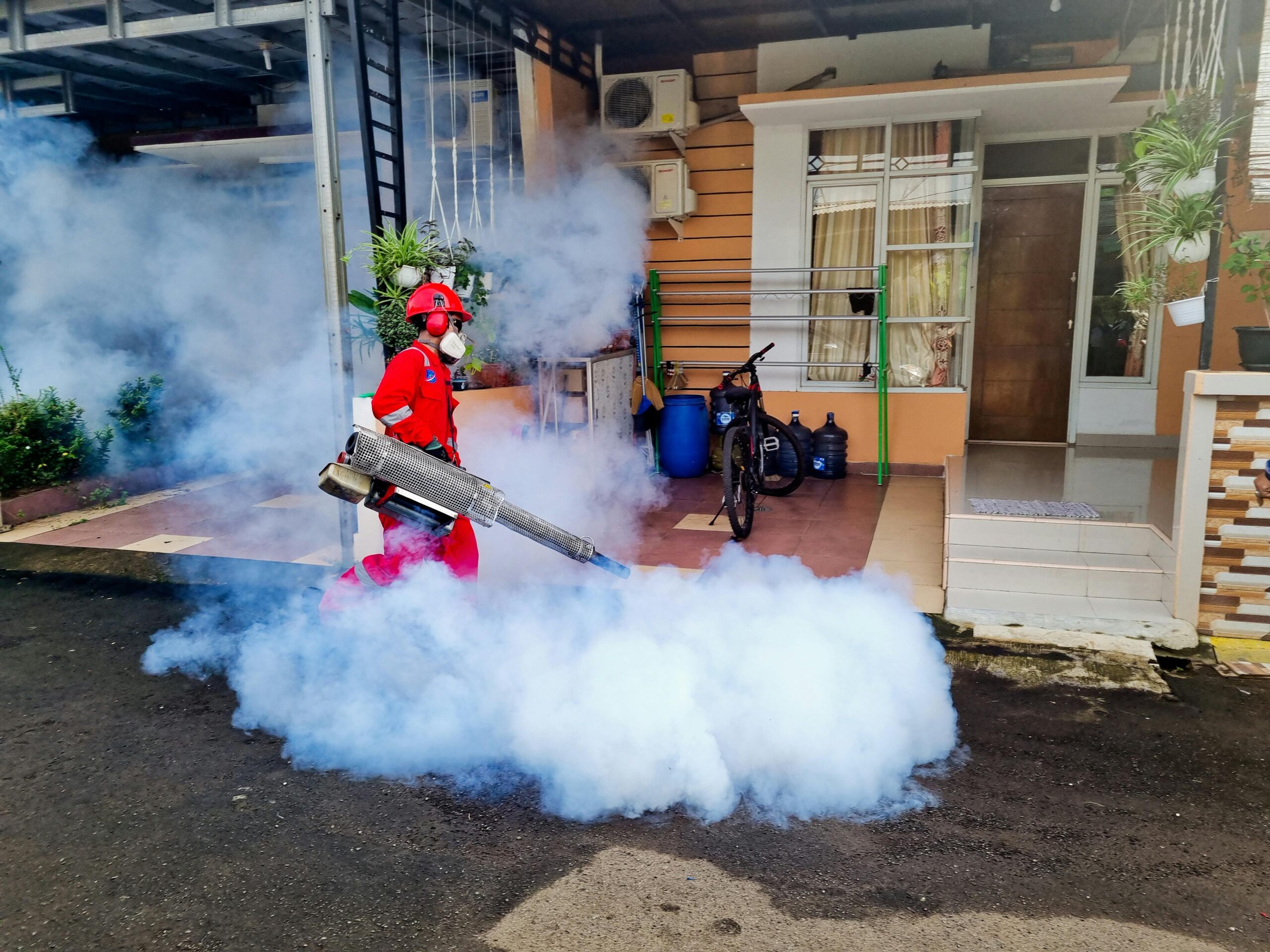
Professional pest‑control technicians begin with a thorough inspection, using flashlights, mirrors, and sometimes infrared cameras to locate nests, droppings, and structural vulnerabilities. Based on the findings, they may apply interior or exterior fumigation, install tamper‑proof bait stations, and implement a systematic sealing program for all entry points. Unlike DIY, professionals can treat concealed areas—wall voids, crawl spaces, and HVAC ducts—ensuring that the entire property is addressed, not just the visible hotspots.

Safety Gear and Protocols Used by Technicians
Certified technicians wear personal protective equipment (PPE) that includes nitrile gloves, safety goggles, and disposable coveralls. They follow EPA‑approved application protocols, such as using calibrated sprayers for fumigation and securing bait stations with lockable boxes. Before any chemical work, they ventilate the area, conduct a risk assessment, and provide homeowners with a clear safety sheet outlining post‑treatment precautions. This level of diligence minimizes exposure risks and ensures compliance with state regulations.
Cost‑Benefit Analysis: Short‑Term Expense vs Long‑Term Protection
DIY kits typically cost $20‑$60 for a handful of traps or a single bait container, but the hidden costs—re‑infestation, property damage, and time spent monitoring—can quickly eclipse that initial outlay. Professional services in Brookhaven average $200‑$350 for a comprehensive mouse control package, which includes inspection, treatment, and a 90‑day warranty. When you factor in the reduced likelihood of repeat visits, the protection of structural integrity, and peace of mind, the professional route often delivers a higher return on investment over a year‑long horizon.
Pricing Guide for Mouse Control in Brookhaven, GA
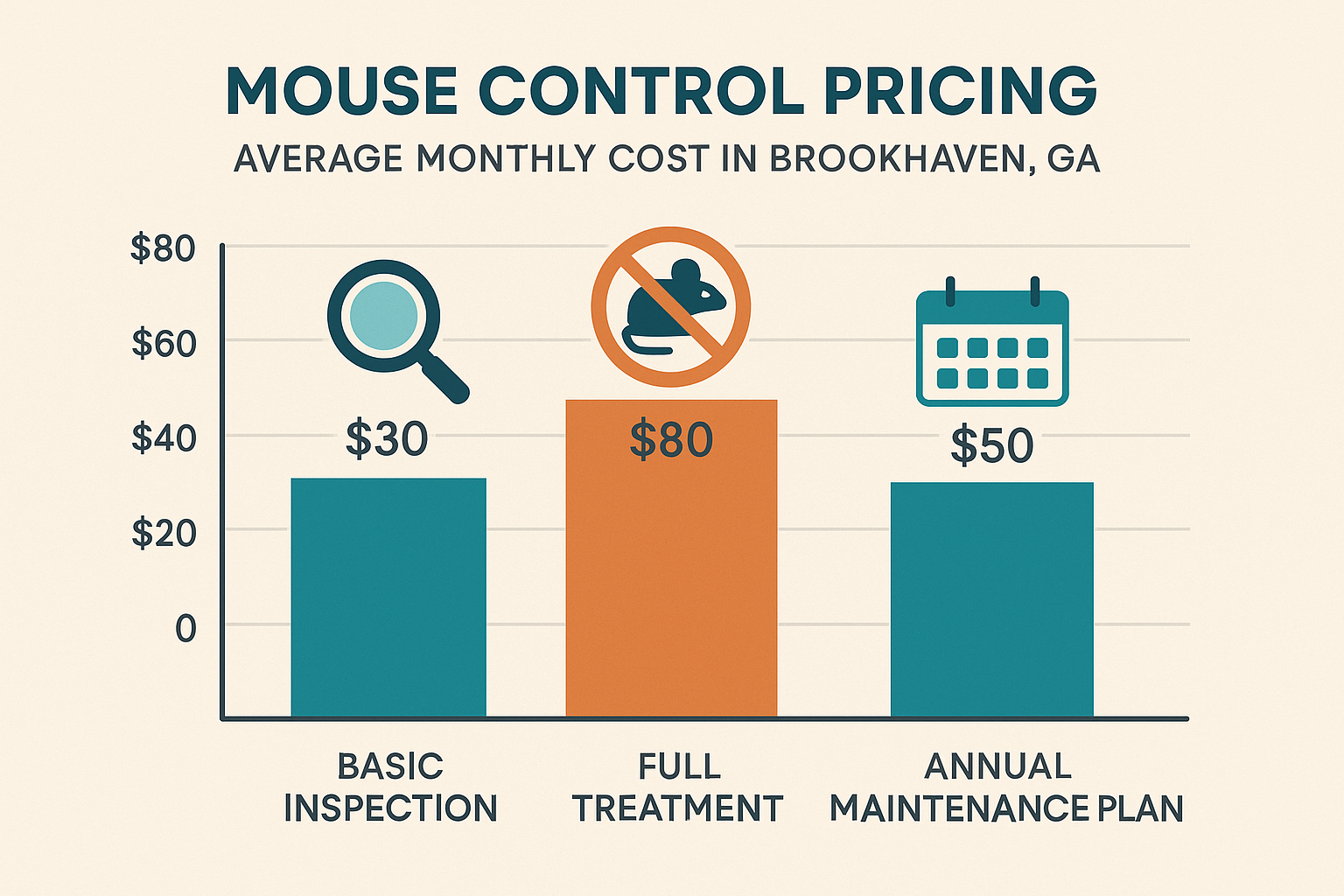
Understanding how mouse‑control services are priced helps you avoid surprise bills and choose the plan that fits your budget. In Brookhaven, most providers break their offerings into three clear tiers: a basic inspection, a full treatment, and an annual maintenance plan. Below is a snapshot of what you can expect to pay, along with the factors that can shift those numbers.
Service‑Tier Breakdown
- Basic Inspection – A technician visits your home, identifies entry points, and assesses the severity of the infestation. This tier is ideal for homeowners who suspect a problem but haven’t seen extensive damage.
- Full Treatment – Includes the inspection plus placement of traps, bait stations, and any necessary sealing of entry points. The goal is to eradicate the current mouse population and prevent immediate re‑entry.
- Annual Maintenance Plan – A year‑long partnership that provides quarterly check‑ins, ongoing bait replenishment, and seasonal sealing work. This plan is best for larger properties or households that want “set‑and‑forget” protection.
Average Monthly Cost Ranges (Brookhaven)
| Service Tier | Monthly Cost (USD) | What’s Included |
|---|---|---|
| Basic Inspection | $30‑$55 | One‑time visit, assessment report, entry‑point checklist |
| Full Treatment | $80‑$150 | Inspection, traps/bait, sealing of up to 5 entry points, follow‑up visit |
| Annual Maintenance Plan | $120‑$250 | Quarterly inspections, bait replenishment, seasonal sealing, priority scheduling |
Key Factors That Influence Price
Property size: Larger homes or multi‑unit buildings require more bait stations and additional labor, nudging the price upward.
Infestation severity: A light sighting may be resolved with a single trap, while a heavy infestation often demands multiple visits and extensive sealing.
Sealing work required: If structural gaps, utility openings, or foundation cracks need repair, contractors will add material and labor costs to the base price.
Seasonality: Winter months sometimes see higher demand for rodent control, which can affect availability and pricing.
How Anthem Pest Structures Its Pricing
Anthem Pest Control keeps its pricing transparent by bundling services into clearly defined packages. For Brookhaven homeowners, the company offers:
- Inspection‑Only Package – $45 flat fee, includes a detailed report and a list of recommended next steps.
- Standard Treatment Package – Starts at $115, covering up to 10 traps, bait stations, and sealing of five entry points. Additional sealing is billed at $15 per extra point.
- Premium Annual Plan – $199 per year, which breaks down to roughly $16.60 per month. This plan guarantees quarterly visits, unlimited bait replenishment, and a 10% discount on any extra sealing work.
All Anthem quotes are provided in writing, with a line‑item breakdown so you know exactly where each dollar is going. The company also offers a “price‑match guarantee” within the Brookhaven area, ensuring you receive the most competitive rate without sacrificing quality.
Quick Tip: Always ask for a written estimate that lists the scope of work, number of visits, materials included, and any potential extra charges. A clear, itemized quote protects you from hidden fees and helps you compare providers side‑by‑side.
Seasonal Timing for Mouse Control in the Atlanta Metro Area
Understanding the Seasonal Activity Curve
In the Atlanta metro area, mouse populations follow a predictable rhythm that can be visualized in a simple line‑graph. The curve shows two clear peaks—one in early‑to‑mid spring (March to May) and another in early fall (September to October). Between these peaks, activity dips during the hot, humid midsummer months and again in the cooler winter stretch. Recognizing these high‑risk windows lets homeowners act before mice become a visible nuisance.
Why Temperature, Food, and Breeding Drive Those Peaks
Temperature is the primary catalyst. When daytime highs consistently sit between 65°F and 80°F, mice emerge from their nests to forage and reproduce. Spring brings abundant new foliage and insects, providing a sudden boost in food sources. Simultaneously, longer daylight triggers hormonal changes that spark a breeding surge—female mice can produce a litter every three weeks under ideal conditions. In fall, cooler evenings and a fresh harvest of fallen fruit and garden waste create another buffet, prompting a second reproductive wave before winter sets in.
Pre‑emptive Treatment Schedule
- Early Spring (mid‑March to early April): Conduct a thorough inspection, seal entry points, and apply a perimeter treatment. This stops the first breeding cycle before it explodes.
- Late Summer (late August): As temperatures begin to dip, reinforce exclusions and place bait stations near likely entry zones. This reduces the buildup that fuels the fall peak.
- Before Fall (early September): A final round of interior and exterior treatments creates a barrier that keeps mice from exploiting the abundant autumn food supply.
Weather Anomalies: When the Curve Shifts
Unusual weather patterns can push the activity curve off its normal schedule. A warm, dry winter may allow mice to stay active longer, while an early, severe summer heatwave can suppress the spring peak. Homeowners should watch local forecasts: a series of nights above 70°F in February often signals an early spring surge, whereas prolonged rain in July can drive mice indoors earlier than expected. Adjusting treatment timing by a week or two in response to these anomalies can make the difference between a quiet home and an infestation.

The line‑graph above offers a quick visual reference. Mark the three recommended treatment windows on the chart, and compare them to any local temperature anomalies you notice. By aligning your pest‑control actions with the natural ebb and flow of mouse activity, you’ll minimize the chance of a surprise infestation and keep your home comfortable year‑round.
Choosing the Right Pest Control Partner
When a mouse or any unwanted critter finds its way into your Brookhaven home, the first question you’ll ask is, “Who can I trust to get rid of them quickly and safely?” Picking the right pest‑control company isn’t just about who offers the lowest price; it’s about finding a partner who blends expertise, reliability, and a genuine commitment to your family’s health.
Verify Licensing, Insurance, and EPA‑Compliant Practices
A reputable provider must hold a valid Georgia pest‑control license and carry adequate liability insurance. This protects you from any accidental damage or injury that could occur during treatment. Additionally, ask whether the company follows EPA‑registered product guidelines. EPA‑compliant chemicals are rigorously tested for efficacy and safety, ensuring that the solutions used won’t jeopardize your children, pets, or indoor air quality.
Integrated Pest‑Management (IPM) Is a Must
IPM is a science‑based approach that combines prevention, monitoring, and targeted treatment. Rather than spraying chemicals indiscriminately, an IPM‑focused firm will first assess entry points, identify attractants, and recommend structural changes that make your home less inviting to rodents. When chemicals are needed, they’re applied sparingly and only where they’ll have the greatest impact, reducing exposure for everyone in the household.
Local Expertise Matters
Brookhaven isn’t just another zip code; its historic bungalows, newer townhomes, and leafy neighborhoods each present unique pest challenges. A company that knows the local building styles can spot hidden gaps, chimney cracks, or foundation voids that a national chain might overlook. Seasonal trends also differ—mice tend to seek shelter in the cooler months, while warm, humid summers can invite a surge of insects. A locally savvy partner anticipates these patterns and tailors a proactive plan that fits the rhythm of your neighborhood.
Customer Service Factors You Can’t Ignore
- Response Time: Pests don’t wait. Look for a provider that offers same‑day or next‑day appointments for urgent infestations.
- Guarantee Policies: A solid guarantee—such as a free re‑treatment if rodents return within a set period—shows confidence in their work.
- Transparent Pricing: Upfront quotes with a clear breakdown of services prevent surprise fees later on.
- Communication: Friendly, knowledgeable staff who explain the process, answer questions, and provide follow‑up reminders make the experience far less stressful.
Why Anthem Pest Stands Out in Brookbrookhaven
Anthem Pest combines the reach of a nationwide service network with a local‑focused mindset. All technicians are certified and undergo continuous training, so they stay current on the latest IPM strategies and EPA‑approved products. Their eco‑friendly solutions prioritize safety without sacrificing effectiveness—ideal for families with children or pets.
What really sets Anthem apart is the free on‑site quote. A technician will walk through your property, point out potential entry points, and outline a customized plan before any work begins. This transparency builds trust from the first interaction. Plus, Anthem offers a clear guarantee: if you see mouse activity again within the agreed‑upon timeframe, they’ll return at no extra cost.
Choosing a pest‑control partner is an investment in peace of mind. By verifying licensing, demanding IPM practices, valuing local knowledge, and holding customer service to a high standard, you’ll protect your Brookhaven home from rodents and other pests for the long haul. With Anthem Pest, you get a partner that checks every box—professional, safe, and ready to act when you need it most.
Take Action to Protect Your Home Today
You’ve likely spotted the tell‑tale signs of a mouse invasion: gnawed wires, droppings in cabinets, or the faint rustle of tiny feet in the attic. Those clues aren’t just a nuisance—they signal real risks. Mice can chew through electrical wiring, creating fire hazards, and they carry pathogens that threaten the health of your family. The good news is that timing is on your side. Early spring and early fall are the optimal windows for treatment, when mice are most active but still responsive to preventive measures.
Quick Recap
- Signs to watch for: droppings, gnaw marks, nesting material, and audible scurrying.
- Health and safety risks: potential fire hazards, food contamination, and disease transmission.
- Best seasons for action: early spring (post‑thaw) and early fall (before winter nesting).
When it comes to cost, Anthem Pest Control keeps pricing transparent and straightforward. Our standard mouse control package starts at $149 for a comprehensive inspection, exclusion, and treatment, while the premium protection plan—which includes quarterly follow‑ups and a 12‑month guarantee—runs $299. Every technician follows strict safety protocols, using low‑impact, EPA‑approved products that protect your pets, children, and the environment.
Don’t wait for the damage to become visible. Scheduling a free, no‑obligation inspection gives you a clear picture of the infestation level and the steps needed to stop it before it spreads. Our experts will assess entry points, recommend sealing solutions, and outline a customized treatment plan tailored to your home’s layout and your family’s health concerns.
At Anthem Pest Control, our trained technicians use proven, low‑impact methods to eliminate mice and keep them out, all backed by a satisfaction guarantee. We combine thorough inspection, targeted baiting, and humane exclusion techniques to ensure the problem stays solved. Our commitment to safety means you’ll never see harsh chemicals left unattended—only results you can trust.
Ready to protect your home and peace of mind? Call us today at 877-371-8196 for a free quote, or visit Anthem Pest Control to schedule your inspection online for professional mouse control Brookhaven homeowners trust. Acting now prevents costly repairs, safeguards your loved ones, and puts an end to sleepless nights worrying about unwanted guests.