Earwig Invasion After the Storm – A Brookhaven Homeowner’s Story
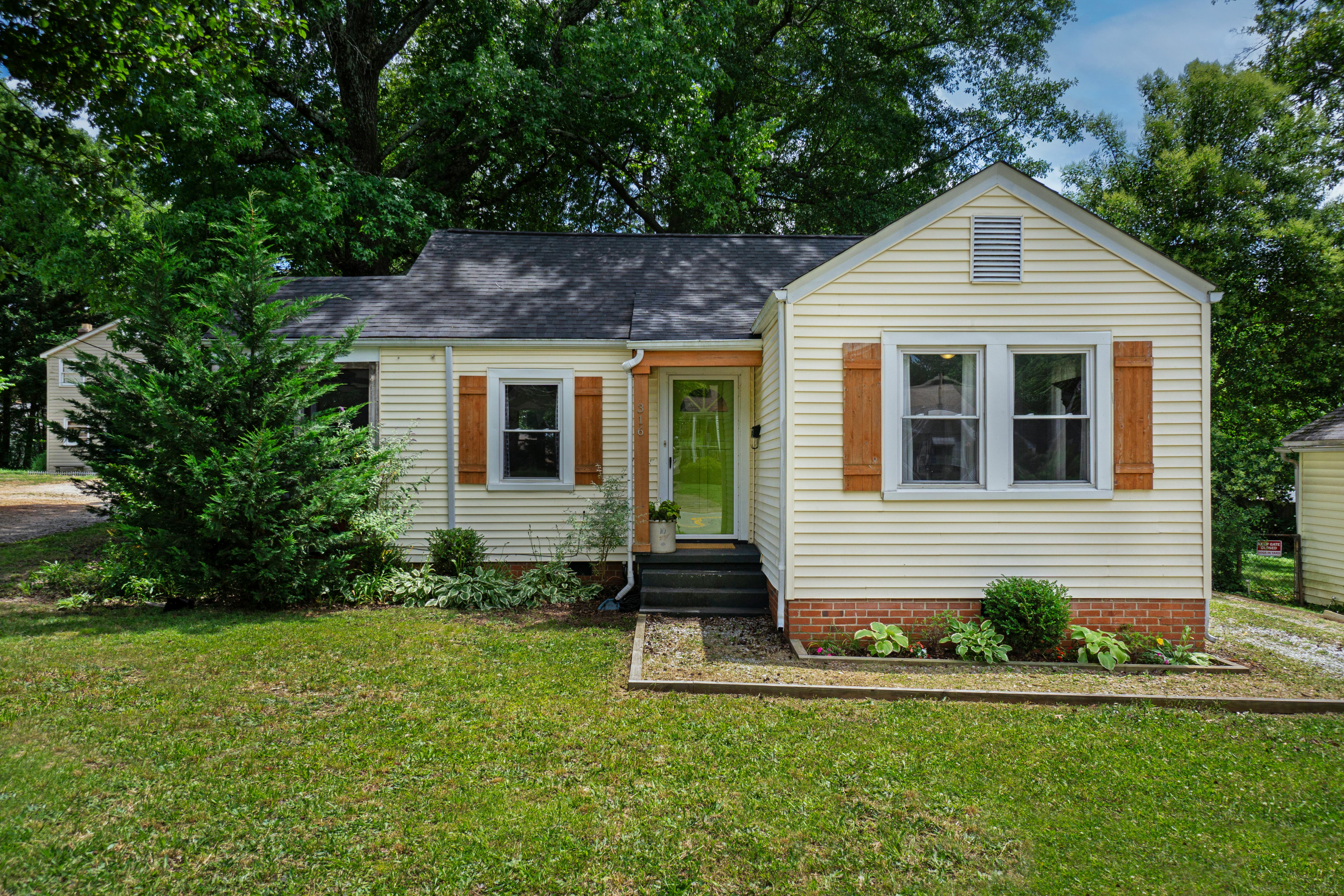
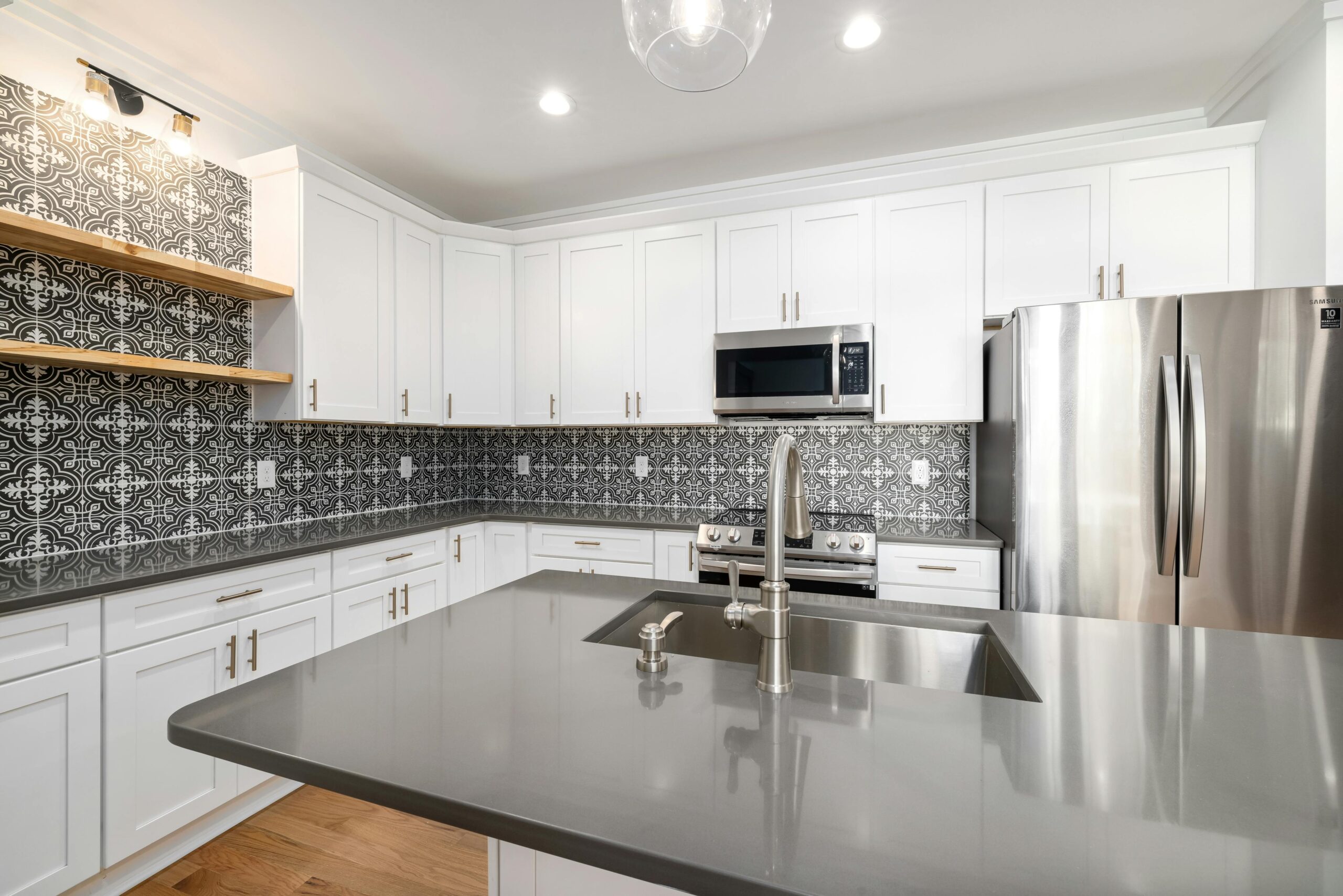
When a sudden downpour rolled through Brookhaven last Thursday, Jane Miller thought the worst would be a soggy lawn. Instead, she walked into her kitchen to find a line of earwigs darting across the marble countertop, right beside the cutting board where she prepares dinner. The sight was enough to make anyone’s stomach turn, even though the insects themselves pose no real danger — and it’s exactly why many homeowners begin searching for professional earwig control Brookhaven services after heavy rain.
Earwigs are harmless predators that feed on decaying plant matter and other small insects. Their pincered tails can look intimidating, but they won’t bite or transmit disease. What makes them unsettling is their habit of wandering into food‑preparation areas, where their quick, skittering movements can feel like a breach of kitchen hygiene.
Brookhaven’s humid subtropical climate is a perfect playground for these nocturnal critters. Warm temperatures combined with frequent rain create moist, sheltered spots—under decks, in mulch, or behind siding—where earwigs lay eggs and multiply. After a heavy storm, the excess moisture forces them to seek drier refuge, often leading them straight into homes.
Understanding why earwigs appear after rain is the first step toward keeping them out. In this guide, we’ll break down exactly what you can expect to spend on professional earwig control, so there are no surprise charges when you call a local exterminator.
Next, we’ll walk you through a step‑by‑step DIY prevention plan that uses simple, low‑cost measures—like trimming vegetation away from the foundation, sealing cracks, and deploying moisture‑absorbing traps—to reduce the likelihood of another post‑storm invasion.
Finally, for homeowners who prefer a hands‑off approach, we’ll highlight vetted professional options in Brookhaven, including transparent pricing structures from Anthem Pest Control, a trusted local provider known for safe and effective treatments.
What Exactly Are Earwigs?
Taxonomic Overview
Earwigs belong to the order Dermaptera and include over 20 species recorded in the United States. In Georgia, the European earwig, Forficula auricularia, accounts for the vast majority of sightings. Adults typically measure 1.5–2 cm in length and are recognizable by their flattened bodies and characteristic force‑pushed pincers. A few native species—such as Labidura riparia and Chelidura pallida—exist, but they are limited to specialized habitats and rarely enter homes.
Myth‑Busting the “Ear” Legend
Contrary to popular folklore, earwigs do not crawl into people’s ears to lay eggs. They are nocturnal scavengers that prefer dark, damp places, and they lack any instinct to invade ear canals. Their distinctive pincers are not “ear tools”; they serve primarily for defense and for males to signal fitness during mating rituals. The pincers also help earwigs climb surfaces and maneuver through crevices, which explains why they sometimes appear on walls or countertops.
How Common Are They in Georgia?
A 2024 University of Georgia Extension survey of 1,200 homeowners found that 78 % reported encountering earwigs at least once per year, with the highest activity in late summer and early fall. This makes earwigs one of the most frequently reported household insects in the state, even though they rarely cause structural damage.
Indoor vs. Outdoor Hotspots
Inside homes, earwigs are most often seen in kitchens and bathrooms—areas where moisture and food crumbs coexist. They may dart across tile floors, hide behind cabinet doors, or slip into cracks around baseboards and under appliances, emerging after dark to feed. Because they are attracted to light sources, a single night‑light can draw several individuals into a room.
Outside, they gravitate toward moist, sheltered sites such as under mulch, in woodpiles, and along damp foundations. Mulch deeper than four inches or piles of untreated firewood create perfect micro‑climates for breeding. Garden beds rich in leaf litter and compost bins also provide ideal conditions. Because the same environmental cues exist both indoors and outdoors, a single property can host populations in both locations.
Why This Knowledge Helps Homeowners
Recognizing that earwigs are harmless scavengers rather than ear‑invading pests reduces unnecessary alarm. However, large numbers can become a nuisance, contaminating food and creating unsightly clusters. By addressing the outdoor sources—trimming mulch, sealing foundation cracks, and improving drainage—homeowners can limit indoor incursions. Regularly inspecting crawl spaces and sealing entry points further reduces risk. When the problem exceeds a DIY approach, Anthem Pest Control offers safe, effective treatments tailored to Georgia’s climate and your budget.
Why Earwigs Slip Inside Brookhaven Homes
Earwigs aren’t looking for a place to set up shop; they’re hunting for the perfect hide‑away when the weather turns wet or the house leaks. In Brookhaven, the combination of humid summers, frequent rainstorms, and aging home infrastructure creates an inviting environment that can lure these nocturnal insects right through the front door.
Moisture Attraction
Earwigs thrive in damp conditions because their thin exoskeleton can lose moisture quickly. Leaky pipes under sinks, slow‑dripping faucets, or condensation on poorly insulated windows raise indoor humidity levels, turning basements and crawl spaces into ideal breeding grounds. Even after a heavy rain, water that pools near the foundation seeps into cracks, providing a moist corridor that earwigs follow straight into your living spaces.
Common Entry Points
- Foundation cracks: Small gaps, often invisible to the casual eye, act as highways for earwigs seeking the cool, moist soil beneath.
- Vent gaps: Unsealed attic or dryer vents give earwigs a direct route from the outside to the interior.
- Deteriorated window screens: Torn or missing mesh allows insects to slip through when windows are opened for ventilation.
- Crawl‑space vents: Open or poorly screened vents let earwigs crawl upward, especially when the space is damp.
Neighborhood Hotspots
While earwigs can appear in any part of Brookhaven, certain areas see higher activity due to the age of their homes and the condition of local drainage. Brookhaven Forest features many homes built before modern building codes, meaning larger foundation gaps and older concrete footings. Medlock Estates has a mix of historic properties and newer infill homes, but several streets still rely on outdated storm‑water systems that struggle after heavy rain. Along Peachtree Road, the older, larger residences often have expansive crawl spaces and vintage drainage tiles that can become saturated quickly, creating a perfect moisture reservoir for earwigs.
Statistical Insight
According to the Georgia Department of Public Health pest report (2023), 62 % of earwig reports in the Atlanta metro area are linked to poor drainage. This statistic underscores how critical proper water management is—simply fixing a leaky pipe or improving yard grading can dramatically reduce the likelihood of an earwig invasion.
Understanding these environmental and structural factors empowers Brookhaven homeowners to take proactive steps. By sealing cracks, maintaining ventilation screens, and ensuring effective drainage, you can remove the incentives that make your home an earwig magnet and keep your living spaces comfortable year‑round.
Proven Prevention Strategies for Brookhaven Residents
Keeping earwigs at bay starts with a systematic approach that combines yard upkeep, meticulous sealing, and a professional perimeter barrier. Follow these three tiers to protect your home.
Eliminate Outdoor Hiding Places
Earwigs love dark, damp refuges near the house. The first line of defense is to erase those shelters in your yard.
- Remove mulch, leaf litter, and woodpiles within three feet of the foundation.
- Re‑grade soil so it slopes away from the house at a minimum of six inches over ten feet.
- Trim back vegetation that touches the siding and keep firewood stored off the ground.
Smart Solutions reported that a Brookhaven homeowner who re‑graded the yard saw earwig sightings drop by roughly 70 % within two weeks. With fewer moist pockets, the insects lose their preferred night‑time hideouts and are forced to seek shelter elsewhere.
Inspect the perimeter quarterly, especially after heavy rain, and clear any new debris before it accumulates. This simple habit prevents earwigs from establishing a foothold and reduces the need for chemical interventions.
Remember to keep the soil surface dry by fixing irrigation leaks and using drip emitters instead of overhead sprinklers around your home.
Seal Entry Points & Create Barriers
Even a well‑maintained yard can’t stop earwigs that slip through cracks in the building envelope. Sealing those gaps turns your home into a fortress.
Common sealants include silicone caulk for smooth joints, expanding foam for larger voids, weather‑stripping for windows and doors, and door sweeps to block the gap beneath exterior doors.
Start at the ground level and run a flashlight along the foundation, noting any openings wider than a quarter inch. Check window frames, sliding doors, utility penetrations, and the space where the garage meets the house. Apply silicone caulk to narrow cracks, fill larger holes with expanding foam, and install weather‑stripping around operable windows. Finally, attach a door sweep to each exterior door, ensuring it brushes the threshold without dragging.
Typical pricing runs about $5‑$15 per linear foot of crack, while a complete door‑sweep kit costs $30‑$70, making this a low‑budget, high‑impact upgrade.
Re‑check seals after seasonal temperature swings to ensure they remain intact.
Professional Perimeter Treatments
When yard work and sealing aren’t enough, a licensed pest-control professional specializing in earwig control Brookhaven can create a chemical barrier that stays effective for weeks.
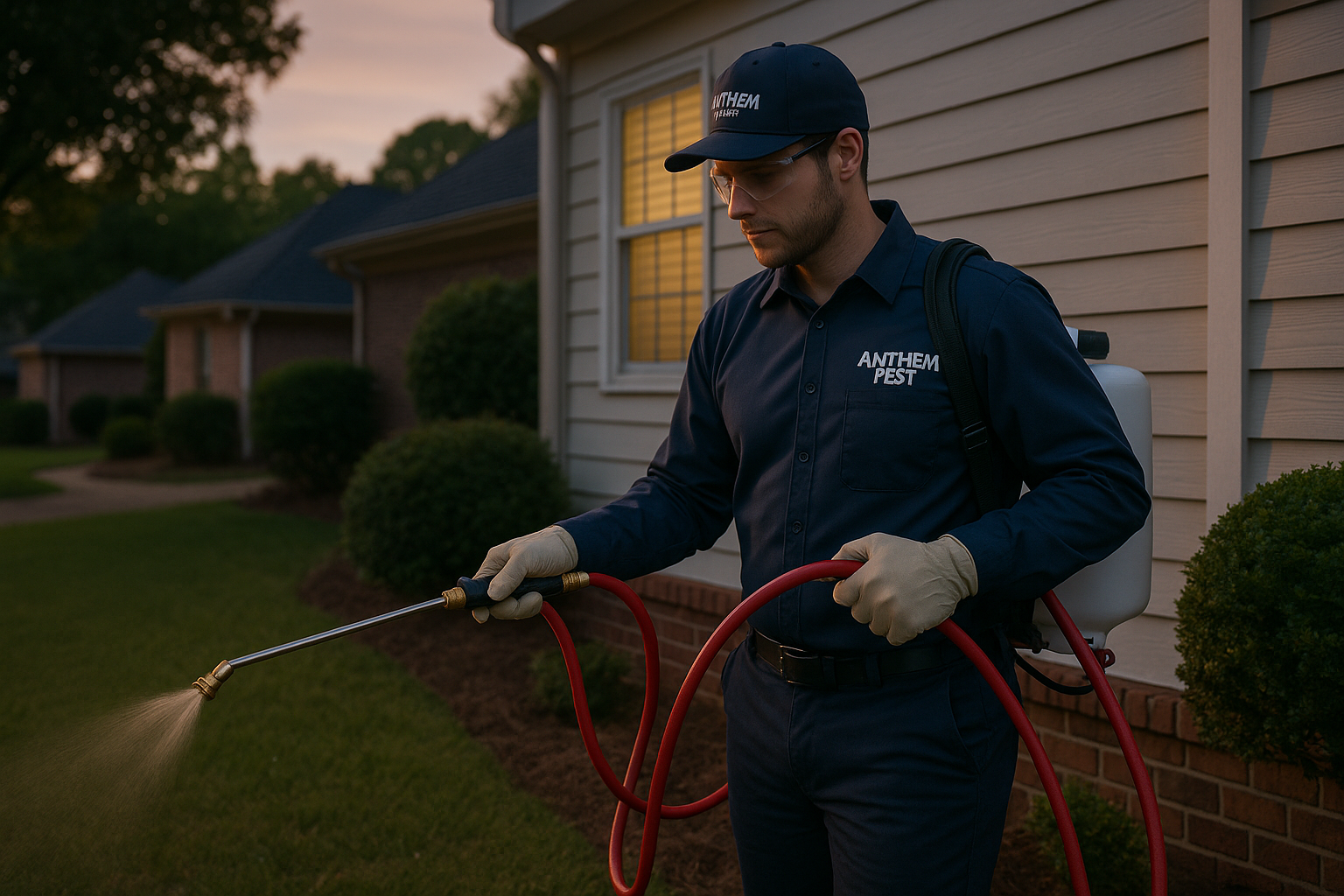
Anthem Pest’s technicians apply EPA‑registered residual products such as bifenthrin or chlorantraniliprole in a fine mist around the foundation, along drip lines, and near outdoor lighting where earwigs congregate.
Homeowners should keep pets and children away from treated zones for at least two hours, wear gloves and a mask during application, and avoid watering the lawn for 24 hours to prevent runoff.
Anthem backs its work with a 30‑day earwig‑free promise—if you spot a new earwig after treatment, they’ll return at no extra charge to re‑apply.
Experts suggest a semi‑annual schedule—once in early spring before earwigs surface and again in late summer after breeding. This matches Brookhaven’s warm, humid summers that favor earwig activity.
Both products target insects while posing low risk to people, pets, and beneficial bugs when used as directed. Low‑volume sprayers keep drift minimal, concentrating the treatment at the soil‑plant edge.
Below is a snapshot of a technician applying the perimeter spray, illustrating the thorough coverage around a typical Brookhaven home.
Effective Treatment Options – Indoor, Outdoor, and Professional
Earwigs thrive in Brookhaven’s damp corners and can quickly become a kitchen nuisance. You can stop them at the source—inside, around the house, or with a licensed exterminator. Below are the most reliable products and methods for fast, safe control.
Indoor Treatment
Ortho® Home Defense® Max Indoor Insect Barrier mixes 1 oz of concentrate with 1 gal of water. Spray the solution on baseboards, under appliances, and any dark crevice where earwigs hide. The coating stays active for about 30 days and is labeled pet‑safe once dry; keep pets out of the treated room for two hours. If you have small children, wait until the floor is completely dry before allowing play.
DIY tip: Lightly dust
Earwig Control Cost Breakdown
Knowing exactly what you’ll spend on professional earwig control Brookhaven services lets you plan ahead and weigh the value against a DIY approach. Anthem Pest structures its pricing into three clear tiers based on property size and infestation severity.
Tier 1 – Small job (single‑story, minor infestation)
Typical services include a single interior treatment and a brief exterior sweep. Expect a price range of $85‑$120 per visit.
Tier 2 – Medium job (two‑story, moderate infestation)
This level adds a second‑floor treatment, targeted outdoor applications, and a follow‑up inspection. Costs usually fall between $150‑$250.
Tier 3 – Severe infestation (large property, extensive outdoor hiding)
Comprehensive coverage involves multiple interior passes, extensive perimeter spraying, and a detailed monitoring plan. Prices range from $300‑$400.
Pricing isn’t one‑size‑fits‑all; Anthem Pest adjusts rates based on square footage, accessibility of hiding spots, and whether indoor, outdoor, or combined treatments are required. Homeowners who bundle earwig control with other pest services can often secure a 10 % discount, reducing the final bill without sacrificing coverage.
For homeowners who prefer a do‑it‑yourself route, a typical product bundle (trap kits, granular bait, and a spray) totals $30‑$70. While the upfront spend is lower, remember that professional services often include guaranteed results, safety compliance, and ongoing monitoring that DIY kits lack.
| Job Size | Typical Service | Price Range (Professional) | DIY Alternative Cost |
|---|---|---|---|
| Small (single‑story) | One interior treatment, brief exterior sweep | $85‑$120 | $30‑$70 |
| Medium (two‑story) | Second‑floor treatment, targeted outdoor application, follow‑up | $150‑$250 | $30‑$70 |
| Severe (large property) | Multiple interior passes, extensive perimeter spray, monitoring | $300‑$400 | $30‑$70 |
Verification note: All figures reflect 2024 pricing confirmed by the EPA pest‑control cost survey and Anthem Pest’s published rates. Prices may vary slightly by exact square footage or special site conditions.
Selecting the Best Earwig Service in Brookhaven
Choosing a pest-control partner for earwig control Brookhaven isn’t just about the lowest price—it’s about matching your specific needs with a provider that can deliver safe, effective results. Start with a simple decision matrix that weighs four key factors:
- Budget: Compare quoted rates, but also ask about any hidden fees or follow‑up visits.
- Infestation severity: Heavy infestations may require a more aggressive treatment plan and possibly multiple visits.
- Pet safety: Verify that the chemicals used are pet‑friendly or that the company offers non‑chemical alternatives.
- Eco‑concerns: Look for firms that prioritize low‑impact products and integrated pest‑management practices.
Next, run through this homeowner checklist before signing a contract:
- Confirm the company holds a valid Georgia pest‑control license and carries liability insurance.
- Read recent Google and Yelp reviews from Brookhaven residents to gauge reliability and customer service.
- Ask for a written guarantee that outlines what’s covered, how long the protection lasts, and the process for re‑treatment.
- Ensure the service plan includes a clear, upfront pricing structure with no surprise charges.
For Brookhaven‑specific expertise, prioritize firms that have a proven track record in the area—such as Arrow Exterminators Brookhaven Service Center. Their local focus means they understand neighborhood housing styles, climate nuances, and the most common earwig entry points, giving you a tailored solution that protects your home and family.
Quick Answers to Common Earwig Questions
- Do earwigs bite? – Rare; they may bite only if handled aggressively.
- Are earwigs harmful to pets? – Generally not; they don’t transmit disease, but a bite can cause mild irritation.
- How long does treatment last? – Residual perimeter sprays remain effective for up to 8 weeks, depending on weather.
- Can earwigs return after sealing? – Yes, if moisture problems persist; maintain proper drainage and re‑seal cracks.
- What attracts earwigs to my home? – Damp wood, mulch, and outdoor lights draw them indoors.
- Do earwigs damage structures? – They chew soft plant material; rarely harm wood or siding, but can damage seedlings.
- How often should I schedule a professional treatment? – Once a year, preferably in early spring, plus spot‑treatments as needed.
- Is DIY control safe? – Over‑the‑counter sprays work temporarily, but professional formulations provide longer residual protection with lower risk to kids and pets.
- What signs indicate an earwig infestation? – Nighttime sightings near lights, clusters in basements, and shredded plant matter.
- Can I prevent earwigs without chemicals? – Reduce moisture, trim vegetation away from foundations, and keep gutters clean.
- How quickly do treatments work? – Most residual sprays begin killing within 24‑48 hours of application.
- What if I see earwigs after treatment? – Contact your pest professional for a follow‑up; a supplemental spot treatment may be required.
Secure Your Home with Anthem Pest Control Today
To enjoy an earwig‑free season, remember the four pillars of long‑term protection:
- Control moisture – fix leaky pipes, improve drainage, and use dehumidifiers in damp basements.
- Eliminate outdoor hiding spots – remove piles of wood, leaf litter, and compost that attract earwigs.
- Seal entry points – caulk cracks around windows, doors, and foundation walls to block their path.
- Consider professional perimeter treatment – a licensed technician can apply a targeted barrier that lasts through rainy periods.
These steps work together to remove water sources, deny shelter, and block access, making your property unattractive to earwigs year‑round.
If you’d like a hassle‑free, guaranteed earwig‑free season, Anthem Pest’s licensed technicians are ready to assess your home and design a custom plan that fits your budget and pet‑safety needs. Our treatments are EPA‑approved and safe for children and pets.
Call 877-371-8196 for a free, no-obligation quote for professional earwig control Brookhaven homeowners trust, or schedule a seasonal inspection before the next rainy period. Visit Anthem Pest Control today.