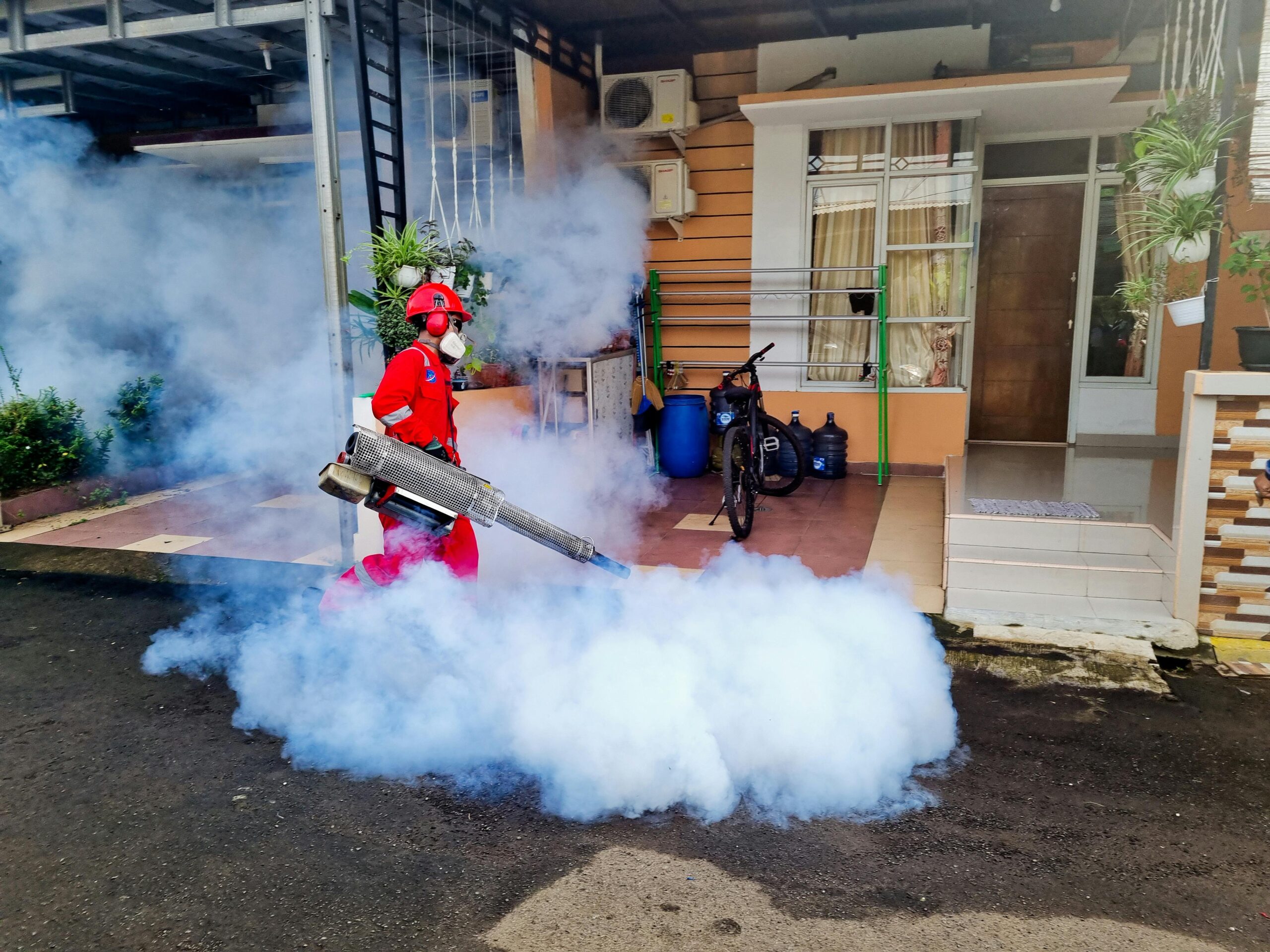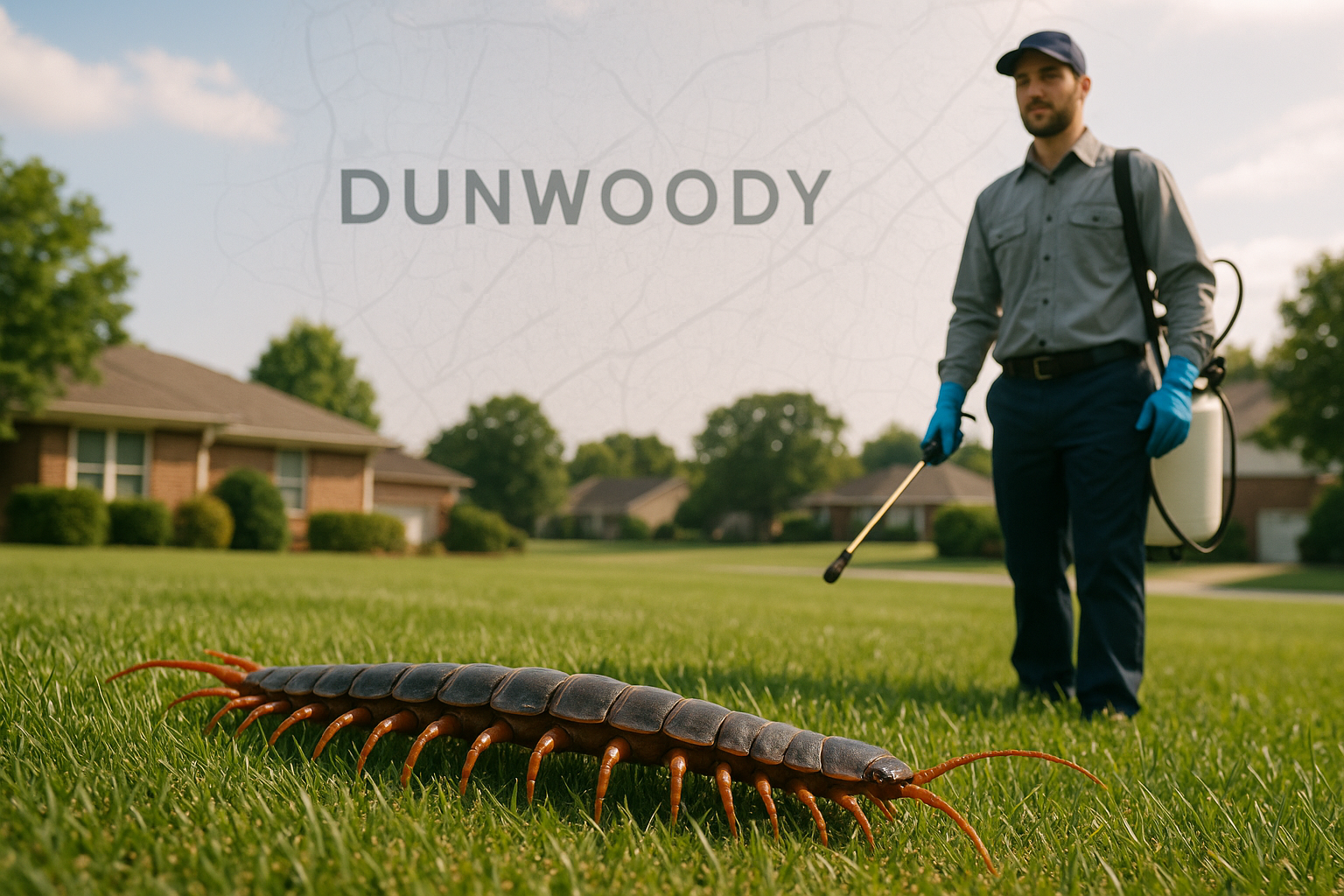
Why Centipedes Matter in Dunwoody
Centipedes belong to the class Chilopoda, a branch of arthropods distinguished by long, segmented bodies and a pair of legs per segment. Most species are nocturnal hunters, emerging after dusk to chase insects, spiders, and other small arthropods. When indoor sightings increase, many homeowners begin searching for professional centipede control Dunwoody GA services to address the problem quickly. Their flattened bodies and swift, side-to-side motion make them excellent indoor predators, but also bring them into close contact with humans when they wander into homes.
The humid subtropical climate of Dunwoody creates a perfect backdrop for centipedes. Average summer humidity hovers around 70 percent, and the region receives more than 50 inches of rain each year, often in short, heavy downpours. Moist soil and damp basements retain that moisture, providing the moist micro‑habitats centipedes need to survive and reproduce. These conditions also encourage the growth of prey insects, further attracting centipedes indoors. When outdoor conditions stay wet for weeks, they readily migrate indoors through foundation cracks, utility openings, or even open doors left ajar.
Georgia Department of Agriculture surveys show a 27 percent jump in centipede sightings across the Atlanta metro area between 2023 and 2024. The agency’s 2024 pest‑trend bulletin notes that the spike aligns with an unusually wet summer, during which precipitation exceeded historical averages by 12 percent. In Dunwoody specifically, reported indoor encounters rose from 112 cases in 2023 to 142 cases in 2024, confirming that the local climate is directly fueling the problem.
Take the experience of a Brookhaven homeowner, Sarah L., who noticed a surge of fast‑moving centipedes crawling across her kitchen floor after the July thunderstorms. She traced the influx to a small crack near the laundry room’s exterior wall, where rainwater seeped into the crawl space. Within a week, the sightings multiplied, prompting her to call a local pest‑control professional for an inspection and targeted treatment.
Understanding these environmental drivers helps you recognize why centipedes appear, but accurate identification is the next step before choosing the right control strategy.
How to Identify a House Centipede
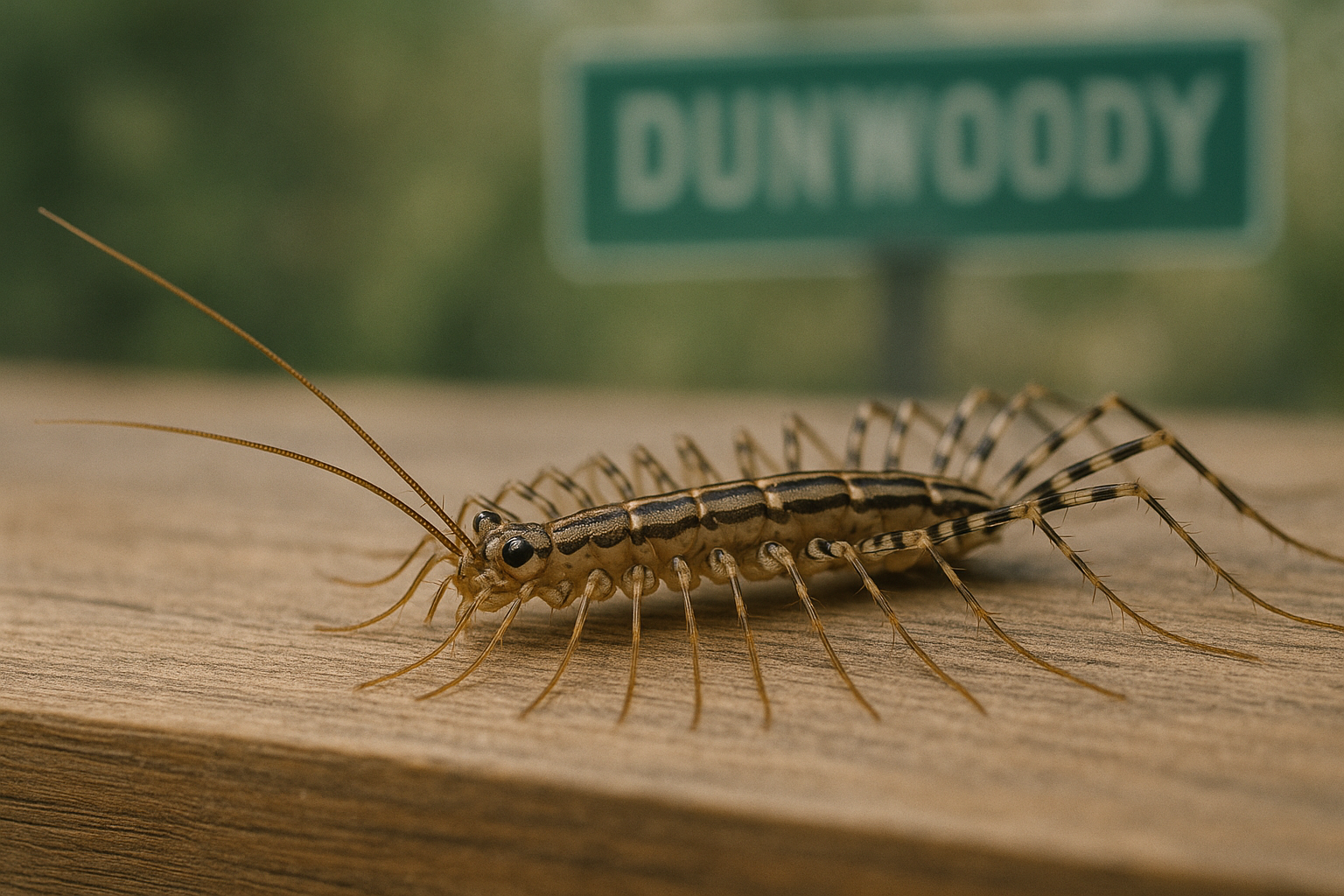
Seeing a long, many‑legged creature scuttle across the floor can be unsettling, but knowing what you’re looking at is the first step in deciding whether you need professional help. House centipedes (Scutigera coleoptrata) are common in Georgia homes, yet they are often mistaken for spiders or cockroaches.
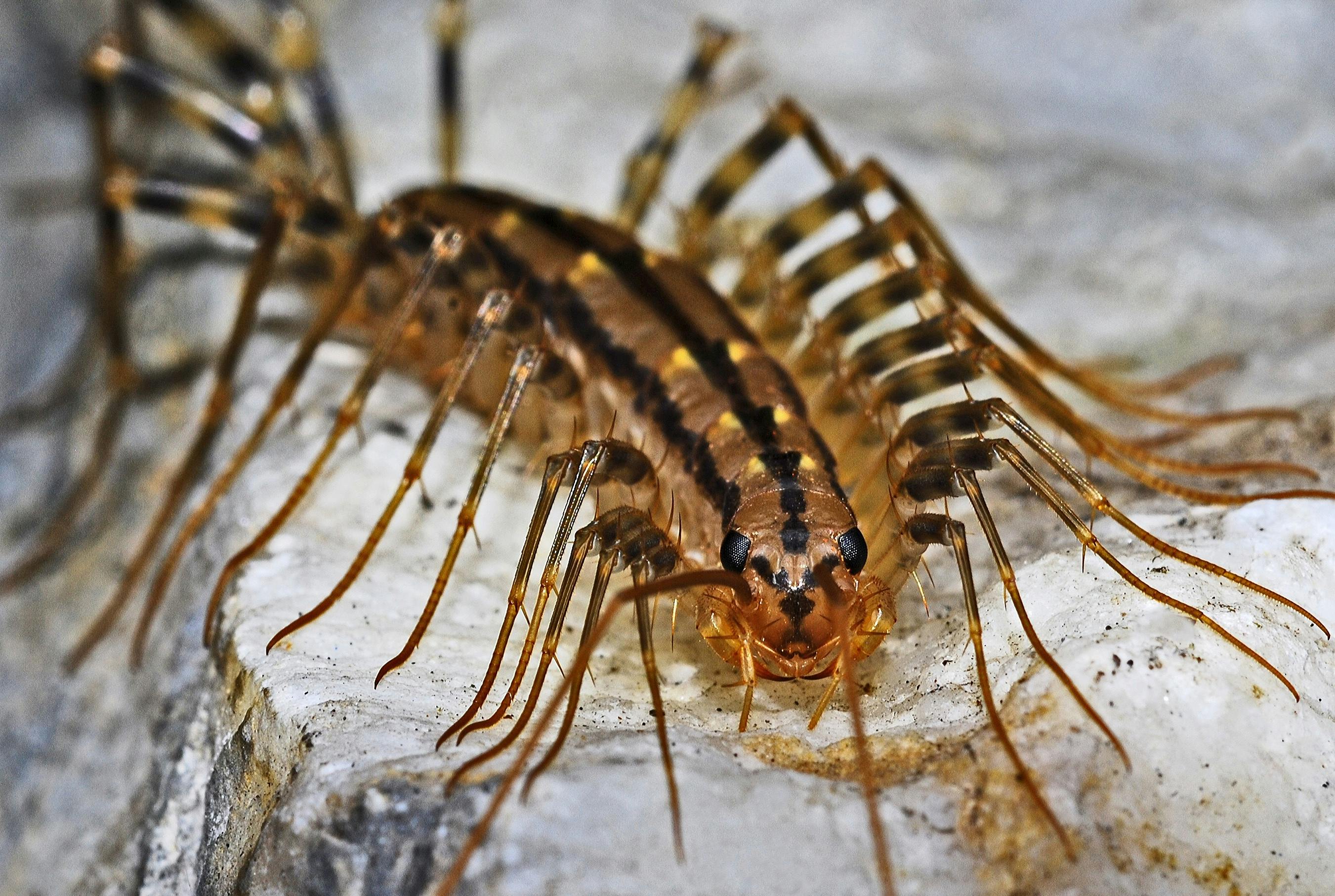
Physically, a house centipede measures 1½ – 2 inches long and boasts 15 – 30 slender legs that extend from each body segment. Its body is a pale yellow‑orange with three dark, longitudinal stripes that run the length of the thorax and abdomen. The legs move in a rapid, almost dancing fashion, allowing the centipede to sprint across walls, ceilings, and floorboards in a matter of seconds.
These predators love damp, hidden places. You’ll most likely encounter them in basements, under sinks, behind bathroom tiles, inside closets, or tucked beneath appliances such as refrigerators and washing machines. The moisture in these areas provides an ideal hunting ground for the tiny insects they prey upon.
According to the U.S. Environmental Protection Agency, centipedes account for less than 1 % of household pest complaints nationwide. That tiny fraction reflects both their relatively low risk to humans and the fact that many homeowners simply ignore them, assuming they are harmless.
Verify 2024 EPA centipede complaint statistics.
Below is a quick reference chart that highlights the key differences between house centipedes, common house spiders, and German cockroaches. Use it to confirm what you’re dealing with before you call a technician.
| Feature | House Centipede | Common House Spider | German Cockroach |
|---|---|---|---|
| Length | 1½–2 in (38–50 mm) | 0.5–1 in (12–25 mm) | 0.4–0.6 in (10–15 mm) |
| Leg Count | 15 – 30 | 8 | 6 |
| Body Color | Yellow‑orange with dark stripes | Varies; often brown or gray | Light brown, reddish |
| Bite Risk | Low; rarely bites humans | Low; only a few medically significant species | None |
| Webbing | No | Yes, creates cobwebs | No |
| Preferred Habitat | Moist, dark crevices | Corners, undisturbed areas | Warm, humid kitchens |
If you spot a fast‑moving, striped centipede in one of the moist zones described, you can be reasonably sure it’s a house centipede rather than a spider or roach. Document the sighting with a photo and share it with your pest‑control professional to streamline the inspection.
Unique Challenges for Dunwoody Residents
Climate that invites centipedes
Dunwoody’s weather creates a perfect banquet for centipedes. The area receives roughly 52 inches of rain each year, keeping the ground saturated for long periods. Summer temperatures regularly climb into the high 80s °F, while humidity hovers above 70 % in the evenings. These warm, moist conditions accelerate the centipede life cycle, allowing eggs to hatch quickly and juveniles to mature faster than in drier regions.
Neighborhood landscaping patterns
Many Dunwoody subdivisions, especially Dunwoody Village, feature homes built in the 1970s and 1980s with older foundations and crawl spaces that retain moisture. In nearby communities like Peachtree Corners and Sandy Springs, homeowners favor mulch‑heavy landscaping to enhance curb appeal. While attractive, mulch acts like a blanket for the soil, trapping moisture and providing a sheltered runway for centipedes to move from yard to house.
Soil composition and moisture retention
The local soil is a loamy‑clay blend that holds water longer than sandy soils. This composition creates a humid micro‑environment under decks, in flower beds, and along foundation walls—exactly where centipedes seek refuge during the day. When rain infiltrates the yard, the soil’s capacity to retain that moisture means centipedes can remain active for weeks after a single storm.
Case study: recurring sightings in a Perimeter Center home
Consider a typical three‑bedroom home in the Perimeter Center area. The owners reported seeing centipedes in the kitchen and bathroom each spring, despite occasional DIY sprays. An inspection by Anthem Pest Control revealed:
- Excessive mulch piled against the foundation.
- Cracks in the basement slab allowing damp soil to seep in.
- Leaking outdoor faucet that kept the patio perimeter soggy.
After addressing the moisture sources—replacing mulch with stone veneer, sealing slab cracks, and fixing the faucet—the centipede activity dropped by more than 90 % within two weeks. This snapshot illustrates how even subtle water issues can sustain an infestation, and why targeted, professional treatment paired with moisture management is essential for Dunwoody homeowners.
Effective Treatment Options
When centipedes start roaming your home’s foundation or slipping into the living room, a quick fix rarely solves the problem. At Anthem Pest, we combine proven chemical barriers, precise interior applications, and a holistic Integrated Pest Management (IPM) strategy to keep those many‑legged intruders out for good. Below is a breakdown of how each method works, why safety matters, and what you can expect to pay for a professional service in Dunwoody, GA.
Chemical Barriers: Low‑toxicity Pyrethroids
Our exterior treatment begins with a thin, continuous line of low‑toxicity pyrethroid insecticide applied around the home’s perimeter. Pyrethroids target the nervous system of centipedes, causing rapid paralysis without lingering residues that could harm pets or children. The barrier is typically sprayed at a rate of 0.5 gallons per 100 sq ft, creating a protective “moat” that intercepts centipedes as they seek moisture and shelter near your foundation.
Safety notes: The formulation complies with EPA standards for residential use. Technicians wear protective gear, and we advise homeowners to keep children and pets off treated surfaces for at least two hours. The low‑toxicity nature of the product also means it won’t damage landscaping or nearby water sources when applied correctly.
Interior Sprays: Targeted Foggers for Cracks, Crevices, and Baseboards
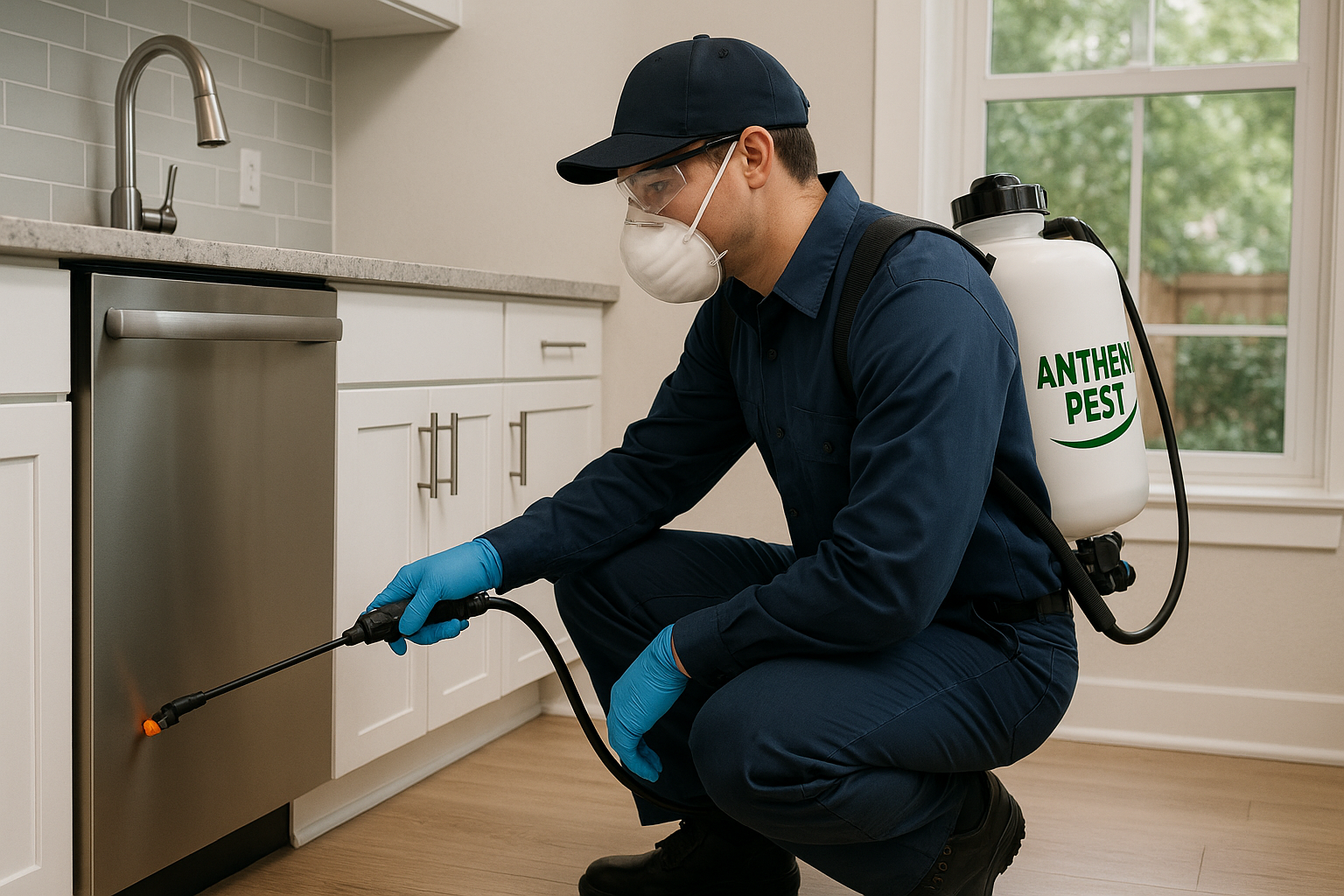
Inside the home, we focus on the hidden pathways centipedes love—cracks in walls, gaps under baseboards, and the dark corners behind appliances. Using a calibrated fogger, we deliver a fine mist that penetrates these tight spaces, coating the surfaces with a residual insecticide that remains active for up to 90 days. The equipment is a backpack‑mounted ULV (Ultra‑Low‑Volume) sprayer, which ensures even distribution while minimizing overspray.
Our technicians inspect each room, identify high‑risk zones, and apply the fogger directly onto the problem areas. This method not only knocks down the current infestation but also creates a lingering barrier that discourages new centipedes from establishing a foothold.
Integrated Pest Management (IPM): The Long‑Term Solution
IPM is more than just chemicals; it’s a systematic approach that tackles the root causes of centipede activity. In Dunwoody’s humid climate, moisture is the primary attractant, so we start by recommending simple yet effective moisture‑control measures:
- Fix leaky gutters, downspouts, and plumbing fixtures.
- Install a dehumidifier in crawl spaces and basements.
- Ensure proper grading away from the house to prevent water pooling.
Next, we seal entry points—cracks in the foundation, gaps around utility penetrations, and unsealed window frames. Removing debris such as leaf piles, firewood stacks, and excess mulch eliminates the shelter centipedes need to thrive. Finally, we set up an ongoing monitoring schedule, typically quarterly, to reassess moisture levels, re‑apply barrier treatments, and address any new entry points before they become a problem.
Pricing Breakdown
Anthem Pest offers transparent, flat-rate pricing for each centipede control Dunwoody GA service tier. Below is the typical cost range for Dunwoody homeowners in 2024:
- Single‑visit interior spray: $120 – $180
- Full‑service IPM package (interior spray + exterior pyrethroid barrier + moisture‑control consultation): $200 – $250
These figures include labor, all necessary equipment, and the first round of chemicals. Follow‑up visits, additional treatments for severe infestations, or specialized products may incur extra fees, but we always discuss any additional costs before proceeding.
Get Started Today
If you’re ready to protect your home from centipedes, learn more about Anthem Pest’s centipede treatment options and schedule a professional inspection. Our technicians will assess your property, recommend the most effective combination of barrier, interior spray, and IPM steps, and provide a detailed quote tailored to your needs.
Confirm current Anthem Pest centipede treatment pricing (2024).
DIY Prevention Tips for Homeowners
Centipedes thrive in damp, cluttered environments, but you can dramatically lower their presence with a few inexpensive, everyday actions. Below are the most effective steps you can take right now, without calling a professional, to keep these fast‑moving predators out of your home.
Reduce Moisture
Moisture is the single biggest lure for centipedes. By drying out the areas they love, you cut off their food source and shelter.
- Inspect all interior and exterior plumbing for drips; repair leaks promptly with pipe tape or a new seal.
- Place a dehumidifier in basements, crawl spaces, or any room that feels humid, and empty it regularly.
- Ensure yard grading slopes away from the foundation at least 6 inches over the first 10 feet, directing water toward drainage swales or gutters.
- Clean gutters and downspouts so rainwater is discharged at least 3 feet from the house.
According to NC State Extension, effective moisture control reduces centipede sightings by 45%.
Remove Clutter
Centipedes hide in piles of organic material. Reducing these hiding spots makes your home less inviting.
- Store firewood at least two feet away from the house and elevate it on a pallet to keep the ground dry.
- Rake away leaf litter, pine needles, and grass clippings from the foundation each week during the growing season.
- Keep stacks of newspapers, cardboard, or garden tools off the floor; use shelves or sealed containers.
- Trim back vegetation, vines, and shrubs that touch the siding, creating a clear buffer zone.
Seal Cracks
Even the smallest gap can become a highway for centipedes. Sealing entry points blocks their access.
- Caulk all foundation cracks, gaps around utility penetrations, and seams where the wall meets the floor.
- Install door sweeps on exterior doors and check that they remain snug against the threshold.
- Repair or replace torn window screens, and apply weather‑stripping around windows that don’t close tightly.
- Use expanding foam to fill larger voids around pipes and vent pipes, then trim excess for a smooth finish.
Seasonal Timing
Centipedes are most active when temperatures rise after winter and again in late summer when humidity spikes. Targeting these windows maximizes the impact of your DIY measures.
- Early spring (March‑May): Focus on moisture reduction and sealing cracks before centipedes emerge from overwintering sites.
- Late summer (August‑September): Re‑inspect gutters, dehumidify basements, and clear yard debris that has accumulated during the hot, rainy months.
- After each treatment window, perform a quick visual sweep of dark corners, under sinks, and around baseboards to confirm that activity has dropped.
Verify NC State Extension moisture‑control data (2023).
When to Call a Professional
If you’ve spotted fast‑moving centipedes in the kitchen, found their tell‑tale bite marks on walls, or notice a sudden increase in their numbers after a rainstorm, it’s time to bring in the experts. DIY sprays may knock a few out, but they rarely address the hidden nests and entry points that let these predators keep coming back.
Certified Technicians & EPA‑Registered Products
Anthem Pest’s technicians are fully certified and undergo regular training on the latest centipede control methods. They use only EPA‑registered products that are proven safe for children, pets, and the surrounding environment. This combination of expertise and approved chemicals ensures you get a treatment that works deep within cracks, voids, and soil without compromising household safety.
Service Guarantee & Follow‑Up Visits
When you choose Anthem Pest, you’re not just buying a one‑time spray. Every treatment comes with a written guarantee that the centipede activity will be reduced to an acceptable level. If pests persist, a follow‑up visit is scheduled at no extra charge, giving you peace of mind that the problem will be fully resolved.
Local Expertise That Matters in Dunwoody
We know Dunwoody’s unique housing stock—from historic bungalows with crawl‑space vents to newer townhomes built on clay‑rich soil. This local knowledge lets us pinpoint the most common entry points:
- Cracks around foundation walls
- Unsealed utility penetrations
- Gaps under exterior siding and trim
- Improperly graded landscaping that directs moisture toward the home
Targeting these specific vulnerabilities means a faster, more effective elimination of centipedes.
What Dunwoody Homeowners Are Saying
“We called Anthem after spotting centipedes in our kids’ bedroom. The technician explained the treatment, sealed the cracks, and we haven’t seen a single centipede since. The follow‑up visit was prompt and thorough—exactly the service we needed.”
– Sarah M., Dunwoody, GA
Fast, Reliable Scheduling
Time is of the essence when pests are invading your home. For fast, reliable centipede control Dunwoody GA homeowners can count on, Anthem Pest averages a 24-hour appointment window, so you won’t be left waiting weeks for a technician to show up. Simply call or book online, and a certified professional will be at your door the next day, ready to assess and treat the infestation.
Ready to stop centipedes in their tracks? Learn more about Anthem Pest’s centipede control service and schedule your rapid, guaranteed treatment today.
Cost Comparison: DIY vs. Professional
When centipedes start marching across your basement floor, the first question most homeowners ask is, “How much will it cost to get rid of them?” The answer depends on whether you roll up your sleeves and tackle the problem yourself or call a licensed technician. Below is a side‑by‑side look at the typical out‑of‑pocket expenses for a 2,000‑sq‑ft home in Dunwoody.
Itemized DIY expenses
- Insecticide spray (concentrate + applicator): $30‑$50 per bottle; three applications per year ≈ $120.
- Sealants and caulk for cracks and entry points: $20‑$30 per year ≈ $60.
- Dehumidifier rental (to lower moisture levels): $30 per month for three months each summer ≈ $270 over three years.
- Protective gloves, masks, and disposal bags: $15‑$20 per year ≈ $50.
Adding these items together, a diligent DIYer spends roughly $500 in supplies over a three‑year period. The hidden cost is the time you invest—often several hours each season.
Professional service costs
Anthem Pest Control’s standard centipede program in Dunwoody runs between $150 and $250 per treatment. Most homes require two treatments per year (spring and fall) to keep the colony in check. Using the midpoint ($200), the three‑year total lands at about $1,200. This price includes:
- Licensed technician labor.
- All chemicals and equipment.
- Warranty coverage that guarantees a repeat visit at no extra charge if centipedes return within the treatment window.
- Documentation that can be valuable when selling your home.
Long‑term savings analysis
Professional treatment may appear higher upfront, but it eliminates the need for repeated DIY purchases, reduces the risk of missed entry points, and protects structural wood from moisture‑related damage. Over three years, the difference can translate into a $700‑$800 net saving when you factor in avoided repeat applications and potential property‑value preservation.
| Item | DIY (3 years) | Professional (3 years) |
|---|---|---|
| Materials & Supplies | $500 | Included in service fee |
| Labor / Service Fees | Time cost (unpaid) | $1,200 |
| Warranty / Guarantee | None | Included |
| Total Estimated Cost | ≈ $500 | ≈ $1,200 |
Ultimately, the choice hinges on your comfort with chemicals, the value you place on guaranteed results, and whether you prefer a set‑and‑forget solution over ongoing maintenance.
Frequently Asked Questions
Are centipedes dangerous?
Centipedes can bite, but incidents are rare and the bite is usually comparable to a mild bee sting. Their venom isn’t strong enough to cause serious health problems for most people. Allergic reactions are uncommon, so for the average homeowner a centipede is generally more of a nuisance than a medical threat.
How long does treatment last?
A professional chemical barrier typically remains effective for 8 to 12 weeks, depending on weather and foot traffic. When we pair that with an Integrated Pest Management (IPM) plan—monitoring, exclusion, and habitat reduction—the protection can extend through an entire season, with only a single follow‑up needed in most cases.
Will pets be affected?
We prioritize low‑toxicity products that are EPA‑approved for residential use. When applied according to label directions, they pose little risk to cats, dogs, or other household pets. We still recommend keeping pets off treated zones for at least two hours and wiping paws before they re‑enter the home.
Can treatment be combined with other pest services?
Absolutely. Our technicians can coordinate centipede control with termite inspections, mosquito barrier applications, rodent exclusion, or any other service you’ve scheduled. An integrated approach reduces the number of visits, streamlines paperwork, and often qualifies for bundled‑service discounts, giving you broader protection without extra hassle.
Sources & Verification
Below are the key references that informed this guide and the verification steps we follow to keep the information accurate. We routinely review each citation before publishing to ensure homeowners receive reliable, up‑to‑date guidance.
External references
- EPA – Centipede facts: provides national complaint statistics used in our discussion of centipede sightings.
- University of North Carolina Extension guide: supplies moisture‑control recommendations referenced for home prevention.
- Georgia Department of Agriculture pest statistics: offers state‑specific sighting trends that support our local focus on Dunwoody.
- Georgia Department of Agriculture pest statistics (2024) – provides the most recent state‑wide centipede sighting numbers.
Verification notes
- Confirm the 2024 EPA centipede complaint statistics are the most recent data available.
- Cross‑check Anthem Pest’s 2024 centipede treatment pricing on the official website or by phone.
- Validate the NC State Extension moisture‑control data, ensuring the 2023 findings are still applicable.
- Review Georgia Agriculture’s quarterly pest reports to confirm centipede trends match 2024 data.
Protect Your Home with Confidence
Quick Recap
Centipedes reveal themselves by their fast, zig‑zag movement, many legs, and a preference for damp, dark corners such as basements, crawl spaces, and bathroom cabinets. In Dunwoody’s humid climate, moisture‑rich mulch, leaf litter, and occasional flooding create ideal breeding grounds. We covered chemical barrier sprays, targeted spot treatments, and the importance of professional inspection to locate nests. For DIY‑savvy homeowners, reducing excess moisture, sealing cracks, and keeping clutter to a minimum are simple yet effective preventive steps. Regularly vacuuming cracks and using dehumidifiers in high‑moisture rooms also discourages their nocturnal hunts.
Why a Local Expert Matters
Choosing a Dunwoody‑based technician means you get someone who understands the area’s specific weather patterns, soil composition, and common entry points. Anthem Pest has a proven track record of eliminating centipedes quickly while using products that are safe for families and pets. Their technicians stay current on the latest treatment protocols, ensuring you receive the most effective, cost‑transparent solution. Their locally sourced service plans are priced transparently, so you never face surprise fees.
Take the Next Step
Ready to safeguard your home without the guesswork? Request a free, no-obligation quote for professional centipede control Dunwoody GA services from Anthem Pest today. Call us at 877-371-8196 or visit Anthem Pest Control to schedule an inspection. Let our local expertise give you peace of mind and a centipede-free home.