Emergency Mouse Situation in Smyrna, GA

In the past month, residents of Smyrna’s Sixes, Hillcrest, and Oak Hill neighborhoods have reported a noticeable spike in mouse sightings. Homeowners are finding droppings in pantry shelves, hearing nocturnal scurrying behind walls, and even spotting live rodents in daylight. This sudden surge isn’t seasonal luck—it’s a clear signal that a localized rodent outbreak is underway.
What turns a single mouse into an emergency? First, mice breed at an astonishing rate: a pair can produce up to ten litters a year, each with 5‑7 pups. That means one sighting can quickly become a full‑blown infestation in weeks. Second, mice are vectors for diseases such as Hantavirus, salmonella, and leptospirosis, putting families at serious health risk, especially children and seniors. Third, their constant gnawing can compromise electrical wiring, insulation, and structural wood, creating fire hazards and costly repairs. When these factors converge, a simple sighting escalates to an urgent threat that demands immediate action.
“The Smyrna County Health Department has issued a 2024 alert warning residents of a rising rodent activity trend in the Sixes, Hillcrest, and Oak Hill areas. Homeowners are urged to inspect properties daily and contact licensed pest professionals at the first sign of mouse activity.” – Smyrna‑GA Health Department
At Anthem Pest Control, we approach this situation with data‑driven precision. Our technicians combine real‑time monitoring with proven, EPA‑approved treatment protocols to halt breeding cycles before they spiral out of control. By acting swiftly, you protect your family’s health, safeguard your home’s integrity, and avoid the exponential costs of a delayed response.
Understanding the local dynamics—such as the recent construction projects that have displaced wildlife into residential zones—helps us tailor a solution that fits Smyrna’s unique environment. If you’ve spotted a mouse or noticed the tell‑tale signs of activity, treat it as an emergency and reach out today. Your home’s safety is our top priority.
Understanding the Mouse Threat in Smyrna
Meet the House Mouse (Mus musculus)
The most common invader in Smyrna homes is the house mouse. Adults are typically 2.5‑3.5 inches long, with a slender tail that can equal their body length. They live 1‑2 years in the wild, but a protected indoor environment can stretch that to three years. Their reproductive engine is relentless: a single female can produce up to ten litters per year, each litter containing 5‑8 pups. That means a modest infestation can explode into a full‑blown colony within months if left unchecked.
Local Statistics Paint a Clear Picture
According to the EPA’s Rodent Control Guidance, Georgia ranks fifth nationwide for rodent‑related complaints. Smyrna alone experienced a 22 % jump in reported mouse activity during 2023, outpacing the state average. This surge reflects both population growth and the city’s mix of older and newer housing stock, which creates ideal hiding spots for these adaptable critters.
Why Late Summer to Early Fall Is the Peak Season
Mouse numbers naturally climb as summer wanes. Outdoor food sources—seeds, fruit, and garden waste—begin to disappear, driving rodents to seek shelter and sustenance inside homes. Warm, humid evenings also encourage breeding, so you’ll notice more droppings, gnaw marks, and rustling in walls during this window. Acting quickly before the first frost can prevent a seasonal boom from turning into a year‑round problem.
Neighborhood Nuances: Sixes vs. West Hill
Not all Smyrna neighborhoods are created equal when it comes to mouse risk:
- Sixes area – Many homes here were built in the 1970s‑80s and feature expansive crawl spaces and vented foundations. Those gaps are perfect entry points for mice, especially when landscaping is dense and mulch piles up against the foundation.
- West Hill developments – Newer constructions boast sealed slabs and limited crawl‑space exposure. However, the modern, energy‑efficient designs can trap moisture, creating hidden pockets where mice can thrive if a single opening is missed during construction.
Understanding these local nuances helps you target inspections and treatments where they matter most. Whether you live in a vintage Sixes home or a brand‑new West Hill residence, early detection and professional intervention are the smartest defenses against a mouse invasion.
Immediate Steps Homeowners Can Take
When you discover mice scurrying through your Smyrna home, the fastest way to stop the infestation is to act now. The following three‑step checklist gives you concrete actions you can start this afternoon, even before the pest‑control pros arrive.
Step 1 – Seal obvious entry points
Rodents can squeeze through openings as small as a quarter‑inch. Walk the exterior of your house and the interior foundation, looking for gaps around pipes, vents, and utility lines. For each opening that measures ¼”–½”, stuff it with steel wool—its coarse fibers irritate a mouse’s paws—then cover the wool with a bead of silicone‑based caulk. This double barrier blocks entry without compromising the building’s structural integrity.
Step 2 – Remove food sources
Starving mice will search every nook for a crumb. Transfer all pantry staples—cereal, grains, nuts—into airtight containers made of glass or heavy‑wall plastic. Sweep or vacuum floors daily, paying special attention to cabinets, under appliances, and the back of the refrigerator. Empty your pet’s food bowl at night and store pet food the same way you store human provisions.
Step 3 – Set up temporary traps
While you’re sealing and cleaning, deploy traps to reduce the current population. Two common options are:
- Snap traps – Quick‑killing, low‑cost, and 95% effective according to the 2022 NPMA trap‑effectiveness study. Best for indoor use where a quick kill is preferred.
- Live‑catch traps – Humane, reusable, and 78% effective in the same study. Ideal for households that prefer relocation, but they require frequent checking and proper release far from the home.
Place each trap perpendicular to the wall, with the trigger side facing the mouse’s travel path. Use a dab of peanut butter or a small piece of cheese as bait, and check traps at least once daily.
Quick‑Start Checklist
- Walk the perimeter and fill all ¼”–½” gaps with steel wool + caulk.
- Transfer pantry items to airtight containers.
- Vacuum crumbs and clean under appliances.
- Choose snap or live traps; set 2‑3 per room.
- Use peanut butter or cheese as bait.
- Inspect traps every 24 hours and dispose/re‑set as needed.
Identifying Signs of Infestation
When mice slip into your home, they rarely announce their arrival. Instead, they leave a trail of clues that any attentive homeowner can spot. Knowing what to look for lets you act before a small problem becomes a full‑blown infestation.
Visual clues
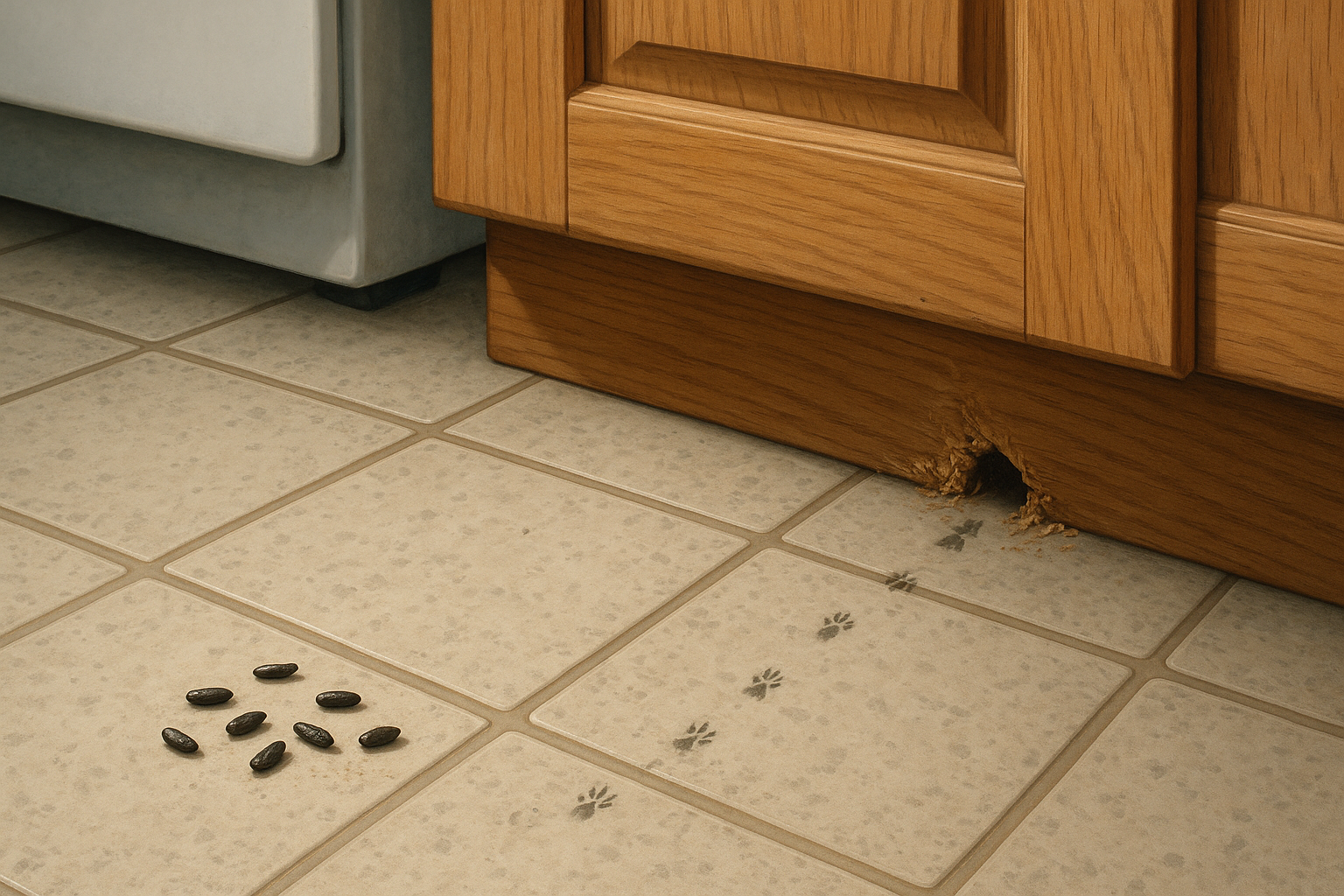
The most obvious evidence appears as tiny black droppings, about 1‑2 mm long, scattered along baseboards, behind appliances, or inside cabinets. Look for fresh gnaw marks on wood, plastic, or wiring, and for shredded paper or insulation that mice use for nests.
Auditory clues
At night, mice scurry behind walls and ceilings, producing faint scratching or scurrying sounds. If you hear intermittent scratching that stops when you shine a flashlight into the wall cavity, you’re likely hearing a resident mouse moving along its hidden pathways.
Odor clues
A persistent, musky odor is another red flag. The smell comes from mouse urine, which can saturate fabrics, insulation, or stored food. Even a faint, sour scent in a closet or pantry suggests a population that’s been feeding and marking its territory.
According to the CDC Hantavirus Information, mouse‑borne illnesses such as Hantavirus pulmonary syndrome and Salmonella infections affect thousands of Americans each year. Direct contact with droppings, urine, or contaminated surfaces can transmit these pathogens, making early detection critical for protecting your family’s health.
By watching for droppings, gnaw marks, night‑time noises, and that unmistakable musky smell, you can confirm a mouse presence before damage escalates. Prompt identification lets Anthem Pest Control deploy targeted treatments, keeping your home safe and rodent‑free.
DIY Measures and Their Limits
When a mouse scurries across your kitchen floor, it’s natural to reach for a quick, do‑it‑yourself fix. A well‑planned DIY approach can buy you time and keep the problem manageable, but it’s crucial to know where the line is drawn between a safe home remedy and a situation that demands professional expertise.
Safe Baiting
EPA‑approved rodenticides are the most reliable DIY baits, but they must be handled with care. Choose products labeled “restricted use” and keep them in their original containers until placement. Position the bait stations along walls, behind appliances, and near suspected travel routes—mice rarely cross open spaces. Use tamper‑resistant stations if children or pets roam the house, and wear disposable gloves when setting them up. Always store unused bait out of reach and follow the label’s disposal instructions to avoid accidental exposure.
Exclusion Techniques
Preventing entry is often more effective than chasing mice after they’ve settled in. Install door sweeps on all exterior doors to seal the gap at the bottom. Fit vent covers with fine mesh to block tiny entry points, and caulk cracks around windows, baseboards, and utility penetrations. Even a 1/4‑inch opening can become a highway for rodents, so a thorough inspection and sealing routine can dramatically reduce the chance of reinfestation.
When DIY Hits Its Limits
Despite diligent baiting and sealing, certain scenarios are beyond the reach of a homeowner’s toolkit. Hidden nests tucked inside wall cavities, attics, or under flooring can harbor dozens of mice, making it impossible to locate every individual. Large infestations often require multiple bait stations, rotating treatments, and professional-grade equipment to ensure complete eradication. Moreover, if you have young children, curious pets, or anyone with heightened sensitivity to chemicals, the risk of accidental poisoning outweighs the cost savings of a DIY approach.
DIY Kit Cost Snapshot
For most Smyrna homeowners, a basic mouse‑control kit—including a few bait stations, a set of door sweeps, and a roll of sealant—runs between $20 and $60 at retailers like Home Depot. While this price may seem modest, remember that the true expense lies in the time spent monitoring, resetting, and safely disposing of bait, as well as the potential need for professional follow‑up if the infestation persists.
When to Call Professional Pest Control
Most homeowners can manage a single mouse sighting, but certain signs mean the problem is beyond DIY control. Ignoring these red‑flag scenarios can lead to structural damage, health risks, and costly repairs. Knowing exactly when to call in a professional saves you time, money, and peace of mind.
Red‑Flag Scenarios
- More than 10 mouse sightings in a single week – a rapid increase indicates a breeding population.
- Chewed or exposed wiring – rodents gnawing on electrical cables creates fire hazards.
- Evidence of droppings, urine stains, or gnaw marks in food storage areas – contaminates meals and spreads disease.
- Children or pets playing in the yard or basement – the risk of bites, allergic reactions, or ingestion rises sharply.
- Unexplained noises in walls, attics, or crawl spaces, especially at night – a sign that mice are nesting inside your home’s structure.
When any of these indicators appear, the infestation is no longer a minor nuisance. Mice can chew through insulation, compromise the integrity of your home’s framework, and spread pathogens such as Hantavirus. Prompt professional intervention stops the damage before it escalates.
Benefits of Hiring a Professional Service
DIY traps and over‑the‑counter poisons often miss hidden entry points and can leave hazardous residues. A certified technician brings a systematic approach that targets the source, not just the visible mice.
- Thorough inspection: Certified technicians use specialized tools to locate hidden entry points and nesting sites that most homeowners miss.
- Certified pesticide use: Trained professionals apply EPA‑approved products safely, protecting your family and pets while ensuring effective eradication.
- Warranty coverage: Most reputable companies, including Anthem Pest, back their work with guarantees that cover re‑infestation within a set period.
- Long‑term prevention plan: Experts seal gaps, recommend sanitation steps, and schedule follow‑up visits to keep rodents out for good.
- Time efficiency: A single, well‑executed treatment eliminates the need for repeated DIY attempts that often prolong the problem.
Anthem Pest understands that mouse emergencies don’t wait for business hours. Our 24
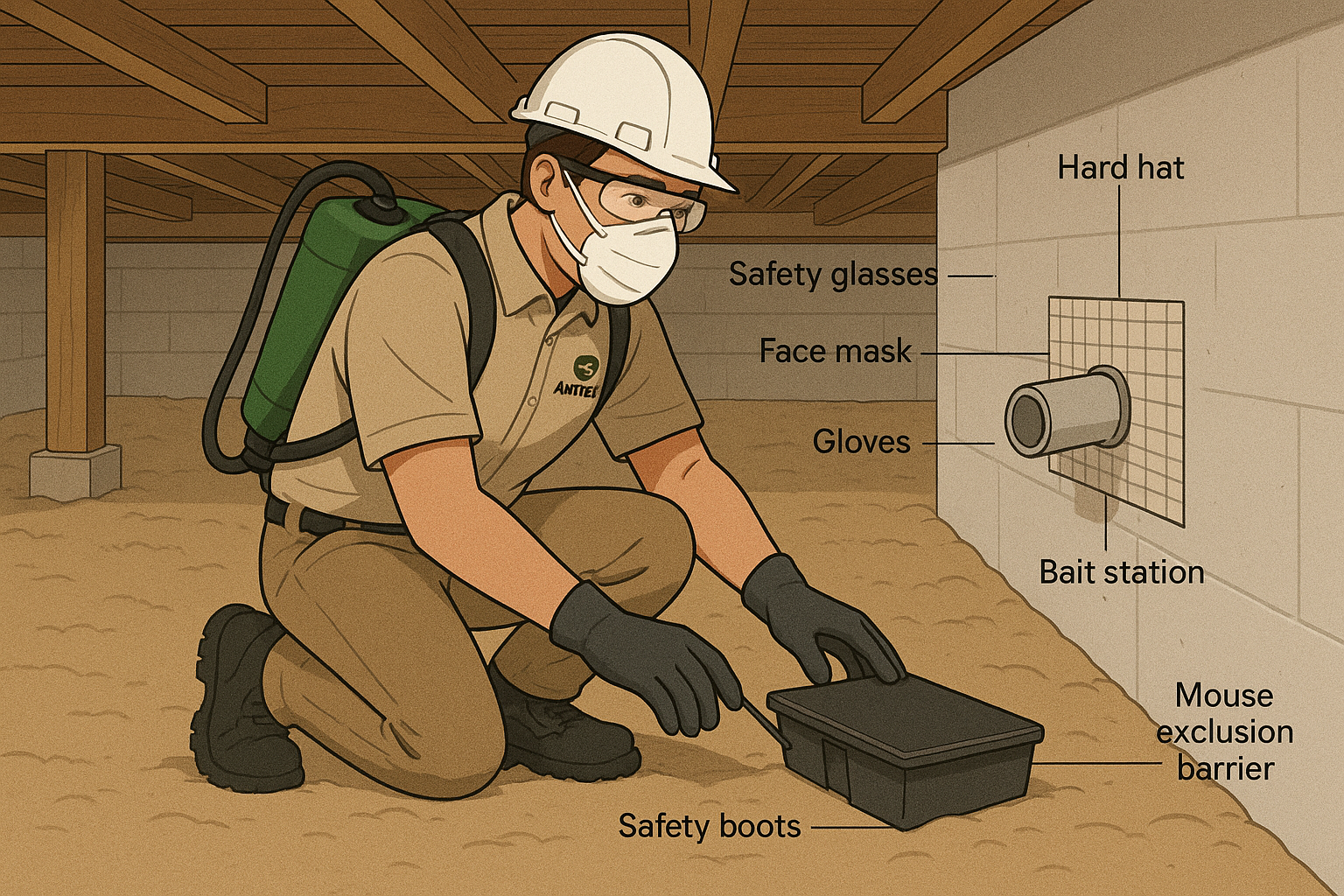
Anthem Pest’s Emergency Mouse Control Process
1. Thorough Inspection
Our certified technician arrives promptly and conducts a room‑by‑room walk‑through, focusing on likely entry points such as foundation cracks, utility openings, and attic vents. Using a flashlight and a handheld inspection mirror, they map out activity hotspots—droppings, gnaw marks, and nesting material—to pinpoint where mice are gaining access and where they’re most active.
2. Strategic Bait Placement
Next, we install EPA‑registered, low‑odor bait stations in the identified hotspots. Each station is tamper‑resistant and positioned out of reach of children and pets, yet attractive enough to lure resident mice. The bait formula is calibrated to act quickly while minimizing the risk of secondary poisoning, ensuring an effective knock‑down of the infestation.
3. Exclusion & Sealing
After the bait is set, we move to exclusion. Door sweeps are fitted to all exterior doors, vent covers are installed over dryer and bathroom vents, and any gaps in the crawl‑space or foundation are sealed with steel‑wool and high‑quality caulk. This creates a physical barrier that prevents new mice from entering, turning the home into an inhospitable environment for future invasions.
4. Follow‑Up Verification
Within 7‑10 days, a second visit confirms that bait stations have been effective and that no new activity is evident. We remove used stations, re‑inspect the original entry points, and provide a concise report that outlines what was done, what was found, and any recommendations for ongoing vigilance.
5. Service Guarantee
Our confidence in the process is backed by a 30‑day guarantee. If any mouse activity resurfaces within that window, we’ll return at no extra cost to re‑treat and re‑seal as needed. This guarantee underscores our commitment to lasting results, not just a quick fix.
What sets Anthem Pest apart in Smyrna is our deep familiarity with the area’s typical construction styles—from older brick bungalows to newer ranch‑style homes. Our technicians receive specialized training on the common gaps and ventilation layouts found in Smyrna neighborhoods, allowing them to anticipate problem spots before mice even discover them.
Pricing and What’s Included
When a mouse emergency strikes, you need a clear, upfront quote that won’t surprise you later. Our Standard Emergency Package is designed to get your home safe quickly and affordably.
What the standard package covers
- Initial visit fee: $149‑$199 (depends on property size and access)
- Three professionally‑placed bait stations, calibrated for rapid rodent control
- Full exclusion assessment to identify and seal entry points
- Detailed report with recommendations for long‑term prevention
Optional add‑ons
- Extra technician time – $75 per additional hour
- Additional bait stations – $30 each
- Follow‑up monitoring visit – priced on request
How we stack up against the Georgia market
| Service | Anthem Pest Control | Georgia Avg. |
|---|---|---|
| Initial visit (incl. bait & assessment) | $149‑$199 | $180‑$250 |
| Extra hour | $75 | $85‑$110 |
| Extra bait station | $30 | $35‑$45 |
The NPMA 2023 pricing survey shows the typical Georgia homeowner pays $180‑$250 for a comparable emergency call. Anthem’s range of $149‑$199 not only undercuts the market, it also bundles a thorough exclusion assessment—something many competitors list as a separate charge.
Each emergency call includes travel time, protective gear, and all materials needed for immediate action, so you won’t be billed later for mileage or equipment rentals.
Because mice reproduce quickly, the swift placement of bait stations and sealing of entry points can cut an infestation’s growth by up to 80 % within the first week, saving you future repair costs.
Our no‑hidden‑fee policy means the price you see is the price you pay. There are no surprise service fees, no mandatory contracts, and every step is explained before we start. That transparency, combined with a comprehensive treatment plan, delivers real value and peace of mind when you need it most.
Long‑Term Prevention Strategies
Keeping mice out of your Smyrna home isn’t a one‑time fix; it’s a year‑round habit. By pairing seasonal chores with smart landscaping and simple home upgrades, you create a hostile environment for rodents before they even think about moving in.
Seasonal checklist
- Fall yard clean‑up: Rake away leaf piles, remove fallen fruit, and stack firewood at least 18 inches off the ground. These debris spots are perfect nesting sites for mice.
- Winter inspection: Check attic vents and crawl‑space openings for gaps caused by shrinking wood. Seal any cracks before the cold drives rodents indoors.
- Spring foundation inspection: After the thaw, walk the perimeter and look for new cracks, gaps around utility penetrations, or displaced siding. Repair promptly to stop mice from exploiting fresh openings.
- Summer exterior sweep: Trim any vegetation that has grown up against the house and clean gutters to prevent water damage that can create entry points.
Landscaping tips
- Maintain a 2‑ft buffer of mulch, shrubs, or flower beds from the foundation. This reduces cover that mice use to approach the house.
- Trim tree branches so they clear the roof by at least 6 inches. Branches touching the roof act as highways for rodents to reach the attic.
- Plant low‑maintenance, non‑fruiting ground cover away from the house. It limits food sources and reduces hiding places.
Home upgrades
- Install door sweeps on all exterior doors; a tight seal blocks the smallest mouse from slipping inside.
- Repair cracked or missing siding, especially around windows and utility lines. Use steel wool and caulk for a durable seal.
- Seal utility openings—cable, pipe, and vent penetrations—with expanding foam or metal mesh to eliminate hidden entry routes.
- Consider a low‑profile, weather‑stripping system for sliding glass doors to eliminate gaps.
For homeowners who want a professional eye on these tasks, Anthem Pest offers a free annual prevention audit. Our local experts will walk your property, pinpoint vulnerable spots, and provide a customized action plan—no obligation, just peace of mind. Call 877‑371‑8196 or visit anthempest.com to schedule your audit today.
Frequently Asked Questions
How quickly can mice cause structural damage?
Mice may seem harmless, but they chew relentlessly. The EPA estimates that severe structural damage can appear in as little as two to three years if an infestation is left unchecked. Their teeth can gnaw through insulation, wiring, and even thin wood, creating fire hazards and costly repairs well before you notice a visible problem. A single mouse can gnaw a two‑inch hole in drywall, and a small colony can compromise structural beams, especially in attics where insulation is thin. Early detection saves thousands.
Are the baits safe for pets?
All bait products we use carry EPA safety labeling. When placed correctly—away from feeding stations, water bowls, and pet bedding—baits pose little risk to cats and dogs. We train our technicians to position stations in out‑of‑reach locations such as behind appliances or in wall voids, ensuring your furry family members stay safe while the mice are eliminated. We also offer pet‑friendly bait stations that lock the product away, so even the most curious cat or dog can’t access it. If you have a particularly sensitive pet, let us know—we’ll tailor the placement accordingly.
What is the re‑treatment schedule?
Most homeowners see a dramatic reduction after the first visit. To seal the win, we recommend a follow‑up service 30 to 45 days later. This timing allows us to assess any remaining activity, replace bait, and address new entry points before the mice can rebound. We also check for fresh gnaw marks and seal gaps larger than a quarter inch, cutting off new entry points.
Take Action Now – Contact Anthem Pest
When mice invade your home, every moment counts. A sudden surge in droppings, gnawed wiring, or a chorus of nocturnal scurrying signals an emergency that can quickly turn into costly damage or health risks. The steps we outlined—sealing entry points, setting traps, and sanitizing affected areas—are essential, but they’re most effective when a professional intervenes without delay.
Anthem Pest brings 15+ years of hands‑on experience to Smyrna homeowners. Our technicians know the local building styles, common mouse pathways, and the most reliable treatment protocols for the area. We’re proud to offer a 24‑hour emergency response, meaning we can be on your doorstep the same night you call, armed with proven solutions that protect your family and property.
Ready to protect your home? Call us now for a free, no‑obligation quote and schedule an emergency visit that fits your timeline. Our friendly staff will walk you through the process, answer any questions, and ensure you feel confident about the treatment plan. Reach us at 877‑371‑8196—we’re standing by to help you reclaim a mouse‑free environment.
Take the first step toward peace of mind: Visit Anthem Pest Control and let our local experts put an end to the infestation today.