Earwig Issues in Marietta: What Homeowners Need to Know
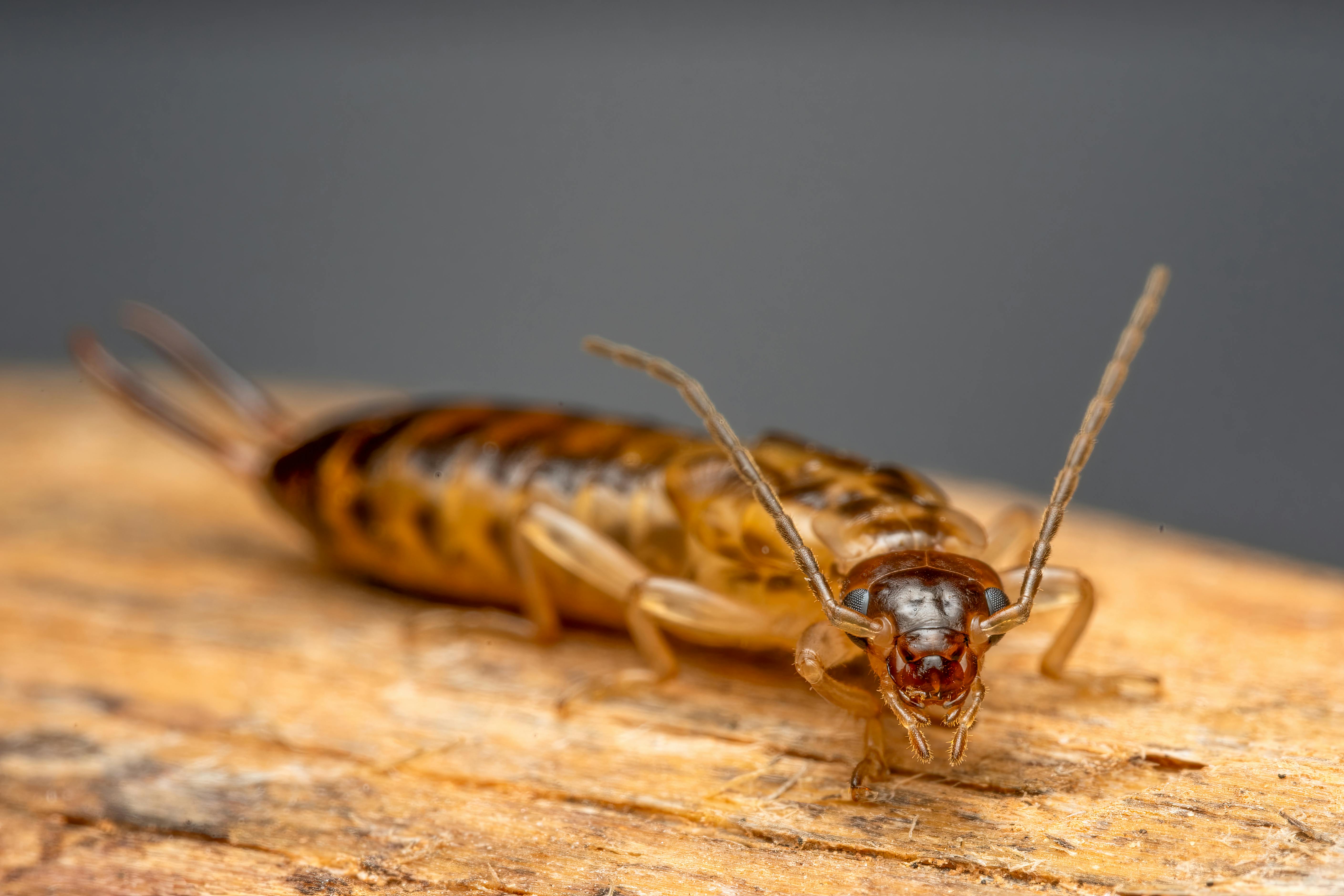
Earwigs are the slender, nocturnal insects you might spot scuttling across a porch or hiding in mulch. They measure about ½‑¾ inch, have a pair of forceps‑like pincers at the rear, and sport dark, shiny bodies that can range from brown to black. Because they rarely bite and prefer damp, sheltered spots, many residents mistake them for harmless garden critters—yet their presence can signal moisture problems and they may damage tender seedlings.
While earwigs are predators of aphids, slugs, and other garden pests—an ecological benefit—they become unwelcome when they congregate inside homes. Their nocturnal foraging can lead them into kitchens, laundry rooms, or bathroom cabinets, where the sight of their pincers can be unsettling. Understanding both the good and the bad helps you decide whether removal or coexistence is the right strategy.
In the Southeast, earwigs are more than a passing annoyance. A study by the University of Georgia Extension reports that up to 70 % of homes experience earwig activity during the warm summer months [UGA Extension]. The humid climate of Marietta creates the perfect breeding ground, and homes with wood siding, cracked foundations, or over‑grown landscaping see the highest concentrations.
This guide is designed to give Marietta homeowners a clear roadmap. First, we’ll walk you through how to confirm you’re dealing with earwigs rather than ants or beetles. Next, we break down the typical cost ranges for professional treatment, from a one‑time exterior spray to a seasonal protection plan. Finally, we share practical DIY steps—like reducing moisture and sealing entry points—that can keep these insects at bay without breaking the bank.
Our approach is data‑driven and transparent. Every recommendation is backed by local research, industry‑standard pricing, and the practical experience of Anthem Pest Control technicians who service the Marietta area daily. By the end of this article you’ll know exactly what to look for, how much you’re likely to spend, and which preventive habits will protect your home year after year.
Identifying Earwigs: Anatomy, Life Cycle, and Behavior
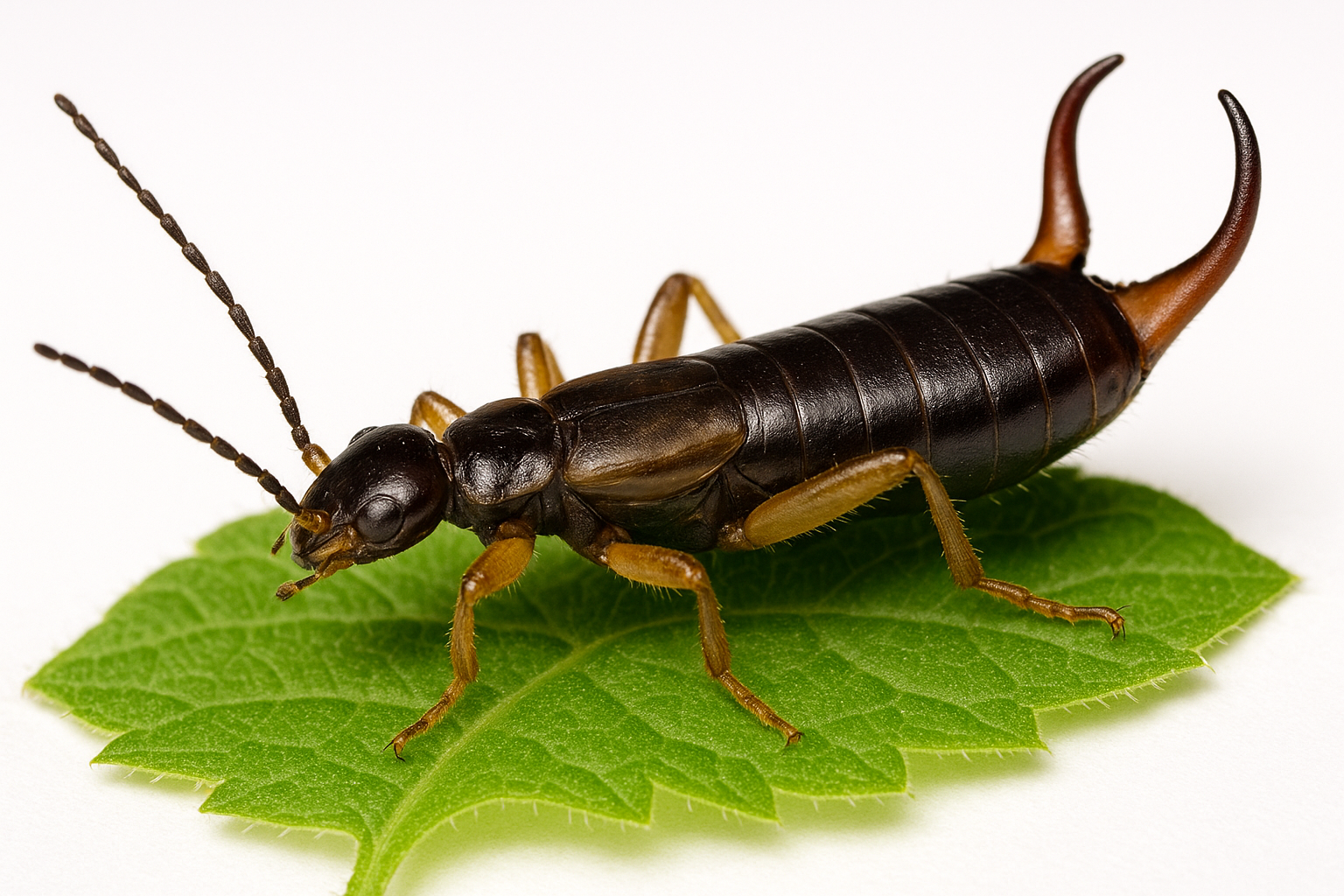
Earwigs are easily mistaken for beetles, but a few key features set them apart. Their most recognizable trait is a pair of force‑picking cerci (pincers) at the rear of the abdomen—these are used for defense and mating. On the head, you’ll find long, segmented antennae that sweep back and forth as the insect navigates dark spaces. Although many species have wings, the wings are folded flat beneath short, leathery forewings, giving the body a sleek, elongated shape. Look for a flattened, oval body about ½ to 1 inch long, usually a light brown to reddish hue.
The earwig life cycle in Georgia follows three stages:
- Egg: Laid in moist soil or under leaf litter in early spring.
- Nymph: Hatch after 10–14 days, shedding their exoskeleton up to five times as they grow.
- Adult: Reach maturity by midsummer, when they are most active.
Because Georgia’s climate stays warm through much of the year, earwigs can produce two overlapping generations, with adults persisting into the cooler months if moisture remains available.
Behaviorally, earwigs are nocturnal and thrive in damp environments. They gravitate toward basements, crawl spaces, and garden beds where soil stays moist. The combination of darkness and humidity provides ideal shelter and a steady food supply of decaying plant matter, insects, and even soft fruits. This habit explains why homeowners often find them near leaky pipes or under outdoor mulch.
Quick ID Checklist
- Size: ½–1 inch long
- Color: Light brown, tan, or reddish
- Pincers: Prominent cerci at the rear
- Antennae: Long, segmented, and mobile
- Habitat: Moist, dark areas (basements, garden mulch, leaf litter)
According to the University of Georgia Extension, earwigs are present in roughly 70 % of Georgia homes, making them one of the most common indoor pests in the state. Recognizing the anatomy, life cycle timing, and preferred habitats empowers you to spot an infestation early—before the numbers swell and cause structural or garden damage.
Why Earwigs Thrive in Marietta’s Climate and Neighborhoods
Humid Summers and Mild Winters
Earwigs love moisture, and Marietta’s summer humidity—often above 70%—creates the perfect breeding ground. Warm nights keep the soil damp, allowing females to lay up to 200 eggs in a single batch. When winter arrives, temperatures rarely dip below freezing, so the insects remain active rather than entering a deep dormancy. This combination means earwigs can reproduce year‑round, keeping populations high.
Neighborhood Hotspots
Not every block sees the same level of activity. Homeowners in East Marietta report the most frequent sightings, likely because dense residential landscaping provides ample hiding places. The historic Marietta Square, with its older brick foundations and garden beds, also attracts earwigs seeking shelter. Near Kennesaw Mountain, the mix of wooded areas and shaded patios creates a micro‑climate that mimics their natural forest habitat, encouraging larger colonies.
Official Data Back It Up
The 2023 Georgia Department of Agriculture pest report lists earwigs among the top nuisance pests in Cobb County, noting a 15% increase in complaints compared with the previous year. The report highlights Marietta as a “hotspot” due to its combination of climate, vegetation, and urban development patterns.
Types of Damage You Might Notice
In the garden, earwigs chew on tender foliage, causing ragged edges on roses, tomatoes, and ornamental shrubs. Indoors, they can wander into pantries, contaminating dry goods with their secretions and leaving behind unsightly droppings. Even if they don’t cause structural harm, the sight of their curved pincers can create a psychological discomfort that makes many homeowners uneasy.
Climate Change: Extending the Activity Period
Rising average temperatures are lengthening the window of favorable conditions. Warmer fall evenings and milder winters mean earwigs stay active later into the year, increasing the risk of both outdoor garden damage and indoor incursions. Homeowners should consider year‑round monitoring and proactive treatments to stay ahead of this expanding threat.
Early Detection and Practical Prevention Strategies
Stopping earwigs before they set up shop saves you time, money, and the headache of a full‑blown infestation. By combining a quick visual sweep with a few simple home‑maintenance habits, you can keep these nocturnal nuisances out of your living spaces year‑round.
Inspection Checklist
- Walk the perimeter of your home after sunset and shine a flashlight into dark corners. Earwigs love damp, shadowy spots.
- Inspect basements and crawl spaces for moisture‑soaked wood, leaky pipes, or puddles.
- Check under mulch, leaf piles, and garden beds—these provide ideal hiding places.
- Look around exterior lights; bright bulbs attract earwigs that wander toward your doors.
- Examine window sills, door thresholds, and any gaps larger than a quarter‑inch.
Seal Cracks and Gaps
Earwigs can squeeze through openings as small as ¼ in. Apply silicone caulk to all visible cracks around foundations, windows, and utility penetrations. A single tube typically covers 150‑200 sq ft, which is enough for most Marietta homes. Pay special attention to gaps around vent pipes and the sill plates of your home’s framing.
Eliminate Standing Water
Moisture is the lifeblood of earwigs. Fix leaky gutters, direct downspouts at least six feet away from the house, and level any low spots in the yard that collect rainwater. In basements, run a dehumidifier set to 45‑50 % relative humidity to keep the environment dry enough to deter earwig activity.
Trim Vegetation
Keep shrubs, vines, and lawn edging at least two feet away from the foundation. This creates a dry, open zone that makes it harder for earwigs to travel from the garden to your home’s exterior walls. Regular pruning also improves air circulation, further reducing moisture buildup.
Switch to Yellow LED Lighting
Standard white or blue‑rich bulbs draw earwigs like a beacon. Replace porch, patio, and step lights with warm‑tone yellow LEDs, which emit wavelengths that are far less attractive to these insects. The change not only cuts earwig traffic but also saves energy.
Printable PDF Checklist
For a quick, at‑a‑glance reference, download our Early‑Season Earwig Prevention Checklist (PDF). Print it out, tape it to your fridge, and tick off each task as you complete it.
Monitoring with Rolled Newspaper Traps
Place a few rolled‑up newspaper tubes near suspected entry points—under mulch, beside exterior lights, and in damp corners of the basement. Earwigs will crawl inside for shelter, allowing you to gauge activity levels. Check the traps weekly and dispose of any captured insects to keep the population in check.
Treatment Options: DIY vs. Professional Solutions
Chemical Sprays (Pyrethroids)
Most homeowners reach for a ready‑to‑use pyrethroid spray when they spot earwigs scuttling across a porch or in a garden bed. When applied according to label directions, these products deliver an 80‑90 % efficacy rate. For best results, follow these steps:
- Choose a calm, dry day; wind can carry spray onto unintended surfaces.
- Apply a thin, even coat to the perimeter of your home, focusing on cracks, gaps, and the undersides of decks.
- Re‑treat every 7‑10 days during peak activity (late spring through early fall).
Safety precautions are essential. Wear gloves and eye protection, keep children and pets away from treated zones for at least 2 hours, and store the product out of reach. Over‑application not only wastes money but can increase the risk of resistance and harm beneficial insects.
Bait Stations
Bait stations rely on attractants—usually a sweet or protein‑rich matrix—to lure earwigs into a poisoned core. In practice, earwigs are less attracted to commercial baits than ants or cockroaches, so success is limited. They can be useful in a few scenarios:
- When earwig activity is confined to a single, well‑defined area (e.g., a garden shed).
- As part of an integrated approach that pairs baits with perimeter sprays.
- When you prefer a low‑visibility, “set‑and‑forget” method.
Even in optimal conditions, expect a modest reduction rather than complete eradication.
Physical Traps
Simple, non‑chemical traps can be surprisingly effective for early detection and localized control. The classic method is to roll up a newspaper or place damp cardboard in a dark corner; earwigs seek shelter and become trapped inside.
A 2022 EPA study reported a 45 % success rate for these passive traps when deployed in multiple locations for at least two weeks. This approach is safe for pets and children, inexpensive, and works well alongside chemical or professional treatments.
Professional Services
Licensed technicians bring three advantages that DIY methods often lack:
- Targeted perimeter spray: Professionals apply calibrated doses to the exact soil and foundation zones where earwigs enter, reducing waste and exposure.
- Indoor crack‑and‑crevice treatment: Using low‑odor, EPA‑approved formulations, they seal entry points and treat hidden galleries that homeowners typically miss.
- Follow‑up monitoring: After the initial application, technicians return to assess residual activity and, if needed, apply a booster treatment—ensuring long‑term control.
Because they are trained to read pest behavior and adjust dosage on the fly, professionals consistently achieve higher long‑term control rates (often exceeding 95 %).
Cost‑Benefit Snapshot
DIY sprays and traps may cost as little as $15‑$30 for a single season, but they often require repeated applications and can leave gaps in coverage. Professional treatment typically starts around $120‑$180 for a full‑home service, including follow‑up visits. When you factor in the reduced labor, higher efficacy, and peace of mind that comes with a licensed expert, the investment often pays for itself within a year—especially for homeowners who value a pest‑free environment without the guesswork.
How Much Does Earwig Control Cost in Marietta?
Knowing exactly what you’ll pay before the technician arrives lets you budget confidently and eliminates hidden fees. In Marietta, Anthem Pest Control and other local providers break earwig services into three transparent price tiers, all backed by the 2024 cost statistics published by the Georgia Department of Consumer Affairs and regional pest‑control surveys (source).
- One‑time interior treatment: $120 – $180. This option targets earwigs that have already entered your living spaces, using a fast‑acting, low‑residue spray applied to baseboards, cracks, and other indoor hideouts.
- Full‑service package (exterior + interior + 2‑year warranty): $250 – $350. The comprehensive plan covers perimeter treatment, indoor follow‑up, and a two‑year guarantee that includes any necessary retreatments, giving you peace of mind through multiple seasons.
- Emergency same‑day service surcharge: $50 – 75. When earwigs appear in large numbers or you need immediate relief, the extra fee covers the technician’s expedited travel and priority scheduling.
While the ranges above provide a solid baseline, the final quote can shift based on several key factors:
- Home size: Larger square footage requires more product and longer labor time, nudging the price upward.
- Infestation severity: A light, isolated sighting stays at the low end, whereas a heavy, multi‑room outbreak may demand additional applications.
- Accessibility: Homes with tight crawl spaces, steep decks, or hard‑to‑reach vents often incur extra labor costs.
- Treatment type: Traditional sprays are generally less expensive than eco‑friendly or bait‑based solutions, which some homeowners prefer for pets or children.
Choosing a professional service isn’t just about the headline price. DIY attempts—like purchasing over‑the‑counter sprays or setting homemade traps—can quickly add up. Homeowners often overlook the cost of protective gear, repeated applications, and the time spent researching safe, effective products. Moreover, an incomplete DIY job may leave egg sacs untouched, leading to a resurgence that costs far more to resolve later.
By investing in a licensed, insured technician, you receive:
- Accurate identification of earwig hotspots.
- Application of EPA‑approved products calibrated for your specific home layout.
- Documentation of service, which can be valuable for insurance claims or resale negotiations.
- Ongoing monitoring and a warranty that protects you from unexpected re‑infestations.
In short, the transparent pricing structures outlined above reflect the true value of a professional earwig control program—effective, safe, and backed by expertise—while shielding you from the hidden expenses that DIY solutions frequently generate.
Anthem Pest Advantage: Why We’re Marietta’s Top‑Rated Earwig Service

When earwigs start marching across your porch or hiding in your garden beds, you need a partner who knows the local climate and can act fast. At Anthem Pest, every technician who steps onto a Marietta doorstep is state‑licensed and equipped with EPA‑registered products, so you get a treatment plan that’s both legal and scientifically proven.
Our confidence in the work shows up in the guarantees we back it with. We offer a 100 % satisfaction guarantee—if you’re not happy with the results, we’ll return at no extra charge. For homeowners who want long‑term peace of mind, we also provide optional two‑year warranty packages that cover follow‑up visits and any unexpected re‑infestations.
Because we’re rooted in Marietta, our local office can dispatch a technician within hours of your call. That rapid response time means earwigs are dealt with before they can reproduce and spread to neighboring yards.
Our technicians finish a rigorous certification that covers earwig ID, safe chemical handling, and customer‑service skills, all meeting Georgia’s safety standards.
“I called Anthem after spotting earwigs near my patio lights. A friendly technician arrived the same afternoon, explained the treatment, and the next morning my yard was clear. I’ve never felt more confident about a pest service.” — J. Taylor, Marietta, GA
Beyond one‑time treatments, we offer a seasonal inspection program that lines up with the earwig
Take Action Against Earwigs Today
First, you’ve learned how to spot earwigs by their distinctive pincers and nocturnal habits, how simple steps like sealing cracks, removing mulch, and fixing lights keep them out, and which treatment options—DIY traps, insecticidal sprays, or professional perimeter fogging—deliver results. We also broke down the cost structure, so you know exactly what to expect from a one‑time service versus an ongoing protection plan.
Because earwigs can quickly rebound after a DIY fix, a licensed Anthem Pest Control technician brings the expertise, EPA‑approved products, and follow‑up monitoring that guarantee long‑term relief. Our local Marietta team knows the neighborhood’s micro‑climates, so treatments are timed for maximum impact and minimal disruption to your family.
If you’re ready for a pest‑free home, our Marietta crew is standing by to schedule a free inspection and provide a no‑obligation quote. Call us today at 877‑371‑8196 or click the button below to lock in your appointment. Our same‑day service window ensures you won’t wait weeks for relief, and we use low‑odor formulas that are safe around children and pets.
Choosing Anthem means you get transparent pricing—no hidden fees—plus a satisfaction guarantee that backs every treatment. Our technicians document each visit, so you can see exactly what was done and why, giving you confidence that the earwig problem is truly solved.