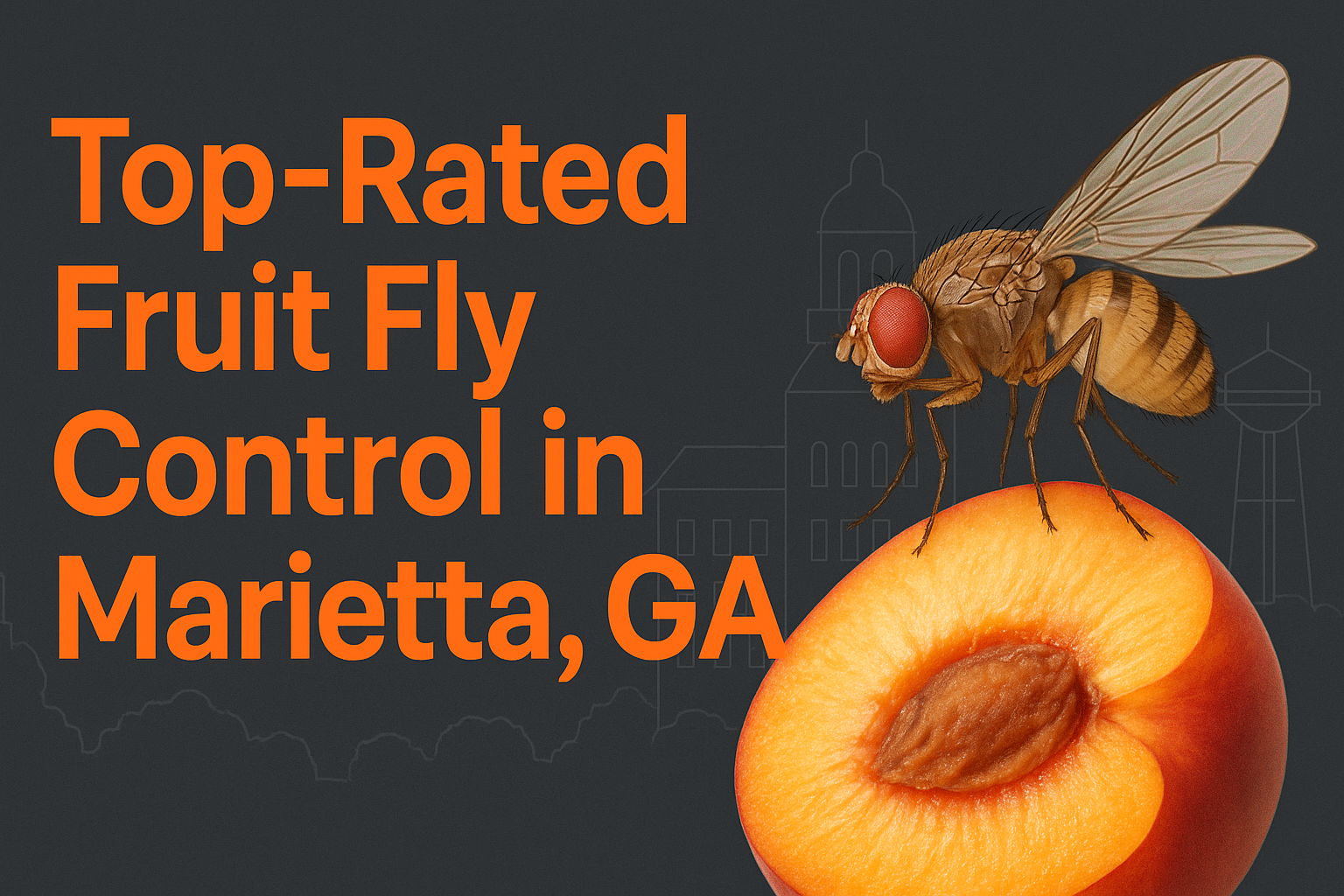
Fruit Fly Problem in Marietta Homes
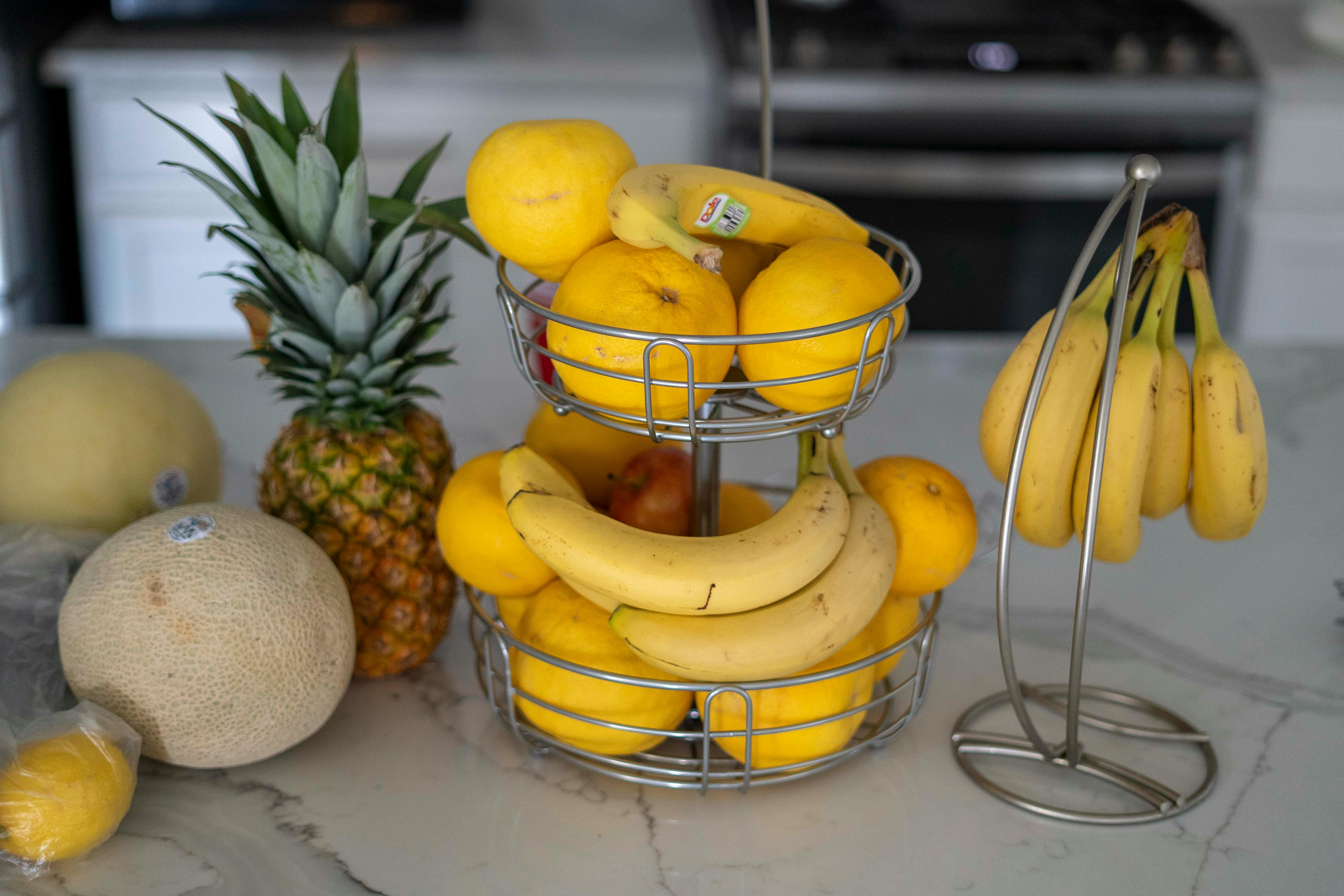
Imagine stepping into your kitchen on a warm Saturday morning and spotting a handful of tiny, speck‑specked flies dancing around a bowl of ripe peaches left on the counter. The flies aren’t just a fleeting nuisance; they linger, darting from fruit to fruit, turning a simple breakfast prep into a frantic swat‑and‑wipe routine.
The constant buzzing creates an audible reminder that something isn’t right. Those tiny insects quickly find every crumb, every sticky spot, and even the sugary residue on your countertops. Before you know it, you’re wiping down surfaces more often than you’d like, and the pleasure of enjoying fresh fruit fades under the weight of an invisible pest problem.
Beyond the irritation, fruit flies pose real health concerns. They breed in fermenting fruit, damp drains, and even over‑ripe vegetables, picking up bacteria such as E. coli and Salmonella along the way. When they land on your food, they can transfer these microbes, contaminating meals and encouraging the growth of other household pests like ants or gnats. In a home where food safety matters, a few inches of winged trouble can quickly become a kitchen‑wide alarm.
That’s where Anthem Pest Control steps in. With years of hands‑on experience serving Marietta neighborhoods, Anthem knows the local climate, the common entry points, and the most effective, low‑impact treatments for fruit‑fly infestations. Our technicians combine thorough inspection with targeted, environmentally responsible solutions, ensuring the flies disappear while keeping your family and pets safe.
Marietta’s humid summers and abundant fruit trees create the perfect breeding ground for fruit flies. Open windows, outdoor trash cans, and even compost piles become highways for these pests. Recognizing how the local environment feeds the problem is the first step toward a lasting solution.
Consider this section the opening act of a data‑driven guide that will walk you through identification, prevention, and cost‑effective treatment options. By understanding the problem first, you’ll be better equipped to make informed decisions—and keep your kitchen free of those relentless, buzzing intruders.
Why Fruit Flies Thrive in Marietta
That faint, persistent buzz around your kitchen isn’t just annoying—it’s a sign that fruit flies have found everything they need to multiply. In Marietta, the combination of climate, vegetation, and everyday homeowner habits creates a perfect storm for these insects. Knowing why they flourish helps you spot the problem early and act before it spreads.
Two species dominate Georgia’s fruit‑fly population
- Drosophila melanogaster – the classic “vinegar fly” that loves fermenting fruit, soda, and damp organic debris.
- Drosophila suzukii – an invasive Asian fly that lays eggs in ripening soft‑skin fruits such as berries, cherries, and peaches, damaging crops before they’re harvested.
Both species share a rapid life cycle—under ideal conditions they go from egg to adult in 7‑10 days, allowing several generations to appear each summer.
Climate that accelerates life cycles
NOAA’s climate normals show Marietta’s average summer temperature is about 72 °F (22 °C) with humidity near 65 %. The warm season stretches from late April to early October, keeping temperatures within the sweet spot for fruit‑fly development. Warm, moist air speeds egg hatching, larval growth, and adult emergence, so a single female can produce hundreds of offspring before the first frost.
Landscaping, gardens, and fruit trees as breeding hotspots
Marietta’s neighborhoods are dotted with mature fruit‑bearing trees—peach, plum, apple—and many homeowners maintain community or backyard gardens. Overripe fruit, fallen berries, and even compost piles supply the sugary, moist environments fruit flies need to lay eggs. Mulch, leaf litter, or unattended fruit on the ground become continuous breeding stations, feeding successive generations.
EPA statistic on indoor complaints
The U.S. Environmental Protection Agency reports that fruit flies represent roughly 30 % of indoor flying‑insect complaints in the Southeast. This high percentage reflects both the region’s favorable climate and the abundance of indoor food sources such as uncovered fruit bowls, trash cans, and damp drains. When homeowners notice a sudden increase in these complaints, the source is often an outdoor breeding site feeding the indoor invasion.
Rain, irrigation, and larval survival
Seasonal rainstorms and regular irrigation add the moisture fruit‑fly larvae need to survive in soil and decomposing fruit. Over‑watering potted plants or allowing standing water in garden beds creates micro‑environments where maggots can develop longer, boosting survival rates and accelerating population growth.
By understanding how temperature, humidity, local vegetation, and watering habits intersect, Marietta homeowners can take simple steps—like promptly discarding rotting produce, tightening screens, and scheduling a professional inspection—to break the cycle before fruit flies become a full‑blown problem.
Health Risks and Economic Impact of Fruit Flies
Fruit flies may look harmless, but when they buzz around your kitchen they become tiny disease couriers. A single adult can land on rotting produce, pick up bacteria such as E. coli or Salmonella, and then hop onto fresh fruit, countertops, or even your child’s snack. That direct transfer creates a contamination pathway that bypasses any washing you do, turning a simple fruit bowl into a potential health hazard.
That risk isn’t just theoretical. The 2024 CDC report on food‑borne illnesses in the Southeast identified fruit‑fly activity as a contributing factor in three minor outbreak clusters, linking contaminated produce to E. coli O157:H7 and non‑typhoidal Salmonella cases. While the numbers are modest compared with larger bacterial sources, the report underscores how quickly a handful of flies can turn a household kitchen into a vector for illness.
Homeowners often try to fight back with store‑bought traps, homemade vinegar solutions, and frequent disposal of spoiled fruit. Those efforts typically run $150–$300 per season, not counting the hidden cost of the produce that’s already gone bad. Replacing a single basket of ruined berries can easily add another $30–$50, and the cycle repeats until the flies are finally knocked down.
- Professional inspection and targeted treatment: $120–$180 per visit.
- Average annual spoilage reduction: $200–$350 saved on food.
- Prevented repeat infestations: up to $500 total savings each year.
Beyond the obvious grocery loss, fruit‑fly infestations can also drive up utility bills. Constant refrigeration of spoiled produce, extra trips to the store, and the need for additional cleaning supplies all add up. Homeowners who skip professional treatment often see these indirect expenses climb by another $100–$150 each year.
Because fruit flies breed in just a few days, a small population can explode into a costly problem within weeks. An early, professional intervention stops the life cycle before it multiplies, protecting both your family’s health and your grocery budget. Over time, the upfront service fee pays for itself many times over, delivering peace of mind and a cleaner kitchen without the endless cycle of traps and spoiled produce.
Spotting the Signs – Quick Identification Checklist

Fruit flies are tiny—usually about 1/8 inch long—but they leave unmistakable clues. Look for a steady swarm of tan‑black flies hovering near fermenting fruit, a faint musty odor coming from kitchen counters, or tiny, creamy‑white larvae crawling in sink drains. Overripe or “mushy” fruit will often develop small specks of decay where the flies lay their eggs, turning a healthy snack into a breeding ground.
Printable Inspection Checklist
- Inspect fruit bowls: Remove all fruit and examine each piece for soft spots, mold, or tiny larvae.
- Examine trash cans: Ensure lids fit tightly and wipe any residue from the inside.
- Check drains: Look for a film of slime or visible larvae in kitchen and bathroom drains.
- Look for larvae in overripe produce: Slice open suspect fruit; larvae appear as thin, white worms.
Real‑world example: In July 2023, a West Cobb neighborhood experienced a sudden spike in fruit fly reports after a community garden potluck. Residents who left sliced melons and berries on shared tables saw swarms within 48 hours. Local news outlets documented the surge, noting that homes with uncovered trash bins and uncleaned drains were the hardest hit.
Documenting What You Find
Before calling a professional, capture clear photos of each sign—flies near fruit, larvae in drains, and any moldy produce. Add a timestamp either via your phone’s photo metadata or by noting the date and time in the file name. These images give pest‑control technicians a visual baseline, speeding up diagnosis and allowing them to recommend the most effective treatment plan for your Marietta home.
Treatment Options – DIY vs. Professional
DIY Traps
Most homeowners start with a simple attract‑and‑capture system. The classic apple‑cider vinegar trap mixes 1 cup of vinegar with a few drops of dish soap in a shallow dish. The soap breaks the surface tension, causing flies to drown as soon as they land. Commercial sticky cards work on the same principle—flies are lured by a sweet lure and become stuck on a coated surface.
- Cost: $10–$25 per kit, depending on whether you buy bulk vinegar, soap, or a pre‑made trap set.
- Efficacy: A 2023 University of Georgia Extension study reported an average 70 % reduction in fruit‑fly populations within two weeks when traps were placed in kitchen corners and near fruit bowls.
- Safety: Non‑toxic, safe around children and pets when used as directed. The only precaution is to keep the vinegar solution out of reach of curious toddlers.
Chemical Sprays (Do‑It‑Yourself)
When traps alone aren’t enough, many turn to indoor pyrethrin‑based aerosols. These products knock down flies on contact and leave a residual barrier for a few days. However, they come with a set of safety responsibilities:
- Ventilation: Open windows and run fans for at least 15 minutes after application to disperse airborne particles.
- Pet and Child Removal: Keep pets and children out of the treated area for the duration specified on the label, typically 2–4 hours.
- EPA Compliance: The label must be read and followed verbatim. In Georgia, any indoor pesticide must be EPA‑registered and used according to the label’s concentration limits. Misuse can lead to fines and health risks.
- Cost: $12–$30 per can, with one can covering roughly 500 sq ft of kitchen space.
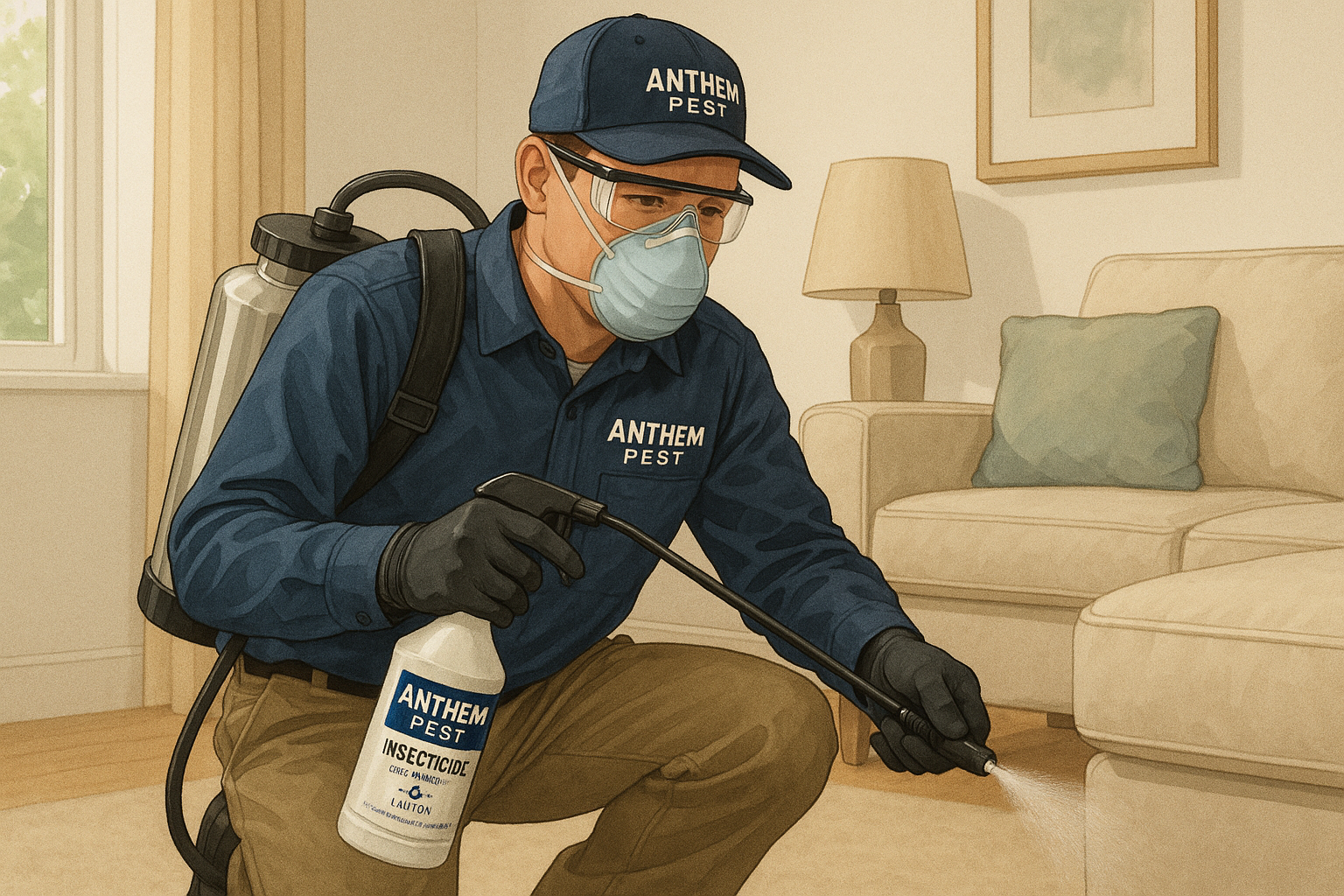
Professional Service – Anthem’s Integrated Pest Management (IPM) Approach
Anthem Pest Control takes a structured, low‑toxicity route that blends inspection, targeted treatment, and ongoing monitoring. The process for a typical two‑bedroom home in Marietta looks like this:
- Initial Inspection: A certified technician identifies breeding sites, assesses the severity, and maps high‑risk zones.
- Targeted Low‑Toxicity Spray: Using EPA‑registered products that contain reduced‑risk active ingredients, the technician treats only the identified hotspots, minimizing exposure to occupants.
- Follow‑Up Visit: Within 7–10 days, a second visit confirms that the population has been suppressed and applies a preventive treatment if needed.
Price range: $180–$250 for a standard 2‑bedroom home in Marietta (2024 pricing sheet). This includes the inspection, first treatment, and one follow‑up.
Advantages of professional treatment: guaranteed coverage of hidden breeding sites, use of EPA‑registered low‑toxicity formulations, technician expertise that reduces the risk of resistance, and post‑treatment monitoring that ensures the problem stays solved.
| Method | Approx. Cost | Expected Reduction (2 weeks) | Safety Considerations |
|---|---|---|---|
| DIY Traps (vinegar & soap, sticky cards) | $10–$25 per kit | ~70 % | Non‑toxic; keep out of reach of children |
| DIY Chemical Sprays (pyrethrin aerosol) | $12–$30 per can | ~80–90 % if applied correctly | Ventilation required; remove pets/children; follow EPA label |
| Professional IPM (Anthem Pest Control) | $180–$250 per home | >95 % and sustained | Low‑toxicity EPA‑registered products; technician handles safety |
While DIY solutions can provide noticeable relief, they often miss hidden breeding sites and require diligent re‑application. Professional IPM, on the other hand, offers a comprehensive, science‑backed strategy that delivers higher certainty of elimination and long‑term protection—especially valuable for busy homeowners who want peace of mind without juggling multiple trap placements and spray schedules.
Pricing Transparency for Marietta Homeowners
Understanding exactly what you’ll pay—and what you’ll get—makes the decision to protect your home from fruit flies much easier. At Anthem Pest Control we break every charge down so you never face surprise fees, and we compare our rates to industry benchmarks so you know you’re getting a fair deal.
| Service | Price Range | Typical Frequency |
|---|---|---|
| Inspection | $75–$100 | One‑time |
| One‑time Treatment | $180–$250 | Single visit |
| Quarterly Maintenance Plan | $120–$150 per visit | 4 visits per year |
What’s included? Each service comes with a full, written inspection report that highlights problem areas, a detailed action plan, and the materials needed for effective fruit‑fly control. The one‑time treatment adds a professional application of EPA‑approved baits and residual sprays, followed by a post‑treatment check to confirm success. Our quarterly maintenance plan bundles the same treatment chemicals with scheduled follow‑ups, allowing us to catch any re‑infestation before it becomes noticeable.
Discounts You’ll Appreciate
- Seniors (65+): 10 % off any service after the first inspection.
- Veterans: 12 % discount on the total bill when you present a valid ID.
- Multi‑service bundles: Combine fruit‑fly control with any other Anthem service (e.g., mosquito barrier, rodent exclusion) and receive a 15 % reduction on the combined price.
These savings are reflected directly on your invoice—no hidden clauses, no last‑minute add‑ons. We apply the discount before taxes, so the final amount you see is the amount you pay.
For context, Anthem’s 2024 rate sheet places our prices comfortably within the National Pest Management Association (NPMA) average range for residential fruit‑fly services, which typically runs $90–$260 per visit nationwide. By staying transparent and competitive, we ensure Marietta homeowners receive top‑rated protection without overpaying.
Year‑Round Prevention Strategies
Fruit flies thrive on the smallest lapses in home hygiene, but a proactive, seasonal routine can keep them at bay all year long. By tackling the most common entry points and food sources before they become problems, you’ll spend less time dealing with infestations and more time enjoying a fly‑free kitchen.
Spring: Keep the Kitchen Fresh
As temperatures rise, fruit flies emerge from overwintering sites and start seeking food. A clean, organized kitchen is your first line of defense.
- Refrigerate produce: Store apples, berries, and other ripe fruits in the fridge or sealed containers to deny flies a breeding ground.
- Weekly compost bin care: Empty and rinse outdoor compost bins each week, and keep lids tightly sealed.
- Discard overripe fruit promptly: Check fruit bowls daily and toss any that are soft, bruised, or fermenting.
Summer: Seal the Fortress
Hot, humid summer days create ideal conditions for fruit flies to multiply inside homes. Focus on eliminating entry routes and using fly‑proof storage.
- Seal cracks and gaps: Apply caulk around windows, doors, and baseboards to block tiny entry points.
- Window screens: Install or repair screens to meet Marietta building code standards (minimum 1/4‑inch mesh). This keeps flies out while allowing fresh air in.
- Fruit‑fly‑proof containers: Use airtight jars or containers with snap‑tight lids for any fruit left on counters.
Fall & Winter: Drain the Danger
Cooler months drive fruit flies indoors, where they congregate around damp drains and garbage disposals.
- Run disposals with hot water: After each use, flush the disposal with a stream of boiling water to kill larvae.
- Enzyme cleaners for drains: Pour a commercial enzyme cleaner weekly to break down organic buildup that attracts flies.
- Control indoor humidity: Keep relative humidity below 50 % with a dehumidifier, especially in basements and kitchens.
For quick reference, download our printable Year‑Round Fruit Fly Prevention Checklist. The one‑page PDF lists each seasonal action in an easy‑to‑follow format that you can hang on your refrigerator.
Consistent prevention is the most cost‑effective strategy. By integrating these simple habits into your routine, you dramatically lower the chance of a full‑blown infestation—and avoid the expense of emergency treatments later in the year.
Choosing Anthem Pest – Local Expertise That Matters
When it comes to fruit fly control in Marietta, the difference between a generic service and a truly local partner shows up in credentials, speed, and community trust.
Anthem Pest backs its work with three key certifications that set a high bar for safety and effectiveness.
- EPA‑registered applicator – ensures every chemical is used according to strict federal guidelines.
- Member of the National Pest Management Association (NPMA) – signals adherence to industry best practices and ongoing education.
- Georgia State pest‑control license – validates compliance with state regulations and local knowledge.
Because fruit flies multiply fast, waiting days for a service call can turn a minor nuisance into a full‑blown infestation. Anthem Pest guarantees a 24‑hour response for any Marietta resident who calls. That promise isn’t just marketing fluff; technicians are dispatched from our Cobb County office within the hour, equipped with the right tools to assess and treat the problem on the same day.
Living and working in Cobb County gives us an edge that out‑of‑state chains simply can’t match. Our team knows the layout of neighborhoods like Kennesaw, East Cobb, and the historic downtown district, so we can anticipate the entry points fruit flies favor and tailor a treatment plan that fits each home’s unique layout.
“I called Anthem after spotting fruit flies near my kitchen sink, and a technician was at my door within two hours. He was friendly, explained every step, and the flies were gone by the next morning. Best service we’ve had in Cobb County!” – Sarah L., Kennesaw, GA
Ready for a fast, certified solution? Call 877‑371‑8196 or visit our website to schedule your same‑day appointment.
Frequently Asked Questions About Fruit Fly Treatment
How long does a treatment last?
Professional Integrated Pest Management (IPM) programs typically provide 4–6 weeks of effective control against fruit flies. Anthem’s technicians apply EPA‑registered, low‑toxicity products and monitor activity. Fruit flies are most active from late spring through early fall, so this window aligns with their life cycle. After the initial treatment period, a re‑inspection is recommended—especially at the end of the season—to ensure any residual hotspots are addressed. If you notice activity beyond that period, contact Anthem for a follow‑up service.
Are the chemicals safe for pets?
Yes, when applied according to label directions. Anthem uses only EPA‑registered products that are classified as low‑toxicity for mammals. The EPA’s Toxicology Review (2022) confirms that exposure risk is negligible when pets are kept out of treated areas for at least two hours after application. The CDC also advises keeping animals away from freshly sprayed surfaces until they are dry. After that period, normal pet activity can resume without risk.
Can fruit flies return after treatment?
Re‑infestation is possible if the underlying attractants are not eliminated. Fruit flies breed in rotting fruit, over‑ripe produce, and organic buildup in drains. Even after a professional treatment, lingering food sources can allow a new population to emerge. According to CDC sanitation guidelines, cleaning drains with a mixture of boiling water and baking soda weekly removes the organic film where eggs hatch. Pairing these habits with regular professional inspections—and promptly discarding spoiled produce, cleaning drains, and sealing entry points—dramatically reduces the chance of a comeback.
Take Action Today – Protect Your Home from Fruit Flies
We’ve covered how to spot fruit flies, what they cost to treat, the most effective treatment routes, and the daily habits that keep them out of your kitchen.
- Identification: Small tan‑black flies around fruit, drains, and garbage.
- Cost considerations: Professional treatment typically ranges from $150‑$300, with free inspections available.
- Treatment options: Targeted sprays, bait stations, and thorough source elimination.
- Preventive habits: Store produce in the fridge, clean spills promptly, and keep trash sealed.
Seasonal spikes often occur in late summer when ripe fruit and warm temperatures create the perfect breeding ground.
Don’t wait for the summer surge to turn a minor nuisance into wasted food. Call now for a free inspection and lock out fruit flies before they multiply.
When you choose Anthem Pest Control, you’re partnering with a local team that blends science‑backed methods with transparent pricing, ensuring your kitchen stays fly‑free without hidden fees.
Reach us at 877‑371‑8196 or Visit Anthem Pest Control to schedule your inspection today. Act now, and enjoy a fly‑free kitchen all year long.