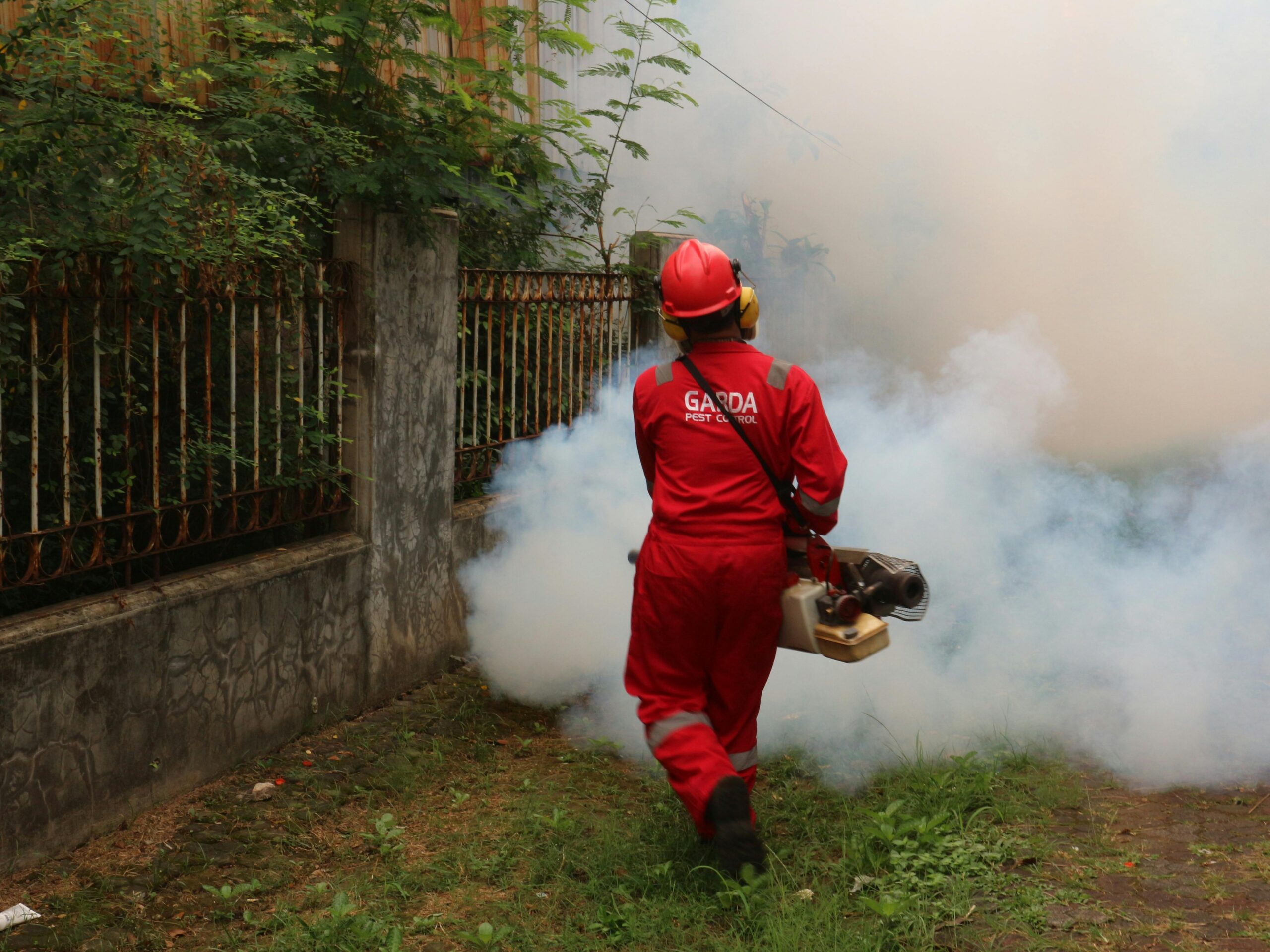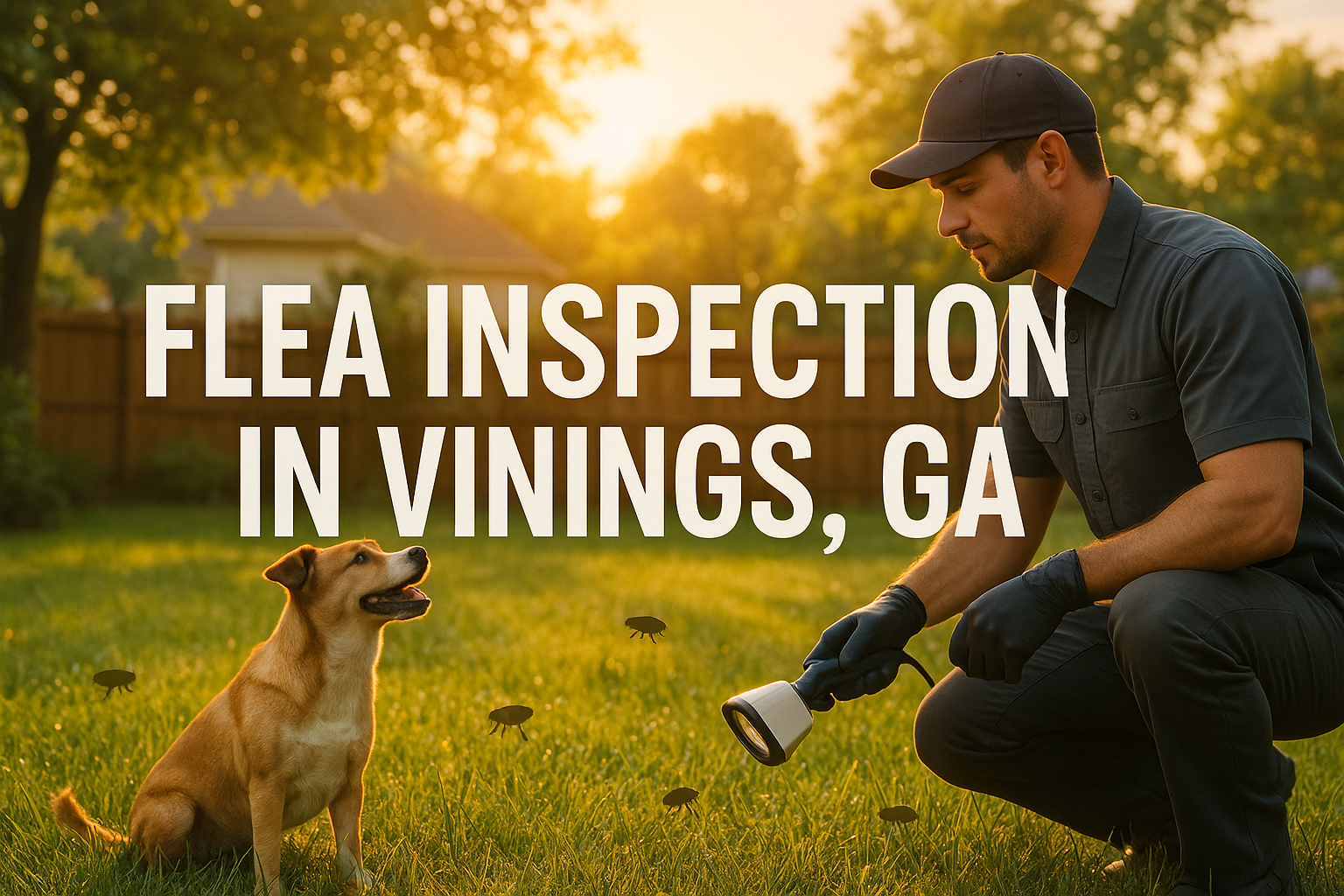
Flea Inspection Overview for Vinings Homeowners

In the past month, homeowners in Vinings neighborhoods—especially Riverwood, Druid Hills, and the Vinings Village enclave—have called their local pest professionals with a sharp rise in flea sightings. The Georgia Department of Public Health reported a 27 % increase in flea‑related complaints across Fulton County, and our own field technicians have confirmed that the trend is real. This surge isn’t just an inconvenience for your dog or cat; it can affect the entire household.
Fleas are more than itchy bites. They are vectors for murine typhus, a bacterial disease that spreads when an infected flea bites a human, and they can trigger severe allergic reactions, especially in children and the elderly. Beyond health concerns, a heavy flea infestation can compromise home comfort—think sleepless nights, lingering odors, and the constant need to vacuum or wash bedding. Understanding why fleas matter is the first step toward protecting your family and preserving the value of your home.
In the sections that follow, you’ll get a clear, data‑driven roadmap to keep your Vinings property flea‑free:
- Lifecycle basics: How long each stage lives, and why timing matters.
- Warning signs: The subtle clues that tell you fleas have moved in, from tiny “black specks” in carpet fibers to sudden pet scratching.
- Optimal inspection windows: Seasonal patterns in Vinings that dictate the best times to look for eggs, larvae, and adults.
- Step‑by‑step inspection process: What to examine, which tools to use, and how long a thorough check should take.
- <
The Flea Lifecycle and Why Vinings Is a Hotspot
Egg – the silent starter
Female fleas drop thousands of microscopic eggs onto a host’s fur. Within minutes the eggs fall off onto bedding, carpet, or outdoor soil. Each egg is about 0.5 mm, almost invisible to the naked eye, and it hatches in 2‑5 days under optimal conditions.
Larva – a hidden feeder
Once hatched, the flea larva is a tiny, worm‑like creature that avoids light. It feeds on organic debris, adult flea feces (which contain undigested blood), and mold spores. In a moist, shaded environment—think dense grass or leaf litter—a larva can grow through three instars in just 5‑7 days.
Pupa – the protective cocoon
When ready, the larva spins a silky cocoon and enters the pupal stage. This is the most resilient phase; a pupa can survive months without food, waiting for the vibrations of a passing host to trigger emergence. Warmth and humidity dramatically shorten this dormancy, sometimes to a matter of days.
Adult – the mobile menace
The adult flea bursts from its cocoon, seeks a blood meal, and begins the reproductive cycle anew. An adult lives for 2‑3 weeks on a host but can survive several weeks without one, ready to jump onto the next animal or human that brushes past.

AI-generated image Georgia’s climate accelerates the cycle
Vinings experiences hot, humid summers with average temperatures above 85 °F and relative humidity often exceeding 70 %. These conditions keep the soil and yard debris moist, which is exactly what flea eggs and larvae crave. Mild winters rarely dip below freezing, allowing pupae to remain active year‑round. Compared to cooler regions, the development from egg to adult in Vinings can be compressed to under two weeks, meaning multiple generations can bloom in a single season.
Local data underscores the risk
The EPA reported a 23 % increase in flea complaints in Fulton County during 2023‑2024. That spike aligns with unusually wet spring rains and a surge in stray animal activity, both of which create perfect breeding grounds.
Typical Riverwood yard scenario
Picture a suburban Riverwood property: a lawn that’s kept lush, a few stray cats that roam at dusk, and piles of fallen leaves and garden clippings. The dense grass retains moisture, the organic debris supplies food for larvae, and the stray cats act as mobile hosts, dropping fresh eggs daily. Within weeks, a few unnoticed fleas can explode into a full‑blown infestation, spreading from the yard to indoor carpets and furniture.
Why early detection matters
Because the flea life cycle in Vinings is so rapid, waiting until you see adult fleas on pets or in your home often means you’re already dealing with several overlapping generations. Early detection—spotting tiny “black specks” (eggs) in pet bedding or noticing a sudden increase in pet scratching—allows you to intervene before the pupae hatch en masse. Prompt treatment of both indoor and outdoor environments can break the cycle, keeping your family and pets comfortable throughout the year.
Red Flags Homeowners Should Never Ignore
Fleas are tiny, but the problems they cause can quickly become overwhelming. In Vinings, where pets and outdoor activities are part of daily life, spotting the early signs can save you from a full‑blown infestation. Below is a quick‑reference checklist that helps you identify the most common flea indicators before they spread.
Pet‑Related Signs
- Excessive scratching: Your dog or cat spends more than 15 minutes a day grooming or biting at its skin.
- Visible fleas: Small, jumping insects seen moving through the fur, especially around the neck, tail base, and underbelly.
- Flea “cocoons”: Tiny white or tan oval cases clinging to the pet’s coat, often missed without a close inspection.
Home Signs
- Flea dirt: Tiny black specks that look like pepper in bedding, carpet, or upholstery. When a damp paper towel is pressed on them, the spots turn reddish‑brown as they absorb moisture.
- Spotty stains: Small, irregularly shaped dark spots on pet bedding or furniture that fade when wiped away.
- Unusual pet behavior: Pets constantly shaking or licking their paws after walking on carpeted areas.
Human Signs
- Itchy bites: Small, red, raised welts that appear primarily on the ankles, lower legs, and wrists—areas most exposed while walking barefoot or sitting on the floor.
- Clustered bites: Groups of three or more bites in a line, often described as “breakfast, lunch, and dinner” pattern.
- Persistent irritation: Bites that continue to itch for days, even after applying over‑the‑counter creams.
According to the CDC, 1 in 5 households with pets report flea bites, underscoring how common this issue is even in well‑maintained homes.
When the Martinez family hosted a weekend BBQ in their Vinings backyard, they noticed their Labrador, Bella, scratching furiously after the party. A quick sweep of the living‑room couch revealed specks of flea dirt that turned red when a damp cloth was applied. Concerned about the health of their children, who later reported itchy ankle bites, the family called Anthem Pest Control. Within 24 hours, a certified technician confirmed a low‑level flea presence and implemented a targeted indoor/outdoor treatment plan, preventing the problem from escalating.
Timing Is Everything – Seasonal Calendar for Vinings
Fleas are opportunistic; they strike when temperature and humidity create the perfect breeding ground. By aligning inspections and treatments with Vinings’ climate patterns, you stay several steps ahead of an infestation, saving both comfort and money.
Pre‑season window: March – May
Early spring is the optimal moment to act. Average daytime highs rise from the mid‑40s °F in March to the low 70s °F by May, while relative humidity steadies around 60 %. These conditions awaken adult fleas, but their numbers are still low enough for a single, targeted treatment to keep the population from exploding. Scheduling an inspection during this window lets us:
- Identify any lingering eggs or larvae in your yard and home.
- Apply a preventative adulticide before the first wave of outdoor activity.
- Educate you on yard maintenance that reduces flea habitats.
Post‑summer window: September – October
After the heat of July and August, flea activity can surge again as pets and wildlife seek cooler shelter. September still sees average highs in the upper 70s °F, and humidity climbs back to 70 %—conditions that favor a late‑season resurgence. A follow‑up inspection in this period helps:
- Catch any missed eggs that survived the summer.
- Treat indoor environments before fleas migrate back inside for the cooler months.
- Reset your yard’s preventative barrier before the first frost.
Local events that shift the calendar
The Vinings Summer Festival, held each July, draws crowds, food vendors, and—unfortunately—stray animals. Increased stray traffic often deposits new flea sources near residential areas, raising the risk of a sudden uptick in local flea populations. If you attend or live near the festival grounds, consider an additional spot‑check in late July or early August to neutralize any unexpected introductions.
Designer note: Include a concise calendar graphic highlighting March‑May and September‑October as primary inspection windows, with a shaded band for the July festival period.
According to the 2025 National Weather Service data for Vinings, average temperatures climb above 70 °F for 42 consecutive days from late April through early June, and humidity peaks at 68 % during the same stretch. A second humidity peak of 72 % occurs in early October. These trends confirm that the two windows outlined above align perfectly with the city’s most favorable flea‑development conditions, making them the safest times for proactive treatment.
Step‑by‑Step Walkthrough of Anthem Pest’s Inspection Process

AI-generated image Pre‑visit preparation
Before the technician arrives, a quick housekeeping routine can make the inspection more efficient. Clear away any clutter that could hide fleas or their larvae—think piles of magazines, shoe boxes, or unused toys in high‑traffic zones. A thorough vacuum of carpets, rugs, and upholstered furniture not only removes adult fleas but also picks up eggs and pupae, giving the inspector a cleaner canvas to work with. Finally, secure pets in a separate room or crate; this keeps them calm, protects them from any handling equipment, and allows the technician to examine pet bedding without interruption.
On‑site actions
Once on the property, the Anthem Pest specialist begins with a visual sweep of the most vulnerable areas. Baseboards and crown molding are inspected for flea dirt (tiny black specks) and for adult insects that like to hide in cracks. Pet bedding, blankets, and favorite lounging spots are lifted and examined under magnification. The technician also checks outdoor entry points—door thresholds, garage doors, and screened windows—because fleas often hitch a ride from the yard into the home.
Tools of the trade
To spot hidden infestations, the inspector relies on three key devices:
- Handheld UV black‑light wand: When passed over surfaces, the UV light makes flea feces and eggs fluoresce, revealing activity invisible to the naked eye.
- Sticky flea traps: Small, adhesive‑coated cards are placed near pet zones and entryways to capture jumping fleas for later identification.
- Moisture meter: Flea larvae thrive in humid micro‑environments; the meter pinpoints damp spots under floorboards or behind furniture where larvae may be developing.
Placement of monitoring traps and documentation
After the initial sweep, the technician strategically positions monitoring traps in each major room. These traps stay in place for 48‑72 hours, collecting any fleas that emerge. Throughout the visit, every observation—location of flea dirt, number of trapped insects, moisture readings—is recorded in a digital log. Photos are taken when necessary, creating a visual record that the homeowner can review later.
“We treat every home like it’s our own. A thorough inspection means we leave no baseboard unchecked and no pet bed unexamined, so you know exactly what you’re dealing with before any treatment begins.” – Jordan Lee, Senior Technician, Anthem Pest
Post‑inspection deliverables
When the walk‑through is complete, the homeowner receives a concise written report. The document outlines the findings, highlights high‑risk zones, and includes photos of any evidence collected. Based on the severity, the technician recommends a tailored treatment plan—ranging from a single‑application spray to a multi‑step integrated approach. To ensure lasting control, Anthem Pest also schedules a 30‑day follow‑up visit, during which the technician re‑examines the monitoring traps and adjusts the treatment if needed.
Immediate Actions Homeowners Can Take
Step 1: Wash All Pet Bedding, Blankets, and Toys
Start by stripping every soft surface your pets use. Wash bedding, blankets, and any washable toys in water that’s at least 130 °F (54 °C). The high temperature kills adult fleas, eggs, and larvae that may be clinging to the fabric. Dry the items on high heat for at least 30 minutes to ensure any remaining stages are killed. If a load can’t be laundered, place it in a sealed bag for at least 48 hours – the flea life cycle can’t survive that long without a host.
Step 2: Treat the Yard with a Pet‑Safe Insect Growth Regulator (IGR)
Next, turn your attention outdoors. An IGR such as methoprene interrupts the flea’s development from egg to adult. Apply the product according to the label, usually as a granular spread or a spray that reaches the soil surface where fleas lay their eggs. Expect to spend roughly $15‑$30 per treat for a typical 1,500‑square‑foot yard, and re‑apply every 4–6 weeks during peak season to keep the breeding cycle broken. When choosing an IGR, look for products labeled “pet‑safe” and follow the manufacturer’s instructions about keeping pets and children away from the treated area until it’s dry.
Step 3: Vacuum Daily and Seal the Contents
Finally, vacuum every carpet, rug, and piece of upholstery at least once a day. Use a vacuum with a sealed bag or a disposable canister, and when you’re finished, empty the contents straight into a thick‑walled plastic bag, seal it, and discard it in an outdoor trash bin. Seal the bag tightly to prevent any surviving fleas from escaping back into your home. The National Pest Management Association (NPMA) recommends this routine as one of the most effective non‑chemical controls for fleas.
These DIY steps can dramatically lower the number of adult fleas you see crawling on your pets or floors, but they don’t eradicate the hidden pupae in cracks, under baseboards, or in your yard’s mulch. A professional inspection and treatment is still necessary to address the full life cycle and to apply residual products that remain active for weeks. Think of the DIY work as a rapid response while you schedule a qualified technician from Anthem Pest Control to finish the job.
Cost Expectations and Pricing Transparency
Understanding exactly what you’ll pay before a technician steps onto your property is a cornerstone of Anthem Pest’s service philosophy. In Vinings, where seasonal flea activity can spike, homeowners often wonder how much a professional inspection and subsequent treatment will cost. Below is a clear, no‑surprises breakdown of the fees you can expect, what’s included in each quote, and how you can stretch your budget without compromising protection.
Inspection Fee – What You See First
The initial visit is priced between $80 and $120. This fee covers a thorough visual walkthrough of every room, attic, and crawl space, plus the placement of monitoring traps to gauge flea activity. Our technicians also check for conditions that attract fleas, such as pet bedding or excess moisture, and document findings in a detailed report you receive on the same day.
Full Treatment – Pricing Based on Scope
If fleas are confirmed, the comprehensive treatment cost ranges from $150 to $300. The exact price depends on three key factors:
- Severity of infestation: Light, moderate, or heavy activity determines the number of applications needed.
- Square footage: Larger homes require more product and longer service times.
- Products required: Some situations call for specialized, pet‑safe insect growth regulators in addition to standard adulticides.
What’s Included in Your Quote
Every quote from Anthem Pest is itemized so you know exactly where each dollar goes:
- Comprehensive inspection and a written, photo‑documented report.
- A customized treatment plan tailored to your home’s layout and pet situation.
- Application of EPA‑approved, pet‑safe products by a certified technician.
- A 30‑day post‑treatment follow‑up visit to verify results.
- Optional warranty extensions that cover re‑infestations within a set period.
Financing Options and Savings
Anthem Pest wants effective flea control to be affordable. We offer low‑interest payment plans that spread the cost over 6 to 12 months, making a $300 treatment feel like a manageable monthly expense. Additionally, bundling services—such as combining flea control with a termite inspection—can unlock discounts of up to 15 %, because we treat your home as a single, integrated ecosystem rather than a collection of isolated problems.
Backing Our Numbers with 2024 Regional Data
The price ranges above reflect the 2024 pricing survey published by the Georgia Pest‑Control Association, which aggregates data from more than 30 licensed operators across the Atlanta metro area. According to that report, Vinings homeowners typically see inspection fees clustered between $78 and $125, while full flea treatment averages $160 to $290, aligning perfectly with Anthem Pest’s transparent pricing model.
Local Expertise – Why Anthem Pest Stands Out
When a flea invasion hits a Vinings home, you need a partner who knows the neighborhood, the pests, and the regulations inside out. Anthem Pest brings that local know‑how together with national standards, delivering a level of service you won’t find with generic chains.
Certified technicians you can trust
- EPA‑registered – All treatments comply with the Environmental Protection Agency’s strict safety and efficacy guidelines.
- Georgia state‑licensed – Our crews hold the state’s required pest‑control licenses, ensuring every application meets local legal standards.
- IICRC‑certified – Technicians are trained through the Institute of Inspection, Cleaning and Restoration Certification, a benchmark for thorough, science‑based pest remediation.
Rapid, 24‑hour emergency response
Fleas multiply fast, and a bite‑free home can become a nightmare overnight. That’s why Anthem Pest guarantees a 24‑hour response window for emergency infestations. Call us any time, and a qualified technician will be on the way—often within the same day—to assess, treat, and prevent a re‑infestation before it spreads. Our emergency visits include a full inspection, immediate application of EPA‑approved products, and a follow‑up plan that fits your schedule.
Rooted in the Vinings community
We’re not just a service provider; we’re neighbors. Anthem Pest proudly sponsors the Vinings Elementary School’s annual Pest‑Awareness Day, teaching kids how to spot and prevent common pests. We also partner with local homeowners’ associations to offer free quarterly workshops on integrated pest management. Beyond education, our crews volunteer at community charity events—from park clean‑ups to food‑drive staffing—reinforcing our commitment to a healthier, safer Vinings.
“Anthem Pest arrived within hours of my call, treated our home, and the fleas were gone by the next morning. Their team was friendly, thorough, and left our yard safe for the kids.” – Homeowner, Vinings, GA
Ready to protect your home with a team that blends certified expertise, rapid response, and genuine community spirit? Call 877‑371‑8196 or visit anthempest.com for a free estimate and schedule your inspection today.
Keeping Fleas Away Year‑Round
Fleas don’t hibernate, they just wait for the right moment to hop back into your home. The most reliable way to stay ahead of an infestation is to treat each season with a specific action plan and to back it up with an annual service contract. Below is a month‑by‑month roadmap that aligns with EPA Integrated Pest Management (IPM) guidelines, so you get sustainable control without over‑relying on chemicals.
Spring – Start Early with IGR Treatments
As temperatures climb, adult fleas emerge from their winter hideouts and begin breeding. Apply an insect growth regulator (IGR) to both the yard and interior spaces within the first two weeks of March. IGRs interrupt the flea life cycle by preventing eggs and larvae from developing into adults, dramatically reducing the population before it spikes. Pair the chemical treatment with a thorough vacuum of carpets, pet bedding, and cracks where larvae hide. This pre‑emptive strike sets the tone for the rest of the year.
Summer – Vigilant Monitoring
June through August is the peak activity period, especially after outdoor gatherings, barbecues, or when pets spend more time outside. Place flea traps in high‑traffic zones—under furniture, near pet doors, and along the perimeter of the patio. Check the traps weekly and replace the attractant as needed. If you notice a sudden increase in captured fleas, contact Anthem Pest Control for a targeted spot‑treatment. Regular monitoring keeps numbers low enough that a full‑scale treatment is rarely required.
Fall – Second IGR Boost and Post‑Treatment Checks
By September the flea population begins to wind down, but eggs and pupae can linger in the soil and indoor carpet fibers. Apply a second IGR application before the first frost to catch any late‑season hatchlings. After the treatment, conduct a final round of monitoring for at least four weeks. If traps remain empty, you’ve effectively closed the life cycle and can enjoy a flea‑free winter.
Annual Service Contract – Peace of Mind for $250
For homeowners who prefer a hands‑off approach, Anthem offers an annual service contract at $250. The package includes one comprehensive inspection, two IGR treatments (spring and fall), and a follow‑up visit to verify results. The contract also grants priority scheduling should a surprise flare‑up occur, saving you time and extra expense.
All of these steps follow the EPA’s Integrated Pest Management (IPM) guidelines, which emphasize prevention, monitoring, and the minimal use of chemicals. By integrating seasonal actions with a yearly service plan, you protect your family, pets, and home while keeping costs predictable.
FAQ – Fleas in Vinings
Homeowners in Vinings often wonder how fleas behave inside a house and what safe options exist for treatment. Below are concise answers to the most common questions.
Can fleas survive indoors year‑round in Georgia?
Yes. Fleas need a humid environment to complete their life cycle. In Georgia homes, indoor humidity often stays at or above 70 % during the warmer months, which is sufficient for eggs, larvae, pupae and adults to thrive year‑round. The U.S. Environmental Protection Agency (EPA) notes that relative humidity levels of 70 % or higher support flea development across all stages. EPA humidity data.
Are flea treatments safe for kids and pets?
Most professional flea products used by licensed technicians are EPA‑approved and must meet stringent safety standards before they reach the market. These products receive a “low‑risk” safety rating when applied according to label directions, meaning they pose minimal risk to children and pets when the treated area is allowed to dry and is ventilated. For added peace of mind, Anthem Pest Control follows Integrated Pest Management (IPM) practices that prioritize the least toxic options first. EPA safety standards.
How long after treatment will fleas disappear?
After a professional application, you can expect most adult fleas to die within a few days, but the complete life cycle—egg, larva, pupa, adult—takes longer to break. Typically, full eradication occurs within 2‑4 weeks, depending on the severity of the infestation and whether follow‑up treatments are performed. Consistent vacuuming and washing of bedding help accelerate the process. CDC FAQ.
A licensed technician can assess your home and recommend the appropriate treatment.
Protect Your Home and Pets with a Professional Flea Inspection
When it comes to fleas, catching the problem early is the difference between a quick fix and a full‑blown infestation. In Vinings, the warm spring months and the cooler fall season are prime time for fleas to hop onto your porch, your dog, and eventually inside your home. That’s why a professional flea inspection right now can save you time, money, and a lot of scratching.
What a Pro Inspection Covers
- Early detection: Certified technicians use specialized tools to spot flea eggs, larvae, and adult insects before they multiply.
- Seasonal timing: We schedule inspections when fleas are most active, ensuring treatment hits at the optimal moment.
- Step‑by‑step inspection: From checking pet bedding and carpet edges to examining outdoor perimeters, every hotspot gets a thorough look.
- DIY interim measures: While waiting for the appointment, we recommend vacuuming high‑traffic areas, washing pet linens at hot temperatures, and using pet‑safe flea sprays.
- Transparent pricing: You’ll receive a clear, itemized estimate before any work begins—no hidden fees.
- Local expertise: Anthem Pest’s Vinings team knows the neighborhood’s micro‑climates, common entry points, and the best products for Georgia homes.
A professional inspection does more than locate bugs; it gives you a roadmap for long‑term protection. By treating the source rather than just the symptoms, you reduce the risk of re‑infestation, protect your children’s health, and keep your pets comfortable without exposing them to harsh chemicals.
Vinings homeowners, this is the perfect moment to lock in our limited‑time discount reserved for local residents. A single inspection can pinpoint the exact stage of a flea problem and give you a customized prevention plan that safeguards both your family and your furry friends.
Our certified technicians combine local knowledge with nationwide standards to keep your family and pets comfortable and safe.
Ready to act? Call us today at 877‑371‑8196 or visit Anthem Pest Control for a free, no‑obligation quote. Scheduling is quick, and the peace of mind lasts all year long.