Why Ants Matter to Denver Homeowners
It’s a familiar scene on Front Range porches and kitchen counters: a line of tiny ants marching across a sugar spill or disappearing into a crack in the baseboard. Most of us brush them aside, assuming they’ll vanish on their own. In Denver, however, those everyday sightings are often the first warning sign of a larger problem that can cost thousands if left unchecked.
On a national scale, the impact of ant infestations is staggering. The U.S. Environmental Protection Agency’s 2024 estimate places ant‑related property damage at $1.2 billion each year. That figure encompasses everything from minor food contamination to extensive structural repairs caused by wood‑eating species.
Zoom in on Denver, and the numbers become even more personal. According to the Denver County Health Department, 68 % of routine home inspections report some level of ant activity. That means more than two‑thirds of households in the metro area are dealing with ants at least occasionally—whether they’re the harmless odorous house ant or the more destructive carpenter ant.
Structural Integrity: The Hidden Threat of Carpenter Ants
Carpenter ants don’t eat wood; they excavate it to build nests. Over time, their tunnels can weaken support beams, joists, and even the framing around windows and doors. Homeowners often discover the damage only after a visible collapse or when a professional uncovers extensive galleries behind drywall. The repair costs for such structural compromise can easily exceed $5,000, especially when the infestation has been established for months.
Food Safety: Why Odorous House Ants Aren’t Harmless
Odorous house ants are notorious for foraging in kitchens. They can carry bacteria from garbage, pet food, and outdoor sources directly onto countertops, cutting boards, and stored pantry items. While a few ants might seem harmless, their presence signals a breach in your home’s sanitary barrier, increasing the risk of foodborne illness for you and your family.
The Cost‑Benefit of Early Detection
Detecting an ant problem early is not just about peace of mind; it’s a financially savvy move. A professional inspection and targeted treatment in the early stages typically costs between $150 and $300. By contrast, waiting until damage becomes visible can lead to:
- Structural repairs ranging from $2,000 to $10,000 depending on severity.
- Replacement of contaminated food and kitchen supplies, often adding another $200–$500 to the bill.
- Potential increases in insurance premiums if repeated claims are filed for pest‑related damage.
In simple terms, a modest investment in early detection can save homeowners up to ten times that amount in avoided repairs and health risks.
Setting the Stage for Species Identification
Understanding why ants matter is only the first step. The next crucial task is pinpointing which species you’re dealing with, because treatment strategies vary dramatically between a carpenter ant colony hidden in a wall cavity and a kitchen‑invading odorous house ant trail. In the following section, we’ll break down the most common Denver ant species, their habits, and the specific signs that tell you which one is marching through your home.
Identify the Enemy: Pavement, Carpenter, and Odorous House Ants
Denver’s climate creates a perfect backdrop for three ant species that love to set up shop in our homes. Knowing which ant you’re dealing with is the first step toward an effective treatment plan. Below, we break down the visual clues, nesting habits, and seasonal patterns that separate pavement ants, carpenter ants, and odorous house ants.
Pavement Ants
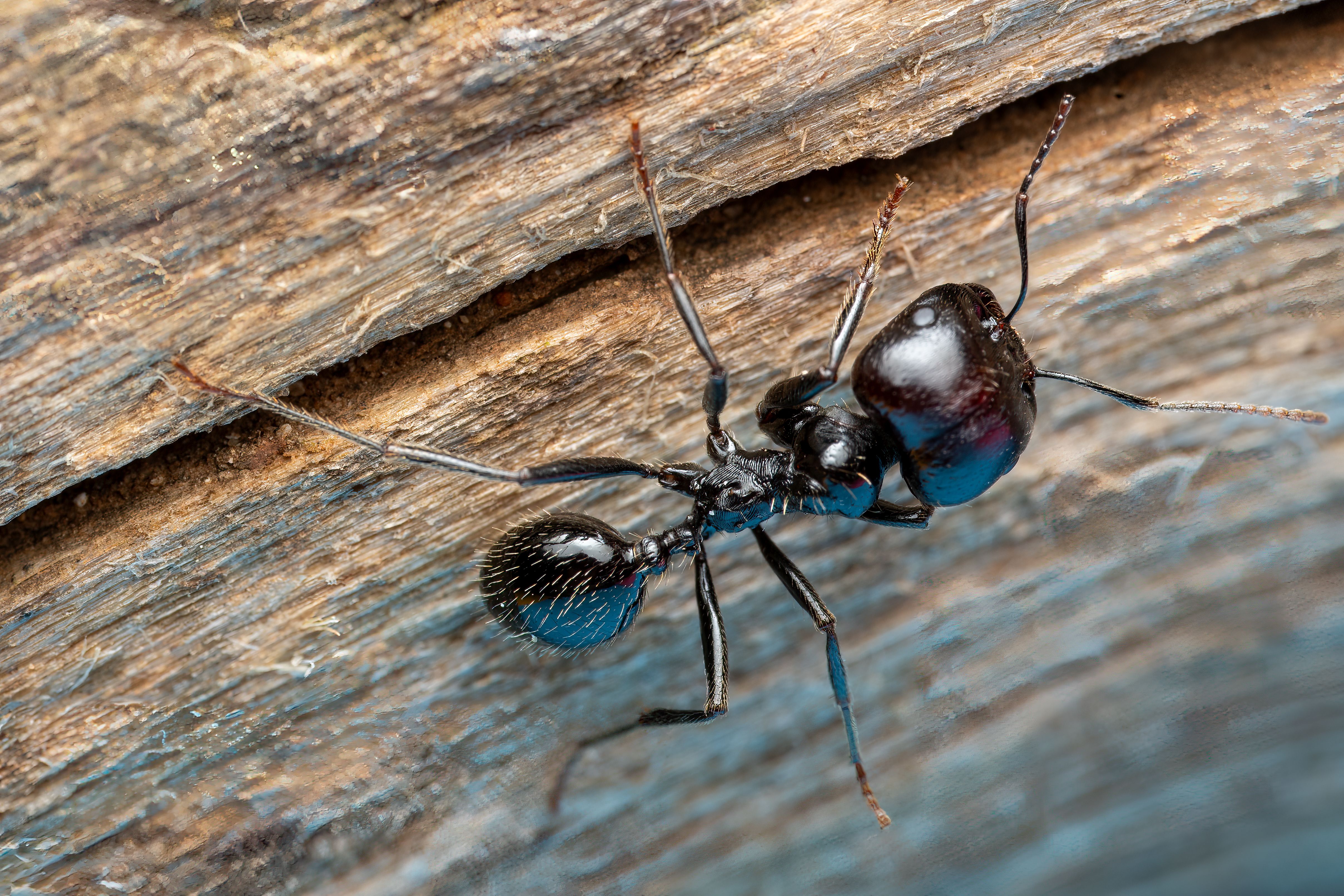
Pavement ants are the tiniest of the trio, measuring just 2‑3 mm in length. Their dark‑brown bodies are topped with a distinctive petiole that shows two nodes, a key identifier for any homeowner who’s taken a close look.
- Physical traits: Small (2‑3 mm), dark brown, two‑node petiole.
- Nesting sites: Soil pockets under sidewalks, cracks in foundations, and even fire‑pits where the ground stays slightly moist.
- Seasonal peak: Most active in spring when the ground thaws and foraging trails become visible.

Carpenter Ants
Carpenter ants are the heavy‑hitters, ranging from 6‑12 mm. Their coloration varies from deep black to a reddish hue, and they sport a single node on the petiole. These ants are not just larger; they’re also more destructive because they excavate wood to build their nests.
- Physical traits: Larger (6‑12 mm), black or reddish, single‑node petiole.
- Nesting sites: Damp wood in basements, crawl spaces, and attics—anywhere moisture has softened the timber.
- Seasonal peak: Pop up in summer, especially after the winter melt when wood moisture spikes.
According to the National Pest Management Association (NPMA), there’s a 22 % increase in carpenter ant reports following the winter melt, underscoring how quickly they can become a problem once conditions improve.
Odorous House Ants
Odorous house ants sit in the middle of the size spectrum, typically 3‑5 mm. Their dark brown bodies are unremarkable at first glance, but crush one and you’ll smell a sweet, “ripe fruit” scent—a signature that many homeowners recognize.
- Physical traits: Medium size, dark brown, emit a ripe‑fruit odor when crushed.
- Nesting sites: Kitchen cabinets, pantry corners, and any area near a moisture source such as leaky pipes or condensation.
- Seasonal peak: Appear after rain, when moisture draws them from outdoor foraging routes into the home.
Quick Comparison
| Species | Size | Color | Preferred Habitat | Seasonal Peak |
|---|---|---|---|---|
| Pavement Ant | 2‑3 mm | Dark brown | Soil under sidewalks, cracks, fire‑pits | Spring |
| Carpenter Ant | 6‑12 mm | Black or reddish | Damp wood in basements, attics, crawl spaces | Summer (post‑winter melt) |
| Odorous House Ant | 3‑5 mm | Dark brown | Kitchen cabinets, pantry corners, moisture‑rich areas | After rain |
Spotting Ant Activity Before It Spreads
Ants are masters of stealth. By the time you see a single worker marching across your kitchen floor, the colony may already be establishing a foothold inside your walls. The good news is that early detection is entirely doable with a few simple, low‑cost techniques. Below we break down the visual clues you should be scanning for, how to set up sticky traps for a quick “ant radar,” and a step‑by‑step inspection checklist you can run each month.
Visual cues you can’t afford to miss
Even the most diligent homeowner can overlook the subtle signs of an ant invasion. Keep an eye out for these three tell‑tale indicators:
- Ant trails: A thin, silvery line of pheromones often appears where ants travel between a food source and their nest. Look for it along baseboards, countertops, and the edges of windows.
- Soil or sand piles: Some species, like pavement ants, create small piles of loose soil near entry points. These mounds may be just a few grains high but are a clear red flag.
- Winged alates near windows: During mating season, you’ll see winged ants (alates) fluttering near light sources. Their presence signals a mature colony ready to spread.
Sticky traps: your low‑tech ant detector
Sticky traps are inexpensive, chemical‑free tools that can give you a snapshot of ant activity. For the best results, follow these placement tips:
- Position traps directly in front of suspected entry points—door thresholds, window sills, and any visible cracks in the foundation.
- Slide a trap under appliances such as refrigerators, dishwashers, and washing machines, where moisture often attracts foraging ants.
- Replace traps every two weeks during peak season (late spring through early fall) to monitor trends and catch new infestations early.
DIY inspection checklist
Take a systematic walk through your home with this quick‑reference list. Tick each item as you go; if you spot a problem, note the location and act promptly.
- Inspect exterior foundation for cracks larger than 1 mm. Seal gaps with caulk or expandable foam.
- Check under sinks and behind appliances for moisture buildup. Repair leaks and keep the area dry.
- Look inside cabinets and pantry shelves for food debris, spilled sugar, or crumbs. Wipe surfaces with a mild detergent.
- Monitor indoor temperature. Ants thrive in environments ranging from 68‑75 °F (20‑24 °C). If your home runs consistently warm, consider adjusting thermostat settings or improving ventilation.
What the upcoming 2025 Denver housing inspection report says
Preliminary findings from the 2025 Denver Housing Inspection Report (still pending final verification) indicate a 12 % rise in ant‑related complaints over the past year, particularly in homes built before 1990. The report highlights that many of these cases could have been avoided with early visual detection and routine sticky‑trap checks—exactly the practices we’ve outlined here.
Further resources
While ants rarely pose a direct health threat, certain species can contaminate food or trigger allergic reactions. For a deeper dive into ant‑related illnesses and proven prevention steps, visit the CDC’s guidance page: CDC – Ant‑Related Illnesses and Prevention. Staying informed empowers you to act before the tiny invaders become a big problem.
Proactive Measures to Keep Ants Out
When it comes to ants, the best offense is a solid defense. Homeowners who take a few simple, proactive steps can dramatically lower the chance that a colony ever finds its way inside. Think of it as sealing the front door, windows, and even the backyard pathways before the tiny invaders have a chance to march in. Below are the three pillars of ant prevention—sanitation, structural fixes, and landscaping—each backed by practical tips you can start implementing today.
Sanitation: Eliminate the Food Trail
Ants are opportunistic foragers. A stray crumb or an open food container is an open invitation. Here’s how to cut off that invitation:
- Seal food containers. Transfer pantry staples—flour, sugar, cereal—into airtight, BPA‑free containers. Even a tiny opening can release scent trails that attract ants.
- Store pet food securely. Pet bowls should be emptied after each meal, and dry kibble should be kept in sealed containers. Ants love protein, and unattended pet food is a magnet.
- Take out garbage nightly. Use trash cans with tight‑fitting lids, and pull the bag out before bedtime. A lingering odor from food waste can draw ants from outside walls.
By keeping food sources invisible, you deny ants the reason to explore your home, turning your kitchen into a no‑fly zone for their scouting parties.
Structural Fixes: Close the Gaps
Even the cleanest home can become a highway for ants if there are cracks and gaps in the building envelope. A few targeted repairs can make a world of difference.
- Caulk foundation cracks. Use a high‑quality, silicone‑based caulk to seal any openings you find along the foundation, especially around utility penetrations.
- Repair leaky pipes. Moisture attracts ants, especially carpenter ants that seek damp wood. Fix drips under sinks, behind appliances, and in crawl spaces.
- Install door sweeps. Attach sweeps to exterior doors to block the tiny gaps at the bottom where ants often slip through.
Research from the U.S. Environmental Protection Agency (EPA) shows that sealing a 1‑inch crack can cut ant entry by 40 %. That single action alone can reduce the pressure on your entire home’s defense system.
Landscaping: Create an Ant‑Unfriendly Perimeter
The exterior of your property is the first line of defense. Thoughtful landscaping can keep ant colonies at bay before they even reach the foundation.
- Keep mulch ≤2 inches from the foundation. Mulch that piles up against the house creates a moist bridge for ants. Maintain a clear gap to force them to travel farther.
- Trim tree branches away from walls. Branches that touch the house act as highways for ants and other pests. Aim for at least a 12‑inch clearance.
- Remove standing water. Empty saucers, bird baths, and clogged gutters regularly. Stagnant water not only attracts mosquitoes but also provides a water source for ants.
These landscaping tweaks are low‑maintenance but high‑impact, turning your yard into a hostile environment for ant foragers.
Putting It All Together
Prevention isn’t a single task; it’s a coordinated routine. The first two steps—sanitation and structural repairs—are highlighted as the opening phases in our treatment‑plan diagram (Image 3). By tackling these areas first, you set a solid foundation that makes any later treatment far more effective and often unnecessary.

In short, think of ant prevention as a three‑layer shield: keep food out of sight, seal every crack, and shape the landscape so ants can’t bridge the gap to your home. Implement these steps now, and you’ll find yourself spending less time battling ant invasions and more time enjoying a pest‑free living space.
Choosing the Right Ant Control Method
Baiting
Ant baiting works on a simple principle: foraging workers locate the poisoned food, carry it back to the nest, and share it with the queen and other colony members. This indirect approach can eradicate the entire colony without spraying chemicals directly onto surfaces you touch.
Pros
- Low exposure for pets and children because the toxicant stays inside the colony.
- Provides long‑term control; once the queen is eliminated, the colony cannot rebuild.
- Typically requires fewer follow‑up visits.
Cons
- Results can take several days to weeks, especially if the colony is deep or the foraging trail is weak.
- Effectiveness depends on active foraging; dormant colonies may ignore the bait.
Pricing for Denver homeowners (2025): $120‑$180 per treatment, including placement of multiple bait stations and a follow‑up inspection.
Barrier Sprays
Barrier sprays are applied around the exterior of a home and in high‑traffic interior zones to create an invisible wall that kills ants on contact. The chemicals used provide an immediate knock‑down and can deter new ants from crossing the treated perimeter.
Pros
- Fast action—most homeowners see ant activity drop within hours.
- Visible result; you can walk through treated areas and notice the difference.
- Effective against multiple species that enter from different entry points.
Cons
- Potential exposure risk for pets, children, or anyone who spends time near the treated zones.
- Residue degrades over time; re‑application is usually needed every 30‑45 days during peak season.
- May not reach hidden nests behind walls or under decks.
Pricing for Denver homeowners (2025): $180‑$250 per treatment, covering a full‑home perimeter and a single interior spray.
Dust Applications
Dust formulations are designed for use in voids, wall cavities, and other hard‑to‑reach spaces where ants build satellite colonies. The fine particles cling to surfaces, allowing the toxicant to stay active for months.
Pros
- Penetrates deep into concealed galleries, reaching colonies that sprays or baits can’t.
- Long residual effect—often up to six months, reducing the need for frequent visits.
- Minimal surface residue; the dust stays where it’s applied.
Cons
- Application can be messier, especially in older homes with many cracks.
- Requires professional handling to ensure proper placement and to avoid inhalation hazards.
- May need to be combined with other methods for complete perimeter protection.
Combined Package: Bait + Barrier
Many Denver homeowners opt for a hybrid approach that pairs the long‑term colony elimination of baiting with the immediate knock‑down of a barrier spray. This combo maximizes coverage, addresses both active foragers and hidden nests, and often shortens the overall treatment timeline.
Pricing for Denver homeowners (2025): $250‑$350 per full‑service package, which includes bait placement, a perimeter spray, and a follow‑up visit to assess progress.
What Anthem Pest Recommends
“We only use EPA‑registered, low‑toxicity products that protect families and pets.” – Anthem Pest
Our technicians evaluate the severity of the infestation, the species involved, and your home’s layout before recommending a method. For most suburban Denver properties, we start with baiting because of its safety profile, then add a barrier spray if you need rapid relief.
Safety and Regulatory Guidance
All of the products we use comply with the EPA Ant Pest Management Fact Sheet. This ensures that the active ingredients have been evaluated for human health and environmental impact, and that they meet strict low‑toxicity standards.
Making the Decision
When choosing a control method, weigh three factors:
- Speed of results – If you need immediate relief, a barrier spray is your best bet.
- Safety concerns – For homes with young children or pets, baiting or dust applications performed by a licensed professional are safer.
- Budget and long‑term goals – A combined package may cost more upfront but often reduces the total number of visits over a season.
By understanding how each method works, its advantages, and its price point, you can select the solution that fits your lifestyle and keeps your Denver home ant‑free.
When to Act: Seasonal Calendar
Early Spring (March‑April)
As temperatures rise in Denver, worker ants begin to leave their overwintering nests to establish new colonies. This is the ideal window for a pre‑nesting barrier spray that creates a protective perimeter around your home’s foundation, crawl spaces, and entry points. The barrier not only deters foraging ants but also reduces the likelihood of a full‑scale infestation later in the season. Simultaneously, start placing ant baits along ant highways—those well‑worn paths you often see along baseboards or near windows. Baits work by attracting foraging workers, which then carry the slow‑acting poison back to the queen, disrupting colony growth before it gets out of hand.
Late Summer (July‑August)
By midsummer, ant alates (winged reproductive ants) have emerged and are looking for suitable sites to start new colonies. After this alate flight, colonies can swell quickly, especially if food sources are abundant. Schedule a post‑alate emergence treatment to target any newly founded nests that have escaped earlier interventions. During this period, conduct a thorough inspection of interior and exterior spaces—check under decks, around potted plants, and in garden mulch for fresh ant activity. Replace or replenish baits as needed, focusing on high‑traffic zones where workers are actively foraging.
Fall (October‑November)
As Denver’s days grow shorter and temperatures dip, ant colonies begin to consolidate and prepare for winter. This is the time for a final barrier application to seal any gaps that may have opened during summer repairs or landscaping projects. A clean‑up of debris—such as fallen leaves, wood piles, and garden waste—removes shelter and food sources that ants love to exploit. Ensure that all cracks in exterior walls, utility entry points, and garage doors are sealed. A well‑maintained perimeter combined with a refreshed bait system will keep ant pressure low throughout the cold months, setting the stage for a pest‑free spring.
Note for designers: create a simple calendar graphic (icons for each season) that visually aligns with the three treatment windows described above.
For further reading on seasonal pest activity, see the CDC seasonal pest cycle guidance. Following this calendar helps homeowners stay ahead of ant invasions while minimizing chemical use and service costs.
FAQ – Ant Control Concerns
Are baits safe for pets?
Yes—when positioned where pets can’t reach them, ant baits are safe. EPA‑registered baits are formulated with low‑toxicity active ingredients that pose minimal risk to dogs, cats, and other household animals. Always follow the label directions and keep stations out of high‑traffic areas.
How long does a treatment last?
Barrier sprays applied by a professional create a protective shield that typically remains effective for 2‑3 months, depending on weather and foot traffic. In‑home bait stations can continue to attract and kill for up to 6 months, providing long‑term suppression when placed correctly.
Do I need repeat visits?
Most homeowners benefit from a follow‑up inspection 4‑6 weeks after the initial service. This visit allows the technician to assess bait consumption, refill stations if needed, and address any new entry points that may have been missed during the first treatment.
What if I see ants after treatment?
Spotting a few ants post‑treatment isn’t uncommon. It may indicate a secondary nest, a new food source, or a gap in the bait coverage. In such cases, additional bait stations are placed, and the perimeter spray may be retargeted to close any missed hotspots.
Can I use over‑the‑counter products instead of professional services?
While DIY sprays can knock down a small trail, they rarely address the colony’s queen or hidden nests. Professional treatments combine calibrated barrier sprays with strategically placed baits, offering a more comprehensive and lasting solution.
How does the EPA ensure bait safety?
The U.S. Environmental Protection Agency requires all commercial ant baits to undergo rigorous toxicity testing before registration. Labels must include clear usage instructions, storage warnings, and pet‑safety guidelines, ensuring that when used as directed, the products pose negligible risk to humans and animals.
Will weather affect my ant control treatment?
Extreme rain or high humidity can wash away barrier sprays, reducing their efficacy. That’s why technicians often schedule re‑applications after heavy storms and advise homeowners to keep indoor humidity in check to discourage ant activity.
What steps can I take at home to support professional treatment?
Maintain a clean kitchen, store food in sealed containers, and promptly repair leaky pipes. Reducing moisture and food sources makes the bait stations more attractive to foraging ants and helps the professional treatment work faster.
Case Study: Ant Elimination in a Denver Subdivision
When a property manager in Aurora approached Anthem Pest with a persistent ant problem, the stakes were high. The complex houses roughly 150 units, ranging from one‑bedroom apartments to larger family suites. Because the building is a tight‑knit community, even a few sightings can quickly become a nuisance that spreads through hallways, parking lots, and private balconies. The manager reported that about 30 % of residents had lodged complaints about carpenter ants chewing into wooden trim and pavement ants marching across walkways, creating both aesthetic and structural concerns.
The Problem
Carpenter ants thrive in moist wood and can cause hidden damage that goes unnoticed until it’s costly to repair. Meanwhile, pavement ants, though smaller, are notorious for forming visible trails that make residents uneasy, especially when they appear near entry doors and outdoor seating areas. The combination of two species meant that a single‑method approach would be insufficient; the manager needed a solution that addressed both immediate sightings and long‑term prevention.
Our Two‑Visit Intervention
Anthem Pest designed a targeted, two‑visit program that balanced thoroughness with minimal disruption to residents.
- Visit 1 – Inspection & Bait Placement: Our certified technicians conducted a walk‑through of all common areas, unit exteriors, and interior entry points. We identified nesting hotspots, then strategically placed low‑toxicity bait stations that attract foraging ants while keeping pets and children safe.
- Visit 2 – Barrier Spray & Monitoring: Two weeks later, we applied a residual barrier spray around building foundations, parking lot perimeters, and known ant highways. The spray creates an invisible shield that kills ants on contact and prevents new colonies from establishing. We also set up monitoring stations to track activity levels over the next six weeks.
Results That Speak for Themselves
Eight weeks after the second visit, the complex experienced a 95 % reduction in ant sightings. Resident complaints dropped from 30 % to under 2 %, and the property manager logged zero new damage reports from carpenter ants. The bait stations continued to attract any stray foragers, allowing us to fine‑tune the treatment plan without additional chemical applications. This outcome not only protected the building’s structural integrity but also restored peace of mind for the community.
What the Property Manager Said
“Anthem Pest’s team was professional, and we haven’t seen ants since their visit.” – Property manager, Aurora
Success stories like this illustrate why Anthem Pest emphasizes a science‑backed, resident‑focused approach. By combining precise inspection, safe baiting, and a durable barrier, we can turn a chronic ant issue into a solved problem—without the need for invasive treatments or endless follow‑up calls. If you’re dealing with similar ant activity in your multi‑family building or single‑family home, our proven methodology is ready to deliver the same peace of mind.
Protect Your Home with Expert Ant Management
Ant infestations don’t wait for a convenient moment—they start small, multiply quickly, and can compromise the structural integrity of your home. That’s why early detection, accurate species identification, proactive prevention, and prompt treatment are the four pillars of lasting ant control. Spotting a trail of workers or a single scout early on gives you a head‑start, while knowing whether you’re dealing with odorous house ants, carpenter ants, or fire ants determines the most effective strategy.
Why Denver Timing Matters
In Denver’s high‑altitude climate, ant activity peaks in late spring and early summer, when warm days encourage foraging and nesting. A treatment that’s perfectly timed for this window can intercept colonies before they spread to walls, foundations, and food storage areas. Our Denver‑trained technicians understand these seasonal patterns and use low‑toxicity, EPA‑approved products that protect your family and pets while eliminating the colony at its source.
Take the First Step Today
We invite you to schedule a free home inspection. During the visit, our certified technician will assess your property’s ant risk, identify the species present, and craft a customized management plan that fits your budget and lifestyle.
Call us now at 877‑371‑8196 or head to our online booking page to lock in your inspection.
Why Choose Anthem Pest?
Our certified technicians combine deep local knowledge with EPA‑approved, low‑toxicity solutions. We prioritize your family’s safety while delivering a thorough, long‑lasting ant‑free environment. Let us handle the hard work—so you can enjoy peace of mind, a clean kitchen, and uninterrupted family time.
Ready to protect your home? Visit Anthem Pest Control and schedule your free inspection today.