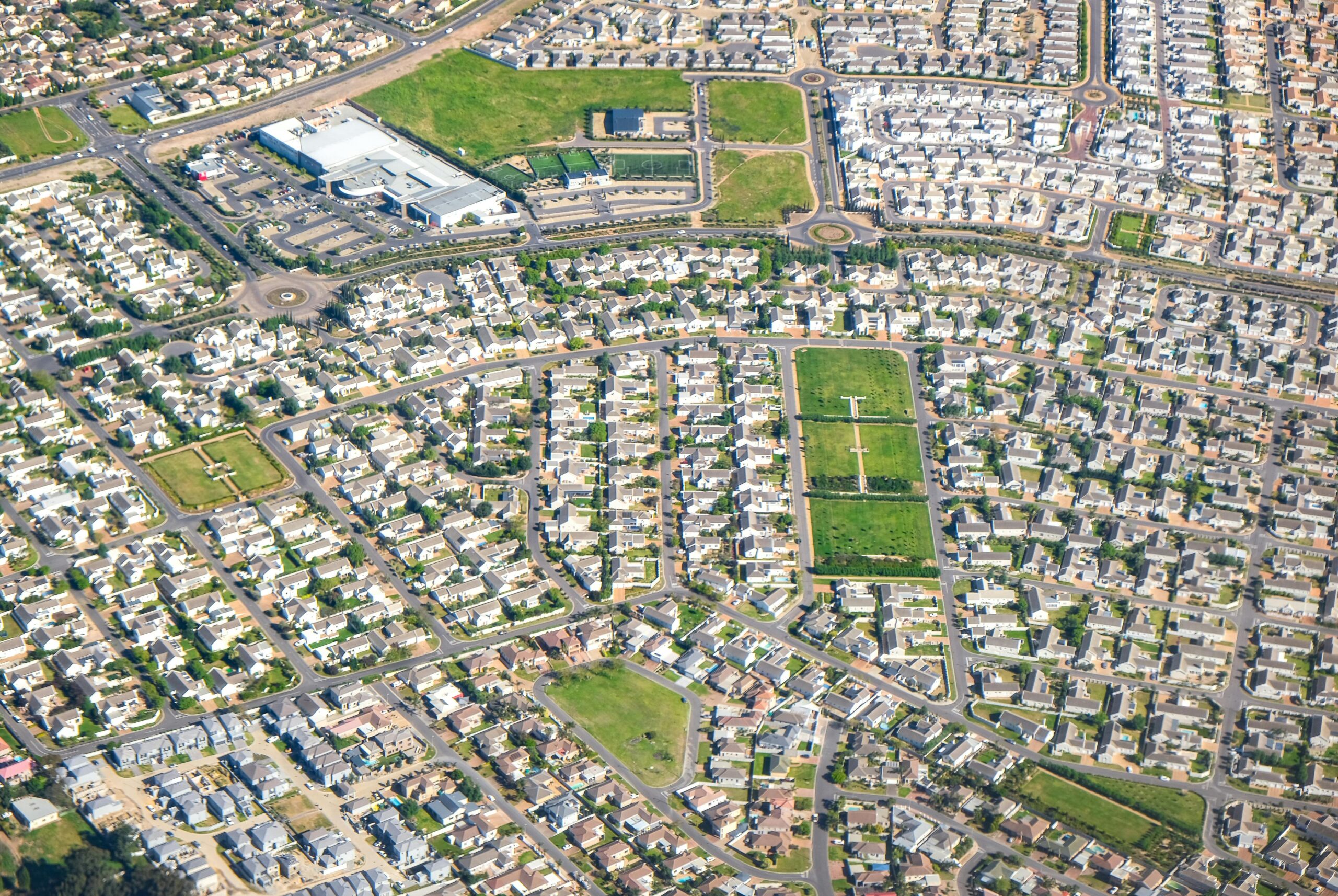
Why Termite Inspections Matter for Georgia Homeowners
Georgia’s warm, humid climate is a perfect breeding ground for termites, which is why a termite inspection Suwanee homeowners schedule regularly is so important. The two most common culprits—Eastern Subterranean termites (Reticulitermes flavipes) and the invasive Formosan termite (Incisitermes minor)—can turn a well-maintained home into a costly repair project in just a few months. Eastern Subterranean termites thrive in the soil beneath your foundation, sending silent foragers up into wooden framing, while Formosan termites, often called “super-termites,” multiply at a staggering rate and can chew through wood, drywall, and even concrete-embedded utilities.
What the numbers tell us
| Damage Category | Average Repair Cost | Typical Time to Detect |
|---|---|---|
| Foundation cracks & settlement | $7,500 – $15,000 | 6–12 months |
| Wood framing & joists | $4,000 – $10,000 | 3–8 months |
| Utility lines (electrical, plumbing) | $2,500 – $6,000 | 4–9 months |
| Whole‑home remediation (including treatment) | $8,000 – $20,000 | 9–18 months |
These figures illustrate why untreated infestations are more than a nuisance—they’re a financial threat. The National Pest Management Association estimates that Georgia homeowners collectively lose over $200 million each year to termite damage alone. That number spikes in neighborhoods where regular inspections are overlooked.
Early detection saves money and preserves value
Spotting termites before they establish a colony can slash repair costs by up to 80 %. A professional inspection uncovers hidden activity—such as mud tubes in crawl spaces, subtle wood hollowing, or moisture‑laden soil conditions—long before you notice sagging floors or cracked walls. By addressing the problem early, you protect not only the structural integrity of your home but also its resale value. Real estate appraisers in Georgia routinely deduct thousands of dollars from a property’s market price if termite damage is discovered during a home inspection.
Georgia’s climate fuels termite activity
Termites thrive when soil moisture is high and temperatures stay above 65 °F (18 °C). Georgia’s long, humid summers, combined with frequent spring rains, keep the ground saturated for extended periods. This moisture encourages termites to build mud tubes that connect their underground nests to the wooden components of your house. Even during milder winter months, residual moisture in the soil can sustain a colony, making year‑round vigilance essential.
What to expect from a professional inspection
When you call a reputable service like Anthem Pest Control, the inspection typically follows a predictable, thorough process:
- Exterior assessment: Technicians examine the foundation, grading, and drainage to identify entry points.
- Crawl‑space and attic review: They look for mud tubes, damaged wood, and moisture hotspots.
- Wood‑to‑soil contact check: Any direct contact is a red flag for subterranean termites.
- Utility inspection: Electrical conduit and plumbing are inspected for termite tunnels that could cause future outages or leaks.
- Report & recommendations: You receive a detailed findings report, cost‑effective treatment options, and a preventive plan tailored to Georgia’s climate.
Understanding the threat, the potential costs, and the inspection workflow empowers you to make informed decisions. Regular, professionally‑conducted termite inspections are not a luxury—they’re a smart, proactive investment in the safety, comfort, and financial health of your Georgia home.
What a Professional Termite Inspection Looks Like
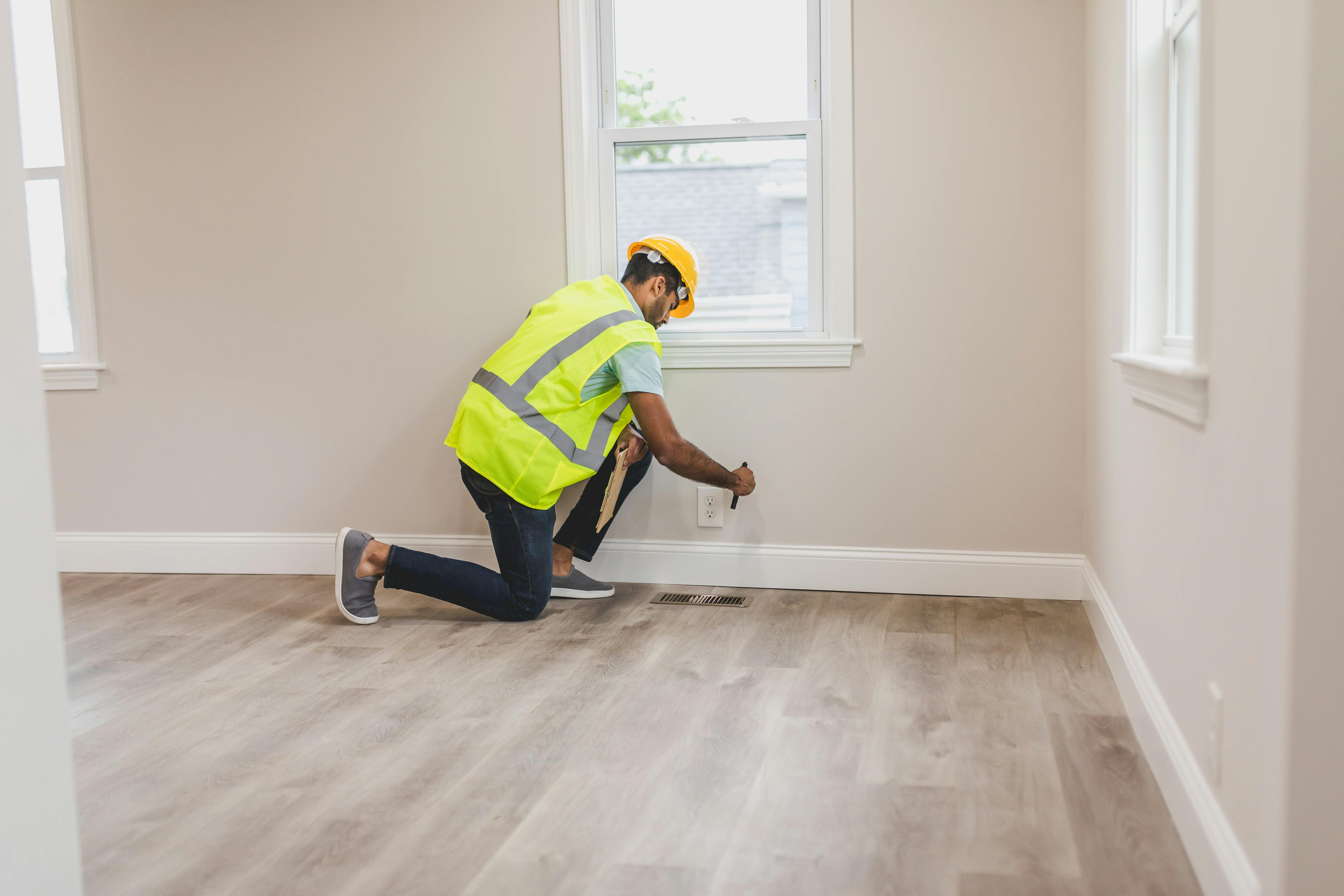
When a certified inspector steps onto your property, the first thing you’ll notice is a calm, methodical approach. Before any tools are lifted, the inspector conducts a brief safety briefing. This isn’t just a formality; wearing protective gear—gloves, disposable shoe covers, and sometimes a dust mask—keeps both the homeowner’s belongings and the inspector safe from accidental damage or exposure to chemicals that may be present from prior treatments.
Once the briefing is complete, the visual examination begins. The inspector starts at the exterior, walking the perimeter to assess foundations, footing walls, and any visible cracks or gaps. Special attention is given to crawl spaces, where moisture and limited airflow create an ideal environment for termites. Inside the home, the inspector taps and probes wooden components such as door frames, window sills, and support beams. A hollow sound often signals decay or hidden galleries.
To move beyond what the eye can see, professionals rely on a suite of diagnostic tools:
- Moisture meters—These handheld devices measure wood’s moisture content. Termites thrive in wood that’s above 15% moisture, so unusually high readings can point to a hidden colony.
- Infrared cameras—Thermal imaging reveals temperature differences behind walls and under floors. A warm spot may indicate active termite activity or a moisture problem that’s attracting them.
- Probing rods and steel needles—Gentle pressure is applied to suspect areas. If the wood yields too easily, it may be hollowed out by termites.
During this hands‑on phase, inspectors look for a handful of red‑flag signs that scream “termite activity”:
- Mud tubes—These smooth, pencil‑thin tunnels are the highways termites build to travel between the soil and your home’s wood.
- Hollow‑sounding wood—A quick tap that produces a dull thud instead of a solid knock suggests internal damage.
- Discarded wings—Swarmers shed their wings after finding a new colony; clusters of wings near light fixtures or windows are a classic giveaway.
- Frass piles—Dry, pellet‑like droppings resembling sawdust often accumulate near exit points or along mud tubes.
Distinguishing an active infestation from old damage is a crucial skill. An inspector will compare the condition of the wood with the presence of live termites or fresh frass. If the wood is compromised but no live insects are found, the damage is likely historical—perhaps from a previous infestation that was treated. Conversely, fresh mud tubes, moist wood, and live termites observed through the infrared camera confirm a current problem that needs immediate attention.
Every observation is meticulously documented. The inspector takes high‑resolution photos of each suspect area, annotates them with notes on location, moisture readings, and the type of evidence found. These visuals are then compiled into a written report that outlines:
- The exact locations inspected.
- Evidence of termite activity, including photographs and tool readings.
- An assessment of the severity—whether the colony is localized or widespread.
- Recommendations for treatment options tailored to your home’s construction and the extent of the infestation.
This report isn’t just paperwork; it’s a transparent roadmap for you, the homeowner. It empowers you to understand the risk, weigh treatment choices, and see the value of a professional solution—something Anthem Pest Control prides itself on delivering with clear pricing and safe, effective methods.
The Inspection Checklist Every Homeowner Should Know

Before the technician arrives, a quick walk‑through can give you a solid grasp of what the professional will record. Use the checklist below as a roadmap; it mirrors the exact items most termite inspectors note on their reports, so you’ll feel confident asking the right questions.
Exterior Checklist
- Foundation cracks: Look for gaps wider than a quarter‑inch, especially where the soil meets the slab.
- Wood‑to‑soil contact: Any wooden siding, porch posts, or deck supports that touch the ground are prime entry points.
- Drainage issues: Standing water or poor grading can push moisture toward the foundation, creating a welcoming environment for termites.
- Vegetation clearance: Shrubs, vines, or mulch piled against the house should be at least 12 inches away to reduce moisture and hide pathways.
Interior Checklist
- Floor joist condition: Probe joists from the basement or crawl space; soft, spongy wood often signals hidden colonies.
- Baseboard gaps: Small openings where paint chips or drywall meets the floor can be a subtle sign of termite activity.
- Window sill moisture: Condensation or water stains on interior sills suggest excess humidity that termites love.
- Attic ventilation: Poor airflow leads to damp wood; check for sagging insulation or wet spots on the roof deck.
Specific “Look‑for” Items
- Mud tubes on concrete foundations—these are the highways termites build to travel between soil and wood.
- Termite swarms near exterior lights, especially in late summer; a sudden cloud of winged insects is a red flag.
- Damaged veneer or painted surfaces that appear bubbling, blistered, or hollow when tapped.
How to Use the Checklist During a DIY Walk‑through
Grab a notebook or a note‑taking app and move methodically from the outside in. Start at the front door, circle the house, and then step inside. As you tick each item, pause to feel the wood, listen for hollow sounds, and note any irregularities. This systematic approach ensures you don’t miss hidden trouble spots that a hurried glance might overlook.
Tips for Noting Observations
- Photo documentation: Snap clear, well‑lit photos of each concern. Use your phone’s grid feature to keep images level.
- Time stamps: Enable the timestamp on your camera or add the date in the file name; inspectors often ask when you first noticed the issue.
- Location mapping: Sketch a simple floor plan on graph paper or a digital app, marking each observation with a letter or number that matches your photo set.
- Brief notes: Write one‑sentence descriptions (e.g., “crack 3 inches wide, north wall, foundation”) to keep the record concise yet useful.
What to Expect in the Final Written Report
After the professional inspection, you’ll receive a structured report that translates the checklist into actionable information. Most reports include a rating scale—typically “Low,” “Moderate,” or “High” risk—based on the severity and extent of findings. Treatment recommendations follow, outlining options such as liquid barriers, bait stations, or localized wood replacement. Finally, the report lists warranty details, often covering treatment efficacy for 5 years, along with any required homeowner maintenance.
| Section | What It Shows | Common Rating Scale |
|---|---|---|
| Exterior Findings | Foundation cracks, wood‑to‑soil contact, drainage | Low / Moderate / High |
| Interior Findings | Floor joist condition, baseboard gaps, moisture spots | Low / Moderate / High |
| Treatment Recommendations | Barrier applications, bait stations, wood repairs | Not applicable (action items) |
| Warranty & Follow‑up | Coverage period, inspection schedule, homeowner responsibilities | 5‑year guarantee (typical) |
Understanding Termite Inspection Pricing Tiers
When you call Anthem Pest Control for a termite inspection Suwanee homeowners trust, you’ll notice three clearly defined pricing packages. Each tier is built to match a different level of risk, home age, and homeowner budget. By knowing exactly what’s included, you can avoid surprise costs and choose the inspection depth that fits your situation.
Tier 1 – Basic ($99)
- Visual walk‑through of interior and exterior wood structures
- Identification of obvious termite activity or damage
- Brief verbal summary on‑site
The Basic tier is ideal for newer homes with no history of termites and for homeowners who want a quick, cost‑effective check‑up. It uses standard flashlights and handheld mirrors—no specialized equipment.
Tier 2 – Standard ($149)
- All Basic visual checks
- Moisture meter readings to spot hidden damp wood
- Detailed written report with photos and recommendations
Adding moisture testing helps reveal conditions that attract termites, such as leaky foundations or poor ventilation. The written report gives you a concrete record to share with insurance agents or future buyers.
Tier 3 – Premium ($199)
- Full visual inspection
- Moisture testing
- Infrared thermal imaging to locate concealed colonies
- One‑year monitoring plan with quarterly follow‑up visits
- Comprehensive report plus a 12‑month warranty on detection services
The Premium package delivers the deepest dive. Infrared cameras can spot termite tunnels inside walls without demolition, and the monitoring plan ensures early detection if activity resurfaces.
Pricing differences reflect the equipment used and the amount of follow‑up service provided. A Basic inspection requires only a technician’s time, while Premium adds high‑tech tools and a year‑long commitment to watch your home.
Which Tier Is Right for You?
Basic is sufficient if you live in a newly built home, have no prior termite issues, and haven’t done recent renovations that could disturb soil or wood.
Standard becomes smart for mid‑age homes (10‑20 years) where moisture problems may be emerging, or if you’ve noticed a few “mud tubes” but need confirmation.
Premium is advisable for older properties, homes with recent additions, or any residence with a documented termite history. The added infrared scan and monitoring plan can save thousands by catching infestations before they spread.
Frequently Asked Questions
- Are there hidden fees? No. The quoted price covers all labor, equipment, and the final report. Travel charges only apply for locations more than 30 miles from our Suwanee office.
- Do I need to purchase a separate warranty? The Premium tier includes a 12‑month detection warranty at no extra cost. Standard and Basic do not carry a warranty, but you can add one for an additional $49.
- What if I need treatment after the inspection? Should termites be found, we’ll provide a transparent treatment estimate before any work begins.

Use the infographic above as a quick reference, then compare it with quotes from other local providers. Transparent pricing helps you see exactly where your money goes and ensures you pick the best value for your home’s protection.
Seasonal Pest Activity in Georgia – When Termites Are Most Active
Understanding when termites are most active helps you lock in the right inspection window, especially when planning a termite inspection Suwanee homeowners rely on. The bar chart below breaks down pest prevalence month-by-month, giving you a visual roadmap for scheduling your next visit.
Reading the Bar Chart
The horizontal axis (x‑axis) lists each month from January to December. The vertical axis (y‑axis) measures pest prevalence on a relative scale, with higher bars indicating greater activity in the field. Each color‑coded bar represents a different pest group—termites, ants, and rodents—so you can see how they overlap or diverge throughout the year.

Peak Activity Months
In Georgia, termites surge from late spring through early fall, with the highest bars appearing in May, June, July, and August. Ants follow a similar pattern but often peak a month earlier, while rodents tend to stay elevated through the colder months, spiking again in late fall as they seek shelter.
Why the Seasons Matter
Termites thrive when soil temperature consistently exceeds 65 °F (18 °C). Warm, moist conditions—typical of Georgia’s spring rains and summer humidity—soften wood and create the perfect conduit for colonies to expand. Conversely, a dry spell or an early frost slows their foraging, which is why you’ll notice a dip in activity during the winter months.
Timing Your Inspection
Schedule a professional termite inspection in early spring (March–April). This gives you a clear view of any existing damage before the colony ramps up its feeding cycle. If the inspection uncovers risk factors, arrange preventative treatment during the low‑activity window of late winter or early summer, when the colony is less aggressive and treatment products penetrate more effectively.
Seasonal Demand and Pricing
Because demand spikes in the peak months, you might experience tighter scheduling options—especially if you wait until June or July to book. Rest assured, Anthem Pest’s transparent pricing tiers remain constant year‑round; the only variable is appointment availability. Booking early not only secures a convenient slot but also locks in the same rate you’d pay during the off‑season.
Quick tip: Three signs to watch for during peak season
- Fine, mud‑like tubes along foundation walls or crawl spaces.
- Wood that sounds hollow when tapped or shows blistering paint.
- Increased sightings of winged swarmers near windows or light fixtures.
Protect Your Home with Anthem Pest Control Today
Early detection, a thorough inspection checklist, and the right pricing tier are the three pillars of a solid termite defense. Catching a colony before it spreads saves you thousands in structural repairs, while a detailed checklist ensures no hidden hotspots are missed. Choosing a pricing tier that matches your home’s size and risk level guarantees you get exactly the coverage you need—no over‑paying, no under‑protecting.
- Early detection: Spotting termites at the first sign prevents costly damage.
- Comprehensive checklist: From wood-to-soil contact to moisture sources, every vulnerability is examined.
- Appropriate pricing tier: Tailored plans keep your budget in check while delivering full protection.
Anthem Pest Control brings Georgia‑wide expertise to every inspection. Our inspectors are state‑certified, stay current on the latest termite‑behavior research, and follow a transparent pricing model you can trust. We back every service with a satisfaction guarantee, so you know we’re committed to keeping your home safe—not just closing a sale.
Whether you need a quick visual check or a full‑service monitoring plan, our team tailors the solution to your home’s unique needs—without hidden fees. We combine cutting‑edge detection tools with proven treatment protocols, delivering results that protect your foundation, your furniture, and your peace of mind.
Ready for a free, no‑obligation quote? Call us today at 877‑371‑8196 or visit our website to schedule your inspection. Our friendly staff will walk you through the process, answer any questions, and set up a plan that fits your schedule and budget.
Take the first step toward a termite-free home—schedule a professional termite inspection Suwanee homeowners trust with Anthem Pest Control and protect the place you love most.