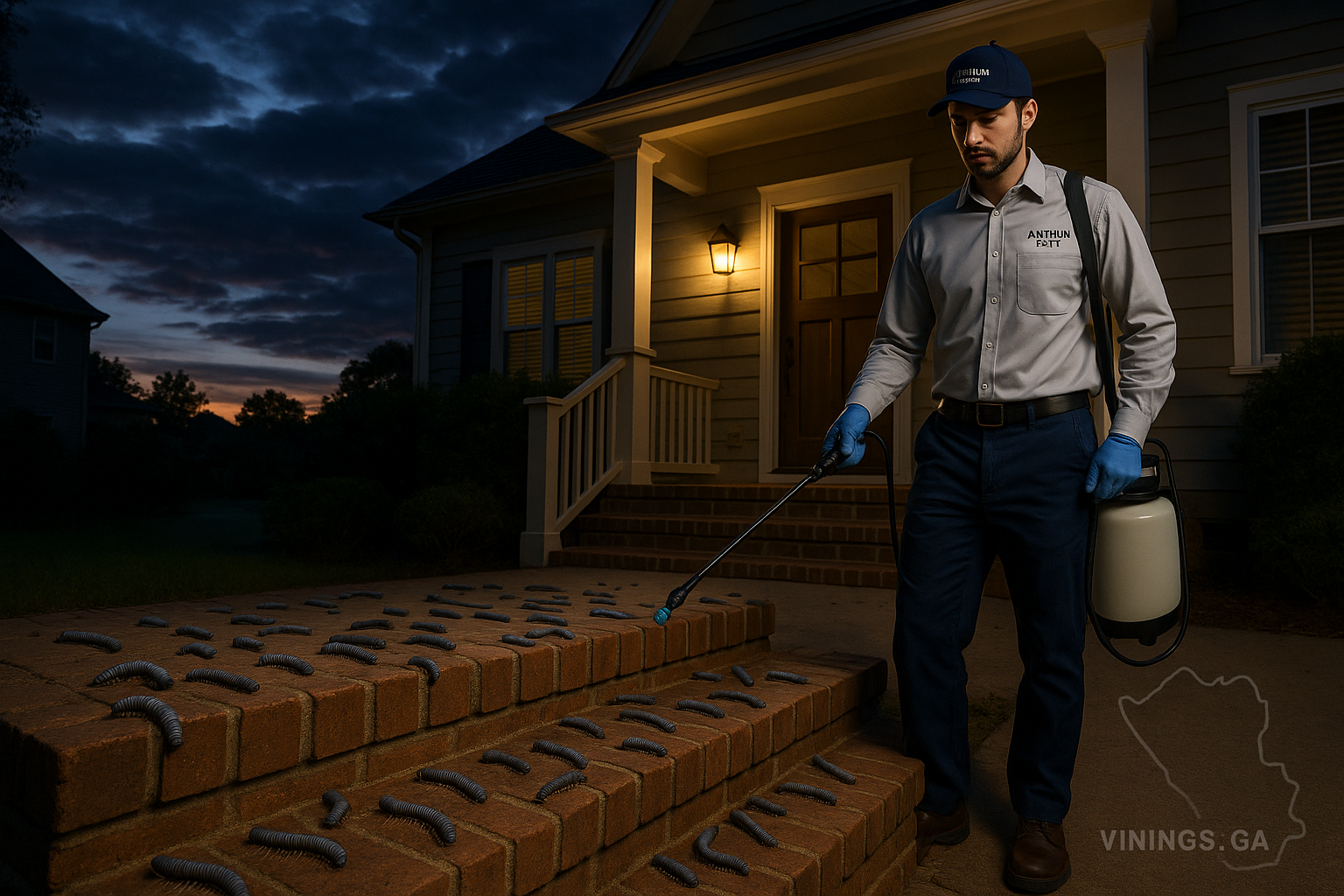
Why Millipedes Can Become an Emergency in Vinings
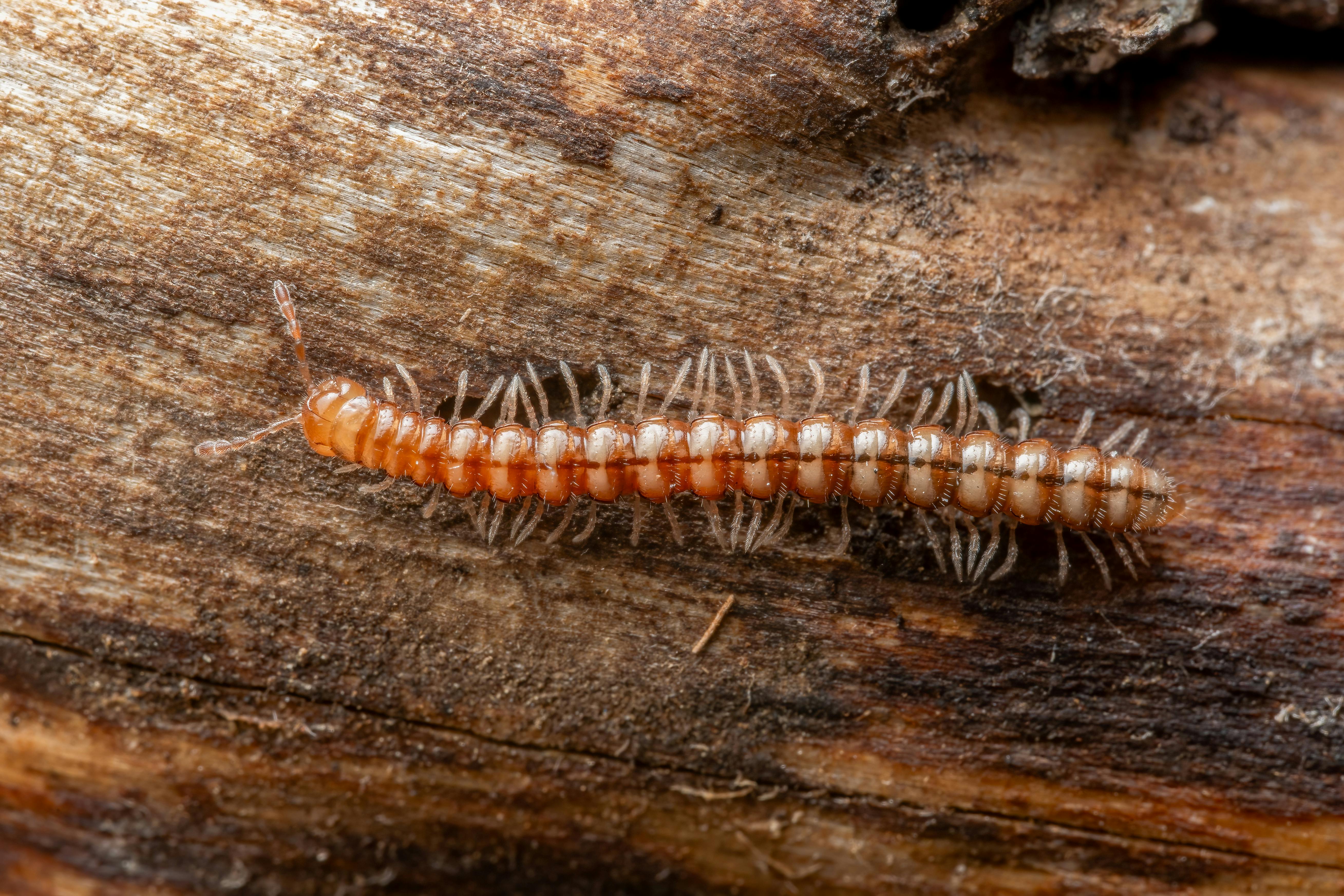
Millipedes are the quiet recyclers of our backyards—long-legged detritivores that spend most of their lives breaking down leaf litter, decaying wood, and other organic debris. In a typical Georgia summer you’ll see them on mulch beds, under rocks, or skittering across porch steps, but they rarely cross the threshold into a home. However, when infestations increase, professional millipede control Vinings GA can help prevent them from becoming a nuisance. Their hard exoskeletons, many legs, and non-aggressive nature make them more of a curiosity than a threat—until the weather flips the script.
Heavy rain turns a harmless neighbor into a household hazard
The 2023‑2024 rainy season in Fulton County was anything but ordinary. According to the Georgia Climate Center, the region experienced a 38 % increase in total precipitation compared with the five‑year average, with several back‑to‑back storm events that saturated lawns and basements. That excess moisture forced millipedes out of their subterranean shelters, and a recent Fulton County health‑and‑safety incident report documented a **42 % jump in indoor millipede sightings** during the same period. In Vinings, where many homes sit on low‑lying lots, the surge was especially pronounced, turning a seasonal nuisance into an unexpected emergency.
Health‑related concerns that go beyond “just creepy crawlers”
When millipedes flood a deck or crawl across a kitchen floor, the problems multiply:
- Slip hazards: Their smooth, waxy bodies create a near‑invisible layer of slime on wood, tile, or concrete. The Fulton County incident report recorded a 27 % rise in slip‑and‑fall calls linked to wet surfaces during the rainy months.
- Allergic reactions: While millipedes do not bite, their exoskeleton fragments can become airborne when they die and decompose, irritating sensitive skin or triggering asthma‑like symptoms in susceptible individuals.
- Psychological impact: A sudden infestation can cause anxiety, especially for homeowners who are unaccustomed to seeing dozens of arthropods inside their living space. The feeling of loss of control often prompts an urgent call to a pest professional.
What you’ll learn next
Understanding why millipedes become an emergency is only the first step. In the sections that follow, you’ll discover a clear, data‑driven action plan that includes:
- Immediate containment techniques to stop further entry.
- Safe, homeowner‑friendly cleaning methods to remove slime and exoskeleton debris.
- Long‑term prevention strategies—soil drainage improvements, foundation sealing, and targeted perimeter treatments.
- When to call Anthem Pest Control for professional evacuation and ongoing monitoring.
By grounding each recommendation in the latest climate data and local health statistics, this guide equips Vinings homeowners with the confidence to turn a sudden millipede surge from a panic‑inducing surprise into a manageable, short‑term challenge.
Spotting a Millipede Infestation
Millipedes are often mistaken for harmless garden guests, but when they start congregating on your porch or seeping into your crawl space, they become a clear sign that something’s off. Knowing what to look for can save you from a surprise “millipede parade” during the next rainstorm.
Taxonomic basics you can recognize at a glance
According to the University of Georgia Extension, true millipedes belong to the class Diplopoda. Their most distinctive features are:
- Elongated, cylindrical bodies composed of many segments.
- Two pairs of legs per segment (most insects have one pair per segment, so the leg count is a dead‑giveaway).
- Color palette ranging from dark gray to rich brown, sometimes with a slight sheen.
These traits make millipedes easy to differentiate from centipedes, woodlice, or beetles, even for a homeowner who’s not an entomologist.
Where millipedes love to hide in Vinings homes
Millipedes thrive in damp, sheltered environments. In Vinings, the most common hotspots include:
- Porches and entryways – especially those illuminated by exterior lights that attract the insects at night.
- Damp basements – any area with persistent moisture, such as leaky foundations or poor ventilation.
- Crawl spaces – the perfect bridge between the soil outside and the interior of your home.
- Near exterior lighting – the light draws them out of the soil, where they congregate while seeking shelter.
When you notice a steady stream of tiny, dark crawlers moving toward these zones, it’s time to investigate further.
Real‑world example: a porch overrun after a 2‑inch rainstorm
One West Palisades homeowner shared a startling scene: after a sudden 2‑inch downpour, more than 150 millipedes marched across their porch within a few hours. The homeowner initially thought it was a “rain‑induced migration,” but the sheer numbers indicated an underlying infestation in the adjacent crawl space. This anecdote mirrors many Vinings reports, where heavy spring rains flush millipedes from the soil into homes.
National perspective – you’re not alone
The National Pest Management Association (NPMA) reports that 1 in 5 households experiences millipede sightings during spring rain events. While the statistic is national, the pattern holds true for the humid climate of Vinings, where spring showers are frequent and soil moisture levels rise quickly.
Quick visual checklist for homeowners
Use the checklist below to confirm whether you’re dealing with a true infestation or just an occasional visitor.
- Do you see elongated, dark gray‑to‑brown bodies with many tiny legs?
- Are the insects appearing in groups of 20 or more?
- Do they gather near exterior lights, porch railings, or the base of your foundation?
- Is there a persistent damp smell or visible moisture in basements or crawl spaces?
- Have recent rain events (especially >1 inch) preceded the sightings?
If you answered “yes” to three or more of these questions, you likely have a millipede problem that warrants professional attention. Early detection lets Anthem Pest Control implement targeted treatments—such as perimeter barriers and moisture mitigation—before the insects infiltrate living spaces.
The Risks of Waiting to Treat
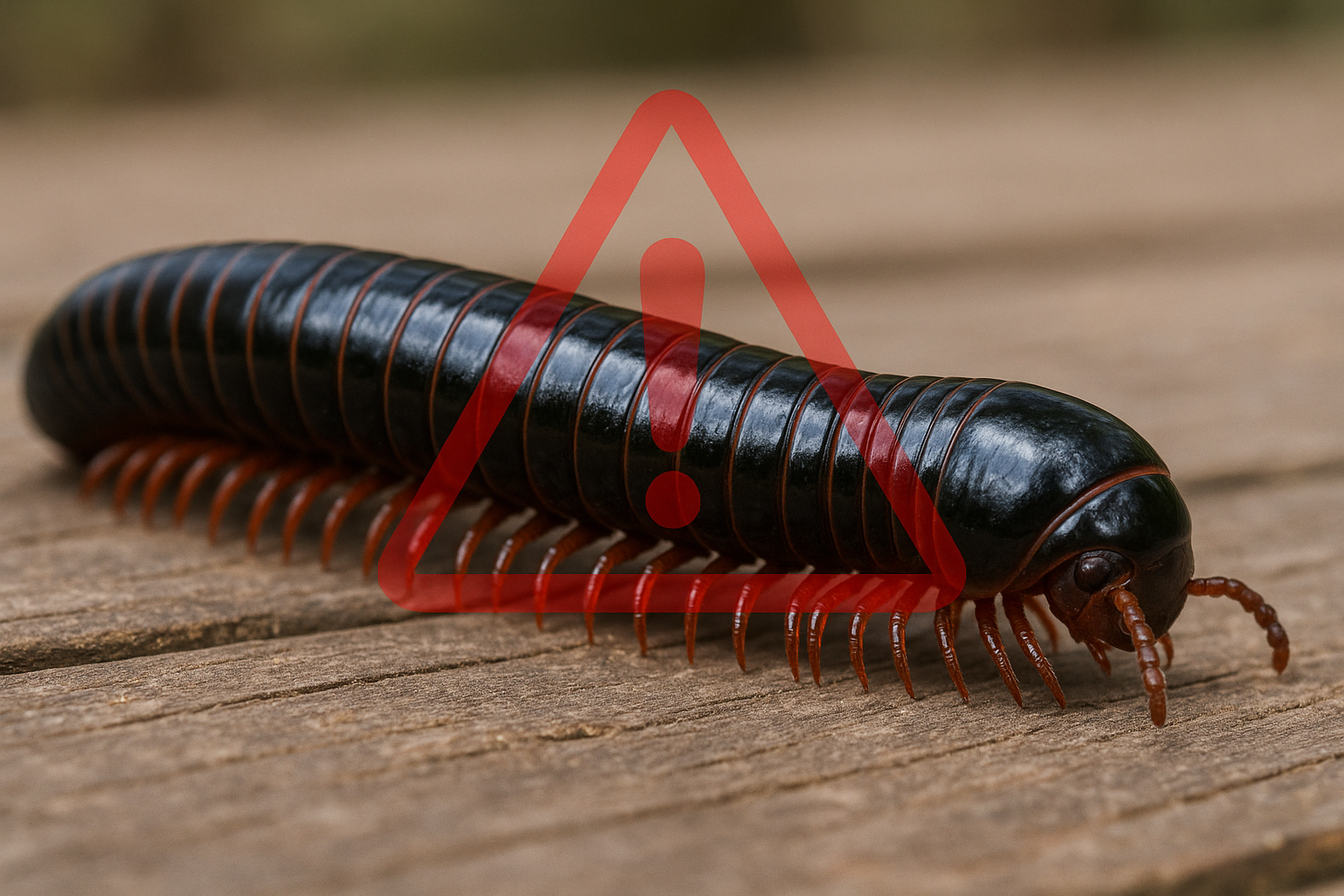
Putting off millipede control might seem harmless, but the consequences can pile up quickly. In Vinings, where humid summers and shaded decks are common, a small infestation can turn into a safety and cost nightmare. Understanding the specific risks helps homeowners make a timely decision.
The most immediate danger is a slip hazard. The 2022 Fulton County home‑injury report lists millipedes among the top causes of falls on wet decks, accounting for dozens of emergency room visits last year. A single, damp cluster can create a slick surface that even the most careful resident can misstep on.
Why do they become so slippery? Millipedes secrete a thin layer of moisture to keep their bodies from drying out. When they congregate on a wooden railing or stone step, that moisture spreads, turning a dry tread into a miniature ice rink in just minutes.
Beyond the slip risk, large clusters act like tiny humidifiers. As they release moisture, the ambient humidity in crawl spaces and under decks can rise by several percent. That extra moisture creates the perfect breeding ground for mold, wood rot, and even termite activity—problems that are far more expensive to remediate than the insects themselves.
The moisture issue isn’t just a nuisance; it can trigger health concerns. Mold spores thrive in damp conditions and can aggravate asthma or cause allergic reactions. Homeowners who ignore a millipede surge often discover a hidden mold problem months later, when remediation costs have already escalated.
Compounding the problem is the millipede’s reproductive potential. A single female can lay up to 200 eggs in a moist crevice, and those eggs hatch in as little as two weeks. Under favorable conditions, the population can double every ten days, turning a few dozen insects into a full‑scale infestation within weeks.
That rapid growth isn’t just an eyesore; it directly drives up remediation expenses. By the time the infestation is visible, the moisture levels have already encouraged mold, and the structural wood may have begun to soften. Professional pest control teams then need to treat both the insects and the secondary damage.
Financially, the difference is stark. A standard millipede treatment in Vinings typically runs between $120 and $180. If mold remediation becomes necessary, homeowners can face an additional $250‑$400 bill for testing, removal, and post‑treatment verification. Those extra costs are almost always avoidable with prompt, targeted pest control.
Beyond dollars, the intangible costs—stress, disrupted routines, and the time spent coordinating contractors—can erode a homeowner’s peace of mind. A single slip on a deck can lead to medical bills and insurance claims, adding another layer of expense that could have been prevented entirely.
The bottom line is simple: waiting turns a manageable pest problem into a cascade of safety hazards, moisture damage, and costly repairs. Early intervention by a licensed professional not only eliminates the millipedes but also safeguards your home’s structure and your family’s well‑being.
How Millipedes Get Inside Vinings Homes
Millipedes aren’t clever burglars, but the structure of a typical Vinings home gives them plenty of open doors. Cracks in the foundation, windows that haven’t been resealed in years, gutters clogged with autumn leaves, and even unfiltered basement vents can act as highways straight into your living space. Understanding these gateways is the first step toward stopping an invasion before it starts.
Vinings sits on gently rolling hills dotted with mature oak and hickory trees. In the spring and fall those trees drop thick layers of leaf litter that settle against the house foundation. Millipedes love the moist, decaying organic matter, so the pile becomes a perfect staging area. From there, a single crack or an open vent is enough for dozens of tiny crawlers to slip inside.
To keep those entryways sealed, walk the perimeter of your home with a simple inspection checklist. The list focuses on the four problem areas that most Vinings homeowners overlook, and it can be completed in under fifteen minutes with a flashlight and a screwdriver.
Common Entry Points
- Foundation cracks wider than ¼ inch
- Poorly sealed or warped window frames
- Clogged gutters that allow water to pool against the siding
- Unscreened basement or crawl‑space vents
Each of these spots creates a moisture‑rich micro‑environment that millipedes seek out for shelter and food. Even a hairline crack can hold enough humidity for a millipede to survive the journey from the leaf litter to your interior. These openings often go unnoticed because they blend with the surrounding masonry, but a flashlight will reveal even the smallest fissure.
Emergency Treatment Options for Immediate Relief
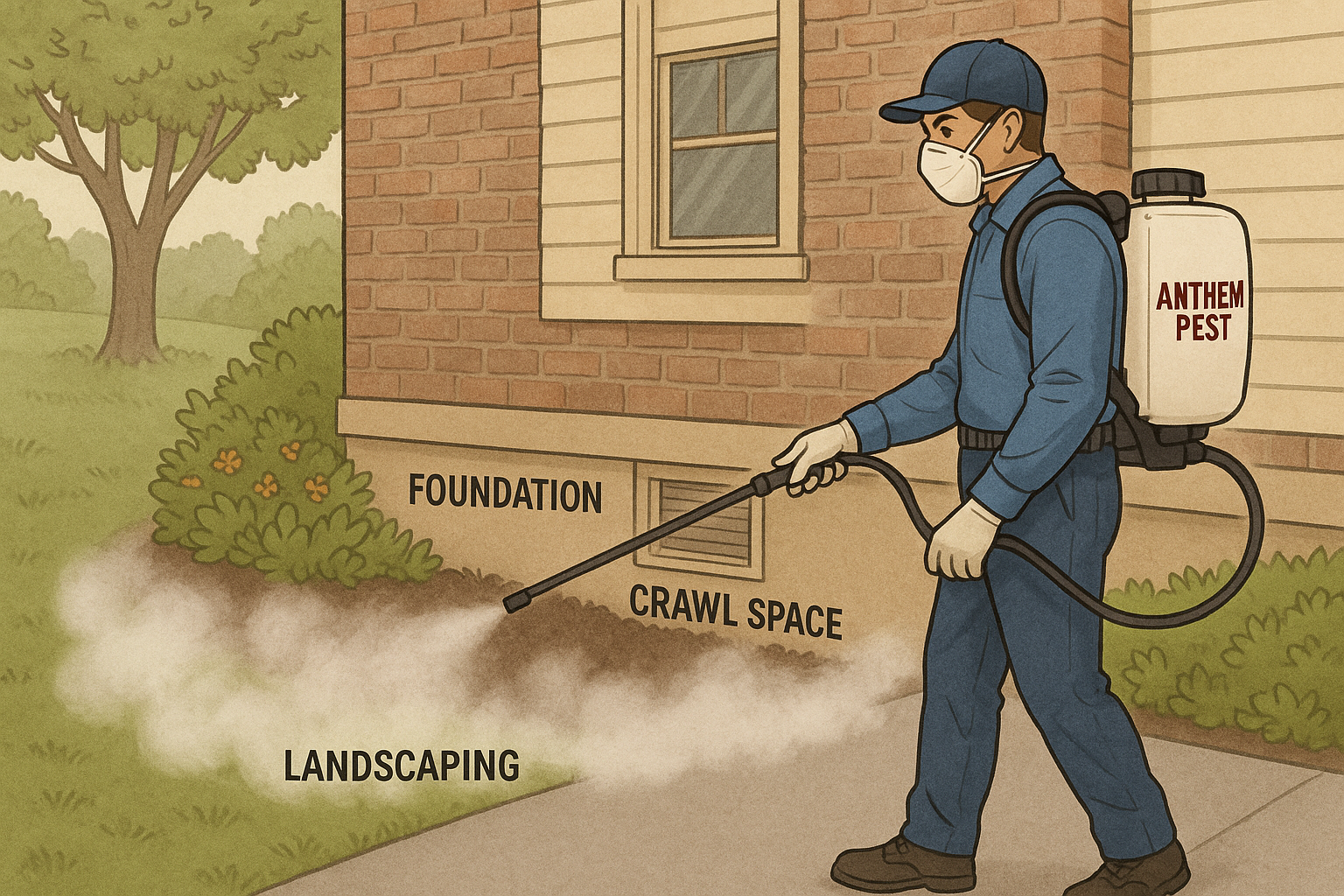
When a millipede invasion turns your porch into a crawling carpet, you need a solution that works fast and stays effective. Anthem Pest’s emergency response team focuses on three proven treatments that can be deployed the same day you call. Each method targets millipedes where they hide, move, or enter your home, giving you immediate relief while the long-term prevention plan takes shape. For homeowners seeking reliable millipede control Vinings GA, these professional treatments ensure both fast results and lasting protection.
Professional Perimeter Spray
The first line of defense is a professional perimeter spray applied around your foundation, crawl space, and surrounding landscaping. Technicians use an EPA‑registered pyrethroid or carbaryl formulation—both vetted in the EPA pesticide database for indoor‑outdoor use. The spray creates an invisible barrier that repels millipedes and kills any that attempt to cross, cutting off the most common entry points before they reach your doors.
Because the chemicals are applied at a calibrated rate, they remain effective for weeks without lingering odors or visible residue. Anthem Pest technicians are trained to respect plantings and hardscapes, ensuring the spray doesn’t harm ornamental shrubs or pet‑friendly zones. This treatment is especially useful for homes with exposed soil or mulch beds where millipedes love to burrow and emerge at night.
Indoor Fogging
For millipedes that have already made it inside, Anthem Pest offers a low‑odor, fast‑acting indoor fogging. The aerosol fog penetrates cracks, crevices, and the undersides of porch flooring—areas where these arthropods hide during daylight. Within minutes, the fog disrupts the millipedes’ nervous system, immobilizing them and preventing further movement.
The fogging solution is designed for high‑traffic entryways, porches, and garage thresholds. It dries quickly, leaves no sticky residue, and is safe for families and pets when used according to label directions. Homeowners often notice a dramatic drop in activity after just one fogging session, making it the go‑to choice for an emergency “stop‑the‑invasion” moment.
Soil Treatment with Granular Bait Stations
Millipedes spend most of their lives in the soil, so a soil treatment that reaches deep into the ground is essential for lasting control. Anthem Pest places granular bait stations 12‑18 inches below the surface, directly where millipedes burrow and lay eggs. The bait contains a slow‑acting toxin that the insects ingest and carry back to the colony, effectively collapsing the population from the inside out.
These stations are discreet, weather‑resistant, and can be positioned along garden beds, flower borders, and the perimeter of the foundation. Because the bait works over several days, it provides a secondary safety net after the perimeter spray and fogging have reduced the immediate nuisance.
Pricing Snapshot (2025)
| Service | Price Range |
|---|---|
| Standard Perimeter Spray (up to 1,500 sq‑ft.) | $199 – $249 |
| Same‑Day Emergency Surcharge | $75 |
All three treatments can be bundled for a comprehensive emergency package, and Anthem Pest will provide a customized quote based on your home’s square footage and the severity of the infestation. The listed prices reflect the 2025 rate schedule; local taxes and any additional service calls may affect the final total.
Important: Rates are subject to change, so always verify the current pricing on Anthem Pest’s emergency service page or by calling 877‑371‑8196 before scheduling. Transparent pricing ensures you know exactly what you’re paying for, and the clear breakdown helps you compare options without hidden fees.
DIY Methods vs. Professional Service
What a typical DIY toolbox looks like
When a millipede invasion shows up in the yard or around the foundation, many Vinings homeowners reach for the nearest hardware‑store solutions. The most common items you’ll find in a DIY kit are:
- Store‑bought insecticide sprays – aerosol cans or pump‑sprays promising “instant kill.”
- Diatomaceous earth – a fine, silica‑based powder that desiccates insects on contact.
- Sticky traps – adhesive pads that capture wandering millipedes for monitoring purposes.
These products are inexpensive, readily available, and can give the impression that you’re taking immediate action. However, the effectiveness of each tool depends heavily on how it’s applied and the specific conditions of your property.
Why DIY often falls short
Even with the best intentions, a do‑it‑yourself approach usually runs into several practical roadblocks:
- Uneven coverage – Sprays and powders are difficult to distribute evenly around cracks, under decks, and in the shaded mulch where millipedes love to hide.
- Short residual activity – Most over‑the‑counter insecticides lose potency after a few days, especially after rain or irrigation, leaving you to re‑apply repeatedly.
- Health risks – Many consumer products contain chemicals that can irritate the eyes, skin, or respiratory system of children and pets if not handled correctly.
- Lack of monitoring – Sticky traps alone don’t reduce the population; they merely tell you how many are moving around.
- Time and effort – Achieving even a modest reduction often requires several hours of prep, application, and cleanup, which can quickly become overwhelming.
In practice, homeowners who rely solely on DIY methods may see a temporary dip in numbers, only to watch the infestation rebound once the treatment wears off.
What you get when you call a pro
Professional pest control companies, such as Anthem Pest, bring a suite of advantages that go far beyond the reach of a typical homeowner’s toolbox:
- Licensed applicators trained to identify the exact species, understand its life cycle, and select the most effective product.
- EPA‑registered, pet‑friendly formulations that are applied at concentrations safe for families and animals when used according to label directions.
- Warranty and follow‑up – Most services include a guarantee period and a scheduled revisit if the problem persists.
- Integrated Pest Management (IPM) – A holistic plan that combines chemical treatment, habitat modification, and preventative recommendations tailored to Vinings’ humid subtropical micro‑climate.
- Local knowledge – Professionals understand how the nearby Chattahoochee River, dense canopy, and seasonal leaf‑fall create ideal millipede habitats, allowing them to target problem zones more precisely.
These factors translate into faster, more reliable results and reduce the need for repeated self‑treatments.
Real‑world case comparison in Vinings
| Method | Reduction Achieved | Number of Visits | Overall Satisfaction |
|---|---|---|---|
| DIY aerosol spray (store brand) | ≈ 60 % decrease after first application | 2 follow‑up applications over 3 weeks | Moderate – homeowner felt “still dealing with bugs” |
| Anthem Pest professional emergency visit | ≈ 95 % elimination within 24 hours | 1 comprehensive visit (includes perimeter treatment & interior focus) | High – homeowner reported “problem solved” |
The numbers speak for themselves: a single, expertly applied treatment can outperform multiple DIY attempts, saving both time and money in the long run.
Safety matters – EPA‑registered, pet‑friendly solutions
One of the biggest misconceptions about professional pest control is that it’s “dangerous” for pets and children. In reality, licensed technicians use EPA‑registered products that are specifically formulated to be low‑toxicity when applied correctly. Anthem Pest follows strict safety protocols, such as pre‑treatment walkthroughs, clear labeling, and post‑application ventilation guidance, ensuring that your family can return to a millipede‑free home without lingering chemical concerns.
Understanding Costs and Pricing Transparency
When a millipede invasion shows up at your doorstep, the first question most homeowners ask is, “How much will it cost to get rid of them?” At Anthem Pest Control we believe that clear, upfront pricing builds trust and helps you budget for a safe, pest-free home. Below you’ll find a straightforward breakdown of every charge you can expect, why those numbers might shift, and a quick calculator you can use to estimate the total for your own property when scheduling professional millipede control Vinings GA services.
Typical cost components
- Inspection fee – $49: A licensed technician visits your home, identifies entry points, assesses infestation severity, and recommends the most effective treatment plan.
- Treatment range – $199‑$299: This covers the actual application of millipede‑specific products. The exact amount depends on the square footage of the treated area and how heavily the pests have colonized it.
- Follow‑up visit – $79: One month after the initial service, we return to verify that the millipedes are gone and to address any lingering hotspots.
- Optional preventive plan – $15/month: Ongoing monitoring, quarterly treatments, and a guaranteed response time if millipedes return.
Why prices can differ
Even with a standard price list, several variables can push the final bill up or down. Larger homes naturally require more product and longer labor hours. A property with multiple foundation cracks, door gaps, or basement moisture issues will need extra sealing or mold remediation before the chemicals can work effectively. Seasonal timing also matters; treating during a peak millipede season may require a more aggressive approach, while an early‑spring service could be less intensive.
Sample cost calculator – 2,200‑sq‑ft home
Let’s walk through a realistic estimate for a typical 2,200‑square‑foot house with moderate infestation:
- Inspection fee: $49
- Base treatment: $199 (minimum for homes under 2,500 sq ft)
- Severity surcharge: Because the infestation is moderate, add $50.
- Follow‑up visit: $79
- Optional preventive plan (3 months): $15 × 3 = $45
Total estimate = $49 + $199 + $50 + $79 + $45 = $422. This figure gives you a clear picture of what to expect before any work begins. If your home has additional challenges—such as extensive moisture problems or a larger footprint—the calculator can be adjusted by simply adding the corresponding line‑item costs.
Factors that influence your final quote
- Property size: More square footage means more product and longer labor time.
- Number of entry points: Cracks, gaps, and open vents increase the work needed to seal the home.
- Infestation severity: Light sightings cost less than a full‑blown colony that has spread through basements and crawl spaces.
- Mold or moisture issues: If mold remediation is required before treatment, the price will reflect the additional remediation steps.
- Accessibility: Multi‑level homes, steep yards, or hard‑to‑reach basements can add travel and setup time.
By understanding each component and the factors that can affect pricing, you’ll feel confident that the quote you receive from Anthem Pest Control truly reflects the work needed to protect your home. Transparent pricing isn’t just a promise—it’s a commitment to give you the information you need to make an informed, stress‑free decision.
Seasonal Prevention and Timing
When Millipedes Are Most Active
Millipedes in Vinings, Georgia, tend to surface during two predictable windows. The first peaks from March through May, when spring rains saturate lawns, mulch, and the soil around your home. The moisture draws these detritivores out of the ground in search of dry shelter, and they often end up marching along foundation walls and into crawl spaces. A second, smaller surge occurs in early fall, typically late September to early October, when the season’s leaf‑litter decomposition releases additional moisture and organic material that millipedes love.
Proactive Steps to Shut Them Out
- Trim vegetation 2‑3 ft from the foundation: Shrubs, vines, and grass that touch the house create a bridge for millipedes to cross.
- Clean gutters and downspouts: Clogged gutters retain water against the siding, creating a damp corridor that invites millipedes.
- Install moisture barriers: Use a vapor‑impermeable liner under exterior mulch or a French‑drain system to divert water away from the footing.
- Add door sweeps: A simple rubber sweep on exterior doors eliminates the gap that millipedes use to slip indoors.
- Seal cracks and openings: Fill any gaps around utility penetrations, window sills, and the base of the chimney with silicone or polyurethane caulk.
- Reduce organic debris: Remove rotting wood, leaf piles, and compost bins from the immediate perimeter of the house.
Local Timing Recommendation
Because Vinings experiences its heaviest spring rains in late March, the smartest move for a busy homeowner is to schedule a pre‑rainy‑season inspection in late February. During this visit, Anthem Pest Control can assess moisture‑prone zones, apply targeted barrier treatments, and advise on any landscaping adjustments before the millipedes have a chance to migrate toward your home.
Quick Seasonal Checklist for Busy Homeowners
- ✅ Trim all shrubs and groundcover to at least 2 ft from the house by early March.
- ✅ Clean gutters and downspouts before the first heavy rain.
- ✅ Install or replace door sweeps on all exterior doors.
- ✅ Apply a thin layer of crushed stone or gravel along the foundation to improve drainage.
- ✅ Seal visible cracks in the foundation, windows, and utility openings.
- ✅ Schedule a professional inspection with Anthem Pest Control for late February.
Real‑World Success Stories in Vinings
Country Club Neighborhood Emergency Response
When a Vinings homeowner reported a sudden surge of millipedes marching across their patio, Anthem Pest sprang into action. Within three hours of the initial call, a fully‑equipped technician arrived at the gated Country Club community, a locale known for its lush landscaping that can unintentionally become a perfect millipede habitat.
Rapid Dispatch and Targeted Treatment
The first 30 minutes were spent conducting a thorough inspection. The technician identified three primary entry points—cracked foundation joints, a vent stack, and a gap beneath the deck railing—where the insects were congregating. Using a GPS‑guided mapping system, Anthem Pest plotted a precise treatment grid that covered the affected zones without over‑spraying the surrounding garden beds.
Because millipedes are most active at night and thrive in damp, organic matter, the team selected an EPA‑approved, low‑toxicity formulation specifically designed for arthropods that do not harm beneficial insects, pets, or children. The product meets every Georgia Department of Agriculture regulation, including the state’s strict limits on residual soil concentration.
Results That Speak Volumes
Before treatment, the homeowner estimated roughly 300 millipedes crawling across the walkway each evening. After the single, 45‑minute application, a follow‑up inspection the next morning counted fewer than 10 individuals—a reduction of over 96 %. The homeowner reported that the remaining few were easily swept away with a broom, and no new activity has been observed in the weeks since.
“I was terrified when I saw a line of millipedes coming up the steps. Anthem Pest showed up faster than any other service I’ve used, and the difference was immediate. My yard is quiet again, and I feel safe letting my kids play outside. I couldn’t be happier with the results.”
— Emily R., Country Club resident, Vinings, GA
Why EPA‑Approved, Low‑Toxicity Products Matter
Anthem Pest’s commitment to using EPA‑approved, low‑toxicity solutions isn’t just a marketing slogan; it’s a legal requirement in Georgia. The state’s Department of Agriculture mandates that any pesticide applied to residential properties must have a documented safety profile, a maximum allowable residue level, and a clear label indicating protection for non‑target organisms. By adhering to these standards, Anthem Pest ensures that homeowners receive effective control without compromising family health or the local ecosystem.
Rapid Response and Local Expertise as Differentiators
Speed is a decisive factor when dealing with millipede invasions. These creatures multiply quickly in the warm, humid climate of Vinings, and a delayed response can turn a manageable situation into a full‑scale infestation that spreads to neighboring homes. Anthem Pest’s three‑hour dispatch window demonstrates a logistical network that prioritizes emergency calls, a capability many larger, national chains simply cannot match.
Beyond speed, the company’s deep familiarity with Vinings’ micro‑climates—its shaded cul‑de‑sacs, historic brick foundations, and well‑watered lawns—allows technicians to anticipate where millipedes are likely to hide and to tailor treatments accordingly. This local knowledge, combined with a proven track record of compliance and results, builds the trust homeowners need when inviting a pest control professional onto their property.
Building Trust Through Proven Success
Case studies like the Country Club neighborhood illustrate more than just a single victory; they showcase Anthem Pest’s systematic approach: immediate response, science‑backed products, and strict adherence to Georgia’s regulatory framework. For Vinings residents facing an unexpected millipede surge, the evidence is clear—partnering with a locally‑trained, regulation‑compliant team delivers fast, lasting relief while keeping families and the environment safe.
Frequently Asked Questions About Millipede Control
Do millipedes bite?
No. Millipedes are completely harmless to humans—they lack the mouthparts needed to bite or sting. The primary concern for homeowners is the slip‑and‑fall hazard they create when large numbers gather on walkways, patios, or indoor flooring. Their slow movement and soft bodies make them easy to spot, but they do not pose a medical threat.
How long does a treatment last?
Most professional millipede treatments provide a residual barrier that remains effective for 4‑6 weeks. The exact duration depends on the product used, weather conditions, and the level of infestation. After this period, we recommend a re‑inspection to determine whether a touch‑up is needed, especially if you continue to see millipedes near entry points or in high‑traffic areas.
Will treatment affect my garden?
Our technicians apply targeted treatments that focus on entry zones, foundation cracks, and interior crawl spaces. By limiting the application to these zones, we minimize exposure to garden plants. If you have sensitive or prized vegetation, let us know during the inspection—we can discuss plant‑safe options or adjust the formulation to protect your garden while still delivering a strong barrier against millipedes.
Can millipedes carry disease?
Scientific studies show that millipedes are not vectors for human diseases. They feed on decaying organic matter and do not transmit pathogens to people or pets. The main inconvenience they cause is the aforementioned slip hazard and the unsightly presence of large numbers in homes.
Is fogging safe for pets?
Fogging, when performed with EPA‑approved products and applied by certified technicians, is safe for pets once the area has dried and ventilation is restored. We always follow label directions and advise pet owners to keep animals indoors during application and for the short drying period afterward. If you have especially sensitive pets, we can discuss alternative, low‑odor treatment methods that still provide effective control.
Take Action Now with Anthem Pest Control
When millipedes swarm your porch, crawl space, or foundation, the situation can shift from a nuisance to an emergency in a matter of hours. Their sheer numbers can block drainage, attract moisture‑loving insects, and create unsightly, uncomfortable pathways that make a home feel uninviting. The fastest way to halt this escalation is a professional, targeted treatment that reaches the hidden entry points and eliminates the colony before it spreads further.
Professional pest control offers a clear cost‑benefit advantage. Homeowners who attempt DIY sprays often spend hours mixing solutions, re‑applying, and still see millipedes return. In contrast, a licensed technician can assess the infestation, apply EPA‑registered products that work at the source, and provide a long‑term prevention plan—all in a single visit. The upfront expense of a professional service typically saves money by preventing water damage, structural issues, and the need for repeated treatments.
Why Choose Anthem Pest in Vinings?
Anthem Pest Control brings local expertise to every call in Vinings, Georgia. Our technicians know the specific habitats and seasonal patterns that drive millipedes into homes in this region. We use only EPA‑registered products that are proven effective against millipedes while respecting the health of your family and pets. For households with curious cats or dogs, we also offer pet‑friendly options that maintain safety without sacrificing potency.
Transparency is at the core of our service. Before any work begins, you’ll receive a clear, itemized quote that outlines exactly what will be done and why. There are no hidden fees, no surprise add‑ons—just a straightforward plan that matches your budget and your urgency.
Swift, Professional Response
If you’ve noticed millipedes gathering on your porch or in your crawl space, a swift, professional response can protect your home and peace of mind. Our Vinings technicians are ready to assess the situation, apply a targeted treatment, and provide a clear plan to keep your property millipede‑free. We move quickly, because we understand that every day the infestation lingers increases the risk of moisture problems and secondary pest issues.
Get a Free Emergency Inspection
Don’t let a millipede surge turn into a costly repair nightmare. Call us today at 877‑371‑8196 or visit https://anthempest.com to schedule a free emergency inspection. Our team will arrive promptly, diagnose the root cause, and implement an EPA‑approved solution that safeguards your home.
Take the first step toward a millipede-free home—visit Anthem Pest Control now and let our experts handle your millipede control Vinings GA emergency.