Why Ants Become a Homeowner’s Headache in Suwanee, GA
In Suwanee’s humid climate, ants thrive in the cracks and crevices that every house inevitably develops. The most common culprits are carpenter ants, pavement ants, and odorous house ants. Each species behaves differently, but all share one goal: establishing a colony inside or right next to your home. Recognizing which ant you’re dealing with is the first step toward a targeted, cost‑effective treatment.
Common Ant Species in Suwanee
- Carpenter ants – Large, black or reddish workers that excavate wood to build nests, often leaving hollowed galleries.
- Pavement ants – Small, dark brown ants that nest outdoors under sidewalks, driveways, or in mulch, venturing indoors for food.
- Odorous house ants – Tiny, light‑brown ants that emit a coconut‑like smell when crushed; they favor moist, sheltered areas.
Typical Signs of an Infestation
- Visible trails of ants marching between entry points and food sources.
- Small piles of soil or sawdust near baseboards, windowsills, or exterior foundations.
- Frass (fine wood shavings) or hollowed wood indicating carpenter ant activity.
- Unexplained food contamination, especially in pantry items or pet dishes.
Early detection matters because ant colonies expand quickly. A few foragers can turn into a full‑scale invasion within weeks, especially after the warm spring rains that soften soil and increase moisture levels. Spotting the first trail or soil pile gives you a window to intervene before the colony establishes permanent nesting sites.
The Cost of Ignoring Ants
Leaving an ant problem unchecked can lead to three major headaches for Suwanee homeowners:
- Structural damage: Carpenter ants can compromise load‑bearing wood, weakening beams, joists, and window frames.
- Food contamination: Ants carry bacteria from outdoors into your kitchen, jeopardizing food safety and potentially causing illness.
- Increased treatment difficulty: Larger colonies require more extensive chemical applications, higher labor costs, and often multiple visits.
For a science‑backed approach, the EPA’s best‑practice guidelines recommend thorough inspection, targeted baiting, and integrated pest management strategies. You can review those recommendations in detail at the EPA Ant Management page. Following these standards helps ensure that any treatment—whether DIY or professional—addresses the root cause while minimizing environmental impact.
Spotting Ants – Identification Tips for Homeowners
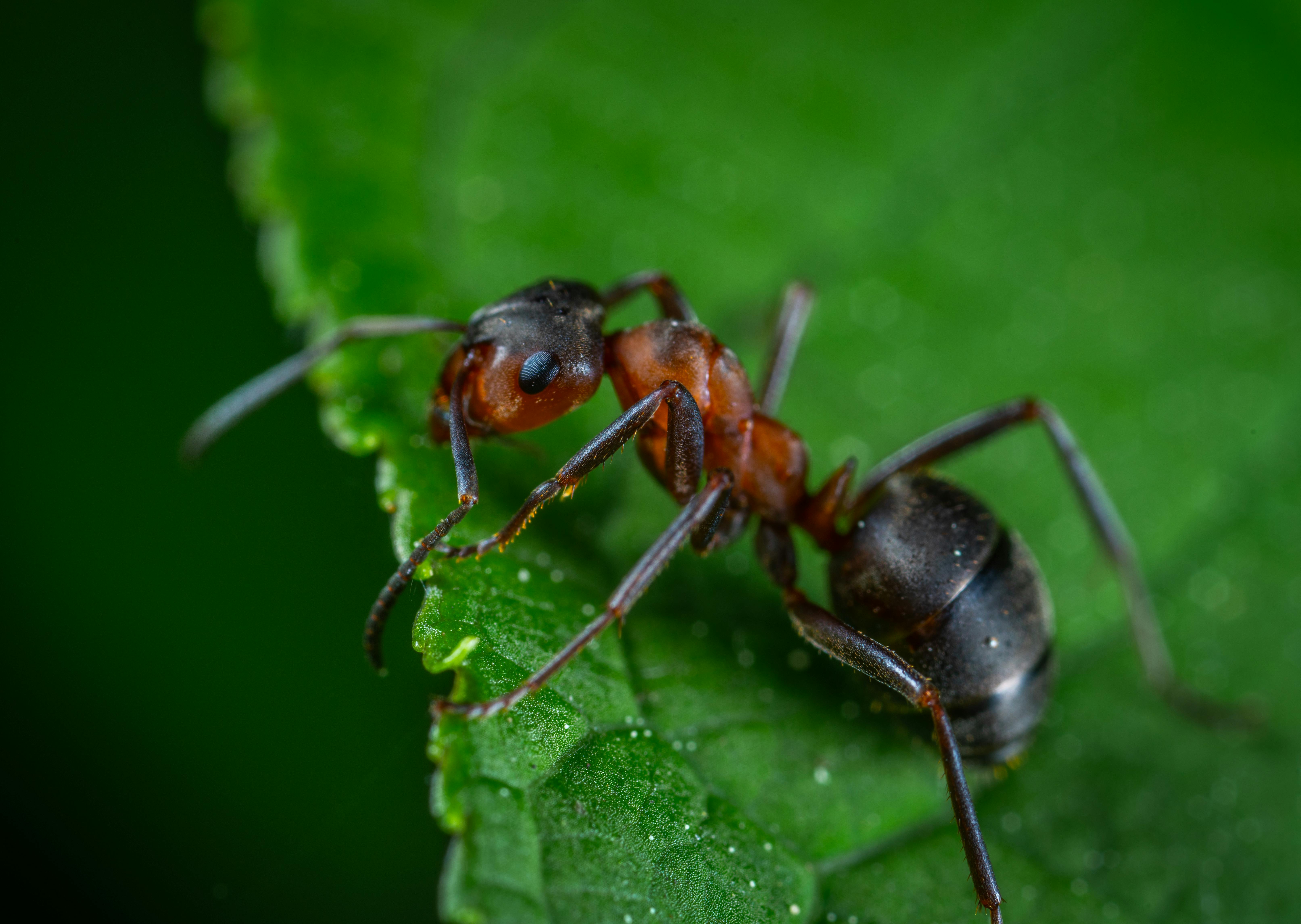
When you first notice a line of tiny workers marching across your kitchen counter, the next step is to match what you see with a reliable visual reference. The macro‑close‑up photo above shows a typical ant you might encounter in Suwanee. Notice the overall length—about ½ inch (12 mm)—and the dark brown to black coloration. The head is distinctly narrower than the thorax, and the three‑segmented body (head, mesosoma, gaster) is clearly defined. Antennae are elbowed with a noticeable club at the tip, and the legs are long enough to give the insect a “spindly” silhouette.
Key Distinguishing Features
Not all ants are created equal. Below are the three most common species you’ll run into around the home, each with tell‑tale traits you can spot without a microscope.
- Carpenter Ants – Largest of the trio, ranging from ¼ to ½ inch. They have a smooth, uniformly dark exoskeleton and a single node (raised bump) on the petiole (the thin “waist” segment). Their heads are proportionally larger, and you’ll often see them near wood structures.
- Pavement Ants – Smaller, about ⅛ inch long, with a light to medium brown body and a darker abdomen. They feature a two‑node petiole and are most active on sidewalks, driveways, and the edges of foundations.
- Odorous House Ants – Approximately ⅙ inch, these ants are dark brown to black with a faint, coconut‑like odor when crushed. Their petiole has a single node, and they tend to nest in moist indoor areas such as kitchens and bathrooms.
Collecting a Live Sample Safely
Before calling a professional, it helps to bring a live specimen. Use a clean glass or plastic container with a breathable lid (a piece of mesh works well). Gently coax the ant into the container using a piece of paper or a soft brush—avoid crushing it, as this can obscure key identification marks. Seal the lid loosely to allow airflow, label the container with the date and location, and keep it in a cool spot until the exterminator arrives.
Warning Signs of an Indoor Colony
Even the smallest trail can signal a larger problem hidden behind walls or under foundations. Keep an eye out for these red flags:
- Wooden surfaces that sound hollow when tapped, indicating possible carpenter ant tunnels.
- Moisture‑prone areas (basements, crawl spaces) with piles of small, dark pellets—ant frass.
- Visible winged “swarmers” emerging in late summer, a sign the colony is ready to reproduce.
- Continuous ant traffic along baseboards, especially after rain, suggesting entry points near the foundation.
Spotting these cues early lets Anthem Pest Control intervene before the infestation spreads. Accurate identification speeds up treatment, reduces unnecessary chemicals, and protects the structural integrity of your home.
Seasonal Ant Activity in Suwanee – When to Expect Peaks
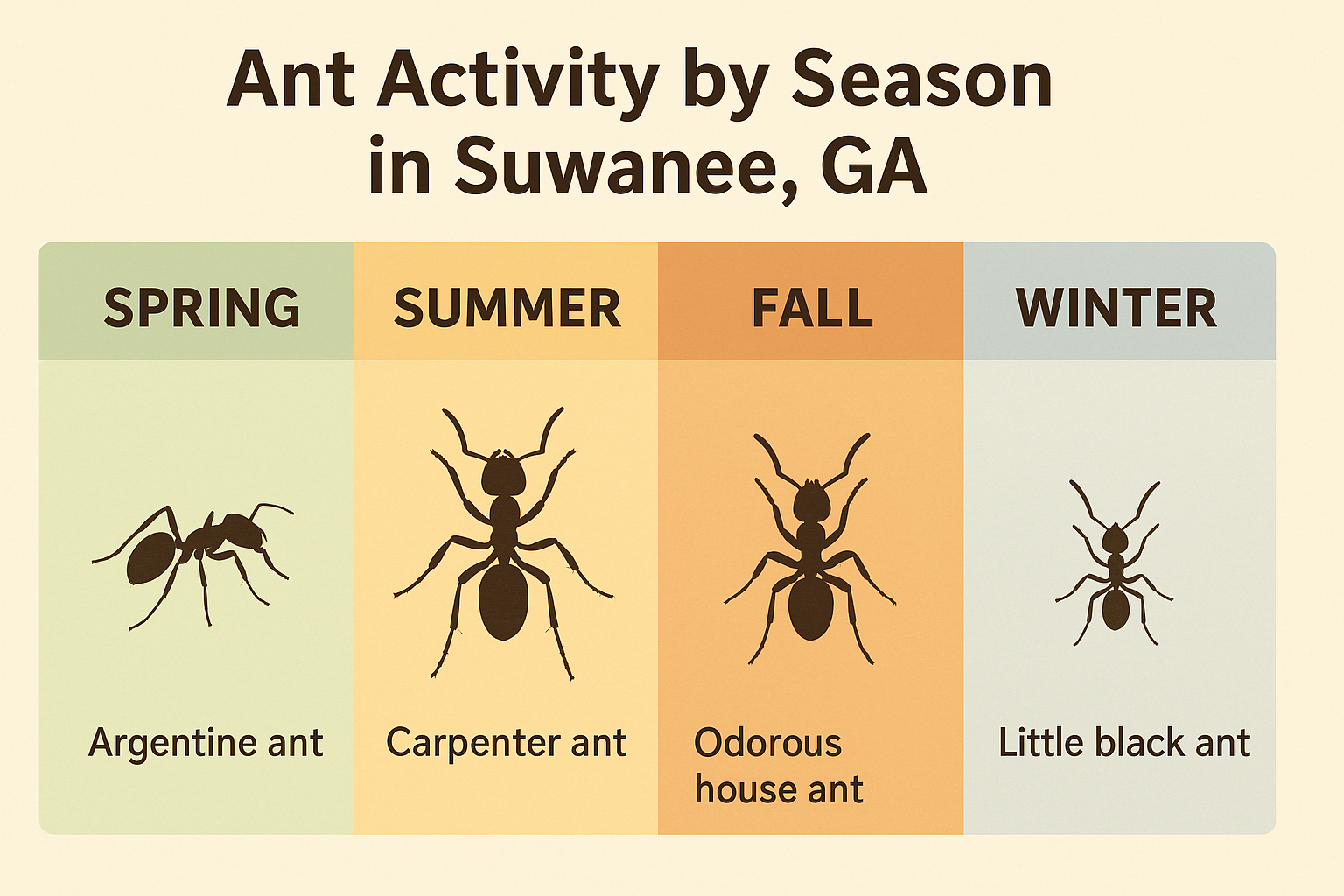
Overview of Seasonal Activity
Ant colonies in Suwanee follow a predictable rhythm that aligns with the region’s climate. The chart above breaks the year into four segments, highlighting the dominant species and typical activity levels for each period:
| Season | Peak Species | Typical Activity Level |
|---|---|---|
| Spring (Mar‑May) | Carpenter ants, odorous house ants | Medium – colonies expand and foragers search for food. |
| Summer (Jun‑Aug) | Carpenter ants, pavement ants, pharaoh ants | High – warm, moist conditions fuel rapid foraging. |
| Fall (Sep‑Nov) | Carpenter ants, odorous house ants | Medium – activity tapers as colonies prepare for winter. |
| Winter (Dec‑Feb) | Carpenter ants (deep nest), occasional pharaoh ants | Low – ants stay hidden, but nests remain viable. |
Environmental Triggers
Three key weather factors dictate these peaks:
- Temperature: Ant metabolism accelerates above 68 °F (20 °C). Summer heat pushes workers to the outdoors in search of food and water.
- Humidity: Moisture softens soil, making it easier for colonies to expand. Spring rains and summer thunderstorms create ideal foraging corridors.
- Rain patterns: Heavy rain can flood shallow nests, forcing ants to relocate closer to homes where shelter is guaranteed.
When these conditions converge, you’ll notice an uptick in trails along foundations, kitchen counters, and outdoor patios.
Homeowner Monitoring & Prevention Tips
Knowing when ants are most active lets you take simple, proactive steps:
- Secure food sources: Store pantry items in airtight containers, wipe crumbs promptly, and keep pet dishes cleaned after each meal.
- Control moisture: Fix leaky faucets, use dehumidifiers in basements, and ensure gutters direct water away from the foundation.
- Yard maintenance: Trim vegetation at least two feet from the house, remove leaf litter, and keep mulch at a safe distance from the foundation.
- Seal entry points: Inspect window frames, door thresholds, and utility penetrations for gaps; caulk or install weather‑stripping as needed.
- Regular inspections: Walk the perimeter each month during spring and summer, looking for ant trails, mud tubes, or small soil mounds.
Why Early Treatment Matters
Proactive treatment before the summer surge can dramatically reduce colony size. A pre‑summer barrier applied by Anthem Pest Control creates a chemical shield that deters foragers before they breach your home’s exterior. By intervening during the low‑activity winter or early spring window, you prevent the exponential growth that typically occurs in July and August.
In short, timing is everything. Align your inspection schedule with the seasonal chart, act on the environmental cues, and let a professional treatment lock out the ants before they turn your summer into a constant battle.
Effective Ant Treatment Options and What to Expect

How a Certified Technician Works
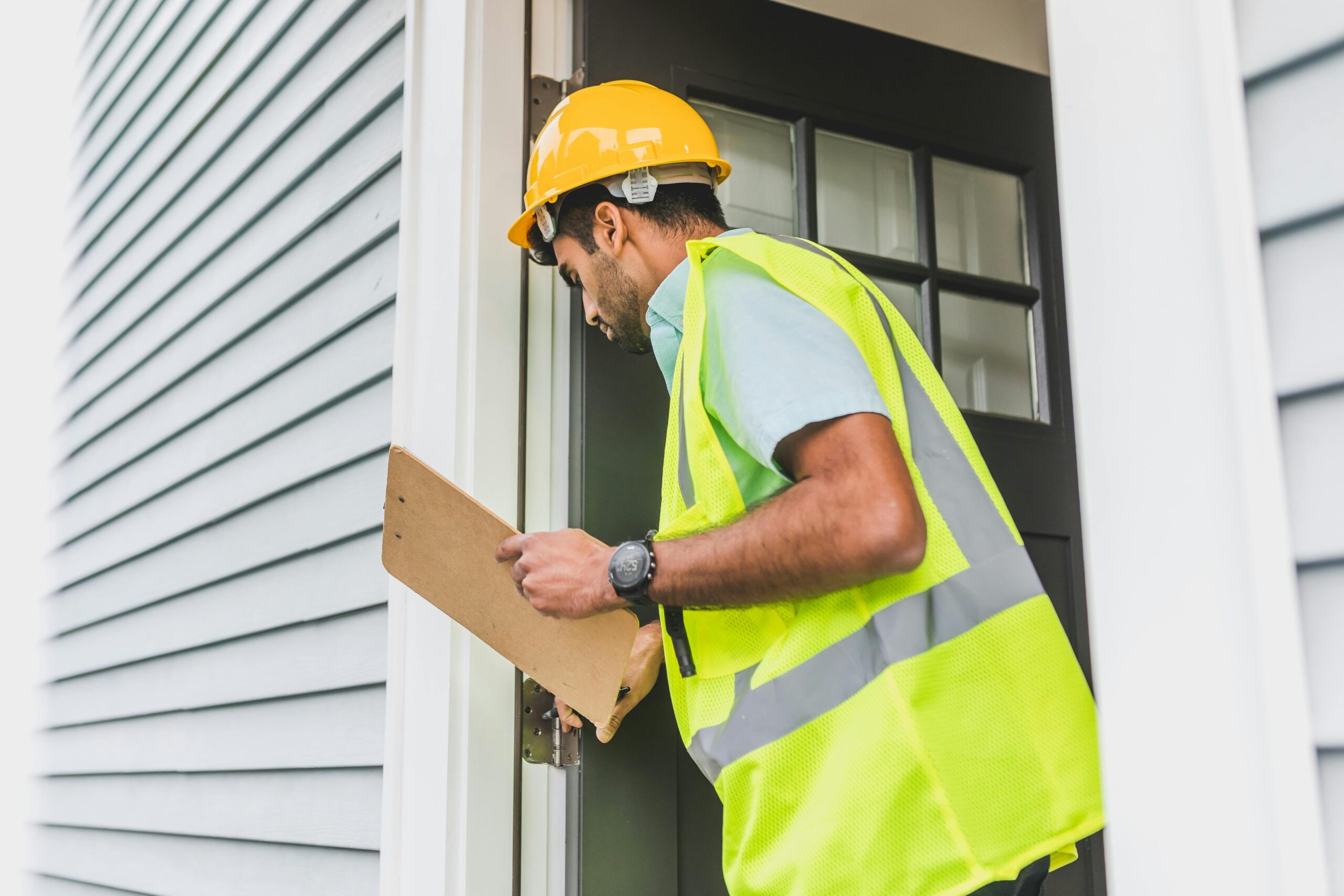
When Anthem’s certified technician arrives, the first step is a thorough inspection. They identify ant species, locate nesting sites, and trace the trails back to entry points. This isn’t a “spray‑and‑run” job; it’s a systematic survey that often uncovers hidden colonies behind baseboards, under appliances, or in wall voids.
Next comes bait placement. Low‑dose, slow‑acting baits are positioned along the foraging lines so worker ants carry the poison back to the queen, effectively collapsing the colony from the inside. Finally, a perimeter spray creates a protective barrier around the home’s foundation, deterring new ants from crossing the threshold.
Comparing Common Treatment Types
- Baiting: Ideal for interior colonies and long‑term control. Baits are discreet, safe for pets when used correctly, and target the queen.
- Liquid Barrier Sprays: Applied to the exterior foundation, cracks, and entry points. Provides immediate knock‑down of foraging ants and reduces reinfestation.
- Dust Applications: Used in voids, wall cavities, and under appliances where liquids can’t reach. Dust adheres to ant bodies and remains effective for months.
- Structural Fumigation: Reserved for severe, multi‑colony infestations in large structures. It requires occupants to vacate the home and is performed by specialized crews.
Frequency and Follow‑Up
Most ant problems are resolved with a single comprehensive visit, especially when baiting and perimeter spray are combined. However, Anthem recommends a follow‑up inspection 2–4 weeks later to ensure the queen has been eliminated and no new trails have emerged. High‑traffic homes or properties near landscaping that attracts ants may benefit from quarterly maintenance visits.
A layered approach—baits for interior colonies, barrier spray for exterior protection, and occasional dust in hidden voids—creates a “defense in depth” that dramatically lowers the chance of a resurgence.
Safety First: Protecting Families and Pets
All products used by Anthem are EPA‑registered and formulated for residential safety. Technicians wear protective gear, and each application is calibrated to the lowest effective dose. Baits are placed out of reach of children and pets, while perimeter sprays are applied to zones that are not regularly touched.
Homeowners receive a clear post‑treatment guide that outlines any temporary precautions—such as keeping pets away from treated entry points for a few hours—and signs of successful control, like diminishing trail activity. By adhering to these guidelines, families enjoy a pest‑free home without compromising health.
Choosing the Right Ant Control Plan and Next Steps
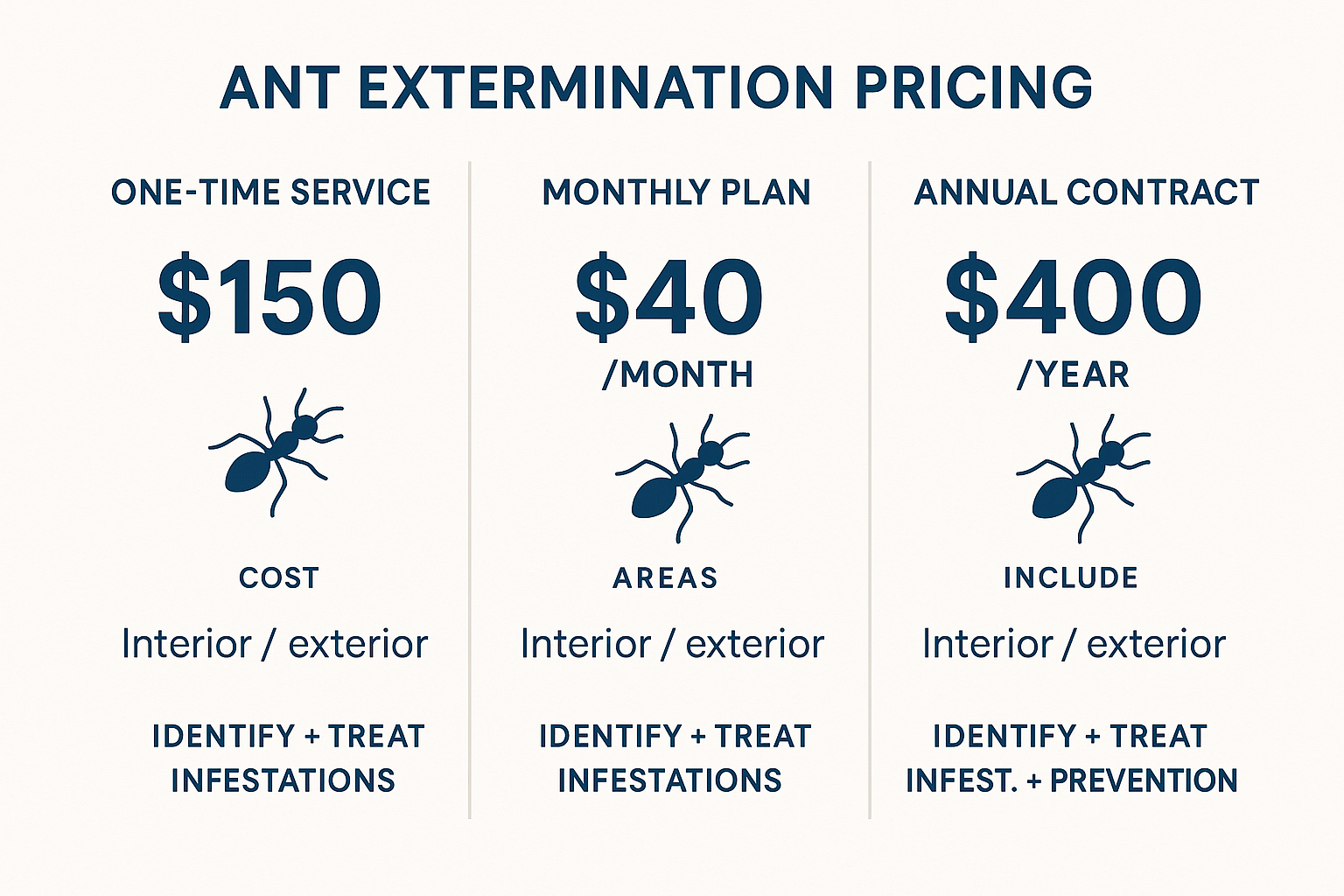
Ant infestations can vary dramatically—from a single trail in the kitchen to a sprawling colony that spreads across the yard. To match that variability, Anthem Pest Control offers three clear‑cut pricing structures. The infographic above breaks down each option side‑by‑side, so you can see at a glance which plan aligns with your budget and protection goals.
| Plan | Cost | Coverage Area | Included Treatments |
|---|---|---|---|
| One‑Time Service | $149 | Up to 1,500 sq ft | Initial inspection, targeted spray, follow‑up check (30 days) |
| Monthly Plan | $29 / month | Up to 2,500 sq ft | Quarterly inspections, preventive barrier, unlimited ant‑specific treatments |
| Annual Contract | $299 / year | Whole property (including yard) | Six scheduled visits, comprehensive barrier, priority scheduling, guaranteed eradication |
Which Plan Fits Your Home?
Budget‑friendly homeowners often start with the one‑time service. It delivers a professional inspection and a focused treatment that eliminates the current infestation without a long‑term commitment. If you prefer to spread the cost and keep ants at bay year‑round, the monthly plan offers a modest recurring fee and regular preventive work—perfect for families that want peace of mind without a large upfront payment.
Those seeking comprehensive coverage should consider the annual contract. It protects every corner of your property, from interior rooms to the perimeter fence, and includes six visits that address new colonies before they become a problem. The contract also guarantees results; if ants return, Anthem will re‑treat at no extra charge.
Why Professional Service Beats DIY
DIY sprays may knock back a few workers, but they rarely address the colony’s queen or the hidden nest. Anthem’s certified technicians identify the exact species, locate the source, and apply EPA‑approved products safely around children and pets. Our guaranteed results mean you won’t waste time buying another bottle of over‑the‑counter spray when the problem resurfaces.
Take the Next Step—Get a Free, No‑Obligation Quote
Ready to protect your Suwanee home with a plan that fits your lifestyle? Call us at 877‑371‑8196 or visit anthempest.com to request a free, no‑obligation quote. Our transparent pricing, local expertise, and friendly technicians are just a click or a phone call away. Schedule your inspection today, and let Anthem Pest Control give you the ant‑free comfort you deserve.
Protect Your Home with Anthem Pest Control Today
Ants may seem harmless, but an unchecked colony can quickly turn a tidy kitchen into a bustling highway. Spotting the first trail, recognizing seasonal spikes, and acting before the infestation spreads are the three pillars of a solid defense. Early detection lets you choose the most targeted treatment, while seasonal awareness ensures you intervene at the optimal moment—before summer rains or autumn migrations give pests a free ride into your walls.
That’s where Anthem Pest Control steps in. Our technicians rely exclusively on EPA‑approved products that protect your family, pets, and the environment. We blend science‑backed techniques with a commitment to affordability, so you never have to choose between safety and cost. Whether it’s a single‑entry point or a hidden nest, our integrated approach eliminates the problem at its source and builds a barrier that keeps ants from returning.
We understand that every home is unique, which is why we offer a free, no‑obligation quote and an on‑site inspection tailored to your specific situation. A quick call to 877‑371‑8196 connects you with a local specialist who will walk you through the findings, explain the recommended treatment plan, and answer any questions you may have. There’s no pressure—just clear, transparent information so you can make an informed decision.
Choosing Anthem means partnering with a nationwide network that treats every neighborhood like its own. Our transparent pricing, detailed service reports, and follow‑up guarantees have earned us the trust of homeowners across the country. We back our work with a satisfaction guarantee, because we know a pest‑free home is the foundation of peace of mind.
Ready to take the next step? Call 877‑371‑8196 today or visit Anthem Pest Control to schedule your inspection. Let us help you protect your home, your health, and your sanity—one ant at a time. Our friendly technicians are standing by to answer any safety or scheduling questions you might have.