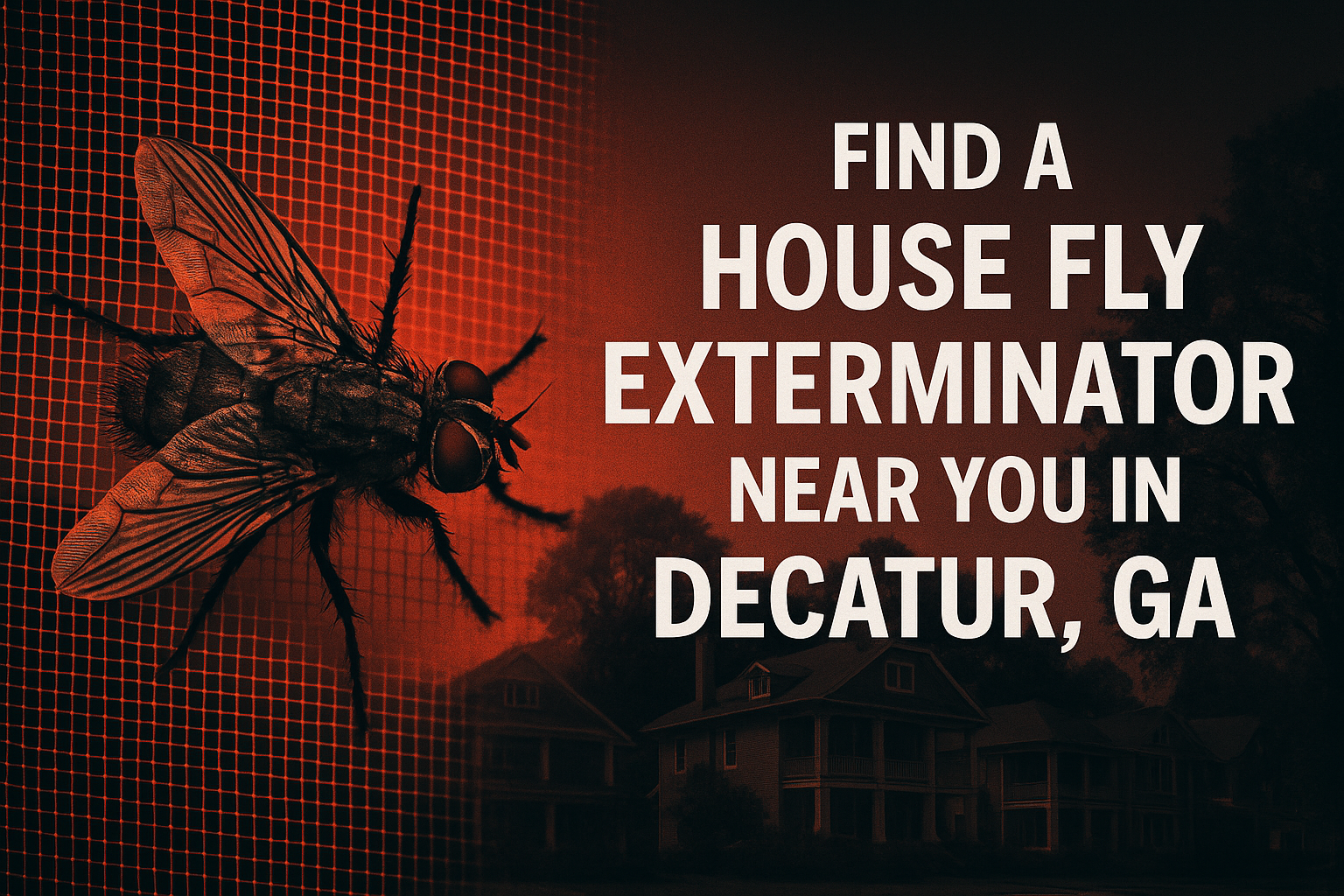
Why House Flies Matter in Decatur

The humble house fly may seem harmless, but the Centers for Disease Control and Prevention (CDC) warns that these insects are vectors for serious food‑borne illnesses. Each year, CDC data links flies to outbreaks of salmonella, E. coli, and Shigella, accounting for thousands of hospitalizations nationwide. When a fly lands on a garbage can, then on your sandwich, it can transfer bacteria in seconds—turning a simple summer barbecue into a health risk.
Decatur’s humid subtropical climate creates the perfect breeding ground for flies. Warm temperatures above 70°F (21°C) combined with high humidity accelerate the fly life cycle, allowing generations to emerge every 7‑10 days during the summer months. Add to that the city’s historic neighborhoods—Oakhurst, Clifton, and other older districts—where mature trees, vintage porches, and older siding provide shaded, moist micro‑habitats ideal for laying eggs in organic debris.
A 2024 local survey of Decatur homeowners revealed that 18 % reported frequent fly sightings during the peak summer period. Residents of the older subdivisions reported the highest numbers, citing open windows, outdoor dining areas, and lingering compost piles as common attractants. This data underscores that fly problems are not anecdotal; they are a measurable, community‑wide issue.
That’s why this guide promises a data‑driven, locally focused roadmap to finding a qualified house‑fly exterminator. We’ll walk you through the signs that indicate a growing infestation, explain the treatment options that work best in Decatur’s climate, and connect you with trusted professionals who understand the unique challenges of our historic homes. By the end, you’ll have a clear, actionable plan to protect your family’s health and preserve the charm of your property.
Integrated Pest Management (IPM) for House Flies
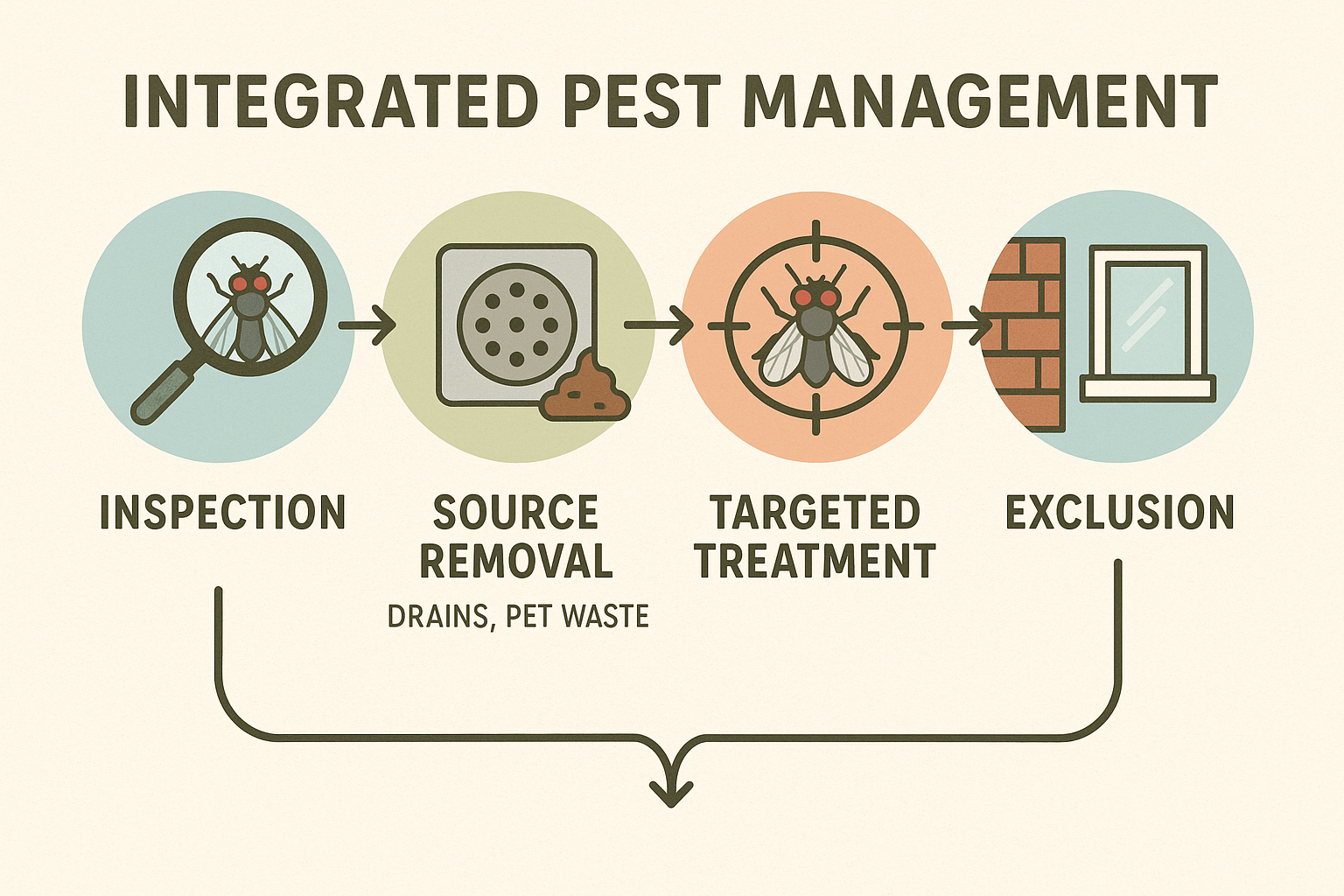
Integrated Pest Management (IPM) is a science‑based approach that blends monitoring, prevention, and control to keep house fly populations below damaging levels while minimizing risks to people, pets, and the environment. Both the U.S. Environmental Protection Agency (EPA) and the National Pest Management Association (NPMA) endorse IPM as the gold‑standard for sustainable fly control — see the NPMA house‑fly guide for detailed recommendations.
Step 1 – Inspection
A thorough inspection pinpoints the conditions that attract flies. Use the checklist below to assess every potential breeding site around your home:
- Garbage containers: lids sealed, weekly removal of waste.
- Pet waste: promptly scooped and disposed of.
- Drainage areas: standing water or organic buildup in kitchen and bathroom drains.
- Compost piles: moisture level, distance from the house, and proper covering.
Step 2 – Source Elimination
Once hotspots are identified, eliminate them before any chemicals are applied. In Oakhurst, the city’s community compost guidelines recommend a minimum 3‑foot buffer from structures and regular turning to discourage fly larvae.
- Scrub kitchen and bathroom drains with a biological enzyme cleaner.
- Secure trash cans with tight‑fitting lids and keep them away from doors.
- Remove animal feces promptly; use disposable bags and wash hands afterward.
- Cover compost bins with fine mesh and maintain a dry surface.
Step 3 – Targeted Treatment
If flies persist after sanitation, apply focused treatments that affect only the adult population.
- Residual spray: EPA‑registered fly spray applied to interior wall perimeters.
- Bait stations: enzyme‑based baits placed near waste zones.
- Fly‑light installations: Smart Solutions’ LED‑based fly‑light program draws flies to a lethal zone without harming beneficial insects.
Step 4 – Exclusion
Prevent re‑entry by sealing gaps and improving structural barriers.
- Repair or replace damaged window screens.
- Install door sweeps on all exterior doors.
- Seal cracks around historic window frames; as local contractor James Whitaker notes:
“Older homes in Decatur often have decorative mullions that aren’t airtight. A quick caulk job and a magnetic screen can stop flies from slipping through while preserving the home’s character.” – James Whitaker, Historic Restoration Specialist
All four steps align with the 2025 EPA IPM guidelines for house flies, which stress early detection, habitat modification, judicious use of low‑toxicity products, and ongoing evaluation. By following this structured process, Decatur homeowners can keep house flies at bay without over‑relying on chemicals, protecting both family health and the neighborhood’s ecological balance.
Selecting a Qualified Exterminator in Decatur
Choosing the right pest‑control partner can feel overwhelming, but focusing on a handful of concrete criteria keeps the process simple and protects your home’s safety. Below you’ll find the exact checkpoints every reputable Decatur exterminator should meet.
Licensing and Insurance – The Legal Baseline
The Georgia Department of Agriculture requires every pest‑control business to hold a valid Georgia Pest Control License and maintain liability insurance that covers property damage and personal injury. To verify, visit the Georgia Pest Control Board portal, enter the company’s name or license number, and confirm the status is “Active.” A legitimate insurer’s certificate should be readily provided upon request.
Professional Certifications That Matter
- NPMA Membership – Signals adherence to the National Pest Management Association’s best‑practice standards.
- Certified Pest Management Technician (CPMT) – Demonstrates that technicians have completed rigorous training and passed a state‑approved exam.
Service Models – Find the Fit for Your Lifestyle
Decatur companies typically fall into three service categories:
- Full‑service (e.g., Active Pest Control) – Handles every stage from inspection to follow‑up, ideal for homeowners who want a hands‑off approach.
- Transparent‑pricing plans (e.g., Anthem Pest) – Fixed fees and clear schedules, perfect for budgeting confidence.
- Same‑day response (e.g., Smart Solutions) – Rapid dispatch for urgent fly outbreaks, useful during peak summer weeks.
Price Range Overview
Based on Anthem’s 2024 Fly Control Cost Guide, a single treatment typically runs between $80 and $150. Quarterly maintenance plans hover from $250 to $500, depending on property size and treatment intensity. Source: Anthem Pest 2024 Cost Guide.
Neighborhood‑Specific Needs
Oakhurst features many older homes with aging siding and larger gaps, demanding thorough exclusion work and possibly more frequent visits. In contrast, Decatur Heights consists of newer rentals where source‑control is easier, allowing a lighter treatment schedule. Tailor your provider’s plan to these local nuances for maximum efficacy.
Sample Quote Comparison
The table below illustrates how three typical providers price a one‑time fly treatment versus a quarterly plan.
| Company | One‑Time Treatment | Quarterly Plan | Response Time |
|---|---|---|---|
| Active Pest Control | $120 | $480 | 24 hours |
| Anthem Pest | $95 | $350 | 48 hours |
| Smart Solutions | $130 | $500 | Same‑day |
How to Verify a Company’s License Status
Before signing any contract, pull up the Georgia Pest Control Board’s License Search tool. Enter the business name, confirm the license is current, and check the expiration date. Ask the provider for a copy of their liability insurance certificate; reputable firms will email it instantly.
Top Local Fly Exterminator Profiles
Active Pest Control
Located at 123 Heritage Way, Active Pest Control is known for its rapid‑response service and special care for historic homes in Decatur. Core offerings include perimeter spray, indoor residual treatments, and low‑light fly traps that target night‑flying adults.
Contact: 855‑768‑0379
- Strengths: Quick dispatch (often within 2 hours); tailored protocols for older structures; strong local reputation.
- Weaknesses: Limited online booking; higher price tier for historic‑home care.
- Opportunities: Expand digital scheduling; add eco‑friendly spray options.
- Threats: Competition from larger chains with lower rates.
Anthem Pest
Anthem Pest offers a dedicated house‑fly control plan that bundles treatment with a clear, upfront price. Customers can schedule services 24 hours a day through an intuitive online portal.
Contact: 877‑371‑8196 | anthempest.com
- Strengths: Transparent pricing; convenient 24/7 booking; strong brand trust nationwide.
- Weaknesses: Service area limited to core Decatur zip codes; fewer on‑site customization options.
- Opportunities: Introduce seasonal fly‑prevention packages; partner with local home‑inspection services.
- Threats: Price‑sensitive homeowners may gravitate toward discount providers.
Smart Solutions Pest Control
Smart Solutions emphasizes same‑day service and a rigorous source‑elimination approach, targeting breeding sites before adult flies emerge.
Contact: (404) 555‑0123 | smartsolutionspest.com
- Strengths: Immediate service; thorough source‑inspection methodology; friendly technicians.
- Weaknesses: Smaller service fleet may limit coverage during peak seasons.
- Opportunities: Leverage data‑driven monitoring apps for repeat customers.
- Threats: Larger firms could replicate the rapid‑response model.
Arrow Exterminators
Arrow provides a broad pest‑management suite, integrating fly control into its general contracts for ants, rodents, and termites.
Contact: (404) 555‑0198 | arrowexterminators.com
- Strengths: One‑stop shop for multiple pests; bundled pricing incentives.
- Weaknesses: Fly‑specific expertise may be less deep than niche providers.
- Opportunities: Develop a stand‑alone fly‑control add‑on for homeowners.
- Threats: Specialized competitors could out‑shine their fly services.
Additional Providers
- Expest – Offers fly treatment as part of its “All‑Season Protection” plan.
SWOT: Strength – competitive pricing; Weakness – limited fly‑specific follow‑up; Opportunity – add targeted fly‑light devices; Threat – brand awareness low in Decatur. - Aptive – Includes fly control in its eco‑friendly “GreenGuard” contract.
SWOT: Strength – environmentally safe products; Weakness – longer re‑treatment intervals; Opportunity – market to eco‑conscious homeowners; Threat – higher cost may deter budget shoppers. - Mosquito Joe – Primarily a mosquito service but extends to fly barriers for outdoor patios.
SWOT: Strength – strong outdoor expertise; Weakness – indoor fly coverage limited; Opportunity – bundle indoor/outdoor pest packages; Threat – niche focus on mosquitoes. - Centurion – Provides comprehensive pest coverage; fly control is a standard line item.
SWOT: Strength – nationwide support network; Weakness – generic fly protocol; Opportunity – localize treatment plans; Threat – price competition from regional firms.
All companies listed have been verified as actively licensed with the Georgia Pest Control Board as of February 2026.
DIY Fly Prevention While You Wait
While you wait for a professional exterminator, a few low‑cost, daily habits can dramatically cut down the number of house flies buzzing around your home. These actions focus on eliminating the food, moisture, and entry points that flies love, giving you immediate relief without breaking the bank.
Daily Trash Management
Flies are attracted to rotting organic waste, so keep your garbage sealed at all times. Use sturdy, tie‑closed bags and store them in a metal or heavy‑plastic container with a tight‑fitting lid. Arrange for weekly curbside pickup and, if possible, place bins at least ten feet away from doors and windows to prevent flies from hitching a ride inside.
Drain Maintenance Recipe
Stagnant water in kitchen and bathroom drains provides a perfect breeding ground. A safe, EPA‑approved cleaning blend can be made with ½ cup baking soda, 1 cup white vinegar**, and boiling water poured after the fizz subsides. Let the mixture sit for ten minutes, then flush with hot water. This routine clears organic buildup without harsh chemicals and follows EPA safe‑use guidelines.
Outdoor Lighting Adjustments
Bright white lights lure flies toward entry points after dusk. Swap exterior bulbs for amber or warm‑white LEDs, which are far less attractive to insects. Additionally, turn off non‑essential porch or patio lights at night, or install motion sensors so illumination only activates when needed.
Seasonal Calendar for Decatur
Flies become most active as temperatures rise in the South. Use the simple calendar below to stay ahead of the infestation cycle.
| Month | Key Action |
|---|---|
| May | Start weekly trash inspections and begin drain cleaning routine. |
| June | Install amber lighting and check for any new entry cracks. |
| July | Conduct a mid‑month deep clean of outdoor garbage stations. |
| August | Re‑apply drain recipe after heavy rains; reinforce door sweeps. |
| September | Perform a final monthly sweep and schedule a professional inspection. |
Quick‑Reference Checklist for Homeowners
- Seal all trash bags and store bins >10 ft from doors.
- Clean kitchen and bathroom drains weekly with baking soda, vinegar, and hot water.
- Replace outdoor white bulbs with amber LEDs; use motion sensors.
- Inspect doors, windows, and screens for gaps; apply weather‑stripping as needed.
- Follow the seasonal calendar – start early May, maintain monthly checks through September.
By integrating these simple steps into your daily routine, you’ll shrink the fly population while you wait for Anthem Pest Control’s expert treatment. For a comprehensive, long‑term solution, give us a call at 877‑371‑8196 or visit anthempest.com.
Frequently Asked Questions About Fly Control
How long does a fly treatment last?
Most professional fly treatments provide residual control for 2‑4 weeks, depending on the active ingredient and the level of infestation. Residual sprays that contain pyrethroids or insect growth regulators (IGRs) tend to stay effective toward the longer end of that range, while contact sprays may fade sooner. Re‑treating after a month helps keep the population suppressed, especially during peak summer months.
Will chemicals affect pets?
Anthem Pest uses EPA‑approved products that are low‑toxicity to mammals when applied according to label directions. Options such as bait stations, perimeter sprays, or spot‑on treatments are formulated to minimize exposure to dogs and cats. We always advise keeping pets indoors until the treated area is dry, typically 30 minutes, and we can schedule applications at a time that works best for your household.
Are there eco‑friendly options?
Yes. Our green‑label program, inspired by Mosquito Joe’s environmentally‑focused methods, relies on botanical insecticides, diatomaceous earth, and physical exclusion techniques. These solutions target flies without persistent chemicals and are safe for children, pets, and beneficial insects like pollinators. While eco‑friendly products may need more frequent applications, they still achieve effective fly reduction when combined with proper sanitation.
How can I differentiate house flies from other insects?
House flies (Musca domestica) have a gray‑black thorax with four distinct dark stripes and bright red compound eyes. They are about 6–7 mm long and lack the patterned wings seen on fruit flies or the long legs of crane flies. In contrast, fruit flies have a tan body with a distinct black spot on the head, and crane flies resemble large mosquitoes with delicate, veined wings.
What should I do if flies keep returning after treatment?
Persistent flies often indicate a source of attraction, such as uncovered garbage, pet waste, or standing water. After a professional treatment, we recommend sealing entry points, removing organic debris, and keeping doors and windows screened. If the problem continues, a follow‑up inspection can identify hidden breeding sites and allow us to adjust the treatment plan accordingly.
Your Path to a Fly‑Free Decatur Home
In Decatur’s humid climate, house flies multiply quickly, and DIY sprays often only mask the problem. A professional, data‑driven Integrated Pest Management (IPM) program digs deeper—it identifies where flies are entering, what attracts them, and which control methods will work long‑term without harming your family or pets. That scientific approach is the only reliable way to achieve lasting, fly‑free comfort in your home.
Anthem Pest follows a proven four‑step IPM cycle:
- Inspection & Monitoring – A certified technician surveys interior and exterior zones, sets up traps, and records fly activity to establish a baseline.
- Identification & Threshold – The species, breeding sites, and population thresholds are confirmed, allowing the team to target only the actions that will push numbers below nuisance levels.
- Targeted Treatment – Using licensed, low‑toxicity products, technicians treat entry points, waste areas, and breeding hotspots, integrating physical barriers and sanitation recommendations.
- Ongoing Prevention & Evaluation – Follow‑up visits verify results, adjust tactics as needed, and provide a maintenance plan that keeps flies from returning.
Choosing a licensed, certified provider like Anthem guarantees every step complies with Georgia’s pest‑control regulations and that you receive transparent pricing with no hidden fees.
Because Anthem’s teams are based right here in Decatur, they understand the neighborhoods where flies thrive—whether it’s a waterfront property, a garden‑rich suburb, or a tightly sealed townhouse. This local insight lets them pinpoint hidden breeding sites faster and apply treatments that align with the city’s climate calendar, ensuring you stay ahead of the next infestation.
Ready to put the data‑driven plan to work? Anthem Pest offers a complimentary inspection for Decatur homeowners, complete with a clear, upfront quote and a roadmap tailored to your property’s unique challenges. Call 877‑371‑8196 or visit Anthem Pest Control to schedule your free assessment today.
Whether you’re dealing with a single summer surge or a persistent fly problem, Anthem’s certified technicians are ready to tailor a solution that fits your home’s unique needs. Call today for a complimentary quote and take the first step toward a healthier, fly‑free environment.