Recognizing Carpet Beetles and Their Damage
What Are Carpet Beetles?
Carpet beetles belong to the family Dermestidae, a group of small, hardy insects that thrive in warm, humid environments like Georgia’s homes. Adult beetles are not the ones doing the chewing; it’s the larvae that feed on natural fibers, turning a pristine carpet or favorite blanket into a patchwork of holes. Because they can survive on a wide range of organic material, they’re one of the most common household pests influencing carpet beetle control cost Cumming homeowners face in the surrounding areas.
How to Identify Them
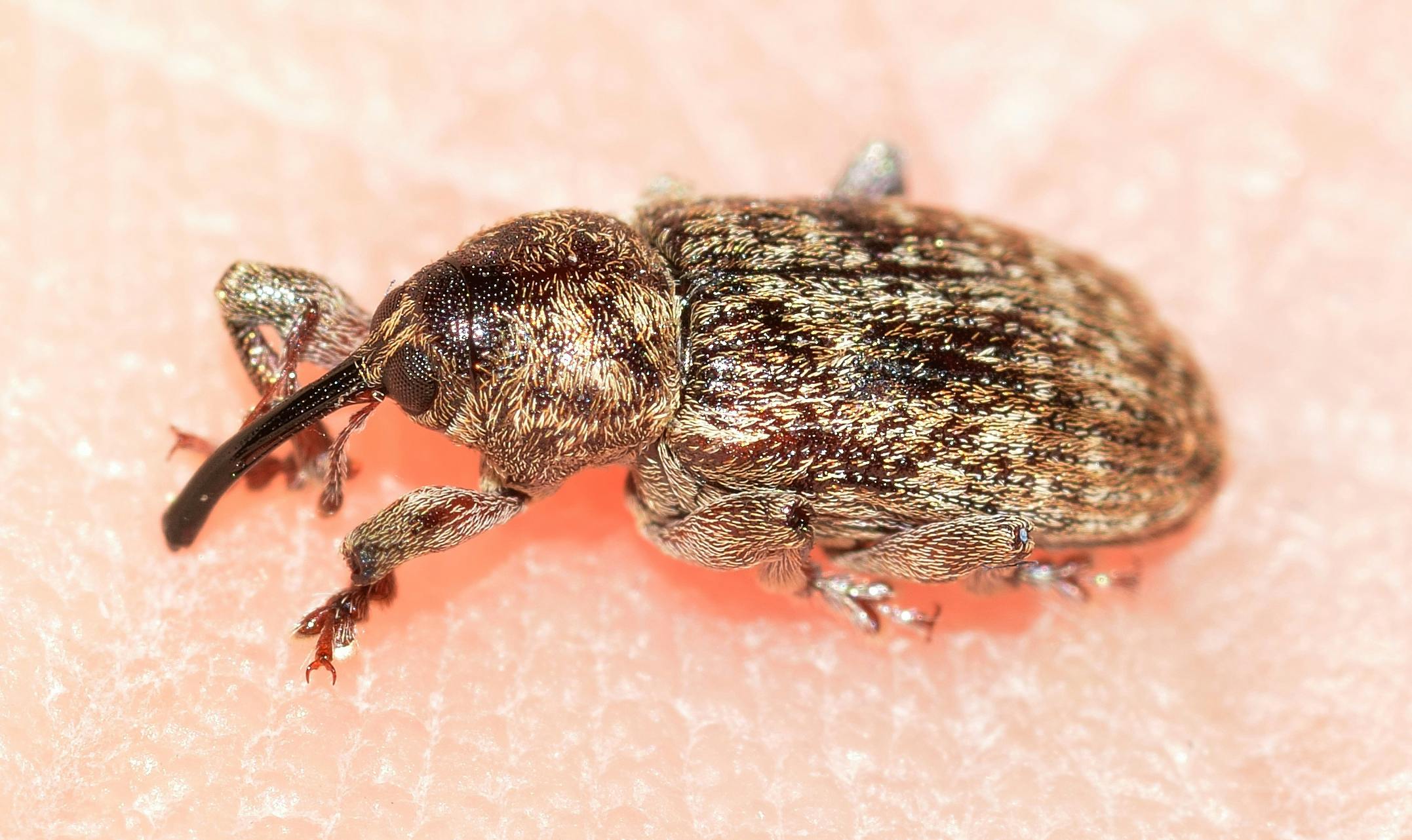
Spotting a carpet beetle is easier once you know what to look for. Adults are typically 2–5 mm long, oval‑shaped, and range from mottled brown to black with a slightly hairy back. Their most distinctive feature is the pattern of tiny white or yellowish scales that form a speckled “pepper‑and‑salt” appearance on the wing covers. Unlike beetles that have hard, shiny shells, carpet beetles feel a bit fuzzy to the touch.
Where They Hide
Carpet beetle larvae are secretive and prefer undisturbed, fiber‑rich environments. Common hiding spots in a Georgia home include:
- Carpets and area rugs, especially under furniture
- Upholstered chairs and sofas
- Blankets, quilts, and stored seasonal clothing
- Pet bedding and favorite animal cushions
- Closet shelves and cardboard boxes
Warning Signs of an Infestation
Even before you see a live beetle, the damage they cause leaves a trail of clues:
- Small, irregular holes in fabrics—often a few millimeters wide—appear where larvae have chewed through fibers.
- Shed skins (exuviae) that look like tiny, translucent shells; larvae molt several times as they grow.
- Fine, pepper‑like fecal pellets that may be visible on the underside of furniture or in seams.
- A faint, musty odor in heavily infested areas, caused by the breakdown of keratin and hair.
Carpet Beetles vs. Look‑Alikes
It’s easy to confuse carpet beetles with other household insects. Here’s a quick comparison:
| Feature | Carpet Beetle | Weevil | Moth Larva |
|---|---|---|---|
| Size | 2–5 mm | 3–6 mm | 5–12 mm (larvae) |
| Body Shape | Oval, slightly hairy | Snout‑like projection | Soft, worm‑like |
| Color Pattern | Mottled with white/yellow scales | Uniform brown or black | Often creamy or brown, no scales |
| Damage Focus | Natural fibers (wool, silk, fur) | Stored grains, dried beans | Clothing, stored fabrics |
Quick Confirmation Test
Tape Test: Press a piece of clear packing tape firmly onto a suspect area (carpet edge, seam, or pet bed). Leave it for 30 seconds, then peel it away. If you see tiny, white‑speckled insects or shed skins stuck to the tape, you likely have a carpet beetle presence. This low‑tech method helps you verify an infestation before calling a professional.
Recognizing these signs early can save you time, money, and cherished belongings. If you spot any of the clues above, consider a professional inspection from Anthem Pest Control. Our local expertise in Cumming, Georgia, ensures a swift, safe, and affordable solution to keep your home beetle‑free.
Carpet Beetle Life Cycle and Seasonal Activity in Georgia
Carpet beetles may be tiny, but their life cycle is a full‑year saga that can turn a tidy home into a feeding ground for larvae. Understanding each stage—egg, larva, pupa, and adult—and how Georgia’s climate influences timing helps you intervene before damage spreads.
Four Development Stages and Their Timing in Georgia
- Egg: A female lays 30‑50 eggs on natural fibers, in cracks, or near food sources. In the warm months of Georgia (average 70‑85°F), eggs hatch in 5‑10 days.
- Larva: This is the destructive stage. Under ideal indoor conditions, larvae can linger for 6‑12 months, feeding on wool, silk, feathers, and pet hair. Outdoors, the larval period shortens to 3‑6 months because seasonal temperature swings accelerate development.
- Pupa: Once a larva is ready to transform, it spins a cocoon and pupates. In Georgia’s moderate humidity, pupation lasts about 10‑14 days.
- Adult: The fully formed beetle emerges, lives for 2‑4 weeks, and focuses on mating and laying the next batch of eggs. Adults are attracted to light, so you’ll often see them fluttering near windows in late spring.
Indoor Environments Extend the Cycle
Homes act like climate‑controlled incubators. When temperature stays between 70°F and 80°F and relative humidity hovers around 60‑70%, larvae can survive through the cooler months, effectively pausing their development. This means a single infestation discovered in winter may have been feeding silently for nearly a year.
Seasonal Trends: When to Expect Peaks
In Georgia, adult emergence spikes in late May through early July. That’s when you’ll notice more beetles buzzing around light fixtures or windowsills. The real damage, however, occurs later: larval feeding peaks in the fall and can continue through winter, especially in heated rooms where food sources remain abundant.
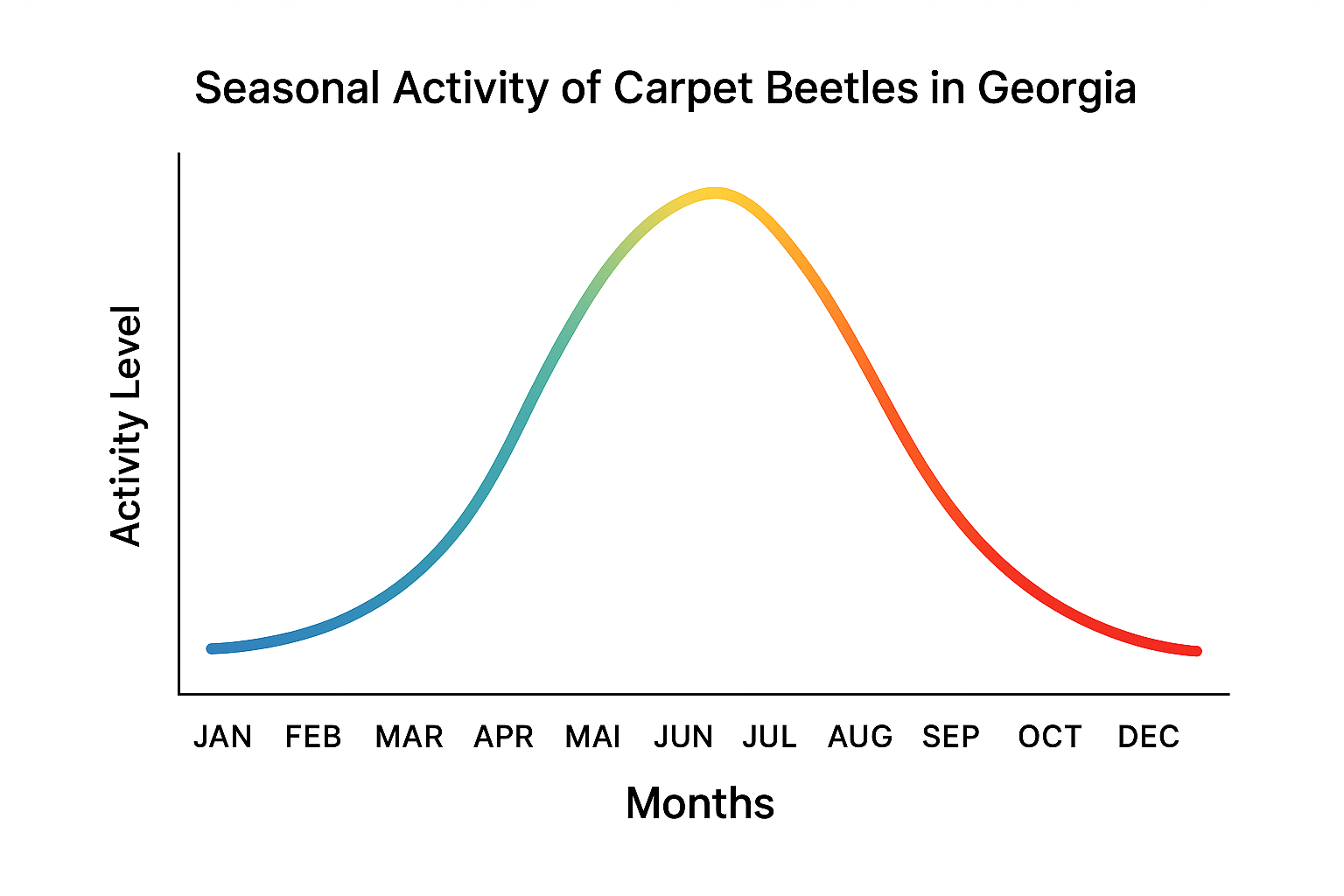
The line chart above breaks down month-by-month activity. Notice the gentle rise in adult numbers from May to June, followed by a dip as larvae dominate the scene from September through February—patterns that often influence overall carpet beetle control cost Cumming homeowners experience throughout the year.
Temperature, Humidity, and Beetle Activity
Carpet beetles are ectothermic; their metabolism speeds up as temperatures climb above 65°F. Higher humidity also softens natural fibers, making them easier for larvae to digest. For homeowners, the rule of thumb is simple: when indoor temps stay warm and humidity is moderate, keep a closer eye on carpets, upholstery, and stored textiles.
During the peak months—May, June, September, and October—inspect hidden areas such as under furniture, inside closets, and around HVAC vents. Early detection lets you act before larvae have a chance to chew through valuable fabrics.
EPA Guidance on Indoor Pest Management
The U.S. Environmental Protection Agency (EPA) recommends an integrated pest management (IPM) approach: identify the pest, monitor activity, and apply the least‑toxic control methods first. For carpet beetles, this means regular vacuuming, proper storage of woolens, and sealing cracks that allow adult beetles to enter. If an infestation persists, the EPA advises contacting a licensed professional—like Anthem Pest Control—to apply targeted treatments that protect both your family and the environment.
By syncing your prevention plan with the beetle’s life cycle and seasonal peaks, you can keep Georgia homes comfortable, clean, and beetle‑free.
DIY Prevention Tips to Keep Carpet Beetles at Bay
Establish a regular cleaning routine
Carpet beetles thrive in the dust and debris that accumulate in high-traffic areas, which is why consistent cleaning plays a key role in managing carpet beetle control cost Cumming homeowners may otherwise face. A disciplined vacuum schedule is your first line of defense. Aim to vacuum carpets, area rugs, and upholstered furniture at least once a week, and give extra attention to edges, baseboards, and the space beneath sofas or beds where larvae love to hide. Use a vacuum equipped with a HEPA filter to trap tiny eggs and larvae, then empty the canister outdoors to prevent re-infestation. When you finish, seal the vacuum bag and toss it in an outdoor trash bin; this stops any surviving beetles from crawling out.
Store clothing and linens properly
Adult beetles are attracted to natural fibers such as wool, silk, and cotton. Keep these items out of reach by placing them in airtight plastic containers or vacuum‑sealed bags. Cedar blocks or lavender sachets inside closets add a pleasant scent while deterring beetles, but they should complement—not replace—proper storage. Rotate seasonal clothing in the closet and give each item a quick shake before storing; this dislodges any stray larvae.
Eliminate food sources
Besides fabrics, carpet beetles feed on animal‑based residues like pet hair, dead insects, and food crumbs. Promptly sweep up pet dander and vacuum pet bedding weekly. Wipe down kitchen counters after meals and store pantry items in sealed containers. Clean pet bowls and food dishes after each use, and wash pet toys in hot water weekly to eliminate hidden protein residues.
Strengthen home maintenance
Cracks in walls, gaps around windows, and unsealed doorways are highways for beetles entering from the outside. Inspect your home’s exterior each season and seal any openings with caulk or expandable foam. Repair torn screens and install door sweeps on exterior doors to block the tiny insects that often hitch a ride on outdoor clothing or pet carriers. Install weather‑stripping around windows and use foam sealant on any gaps around utility penetrations to create a tighter barrier.
Use natural repellents safely
Many homeowners prefer low‑impact solutions. Sprinkle a thin layer of diatomaceous earth along baseboards, under furniture, and in closets; the microscopic sharp edges dehydrate beetle larvae on contact. Apply cedar oil or lavender essential oil to cotton balls and place them in drawers or storage bins, recharging the scent every few weeks. Reapply diatomaceous earth after heavy cleaning or after it becomes damp, as moisture reduces its effectiveness.
Know when DIY isn’t enough
Even the most diligent cleaning routine can miss a hidden infestation. If you notice increasing numbers of shed skins, tiny “coconut‑shaped” larvae, or unexplained damage to wool blankets and carpets, it’s time to call a professional. Licensed technicians have access to targeted insect growth regulators and can treat hard‑to‑reach voids that DIY methods cannot cover. Professional treatments often include a follow‑up visit to verify eradication, giving you peace of mind for months.
Professional Treatment Options, Safety, and Cost Comparison
Why Call a Professional?
Carpet beetles may seem harmless, but a full‑blown infestation can damage clothing, upholstery, and even structural wood. A licensed pest‑control company brings the expertise to locate hidden larvae, identify the species, and choose the most effective chemistry or technology. Homeowners who skip the professional route often spend more time and money on repeat DIY attempts that never reach the source of the problem.
What a Professional Service Looks Like
When Anthem Pest Control arrives, the process follows a proven four‑step protocol:
- Comprehensive inspection: Certified technicians use flashlights, magnifiers, and moisture meters to pinpoint active hotspots and assess the extent of the infestation.
- Targeted insecticide application: Low‑toxicity, EPA‑approved products are applied directly to nests, cracks, and baseboards where beetles hide.
- Heat treatment (when needed): Portable heaters raise indoor temperatures to 130‑140 °F for several hours, a method that kills eggs and larvae without chemicals.
- Ongoing monitoring: After the initial visit, technicians set up sticky traps and schedule follow‑up checks to ensure the population stays suppressed.

Safety First: How Technicians Protect Your Family
Every Anthem technician dons a full protective ensemble—gloves, goggles, and a respirator—before entering a home. The company prioritizes low‑toxicity formulas that break down quickly, reducing residue on floors and furniture. All chemicals are EPA‑registered for indoor use, and applicators follow strict ventilation guidelines to keep indoor air quality within safe limits.
Targeted Treatment Methods for Carpet Beetles
Carpet beetles require a multi‑pronged approach. Anthem offers three core methods, each chosen based on infestation severity:
- Spot‑treatments: Direct sprays applied to known hotspots such as closets, under carpets, and around pet bedding.
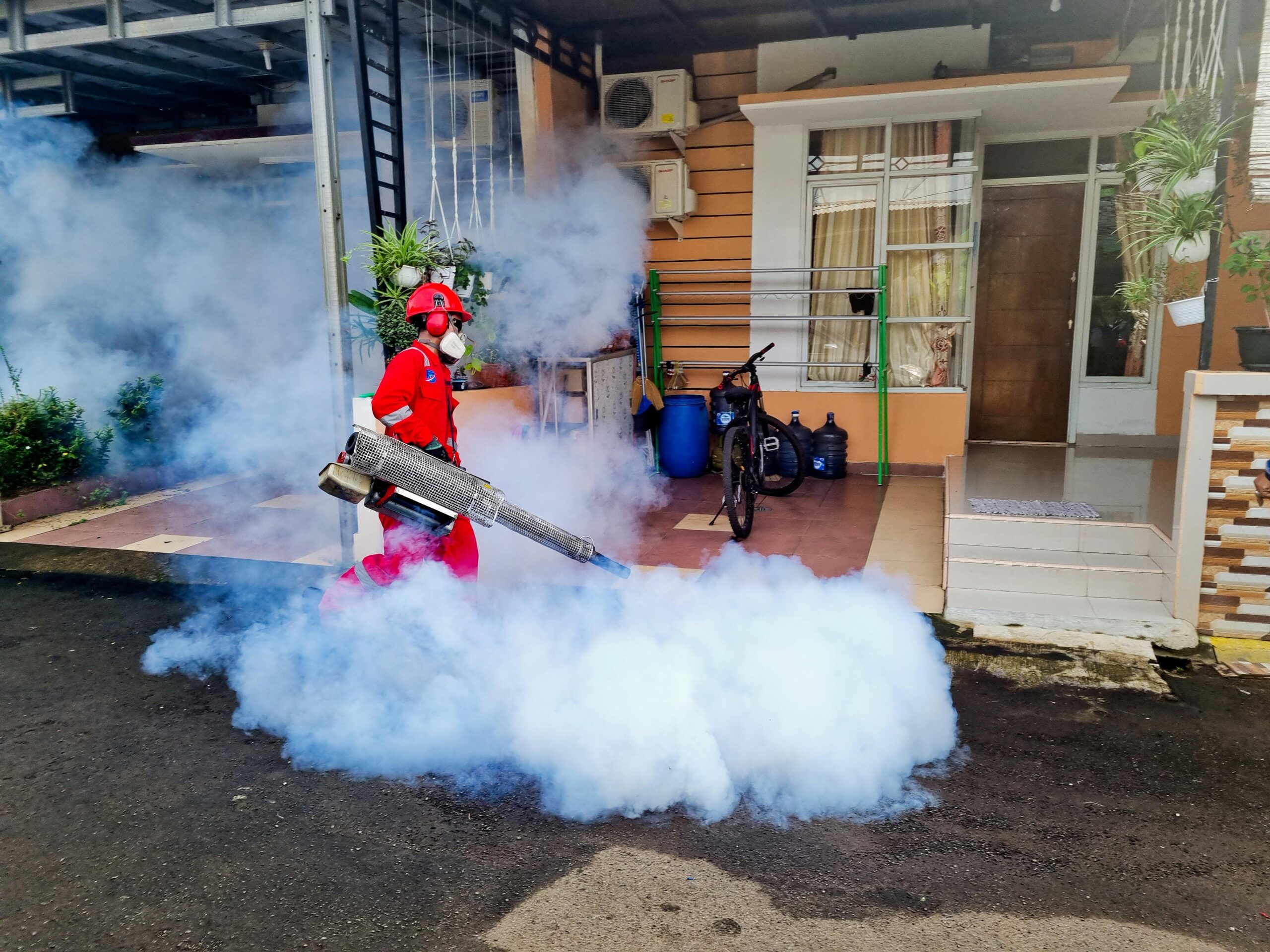
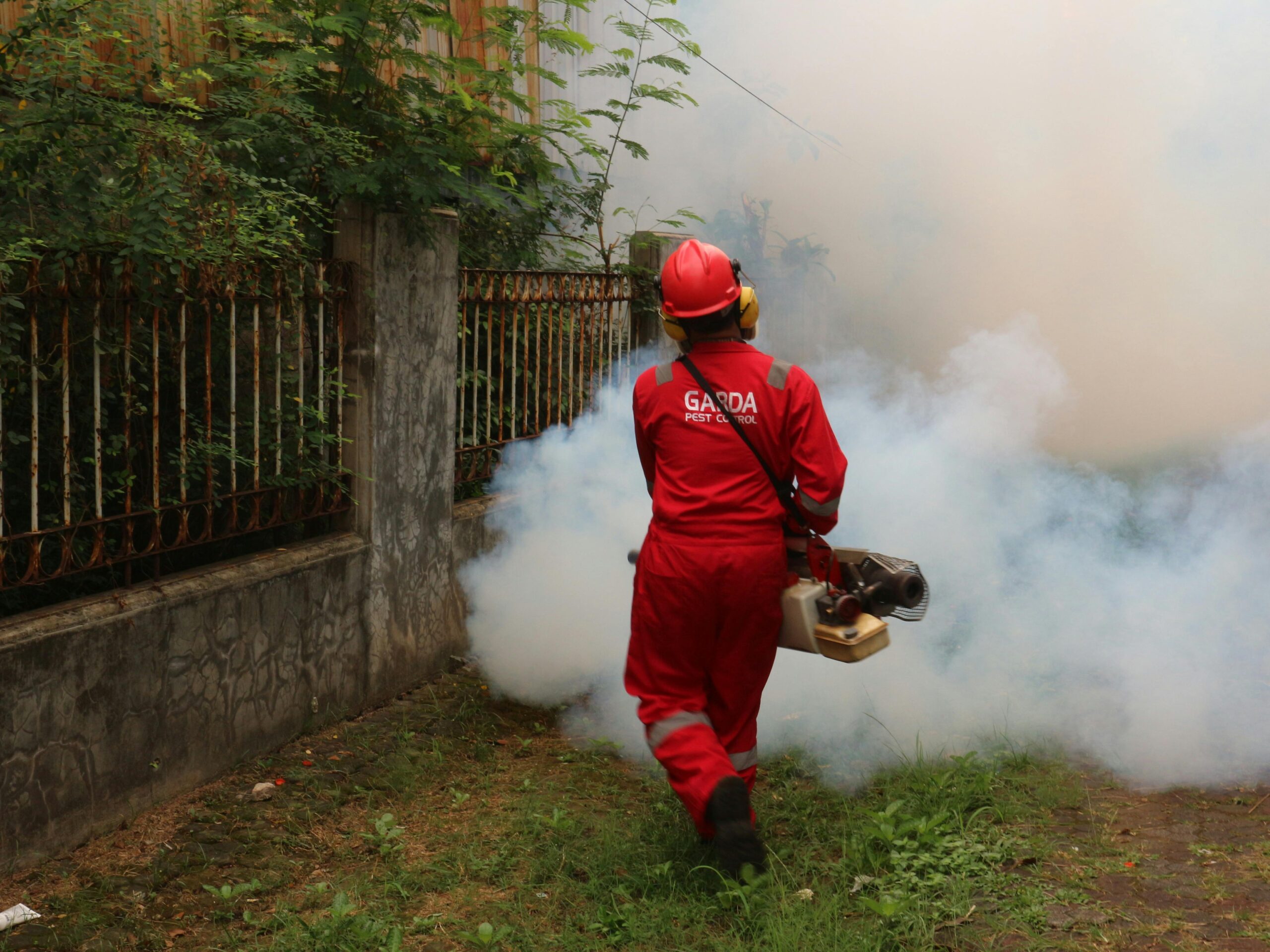
- Whole‑home fogging: A fine mist disperses throughout the living space, reaching cracks and voids that hand‑spraying can miss.
- Preventive barrier applications: A residual layer is placed along baseboards, door frames, and window sills to stop new beetles from entering.
Cost Comparison Across the Metro Area
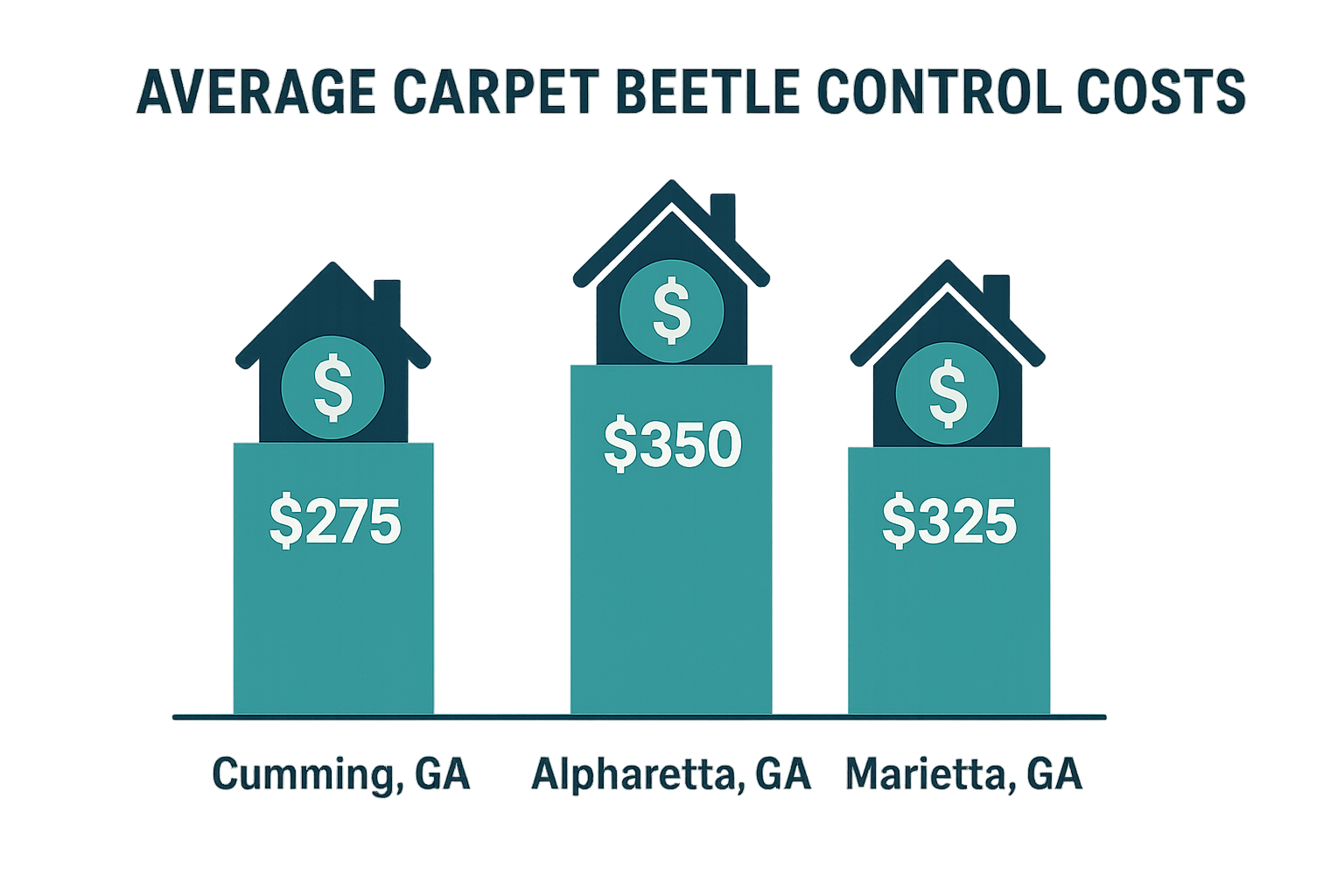
Pricing varies by city, treatment type, and infestation level, all of which directly affect carpet beetle control cost Cumming homeowners can expect. The bar chart below visualizes average costs for three neighboring communities:
| City | Spot‑Treatment | Whole‑Home Fogging | Heat Treatment |
|---|---|---|---|
| Cumming | $150 – $250 | $300 – $450 | $650 – $900 |
| Alpharetta | $160 – $270 | $320 – $470 | $680 – $950 |
| Marietta | $155 – $260 | $310 – $460 | $660 – $910 |
What Drives the Price?
Three primary factors influence the final invoice:
- Home size: Larger square footage requires more product and longer labor hours.
- Infestation severity: A light, localized problem may be resolved with a single spot‑treatment, while a severe outbreak often demands fogging plus a preventive barrier.
- Chosen treatment plan: Heat treatment delivers the highest upfront cost but eliminates the need for chemical residues, which some homeowners prefer.
Financing and Guarantees from Anthem Pest Control
Anthem understands that pest control is an essential, yet unexpected, expense. Homeowners can spread payments over 12 months with zero‑interest financing, and every service comes with a 100 % satisfaction guarantee. If beetles reappear within 90 days, a complimentary retreat is scheduled at no additional charge.
Protect Your Home Today with Anthem Pest Control
By now you’ve learned how to spot carpet beetles, why the warm Cumming summer and cool fall months raise the risk, and which simple DIY steps—like regular vacuuming and proper storage—can buy you time. You also know that a professional treatment not only eradicates hidden larvae and eggs but also creates a barrier that keeps future infestations at bay. Those four pillars—identification, seasonal awareness, DIY prevention, and expert intervention—form the foundation of a pest‑free home.
Imagine the confidence of a certified technician walking through your hallway, inspecting baseboards, closets, and upholstered furniture with a trained eye. Anthem’s specialists then design a customized control plan that matches your home’s layout, the severity of the problem, and your budget. That tailored approach means you won’t waste money on blanket applications, and you’ll enjoy lasting peace of mind knowing the job is done right the first time.
Carpet beetles may seem harmless, but their larvae chew through natural fibers, leaving holes in blankets, clothing, and upholstery that can cost hundreds of dollars to replace. Beyond the visible damage, the shed skins and fecal pellets can trigger allergic reactions, especially for children and pets with sensitive airways. Anthem uses EPA‑approved, low‑toxicity treatments that target the insects without endangering your family or the environment. Our technicians also advise on moisture control and proper storage, two factors that dramatically reduce beetle breeding sites. By addressing the problem early, you protect both your health and your wallet, turning a potential nightmare into a manageable maintenance task.
Ready to turn knowledge into action? Anthem Pest Control offers a free, no‑obligation assessment where we evaluate your specific situation, explain every step of the process, and provide a transparent quote before any work begins. Our pricing is straightforward, and we stand behind every service with a satisfaction guarantee—if you’re not happy, we’ll re‑treat at no extra cost.
Give us a call today at 877‑371‑8196 or visit our website at anthempest.com to schedule your assessment. Our friendly team is ready to answer questions, set up a convenient appointment, and help you protect the spaces you love.
Don’t let carpet beetles turn your favorite rugs or blankets into a nightmare. Take the next step toward a cleaner, safer home—reach out now to learn more about carpet beetle control cost Cumming and discover how easy it is to keep pests out for good.