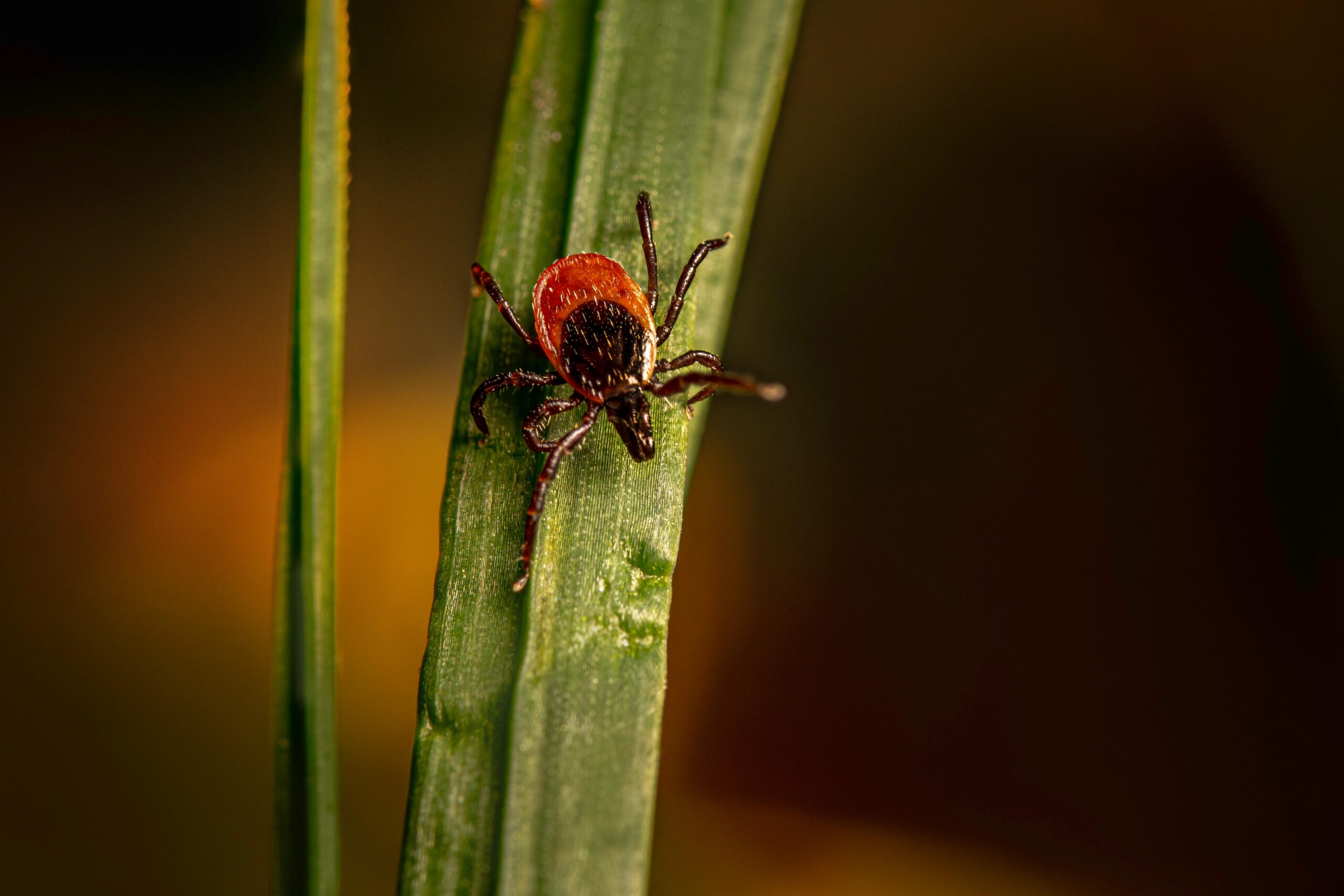
Flea Biology, Health Risks, and Why You Should Care
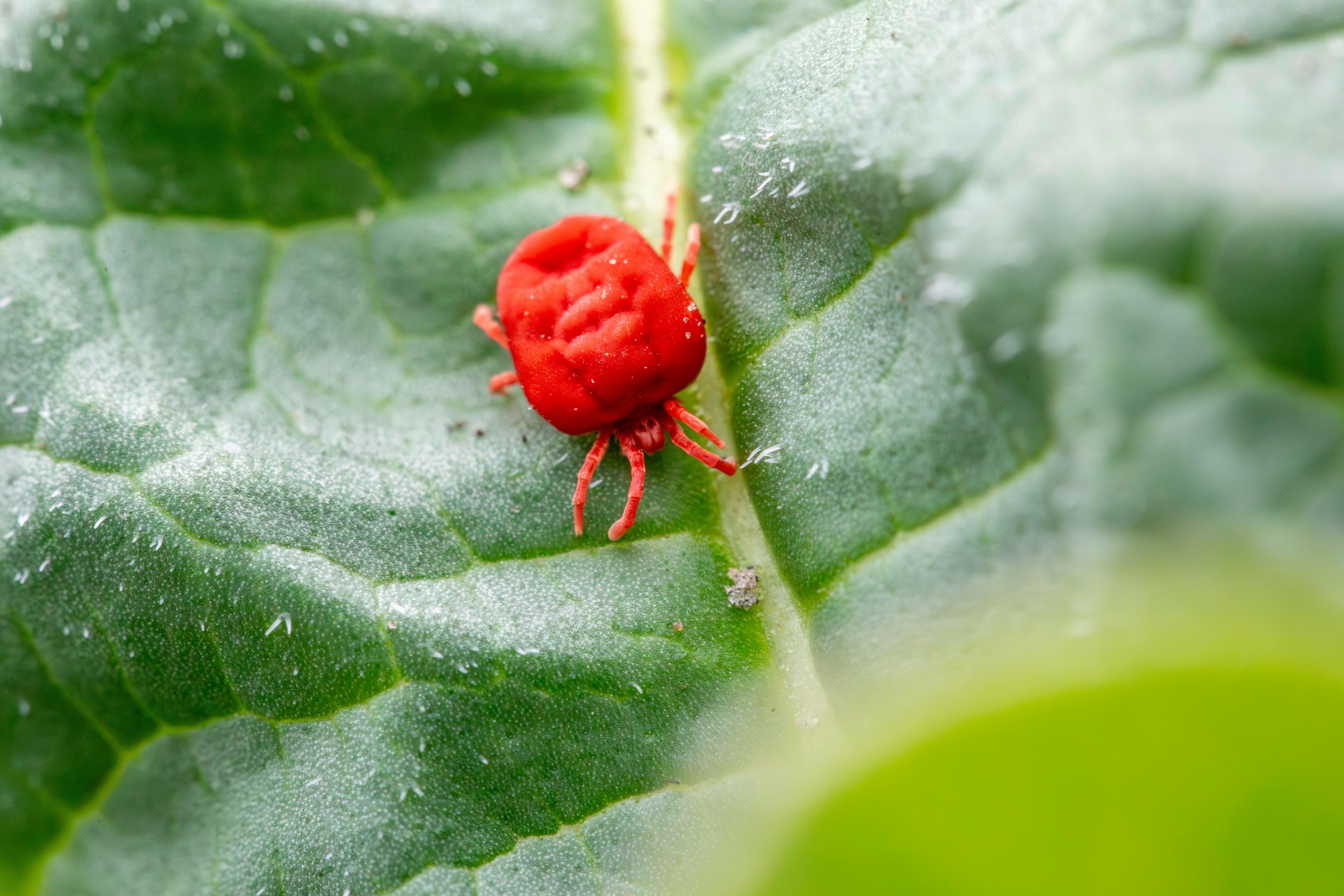
Flea control Sugar Hill homeowners should understand the biology of the common cat and dog flea, Ctenocephalides felis, a tiny, wingless insect about 1–3 mm long. Its laterally flattened body lets it move easily through fur, while its powerful hind legs enable spectacular jumps of up to 150 times its own length. These physical traits make the flea a master at hitching rides on pets and slipping unnoticed into homes.
Life‑Cycle Stages and Speed of Growth
Fleas undergo four distinct stages: egg, larva, pupa, and adult. A fertilized female can lay 20–50 eggs per day, depositing them on the host or in the surrounding environment. Eggs hatch within 2–5 days, releasing larvae that feed on organic debris and adult flea feces. Larvae spin silken cocoons and enter the pupal stage, where they can remain dormant for weeks or even months, waiting for the vibrations of a passing host. Under optimal indoor conditions—warmth, humidity, and a steady food source—an entire life cycle can be completed in as little as 2–3 weeks, allowing populations to explode quickly.
Diseases Fleas Can Transmit
While many homeowners think of fleas only as a nuisance, they are capable vectors for serious illnesses, which makes Flea control Sugar Hill an important public-health concern. In the United States, fleas have been linked to murine typhus, a feverish illness spread when infected fleas bite humans. Though rare, the bacterium Yersinia pestis, the cause of plague, can also be transmitted by fleas, reminding us that these insects have historic public-health relevance. Additionally, flea allergy dermatitis (FAD) affects both people and pets, triggering intense itching, skin redness, and secondary bacterial infections.
Impact on Pets
Pets suffer immediate and long‑term consequences from flea infestations. Heavy feeding can lead to anemia, especially in kittens and puppies. The constant biting causes flea allergy dermatitis, resulting in hair loss, scabs, and open sores that invite secondary infections. Untreated infestations also stress pets, compromising their overall health and wellbeing.
Public‑Health Data Supporting Prompt Action
The CDC reports that flea‑borne diseases, while uncommon, still pose a risk in many U.S. regions, and emphasizes early detection and control. Likewise, the EPA outlines integrated pest‑management strategies, highlighting the importance of both chemical and non‑chemical measures to curb flea populations before they become unmanageable.
Quick Takeaway
Because fleas multiply rapidly, a few unnoticed adults can become a full‑blown infestation within weeks, bringing health threats to both humans and pets. Early detection—regular pet checks, vigilant housekeeping, and professional inspections—prevents costly treatments and protects family health. Acting now is the most affordable way to keep your home flea‑free.
Seasonal Flea Activity in Georgia and Optimal Treatment Windows
Georgia’s climate keeps fleas active year‑round
Georgia’s humid subtropical climate provides the perfect cocktail of warmth and moisture that flea eggs, larvae, and adults love. Even in winter, daytime temperatures often stay above 55 °F, allowing flea development to continue inside homes, garages, and pet shelters. Because the outdoor environment rarely drops below the flea‑friendly threshold, populations can persist and re‑infest indoor spaces as soon as doors are opened.
When fleas are most active: a quick‑look chart

| Month | Activity Level | Icon |
|---|---|---|
| January | Low | 🔹 |
| February | Low | 🔹 |
| March | Medium | 🔸 |
| April | High | 🔺 |
| May | High | 🔺 |
| June | High | 🔺 |
| July | Medium | 🔸 |
| August | Medium | 🔸 |
| September | Medium | 🔸 |
| October | Low | 🔹 |
| November | Low | 🔹 |
| December | Low | 🔹 |
The icons make it easy to scan: a blue diamond (🔹) signals low risk, an orange diamond (🔸) indicates moderate activity, and a red triangle (🔺) marks the peak months when flea populations explode.
Best times to treat your home and yard
Target the early‑spring window (late March to early April) with a pre‑emptive indoor and perimeter treatment. This timing hits fleas before they reach their peak in April‑June, breaking the life cycle before eggs hatch en masse. Follow up with a second application in late August or early September, when activity dips but residual eggs are still present. A two‑step approach maximizes kill rates and reduces the chance of a summer resurgence.
Weather anomalies can shift the window
Unusually warm winters—think daytime highs in the mid‑60s—can accelerate larval development, causing an earlier start to the medium‑activity period. Conversely, a cold snap in April may suppress the high‑activity spike, giving you a brief reprieve. Stay flexible: if the forecast shows a prolonged warm spell, move your pre‑emptive treatment forward by two to three weeks.
Monitoring tips for homeowners
- Check pet bedding weekly for tiny, moving specks, especially after a rainy night.
- Inspect shaded areas of the yard—under decks, near compost piles, and along fence lines—for flea dirt (tiny black specks).
- Use a flea comb on your dogs and cats; a few trapped fleas signal that the outdoor population is spilling inside.
- Set up sticky traps near entry doors during high‑risk months to gauge indoor pressure.
For a science‑backed schedule, the EPA’s seasonal guide offers detailed recommendations: EPA seasonal guide. Pair those guidelines with local expertise from Anthem Pest Control, and you’ll keep your home flea‑free year after year.
Spotting Flea Infestations Inside Your Home
Fleas can establish a hidden foothold in a home within days of arriving on a pet. Catching the problem early saves you from costly treatments and endless scratching. Below is a practical, homeowner‑focused guide that walks you through the tell‑tale signs, the places fleas love to hide, and how to verify an infestation before you call in a professional.
Visual clues you can’t ignore
- Flea dirt: Tiny black specks that look like pepper. When moistened, they turn a reddish‑brown color as they dissolve.
- Adult fleas: Small, dark, and fast‑jumping. Spot them on pets, on the floor, or in bright light.
- Pet scratching: Persistent, frantic scratching or biting at the base of the tail, neck, or belly often signals a flea load.
- Human bite marks: Small, red, itchy bumps, usually appearing on ankles, calves, or around the waist.
Common indoor hotspots
- Pet bedding and blankets
- Carpet seams and under‑rug edges
- Upholstered furniture, especially where pets rest
- Cracks in hardwood or laminate flooring
- Under couches, chairs, and other low‑lying furniture
DIY detection tools
Grab a fine‑toothed flea comb and a white sheet or paper towel. Run the comb through your pet’s fur, especially around the neck and tail. Any specks that fall onto the white surface are likely flea dirt. Then, place the sheet on a high‑traffic floor for a few minutes; a sudden flurry of specks or tiny jumping insects confirms activity.
Step‑by‑step checklist
- Wear disposable gloves and turn on a bright lamp.
- Inspect pet bedding: shake it over a white sheet and look for dark specks.
- Run a flea comb on each pet; tap the comb onto the sheet to reveal flea dirt.
- Check carpet seams and under‑rug edges with a flashlight; feel for tiny moving dots.
- Lift upholstery cushions and examine the underside for flea debris.
- Slide a thin piece of cardboard into floor cracks; shake it onto a white surface.
- Place a white sheet on the floor for 10‑15 minutes; observe any sudden jumps or specks.
- Document findings (photos or notes) before deciding on treatment.
The role of a professional inspection
When you call Anthem Pest Control for Flea control Sugar Hill, our technicians bring a magnifying glass, a UV light that makes flea dirt glow, and specialized sticky traps. They systematically scan the same hotspots you’ve identified, but with equipment that reveals hidden larvae and eggs that the naked eye often misses. Their report pinpoints the exact infestation level, allowing us to tailor a treatment plan that eliminates every life stage.
Safety precautions for DIY checks
- Always wear gloves to avoid direct contact with flea dirt, which can contain allergens.
- Use a well‑lit area or a portable work light to see tiny insects.
- Ventilate rooms if you plan to use any over‑the‑counter sprays after detection.
- Dispose of used sheets and combs in sealed bags to prevent re‑infestation.

Professional Flea Control Methods and What to Expect
Treatment Categories You’ll Encounter
When a licensed technician arrives, you’ll typically see three families of products in use:
- Adulticide sprays – fast‑acting chemicals that knock down adult fleas on contact.
- Growth‑regulator (IGR) foggers – aerosolized compounds that interrupt the flea life cycle, preventing eggs and larvae from maturing.
- Pet‑safe spot‑on products – low‑toxicity solutions applied directly to pets or their bedding, offering continuous protection without harming cats or dogs.
How a Licensed Technician Prepares Your Home
Before any chemicals touch your floors, the technician follows a safety checklist:
- Move or cover furniture, especially upholstered pieces, to ensure even coverage.
- Ventilate rooms by opening windows or using portable fans, which helps disperse low‑odor formulas quickly.
- Don personal protective equipment—gloves, goggles, and a respirator—so that the applicator stays safe while you stay protected.
Step‑by‑Step Service Flow
A typical flea‑control visit unfolds in three clear phases:
- Initial inspection: The technician scans carpets, pet areas, and cracks where flea larvae hide, identifying hotspots and measuring infestation severity.
- Targeted application: Using a calibrated sprayer, the adulticide is applied to baseboards, under furniture, and in pet zones. An IGR fogger may follow to blanket the entire room, reaching hidden crevices.
- Post‑treatment walkthrough: The professional reviews what was treated, answers your questions, and provides written after‑care instructions—such as vacuuming frequency and pet‑restriction times.
Safety Assurances You Can Trust
All products used by Anthem Pest Control are EPA‑registered and formulated for low odor and rapid dissipation. The company prioritizes:
- Child‑ and pet‑friendly concentrations that meet strict federal safety standards.
- Application techniques that limit drift, keeping air quality within normal indoor levels.
- Clear labeling and a safety data sheet available on request, so you know exactly what’s in your home.
Frequency Recommendations
Flea populations can rebound quickly if left unchecked. Most homeowners benefit from one‑time “knock‑down” treatments during a severe outbreak, followed by:
- Quarterly maintenance: Ideal for households with pets or frequent outdoor activity, this schedule keeps the life cycle interrupted year‑round.
- Annual preventive plans: Suitable for lighter infestations, an annual visit pairs treatment with a thorough inspection.
Choosing the right frequency depends on pet density, yard exposure, and previous infestation history.
Why Choose Anthem Pest Control?
Beyond the chemicals themselves, the value comes from the company’s expertise:
- All technicians are state‑licensed and continuously trained on the latest flea‑control protocols.
- Anthem offers a warranty that covers re‑treatment if fleas return within the agreed period.
- Local knowledge of Sugar Hill’s climate helps tailor applications to seasonal flea pressure.
Cost Context
According to the National Pest Management Association (NPMA), the average cost for a professional flea‑control service in the United States ranges from $150 to $300 per visit, depending on home size and treatment complexity. Anthem Pest Control provides transparent pricing that falls within this national range while adding the peace of mind of a local, reputable provider.
Flea Control Pricing Packages and Choosing the Right Plan for Sugar Hill
Anthem Pest Control offers three straightforward packages that fit every budget and infestation level. Understanding the differences helps you pick the right level of protection for your home and pets.
What’s Inside Each Package?
| Package | What’s Included | Typical Price (USD) |
|---|---|---|
| Single Visit |  One‑time spray + IGR (Insect Growth Regulator) treatment One‑time spray + IGR (Insect Growth Regulator) treatment |
$120 – $180 |
| Quarterly | Quarterly sprays IGR each visit IGR each visit Follow‑up inspection Follow‑up inspection |
$350 – $440 per year |
| Annual | Six scheduled sprays IGR each visit Two comprehensive follow‑ups |
$620 – $720 per year |
Cost‑Benefit Analysis: Upfront vs. Long‑Term Protection
- Single Visit: Lowest upfront cost, ideal for a one‑off problem. Without follow‑up, the risk of re‑infestation stays high, especially in multi‑pet homes.
- Quarterly: Balances price and protection. Regular treatments keep the flea life cycle broken, lowering the chance of a second outbreak and saving you money on future emergency visits.
- Annual: Highest upfront investment but delivers the best value. Continuous coverage means fewer flea eggs, less pet irritation, and a measurable reduction in long‑term treatment expenses.
Local Relevance: Where Flea Pressure Peaks
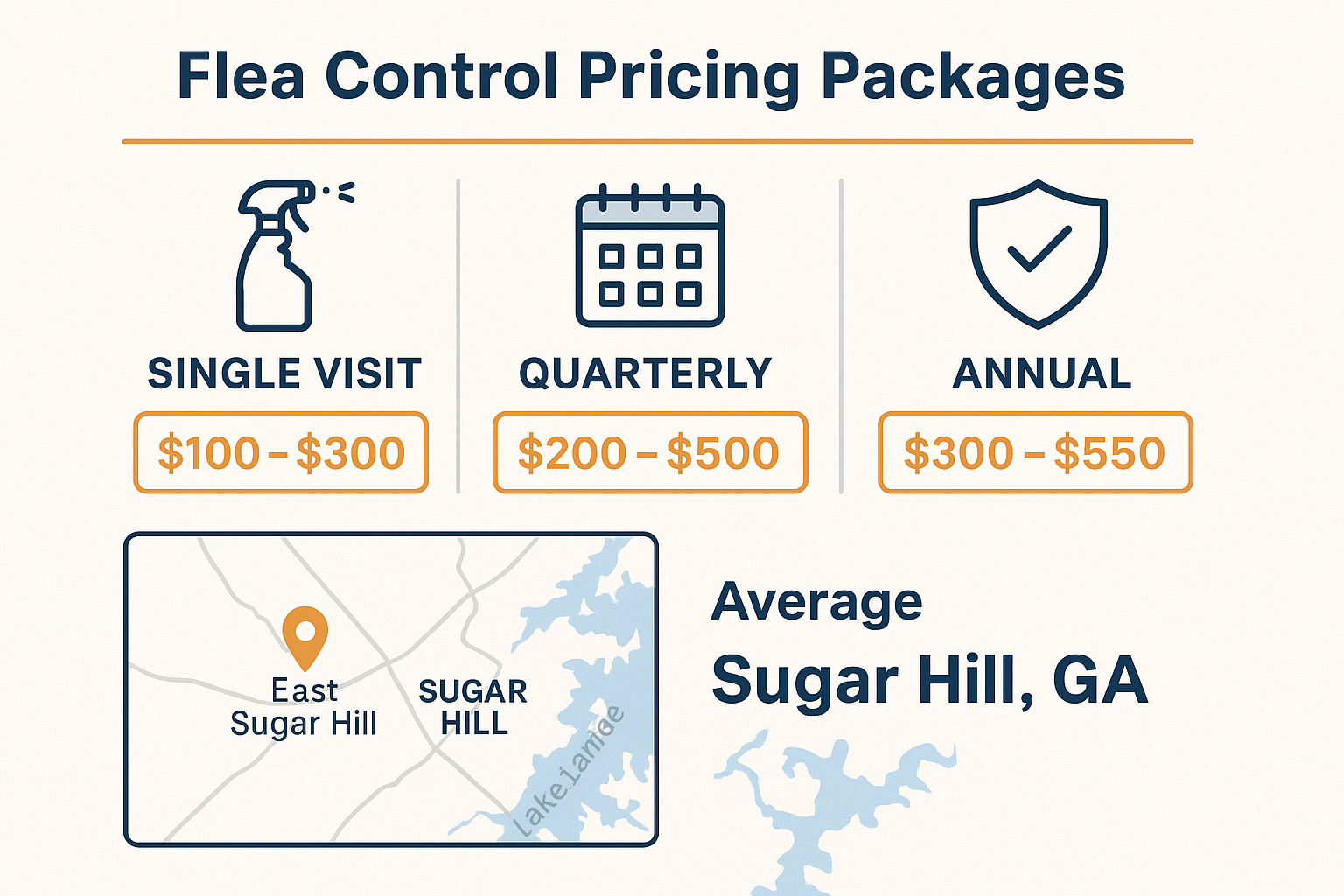
Data from local pest reports show that the East Sugar Hill and Lake Lanier neighborhoods experience higher flea activity due to dense vegetation and frequent pet traffic. Homeowners in these zones often benefit most from the Quarterly or Annual plans.
How to Pick the Right Package for Your Home
Consider these three factors before deciding:
- Home size: Larger square footage means more spray time and product. Annual plans spread the cost across multiple visits, making them economical for bigger homes.
- Pet count: More pets create a richer environment for fleas. If you have two or more dogs or cats, the added IGR applications in Quarterly or Annual packages provide stronger protection.
- Infestation severity: A light, recent bite report can be handled with a Single Visit. A moderate to heavy infestation, especially if you’ve seen flea dirt in bedding, calls for the recurring treatment schedule of Quarterly or Annual.
Financing & Discount Options
Anthem Pest Control works with local banks to offer 0% financing for up to 12 months on Annual plans. Bundling flea control with other services—such as mosquito barrier or rodent exclusion—can shave 10‑15% off the total price. Ask your technician about seasonal promotions when you request a free quote.
Why Choose Anthem Pest Control?
Our transparent pricing means you’ll never encounter hidden fees. We guarantee a free, no‑obligation quote, and our technicians walk you through the exact steps each package includes. Call us at 877‑371‑8196 or visit anthempest.com to schedule your assessment today.
Protect Your Home Today with Anthem Pest Control
Fleas thrive when temperatures rise, making late spring and early summer the peak season for infestations in Sugar Hill. Even a single bite can trigger itching, allergic reactions, and transmit diseases to pets and people. Waiting until the problem is visible often means a larger, more costly battle. Early, professional intervention stops the life cycle before eggs hatch, protecting your family and preventing damage to carpets, furniture, and pet bedding.
When you act fast, you gain three clear advantages: a lower treatment cost because fewer chemicals are needed, a shorter treatment window that limits disruption to daily life, and the peace of mind that comes from knowing a certified expert has eradicated the hidden larvae. DIY sprays may mask the symptoms, but they rarely reach the flea’s hidden stages, allowing the problem to rebound.
Why Choose Anthem Pest Control?
Anthem brings decades of experience to Georgia homeowners, combining local knowledge with EPA‑approved products that are safe for children and pets. Our technicians tailor each plan to your home’s layout, pet situation, and budget, offering flexible pricing options that fit any pocket. The result is a targeted, effective solution that eliminates fleas without compromising indoor air quality.
Free, No‑Obligation Inspection
We understand that every home is unique, which is why we offer a complimentary, no‑obligation inspection. Our friendly technician will assess the extent of the infestation, discuss your concerns, and outline a transparent action plan. The process is quick, the findings are clear, and our satisfaction guarantee backs every treatment we perform.
Ready to enjoy a flea‑free home? Call us today at 877‑371‑8196 or click the link below for a free quote. Our friendly technicians are standing by to protect your family and pets.