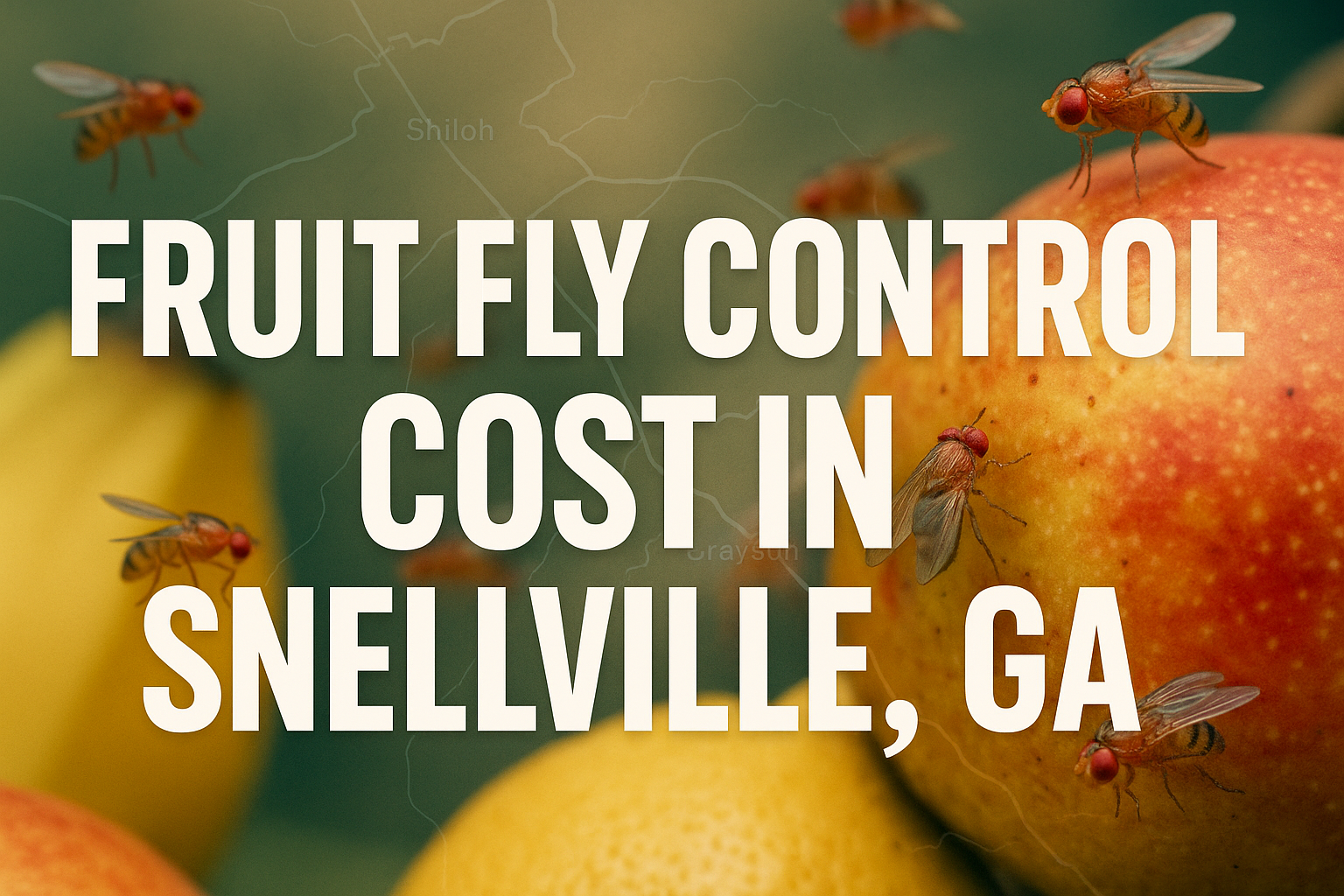
Why Knowing Fruit Fly Control Costs Matters in Snellville
In Snellville’s warm, humid climate, fruit flies (often Drosophila melanogaster) are more than a summer annoyance—they’re a year-round indoor pest that can turn a tidy kitchen into a breeding ground for bacteria, increasing the importance of understanding fruit fly control cost Snellville homeowners may face. These tiny insects love the sweet, moist environments found in fruit bowls, garbage disposals, and even damp houseplants. Because they reproduce quickly—laying up to 500 eggs in a single batch—an unnoticed few can explode into a full-blown infestation in just a few days.
Health risks you can’t ignore
While fruit flies don’t bite, they are efficient mechanical vectors for food‑borne pathogens. The CDC’s 2024 Food Safety Report links fruit fly activity to increased cases of Salmonella and E. coli contamination in homes where produce is left uncovered. When flies land on rotting fruit, then hop onto your cutting board or utensils, they can transfer bacteria directly onto food you serve your family. For homeowners with young children, seniors, or immunocompromised members, even a minor outbreak can become a serious health concern.
The hidden cost to your household budget
- Unexpected expenses: An unchecked infestation often forces homeowners to replace spoiled food, clean or replace contaminated kitchenware, and sometimes even hire emergency pest control services at premium rates.
- Time and labor: DIY attempts—like setting out vinegar traps or using over‑the‑counter sprays—may provide temporary relief but rarely eradicate the source. The extra hours spent cleaning, monitoring, and re‑treating can add up quickly.
- Potential property damage: Fruit fly larvae can thrive in drains and organic debris, leading to clogged pipes that require professional plumbing work.
All of these factors can strain a family’s monthly budget, especially when the cost of treatment is a surprise. Knowing the typical price range for professional fruit‑fly control in Snellville allows you to plan ahead, allocate funds, and avoid the stress of last‑minute, high‑priced emergency calls.
Transparent pricing sets the stage for effective control
At Anthem Pest Control, we believe that clear, upfront pricing is the foundation of a successful pest‑management plan. When you understand what you’re paying for—whether it’s a one‑time treatment, a preventive maintenance package, or a customized solution for hard‑to‑reach areas—you can make an informed decision that balances cost with long‑term protection.
In the sections that follow, we’ll break down the typical cost components you’ll encounter in Snellville: inspection fees, treatment methods, follow‑up visits, and optional warranties. By the end of this guide, you’ll have a realistic budget blueprint that aligns with your home’s specific needs, ensuring you keep fruit flies at bay without breaking the bank.
Spot the Culprit – Fruit Fly Identification
Size and Appearance
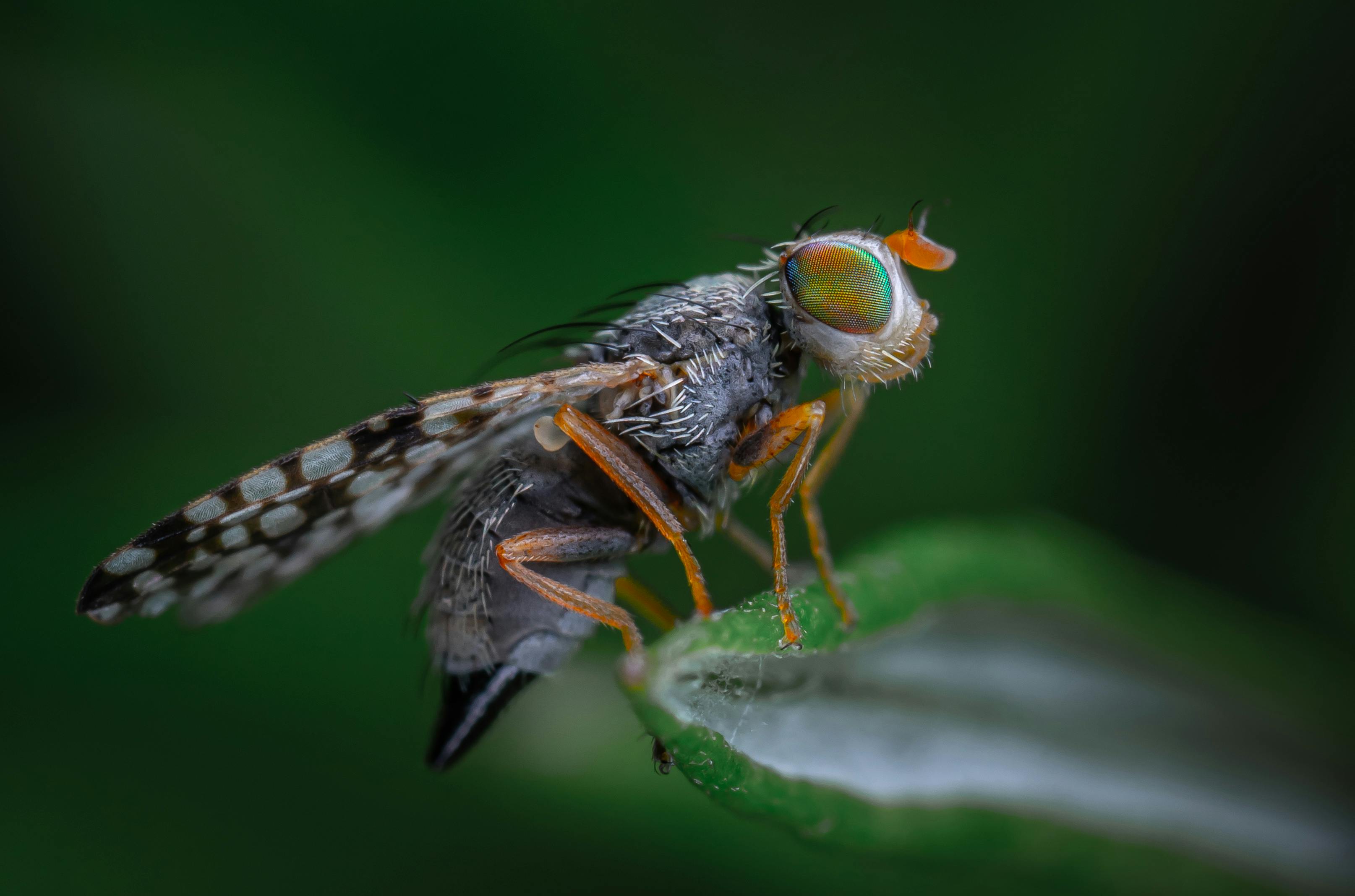
Fruit flies are tiny, usually measuring just 1‑3 mm from head to wing tip. Their bodies are a muted tan‑brown, which helps them blend in with ripening fruit and damp surfaces. The most recognizable feature is their wing pattern: a clear wing with a faint, speckled vein network that gives the insect a slightly “fuzzy” silhouette when it hovers.
Life Cycle at a Glance
Understanding the life cycle is key to confirming an infestation. A female fruit fly can lay up to 500 eggs on the surface of fermenting matter. Those eggs hatch in 24‑30 hours into larvae that feed voraciously on the organic material. Within 3‑5 days the larvae transform into pupae, and after another 2‑4 days an adult emerges. The entire cycle—from egg to adult—takes roughly 7‑10 days under typical indoor conditions, meaning populations can explode in less than two weeks if left unchecked.
Where They Love to Breed
Fruit flies are opportunistic breeders, seeking out moist, sugary environments. Common hotspots in a Snellville home include:
- Overripe or rotting fruit left on countertops or in fruit bowls.
- Kitchen drains and garbage disposals where food particles accumulate.
- Compost bins and outdoor trash cans that aren’t sealed tightly.
- Houseplants with soggy soil, especially if the saucer retains water.
These sites provide the perfect combination of moisture and fermenting sugars that the larvae need to develop.
Statistical Context
Fruit flies account for 15% of household pest complaints in Metro Atlanta (EPA, 2023). While they’re not disease vectors like mosquitoes, their presence signals a sanitation issue that can attract larger pests if ignored.
Real‑World Example from Snellville
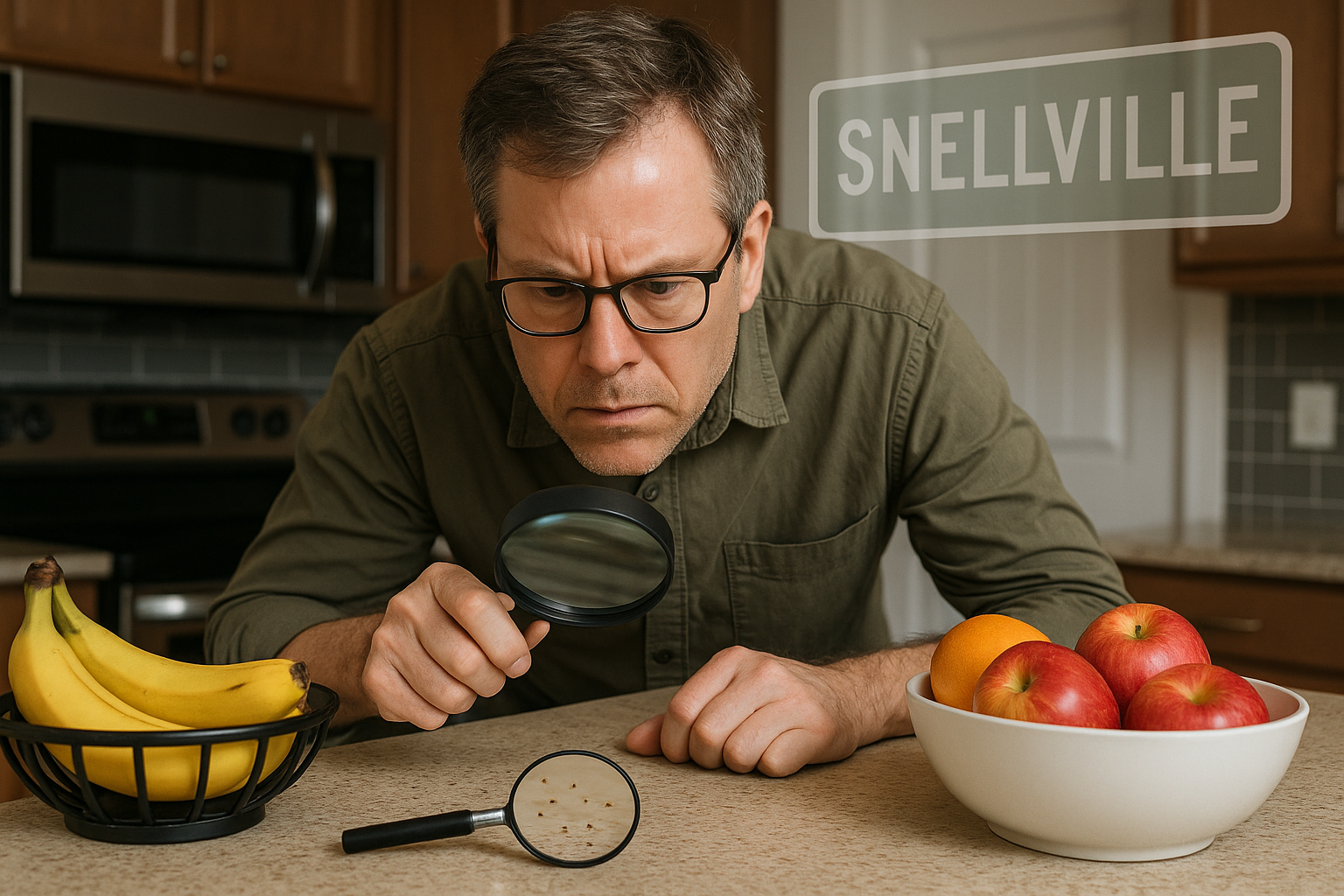
Imagine a typical Saturday evening in a Snellville kitchen. A bowl of ripe bananas sits on the counter, their skins beginning to turn brown. Within an hour, a few tiny flies start to buzz around the fruit, then disperse to the nearby sink drain where remnants of a smoothie linger. By the next morning, the homeowner notices a cluster of flies hovering near the fruit bowl and wonders if they’re dealing with fruit flies or another pest. By matching the size (about the width of a pinhead), the tan‑brown hue, and the characteristic wing pattern, the homeowner can confidently identify the culprits as fruit flies and take targeted action.
Why Accurate Identification Matters
Misidentifying fruit flies as, say, gnats or tiny houseflies can lead to ineffective treatments. Fruit flies thrive in fermenting environments, so the most successful control strategy combines thorough cleaning of breeding sites with a focused pesticide application in the affected areas. Simply spraying a generic insecticide without addressing the underlying food source will likely result in a short‑lived reprieve and a repeat infestation.
Quick Checklist for Homeowners
- Measure the insect: if it’s under 3 mm, you’re likely looking at a fruit fly.
- Observe coloration: tan‑brown bodies with clear wings are a giveaway.
- Inspect breeding sites: check fruit bowls, drains, compost, and plant saucers.
- Note the timeline: a rapid increase over a week points to the 7‑10‑day life cycle.
Armed with these visual and biological cues, Snellville residents can confidently differentiate fruit flies from other small insects and move quickly toward an effective, lasting solution.
When Are Fruit Flies Most Active in Snellville?
Fruit flies are more than a kitchen nuisance; they thrive when the weather gives them the perfect breeding cocktail of warmth, moisture, and organic matter, which can directly impact fruit fly control cost Snellville homeowners may experience if infestations go untreated. Understanding the local rhythm of these tiny pests lets you act before they turn your backyard compost into a buzzing breeding ground.
Peak Activity: June – September
In Snellville, the fruit‑fly season spikes from June through September. During these months the National Weather Service recorded 2024 averages of 84–90°F daytime highs and nighttime lows that rarely dip below 65°F. The combination of high temperatures and sustained humidity creates an ideal environment for fruit‑fly eggs to hatch and mature within days.
| Month | Avg. High (°F) | Avg. Low (°F) | Avg. Humidity (%) | Avg. Rainfall (in) |
|---|---|---|---|---|
| June | 86 | 66 | 71 | 3.2 |
| July | 89 | 68 | 74 | 3.8 |
| August | 90 | 68 | 73 | 3.5 |
| September | 84 | 64 | 69 | 2.9 |
How Humidity and Rainfall Drive Breeding Cycles
Fruit flies lay their eggs on fermenting fruit, vegetables, and organic debris. When humidity climbs above 70 %, those food sources stay moist longer, allowing larvae to develop without drying out. Rainfall spikes in July and August further saturate garden beds and compost piles, extending the window for successful hatching. Even a light drizzle can increase indoor humidity, pushing flies from outdoor breeding sites into kitchens and laundry rooms.
Neighborhood Hotspots: Shiloh, Oak Ridge, and Grayson
Local reports from the Snellville pest hotline show a higher concentration of fruit‑fly sightings in Shiloh, Oak Ridge, and Grayson. These neighborhoods feature dense residential landscaping, abundant fruit‑bearing trees, and a strong culture of backyard composting. The combination of shaded mulch beds and frequent organic waste creates micro‑environments where humidity stays elevated well into the night, giving fruit flies a year‑round refuge.
What This Means for Homeowners
Knowing the peak window lets you schedule preventative measures before the flies hit their stride. Early June is the ideal time to inspect and clean compost bins, cover fruit bowls, and consider a professional fruit‑fly barrier treatment from Anthem Pest Control. By staying ahead of the seasonal surge, you protect both indoor spaces and outdoor gardens from a rapid infestation that can otherwise spread quickly across Snellville’s humid summer.
What to Expect During a Professional Inspection
When you call Anthem Pest for fruit‑fly control in Snellville, the first step is a thorough, on‑site inspection. This isn’t a quick glance; it’s a systematic walk‑through designed to locate every possible breeding hotspot, assess the severity of the infestation, and give you a clear picture of what needs to be done. Knowing exactly what the technician will do helps you feel confident that the price you pay reflects real, measurable work.
Initial visual survey of interior and exterior zones
The technician starts with a visual sweep of both the inside and outside of your home. Inside, they’ll check kitchen countertops, sink areas, garbage disposals, and any places where fruit or sugary liquids might accumulate. Outside, the focus shifts to patios, compost bins, fruit trees, and drainage areas. By moving methodically from room to room and from yard to driveway, the inspector can spot obvious adult flies and any signs of larvae or egg deposits that often hide in plain sight.
Placement of monitoring traps and identification of hidden breeding sites
After the visual scan, the professional sets up a series of monitoring traps. These low‑toxicity traps are placed near potential entry points—such as window screens, door thresholds, and ventilation openings—as well as near likely breeding sites like kitchen drains, garbage cans, and over‑ripe fruit piles. While the traps are being positioned, the technician probes less obvious spots: the undersides of appliances, behind refrigerator drip pans, and within floor drains. Identifying these hidden sites is crucial because fruit flies can reproduce in just a few milliliters of fermenting material.
Inspection fee range and what’s included
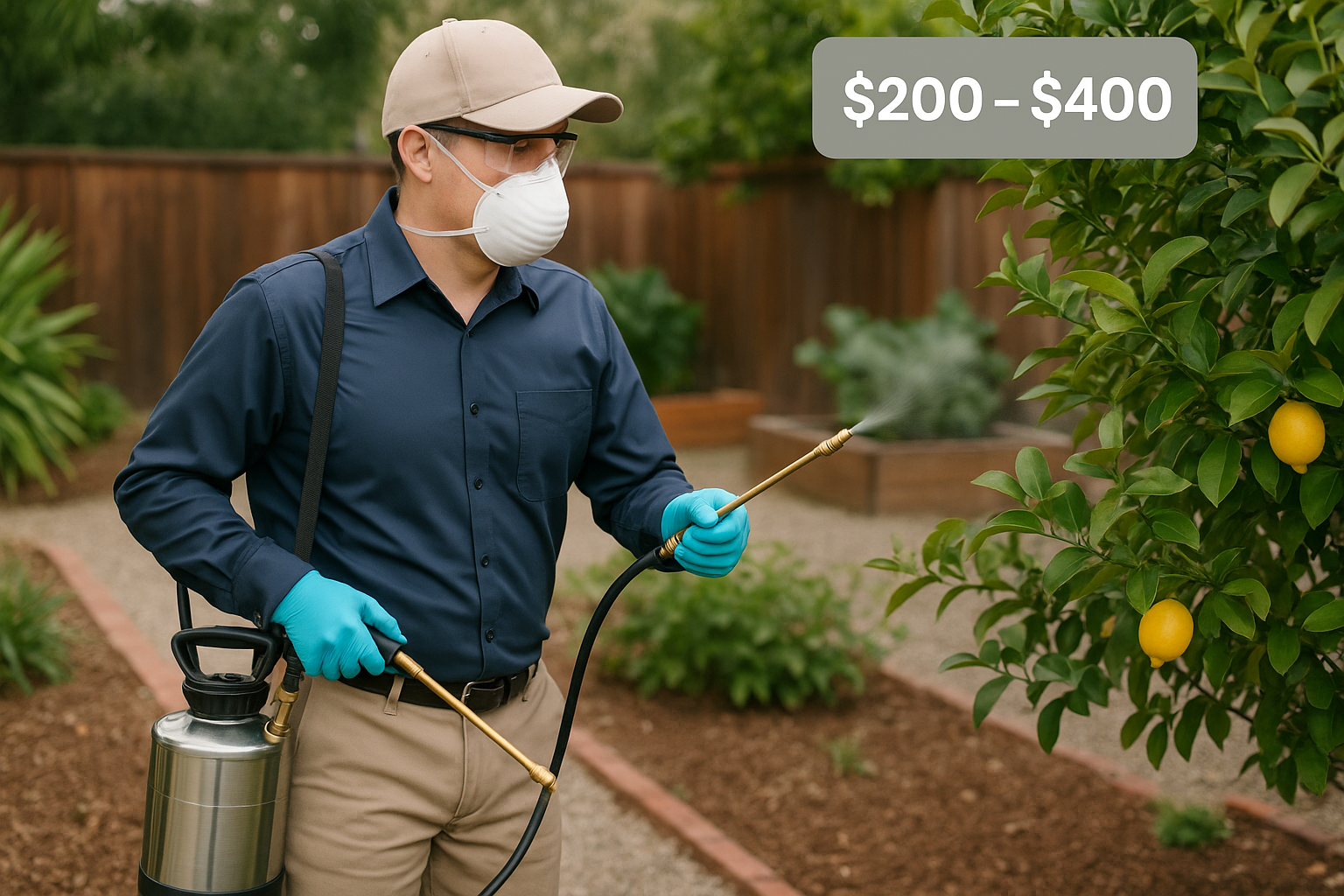
Anthem Pest charges a transparent inspection fee that typically falls between $75 and $120, depending on the size of the property and the complexity of the survey. This fee isn’t just for the technician’s time; it covers a comprehensive written report, a detailed list of identified problem areas, and customized recommendations for treatment or prevention. The cost also includes the monitoring traps used during the inspection, so you’re not billed separately for those essential tools.
Written post‑inspection report with cost breakdown
Once the walk‑through is complete, the technician delivers a written post‑inspection report. The document outlines every finding—from visible adult flies to hidden breeding zones—and provides a clear, itemized cost breakdown for the next steps. You’ll see the price for each recommended service, such as trap removal, targeted bait applications, or a full‑scale treatment plan. This level of detail ensures there are no surprise charges and gives you the information needed to decide which solutions fit your budget and timeline.
By understanding each phase of the professional inspection, you can gauge the value Anthem Pest brings to your home. The process is designed to be thorough, transparent, and focused on long‑term fruit‑fly prevention, so you know exactly what you’re paying for and how it will protect your family and food supplies.
Effective Fruit Fly Treatments and Pricing Breakdown
Fruit flies may seem harmless, but a full‑blown infestation can ruin fresh produce, attract other pests, and create an unsanitary kitchen environment. Knowing which treatment options are available—and how much they cost—helps homeowners in Snellville make an informed decision that balances effectiveness with budget. Below, Anthem Pest Control breaks down the three most common approaches, the typical price ranges you’ll encounter, and what you can expect from each method.
Chemical Sprays
Traditional chemical sprays remain a go‑to solution for fast, knock‑down control. A licensed technician applies a residual insecticide to problem areas such as trash cans, drains, and fruit‑bearing surfaces. The spray creates a protective barrier that kills adult flies on contact and suppresses emerging larvae for several weeks.
- Typical cost: $150 – $250 per treatment.
- Repeat schedule: If activity persists, a second application is usually recommended after 30 days.
- When it shines: Ideal for severe infestations where immediate reduction is critical, especially in homes with large fruit storage or compost areas.
- Safety note: All products used are EPA‑registered and applied according to strict safety protocols to protect pets and family members.
Bait Stations
Bait stations offer a targeted, low‑visibility alternative. Each station contains a specially formulated attractant that lures fruit flies, where they ingest a slow‑acting toxin that prevents reproduction. A set of five stations can cover an average kitchen, pantry, or garage.
- Typical cost: $100 – $180 for a set of five stations.
- Placement tips: Position stations near fruit bowls, trash receptacles, and damp areas; keep them out of direct sunlight and away from high‑traffic zones to maintain bait potency.
- When it shines: Perfect for moderate infestations or for homeowners who prefer a discreet solution that continues working without frequent technician visits.
- Maintenance: Replace or refill stations every 4‑6 weeks for optimal performance.
Integrated Pest Management (IPM)
Integrated Pest Management is a comprehensive, science‑based strategy that combines inspection, sanitation, exclusion, and treatment into a single service package. Anthem’s IPM program begins with a thorough walkthrough to identify breeding sites, followed by customized chemical or bait applications, and concludes with a post‑treatment follow‑up to verify results.
- Typical cost: $250 – $400 for the full‑service package.
- What’s included: Detailed inspection, a tailored treatment plan, one or two applications (depending on severity), and a follow‑up visit to ensure the problem is fully resolved.
- When it shines: Best for homeowners who want a long‑term solution that tackles the root cause—improper waste handling, standing water, or structural gaps—while still delivering immediate fly reduction.
- Added value: The IPM approach often reduces the need for repeated chemical applications, saving money and minimizing chemical exposure over time.
| Treatment | Typical Cost Range | Frequency | Key Benefits |
|---|---|---|---|
| Chemical Sprays | $150 – $250 | One‑time; repeat in 30 days if needed | Rapid knock‑down, good for severe infestations |
| Bait Stations | $100 – $180 (set of 5) | Replace/refresh every 4‑6 weeks | Discrete, continuous action, lower chemical exposure |
| Integrated Pest Management (IPM) | $250 – $400 | Full service includes inspection, treatment, follow‑up | Holistic, long‑term control, addresses root causes |
According to the National Pest Management Association (NPMA) 2024 pricing survey, the ranges listed above reflect current industry benchmarks for residential fruit fly control across the United States, which helps contextualize the average fruit fly control cost Snellville homeowners can expect to pay. Local factors such as property size, infestation severity, and seasonal demand can cause slight variations, but Anthem Pest Control strives to keep its pricing transparent and competitive for Snellville homeowners.
Should You DIY or Call a Pro?
Typical DIY approaches
Many Snellville homeowners start with low‑cost tricks such as homemade vinegar traps, rigorous kitchen sanitation, and DIY sprays made from dish soap, essential oils, or diluted bleach. These methods are easy to assemble and require only items you probably already have in the pantry.
Why DIY can be tempting
- Low upfront cost: A bottle of apple‑cider vinegar and a few jars cost under $10.
- Immediate action: You can set a trap or spray a surface the moment you spot a fly.
- Control over chemicals: You decide exactly what goes into your home.
Hidden drawbacks of the DIY route
While the price tag looks friendly, the reality often includes limited efficacy. Fruit flies breed in hidden pockets—drain lines, over‑ripe fruit, or even the soil of houseplants—places a simple trap rarely reaches. If the source isn’t eliminated, the infestation returns, forcing you to repeat the same low‑tech steps over and over.
Improper mixing of chemicals can also create health risks. A spray that’s too concentrated may irritate skin, eyes, or respiratory passages, especially for children or pets. Moreover, DIY solutions rarely include a preventive plan, so you’re constantly reacting instead of staying ahead of the problem.
Professional service benefits
When you call Anthem Pest Control, you get a licensed technician who knows exactly where fruit flies hide. The service includes a thorough inspection, targeted treatments that penetrate breeding sites, and a follow‑up schedule to ensure the population stays below the nuisance level. The cost is transparent—usually a one‑time fee plus any needed preventive applications—so you avoid surprise expenses later.
Side‑by‑side comparison
| Factor | DIY | Professional |
|---|---|---|
| Initial Cost | Under $15 for traps and basic ingredients | $150‑$250 for a full inspection and treatment |
| Effectiveness | Temporary reduction; often 30‑50% success | 80‑95% reduction after first visit |
| Time Investment | Hours of set‑up, monitoring, and re‑application | One‑hour technician visit; minimal homeowner effort |
| Safety | Risk of over‑concentrated chemicals; exposure to household members | EPA‑approved products applied by trained staff; safety protocols followed |
| Long‑term Prevention | Relies on homeowner vigilance; easy to lapse | Integrated pest‑management plan with scheduled follow‑ups |
Another often‑overlooked expense is the time you spend chasing flies. Setting traps, cleaning drains, and re‑spraying can eat into evenings and weekends, especially if the problem persists. A professional visit consolidates that effort into a single appointment, freeing you to focus on family and work.
In short, DIY can be a useful first step for a minor, one‑off sighting
Why Anthem Pest Is the Trusted Choice for Snellville Homeowners
When a fruit fly infestation takes hold, Snellville residents need more than a quick spray—they need a partner who understands local regulations, seasonal pest patterns, and the importance of safety. Anthem Pest has built its reputation on those exact pillars, making it the go‑to provider for homeowners who refuse to compromise.
Fully licensed and inspected – Every technician who steps onto a Snellville property holds a Georgia state pest‑control license, and the company itself is registered with the Georgia Department of Agriculture. This means all work follows state‑mandated protocols, from record‑keeping to post‑treatment monitoring, guaranteeing that you receive a service that is both legal and accountable.
EPA‑approved product usage – Anthem Pest exclusively uses pesticides that have passed the Environmental Protection Agency’s rigorous safety and efficacy tests. These formulations are selected for their proven ability to eliminate fruit flies while minimizing risk to children, pets, and the surrounding environment. By staying current with EPA updates, the company ensures that each application reflects the latest scientific standards.
24‑hour response guarantee – Fruit flies can multiply rapidly, turning a minor nuisance into a full‑blown problem overnight. Anthem Pest promises to arrive at any Snellville address within 24 hours of a service request, regardless of the day or time. This guarantee isn’t just a marketing line; it’s backed by a dedicated dispatch team that prioritizes emergency calls and a fleet of fully equipped trucks ready to intervene.
“I called Anthem Pest after spotting fruit flies near my kitchen sink. They showed up the next day, explained the treatment, and the flies were gone within hours. Their quick response saved my family from a bigger infestation.” – Jane D., Snellville, GA
Customer satisfaction isn’t measured by a single comment. Anthem Pest tracks every service with a post‑treatment survey, and over 96 % of Snellville clients report complete resolution of their pest issues. The company also offers a satisfaction guarantee: if fruit flies return within 30 days, a follow‑up visit is provided at no extra charge.
Ready to protect your home? Call 877‑371‑8196 or visit anthempest.com to request a free, no‑obligation inspection. The online form captures your address and preferred contact time, allowing the local team to schedule a visit that fits your busy routine.
By choosing Anthem Pest, you’re not only hiring a licensed professional; you’re partnering with a company that backs every treatment with rapid response, EPA‑approved solutions, and a proven track record of homeowner satisfaction throughout Snellville.
FAQ – Fruit Fly Control in Snellville
How long does treatment last?
Most professional fruit‑fly programs in Snellville provide a residual effect that protects your home for 4–6 weeks after the initial application. The active ingredients we use are formulated to stay effective on surfaces where adult flies land, disrupting their life cycle long enough for the next generation to be caught in the trap. Because fruit flies breed quickly—often completing a cycle in as little as 7 days—many homeowners schedule a follow‑up visit after two weeks to ensure any late‑hatching larvae are eliminated. This “booster” visit reinforces the residual barrier and helps maintain a fly‑free environment through the peak summer months (EPA, 2023).
Are chemicals safe for pets?
Yes, when applied by certified technicians, the products we use meet strict EPA safety standards for residential use around pets and children. The low‑toxicity formulations are designed to break down quickly and pose minimal risk once they dry. We always recommend keeping pets away from treated areas for at least 2 hours, and we advise wiping down food‑preparation surfaces with a damp cloth before allowing animals back into the kitchen. For households with especially sensitive pets, we can substitute a non‑chemical, trap‑only approach that relies on attractants and physical barriers, still delivering effective control without any residue (CDC, 2022).
What maintenance does Anthem Pest recommend?
Effective fruit‑fly control doesn’t end after the spray; ongoing sanitation is the cornerstone of long‑term success. Our technicians advise homeowners to:
- Eliminate breeding sites. Empty, clean, and refrigerate overripe fruit; keep compost bins sealed; and regularly scrub drains with a non‑abrasive cleaner.
- Set up periodic monitoring. We install discreet sticky traps in kitchen corners and near garbage areas, checking them every 2–3 weeks to catch any resurgence early.
- Schedule annual check‑ups. A once‑yearly inspection before the warm season allows us to assess any new entry points, refresh residual treatments, and adjust the plan based on your home’s specific conditions.
By pairing our professional treatment with these simple home‑care steps, most Snellville residents see a dramatic reduction in fruit‑fly activity year after year. If you ever notice a spike, give us a call and we’ll dispatch a technician for a rapid re‑evaluation—no extra charge for the first follow‑up visit within the treatment window.
Take Action to Protect Your Home Today
By now you know how to spot fruit flies, why the warm Snellville months invite them, and how Anthem Pest’s transparent pricing eliminates surprise costs. You also understand that a licensed professional brings proven treatment methods, safety guarantees, and a warranty that DIY solutions simply can’t match.
If you’re ready to stay ahead of an infestation, schedule a free, no‑obligation inspection. Our technicians will assess your home, explain the exact steps needed, and give you a clear, upfront estimate.
If you’re ready to eliminate fruit flies and safeguard your family’s health, our Snellville team is here to help with clear pricing and proven results. Call us today at 877‑371‑8196 to set up your inspection.
Take the first step toward a fly-free home and get clarity on fruit fly control cost Snellville homeowners can trust—visit Anthem Pest Control today.