Why Mosquitoes Are a Growing Concern for Homeowners
Across the United States, mosquitoes are no longer just a summer nuisance—they’re a public‑health threat. According to the Centers for Disease Control and Prevention, more than 1,000 cases of West Nile virus are reported each year, while Zika and Eastern Equine Encephalitis (EEE) continue to surface in occasional outbreaks. Even a single bite can transmit these diseases, putting families, pets, and especially vulnerable members such as seniors and children at risk.
Impact on Outdoor Living and Property Value
For homeowners, the stakes go beyond health. Mosquitoes turn a backyard barbecue, a quiet evening on the patio, or a weekend pool party into a battle of swats and sprays. The constant buzz erodes the enjoyment of outdoor spaces, leading many families to limit time spent outside during peak season. This loss of livability can indirectly affect property value: homes with documented mosquito problems often fetch lower offers because buyers anticipate ongoing control costs and reduced curb appeal.
What Fuels Mosquito Proliferation?
Three environmental factors create a perfect breeding ground:
- Warm climate: Mosquitoes thrive when temperatures stay above 68 °F (20 °C) for extended periods.
- Rainfall and humidity: Recent rains leave countless puddles, gutters, and plant saucers that serve as larval habitats.
- Standing water: Anything that holds water for more than 24 hours—birdbaths, old tires, clogged drains—becomes a nursery for the next generation.
Georgia’s Climate: A Case Study
Peachtree City, Georgia, exemplifies how regional weather amplifies the problem. The humid subtropical climate delivers hot summers and frequent summer thunderstorms, creating a steady supply of standing water. Mosquito activity typically spikes in late May, peaks through July, and can linger into early October if rainfall persists. Local data from the Georgia Department of Public Health shows a 30 % increase in reported mosquito‑borne disease cases during these months compared with the rest of the year.
Why Proactive Control Matters
Given the health risks, the impact on lifestyle, and the environmental conditions that favor rapid population growth, homeowners can’t rely on “wait‑and‑see.” Early prevention—eliminating stagnant water, maintaining proper drainage, and applying barrier treatments—reduces the number of adult mosquitoes before they become a visible problem. However, even the most diligent DIY efforts often fall short when dealing with hidden breeding sites or resistant species.
That’s where professional mosquito management steps in. Trained technicians bring expertise in identifying cryptic habitats, applying EPA‑registered larvicides safely, and tailoring treatment schedules to local climate patterns. By combining homeowner vigilance with expert intervention, families protect their health, preserve outdoor enjoyment, and maintain the long‑term value of their property.
Spotting Mosquito Hotspots Around Your Property
Before you call a professional, the fastest way to cut down mosquito activity is to find and eliminate the places where they breed. In pest‑control speak, a mosquito hotspot is any spot on your property that holds standing water long enough for mosquito eggs to hatch and larvae to develop—usually 24 to 48 hours. Identifying these zones early stops the life cycle in its tracks and dramatically reduces the number of buzzing visitors you’ll see at dusk.

Typical Water Sources You Might Overlook
Even a small amount of water can become a breeding ground. Walk around your yard and check for these common culprits:
- Birdbaths – Empty and refill weekly; scrub the sides to prevent algae.
- Clogged gutters – Leaves and debris create mini ponds along the roofline.
- Pet water dishes – Refresh daily and keep the tray clean.
- Flower‑pot saucers – Turn them upside down or add a layer of sand to absorb excess moisture.
- Tarps and tarpaulin covers – When left flat, they collect rainwater; roll them up after a storm.
- Uncovered swimming pools – Even a partially filled pool can host larvae; maintain proper chemical balance and cover when not in use.
Inspecting Hidden Areas
Mosquitoes love the shade, so water that’s out of sight is often the most dangerous. Look under these locations:
- Shaded decks and patios – Check the joists and the space beneath for puddles or soggy wood.
- Basements and crawl spaces – Look for damp corners, leaky pipes, or condensation on concrete walls.
- Behind large planters – Water can pool on the ground where the pot sits, especially if the saucer is missing.
Use a flashlight and a small garden trowel to lift any debris that might be trapping water.
Seasonal Checks: After Rainstorms and Thaw
Heavy rain can create temporary pools in low‑lying spots that dry out quickly, but they’re still enough time for mosquito eggs to hatch. After a storm, walk the perimeter of your home and:
- Mark any depressions that hold water for more than a day.
- Drain or fill them with sand or soil.
- Inspect drainage ditches and ensure they’re clear.
During spring thaws, melted snow often accumulates in gutters, downspouts, and under decks. A quick sweep of these areas before the temperature climbs can prevent a sudden surge in mosquito numbers.
Visual Cue: A Backyard Example
Imagine a typical Peachtree City backyard: a wooden deck shaded by mature oaks, a set of potted roses, and a child’s inflatable pool left uncovered after a weekend. After a light rain, a thin film of water settles on the deck’s joist gaps, while the inflatable pool fills to a shallow depth. The combination of standing water and shade creates a perfect hotspot—mosquitoes will gather there to feed, lay eggs, and then disperse throughout your home.
By regularly scanning for these visual clues and acting fast, you’ll keep your yard—and your evenings—mosquito‑free without waiting for a professional visit.
Effective Prevention Strategies to Stop Mosquitoes Before They Arrive
Before you even see a single mosquito buzzing around your porch, you can take a handful of simple, low‑cost steps that make your home far less inviting. These DIY actions target the places mosquitoes love to breed, rest, and enter your living space, giving you a solid line of defense while you wait for the next professional treatment.
1. Eliminate Standing Water – Even the Small Stuff
Mosquitoes need just a teaspoon of water to lay eggs, so every puddle, bird bath, or plant saucer is a potential nursery. Empty, drain, or flip any containers that collect rain. For pet water dishes, add a thin layer of sand or a fine‑mesh screen; the water stays usable for your pet, but mosquitoes can’t reach the surface to lay eggs.
2. Grade Your Yard for Natural Drainage
A gently sloping yard encourages rainwater to flow away from foundations rather than pool in low spots. Use a shovel or a garden rake to create a slope of at least 2% (about a quarter‑inch per foot) away from your home. This simple grading trick reduces hidden puddles that become mosquito breeding grounds.
3. Clean Gutters and Downspouts Regularly
Clogged gutters trap water for weeks, creating perfect larval habitats. Sweep leaves, twigs, and debris from gutters at least twice a year—once in early spring and again in late summer. Make sure downspouts direct water at least three feet away from the house, and consider installing gutter guards for long‑term protection.
4. Seal Windows, Doors, and Entry Points
Even the tiniest gap can let a hungry mosquito inside. Inspect all window screens for holes and repair them with a fine mesh patch or replace the screen entirely. Fit door sweeps on exterior doors, and check that weather stripping is intact. A well‑sealed home stops mosquitoes before they even get a chance to bite.
5. Trim Vegetation to Improve Airflow
Dense shrubs, tall grass, and overgrown hedges create cool, damp microclimates where adult mosquitoes rest during the day. Trim back plants so that sunlight and breezes can circulate freely. Aim for at least a two‑foot clearance around the foundation and keep lawn height under three inches.
6. Use Environmentally Safe Larvicides in Water Features
If you have a decorative pond, fountain, or rain garden, treat the water with a larvicide approved for residential use, such as Bacillus thuringiensis israelensis (Bti). These biological products target mosquito larvae without harming fish, birds, or beneficial insects. Follow label directions carefully and reapply as recommended during the warm months.
7. Encourage Natural Predators
Bats, dragonflies, and certain fish (like Gambusia) are nature’s mosquito control squad. Install bat houses on a sunny, south‑facing wall to attract insect‑eating bats. Add a small water feature with native plants to draw dragonflies, and consider stocking ornamental ponds with mosquito‑eating fish if the pond size allows.
8. Schedule Preventive Treatments Early
Timing is everything. Arrange a professional mosquito treatment with Anthem Pest Control before the first warm month—typically late March in Peachtree City. Early intervention reduces the initial adult population, making all of your DIY efforts far more effective throughout the season.
Mosquito Treatment Options and What They Cost
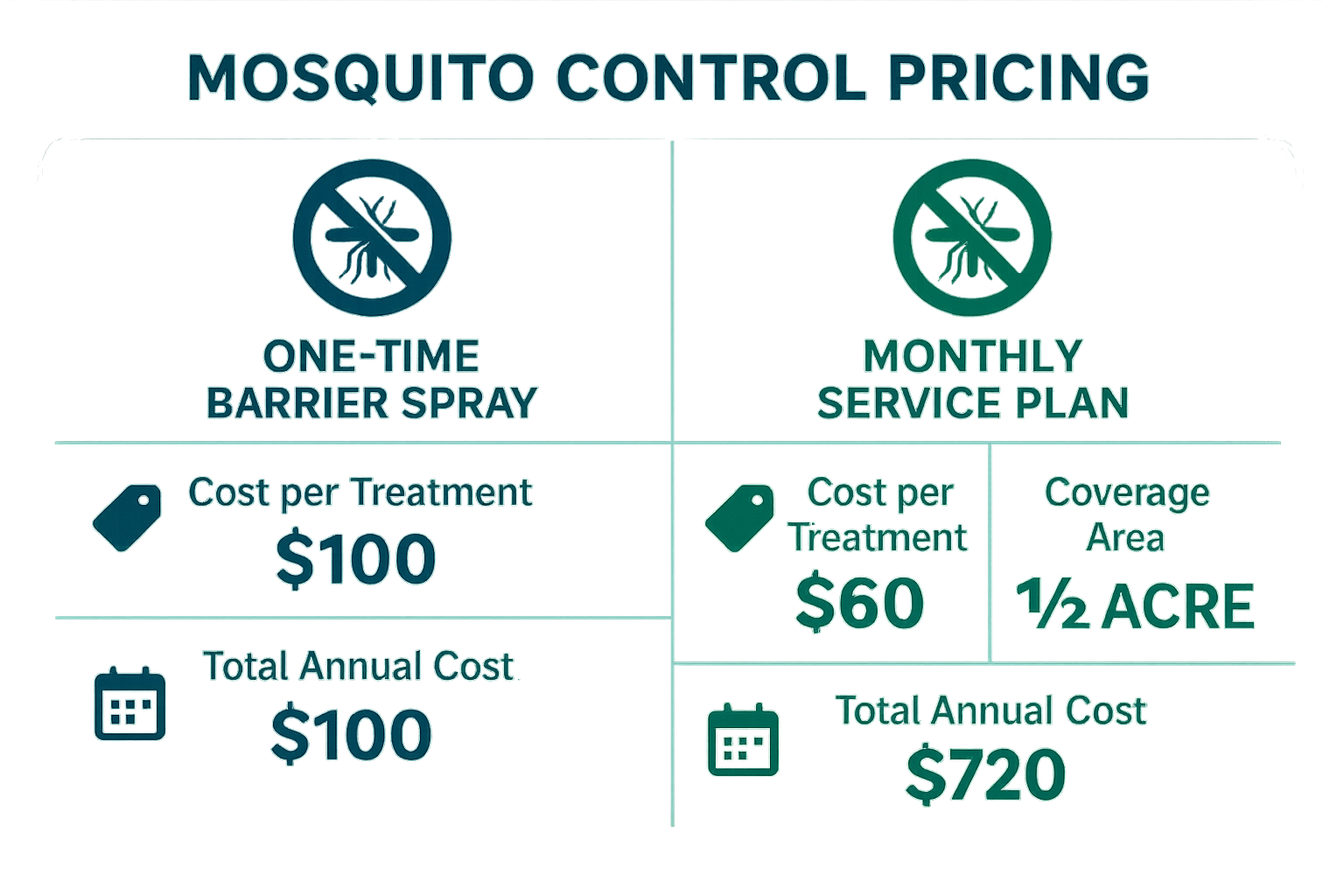
When the buzz of mosquitoes turns your backyard into a no‑go zone, the right professional treatment can restore your outdoor comfort. In Peachtree City, most homeowners choose between a one‑time barrier spray or an ongoing service plan. Understanding how each method works, its advantages, and the price tag helps you decide what fits your budget and lifestyle.
Barrier Spray – The Long‑Lasting Shield
A residual insecticide is applied in a thin line around the home’s perimeter, targeting resting sites where adult mosquitoes hide. The chemicals cling to vegetation, concrete, and siding, providing protection that typically lasts 3‑4 weeks. This method is ideal for homeowners who want a “set‑and‑forget” solution during peak season.
Technicians usually treat the perimeter in the early evening when mosquitoes are seeking resting spots. The spray is calibrated to a thin coat that minimizes runoff while ensuring enough residue to stay effective for weeks.
Fogging or Misting – Instant Knock‑Down
Foggers disperse a fine mist of fast‑acting insecticide that kills adult mosquitoes on contact. The treatment is usually performed in the evening when mosquitoes are most active, delivering rapid relief for outdoor gatherings. However, the effect fades within a few days, so fogging is best paired with a barrier spray for sustained control.
Because fogging works only where the mist reaches, it’s most effective in open decks, patios, and around outdoor seating areas where you need immediate bite relief.
Targeted Larvicide – Treating the Source
Standing water that can’t be drained—like bird baths, ornamental ponds, or clogged gutters—offers a perfect breeding ground for mosquito larvae. Professionals apply a low‑toxicity larvicide directly to these habitats, interrupting the life cycle before adults emerge. Larvicides are safe for pets and children when applied according to label directions.
These products are EPA‑registered and break down quickly in the environment, leaving no harmful residues after they have done their job.
Indoor Treatments – When Mosquitoes Find Their Way Inside
Although mosquitoes are primarily an outdoor nuisance, they can infiltrate homes through open doors or windows. Indoor options include source‑reduction advice (eliminating indoor water sources) and spot‑on sprays for resting areas such as closets and baseboards. These treatments help reduce bite incidents while you wait for outdoor control to take effect.
Pros and Cons at a Glance
- Barrier Spray: Long‑lasting (3‑4 weeks) & broad coverage; higher upfront cost; minimal re‑application needed.
- Fogging/Misting: Immediate relief; inexpensive per visit; short duration, requiring frequent repeats.
- Larvicide: Targets the root cause; safe for pets; limited to treatable water sources.
- Indoor Sprays: Reduces indoor bites; complements outdoor work; does not address outdoor populations.
Safety and Environmental Considerations
All treatments used by Anthem Pest Control are EPA‑registered and applied by certified technicians who follow strict safety protocols. Barrier sprays are formulated to stay on surfaces without leaching into soil or groundwater, while fogging uses a rapid‑evaporating mist that dissipates within minutes. Larvicides are specifically designed for aquatic environments and break down into harmless by‑products. Homeowners are advised to keep children and pets indoors for a short period after any indoor application, and to follow any post‑treatment instructions provided by the technician.
Pricing Comparison – One‑Time vs. Recurring Plans
Below is a simplified view of typical costs for a standard 2,000‑sq‑ft home in Peachtree City. Prices vary with property size and specific service frequency, but the structure illustrates how a monthly plan can spread expenses while delivering continuous protection.
| Service Type | Frequency | Average Cost per Visit | Annual Cost |
|---|---|---|---|
| One‑time Barrier Spray | Single application | $180 | $180 |
| Monthly Service Plan (Barrier + Fogging) | 12 visits per year | $120 | $1,440 |
| Quarterly Larvicide Add‑On | 4 visits per year | $80 | $320 |
How Anthem Pest Control Structures Its Pricing
Anthem believes transparency should be as clear as a summer sky. For a barrier spray, the company quotes a flat rate that includes all prep work, travel, and a 30‑day residual guarantee. If you opt for a recurring plan, Anthem bundles the barrier spray with a seasonal fogging session and an optional larvicide visit, presenting a single monthly fee that eliminates surprise charges. Discounts are offered for multi‑year contracts, and every estimate details the products used, their EPA registration numbers, and safety precautions.
Ready to see the exact numbers for your property? Visit Anthem’s pricing page for a customized quote, or call 877‑371‑8196 to speak with a local specialist who can walk you through the options step‑by‑step.
Seasonal Mosquito Activity in Georgia and Optimal Treatment Timing
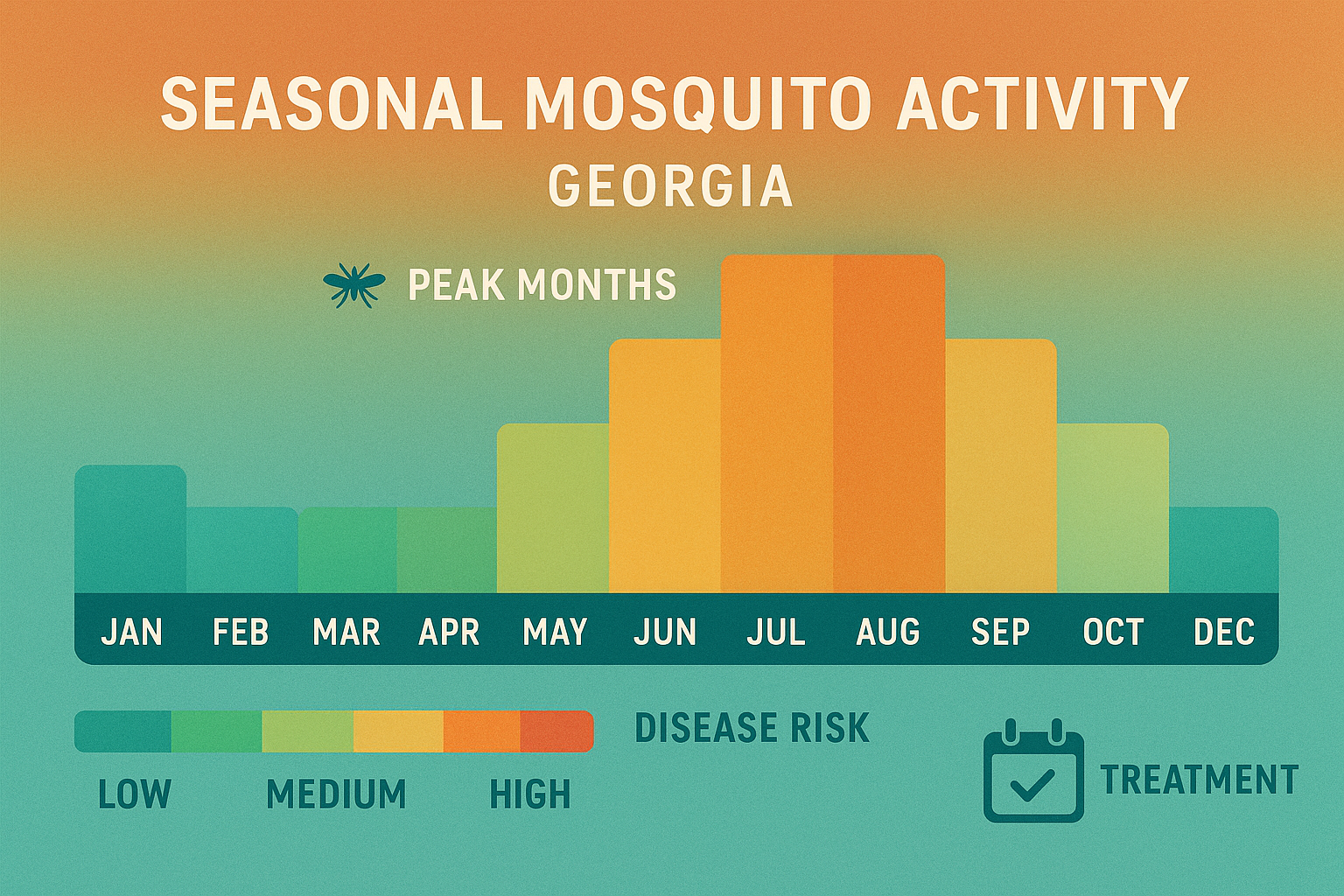
Georgia’s humid subtropical climate creates the perfect breeding ground for mosquitoes. Warm temperatures above 68°F (20°C) accelerate egg development, while frequent summer rains provide the standing water larvae need to thrive. In Peachtree City, you’ll notice a gradual rise in mosquito numbers as spring warms up, a sharp peak in midsummer, and a slow decline as temperatures dip in early fall. Understanding these climate patterns is the first step to timing your treatments for maximum impact.
Seasonal Activity Overview
| Month | Activity Level | Disease Risk |
|---|---|---|
| April | Low‑to‑moderate | Low |
| May | Moderate | Low‑to‑Medium |
| June | High | Medium |
| July | Peak | High |
| August | Peak | High |
| September | Moderate | Medium |
| October | Low | Low |
The chart makes it clear: June through August is when mosquito populations explode and disease‑carrying species are most active. This period also aligns with the highest risk of West Nile virus and other mosquito‑borne illnesses in the region. Homeowners who act before the peak can dramatically reduce both nuisance bites and health hazards.
Recommended Treatment Schedule
- Pre‑season barrier spray – late April: Apply a residual insecticide to yard perimeters, shrubs, and known breeding sites. This creates a protective “wall” before adult mosquitoes emerge.
- Mid‑season fogging – July: Target adult mosquitoes at the height of their activity. Fogging complements the barrier spray by knocking down the insects that have survived the early treatment.
- Post‑season follow‑up – September: A final inspection and spot‑treatment helps eliminate any late‑season survivors and prepares the property for the cooler months.
Scheduling these three interventions around the chart’s peaks ensures that each application hits the mosquito life cycle at its most vulnerable stage. Missing the April barrier, for example, often forces homeowners to rely on more frequent fogging later—an expensive and less effective approach.
Linking Disease Risk to Treatment Urgency
When the disease risk column reads “Medium,” a pre‑season barrier is still advisable, but homeowners should stay alert for any local health department alerts. Once the risk escalates to “High” (July–August), the mid‑season fogging becomes urgent. Delaying fogging during high‑risk weeks can leave families exposed to a greater chance of infection, especially if children or pets spend time outdoors after dusk.
Adjusting Timing for Local Rain Patterns
Peachtree City’s rainfall can be erratic. Heavy spring showers often create new breeding pools, meaning the April barrier may need a quick “touch‑up” if a storm dumps more than an inch of water in a short period. Conversely, a dry summer can shorten the peak window, allowing the July fogging to be moved a week earlier. Monitoring local forecasts and communicating with your pest professional helps fine‑tune the schedule to real‑time conditions.
By aligning professional services with the seasonal activity chart, homeowners maximize protection while minimizing chemical use. A well‑timed treatment plan not only keeps the yard comfortable but also reduces the likelihood of mosquito‑borne disease—keeping you, your family, and your pets safe throughout Georgia’s mosquito season.
Protect Your Home with Professional Mosquito Control

Throughout this guide we’ve walked through the essentials of mosquito management in Peachtree City: learning how to spot the culprits, adopting simple yard‑maintenance habits, choosing the right treatment method, timing applications to the seasonal peaks, and understanding what transparent pricing looks like. Each of these steps builds a stronger barrier against the itchy, disease‑carrying insects that love our warm Georgia summers.
When you hand the job to a licensed professional, you gain three critical advantages. First, a certified technician knows the exact formulations that are both effective against mosquitoes and safe for children, pets, and beneficial insects. Second, professionals follow a repeatable protocol that delivers consistent results, rather than a one‑off spray that quickly loses its potency. Finally, they stay up‑to‑date with local ordinances and environmental regulations, ensuring every application complies with Peachtree City’s health and safety standards.
Anthem Pest Control brings this expertise to your doorstep with a nationwide network of trained specialists. Our technicians are equipped with the latest EPA‑approved products and a data‑driven approach that targets the species most common in Georgia. Because we operate across the country, we can leverage bulk purchasing power to keep costs low while still providing clear, upfront pricing—no hidden fees, no surprise invoices.
If you’re ready to turn the buzz into a distant memory, we invite you to schedule a free, no‑obligation quote. Our team will assess your property, recommend a customized treatment plan, and walk you through every step before any work begins. There’s no pressure to commit; just a straightforward conversation about how to protect your family and reclaim your outdoor space.
Phone: 877-371-8196
Website: Anthem Pest Control