Recognizing Ant Infestations in Your Home
Ant Control Druid Hills GA homeowners trust starts with understanding how quickly ants can invade a property. Ants rank among the most common household pests because they’re tiny, adaptable, and excellent at finding food and shelter. In Druid Hills, the climate provides year-round opportunities for colonies to explore your kitchen, basement, or attic. Spotting an ant problem early saves you from larger structural damage and costly treatments later.
Key Visual Cues
When you’re doing a routine walk‑through, keep an eye out for these tell‑tale signs:
- Ant trails: A thin, often glossy line of ants moving between a food source and the outdoors. Trails are usually most visible on countertops, windowsills, or along baseboards.
- Nests: Piles of soil, sawdust, or shredded wood tucked under appliances, in wall voids, or beneath decks. Some species build visible mounds in the yard.
- Winged alates: During mating season, you may notice small, gray‑ish flying insects buzzing near windows or light fixtures. These are the reproductive winged ants looking for new homes.
- Wood damage: Small, smooth galleries or “honey‑comb” tunnels inside wooden structures, often accompanied by a faint rust‑like odor.
Species Spotlight
Four ant species cause the most headaches for homeowners in Georgia. Knowing their distinguishing features and typical entry points helps you pinpoint the culprit.
| Species | Appearance | Typical Entry Points | Primary Concern |
|---|---|---|---|
| Carpenter Ant (Camponotus) | Large (6‑12 mm), black or reddish‑brown, smooth thorax | Cracks in siding, gaps around windows, rotting wood | Structural wood damage |
| Odorous House Ant (Tapinoma sessile) | Small (2‑4 mm), dark brown, emits a rotten‑egg smell when crushed | Foundation cracks, utility openings, pet doors | Food contamination |
| Pavement Ant (Tetramorium caespitum) | Medium (3‑5 mm), dark brown to black, distinct “waist” segment | Sidewalk seams, drainage pipes, basement walls | Rapid indoor foraging, especially in winter |
| Fire Ant (Solenopsis invicta) | Small (2‑5 mm), reddish‑brown, aggressive when disturbed | Soil mounds, gaps under decks, pet doors | Stinging bites and allergic reactions |
Health and Structural Concerns
Carpenter ants don’t eat wood, but they excavate it to create galleries for their colonies. Over time, these tunnels weaken beams, floor joists, and window frames, compromising structural integrity.
Odorous house ants forage for sugary foods and can contaminate pantry items, leading to foodborne illnesses, especially for children and seniors.
Pavement ants may not cause direct damage, but their massive indoor colonies can overwhelm a home’s cleanliness standards, prompting mold growth from spilled food and moisture.
Fire ants are the only species in this list that can sting. Their venom can cause painful welts, and in rare cases, trigger severe allergic reactions that require medical attention.
Simple Inspection Checklist
Use this quick walk‑through list during your next home inspection. Keep a pen handy and note any findings.
- Check kitchen counters and pantry shelves for ant trails or small crumbs.
- Inspect baseboards, window frames, and door thresholds for tiny entry cracks.
- Look under appliances (refrigerator, stove) for soil piles or sawdust.
- Examine outdoor foundations, especially near mulch or flower beds, for mounds or winged alates.
- Tap wooden beams or window sills; a hollow sound may indicate carpenter ant galleries.
- Notice any unusual odors when crushing ants—rotten‑egg scent points to odorous house ants.
If you spot two or more of these signs, it’s time to call a professional. Anthem Pest Control can confirm the species, assess damage, and design a targeted treatment plan that protects your home without breaking the bank.
Why Professional Ant Control Is Essential

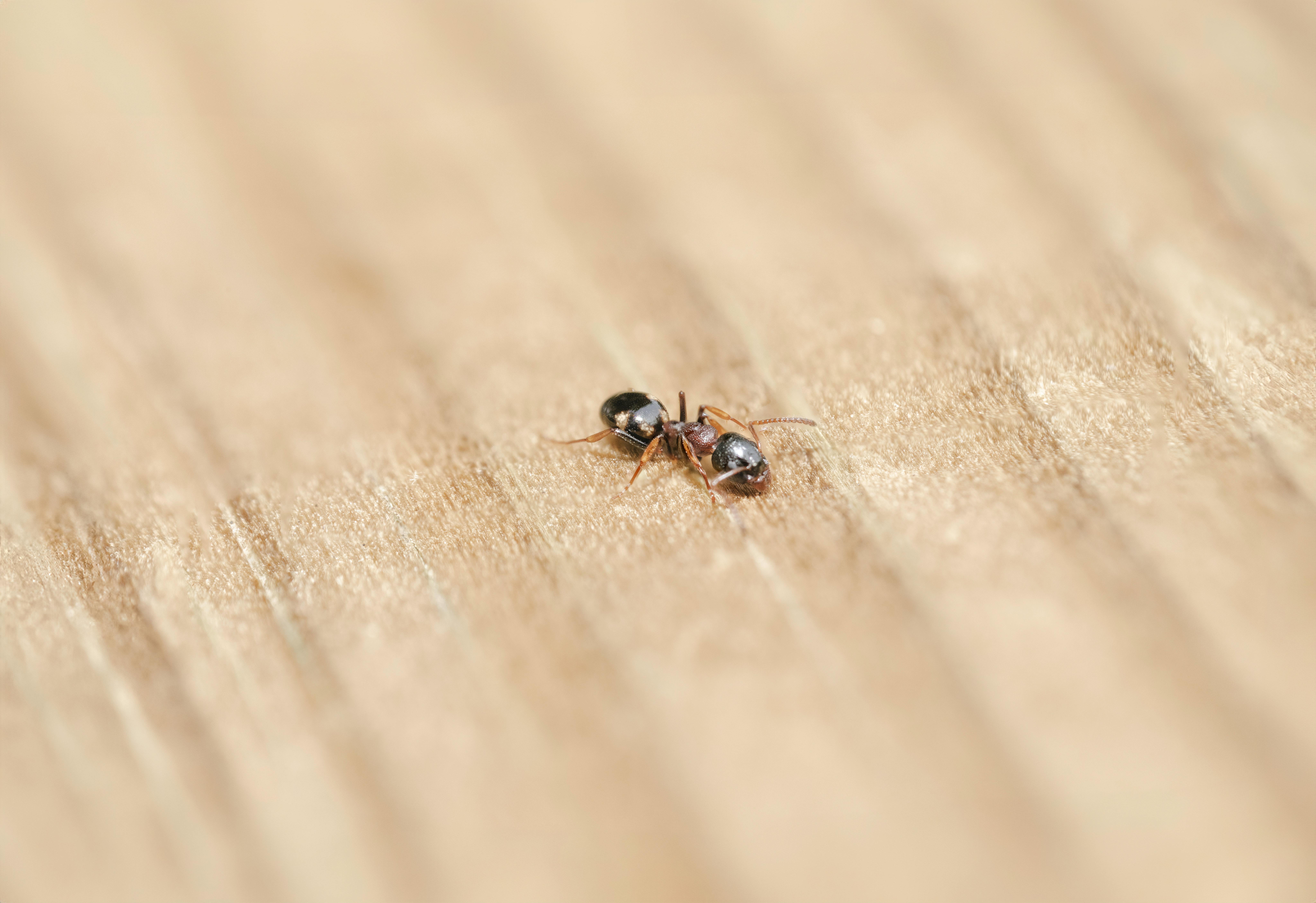
Ant infestations may seem harmless until they start damaging the very structure of your home. That’s why professional Ant Control Druid Hills GA services are essential for preventing long-term structural issues. Carpenter ants, for example, excavate wood to build their nests, weakening beams, joists, and even the foundation over time. In severe cases, the compromised framing can lead to costly repairs or, worse, safety hazards for occupants.
Beyond structural concerns, certain ant species can interfere with your home’s electrical system. When ants nest inside walls, they may chew on insulation or bridge electrical contacts, creating short circuits or increasing fire risk. Moreover, ants that forage in kitchens can contaminate food surfaces, spreading bacteria such as Salmonella or E. coli. The resulting food‑borne illness risk is especially troubling for families with young children or immunocompromised members.
DIY Methods Fall Short
Many homeowners reach for store‑bought sprays, baits, or homemade remedies, but these approaches often miss the mark.
- Incomplete eradication: Over‑the‑counter products typically target only the foraging ants you see, leaving the hidden queen and brood untouched.
- Resistance buildup: Repeated use of the same chemical class can encourage ants to develop tolerance, rendering future treatments ineffective.
- Safety hazards: Undiluted sprays, improper bait placement, or mixing chemicals can create toxic fumes or accidental exposure to children and pets.
Because ants operate in organized colonies, eliminating only the visible workers leaves the colony’s core untouched. That’s why professional Ant Control Druid Hills GA solutions focus on targeting the queen and hidden nest chambers—not just the foraging ants you see. The queen can lay thousands of eggs each day, repopulating the area within weeks. Without a comprehensive approach that reaches the colony’s hidden structure, you’ll likely see the same trails reappear, creating a frustrating cycle of “spray-and-wait.”
EPA‑Approved Solutions
The Environmental Protection Agency (EPA) maintains a strict registry of ant‑control products that have demonstrated efficacy and reduced environmental impact. According to the EPA’s ant‑control effectiveness guide, the most reliable categories include:
| Product Type | How It Works | Best Use |
|---|---|---|
| Residual Insecticide Sprays | Creates a long‑lasting barrier on surfaces | Foundation, sill plates, and entry points |
| Gel Baits | Attracts foragers, which carry the poison back to the colony | Kitchen cracks, wall voids, and outdoor perimeters |
| Foam Injectables | Expands into voids, reaching hidden nests | Wall cavities, attics, and crawl spaces |
These products are formulated to act quickly on active ants while minimizing residual risk to non‑target organisms when applied by trained professionals.
Safety for Families and Pets
When chemicals are used improperly, the health of occupants can be compromised. The Centers for Disease Control and Prevention (CDC) outlines key precautions for pesticide exposure in its pesticide safety guidance. Licensed technicians follow strict protocols: they wear personal protective equipment, apply products at recommended concentrations, and ensure adequate ventilation before homeowners re‑enter the treated area. This systematic approach dramatically reduces the risk of skin irritation, respiratory issues, or accidental ingestion.
Pets are especially vulnerable to ingesting bait or contacting treated surfaces. That’s why professional Ant Control Druid Hills GA providers use low-toxicity gel formulations that are bitter to mammals but highly attractive to ants. Technicians carefully place baits out of reach of curious cats and dogs. In addition, application timing is coordinated so pets can remain in a separate room until treated surfaces fully dry, further reducing exposure risk.
What a Professional Technician Does
A certified Anthem Pest Control technician begins with a thorough inspection. Using flashlights, moisture meters, and sometimes thermal imaging, they locate the queen’s nest, assess damage, and identify species‑specific behavior patterns. Based on that data, they select the most effective EPA‑approved product and apply it precisely—whether that means spraying a perimeter barrier, injecting foam into a wall void, or strategically placing gel baits.
After the initial treatment, the technician schedules a follow-up visit to monitor activity, adjust bait placement, and confirm that the colony has been eliminated. This ongoing oversight is why professional Ant Control Druid Hills GA services not only resolve the current infestation but also prevent future invasions and recurring colony growth.
Beyond eradication, Anthem’s technicians provide a customized prevention plan—seasonal inspections, sealing entry points, and moisture control recommendations—to keep future ant invasions at bay. This proactive strategy leverages local knowledge of Druid Hills’ climate and common ant species, turning a one‑time treatment into long‑term protection.
Treatment Options and How They Work
Chemical Sprays: Residual Insecticides, Fogging, and Perimeter Treatments
Residual insecticides are the workhorse of many ant‑control programs. Once applied to cracks, baseboards, and other entry points, the chemicals cling to surfaces for weeks, creating an invisible shield that kills ants on contact. Fogging delivers a fine mist that penetrates hard‑to‑reach voids, providing rapid knock‑down of foraging ants. Perimeter treatments focus on the exterior foundation, forming a chemical moat that deters colonies from crossing onto your home. All three methods rely on a protective barrier—the ants encounter the toxin before they can establish a trail inside your living spaces.
Baiting Systems: Slow‑Acting Toxins Delivered by Workers
Bait stations combine a sweet attractant with a low‑dose, slow‑acting toxin. Worker ants discover the bait, carry it back to the nest, and share it with the queen and brood. Because the poison acts over several days, the colony never realizes it’s being poisoned, allowing the toxin to spread thoroughly. Effective placement is key: position baits along known trails, near entry points, and in sheltered corners where moisture attracts ants. Rotate bait types every few weeks to prevent the colony from developing tolerance, and replace stations when they become dry or contaminated.
Non‑Chemical Approaches: Barriers, Habitat Modification, and Natural Repellents
Physical barriers—such as silicone caulks sealing cracks or copper tape around vulnerable openings—are an important part of professional Ant Control Druid Hills GA prevention strategies. These measures prevent ants from gaining access in the first place. Habitat modification tackles the root cause by eliminating standing water, keeping food in sealed containers, and trimming vegetation away from the foundation.
Natural repellents add an extra layer of defense. Diatomaceous earth, a fine silica powder, damages the exoskeletons of ants that crawl over it, causing dehydration. Essential oils like peppermint, tea tree, or citrus can be diluted and sprayed around entry points; their strong scents disrupt pheromone trails and discourage further travel.
Integrated Pest Management (IPM): A Structured, Sustainable Framework
IPM treats ant control as a science, not a one‑size‑fits‑all spray job. First, you monitor—use sticky traps or visual inspections to identify species, activity levels, and hot spots. Next, establish a threshold (e.g., more than three sightings in a week) that triggers action. Then, select the least invasive method that meets the threshold, often starting with habitat modification and baits before escalating to residual sprays. By rotating tactics and documenting results, IPM reduces chemical reliance, minimizes resistance, and protects pets and children while keeping costs predictable.
Cost‑Benefit Analysis for the Typical Homeowner
| Method | Approx. DIY Cost | Effectiveness | Pros | Cons |
|---|---|---|---|---|
| Residual Spray | $30‑$70 per treatment | High (3‑4 weeks) | Fast knock‑down, long‑lasting barrier | Requires careful application, potential indoor exposure |
| Bait Stations | $20‑$50 for a set of 8‑12 | Medium‑High (colony elimination in 2‑4 weeks) | Targets the queen, low indoor residue | Placement critical, slower visible results |
| Diatomaceous Earth | $15‑$25 per bag | Low‑Medium (contact only) | Non‑toxic, easy to apply in cracks | Moisture deactivates it, needs re‑application |
| Essential‑Oil Sprays | $10‑$20 for a bottle | Low (repellent only) | Natural scent, safe around kids/pets | Frequent re‑application, limited kill rate |
| Professional Service | $150‑$300 per visit | Very High (custom plan, warranty) | Expert diagnosis, full‑coverage treatment, follow‑up | Higher upfront cost, scheduling needed |
When to Move From DIY to Professional Service
Most homeowners can keep ants at bay with baits, barriers, and diligent sanitation. However, consider calling a licensed technician when you notice any of the following:
- Repeated infestations despite regular DIY attempts.
- Visible damage to wood, foundation, or wiring caused by aggressive species such as carpenter ants.
- Large, well‑established colonies that produce numerous foragers.
- Allergies or sensitivities that make chemical exposure risky.
- Time constraints that prevent thorough monitoring and re‑treatment.
Professional teams bring calibrated equipment, EPA‑approved products, and a structured IPM plan that can eradicate a stubborn colony in a single visit and provide a warranty for peace of mind. If your ant problem is persistent, costly, or threatening the structure of your home, it’s time to let Anthem Pest Control take over the fight.
Pricing Models and Seasonal Timing for Ant Control
Understanding the Pricing Options
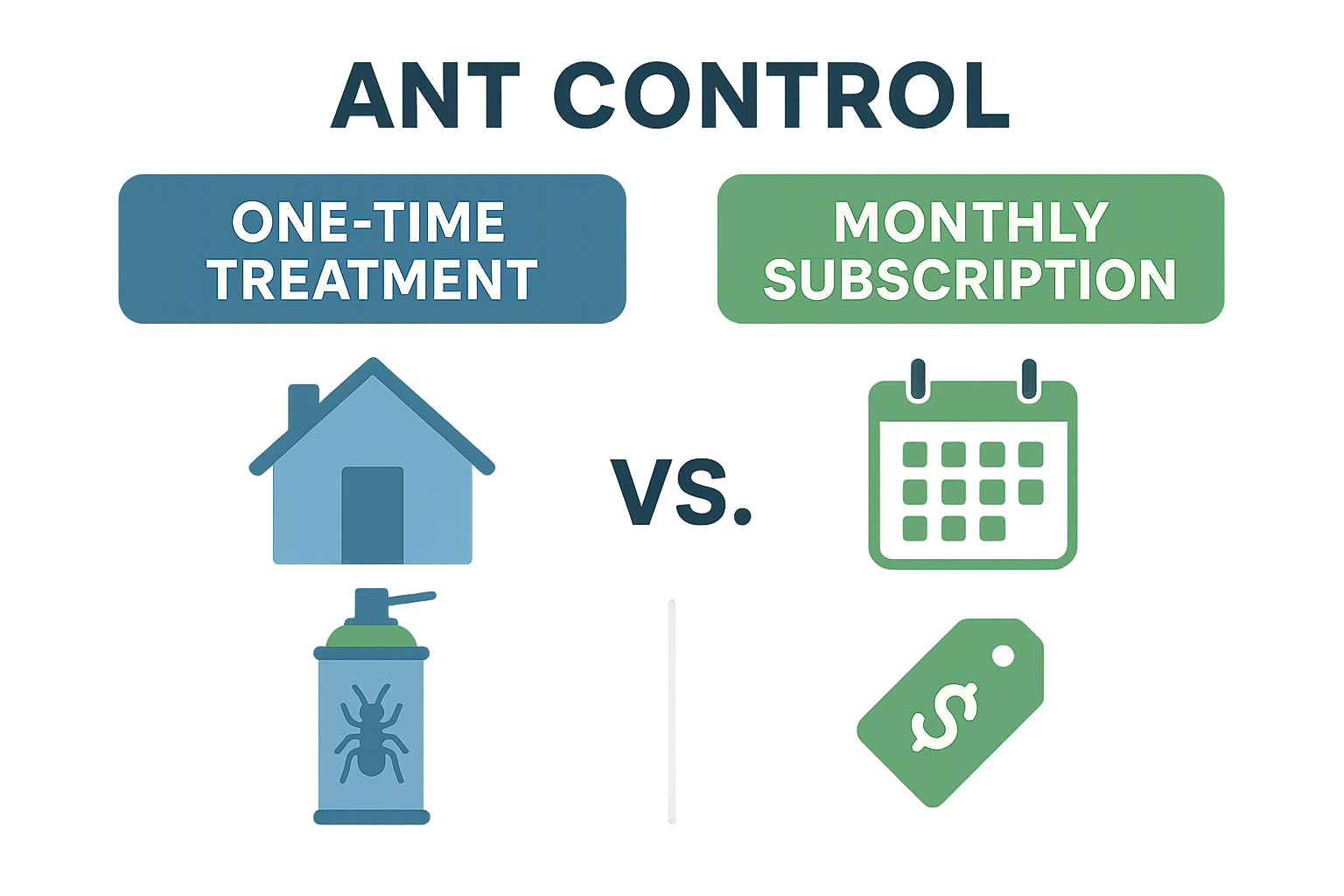
When you call Anthem Pest Control, you’ll typically encounter two pricing structures: a one‑time treatment or a monthly subscription plan. Both are designed to eliminate existing ant colonies, but they differ in scope, cost, and long‑term value.
- One‑time treatment: This package includes a thorough inspection, a targeted application of an ant‑specific product, and a follow‑up visit if the initial treatment doesn’t achieve the desired result. Prices in the Druid Hills area usually range from $120 to $250, depending on the size of the property and the severity of the infestation.
- Monthly subscription: For homeowners who prefer ongoing protection, the subscription bundles quarterly inspections, preventative applications, and priority service calls. Monthly fees typically fall between $30 and $45, translating to an annual cost of $360‑$540. The subscription also often includes a complimentary pest‑identification hotline and discounts on additional services such as termite or mosquito control.
The one‑time option is ideal if you’ve just discovered a small, isolated problem and want a quick fix. The subscription, however, offers peace of mind by addressing hidden nests before they become visible and by reducing the likelihood of repeat infestations.
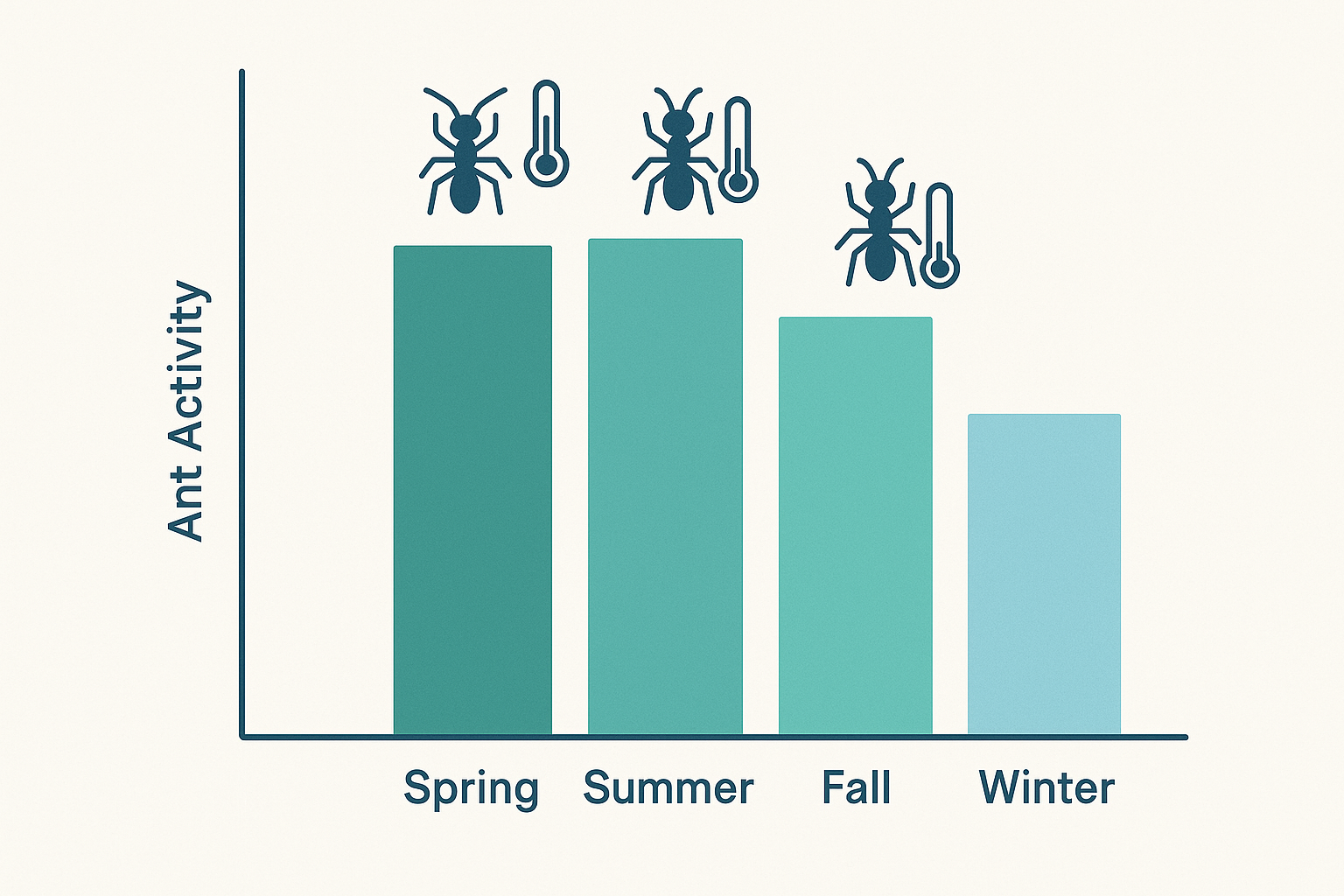
Seasonal Ant Activity: What the Data Shows
Ant colonies are highly responsive to temperature and moisture. National pest‑management guidelines (see the NPMA seasonal pest‑management guide) outline a clear pattern:
- Spring (March‑May): Worker ants emerge as soil temperatures rise above 55°F, leading to rapid colony expansion.
- Summer (June‑August): Foraging peaks; ant trails become most visible as colonies search for food and water.
- Fall (September‑November): Activity tapers as colonies prepare for cooler weather, but late‑summer nests may still cause nuisance.
- Winter (December‑February): Most species enter a dormant state underground, resulting in the lowest observable activity.
Optimal Timing for Treatment
To maximize efficacy and cost‑effectiveness, schedule your ant control around the seasonal peaks:
- Pre‑emptive spring treatment: Book a service in early March or April, before colonies have a chance to mature. This early strike curtails the exponential growth that typically occurs in late spring.
- Late‑summer follow‑up: If you notice lingering activity in August or September, a second treatment can mop up late‑emerging foragers and prevent winter carry‑over.
- Winter check‑in (optional): While most ants are dormant, a quick inspection can catch any indoor‑nesting species that thrive in heated homes.
Choosing the right timing not only reduces the number of applications you need but also aligns with the subscription model’s quarterly visits, ensuring you get the most out of your investment.
Homeowner Tips to Reduce Seasonal Attractants
Even the best professional treatment can be undermined by easy food and moisture sources inside your home. Follow these simple steps to keep ant‑friendly conditions at bay:
- Control moisture: Fix leaky pipes, use dehumidifiers in basements, and ensure gutters direct water away from the foundation.
- Secure food storage: Keep pantry items in airtight containers, clean crumbs immediately, and avoid leaving pet food out overnight.
- Maintain landscaping: Trim vegetation away from the house, keep firewood stacked off the ground, and clear leaf litter that can harbor nests.
- Seal entry points: Inspect and caulk gaps around windows, doors, and utility penetrations where ants could slip inside.
- Regular cleaning: Vacuum floors and upholstery weekly to remove scent trails that guide workers back to the colony.
By pairing these preventative habits with a strategically timed treatment—whether you opt for a one‑time service or a subscription plan—you’ll enjoy a home that stays ant‑free year after year.
Secure Your Home with Anthem Pest Control
By now you’ve learned how to spot the most common ant species, why they become a threat to your home’s structure and health, and which treatment methods work best at different times of the year. Whether you’re dealing with a summer invasion of fire ants or a winter surge of carpenter ants, the key to lasting relief is a proactive, professionally‑guided plan.
Why a Professional Ant Management Program Matters
Ants are tiny, but their colonies are complex. A DIY spray might knock out a few workers, yet the queen stays hidden, ready to rebuild. Anthem Pest Control brings nationwide expertise and a science‑backed approach that:
- Identifies the exact species and its preferred entry points.
- Targets the colony at its source, not just the visible foragers.
- Uses EPA‑approved products that are safe for children, pets, and the environment.
- Integrates preventive measures—soil treatments, barrier sprays, and habitat reduction—to keep future invasions at bay.
Transparent Pricing and Tailored Solutions
Every home is different, so Anthem creates a customized treatment plan that fits your specific situation. Our pricing is straightforward—no hidden fees or surprise add‑ons. You’ll receive a detailed estimate that outlines:
- Initial inspection cost (often waived with a scheduled service).
- Number of visits required for complete eradication.
- Any supplemental treatments, such as bait stations or structural sealing.
And because we stand behind our work, every service includes a satisfaction guarantee. If ants return within the agreed‑upon timeframe, we’ll re‑treat at no extra charge.
Take the Next Step—Risk‑Free
Ready to protect your kitchen, pantry, and foundation from relentless ant activity? Request a free, no‑obligation quote today. Our friendly technicians will assess your home, discuss the best timing for treatment, and walk you through the entire process—so you know exactly what to expect.
Contact Anthem Pest Control now:
Phone: 877‑371‑8196
Website: Anthem Pest Control