Why Fruit Flies Are a Growing Concern for Suwanee Homeowners
In the quiet suburbs of Suwanee, a tiny invader is making its presence felt on kitchen counters, trash cans, and even indoor plants. The culprit is usually one of two species that thrive in Georgia’s climate: the common fruit fly (Drosophila melanogaster), often called the vinegar fly, and the lesser‑known fungus gnat (Bradysia spp.). Both species are small—about a quarter of an inch long—but their rapid life cycle and love of fermenting organic matter allow populations to explode before most homeowners even notice a single adult.
Health and nuisance impacts
While fruit flies are not known to bite or transmit serious diseases, their impact on a household is far from harmless. They are attracted to overripe fruit, sugary spills, and damp organic debris, where they lay eggs that hatch in under 24 hours. The resulting larvae feed on the same substrates, accelerating food spoilage and creating a persistent foul odor. Moreover, fruit flies can act as a bridge for other pests: their waste and dead bodies provide a protein source for ants and cockroaches, and the moisture they generate encourages mold growth, which in turn attracts fungus gnats and even small rodents.
- Food waste: Rapid contamination of fruits, vegetables, and pantry items.
- Odor and visual nuisance: Swarms around lights and open containers.
- Secondary pest attraction: Ants, cockroaches, and mold‑loving insects.
Rising sightings in Suwanee neighborhoods
Recent monitoring by the University of Georgia Extension and the U.S. Environmental Protection Agency shows a noticeable uptick in fruit‑fly reports across Gwinnett County. UGA Extension recorded a 27 % increase in homeowner calls about fruit flies between 2021 and 2023, while EPA’s indoor pest database flagged Suwanee as one of the top five Georgia zip codes for fruit‑fly complaints in 2022. The data suggest that the problem is not isolated to a single block; it is spreading throughout the community as more homes store fresh produce year‑round and rely on indoor composting bins.
Why Suwanee’s climate fuels the problem
Fruit flies thrive in warm, humid environments—conditions that Suwanee experiences for much of the year. Average summer temperatures hover around 88 °F (31 °C) with humidity levels often exceeding 70 %. These conditions shorten the fruit‑fly life cycle from the typical 10‑day adult stage to as little as six days, meaning a single female can produce several generations in a single month. Additionally, frequent summer rain and the popularity of outdoor dining spaces create damp, sugary residues that serve as ideal breeding grounds.
What’s next in this guide
Understanding the why is the first step; the next sections will walk you through how to identify the early signs of an infestation, evaluate DIY versus professional treatment options, and calculate the true cost of eradication in Suwanee. We’ll also share seasonal prevention tips that keep fruit flies from setting up shop in the first place, so you can protect your family’s food, health, and peace of mind.
Spotting Fruit Flies and Their Hotspots Inside Your Home
Fruit flies are small, but they’re hard to miss once they’ve taken up residence. Knowing exactly what they look like and where they love to breed gives you the upper hand before an infestation spirals out of control.
What an adult fruit fly looks like
- Size: 1/8 – 1/4 inch (about 3–6 mm) long—roughly the length of a grain of rice.
- Color: Light tan or brown body with a slightly darker, almost black, head. Many have a faint reddish‑brown tint on the wings.
- Behavior: They hover erratically, often in a “figure‑eight” pattern, and are attracted to fermenting aromas. You’ll notice them buzzing around fruit bowls, trash cans, or the sink area, especially in the early morning or late evening when natural light is low.
Common indoor habitats
Fruit flies thrive wherever there’s moisture and a source of organic matter. In a typical home, the top three hotspots are:
- Over‑ripe or rotting fruit and vegetables: A single piece of banana left on the counter can become a breeding buffet within 24 hours.
- Trash cans and recycling bins: The combination of food scraps, sugary drinks, and damp liners creates a perfect incubator.
- Houseplants: Over‑watered soil or damp saucers can harbor the microscopic larvae that later emerge as adults.
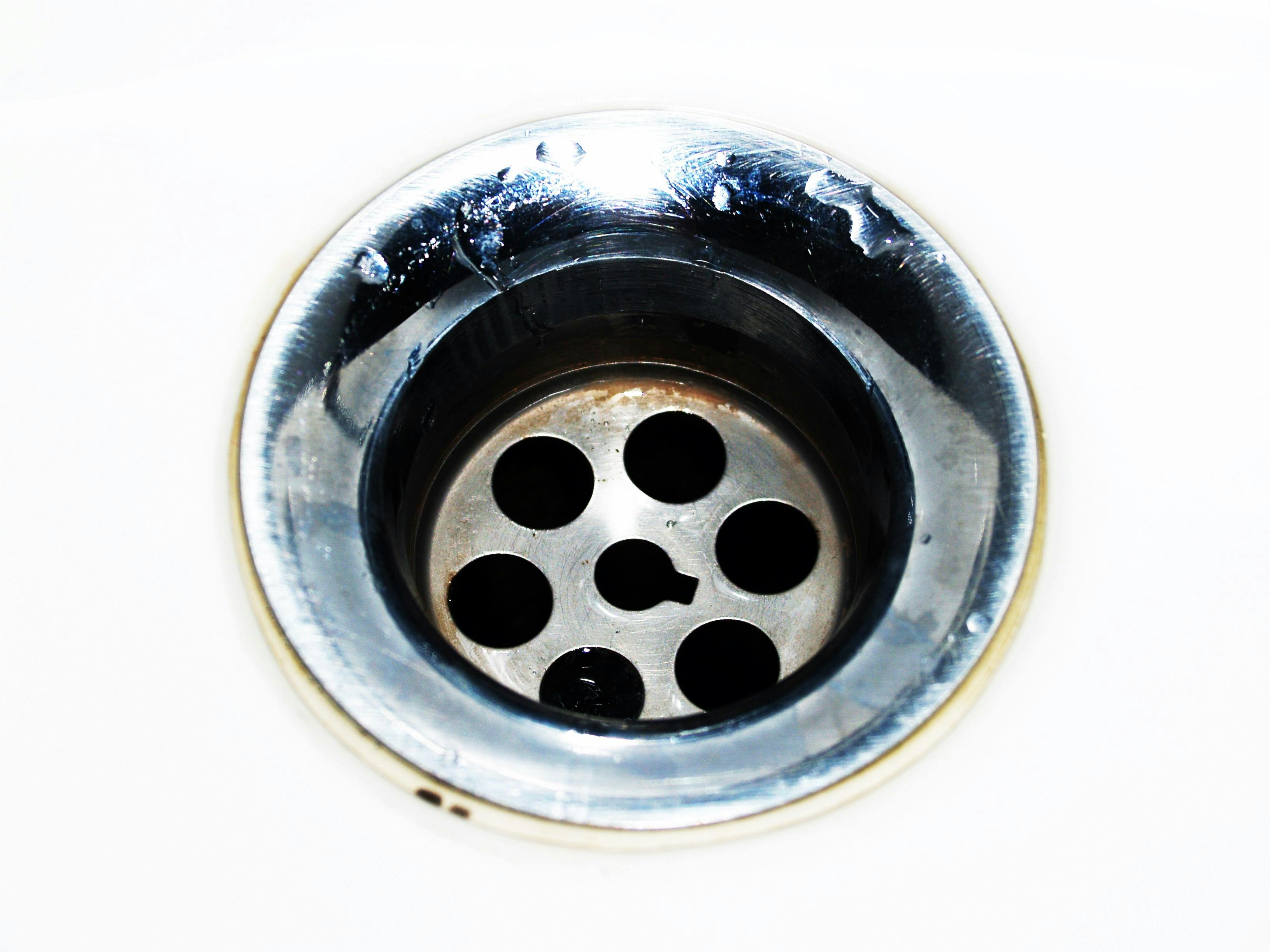
The kitchen sink drain—your hidden breeding ground
While fruit bowls and trash are obvious, the sink drain is the stealthiest hotspot. Here’s why:
- Moisture: Drains are constantly wet, providing the humidity fruit fly larvae need to develop.
- Organic buildup: Food particles, grease, and soap scum accumulate in the pipe’s interior, forming a nutrient‑rich slime that larvae feed on.
- Protected environment: The dark, enclosed space shields the immature stages from predators and cleaning efforts.
Even if you keep the countertop spotless, a neglected drain can sustain a colony for weeks.
Step‑by‑step inspection tips for homeowners
- Gather a flashlight and a small magnifying glass. Fruit fly larvae are tiny—about the size of pinheads—so good lighting helps you see the details.
- Check fruit and produce. Look for soft spots, darkened areas, or a sweet, fermenting odor. Move any suspect items to the trash immediately.
- Inspect trash cans. Open the lid and sniff for sour or yeasty smells. If the interior feels damp, line the can with a fresh bag and wipe the sides with a mild bleach solution.
- Examine houseplants. Pull the plant gently from its pot and feel the soil. If it feels soggy or smells musty, allow it to dry and consider repotting with fresh, well‑draining soil.
- Probe the sink drain. Place a piece of clear tape over the drain opening for a few minutes. If you see tiny flies or larvae stuck to the tape, you’ve identified a breeding site.
- Run a simple test. Pour a cup of warm water mixed with a tablespoon of baking soda down each drain, followed by a cup of white vinegar. The fizz helps dislodge organic matter, making the environment less hospitable.
- Document your findings. Take note of the locations where you spot activity. This record will be valuable if you decide to call a professional for targeted treatment.
For a deeper dive into identification best practices, the University of Georgia Extension offers an excellent guide: UGA Extension – Fruit Fly Identification.
By mastering these visual cues and inspection steps, you’ll catch fruit flies before they multiply, saving you time, frustration, and the cost of a full‑scale extermination.
Seasonal Peaks of Fruit Fly Activity in Suwanee, GA
Fruit flies may be tiny, but their numbers can explode when the weather is right. Understanding the annual rhythm of their life cycle helps you act before they become a nuisance in your kitchen or pantry. In Suwanee, the combination of warm, humid summers and milder winters creates a predictable pattern that you can use to schedule monitoring and treatment.
Life cycle at a glance
Fruit flies progress from egg to adult in as little as 7‑10 days when temperatures hover around 85°F (29°C). The cycle shortens as the mercury rises, meaning a single female can lay up to 500 eggs in her short lifespan. Conversely, cooler months slow development dramatically—egg hatch may take two weeks or more when temperatures dip below 65°F (18°C). This temperature‑driven speed is the engine behind the seasonal peaks you’ll see on the activity chart.
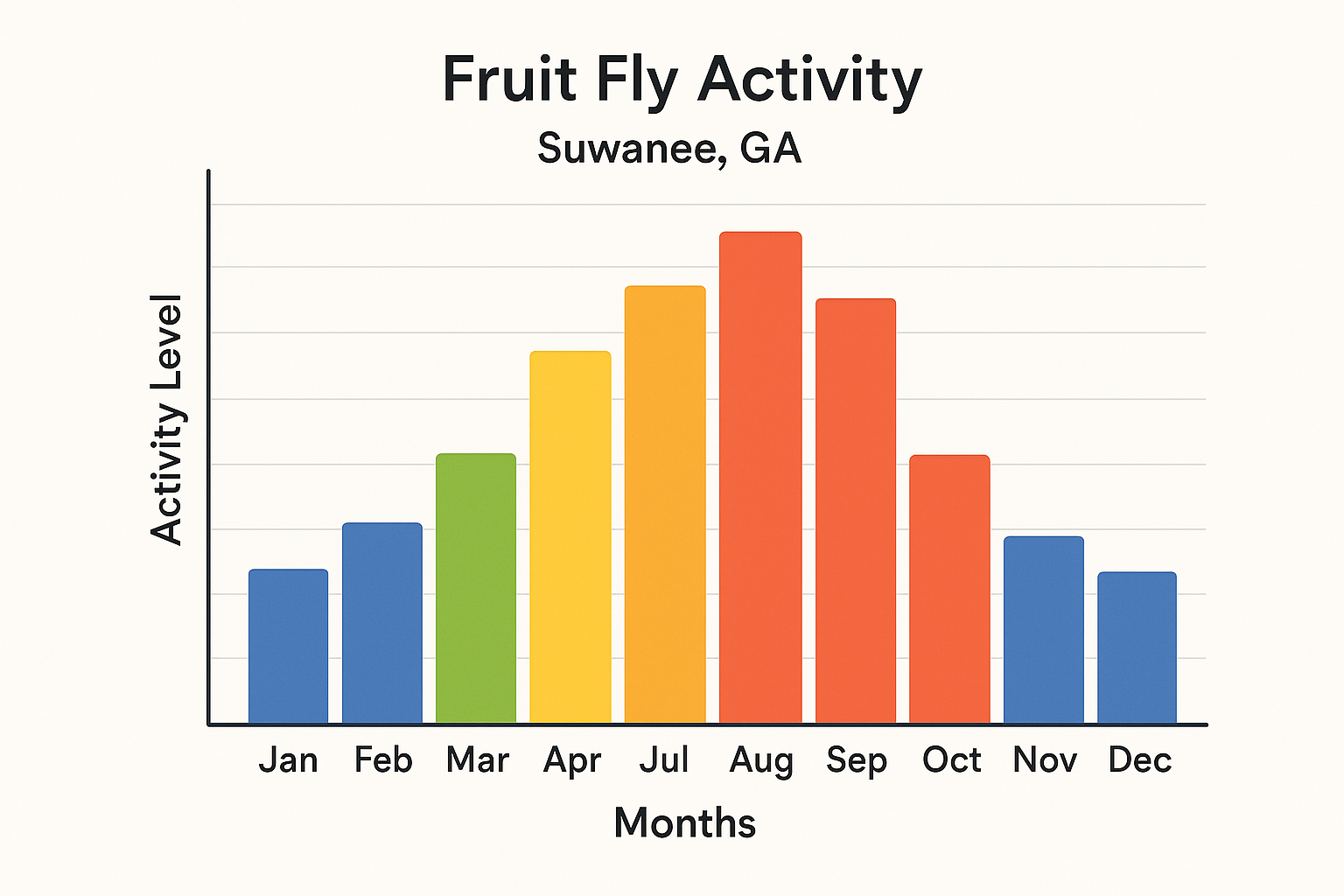
What the seasonal activity chart tells you
| Month | Activity Level |
|---|---|
| January | Low |
| February | Low |
| March | Moderate |
| April | Moderate |
| May | High |
| June | High |
| July | High |
| August | High |
| September | Moderate |
| October | Moderate |
| November | Low |
| December | Low |
According to the EPA’s Fruit Fly Control Facts, the June‑August window consistently shows the highest capture rates in traps across the southeastern United States, and Suwanee is no exception. During these months, the combination of optimal temperature and abundant ripe fruit creates a perfect breeding ground.
Peak months (June‑August)
When you’re in the middle of summer, expect fruit fly populations to surge. Adult flies are actively seeking out fermenting fruit, vegetables, and even sugary residues on countertops. If you notice a sudden increase in tiny flies buzzing around fruit bowls, it’s a clear sign that the breeding cycle is in full swing. This is the ideal time to deploy professional treatments or high‑efficacy traps to break the cycle before it spreads to neighboring rooms.
Low‑activity periods (late fall to early winter)
From November through February, cooler nights and reduced food sources naturally suppress breeding. While you may still see occasional stragglers, the risk of an infestation dropping below actionable levels is high. Use this lull to conduct deep cleaning, inspect for hidden breeding sites, and schedule any preventative services you need for the upcoming spring.
Seasonal monitoring and pre‑emptive actions
- Install traps early. Place sticky or vinegar‑based traps in the kitchen and near trash cans by early May. This gives you a baseline count before the peak.
- Eliminate breeding sites. Remove overripe fruit, clean bottle caps, and wipe down countertops nightly. Even a small amount of spilled juice can become a hotspot.
- Schedule a pre‑emptive treatment. Have Anthem Pest Control inspect your home in late May. A targeted perimeter spray or indoor residual treatment can dramatically reduce the first wave of adults.
- Use seasonal inspections. Conduct a quick visual check each month—look for larvae in drains, fruit bowls, and compost bins. Early detection lets you act before populations explode.
- Maintain outdoor hygiene. Keep compost piles covered, trim fruit‑bearing trees away from the house, and clear fallen fruit from the yard during summer months.
By aligning your monitoring and treatment schedule with these seasonal trends, you’ll stay one step ahead of fruit flies and protect your home’s food storage areas throughout the year.
DIY Solutions vs Professional Treatment – What’s the Real Cost?
What’s on the DIY Shelf?
When fruit flies start buzzing around your kitchen, the first instinct is often to grab a quick‑fix from the hardware aisle. The most common DIY options include:
- Sticky traps – paper or plastic strips coated with an attractant.
- Store‑bought sprays – aerosol insecticides promising “instant kill.”
- Home remedies – apple‑cider vinegar traps, dish‑soap solutions, or a mix of sugar and water.
These products are inexpensive, widely available, and easy to set up without any professional help.
DIY: Pros and Cons
Pros
- Low upfront cost – most kits cost between $5 and $25.
- Immediate availability – you can buy them during a grocery run.
- Do‑it‑yourself control gives a sense of empowerment.
Cons
- Limited durability – traps need frequent replacement and sprays lose potency after a few days.
- Surface‑level results – DIY methods often target adult flies but don’t eradicate breeding sites.
- Potential safety concerns – aerosol sprays can linger on food prep surfaces.
In short, a DIY approach may buy you a few days of relief, but it rarely delivers lasting control, especially when fruit flies have nested in drains, garbage disposals, or over‑ripe produce.
Professional Service Tiers
Professional pest control companies, like Anthem Pest Control, structure their fruit‑fly programs into two main tiers:
- Basic Tier – One‑time inspection, targeted treatment of breeding sites, and a follow‑up visit within two weeks. Ideal for mild infestations.
- Premium Tier – Includes the basic package plus quarterly preventive applications, a detailed source‑elimination plan, and a 12‑month warranty on re‑infestation.
Both tiers use EPA‑approved products and technicians trained to locate hidden breeding grounds that DIY kits simply can’t reach.
Pricing Infographic

The graphic above breaks down typical cost ranges:
- DIY kits: $5 – $25 per trap or spray bottle.
- Basic professional service: $120 – $180 per treatment.
- Premium professional service: $250 – $350 for a year‑long plan.
Each tier also lists key benefits – from “quick fix” for DIY to “long‑term guarantee” for premium professional care.
Industry Pricing Data
According to the NPMA 2023 Pricing report, the average national cost for a single fruit‑fly treatment sits at $150, while comprehensive annual plans average $300. These figures align closely with Anthem Pest Control’s transparent pricing model, ensuring you’re not overpaying for a service you don’t need.
Choosing the Right Approach
Use the following decision guide to match the solution to your infestation severity:
- Spotty, occasional sightings – Try a DIY trap or two. If the flies disappear within a week, you’ve likely addressed a minor source.
- Persistent presence in multiple rooms – Upgrade to a basic professional treatment. Technicians will locate hidden breeding sites that DIY products miss.
- Seasonal spikes or recurring problems – Opt for the premium tier. Ongoing preventive applications keep fruit flies at bay year‑round and protect new food‑storage habits.
Remember, the true cost of fruit‑fly damage isn’t just the price of a spray bottle; it’s the time spent cleaning, the risk of contaminating food, and the stress of a lingering infestation. Investing in a professional plan often pays for itself by eliminating the problem at its source and providing peace of mind.
How Anthem’s Professional Service Eliminates Fruit Flies Safely

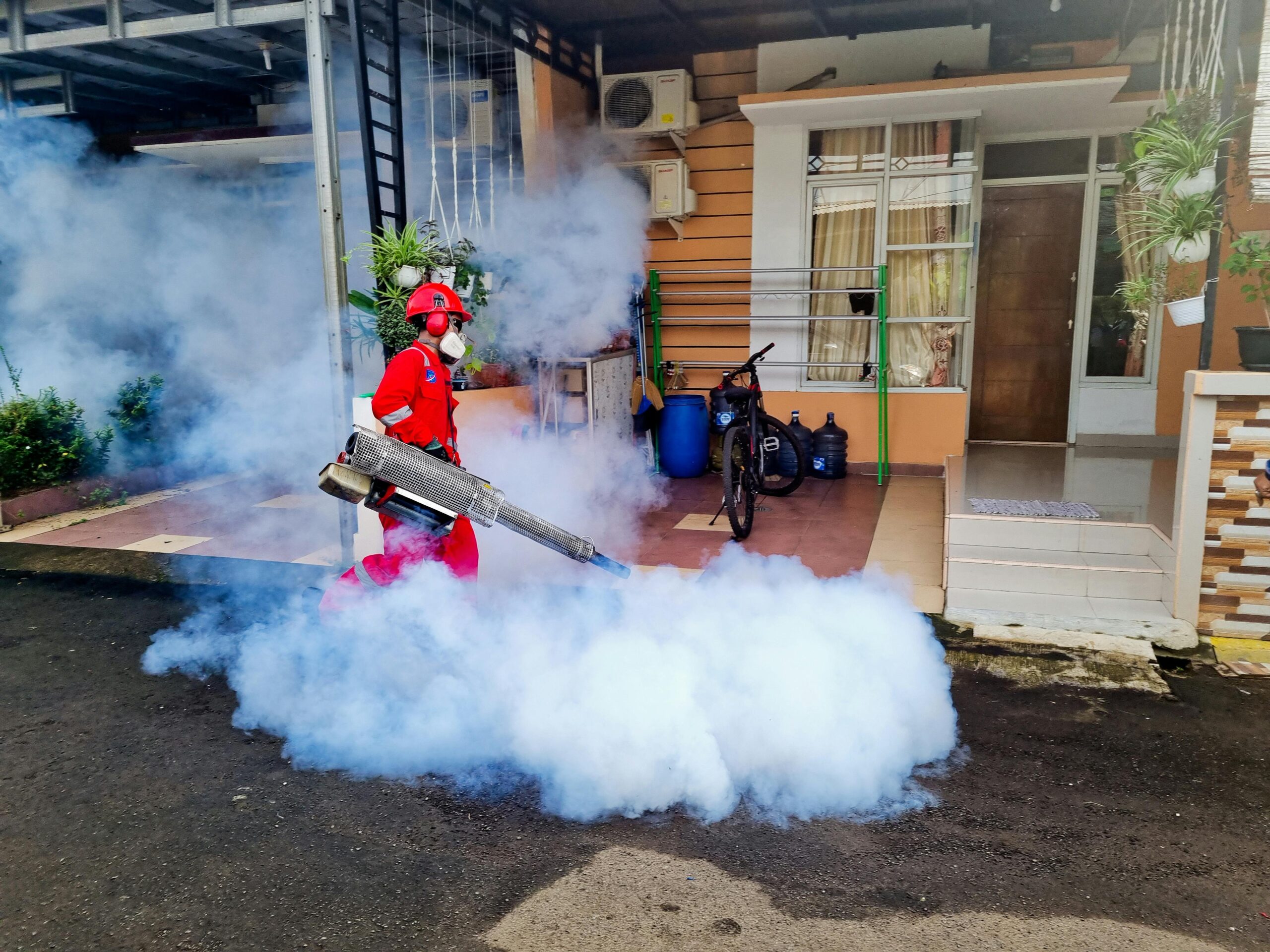
When you call Anthem Pest Control, the first person you’ll meet is a certified technician who’s spent years mastering the nuances of fruit‑fly biology. Each technician completes a rigorous training program, passes a state‑approved certification exam, and stays current with annual continuing‑education modules. The photo above shows one of our pros in full protective gear, ready to assess your kitchen, trash area, and any damp spaces where fruit flies love to breed.
Step‑by‑Step Inspection and Identification
Our first step is a thorough on‑site inspection. Using a flashlight and a calibrated fly trap, the technician pinpoints the exact breeding hotspots—often hidden under sink drains, behind fruit bowls, or inside compost containers. Identification isn’t just about confirming fruit flies; we also look for secondary attractants such as overripe produce, sugary spills, or organic debris that could invite a second wave of insects.
Targeted Treatment Process
Once the hotspots are mapped, we move to treatment. Our protocol combines three low‑dose, high‑efficacy actions:
- Targeted bait stations placed directly in the identified zones, using a food‑based attractant that lures adult flies and disrupts their life cycle.
- Residual spray applied to interior surfaces where flies rest, formulated to remain active for up to four weeks without leaving toxic residues on countertops.
- Drain treatment that circulates an EPA‑approved enzyme solution through the plumbing, breaking down organic buildup that serves as a nursery for larvae.
This three‑pronged approach attacks fruit flies where they live, feed, and reproduce, delivering rapid knock‑down while keeping your family and pets safe.
EPA‑Registered, Low‑Impact Products
All chemicals used are EPA‑registered and specifically chosen for low environmental impact. Anthem’s applicators employ micro‑atomizing sprayers that deposit a fine mist only where it’s needed, reducing overall product volume by up to 70 % compared with traditional foggers. The result is a treatment that is both powerful against fruit flies and gentle on your home’s surfaces, food prep areas, and indoor air quality.
Follow‑Up Visits & Guarantee Policies
We don’t consider the job done after the first application. A standard service includes a follow‑up visit within 10‑14 days to verify that the population is eliminated and to re‑treat any lingering hotspots. If fruit flies reappear within the guarantee period, we return at no extra charge and adjust the treatment plan at no additional cost to you. This confidence‑backed guarantee reflects our commitment to lasting results.
Homeowner Success Story
“I thought fruit flies were just a summer nuisance until they started swarming my kitchen every night. Anthem sent a certified tech who inspected every drain and even the garbage disposal. Within three days the traps were empty, and the follow‑up spray kept the area fly‑free for weeks. The best part? No strong odors or chemicals on my counters. I felt safe for my kids and pets.” – Laura M., Suwanee, GA
Laura’s experience mirrors what many Suwanee homeowners hear after a single Anthem service: swift relief, clear communication, and a treatment plan that respects both health and budget. By combining expert inspection, EPA‑approved products, and a guaranteed follow‑up, Anthem Pest Control delivers a safe, effective solution that keeps fruit flies out of your home for good.
Ongoing Prevention Tips to Keep Fruit Flies Away Year‑Round
Even after a professional treatment, fruit flies can creep back if everyday habits give them a foothold. The good news is that most of the actions you need to take are inexpensive, quick, and fit naturally into a homeowner’s routine. Below are five practical categories you can adopt to keep those tiny pests at bay all year long.
Daily Kitchen Hygiene
Fruit flies love moist, sugary environments—your kitchen is their favorite playground. A few disciplined steps each day make a huge difference:
- Clean drains regularly. Pour a cup of boiling water down the sink after each use, or follow up with a mixture of half a cup of baking soda and a cup of white vinegar. Let it fizz, then rinse. This removes the organic film where flies lay eggs.
- Store produce properly. Keep fruits and vegetables in the refrigerator whenever possible, or place them in sealed containers. If you need to leave them out, cover them with a mesh food cover.
- Empty trash promptly. Fruit fly larvae thrive in the damp residue at the bottom of garbage cans. Use a trash can with a tight‑fitting lid and line it with a disposable bag that you replace daily.
- Wipe down countertops. A quick spray of a mild, food‑safe cleaner after meal prep removes the sugary splatters that attract flies.
Seasonal Yard Care
The exterior of your home can be a hidden breeding ground, especially during the warm months. Simple yard chores keep the outdoor environment hostile to fruit flies:
- Pick up fallen fruit. Apples, berries, or overripe tomatoes that drop onto the lawn provide a banquet for flies. Sweep them up promptly, especially after a storm.
- Manage compost wisely. Keep compost bins sealed and turn them regularly to maintain aerobic conditions. Avoid adding fruit waste directly on the ground; instead, use a sealed kitchen caddy that you empty into the bin.
- Trim vegetation. Overgrown shrubs create humid micro‑climates where flies can hide. Prune back foliage to improve air circulation and sunlight penetration.
Home Maintenance Checks
Fruit flies slip inside through tiny openings. A quick inspection each season can seal their entry points:
- Repair or replace screens. Check window and door screens for tears or gaps. A patch of screen mesh or a new screen costs pennies but blocks a steady stream of insects.
- Seal cracks and gaps. Use caulk around baseboards, window frames, and door thresholds. Even a hairline crack can become a highway for flies.
- Inspect vent covers. Kitchen and bathroom exhaust fans often have removable grates. Clean them and ensure the surrounding seal is intact.
Use of Natural Deterrents
If you prefer a low‑tech, chemical‑free approach, a few natural tools work surprisingly well:
- Vinegar traps. Fill a small jar with equal parts apple cider vinegar and water, add a drop of dish soap, and cover with plastic wrap secured with a rubber band. Poke a few holes—flies are drawn in, but the soap prevents escape.
- Basil or mint plants. Plant these herbs in sunny windowsills or pots near entryways. Their aromatic oils repel fruit flies while giving you fresh seasoning for cooking.
- Essential oil spray. Mix ten drops of lemongrass or eucalyptus oil with a cup of water in a spray bottle. Lightly mist countertops and sink areas once a week.
When to Schedule a Follow‑Up Professional Inspection
Even the most diligent homeowner can miss a hidden infestation. If you notice any of the following, it’s time to call Anthem Pest Control for a follow‑up:
- Persistent fly activity near drains or garbage areas despite daily cleaning.
- New fruit trees or garden beds that could harbor larvae.
- Seasonal spikes in activity after heavy rain or high humidity.
A brief, annual inspection—typically in early spring and again in late summer—helps confirm that your preventive measures are holding up. Our technicians will check for overlooked breeding sites, reinforce any missed sealing work, and adjust treatment plans if needed, ensuring your home stays fruit‑fly free year after year.
Take the Next Step with Anthem Pest Control
Fruit flies may seem harmless, but a few dozen buzzing around your kitchen can quickly turn into a full‑blown nuisance. They breed in the tiniest pockets of fermenting fruit, drains, and even damp garbage disposals, spreading bacteria and making meals feel unappetizing. While DIY traps and vinegar solutions can catch a few, they rarely eliminate the hidden colonies that keep the problem alive. That’s why a professional treatment—tailored to the unique layout of your Suwanee home—delivers the fast, lasting relief you deserve.
Why choose a professional service? A certified technician can:
- Identify and seal entry points that DIY methods miss.
- Apply EPA‑approved, low‑toxicity products that target all life stages of fruit flies without endangering your family or pets.
- Provide a follow‑up schedule to ensure the infestation stays gone, even after the initial treatment.
Anthem Pest Control brings more than just a spray can. With over a decade of experience across the United States, our team knows the seasonal patterns that drive fruit fly outbreaks in Georgia. We use safe, effective formulations that comply with local regulations, and our transparent pricing means you’ll never face surprise fees. From the moment you call to the final walk‑through, you’ll see exactly what’s being done and why.
Ready for a complimentary assessment? Our specialists will inspect your home, explain the root cause of the flies, and outline a customized action plan—no obligation, no pressure. This free evaluation is our way of showing that we stand behind every treatment we perform.
Give us a call today at 877‑371‑8196. One of our friendly representatives will schedule your assessment at a time that fits your busy life. Whether you’re dealing with a sudden surge or looking to prevent future invasions, Anthem Pest Control is the partner you can trust.
Take the first step toward a fruit‑fly‑free home by visiting Anthem Pest Control online or calling the number above. Let us handle the tiny troublemakers so you can enjoy a clean, comfortable kitchen again.