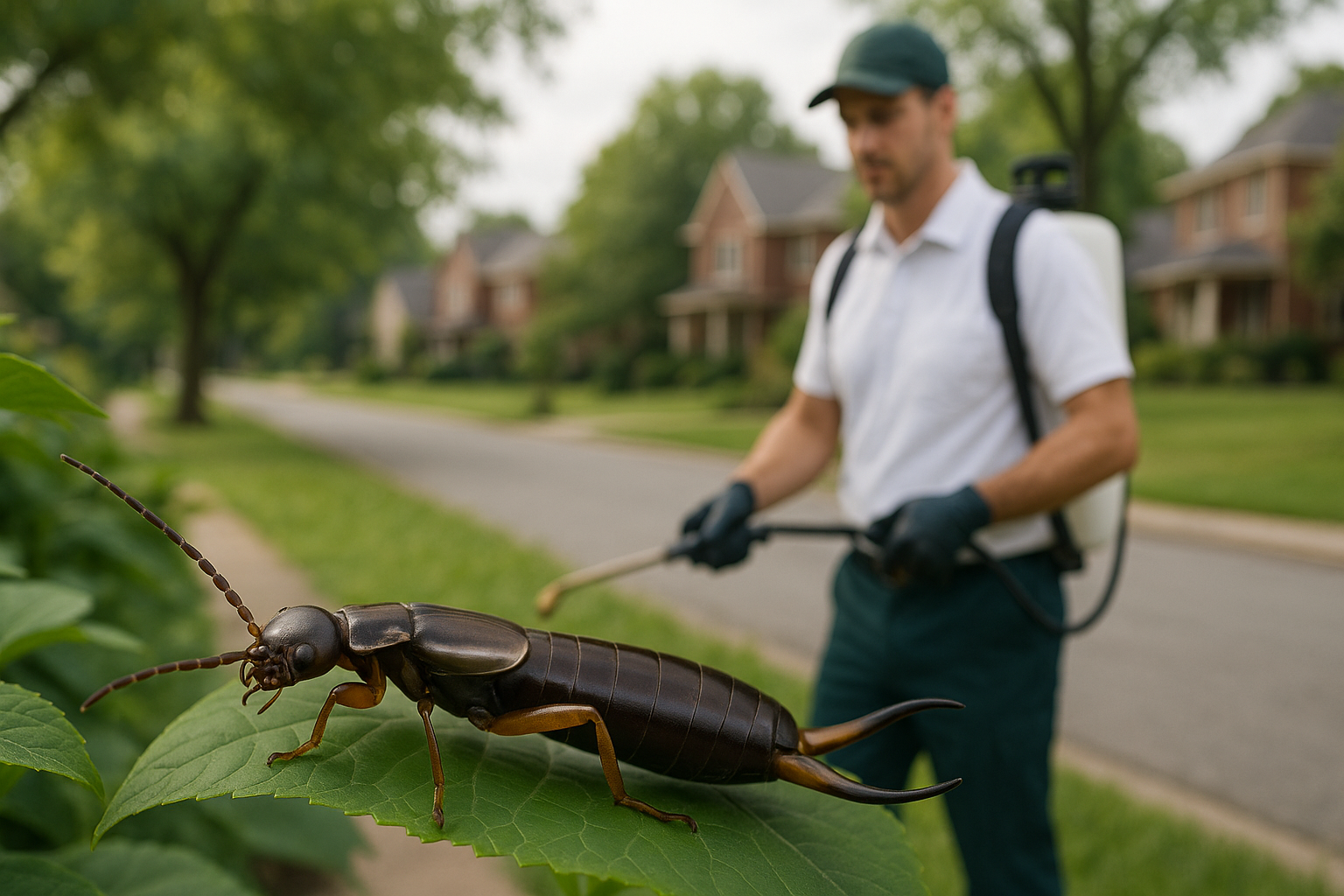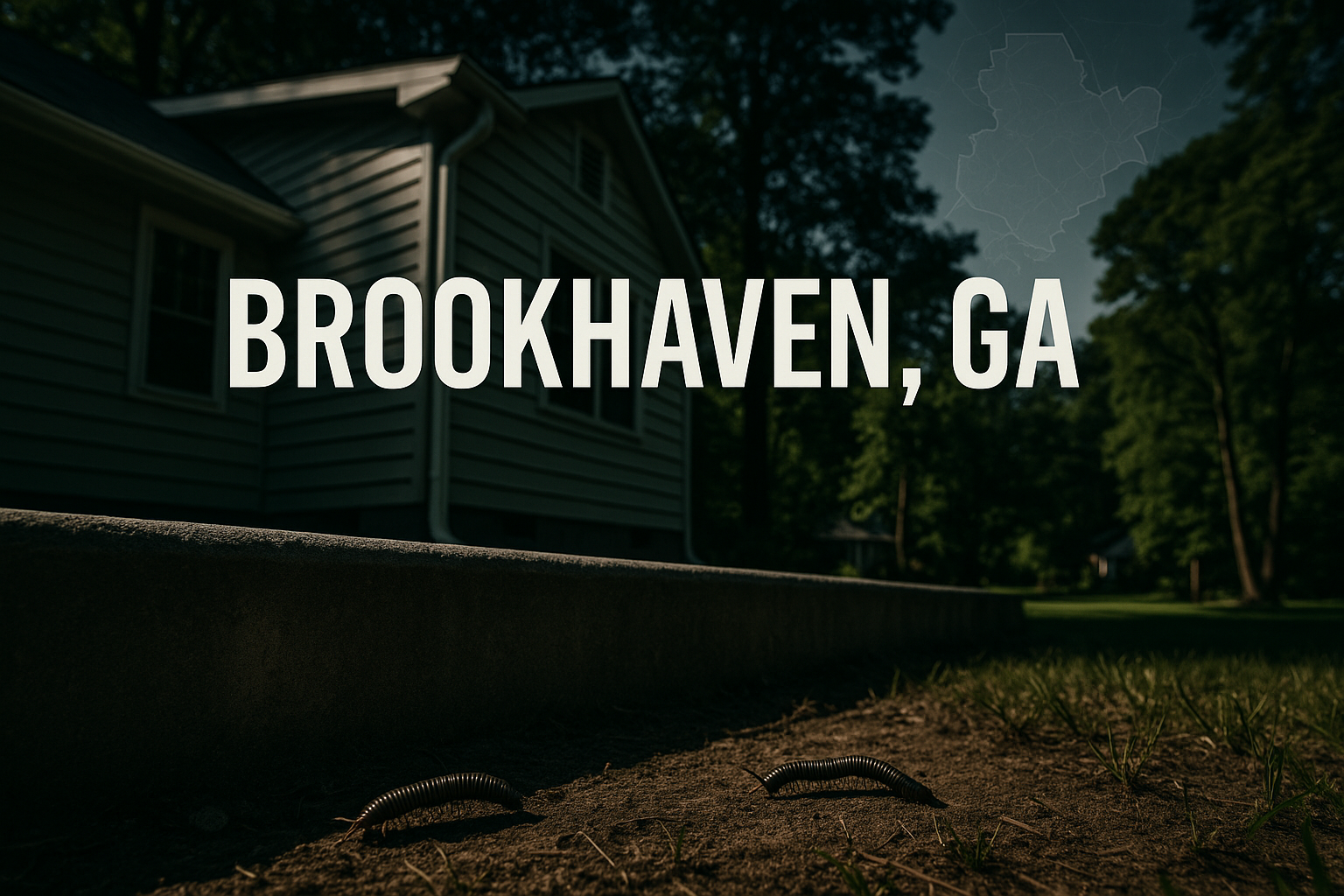
Rising Millipede Sightings in Brookhaven
Last week, a neighbor in Brookhaven called me from his driveway, pointing at a line of millipedes crawling across his porch steps as the temperature dipped below 40°F. It wasn’t an isolated incident; over the past two months I’ve logged dozens of similar calls from homeowners who suddenly find these many‑legged visitors marching inside their homes just as the first frosts arrive.
Millipedes are cold‑blooded scavengers that thrive in damp leaf litter and garden mulch. When autumn rains soak the soil and the nights turn chilly, they retreat to the nearest source of warmth and moisture—often the cracks around windows, foundation gaps, or even the plumbing under a kitchen sink. Once inside, the humid environment of basements and bathrooms becomes a perfect refuge, and the insects can easily spread to other rooms through floorboards and wall voids.
The Georgia Department of Agriculture’s 2023 pest report confirms that this seasonal surge is more than anecdotal: complaints about millipedes rose 12 % statewide last year, with Brookhaven accounting for a noticeable share of those calls. Read the full report here.
In the sections that follow, we’ll walk you through how to spot the most common millipede species around Brookhaven, break down the typical treatment costs you can expect from a licensed exterminator, and share proven prevention tips—like sealing entry points and managing yard moisture—to keep these critters out of your home all winter long.
Why Winter Triggers Millipedes
Why does winter amplify the problem? As the ground freezes, millipedes lose their natural underground shelters and migrate upward, following any moisture trail they can find. Homeowners who delay inspection often discover large clusters hidden behind baseboards or inside HVAC ducts, which can trigger a sudden infestation once temperatures rise again. Acting early—before the bugs have a chance to establish a foothold—saves both time and money, and it’s the first step toward a pest‑free season.
Millipede Biology and Seasonal Behavior
Millipedes are easily spotted by their long, cylindrical bodies made up of dozens of tiny segments, each bearing two pairs of legs. Unlike insects, which have three body parts, millipedes belong to the class Diplopoda, and a single adult can sport anywhere from 30 to 400 legs depending on the species. Their hard exoskeleton is a muted brown or black, and the legs are tucked close to the body, giving them a smooth, worm‑like appearance as they glide across damp surfaces.
These critters are true moisture lovers. They thrive in leaf litter, mulch, and any damp area where fungi and decaying plant material are abundant—food sources they cannot resist. Because they feed on organic matter rather than wood or fabric, millipedes pose no structural threat to your home, and they lack any venom or biting apparatus, making them harmless to humans and pets. The only nuisance they can cause is a brief, unsightly carpet of dead bodies if they congregate in large numbers.
When autumn brings cooler nights and the ground dries out, millipedes begin a seasonal migration toward warmer, moister environments. Your basement, crawl space, or even the kitchen can become an attractive refuge, especially if there are cracks, gaps, or standing water. This is why many Georgia homeowners notice a sudden influx of millipedes during the winter months, as the insects seek shelter from the cold.
The most common species you’ll encounter in Brookhaven is the Oxidus gracilis, also known as the greenhouse millipede. It is a small, tan‑colored millipede that reproduces rapidly and can survive indoor conditions year‑round. Recognizing this species helps you differentiate harmless millipedes from other pests that might require immediate treatment.
Why Brookhaven Homes Attract Millipedes
Local climate creates a perfect habitat
Brookhaven receives roughly 50 inches of rain each year, according to the 2024 NOAA climate summary. Those steady showers keep the soil moist, and humid winters prevent the ground from drying out. Millipedes thrive in damp environments because they need moisture to breathe through their porous exoskeletons. When the weather stays wet for weeks, the insects multiply quickly and seek the nearest shelter—your home.
Neighborhood hotspots where they gather
Within Brookhaven, certain pockets act like millipede “vacation resorts.” The dense foliage and shaded sidewalks of Brookhaven Village, the older homes of North Brookhaven, and any property bordering Peachtree Creek all retain higher moisture levels than the surrounding streets. These micro‑climates provide the cool, dark conditions millipedes love, making those areas the first places they appear in large numbers.
Typical entry points to overlook
Even the most well‑maintained house can invite these critters. Small foundation cracks, worn‑out door sweeps, and uncovered crawl‑space vents act as highways straight into living spaces. Because millipedes are flat and flexible, they can squeeze through gaps as narrow as a quarter‑inch, slipping under siding or through utility openings without you noticing.
Landscaping and drainage influence moisture
Over‑watering lawns, mulching too close to the foundation, or having a poorly graded yard can trap water against your home’s perimeter. When water pools, it seeps into cracks and creates the damp pockets millipedes seek. Simple fixes—such as redirecting downspouts, using gravel beds, and keeping mulch at least 12 inches away from the house—drastically reduce the moisture that attracts them.
Professional Millipede Control Overview
When you call Anthem Pest for millipede removal, the first thing you’ll notice is a clear, upfront price structure. A single, one‑time treatment that targets the crawl‑spaces, foundation cracks and entry points typically runs between $150 and $300. This range reflects the size of the home, the severity of the infestation, and the specific EPA‑approved product chosen for the job. The fee includes a thorough inspection, a detailed report, and a post‑treatment walkthrough so you know exactly where the barrier has been placed.
Quarterly Maintenance Programs
For homeowners who prefer a “set‑and‑forget” approach, Anthem offers a quarterly service plan. Each visit is priced between $120 and $200, and the schedule is designed to keep the barrier intact throughout the humid months when millipedes are most active. The recurring visits also include a brief inspection, so any new cracks or moisture problems are addressed before they become a gateway for pests.
What’s Covered by the Guarantee?
All professional treatments come with a 30‑day warranty. If millipedes reappear within that window, Anthem will return at no extra charge to re‑treat the affected areas. The guarantee applies to both the one‑time and quarterly options, giving you peace of mind that the job isn’t just a quick fix.
Safety First: EPA‑Approved, Pet‑Friendly Products
Anthem’s technicians use only products that have been vetted by the Environmental Protection Agency. These formulations are proven to kill millipedes while posing minimal risk to children, dogs, and cats. The chemicals are applied as a thin, invisible barrier along the foundation, under decks and around vents—places where millipedes love to congregate. Because the chemicals are low‑odor and dry quickly, you won’t notice any lingering scent or residue inside your home.
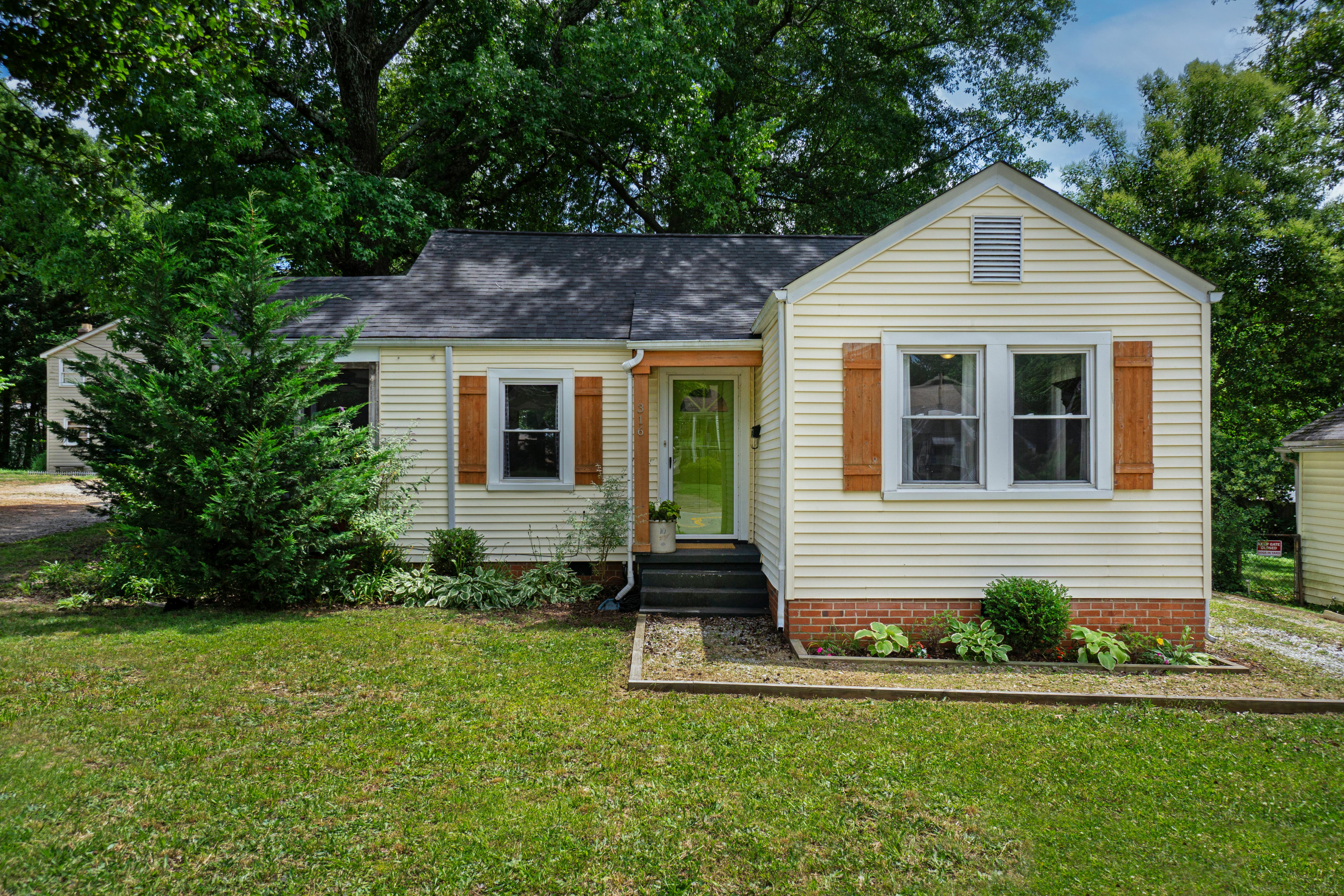
In practice, the technician will spray the EPA‑approved solution into every crack, gap and soil‑to‑concrete interface. The result is a long‑lasting shield that stops millipedes from crossing into your living space, while keeping your family and pets safe.
Step‑by‑Step Treatment Process
When a millipede infestation threatens your Brookhaven home, transparency matters. Our certified technicians follow a proven four‑stage protocol that not only eliminates the current problem but also blocks future invasions. Below is a walk‑through of exactly what you’ll see on the day of service.
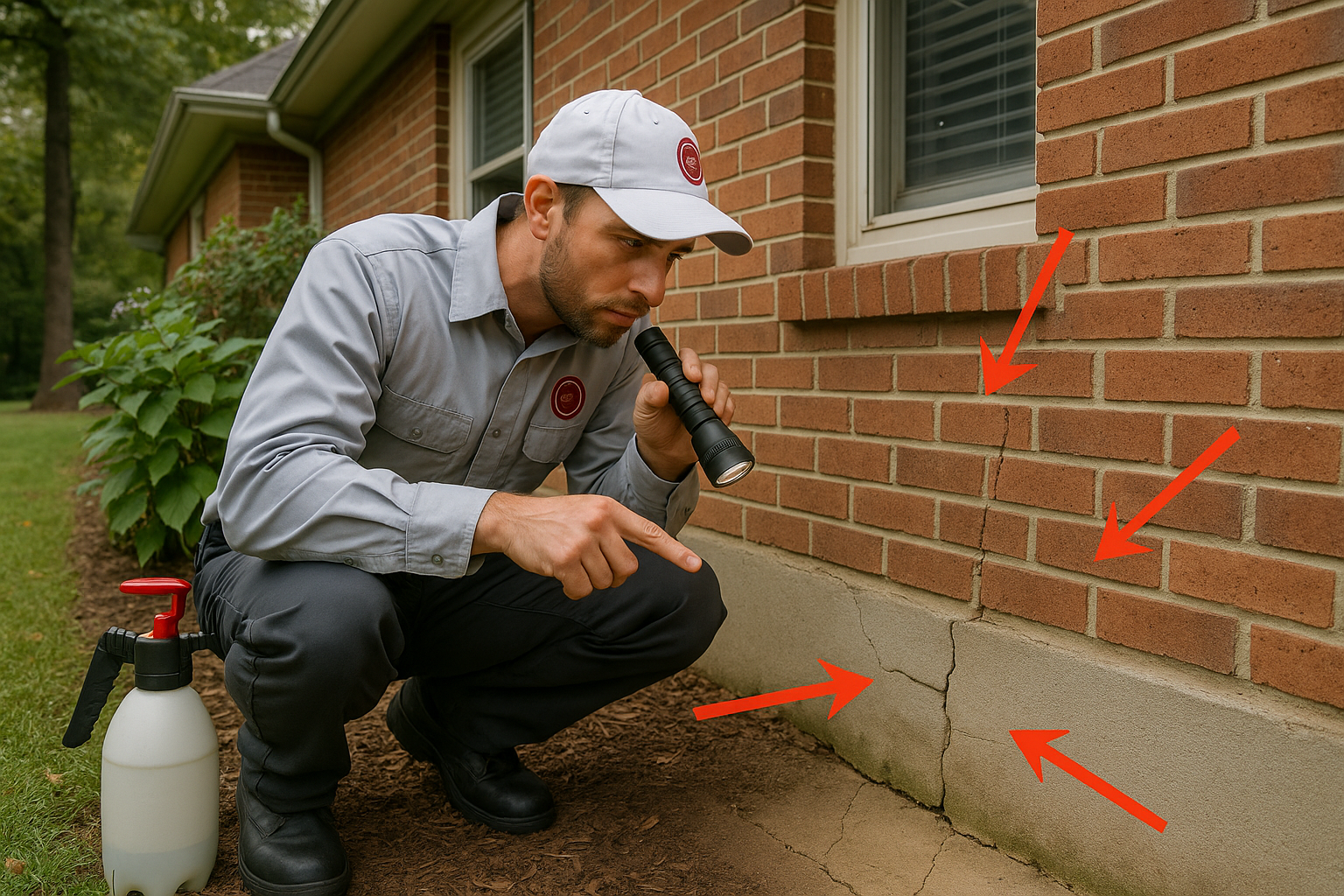
1. Comprehensive Exterior Inspection
Our first step is a meticulous sweep of the property’s perimeter. We locate cracks in the foundation, gaps around door thresholds, and any moisture‑laden areas—common highways for millipedes seeking shelter. Using a handheld moisture meter, we pinpoint damp spots that attract these arthropods, then document each finding on a service map. This visual record guides the precise placement of our treatments.
2. Targeted Barrier Spray
With the inspection data in hand, we apply a thin, continuous barrier of a bifenthrin‑based eco‑formula—an EPA‑registered, low‑toxicity product designed for outdoor use around homes. The spray is directed at the foundation, crawl‑space openings, and all identified entry points. By creating a chemical shield, we interrupt the millipedes’ travel route before they can cross into your living space.
3. Spot Treatment of Interior Entry Points
Even the best exterior barrier can miss a hidden crack. For those interior vulnerabilities, we use granular granules that release the same bifenthrin eco‑formula slowly over time. The granules are placed at door thresholds, window sills, and any interior cracks discovered during the inspection. Because the product is low‑toxicity, it’s safe for pets and children when applied as directed.
4. Post‑Treatment Walkthrough & Homeowner Instructions
After the chemicals settle, we do a final walkthrough with you. We point out treated zones, explain any drying time, and give you a concise care sheet that lists simple steps—like clearing gutters and fixing leaks—to keep the area dry and deter millipedes.
By following this transparent, step‑by‑step process, Anthem Pest Control shows you exactly where we work, why each action matters, and how to keep your home millipede‑free long after we leave.
Homeowner Prevention Strategies
After a successful treatment, the best defense is keeping your home dry and sealed so millipedes have no reason to return. Simple, low‑cost habits can turn your property into an uninviting zone for these moisture‑loving critters.
Reduce Moisture
Start by fixing any dripping gutters, downspouts, or roof leaks. Water pooling near the foundation creates the damp environment millipedes thrive in. Inside, run a dehumidifier in basements and crawl spaces, and use exhaust fans in bathrooms to pull excess humidity out. Even a small reduction in moisture can cut the millipede population by half.
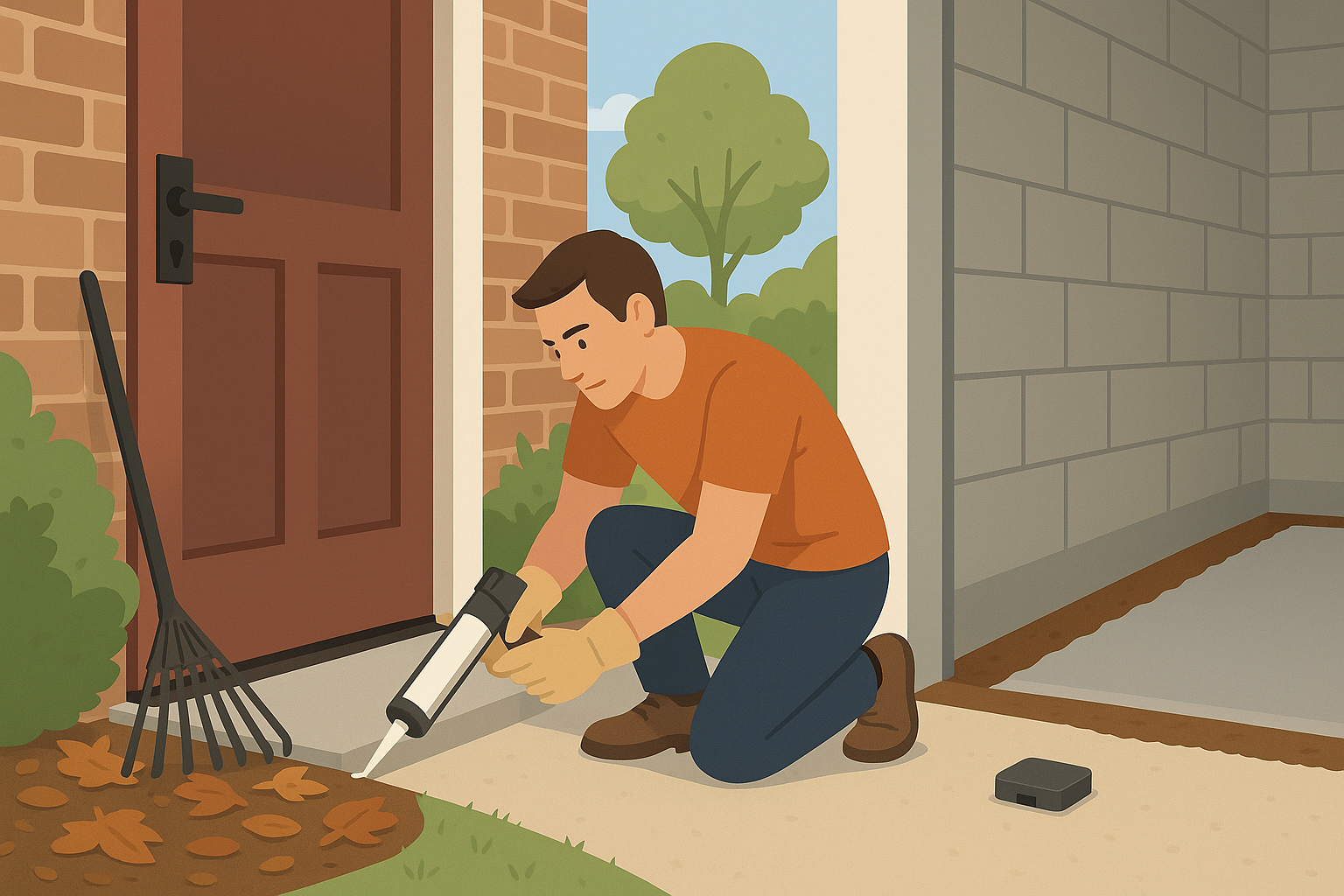
Seal Entry Points
Inspect the exterior for cracks around windows, utility penetrations, and the foundation. A bead of silicone caulk seals these gaps quickly and lasts for years. At ground level, install door sweeps on all exterior doors; they block the tiny openings millipedes use to slip inside. Don’t forget pet doors—most models have a removable screen that can be replaced with a tighter fit.
Landscape Maintenance
Millipedes love to hide in leaf litter and mulch that sits against the house. Keep a clear buffer of at least six inches between any organic material and your foundation. Regularly rake away fallen leaves, prune back overgrown shrubs, and turn compost piles so they stay dry. Proper grading—sloping the soil away from the home—drains water off the siding and reduces the moisture that attracts millipedes.
Deploy Pest Monitors
Sticky traps are inexpensive, passive monitors you can place in kitchens, bathrooms, and garages—areas where millipedes often wander looking for moisture. Position a trap near baseboards or under sinks, then check it weekly. If you start seeing captures, it’s a sign that additional sealing or moisture control is needed before the next seasonal surge.
- Fix leaky gutters and downspouts
- Run a dehumidifier in basements
- Apply silicone caulk to exterior cracks
- Install door sweeps on all exterior doors
- Keep leaf litter and mulch > 6 inches from the foundation
- Trim vegetation away from the house
- Place sticky traps in kitchens, bathrooms, and garages
- Inspect and maintain barriers quarterly
By integrating these habits into your regular home‑maintenance routine, you create multiple barriers that keep millipedes at bay without expensive follow‑up visits. A dry, sealed home is the most reliable long‑term defense.
Safety and Environmental Considerations
When you call Anthem Pest Control, the first thing we think about is your family’s well‑being. All of our millipede treatments are formulated with EPA‑registered, low‑toxicity products that are proven to control pests while posing minimal health risks to humans, children, and pets. These chemicals break down quickly in the environment, so they won’t linger in your yard or home long after the job is done.
After a professional application, we advise a short drying period of 2‑4 hours before anyone re‑enters the treated zones. During this time, the product settles and any residual odor dissipates, ensuring a safe environment for your loved ones. Our technicians will clearly mark the area and let you know when it’s safe to resume normal activity.
Why DIY sprays fall short
Many homeowners reach for over‑the‑counter bug sprays, but these products often contain higher concentrations of harsh chemicals and lack the targeted formulation that a professional service provides. The result is a greater chance of skin irritation, respiratory issues, or accidental exposure to pets. Moreover, DIY applications usually miss hidden entry points, leading to lower overall efficacy and the need for repeated treatments.
Professional services, on the other hand, combine the right product with precise placement and a thorough inspection, delivering consistent control with far less risk. For a detailed look at safety guidelines, see Orkin’s millipede safety guide here.
Choosing a licensed pest‑control provider means you get peace of mind: effective millipede elimination, reduced health hazards, and a treatment plan that respects both your home and the surrounding ecosystem.
Choosing Anthem Pest as Your Local Provider
When a millipede invasion threatens your home in Brook Haven, you need a company that combines legal right‑hand, local knowledge, and a track record you can trust. Anthem Pest is a fully licensed Georgia exterminator with more than 20 years of experience handling the state’s most stubborn pests, including the very millipedes that roam our lawns in early spring.
Why Anthem Pest stands out for Brook Haven homeowners
- Local footprint: Our service area covers Brook Haven, neighboring Woodstock, and the surrounding communities of Roswell, ensuring we understand the region’s seasonal pest patterns.
- 24/7 hotline: Day or night, the line at 877‑371‑8196 connects you directly to a qualified technician who can schedule a free on‑site quote within hours.
- Guarantee of results: We stand behind every treatment with a comprehensive guarantee—if pests return within the warranty period, we’ll return at no extra cost.
- Eco‑friendly product line: Our “Green Shield” formula uses low‑toxicity, pet‑safe ingredients that protect your family while eliminating millipedes and other pests.
Choosing a local provider isn’t just about proximity; it’s about having a partner who knows the terrain, the climate, and the local regulations that affect pest treatment. Anthem Preaties to stay up‑to‑date with the latest Georgia Department of Agriculture requirements, so you never have to worry about outdated or unsafe applications.
From the first phone call to the final inspection, we treat every property as if it were our own. That’s why Brook Haven residents rely on Anthem Pest for a clean, pest‑free home—fast, friendly, and responsibly.
Frequently Asked Questions
Below are quick answers to the most common millipede questions we hear from Brookhaven homeowners.
How often should I schedule treatments?
For most Brookhaven homes, we recommend a quarterly treatment schedule when the property shows high‑risk factors—such as dense landscaping, frequent moisture, or visible entry points. If your home is less prone to millipede activity, a bi‑annual plan (spring and fall) usually keeps the population at bay while fitting a tighter budget.
Can I handle millipedes myself?
DIY methods—like sprinkling diatomaceous earth or setting out traps—can knock down numbers for a short time, but they don’t seal cracks, clear debris, or treat the soil where millipedes thrive. Without addressing those entry points, the insects will return, often in larger numbers. Professional services locate and eliminate the root causes, providing lasting protection.
Are treatments safe for pets?
Yes—our technicians use EPA‑approved products that are formulated to be low‑toxicity for mammals when applied correctly. We always follow the label’s drying time and keep pets away from treated zones until the surface is completely dry. This protocol protects your furry family members while still delivering an effective millipede barrier.
If you need a customized plan, give Anthem Pest Control a call—our experts are ready to help you protect your home.
Protect Your Home with Expert Millipede Control
Winter millipedes often crawl into crawl spaces, basements, and foundation cracks, but Anthem Pest’s targeted program delivers a cost‑effective, low‑toxicity solution that not only eliminates the current intrusion but also creates a lasting barrier, keeping future colonies at bay for months to come.
Give us a call today at 877‑371‑8196 or request a free inspection online at our Brookhaven millipede‑control cost page. Our technicians will assess your property, explain the treatment plan, and provide a transparent quote—no hidden fees.
Scheduling before the next cold snap ensures the barrier is in place before millipedes seek shelter, stopping an infestation before it starts. Early treatment also reduces the amount of product needed, saving you money.
When professionals handle the work, you enjoy true peace of mind—no surprise sightings, no chemical guesswork, and no DIY trial‑and‑error. Our EPA‑approved methods use just enough product to protect your home while keeping pets and children safe.
Visit Anthem Pest Control to lock in your protection now.