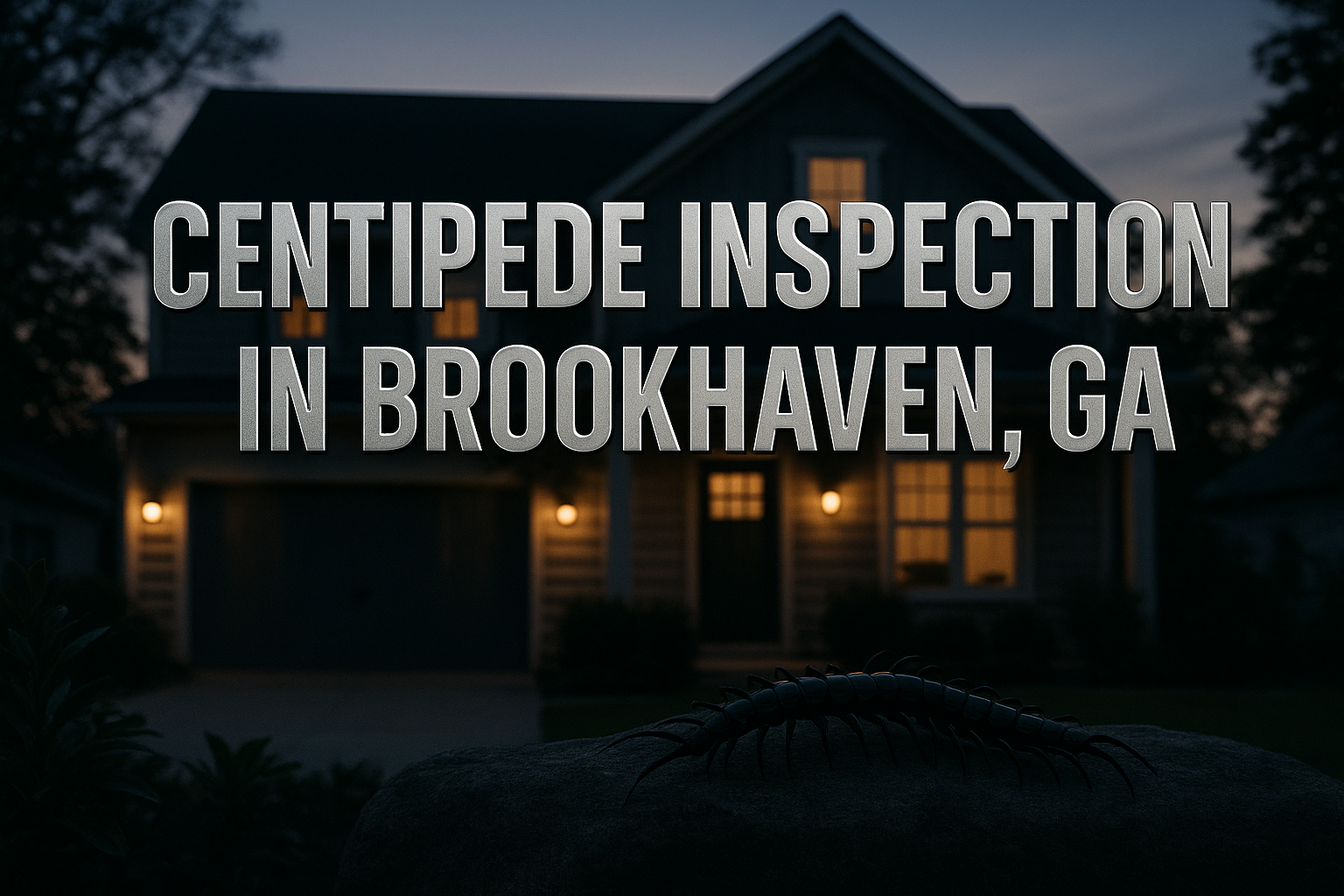
Centipede Inspection Overview for Brookhaven Homeowners
Centipedes are elongated, many-legged arthropods that most people mistake for dangerous insects. In reality, they are nocturnal predators that feed on other household pests—spiders, cockroaches, and even ants. Their swift movements and venomous bite (which feels like a mild pinprick) have earned them a reputation as unwanted intruders, even though they rarely pose a health threat to humans. Homeowners concerned about these pests often schedule a centipede inspection Brookhaven experts recommend to detect infestations early and protect their homes.

Living in Brookhaven means you’re nestled among the rolling pine forests and oak groves that fringe the Atlanta‑metro area. The region’s humid summers, abundant leaf litter, and occasional heavy rains create an ideal environment for centipedes to thrive. Most suburban homes feature crawl spaces, basements, and wood‑frame walls—perfect hideouts for these moisture‑loving critters. Because centipedes slip through tiny cracks and hide in dark, damp corners, they often go unnoticed until they wander into a bedroom or bathroom.
According to the U.S. Environmental Protection Agency, roughly 15 % of homes in the Atlanta area report centipede sightings each year (EPA source). That statistic translates to thousands of Brookhaven households encountering these eight‑legged visitors annually. While a single sighting may seem harmless, repeated encounters can signal excess moisture, structural gaps, or a broader pest imbalance that warrants professional attention.
The purpose of this article is simple: we’ll walk you through what a thorough centipede inspection looks like, highlight the warning signs that tell you it’s time to act, and explain how Anthem Pest can help protect your home. Our step‑by‑step guide will cover the visual checks, moisture assessments, and trap placements that our technicians use to pinpoint activity zones. By the end, you’ll know exactly when to call a pro and what to expect during the service.
Understanding the local conditions that invite centipedes and recognizing the early signs of an infestation are the first steps toward a pest‑free home. Next, we’ll dive into the inspection process itself, showing you how our experts uncover hidden colonies and recommend targeted treatments.
Identifying Common House Centipedes in Brookhaven
Species Spotlight: Scutigera coleoptrata (House Centipede)
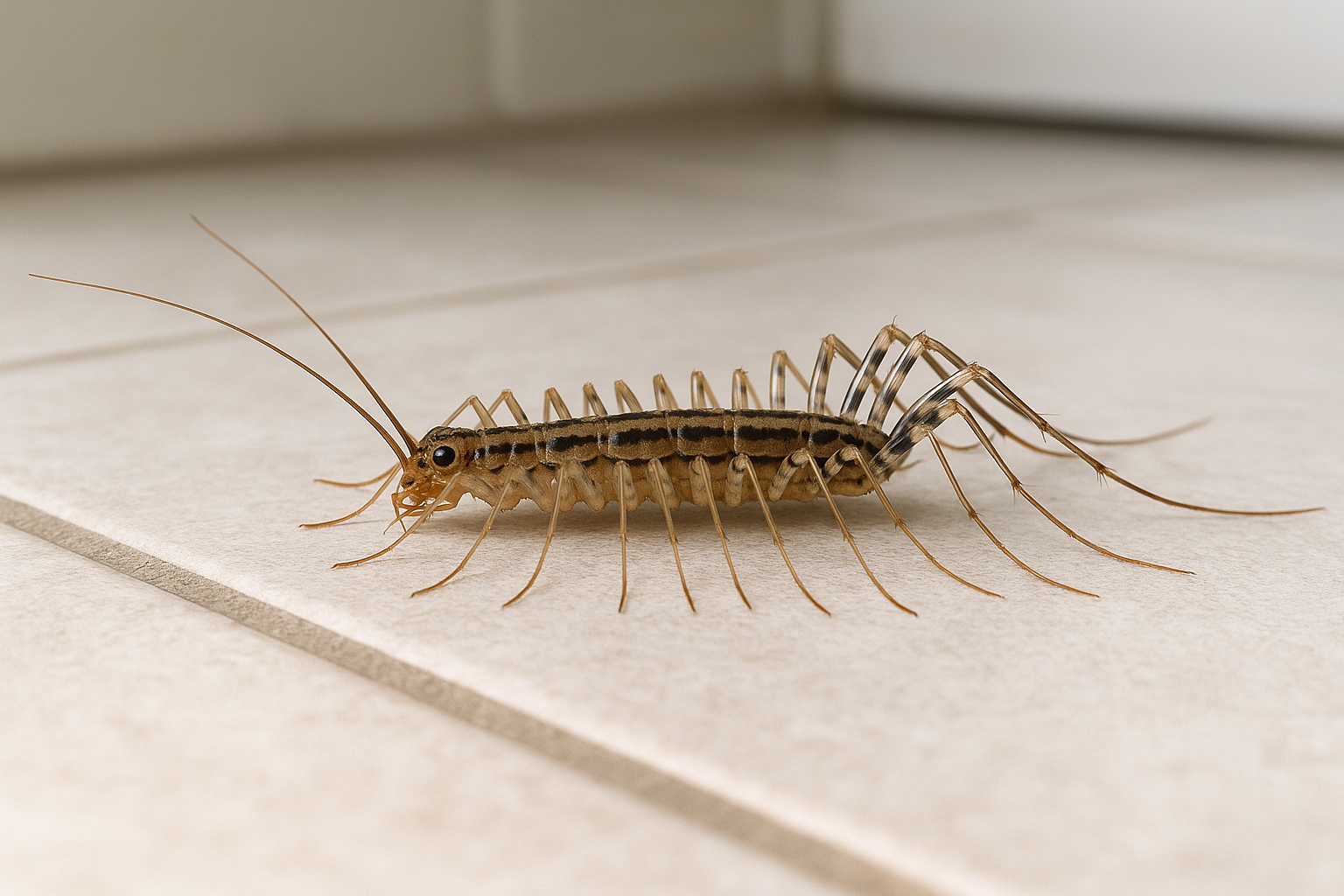
The house centipede, Scutigera coleoptrata, is the most frequently encountered centipede in Georgian homes. Adults measure 2‑3 inches (5‑7 cm) long, with a sleek, amber‑brown body that tapers to a point. Their most striking feature is the 15 pairs of long, delicate legs that fan out from the first three body segments, giving a spider‑like silhouette. Unlike their larger, more intimidating cousins, house centipedes move quickly and are generally harmless to humans.
Quick Identification Checklist
- Size: 2‑3 inches (5‑7 cm) in length.
- Coloration: Light amber to brown, sometimes with faint yellowish stripes on the dorsal side.
- Leg Count: 30 legs total—15 pairs—visible on the first three body segments.
- Habitat: Prefers damp, dark corners such as basements, bathrooms, and crawl spaces.
Why Centipedes Are Drawn Inside
House centipedes are opportunistic hunters, and they seek environments that support both their prey and their own moisture needs. Key attraction factors include:
- Moisture: Leaky pipes, condensation, or high indoor humidity create ideal hunting grounds.
- Foundation Cracks: Gaps in the foundation or around windows serve as entry points.
- Outdoor Lighting: Lights attract insects, which in turn lure centipedes inside.
- Cluttered Spaces: Stacks of cardboard, laundry, or stored items provide shelter and hide prey.
Brookhaven’s Local Relevance
Brookhaven’s humid subtropical climate means indoor humidity often spikes in the summer months, especially after rainstorms. The city’s mature landscaping—lush lawns, ornamental shrubs, and tree canopies—creates a steady supply of insects that house centipedes prey upon. Additionally, many older homes in the area have foundation cracks or older drainage systems, which can inadvertently invite these arthropods inside.
Guidelines from the CDC
The Centers for Disease Control and Prevention (CDC) includes house centipedes in its indoor arthropod monitoring recommendations, noting that while they are not disease vectors, their presence can indicate underlying moisture problems that may attract more harmful pests. For detailed guidance, see the CDC’s indoor arthropod monitoring guidelines.
Signs That Signal You Need a Centipede Inspection
Centipedes are fast-moving, nocturnal hunters that love the damp corners of a home. While most species are harmless, a sudden surge can indicate underlying moisture issues or an infestation that’s about to spread. To address these risks, scheduling a centipede inspection Brookhaven homeowners trust is the best way to identify problems early. Below are the red-flag symptoms every Brookhaven homeowner should watch for.
Typical warning signs
- Nightly sightings – Spotting a centipede on the bedroom floor or bathroom wall after dark is the most common clue.
- Unexplained bites – A mild, pinprick‑like bite that appears after a night’s sleep may be a centipede’s attempt to defend itself.
- Increased indoor humidity – After summer rains, basements and crawl spaces can stay damp, creating an ideal breeding ground.
- Findings during routine maintenance – Discovering centipedes while cleaning gutters, HVAC filters, or under appliances signals that they’ve already taken up residence.
Neighborhood hotspots in Brookhaven
Recent weather data shows three areas where centipede activity has spiked:
- Brookhaven Village – Dense tree canopy and older homes with vintage foundations retain moisture longer.
- North Brookhaven – Newer developments with expansive landscaping often have irrigation systems that can over‑water lawns.
- Medlock Estates – Proximity to the creek makes basements prone to seepage after heavy rains.
Seasonal pattern: rain‑driven spikes
Centipedes thrive when the ground is saturated. Heavy summer thunderstorms raise the water table, pushing moisture into foundations, crawl spaces, and wall voids. As the soil dries, centipedes migrate upward, seeking the dry shelter of homes. This explains why many residents notice a surge in sightings within a week or two after a prolonged rain event.
What the CDC says about indoor pest monitoring
The CDC’s guidance on indoor pest monitoring recommends regular visual inspections, especially in damp areas, and documenting any sightings. Keeping a simple log of when and where you see centipedes helps professionals pinpoint problem zones and choose the most effective treatment plan.
If you recognize any of these signs, it’s time to call Anthem Pest Control. Our Brookhaven team can perform a thorough inspection, identify moisture sources, and implement a targeted solution before the centipedes become a full‑blown infestation.
What a Licensed Technician Does During a Centipede Inspection
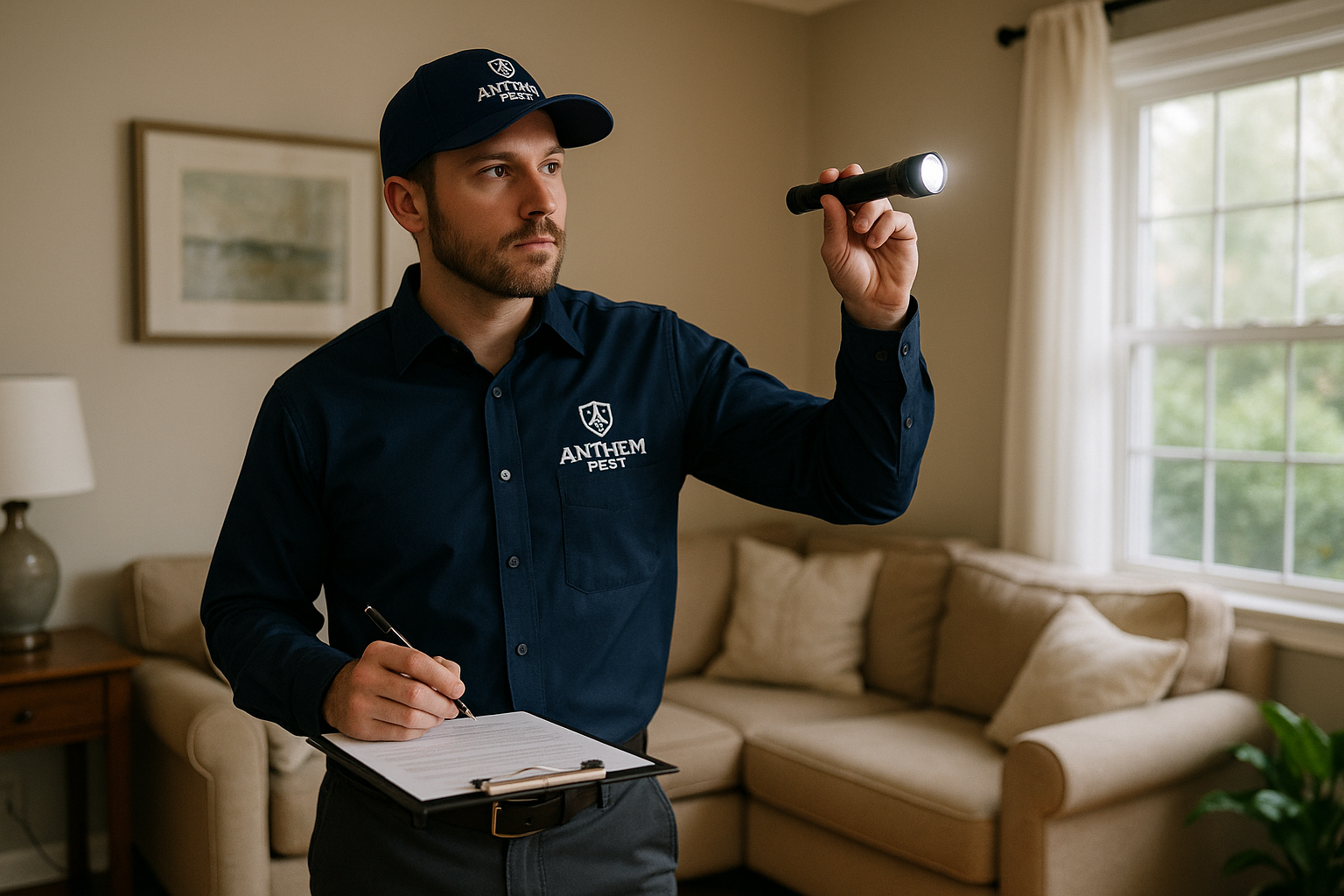
When you call Anthem Pest Control, a licensed technician arrives with more than just a flashlight—he brings a systematic, science‑based approach that turns a vague “bug problem” into a clear action plan. The inspection begins outside your home, because centipedes, like many moisture‑loving pests, first exploit weaknesses in the building envelope.
1. Exterior Assessment
The technician walks the perimeter, checking for foundation cracks, gaps around utility penetrations, and any pooling water that could raise soil moisture. He evaluates drainage slopes, ensures gutters direct water away from the foundation, and notes overgrown vegetation that creates a humid bridge from yard to house. Proper exterior lighting is also inspected, because well‑lit areas deter nocturnal insects that attract centipedes.
2. Interior Walkthrough
Inside, the focus shifts to rooms where moisture accumulates: kitchens, bathrooms, basements, and closets. The technician opens cabinets, lifts appliances, and inspects under sinks for leaks or condensation. In basements, he looks for damp concrete walls, unfinished floors, and any signs of water intrusion. Every potential harborage is examined because centipedes hide in tight, dark crevices close to a water source.
3. Tools of the Trade
To move beyond a visual scan, the technician employs a set of calibrated tools. A high‑intensity flashlight reveals hidden cracks, while a moisture meter quantifies dampness in walls, floors, and wood. Digital cameras capture high‑resolution images of problem spots, creating a visual record that you can review later. These tools give objective data, not just a “gut feeling” about the infestation.
4. Documentation and Reporting
All findings are logged in real time on a tablet. The technician attaches photos, records moisture readings, and tags each location with a brief note. Within minutes, a comprehensive digital report is generated—complete with a map of your home, annotated images, and a prioritized list of recommendations. This report becomes the blueprint for any treatment plan and serves as a reference for future inspections.
5. Why Licensed Expertise Matters
A licensed professional can differentiate a harmless house centipede from a more dangerous arachnid, such as a brown recluse or black widow. Misidentifying a spider as a centipede could lead to an ineffective treatment and unnecessary alarm. Moreover, licensed technicians stay current on state regulations, safety protocols, and the latest low‑impact control products, ensuring that any intervention is both legal and environmentally responsible.
Sample Inspection Checklist
- Exterior foundation cracks sealed
- Proper grading and functional gutters
- Vegetation trimmed at least 12 in away from the house
- Exterior lighting installed and operational
- Moisture readings taken in kitchen, bathroom, basement, and closets
- All sinks, tubs, and appliances inspected for leaks
- Cabinets and closets opened and interior walls checked
- Digital photos captured of each potential harborage
- Actionable recommendations documented with priority level
DIY Checks Compared to Professional Inspections
Many Brookhaven homeowners start with a quick visual scan when they suspect centipedes. It’s natural to reach for a sticky trap, wipe away excess moisture, and hope the problem resolves itself. While these steps can give you a snapshot of activity, they don’t replace the depth of a trained inspector’s assessment.
Typical DIY methods
- Visual scans: Walking through basements, crawl spaces, and bathrooms with a flashlight to spot live centipedes or shed skins.
- Sticky traps: Placing adhesive pads near entry points to catch wandering insects.
- Basic moisture reduction: Using a dehumidifier or fixing obvious leaks to make the environment less inviting.
What professionals bring to the table
A certified pest control technician uses tools that go beyond what’s available at the hardware store. Thermal imaging cameras reveal hidden moisture pockets behind walls, calibrated moisture meters pinpoint exact humidity levels in hard‑to‑reach spaces, and EPA‑registered products ensure safe, effective eradication. These resources let the pro identify not only where centipedes are hiding, but also why they’re thriving.
| Factor | DIY Checks | Professional Inspection |
|---|---|---|
| Cost | Low – mainly the price of traps or a dehumidifier. | Higher upfront fee, but often includes a treatment plan and warranty. |
| Accuracy | Limited to visible areas; hidden infestations can be missed. | High – thermal imaging and moisture sensors locate concealed colonies. |
| Safety | Risk of mishandling chemicals or over‑exposing pets to traps. | Certified technicians follow strict safety protocols and use regulated products. |
| Long‑term effectiveness | Temporary relief; moisture control alone rarely eliminates the source. | Comprehensive treatment plus preventive recommendations for lasting control. |
Three quick DIY actions you can start today
- Reduce moisture: Run a dehumidifier in damp areas, fix leaky pipes, and ensure proper ventilation in bathrooms and basements.
- Seal entry points: Apply caulk around foundation cracks, window frames, and utility penetrations to block the routes centipedes use to enter.
- Apply diatomaceous earth: Sprinkle food‑grade diatomaceous earth along baseboards and under sinks; the powder abrades the insects’ exoskeletons, causing dehydration.
These steps are a solid first line of defense, but they have limits. Moisture control and sealing can slow an infestation, and diatomaceous earth works best in dry conditions. Without the precise detection tools and EPA‑registered treatments a professional brings, you may never know the full extent of the problem, and hidden colonies can rebound quickly. When centipede activity persists after a week of diligent DIY effort, it’s time to call Anthem Pest Control for a thorough inspection and a tailored, long‑lasting solution.
Treatment Methods and Pricing Options
Chemical Barrier Sprays Around the Foundation
Our technicians apply a perimeter‑wide chemical barrier that creates an invisible wall against wandering centipedes. The formulation is designed to stay active for several weeks, even after rain or irrigation. For a typical Brookhaven home, a single treatment runs between $120 and $180. This option is ideal for homeowners who want an immediate, hands‑off shield that protects the exterior of the house and the crawl‑space where centipedes love to hide.
Interior Residual Sprays for Baseboards and Cracks
Centipedes often slip through tiny gaps in baseboards, under cabinets, and behind radiators. Our interior residual spray targets those exact pathways, leaving a lasting residue that kills any centipede that crosses it. Pricing for this focused service falls in the $150‑$220 range per visit, depending on square footage and the number of entry points identified during the inspection. The treatment is quick, low‑odor, and safe for pets when applied by our certified technicians.
Integrated Pest Management (IPM) Plans
IPM is a proactive, year‑round strategy that blends structural sealing, moisture control, and targeted chemical applications. Instead of treating only when you see centipedes, we address the root causes—excess moisture, gaps in siding, and cluttered landscaping—that make your home inviting to these arthropods. An annual IPM contract typically costs $250‑$350. The fee covers quarterly inspections, two interior residual sprays, one full‑home barrier application, and a detailed moisture‑reduction plan tailored to your property.
- Chemical Barrier: $120‑$180 per treatment
- Interior Residual Spray: $150‑$220 per visit
- IPM Annual Plan: $250‑$350
For complete transparency, you can review our detailed pricing breakdown on the Anthem Pest Centipede Control page. Every line item is listed, so you know exactly what you’re paying for before we step onto your property.
Current promotions: We regularly update special offers for Brookhaven residents, such as a free moisture‑assessment add‑on with any IPM sign‑up or a discounted second‑treatment if you schedule within 30 days of your first visit. Check our website or call 877‑371‑8196 for the latest deal.
Cost‑Benefit Example: The average Brookhaven home requires roughly three ad‑hoc treatments per year to keep centipedes at bay, totaling about $540 – $660 in out‑of‑pocket expenses. Switching to an annual IPM plan at $300 saves roughly 30 % while also reducing the likelihood of a centipede invasion altogether. In addition, the preventive measures included in IPM—like sealing cracks and installing dehumidifiers—protect your home from other moisture‑related issues, adding further value.
Seasonal Timing for Centipede Management
Centipedes are most active when the air feels warm and the ground stays moist. In Brookhaven, that window usually stretches from late spring through early fall, aligning with the region’s higher humidity levels. During these months, the insects emerge from their hidden cracks and crevices to hunt for prey, which means you’re more likely to spot their tell‑tale tracks or even see a live specimen scurrying across your foundation.
Why Late Spring to Early Fall Matters
The Southeast experiences a pronounced “rainy season” that begins in May and tapers off by early October. As rain saturates the soil, centipedes find the perfect conditions for movement and reproduction. The NPMA’s 2024 Southeast pest‑trend report confirms that centipede reports in Georgia spike by roughly 45 % between May and September compared with the rest of the year.
Optimal Inspection Windows for Brookhaven Homeowners
- Early May (pre‑rainy season): Catch centipedes before they fully migrate into your home. An inspection now lets you address any cracks, moisture sources, or landscaping issues that could invite them.
- Late September (post‑summer): As the heat wanes, centipedes seek shelter for the cooler months. A second check‑up helps you seal entry points before they settle in for winter.
Scheduling inspections during these two windows gives you a proactive edge. If you notice centipede activity outside these periods, it’s still worth a call—especially after an unexpected rainstorm or a sudden rise in indoor humidity. A timely centipede inspection Brookhaven can help detect hidden infestations before they spread, giving homeowners peace of mind and a pest-free home.
Weather Trends and Centipede Movement
Brookhaven’s climate is characterized by hot, humid summers and mild, damp winters. When daytime temperatures hover between 75 °F and 85 °F and relative humidity stays above 60 %, centipedes become especially mobile. Conversely, a dry spell in late winter can drive them deeper into the soil, making them less visible but still present near foundation walls.
Understanding these patterns helps you anticipate when centipedes are likely to appear and when they’re most vulnerable to treatment. For example, applying a perimeter barrier right after your early‑May inspection can keep moisture out and create a hostile environment for any centipedes trying to cross into your home.
Source: NPMA 2024 Southeast Pest Trends Report
Why Anthem Pest Control Is the Trusted Brookhaven Choice
Deep‑Rooted Local Presence
Anthem isn’t a faceless national chain that drops in once a year; we are a neighborhood partner. All of our technicians are fully licensed in Georgia and live within a short drive of Brookhaven, so they understand the specific housing styles, landscaping trends, and seasonal pest pressures that affect our community. Beyond the badge on their trucks, you’ll see Anthem crew members volunteering at local school fairs, sponsoring the Brookhaven Farmers Market, and attending city council meetings to stay ahead of any new regulations. That everyday involvement translates into faster response times, more accurate diagnoses, and a genuine commitment to keeping Brookhaven homes pest‑free.
Safety‑First Treatment Philosophy
When it comes to pest control, safety isn’t an afterthought—it’s the foundation of every service we deliver. Anthem exclusively uses EPA‑registered products that are formulated for low toxicity while still being lethal to pests. Our technicians complete quarterly training on the latest integrated pest‑management (IPM) techniques, ensuring they apply just the right amount of product in the right place, minimizing exposure to children, pets, and the environment. We also adhere strictly to Georgia’s state regulations on pesticide use, maintaining detailed records for every treatment so you can see exactly what was applied, where, and when.
“[Sample testimonial placeholder – a Brookhaven homeowner praising Anthem’s quick response and thorough service.]
Comprehensive Services You’ve Already Seen
Below is a quick refresher of the full suite of pest‑control solutions Anthem offers to Brookhaven residents, many of which were highlighted earlier in this guide:
- Termite inspections and barrier treatments
- Mosquito suppression and seasonal larvicide applications
- Rodent exclusion, trapping, and sanitation programs
- Bed‑bug detection, heat‑treatment, and ongoing monitoring
- General pest management for ants, cockroaches, spiders, centipedes, and other common household invaders
Ready for a Free, No‑Obligation Quote?
Give us a call at 877‑371‑8196 or visit anthempest.com to schedule your inspection. Our licensed Georgia technicians will assess your home, explain the treatment plan in plain language, and provide a transparent price—so you can make an informed decision with confidence.
Frequently Asked Questions About Centipedes
Are house centipedes dangerous?
House centipedes (Scutigera coleoptrata) are generally harmless to people. Their venom is weak enough that a bite feels like a mild pinprick and rarely causes more than localized redness or itching. In fact, they are beneficial predators that hunt flies, moths, spiders, and other insects that can become nuisance pests. While they move quickly and look intimidating, they do not pose a health threat to most homeowners.
How long does a treatment last?
Professional centipede control typically involves two types of applications. A residual interior spray creates a protective barrier on baseboards, cracks, and voids, remaining effective for 4‑6 weeks under normal household conditions. For longer‑term protection, a perimeter or “barrier” spray is applied around the foundation, siding, and crawl‑space entry points; this can suppress centipede activity for up to 12 months. Re‑treatment schedules are customized based on moisture levels, infestation severity, and seasonal activity.
Can I prevent centipedes without chemicals?
Yes. Centipedes thrive in damp, cluttered environments, so moisture control is the most powerful non‑chemical strategy. Fix leaky pipes, use dehumidifiers in basements, and ensure proper drainage away from the home’s foundation. Keep firewood, leaf piles, and stored boxes away from exterior walls, and trim vegetation so it does not touch the siding. Regular vacuuming and sealing cracks also removes hiding places and food sources, making your home less inviting to these nocturnal hunters.
What if I’m allergic to centipede bites?
Allergic reactions to centipede bites are uncommon, but they can occur. If you notice swelling, hives, difficulty breathing, or other systemic symptoms after a bite, seek medical attention immediately. Even without an allergy, a bite that becomes infected or remains painful should be evaluated by a healthcare professional. Prompt professional pest treatment is advisable to reduce the likelihood of further bites and to address any underlying infestation that may be contributing to the problem.
Take Action with Anthem Pest Control Today
Living in Brookhaven means enjoying beautiful neighborhoods, but the region’s warm, humid climate also invites centipedes and other unwelcome guests. A prompt, thorough inspection catches infestations before they spread, protecting your family’s health, preserving structural integrity, and saving you from costly emergency treatments later.
Professional treatment goes beyond a quick spray; certified technicians identify entry points, assess moisture levels, and tailor an integrated plan that eliminates current pests while preventing future invasions. Early action means fewer chemicals, less disruption, and peace of mind throughout the year.
Anthem Pest Control brings that level of expertise right to Brookhaven. Our locally based team knows the area’s unique pest pressures and uses proven, EPA‑approved methods that are safe for children and pets. With transparent, upfront pricing and no hidden fees, you know exactly what you’re paying for before any work begins.
We’re not here to pressure you—just to make protection easy. If you’ve noticed centipede sightings, unexplained bites, or simply want a proactive safeguard, request a free, no‑obligation quote. Our friendly specialists will walk you through the inspection process and answer every question you have.
Call us today at 877-371-8196 or visit our website to schedule your centipede inspection Brookhaven homeowners trust. Our team typically responds within 24 hours, ensuring you’re not left waiting during a pest surge.