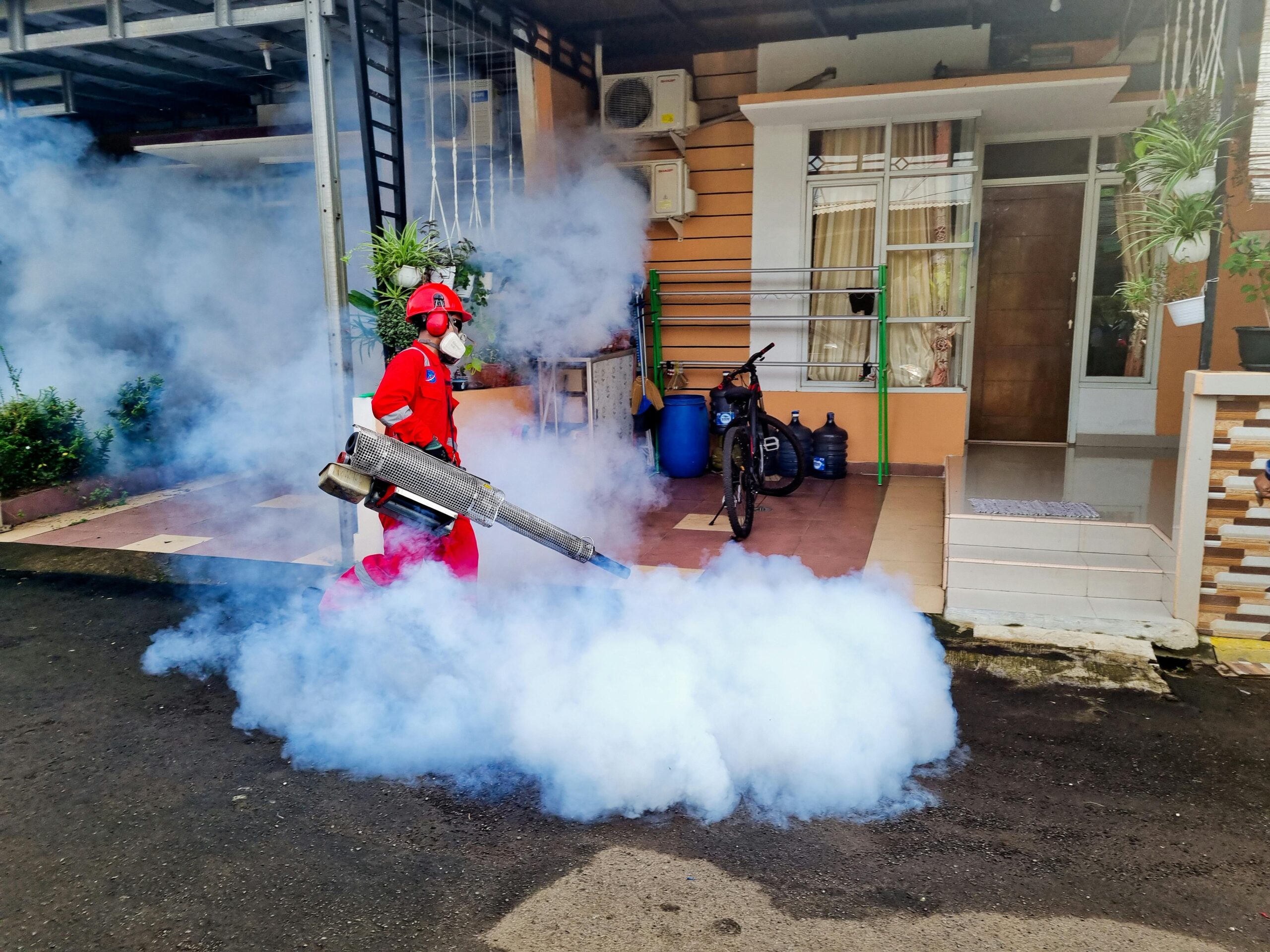
Recognizing Early Termite Signs in Austin Homes

Imagine stepping onto your front porch on a breezy Austin evening and spotting a thin, pencil‑thin line of mud snaking up the foundation of your suburban home. You lean in, brush away a few grains, and realize those are not garden debris—they’re the telltale mud tubes that subterranean termites use to travel between the soil and the wood they’re quietly devouring. That moment of discovery can feel like a warning bell, and it’s exactly why paying attention to these early clues matters.
Termites may be small, but the damage they cause is anything but. Untreated colonies can compromise structural beams, weaken floor joists, and even jeopardize the integrity of load‑bearing walls. Beyond the safety risk, the financial hit can be staggering: homeowners often face thousands of dollars in repairs, plus the emotional stress of living in a home that’s silently deteriorating. In extreme cases, compromised structures may require major reconstruction, threatening both family safety and long‑term property value.
The U.S. Environmental Protection Agency estimates that pest‑related damage, including termites, costs American homeowners billions of dollars each year. EPA data underscores how pervasive the problem is and why proactive monitoring should be a standard part of home maintenance.
Detecting termite activity early can dramatically reduce treatment expenses and protect your home’s resale value. A small, localized treatment applied before a colony spreads is far less invasive—and far cheaper—than the extensive fumigation or structural repairs required after extensive damage has occurred. Early action also means you can keep your family safe from potential hazards associated with weakened support beams.
In the sections that follow, we’ll walk you through how to identify the most common signs of infestation, understand seasonal activity patterns in Central Texas, implement effective prevention strategies, choose the right professional treatment, and answer the FAQs most Austin homeowners ask. We’ll also point you toward local resources and next steps, so you can feel confident protecting your home from these silent destroyers.
How Austin’s Climate Fuels Termite Infestations
Living in Austin means enjoying long, sunny days—but those same conditions create a perfect breeding ground for termites. The city’s hot, humid summers accelerate the insects’ metabolism, turning ordinary wooden structures into all‑you‑can‑eat buffets. Recognizing the visual clues early can save you from costly damage, especially when the weather is working in the pests’ favor.
What to Look For
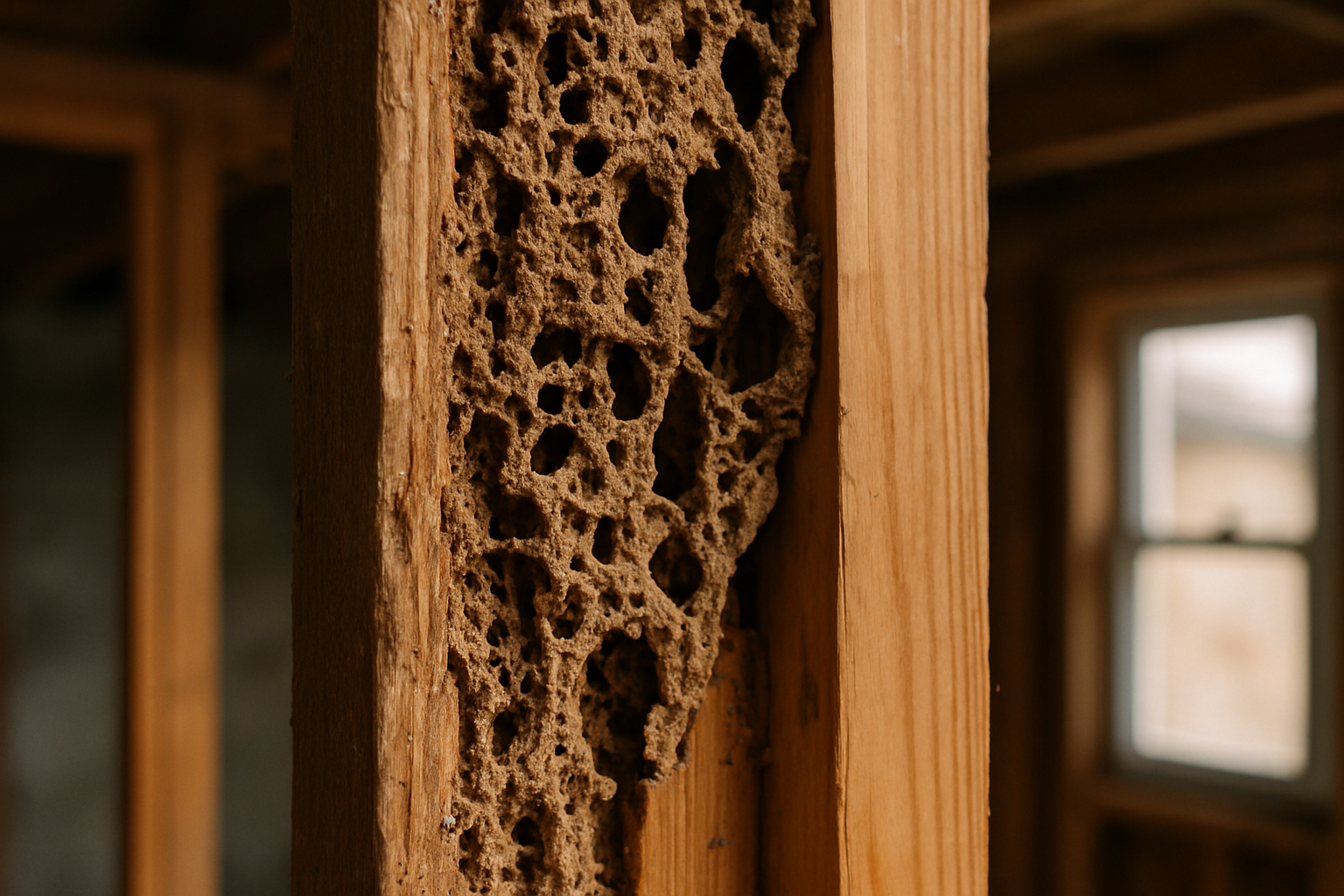
Mud tubes – Thin, pencil‑shaped tunnels made of soil and saliva that connect the colony in the soil to food sources inside your home. They often cling to foundation walls, crawl spaces, or the underside of decks.
Hollow‑sounding wood – Tap a suspect piece of lumber; if it sounds like a drum rather than solid wood, termites have likely hollowed it out from the inside.
Discarded wings – After a swarm, winged termites (alates) shed their wings in a neat, paper‑like pile near windows, light fixtures, or outdoor entry points.
Frass piles – Small, pellet‑shaped droppings that resemble sawdust or sand, often found near mud tubes or in hidden corners.
Quick Visual Checklist
| Location | Typical Signs |
|---|---|
| Indoor | – Mud tubes on interior walls or in basements – Hollow‑sounding wood in doors, window frames, or flooring – Frass in hidden corners or behind appliances – Discarded wings near light sources |
| Outdoor | – Mud tubes climbing foundation or siding – Soil tunnels around decks, porches, and irrigation lines – Damaged or soft wooden siding and railings – Frass piles near soil contact points |
Why Austin’s Weather Is a Termite Magnet
According to NOAA, Austin’s average summer temperature hovers around 95 °F with relative humidity near 70 %. These numbers aren’t just uncomfortable for people; they keep the soil and wood in a state of perpetual moisture, which termites love. Warmth speeds up the insects’ digestion, while humidity prevents the wood from drying out, allowing colonies to feed continuously without pause.
In such an environment, a single colony can double in size every few weeks. The constant supply of moisture also softens wood fibers, making it easier for termites to tunnel and expand their galleries.
Peak Activity Timing
The combination of heat and moisture pushes termite activity to its zenith from late spring through early fall, with a noticeable spike in July and August. After summer rainstorms, the soil’s moisture level spikes, prompting swarming alates to emerge in search of new homes. Homeowners who notice any of the visual signs during this window should act quickly—delaying treatment lets the colony grow exponentially.
Seasonal Timing and Termite Life Cycle in Austin
Understanding the termite life stages
In Central Texas the most common pest is the subterranean dry‑wood termite (Reticulitermes spp.). Its development follows five recognizable stages: egg, nymph, worker, soldier and reproductive (king or queen). Eggs hatch in 2‑3 weeks under the warm, humid soil found around Austin homes. Nymphs remain in the nest for another 4‑6 weeks, molting several times before they specialize as either workers or soldiers. Workers, which make up roughly 80 % of the colony, live 2‑3 years and are responsible for foraging, feeding the queen and expanding tunnels. Soldiers develop a larger head and mandibles and typically survive 1‑2 years, acting as the colony’s defenders. The reproductive pair can live 5‑10 years, producing thousands of eggs each season. Austin’s mild winters and hot summers compress these timelines, allowing colonies to grow rapidly once temperatures consistently exceed 70 °F.
Month‑by‑month risk calendar
| Month | Risk Level | Typical Activity |
|---|---|---|
| January | Low | Colony largely dormant, minimal foraging. |
| February | Low | Gradual increase as soil warms. |
| March | Moderate | First major foraging surge. |
| April | High | Rapid expansion of tunnels. |
| May | High | Peak reproductive output. |
| June | High | Maximum worker activity, most damage. |
| July | High | Continued foraging, heat‑stress limits soldier activity. |
| August | Moderate | Activity tapers as soil dries. |
| September | Low | Colony retreats, moisture drops. |
| October | Low | Cooler soil slows growth. |
| November | Low | Colony enters winter stasis. |
| December | Low | Minimal movement, focus on survival. |
Why the timing matters – CDC perspective
The Centers for Disease Control and Prevention notes that “prompt, season‑appropriate control of vector insects reduces the risk of disease transmission and limits population rebounds.” While termites are not disease vectors, the same principle applies: intervening during low‑activity periods prevents a rapid resurgence when the colony re‑enters its growth phase. Ignoring the seasonal window can allow a small, undetected colony to explode into a costly infestation by late spring.
Optimizing treatment windows
Targeting the low‑activity months—typically November through February—gives professionals a chance to place bait stations or apply termiticides when termites are less dispersed. Treatments applied during these cooler months penetrate the nest more effectively, require fewer chemical applications, and lower overall exposure for occupants and pets. By aligning service schedules with the calendar above, homeowners can protect their homes while keeping costs and chemical use to a minimum.
Anthem Pest’s Treatment Options for Austin Termites
When a homeowner in Austin calls Anthem Pest, the first thing our certified technician does is a thorough, on‑site inspection. We treat every property as a unique case, mapping out wood-to‑soil contact, moisture pockets, and any existing damage. This risk assessment not only identifies active infestations but also pinpoints vulnerable entry points that could invite termites in the future.
Step‑by‑step inspection and risk assessment
- Exterior walk‑around: We examine the foundation, crawl spaces, and landscaping for signs of mud tubes, damaged wood, or excessive moisture.
- Interior visual check: Attic, basement, and ground‑level rooms are inspected for hollow‑sounding wood, frass (termite droppings), or blistered paint.
- Moisture meter reading: Areas with elevated humidity are logged, because termites thrive in damp environments.
- Wood sampling: If needed, we remove a small core of suspect wood for laboratory analysis to confirm termite activity.
- Risk report delivery: Within 24 hours you receive a detailed report outlining findings, risk level, and recommended treatment pathways.
Chemical Barrier Treatments
Our most common solution is a liquid termiticide applied around the foundation and beneath slabs. The barrier creates a toxic wall that termites cannot cross without dying. Anthem uses EPA‑approved products that have been tested for long‑term residual activity, often protecting a home for up to five years with a single application.
Termite Baiting Systems
For homeowners who prefer a less invasive approach, we install discreet bait stations in the yard and along interior perimeters. Each station contains cellulose material laced with a slow‑acting growth regulator. Worker termites feed the colony, spreading the agent and eventually collapsing the population from within. Bait stations are monitored quarterly, allowing us to adjust placement or replace stations as needed.
Eco‑friendly Botanical Options
Anthem also offers botanical termiticides derived from neem oil and other plant‑based extracts. While these options may require more frequent re‑applications (typically every 12 months), they provide a low‑toxicity alternative for families with pets, children, or a strong preference for green solutions. Our botanical treatments are still EPA‑registered and meet all local regulatory standards.
Integrated Pest Management (IPM)
IPM combines the best of chemical, baiting, and cultural controls. After the initial inspection, we develop a customized plan that may include moisture reduction, wood replacement, and regular monitoring. By addressing the underlying conditions that attract termites, IPM reduces the need for repeat chemical applications and promotes long‑term structural health.
Transparent Pricing for Austin Homeowners
Anthem Pest believes you shouldn’t have to guess the cost of protection. A single‑visit termite inspection runs between $120 – $250, depending on property size and accessibility. Full‑service treatments—whether a chemical barrier, baiting system, or botanical program—typically fall in the range of $350 – $700. All quotes include a written report, a detailed treatment plan, and a warranty that outlines what’s covered for the duration of the service.
Safety Credentials You Can Trust
Every technician on our Austin team holds state‑approved certifications and completes annual training on the latest EPA‑registered products. Our treatments comply with the Texas Department of Agriculture’s regulations, ensuring that applications are both effective and safe for occupants and the environment. We also provide Material Safety Data Sheets (MSDS) upon request, so you can see exactly what’s being used in your home.
“Anthem came out the same day I called, identified the termite activity within an hour, and had the treatment finished before dinner. The crew was professional, the house felt safe right away, and the price matched what they promised. Highly recommend!” – Emily R., Austin, TX
Frequently Asked Questions About Termite Control
Below are the most common questions homeowners ask after a termite inspection, and how Anthem Pest addresses each concern.
How quickly will I see results?
Most homeowners notice a reduction in termite activity within 1‑3 weeks after our treatment is applied. The exact timeline depends on the size of the colony and the type of product used. Small, localized colonies often show signs of decline in as little as seven days, while larger infestations may take up to three weeks for the bait or barrier to fully disrupt the workers and queen.
Are the treatments safe for pets and children?
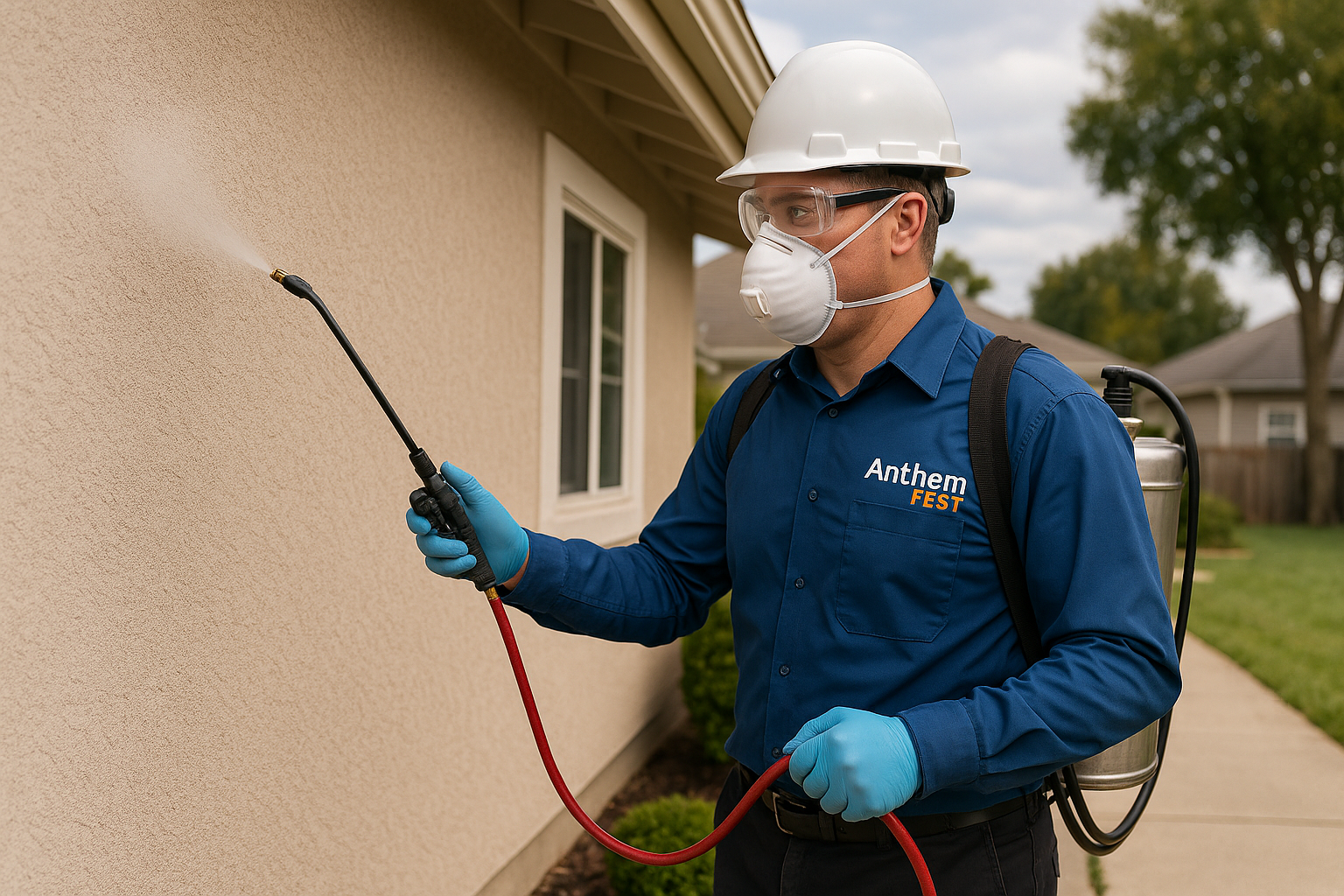
Absolutely. Anthem Pest only uses EPA‑approved, low‑toxicity products that meet strict safety standards. Our technicians follow EPA guidelines for application, ensuring that any residue left behind is well below harmful levels. After the recommended ventilation period—usually 30 minutes to an hour—the treated area is safe for pets, children, and even food preparation.
What warranty or guarantee does Anthem Pest provide?
We stand behind our work with a 2‑year service guarantee. If termites reappear within that period, we’ll return at no extra charge to re‑treat the affected zones. The guarantee also includes two complimentary follow‑up inspections, one at three months and another at twelve months, to verify that the colony remains under control.
Do you offer financing or discounts?
Yes. To make termite protection more affordable, Anthem Pest provides flexible financing plans through a trusted third‑party partner—no interest for up to 12 months on qualified accounts. We also run seasonal discounts, typically 10‑15 % off during the spring and fall when termite activity spikes. Call us or visit our website to see the current promotions.
These options help you protect your home without straining your budget, ensuring peace of mind year‑round.
Local Austin Regulations and Resources
In Austin, any contractor who treats termites must hold a valid pest‑control license issued by the City of Austin’s Environmental Health Division. The license confirms that technicians have completed the state‑required training, passed a background check, and maintain liability insurance. This licensing framework protects homeowners by ensuring that only qualified professionals apply termiticides and conduct inspections.
Austin Health Department Alerts
The Austin‑Health Department regularly posts seasonal pest alerts and treatment‑timing recommendations on its website. Homeowners can subscribe to receive real‑time notifications about emerging termite activity, weather‑related spikes, and safe‑practice guidelines. Visit the Austin Health Department alerts page for the latest updates. The archive also lets you review past alerts to spot long‑term trends.
Anthem Pest’s Commitment to Compliance
Anthem Pest operates fully within Austin’s licensing requirements. Our technicians are city‑licensed, insured, and continuously trained on the newest Integrated Pest Management (IPM) protocols. If you need a termite inspection or treatment, reach us at 877‑371‑8196 or schedule online at anthempest.com. For a visual of our service area, consult our service‑area map, which highlights all neighborhoods we cover in Austin.
Additional State Resources
The Texas Department of Agriculture (TDA) offers comprehensive pest‑management guidelines that complement city regulations. Their publications cover best‑practice treatment schedules, approved chemical products, and homeowner rights. Access the TDA’s resources here: Texas Department of Agriculture – Pest Management. Reviewing both municipal and state guidance helps you stay informed and confident in your pest‑control decisions. For specific queries, you can email the TDA’s pest‑help desk directly.
Take the Next Step – Free Termite Inspection
Let’s quickly revisit the most important points you’ve learned about protecting your home from termites. Early detection is your strongest defense—spotting subtle signs like mud tubes, hollow‑sounding wood, or swarms can stop an infestation before it spreads. Timing matters, too; spring and early summer provide the ideal window for inspections because termites are most active and visible.
While DIY prevention—such as reducing moisture, sealing cracks, and keeping wood away from soil—helps, it can’t replace the thoroughness of a professional assessment. Licensed technicians bring specialized tools, knowledge of local species, and treatment options that are both safe and effective. When a problem is caught early, treatment costs stay low and the risk to your family’s health and your property value stays minimal.
Now is the moment to act. A single inspection can give you peace of mind and a customized plan that fits your budget. Contact Anthem Pest today for a complimentary inspection and personalized plan. Call us at 877‑371‑8196 or visit our website to schedule your free visit. By securing a professional inspection now, you safeguard both the structural integrity of your home and the wellbeing of your family for years to come.