The Hidden Cost of Untreated Pest Infestations
According to the U.S. Environmental Protection Agency, homeowners who ignore pest invasions can face between $2,500 and $5,000 in structural damage each year. That figure includes hidden expenses such as weakened foundations, compromised insulation, and costly repairs to wiring or plumbing that pests chew through. Those numbers aren’t just statistics—they’re real bills that can cripple a family budget.
Early detection isn’t a luxury; it’s a safeguard for both property value and family health. A single termite colony can silently erode wooden beams, dropping a home’s market price by up to 15 percent before the damage is even visible. Meanwhile, rodents and cockroaches spread allergens and pathogens that trigger asthma attacks and food‑borne illnesses, turning a minor nuisance into a medical expense. Additionally, infestations can increase energy bills as insects compromise insulation and sealants, forcing HVAC systems to work harder.
That’s why this guide exists—to arm you with the knowledge you need to spot, prevent, and eliminate the most common household pests before they become costly invaders. We’ll break down the warning signs, explain the life cycles that make timing critical, and walk you through proven treatment options that fit a homeowner’s budget.
Anthem Pest Control brings that expertise to every corner of the United States, from bustling suburbs to rural townships. Our technicians follow EPA‑approved, low‑toxicity protocols, ensuring that treatments protect your family, pets, and the environment while staying affordable. Transparent pricing means you’ll never face surprise fees—just a clear plan to keep your home pest‑free. Our nationwide network means a local technician will arrive within 24 hours, ready to assess and act.
In the sections that follow you’ll learn how to identify the six most troublesome pests, understand seasonal patterns that dictate when infestations spike, and discover practical prevention steps you can implement today. We’ll also compare treatment methods, guide you in choosing a reliable provider, answer the most common FAQs, and finally point you toward the next step—getting professional help when you need it.
Know Your Enemy – Top 5 Common Household Pests
Ants
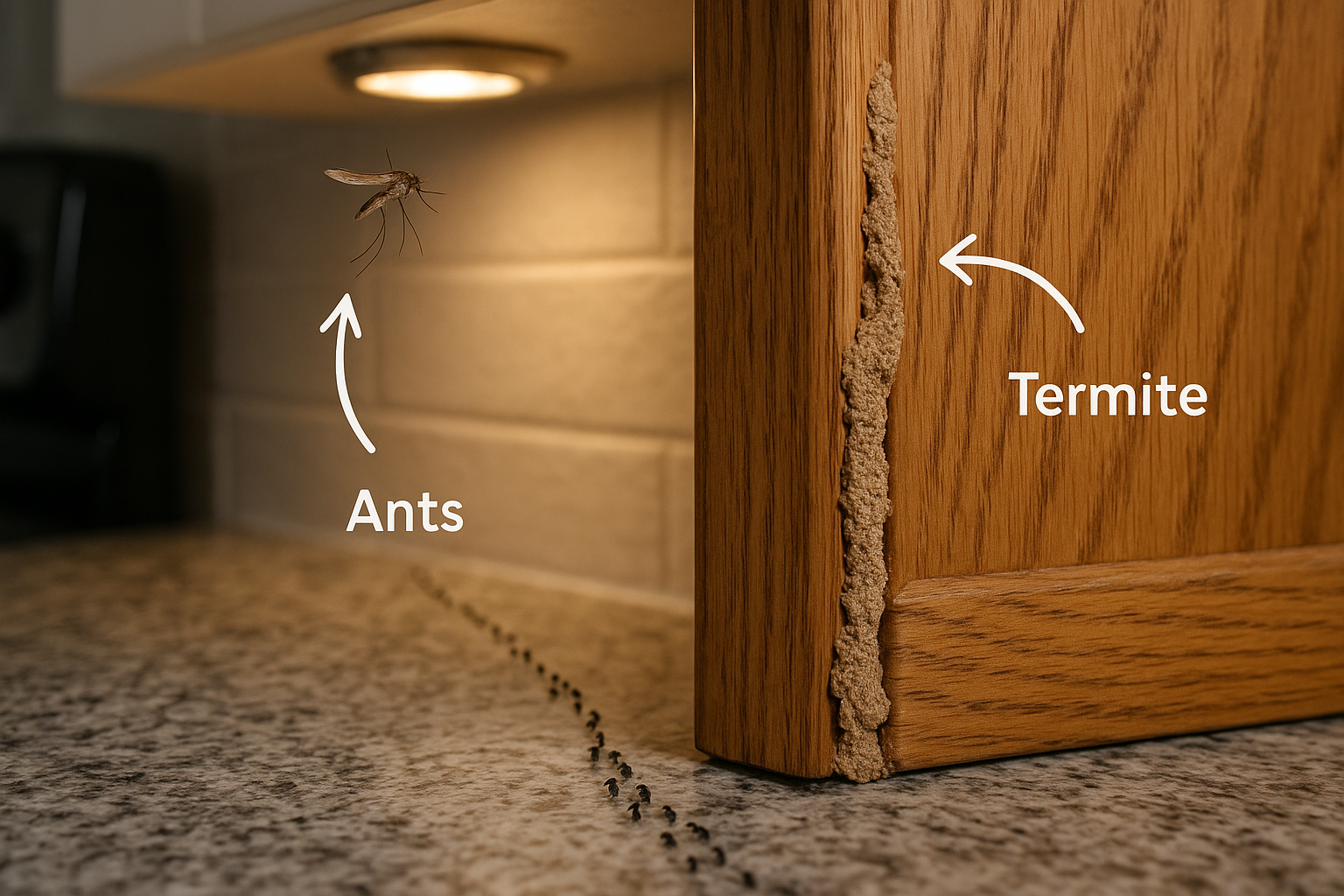
Ants are small, segmented insects ranging from 2 mm to 12 mm, often black, brown, or reddish. They slip in through cracks around windows, doors, and utility lines, leaving a faint, oily trail that guides more workers inside. Look for tiny droppings—tiny black specks resembling pepper—near kitchen counters, and occasional bite marks that appear as itchy red bumps. Early detection of ant trails can prevent a colony from establishing a permanent nest.
Rodents (Rats & Mice)
Rats and mice are nocturnal gnawers that exploit any gap larger than a quarter‑inch. Their tell‑tale signs include paired gnaw marks on wood, plastic, or wiring, and dark, rice‑shaped droppings that accumulate in cupboards, attics, or behind appliances. You may also hear scratching or scurrying sounds late at night, especially within walls or ceiling voids. Spotting these clues early helps you avoid structural damage and the health risks associated with rodent‑borne pathogens.
Termites
Subterranean termites work silently inside wood, leaving behind mud tubes—smooth, pencil‑thin tunnels that cling to foundations and crawl spaces. Inside walls, you might hear a faint hollow tapping when you knock on a floorboard, a classic sign of active colonies. Look for small piles of discarded wings near windows and a steady loss of wood thickness, which can eventually compromise structural integrity. Because damage is hidden, early visual clues are crucial for timely treatment.
Mosquitoes
Female mosquitoes lay eggs in standing water—birdbaths, clogged gutters, or even a forgotten plant saucer. Adult mosquitoes hover near indoor lights at dusk, and their bites appear as itchy, raised welts in a line or cluster, often on exposed ankles and wrists. Beyond the nuisance, the CDC estimates roughly
When Pests Strike – Seasonal Patterns Across the U.S.
Just like the weather, pest activity follows a predictable calendar. Knowing which critters are most active in each season helps you stay one step ahead and plan treatments before an infestation takes hold. Below is a quick rundown of what to expect, plus a handy reference table for the most common household pests.
Spring: Ants Emerging & Termite Swarms
As soil thaws, ant colonies send out foragers in search of food and water, often marching along foundation walls and entryways. At the same time, mature termite colonies release winged alates—commonly called “swarmers”—to start new families. Homeowners should watch for ant trails near windows and for the tell‑tale dust‑like piles of discarded termite wings on light fixtures.
Summer: Mosquito Proliferation & Fly Activity
Warm temperatures and standing water create ideal breeding grounds for mosquitoes, especially in humid regions. Expect a noticeable rise in bites after dusk. Flies, particularly house flies and fruit flies, also thrive in the heat, drawn to exposed food and garbage. Keeping gutters clean and eliminating stagnant water are simple, yet effective, preventive steps.
Fall: Rodents Seeking Indoor Shelter
When the nights grow cooler, mice and rats look for warmth and a steady food supply inside homes. They often enter through small cracks around utility lines, vents, or foundation gaps. Signs include gnaw marks, droppings, and the faint sound of scurrying in walls or attics. Early sealing of entry points can stop a problem before it becomes a full‑blown infestation.
Winter: Cockroaches Moving Indoors for Warmth
Cold weather forces cockroaches that have been living outdoors to migrate indoors where heat and food are plentiful. You may notice them in kitchens, basements, or utility rooms, especially near plumbing leaks. Maintaining a dry environment and regular sanitation reduces the allure for these resilient pests.
Regional snapshots: In Texas, the July heat fuels a dramatic spike in mosquito populations, making outdoor evenings particularly uncomfortable. Meanwhile, New England homeowners often see a surge of rodents in October as squirrels and rats retreat from the cooling forests into attics and crawl spaces.
| Pest | Peak Season | Primary Control Tip |
|---|---|---|
| Ants | Spring | Seal entry points; treat trails with bait stations. |
| Termites (Swarmers) | Spring | Schedule a professional inspection; apply barrier treatments. |
| Mosquitoes | Summer | Eliminate standing water; use EPA‑approved larvicides. |
| Flies | Summer | Keep trash sealed; install screen doors. |
| Rodents | Fall | Block gaps < ¼ in.; set snap traps or bait stations. |
| Cockroaches | Winter | Fix leaks; use gel baits in cabinets and behind appliances. |
For a detailed, EPA‑validated view of seasonal pest trends, consult the EPA’s seasonal pest activity chart. Understanding these patterns lets you act proactively, keeping your home comfortable year‑round.
Proactive Protection – DIY and Professional Prevention
Keeping pests out of your home doesn’t have to be a constant battle of chemicals and emergency calls. A solid preventive routine—combined with the right professional barrier—can stop infestations before they start, saving you time, stress, and money. Below are the most effective, cost‑efficient steps you can take right now, plus a clear picture of what professional services add to the mix.
Home Maintenance: Seal the Gaps
- Seal cracks and gaps around windows, foundations, and utility penetrations with silicone or expanding foam. Even a ¼‑inch opening is a welcome invitation for ants, roaches, and rodents.
- Repair leaking pipes and roof leaks promptly. Moisture attracts termites, carpenter ants, and cockroaches, turning a small drip into a major infestation.
- Install door sweeps on all exterior doors. A simple brush or rubber sweep blocks entry points for ants and spiders while improving energy efficiency.
- Dispose of waste properly. Use sealed trash cans and keep compost bins away from the house to eliminate food sources.
Landscape Management: Create a Dry, Uninviting Perimeter
- Trim trees, shrubs, and vines at least 2 feet from the foundation. Overhanging branches act as highways for insects and rodents.
- Eliminate standing water by grading soil away from the house, fixing gutter downspouts, and using rain barrels with tight lids. Mosquitoes and termites thrive in damp conditions.
- Manage mulch depth—keep it under 2 inches and at least a few inches away from the foundation. Excessive, wet mulch is a perfect breeding ground for ants and beetles.
Food Storage Practices: Remove the Buffet for Pests
- Store pantry items in airtight containers made of glass or heavy‑wall plastic. This blocks ants, beetles, and pantry moths.
- Wipe down countertops and sweep floors after meals; crumbs are a magnet for roaches and ants.
- Keep pet food sealed in containers and avoid leaving bowls out overnight. Pets can unintentionally feed a whole colony of pests.
Cost Comparison: DIY vs. Professional Barrier Treatments
| Prevention Type | Typical Cost Range | What’s Included |
|---|---|---|
| DIY Home Maintenance & Landscape | $0 – $150 | Sealants, door sweeps, basic tools, mulch, plant trimming |
| Professional Barrier Treatment (per season) | $200 – $400 | Exterior perimeter spray, interior crack & crevice treatment, follow‑up inspection |
According to the NPMA’s 2023 Homeowner Prevention Survey, homeowners who combine regular DIY upkeep with an annual professional barrier see a 65 % reduction in pest sightings compared with DIY alone. The modest extra investment in a professional treatment often pays for itself by preventing costly infestations later.
Professional Services: When DIY Isn’t Enough
Even the most diligent DIYer can miss hidden entry points or fail to treat hard‑to‑reach areas like crawl spaces and attics. Professional pest control technicians bring:
- Specialized equipment for deep‑penetrating sprays and dusts.
- Formulations that are EPA‑registered and safe for children and pets.
- Seasonal expertise—knowing which pests are most active in your region and timing treatments for maximum impact.
- Documentation and warranties that give you peace of mind and a clear action plan if pests return.
Real‑World Example: Denver Homeowner Cuts Ant Activity by 80 %
John Miller, a homeowner in Denver, noticed a steady stream of pavement ants marching across his kitchen floor each summer. After reading a local guide, he installed door sweeps on every exterior entry and sealed visible cracks around his foundation. Within two weeks, ant sightings dropped dramatically. To seal the final gaps, he called Anthem Pest Control for a professional perimeter barrier. The combined approach reduced ant activity by roughly 80 % and kept his home ant‑free for the rest of the season.

From Bait to Barrier – Choosing the Right Treatment
When a pest invasion turns from nuisance to threat, the right treatment can make all the difference. Homeowners today have a menu of options—from fast‑acting sprays to low‑toxicity misting systems—each with its own cost profile and safety considerations. Below we break down the most common modalities, give you a price snapshot, and show how to weigh effectiveness against household safety.
Chemical Sprays: Quick Knock‑Down
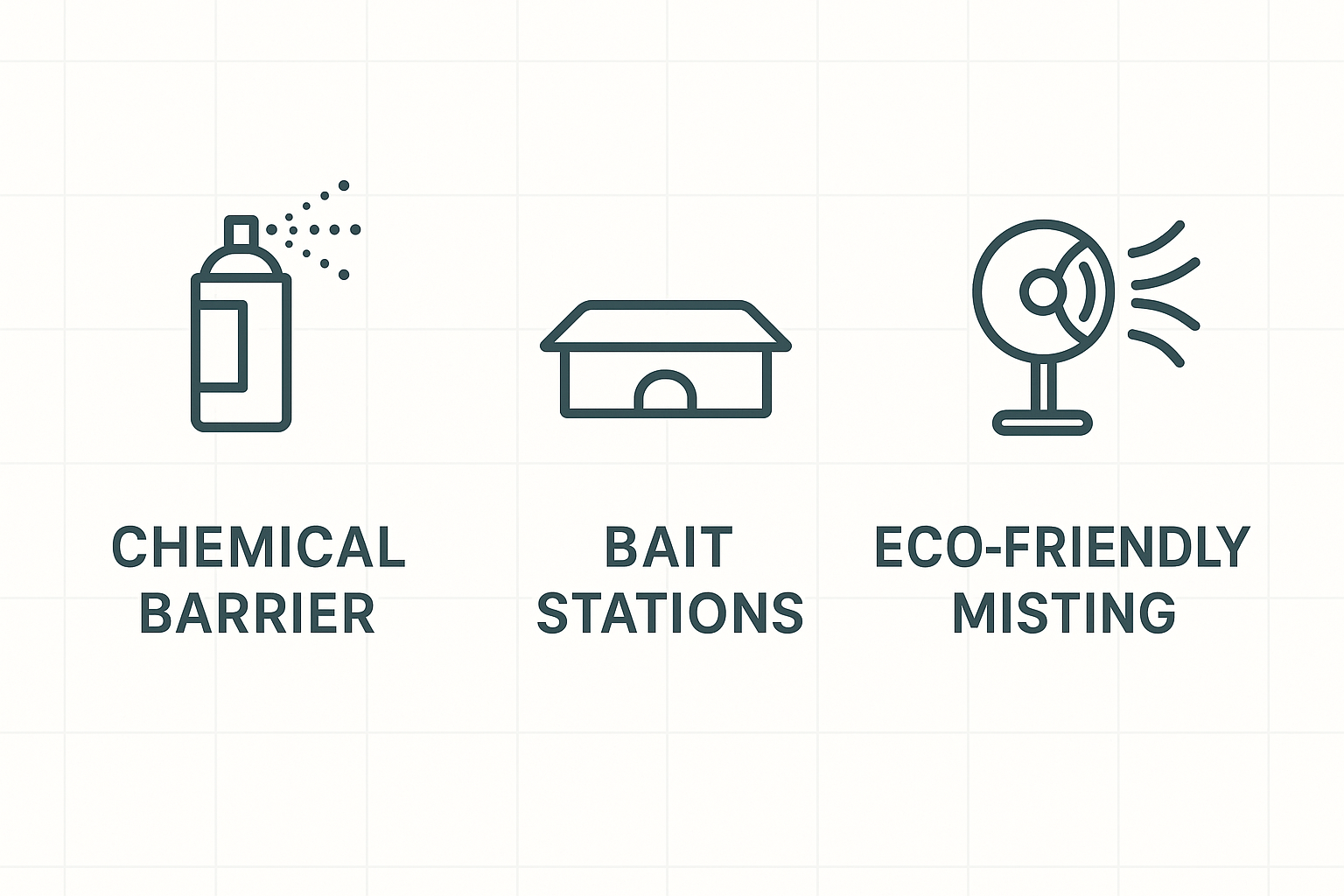
Traditional liquid sprays are the go‑to for immediate relief. A technician applies a residual pesticide to baseboards, cracks, and entry points, delivering a rapid kill within minutes. Because the chemicals linger, you often see protection for up to three weeks, making it ideal for sudden infestations of cockroaches, ants, or indoor flies. The typical charge ranges from $75 to $150 per visit, depending on square footage and the severity of the problem.
Bait Stations: Targeted Control
Bait stations work like a silent trap—pests take the poison back to the colony, disrupting the entire population over time. They’re especially effective against ants, termites, and rodents. Installation costs usually fall between $100 and $250, covering the stations themselves and placement by a certified technician. Expect a gradual decline in activity over several weeks, with minimal exposure to non‑target species.
Granular Treatments: Soil‑Borne Defense
Granular products are spread across lawns, garden beds, or around foundations, where they dissolve slowly and create a protective barrier. This method is favored for termites, outdoor ants, and other soil‑dwelling insects. Pricing varies widely, but most homeowners see a range of $120 to $300 per treatment, reflecting the amount of product and labor needed to cover larger outdoor areas.
Eco‑Friendly Misting: Low‑Toxicity Option
For families concerned about chemicals, eco‑friendly misting systems use botanical extracts or reduced‑risk synthetics to deter mosquitoes, flies, and indoor pests. The mist is applied via a fine‑spray nozzle, creating a thin, invisible shield that lasts about two weeks. Costs are generally between $90 and $180 per service**,** offering a balance of safety and efficacy for health‑conscious households.
Comparison Chart
| Treatment | Efficacy | Duration of Protection | Safety Profile |
|---|---|---|---|
| Chemical Sprays | High – rapid knock‑down | 2–3 weeks | Moderate – residual chemicals; keep pets/children away until dry |
| Bait Stations | High – colony eradication | 4–6 weeks (gradual) | Low – bait is contained; minimal exposure |
| Granular Treatments | Medium‑High – soil barrier | 6–12 weeks (depends on product) | Moderate – applied outdoors; low indoor risk |
| Eco‑Friendly Misting | Medium – deterrence | 1–2 weeks | Low – plant‑based or reduced‑risk chemicals |
Pricing Transparency
According to the 2024 EPA pest‑treatment cost averages, most residential services fall within the ranges listed above. Knowing these benchmarks helps you spot inflated quotes and negotiate a fair price.
Why Anthem Pest Stands Out
Anthem Pest Control simplifies the decision‑making process with a flat‑rate pricing model that bundles labor, product, and follow‑up visits into a single, upfront fee. Homeowners also receive a free on‑site inspection, during which our certified technicians assess the infestation, recommend the most suitable modality, and provide a clear, written estimate—no hidden surcharges.
Ready to Take the Next Step?
If you’ve identified a pest problem or simply want a proactive barrier, give us a call today at 877‑371‑8196 for a no‑obligation quote. Our team will match you with the treatment that fits your budget, timeline, and safety preferences, so you can enjoy a pest‑free home with confidence.
The Anthem Pest Advantage – Selecting a Trusted Local Provider
When you call a pest‑control company, the first thing you want to know is whether they’re qualified to work in your state and neighborhood. Local licensing isn’t just paperwork; it guarantees that the technicians have passed state‑mandated training, understand the specific regulations that govern pesticide use, and are accountable to local consumer‑protection agencies. Look for a visible license number on the company’s website or on the service vehicle, and verify it through your state’s licensing board. State‑specific certifications—such as a Certified Pest Control Operator (CPO) or a Licensed Termite Inspector—show that the crew has specialized knowledge for the pests that thrive in your climate.
Insurance is the safety net that protects you if something goes wrong. A reputable provider will carry general liability coverage and workers’ compensation, and they should be willing to show proof upon request. Without proper insurance, you could be left holding the bill for accidental property damage or a technician’s injury.
Why Local Matters
Rapid response times are a direct benefit of hiring a company with a nearby office. In hot‑weather cities like Phoenix, a termite colony can expand dramatically in just a few weeks. A local team can arrive within 24 hours, assess the infestation, and begin treatment before the problem spreads. Familiarity with regional pest pressures also means the technicians know which species are most active, which seasonal patterns to expect, and which treatment methods work best in your specific soil and climate conditions.
Vet Your Provider – A Simple Checklist
- Confirm state licensing and any specialty certifications (e.g., termite, mosquito).
- Ask for proof of general liability and workers’ compensation insurance.
- Read the service guarantee—does it cover re‑treatment if pests return?
- Compare pricing structures; transparent, upfront quotes are a hallmark of Anthem.
- Check online reviews on Google, Yelp, and the Better Business Bureau for consistency.
Real‑World Testimonial
“Anthem’s team in Phoenix arrived within 24 hours, identified hidden termite activity, and gave me a clear, upfront quote. I felt confident hiring them.” – Phoenix homeowner
Ready to put this checklist to work? Visit our service page for detailed information on licensing, guarantees, and pricing options tailored to your neighborhood.
Protect Your Home Today – Get a Free Inspection
Here’s a quick recap of what we’ve covered: spot pests as soon as they appear, respect the seasonal peaks that make insects and rodents more active, use simple DIY steps like sealing cracks and removing food sources, know the difference between chemical, bait and heat‑treatment options, and always hire a licensed, locally‑based provider who understands your neighborhood’s unique challenges.
A complimentary inspection from Anthem Pest includes a thorough walk‑through, identification of any current or potential infestations, and a clear, written action plan with no hidden fees. Our technicians use the latest monitoring tools to ensure nothing is missed, giving you confidence that your home is protected from the ground up.
Taking action early isn’t just about avoiding an unwanted guest; it stops expensive structural damage and safeguards the health of your family. A professional inspection can catch hidden infestations—like termites working inside walls or rodent nests in attic insulation—before they turn a routine maintenance bill into a major repair project.
Ready to safeguard your home? Contact Anthem Pest for a free, no‑obligation inspection and a transparent quote. Call us today at 877‑371‑8196 and one of our certified technicians will schedule a visit at your convenience.
Don’t wait for the next season’s surge. Take the first step toward a pest‑free home now—visit Anthem Pest Control and let our expertise give you peace of mind.