Why Crickets Matter in Lilburn

At first glance, crickets seem like harmless background noise on a warm summer night. Yet, for Lilburn homeowners, these chirping insects can quickly become a costly nuisance. Beyond their persistent soundtrack, crickets are capable of inflicting structural damage, creating moisture‑related problems, and inviting a cascade of secondary pests such as spiders, cockroaches, and even rodents.
When crickets seek shelter inside walls, attics, or crawl spaces, they chew on wooden framing, insulation, and even drywall. Their mandibles, though small, can weaken structural components over time, especially in homes with older, untreated wood. Moreover, the moisture they bring in—often trapped in their exoskeletons—creates a humid micro‑environment that accelerates rot and mold growth.
Crickets also act as a food source for other pests. A single cricket infestation can attract spiders that hunt them, and the increased activity may draw rodents looking for an easy meal. This chain reaction amplifies the original problem, turning a simple noise issue into a multi‑pest emergency.
Recent data underscores the growing threat. The EPA 2023 Residential Pest Management report documents an 18% increase in indoor infestations stemming from outdoor insects in humid subtropical climates—exactly the climate profile of Lilburn.
Speaking of climate, Lilburn’s average summer temperatures hover between 80‑90 °F with humidity regularly above 70%. Those conditions provide crickets with an ideal breeding ground: warm nights accelerate egg development, while high humidity ensures their young survive the vulnerable nymph stage. In such an environment, a single pair can produce several generations before the first frost.
Understanding why crickets matter is the first step toward protecting your home and wallet. This section sets the stage for the rest of the article, which will break down transparent, data‑driven cost information for cricket control—helping you decide when and how to act before the chirping turns into costly repairs.
Spotting a Cricket Infestation
Common Georgia Cricket Species
In Lilburn you’ll most often encounter two native crickets: the House Cricket (Acheta domesticus) and the Fall Field Cricket (Gryllus pennsylvanicus). Both measure roughly a half‑ to three‑quarters of an inch long, but their coloration and song differ enough to help you pinpoint the culprit.
The House Cricket tends to be light‑brown with a smooth, glossy back and produces a rapid, high‑pitched chirp that can sound like a tiny alarm clock. In contrast, the Fall Field Cricket is darker, sometimes mottled gray‑brown, and its chirp is slower, deeper, and repeats in a rhythmic “crick‑crick‑crick” pattern that often intensifies after sunset.
Both species are nocturnal, but the House Cricket usually begins its song just after dusk and tapers off by midnight, while the Fall Field Cricket can keep a steady rhythm well into the early morning. The House Cricket’s trill is rapid and almost continuous, whereas the Fall Field’s chirp comes in distinct, spaced intervals that sound like a metronome.
Homeowner Checklist
Use the quick checklist below to decide whether you’re dealing with a harmless background chorus or a full‑blown infestation that could damage your home.
- Persistent nighttime chirping – a steady soundtrack that starts soon after dark and doesn’t fade.
- Visible crickets in basements, crawl spaces, or clustered around exterior lights.
- Unexplained damage to wiring, insulation, or garden plants – crickets chew soft material when
What Drives Cricket Control Costs
When you request a quote for cricket control in Lilburn, the number you hear isn’t random—it reflects a blend of concrete factors that shape the amount of product, labor, and expertise required. Understanding these variables helps you see why one homeowner’s estimate might differ from another’s, even when both live on the same street.
1. Property Size
The average Lilburn home spans roughly 2,200 sq ft. Larger footprints mean more exterior surface area to treat, which translates to additional spray volume and extra crew time. A modest 1,500‑sq‑ft ranch may need a single technician with one spray tank, while a sprawling 3,500‑sq‑ft estate could require two technicians, multiple tanks, and a longer service window.
2. Infestation Severity
Crickets are seasonal, but the density of the population can vary dramatically:
- Light infestation – only a few chirpers heard at night. Typically, a single exterior spray suffices.
- Heavy infestation – hundreds of crickets swarming the yard and indoors. This often calls for a perimeter barrier plus follow‑up treatments to break the life cycle.
The more insects present, the more product is needed, and the higher the labor cost.
3. Treatment Type
Anthem Pest offers several approaches, each with its own price tier:
- Exterior spray – a one‑time application targeting adult crickets on walls, fences, and landscaping.
- Perimeter barrier – a continuous protective line around the home that repels crickets from entering.
- Quarterly visits – scheduled treatments every three months to maintain a low‑population environment.
- Annual plan – a comprehensive package that combines perimeter protection, seasonal sprays, and monitoring for the entire year.
4. Frequency of Service
Choosing a one‑time exterior spray is the most economical option for a brief, light problem. However, recurring services—whether quarterly or under an annual plan—provide ongoing protection and typically yield better long‑term results, albeit at a higher cumulative cost.
5. Local Price Benchmarks
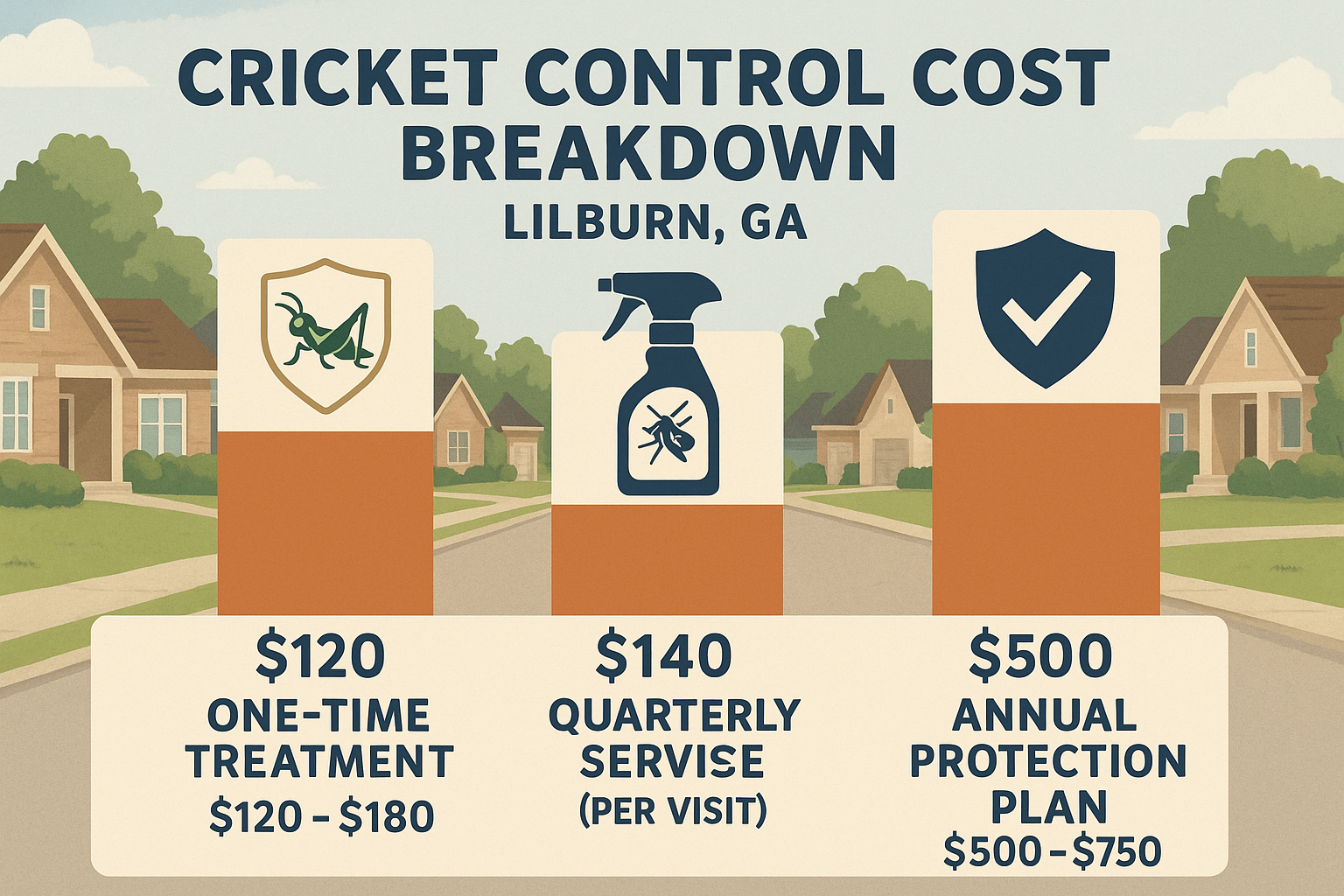
According to the NPMA 2024 Pricing Survey, Lilburn homeowners can expect the following ranges:
- One‑time exterior spray: $120‑$180
- Quarterly treatments: $140‑$200 per visit
- Annual protection plan: $500‑$750
These figures serve as a baseline; actual quotes may shift based on the specific variables outlined above.
6. Seasonal Discounts
Anthem Pest often rolls out early‑spring promotions in the Lilburn Village area. Discounts can reduce the cost of a one‑time spray by up to 15 % or bundle quarterly visits into a more affordable package. Keeping an eye on these offers can lower your out‑of‑pocket expense without sacrificing coverage.
In summary, the price you receive for cricket control is a reflection of your home’s size, the severity of the infestation, the treatment method you select, how often you want service, and the prevailing market rates in Lilburn. By weighing each of these drivers, you can make an informed decision that balances cost with effective, long‑lasting protection.
Common Treatment Options
When crickets start chirping louder than a summer night on your porch, the first question homeowners ask is—how do I get rid of them without breaking the bank? Anthem Pest Control offers three proven professional approaches, each with its own cost profile and level of protection.
Spot‑treatment spray
Spot‑treatment spray is a focused application directly onto the areas where crickets are actively seen, such as patio corners, porch railings, or the edges of your lawn. A technician targets the insects with a fast‑acting aerosol that knocks them out within minutes.
- Pros: Lowest cost option, typically $120‑$150 per visit; delivers rapid results that are noticeable the same day.
- Cons: May require repeat visits if the infestation spreads beyond the treated zones, because only visible crickets receive the insecticide.
Perimeter barrier application
A perimeter barrier creates a chemical shield around your home’s foundation, doorways, windows, and other potential entry points. The treatment is sprayed in a continuous line that discourages crickets from crossing back onto the property.
- Pros: Provides longer‑lasting protection—usually 4‑6 weeks—by reducing the chance of re‑entry; covers hidden cracks and gaps that spot‑treatment might miss.
- Cons: Higher upfront cost, generally ranging from $200‑$280; effectiveness depends on precise placement, so a skilled technician is essential.
Integrated Pest Management (IPM)
IPM blends a moderate chemical treatment with homeowner‑driven habitat modification. Anthem’s technicians will apply a targeted spray while advising you on grass trimming, debris removal, and moisture control to eliminate the conditions crickets love.
- Pros: Reduces long‑term expenses by tackling the root causes of infestation; environmentally friendlier because it relies on less frequent chemical use.
- Cons: Success hinges on homeowner participation—regular yard maintenance and prompt reporting of new activity are required.
Case study: A homeowner in East Lilburn opted for the IPM route after experiencing recurring cricket buzzes each summer. By trimming the grass, clearing leaf litter, and allowing Anthem to apply a quarterly barrier, the family saved roughly $200 over two years compared with annual spot‑treatments. The combined approach not only quieted the night’s chorus but also kept the yard looking tidy and pest‑free.
Cost Breakdown Table
Understanding exactly where your money goes helps you feel confident about choosing Anthem Pest Control for cricket control in Lilburn. Below is a straightforward breakdown of the typical line‑item charges you’ll see on our invoice.
Typical cricket‑control service costs in Lilburn, GA Service Base Fee Labor Materials Taxes Total One‑time spray $80 $40‑$60 $20‑$30 Included $140‑$170 Quarterly visit $90 $45‑$55 $25‑$35 Included $160‑$180 - Large yards (>0.5 acre): an extra $30‑$50 is added to cover the additional travel and treatment time.
- Multi‑unit dwellings: each additional unit incurs a flat surcharge of $75 to account for separate access and equipment setup.
These numbers are averages for typical residential properties in Lilburn. Your exact quote may shift slightly based on yard size, the number of structures, and any special considerations you discuss with our technician.
For a quick visual reference, feel free to request the printable infographic that summarizes these figures in a single, easy‑to‑share image.
AI-generated image Anthem Pest’s Value Proposition
When a cricket chorus turns your backyard into a nightly concert, you need a partner who not only eliminates the insects but also backs every step with clear, written promises. Anthem Pest has built its reputation in Lilburn, Georgia, on three non‑negotiable pillars: guaranteed results, absolute transparency, and a local team that treats every home like its own.
Service Guarantees You Can Trust
- 30‑day re‑treatment guarantee: If crickets or any other pest return within a month of our service, we’ll come back at no extra charge to re‑treat the affected area.
- EPA‑registered products only: All chemicals we apply meet strict Environmental Protection Agency standards, ensuring they are effective against pests while remaining safe for children, pets, and the surrounding ecosystem.
- Fully licensed, background‑checked technicians: Every technician on the job holds a current state pest‑control license and has undergone thorough background screening, so you know exactly who is entering your home.
Local Presence, Local Pride
Our Lilburn office sits just a few miles from most neighborhoods we serve, meaning our crews can respond quickly and schedule visits that fit your calendar. Call us at 877‑371‑8196 or visit Anthem Pest for a free, no‑obligation quote. Because we operate locally, we understand the specific seasonal patterns that bring crickets into Georgia homes, and we tailor each treatment plan accordingly.
“I was impressed by how straightforward the pricing was—no hidden fees, just a clear estimate. The technician arrived right on time, explained the EPA‑approved spray, and the crickets were gone after the first visit. Anthem Pest truly lives up to its promise of transparency and punctuality.” — Emily R., Lilburn homeowner
Ready to enjoy a quiet porch again? Request your free quote today and let Anthem Pest put its guarantees to work for you. With our 30‑day re‑treatment promise, licensed experts, and a local office just around the corner, you’ll have peace of mind—and a cricket‑free home—sooner than you think.
DIY vs Professional Cost Comparison
When crickets start chirping louder than a summer evening on your porch, the first question many homeowners ask is, “Can I handle this myself, or should I call a pro?” The answer hinges on two critical factors: cost and effectiveness. Below is a side‑by‑side look at what you can expect from a typical do‑it‑yourself (DIY) approach versus hiring a licensed pest‑control professional.
What the DIY market offers
- Average cost: Over‑the‑counter (OTC) cricket sprays typically run between $30‑$60 per can. Most homeowners purchase one or two cans for a single treatment.
- Effectiveness: Real‑world user reports and online forums consistently show a success rate of under 50 %. Many DIY users find that crickets return within weeks, prompting repeat purchases.
- Safety considerations: The CDC’s guidance on safe pesticide use at home stresses the importance of proper ventilation, protective gear, and strict adherence to label directions.
What a professional service delivers
Anthem Pest Control and other licensed providers bring a combination of expertise, equipment, and regulated products that dramatically raise the odds of eliminating crickets for good.
- Success rate: Professional treatments achieve a greater than 90 % success rate, even in heavily infested yards.
- Long‑term savings: Although the upfront price is higher—typically ranging from $150 to $300 for a full‑property service—the reduced need for repeat applications translates into lower overall spending over the season.
- Comprehensive approach: Professionals assess entry points, treat both indoor and outdoor zones, and often apply residual barriers that keep crickets at bay for months.
Quick tip for the DIY enthusiast
Wear protective gear and follow label instructions precisely. That means gloves, goggles, and a mask that filters out fine particles. Apply the spray in calm weather, keep children and pets away from treated areas, and never exceed the recommended dosage. Skipping these steps not only reduces effectiveness but also raises health risks—something the CDC explicitly warns against.
In short, the DIY route may look appealing because of its low entry price, but the odds of a half‑finished job are high. Professional services demand a larger initial investment, yet they bring a proven success rate, long‑lasting protection, and peace of mind that the job is done safely and correctly. For homeowners who value both effectiveness and long‑term cost efficiency, partnering with a trusted company like Anthem Pest Control often makes the most sense.
Seasonal Timing & Prevention Tips
Crickets thrive when the weather warms and moisture levels rise, so timing your treatment and prevention steps can make a huge difference. By acting during the right windows and keeping your property tidy, you can cut down on noisy chirps and the occasional indoor surprise.
Optimal Treatment Windows
Early May – pre‑breeding season
In Lilburn, May marks the start of the cricket breeding cycle. Treating your yard and foundation before males begin their nightly serenades stops the population before it explodes. A pre‑emptive application of a targeted insecticide creates a barrier that repels adults and kills nymphs as they emerge.
Late September – post‑breeding, before winter
By late September, the last generation of crickets has laid eggs and is looking for shelter as temperatures dip. A second treatment at this time eliminates any lingering adults and reduces the egg load that could survive the winter, giving you a cleaner start to spring.
Prevention Checklist
- Remove leaf litter, wood piles, and standing water. These moist hideouts are perfect breeding grounds. Regularly rake leaves, relocate firewood away from the house, and fix any drainage issues.
- Seal cracks around foundations and entry points. Crickets can slip through gaps as small as a pencil. Use caulk or expanding foam to close cracks around windows, doors, and utility penetrations.
- Keep lawn height ≤ 3 inches; trim vegetation away from the house. Short grass dries faster and offers fewer places for crickets to hide. Trim shrubs and vines that touch the exterior walls to eliminate bridge routes.
Local Insight
The Georgia Climate Service reported that May 2024 experienced record‑high rainfall, boosting cricket activity by 22 % across the state. Moisture‑rich conditions accelerate egg hatching and nymph development, which is why early‑May treatment becomes even more critical in a wet year.
Take Advantage of Spring Discounts
Anthem Pest Control offers a limited‑time spring discount for homeowners who schedule their early‑season service before the first week of May. Locking in this appointment not only secures the optimal treatment window but also saves you money on a comprehensive cricket control package.
Quick Action Plan
- Mark your calendar for the first week of May and the last week of September.
- Run through the prevention checklist now and again after each treatment.
- Call Anthem Pest Control at 877‑371‑8196 or visit anthempest.com to book your early‑season appointment and claim the spring discount.
Making an Informed Decision
Before you pick a plan, let’s lock in the numbers you’ll actually see on the invoice. In Lilburn’s humid climate, a single, well‑executed treatment can keep crickets at bay for weeks, but most homeowners prefer the predictability of a scheduled program. Here’s a quick snapshot of what you can expect from Anthem Pest’s pricing structure:
- One‑time treatment: $120 – $250 per visit. Ideal for a sudden infestation or for testing the waters before committing to a longer plan.
- Quarterly (four visits per year): $180 – $350 per visit, which translates to $720 – $1,400 annually. This spreads the cost while delivering consistent protection throughout the peak cricket season.
- Annual plan (all‑inclusive): $450 – $800 total. Includes four expertly timed applications, a thorough inspection, and a guarantee that the chirping won’t return between visits.
Why pay a professional when a DIY spray kit is cheaper? In Lilburn’s hot, humid summers, crickets breed quickly and hide in hard‑to‑reach cracks. Anthem Pest uses EPA‑registered products that are proven to penetrate deep into wall voids and foundation gaps—areas a homeowner’s sprayer can’t reach. Our technicians boast a success rate above 95 %, backed by a satisfaction guarantee that most DIY solutions simply can’t match.
Local weather plays a starring role in how fast crickets multiply. Average summer temperatures hover around 88 °F, humidity frequently exceeds 70 %, and the region receives over 50 inches of rain annually. Those conditions create the perfect breeding ground, turning a minor chirp into a full‑blown chorus if left unchecked. Professional treatments are calibrated to these exact variables, ensuring the product remains effective even after a heavy downpour.
Ready to take the next step? Call Anthem Pest at 877‑371‑8196 or visit Anthem Pest for a free, no‑obligation quote. Our friendly team will walk you through the best plan for your home, schedule the first visit, and answer any questions you have about safety or timing.
Imagine a quiet night on your porch, free from the constant cricket soundtrack. By letting the experts handle the chirpers, you protect your home, safeguard your family’s health, and keep your outdoor enjoyment uninterrupted. It’s a small investment for a big peace‑of‑mind payoff.
Don’t forget to bookmark the cost‑breakdown infographic at the top of this article. It’s a handy reference whenever you’re comparing options or planning next year’s pest‑control budget.