Silverfish Identification and Risks in Dunwoody Homes
Imagine opening your pantry on a Saturday morning, only to find tiny, fish‑like specks nipping at the edges of your cereal boxes. That’s exactly what happened to the Martins family in a quiet Dunwoody cul‑de‑sac last winter. Within days, they discovered a growing trail of silvery‑gray insects and shredded paper lining their pantry shelves. Their surprise turned into concern when they realized the damage wasn’t limited to food—old recipe cards and a cherished children’s book were already showing the tell‑tale bite marks.
Why Silverfish Are a Hidden Threat
Silverfish (Lepisma saccharina) may be small, but they’re relentless. In Dunwoody homes, they target the quiet corners where humidity hangs—kitchens, bathrooms, basements, and especially pantries. Their diet includes starches, sugars, and proteins, which means they’ll chew through:
- Paper and book bindings, eroding cherished family histories.
- Fabric fibers, leaving unsightly holes in clothing and drapes.
- Stored grains, cereals, and even pet food, contaminating the food supply.
Because they work at night and hide in cracks, most homeowners never see them until the damage is evident.
Biology at a Glance
Understanding the pest helps you spot it sooner. Silverfish are:
- Wingless—they glide on their three tail‑like appendages.
- Nocturnal—active after dark, preferring the safety of shadows.
- Humidity‑loving—they thrive where moisture levels exceed 60%.
- Typically 12‑19 mm long, with a silvery, fish‑like sheen that reflects light.
2024 Southeast U.S. Infestation Snapshot
| State | Reported Cases | Increase vs. 2023 |
|---|---|---|
| Georgia | 4,862 | +12% |
| Alabama | 3,421 | +9% |
| Florida | 7,105 | +15% |
| South Carolina | 2,987 | +8% |
| Tennessee | 3,210 | +10% |
Georgia’s numbers reflect a notable rise, driven in part by the state’s humid summers and older homes that retain moisture in basements and attics. Dunwoody, nestled in Fulton County, mirrors this trend, making early detection essential.
Real‑World Example: A Historic Dunwoody Home
Last year, a preservation committee reported that a century‑old Tudor‑style residence in downtown Dunwoody suffered extensive silverfish damage to its original library. The insects gnawed through the spines of first‑edition novels, leaving ragged edges and a faint, silvery powder on the pages. The homeowner’s attempt to vacuum the insects only scattered the powder further, highlighting how DIY methods often miss the hidden nests lurking behind wall voids.
Quick Visual Cue for Identification
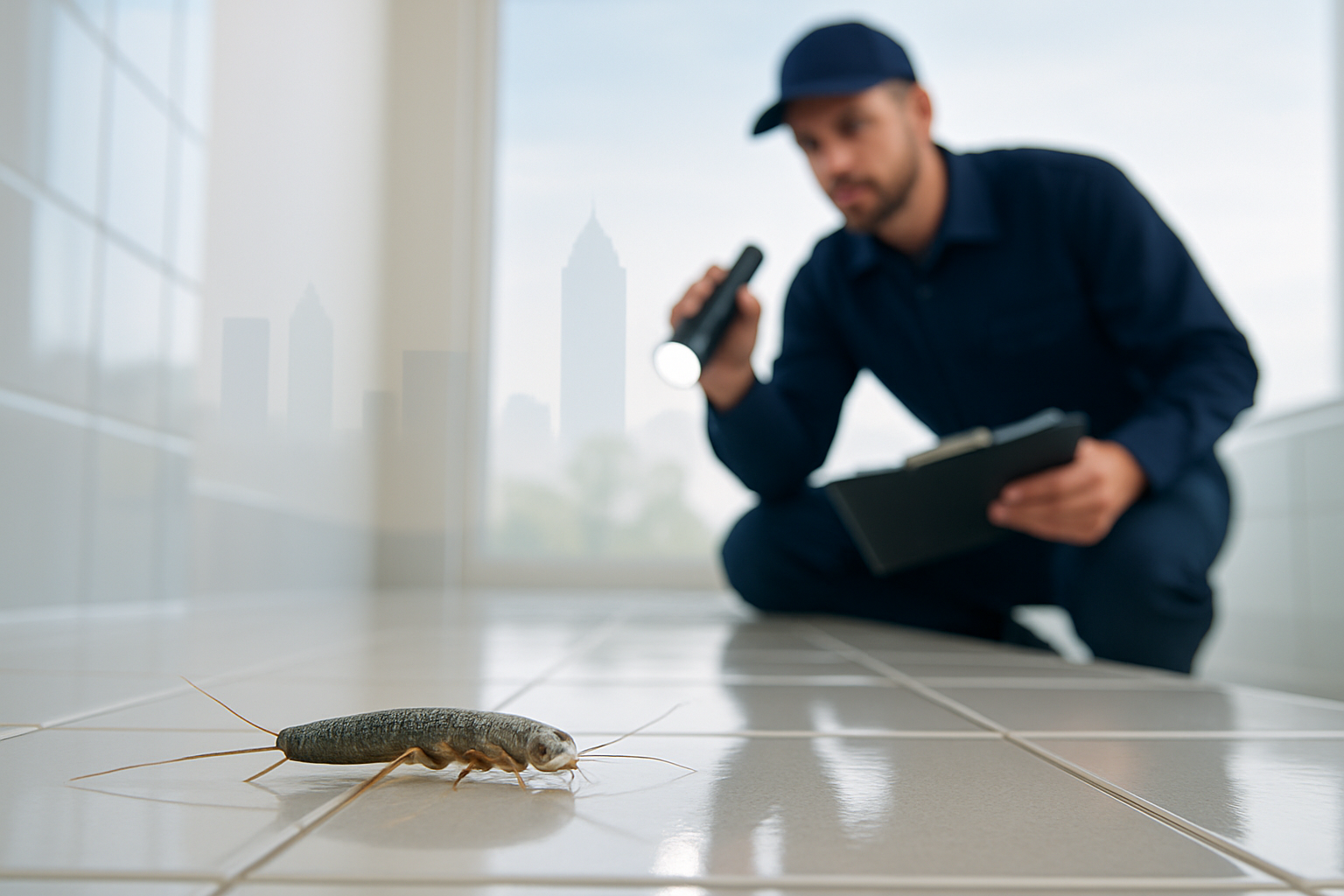
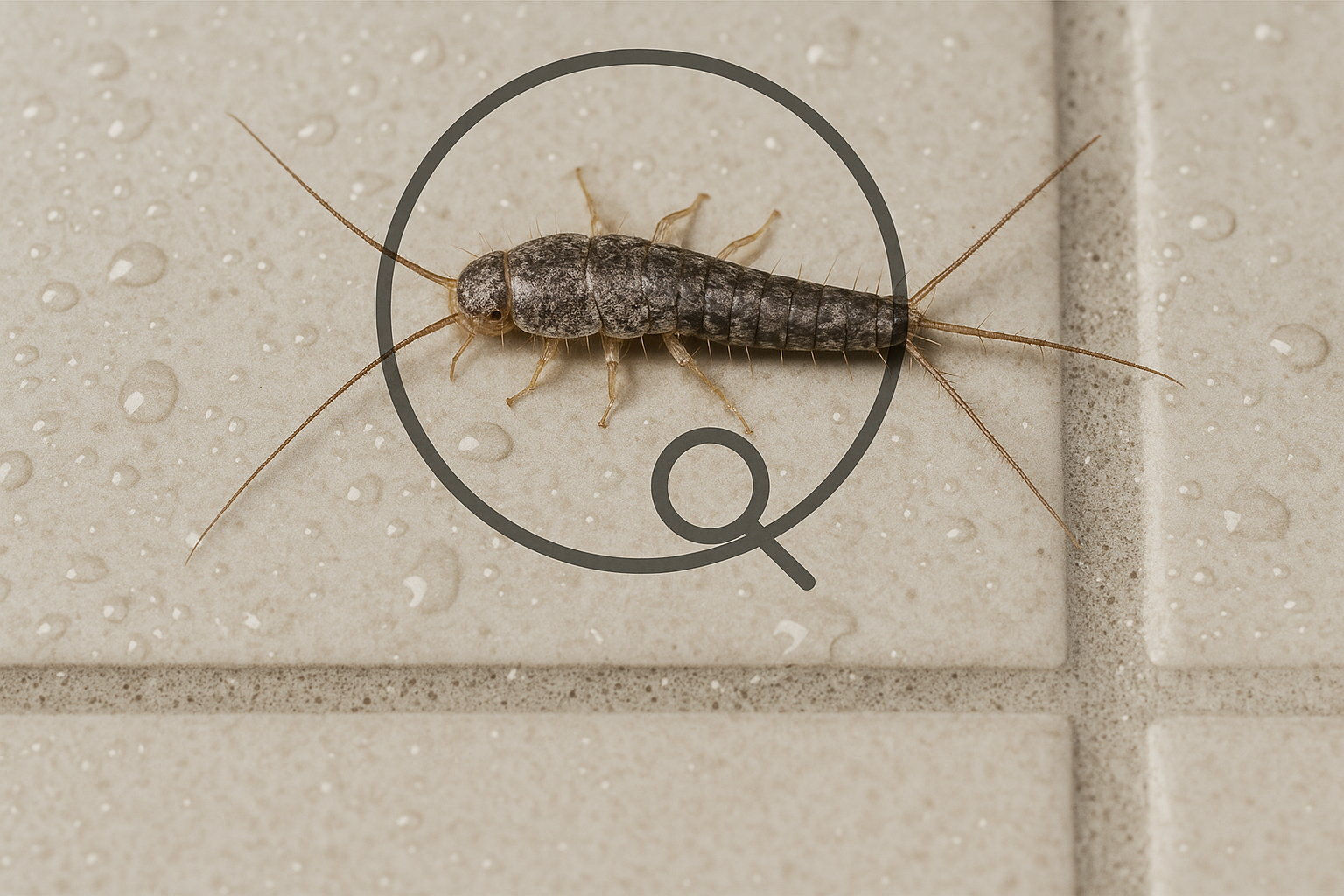
If you spot a slender, silvery insect about the length of a paperclip, moving in a fish‑like waver, you’re likely looking at a silverfish. Key identifiers include:
- Three long bristles (“tails”) at the rear.
- Scaly, metallic body that shimmers when caught in light.
- Fast, darting movements, especially when the lights are turned on.
Spotting these signs early can save you from costly repairs and preserve the integrity of your home’s books, fabrics, and pantry supplies. When in doubt, a professional inspection from Anthem Pest Control can confirm the infestation and outline a safe, effective treatment plan.
Benefits of Hiring a Local Exterminator in Georgia
Understanding Georgia’s Unique Climate and Building Landscape
Georgia’s hot, humid summers and mild winters create a perfect breeding ground for silverfish, termites, and other hidden pests. A local exterminator knows how the state’s climate shifts from the foothills of North Georgia to the coastal plains, and can tailor treatments to the specific moisture levels and temperature swings you experience at home. In addition, local professionals are familiar with Georgia’s building codes and the construction materials most common in Dunwoody neighborhoods, allowing them to place baits, traps, and barrier treatments exactly where they’ll be most effective without violating regulations.
DIY vs. Professional Success Rates
Many homeowners attempt a do‑it‑yourself approach with over‑the‑counter sprays or homemade traps. While the effort is commendable, the professional pest services achieve a 70‑85 % success rate on silverfish and related infestations, compared with just 30‑40 % for DIY attempts. The gap is not just about product strength; it’s about proper identification, correct dosage, and strategic placement—skills that only trained technicians possess.
- Correct product selection based on local pest species.
- Strategic timing that aligns with seasonal activity peaks.
- Follow‑up monitoring to ensure complete eradication.
Real‑World Experience
How to Locate a Trusted Silverfish Exterminator in Dunwoody
Step 1: Start with a focused online search
Begin by typing “silverfish exterminator near me Dunwoody GA” into your favorite search engine. The phrase pulls up businesses that specifically serve the Dunwoody area, filtering out distant companies that may not know local building codes or seasonal pest patterns. Take note of the first three to five results – they usually represent the most active and locally‑optimized providers.
Step 2: Verify licensing on the Georgia Department of Agriculture website
Georgia requires every pest‑control operator to hold a valid license issued by the Department of Agriculture (GDA). Visit the GDA’s pest‑control licensing portal and enter the company name or license number you found in Step 1. A legitimate listing will display the license status, expiration date, and any disciplinary actions. If the record is missing or shows an “inactive” status, move on to the next provider.
Step 3: Review Google, Angi, and BBB ratings
Online reputation is a quick proxy for service quality. Check each company’s Google Business profile for overall star rating, recent customer comments, and response rate. Angi (formerly Angie’s List) often includes verified reviews that detail timeliness, professionalism, and effectiveness against silverfish. Finally, the Better Business Bureau (BBB) will flag unresolved complaints and show the company’s accreditation level. Aim for a minimum of 4‑star average across these platforms and look for specific mentions of “silverfish” or “homeowner satisfaction.”
Step 4: Use a quick‑check checklist
Before you pick up the phone, run the following checklist. It condenses the most critical qualifications into a single glance.
| Criterion | Why it matters | How to confirm |
|---|---|---|
| Current Georgia license | Ensures legal compliance and up‑to‑date training | GDA online lookup |
| Liability insurance | Protects you if a treatment damages property | Ask for a certificate of insurance |
| EPA‑approved products | Guarantees effectiveness and safety for family & pets | Request product names or EPA registration numbers |
| Local references | Shows the company has solved silverfish problems in Dunwoody homes | Ask for at least two recent homeowner contacts |
Step 5: Consider a local specialist with 24‑hour support
If a provider checks every box, give them a call. Anthem Pest Control operates a Dunwoody office and offers a dedicated 24‑hour response line at 877‑371‑8196. Their technicians are licensed in Georgia, carry full insurance, and use EPA‑approved silverfish treatments that target both adults and hidden larvae. Because they serve the Atlanta metro area, they understand the humidity‑driven infestations common to Dunwoody homes and can schedule a same‑day inspection if the problem is urgent.
By following these five steps—targeted search, license verification, reputation review, checklist validation, and a final call to a vetted local office—you’ll confidently select a silverfish exterminator who can eliminate the nuisance quickly and safely.
Effective Silverfish Treatment Methods
Chemical Treatments You Can Trust
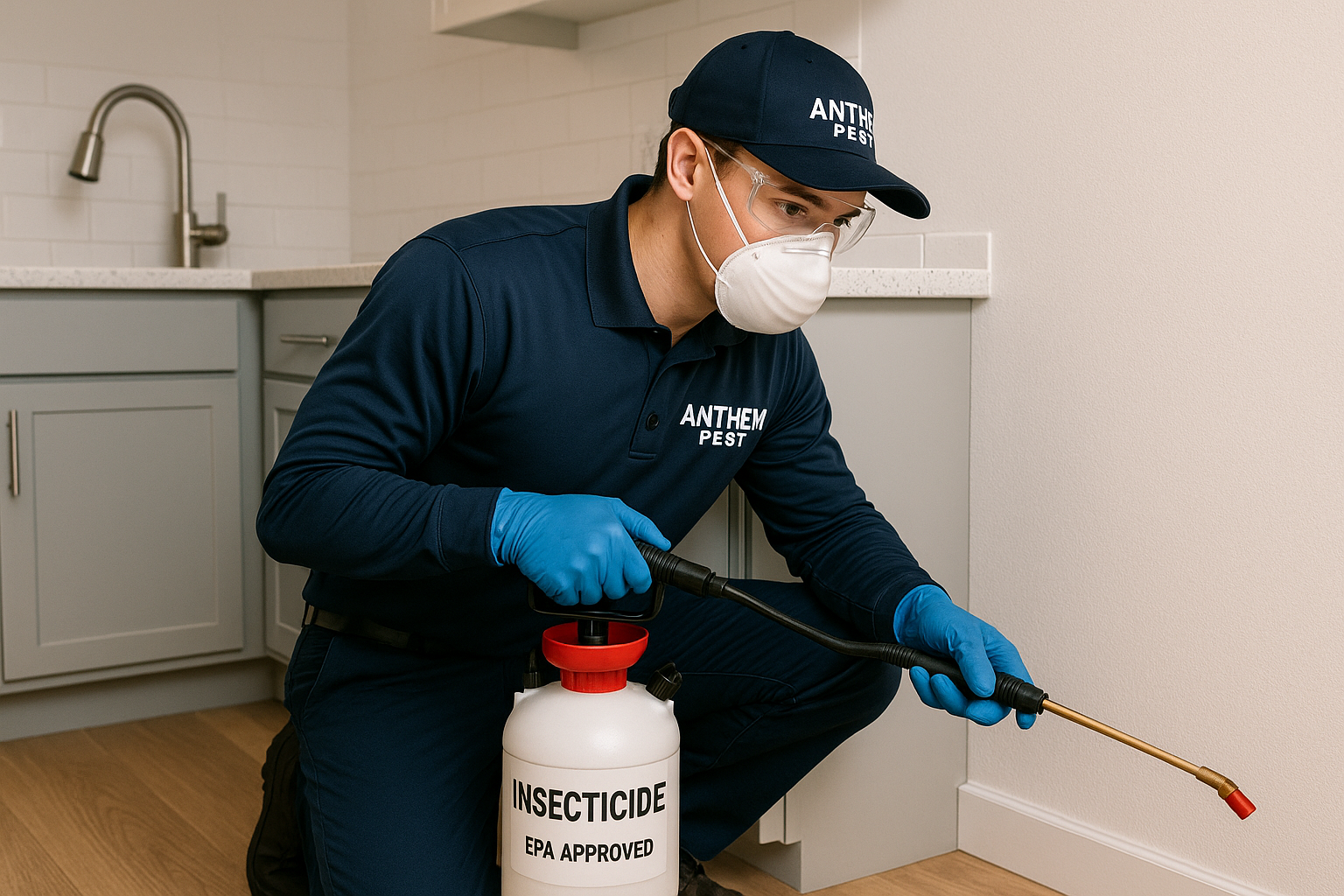
When silverfish infestations become persistent, many homeowners turn to EPA‑registered pyrethroid sprays. These fast‑acting insecticides target the nervous system of silverfish, delivering rapid knock‑down and preventing re‑infestation for weeks. Anthem Pest’s technicians often pair a spot‑on spray with bait stations that contain a slow‑acting insecticide mixed with a food attractant. The bait allows silverfish to feed, carry the poison back to hidden colonies, and eradicate the problem at its source.
Safety first: All products used are approved for indoor residential use, but it’s essential to keep children and pets out of treated areas for at least two hours. Our crew will advise you on ventilation, and we always wear protective gear to minimize any exposure risk.
Non‑Chemical Options That Work Without Harsh Chemicals
For homeowners who prefer a chemical‑free approach, several effective strategies exist:
- Diatomaceous earth (DE): This natural powder consists of fossilized algae with razor‑sharp edges. When silverfish crawl over DE, it abrades their exoskeleton, causing dehydration. Sprinkle a thin layer in closets, under baseboards, and in bathroom corners.
- Moisture control: Silverfish thrive in damp environments. Repair leaky pipes, use a dehumidifier in basements, and ensure proper ventilation in bathrooms. Lowering humidity below 50 % dramatically reduces their breeding grounds.
- Thorough vacuuming: A high‑efficiency vacuum with a HEPA filter can physically remove adult silverfish, eggs, and shed skins. Vacuuming also disrupts their hiding spots, making the area less attractive.
These methods are inexpensive, safe for pets and children, and work best when combined with regular housekeeping routines.
What You’ll Pay: 2024 Pricing Snapshot
Anthem Pest and other reputable local providers in Dunwoody typically charge:
| Service Type | Price Range | What’s Included |
|---|---|---|
| Single‑Visit Chemical Treatment | $120 – $250 | Spot‑on pyrethroid spray, one bait station, safety briefing |
| Comprehensive Package (Chemical + Non‑Chemical) | $350 – $600 | Full‑home inspection, DE application, moisture‑control advice, multiple bait stations, follow‑up visit |
Prices can vary based on square footage, severity of the infestation, and any additional services you request (e.g., termite inspection). Anthem Pest is transparent about costs, and you’ll receive a detailed quote before any work begins.
Choosing the Right Approach for Your Home
Every home is different. If you have young children, pets, or a strong aversion to chemicals, start with diatomaceous earth, moisture control, and diligent vacuuming. Should the infestation persist, a targeted pyrethroid spray combined with bait stations offers a fast, reliable knock‑down. Anthem Pest’s technicians will assess your specific situation, recommend the safest mix of methods, and provide a clear cost breakdown so you know exactly what you’re paying for.
Seasonal and Climate Factors Affecting Silverfish in Georgia
Georgia’s warm, humid climate creates the perfect backdrop for silverfish to thrive. Unlike many pests that hide only when the weather turns cold, silverfish actually become more active when moisture levels rise. That’s why you’ll often notice a surge in sightings during the summer months of June through August and right after a heavy rainstorm.
Why Humidity Fuels Silverfish Activity
Silverfish need moisture to survive. Their thin exoskeleton loses water quickly, so they gravitate toward areas where humidity stays above 60 %. In Georgia, the average summer humidity hovers around 70 % according to NOAA data. When the air is that damp, the insects can move freely through walls, under cabinets, and into the tiny cracks of your bathroom or kitchen.
- June‑August: Peak humidity and warm temperatures combine for a rapid population increase.
- After heavy rains: Moisture seeps into foundations, basements, and crawl spaces, giving silverfish new pathways.
- Early spring (March‑April): Humidity is lower, making it an ideal window for inspections before the summer boom.
Timing Your Inspection for Maximum Prevention
Scheduling a professional inspection in early spring gives you a head start. Our technicians can locate hidden moisture sources, seal entry points, and apply preventative treatments before silverfish numbers explode. By the time June rolls around, you’ll already have a barrier in place, reducing the need for emergency calls later in the season.

Georgia’s Monthly Humidity Snapshot
| Month | Average Humidity (%) |
|---|---|
| January | 62 |
| February | 61 |
| March | 60 |
| April | 63 |
| May | 68 |
| June | 71 |
| July | 73 |
| August | 72 |
| September | 68 |
| October | 65 |
| November | 63 |
| December | 62 |
Notice how the humidity climbs steadily after May, peaking in July. That upward trend is the exact period when silverfish are most likely to multiply and invade your home. By acting in March or early April, you interrupt their life cycle before it gains momentum.
What Homeowners Can Do Right Now
Even before a professional visit, you can reduce moisture in vulnerable spots:
- Fix leaky faucets and showerheads promptly.
- Run a dehumidifier in basements and bathrooms during rainy periods.
- Ventilate laundry rooms and kitchens with exhaust fans.
- Seal cracks around windows, doors, and pipe penetrations.
Taking these steps, combined with an early‑spring inspection from Anthem Pest Control, puts you in control of the silverfish threat before the Georgia summer heat turns your home into a welcome banquet for these moisture‑loving pests.
Proactive Prevention Tips for Homeowners
Silverfish are tiny, nocturnal insects that love the damp, dark corners of a house. The good news is that most infestations can be stopped before they start—by simply making your home less inviting. Below are practical, everyday actions you can take to keep silverfish at bay and protect your belongings.
1. Reduce Moisture Everywhere
Moisture is the silverfish’s favorite habitat. Begin by fixing any leaks in kitchens, bathrooms, and laundry rooms—dripping faucets, pipe joints, or roof leaks create a constant water source. In basements and bathrooms, run a dehumidifier during humid months to keep relative humidity below 50 %. Keep these spaces well‑ventilated by using exhaust fans or opening windows when weather permits. Even a short daily airflow can dry out cracks and crevices where silverfish hide.
2. Declutter and Seal Storage
Clutter offers perfect hiding spots and food sources for silverfish, especially paper, fabric, and food crumbs. Store books, magazines, and seasonal clothing in airtight containers or heavy‑duty zip‑lock bags. Vacuum shelves and closets regularly to remove dust and lint, which serve as a protein‑rich diet for these pests. When moving items into storage, consider using plastic bins with sealed lids rather than cardboard boxes, which can absorb moisture and attract insects.
3. Conduct Routine Inspections
Make a habit of quarterly checks in the areas most prone to silverfish activity: bathrooms, kitchens, basements, and attics. Look for tell‑tale signs such as tiny silvery scales, shed skins, or small, irregular holes in paper and fabrics. Pay special attention to corners behind toilets, under sinks, and along baseboards. If you spot any evidence, act quickly—clean the area thoroughly and address any moisture issues before the problem spreads.
4. Use Our Printable Prevention Checklist
Staying organized is half the battle. Download our Printable Silverfish Prevention Checklist to keep track of moisture control, decluttering tasks, and inspection dates. The checklist is designed for busy homeowners, offering a simple, step‑by‑step guide you can print and hang on your fridge or in your home office.
By incorporating these four habits into your regular home‑maintenance routine, you’ll create an environment that’s hostile to silverfish and friendly to peace of mind. Remember, prevention is always more affordable—and less stressful—than dealing with an active infestation.
Anthem Pest’s Comprehensive Silverfish Solution
When silverfish start scuttling across your kitchen floor, you need more than a quick spray—you need a partner who understands the insect’s habits and knows how to eliminate it for good. Anthem Pest’s silverfish program begins with certified technicians who have completed specialized training in silverfish identification and treatment. These experts can tell the difference between a harmless moth larva and the tell‑tale, silvery fish‑shaped pests that thrive in damp corners, so you never waste time or money on the wrong solution.
EPA‑Approved Products Tailored to Your Home
Every home is a unique puzzle of walls, basements, and crawl spaces, and silverfish love to hide in the cracks that most homeowners never see. Our technicians conduct a thorough inspection, map out the most vulnerable areas, and then design a customized treatment plan that matches your floor plan. The plan relies exclusively on EPA‑approved, low‑toxicity products that are safe for children, pets, and the environment, yet powerful enough to break the silverfish life cycle.
48‑Hour Guarantee and Ongoing Monitoring
We stand behind our work with a 48‑hour guarantee: if you spot any active silverfish within two days of the initial treatment, we’ll return at no extra charge to re‑treat the affected zone. After the first visit, our schedule includes two follow‑up monitoring visits—one at two weeks and another at six weeks—to verify that the population is truly gone and to address any new activity before it spreads.
Transparent Pricing and 24‑Hour Support
Homeowners appreciate clear, upfront costs, so Anthem Pest provides a detailed estimate before any work begins—no hidden fees, no surprise add‑ons. If you have questions after hours, our 24‑hour response line (877‑371‑8196) connects you directly to a live representative who can dispatch a technician or arrange an urgent inspection.
Choosing Anthem Pest means you get a full‑service, science‑backed approach that eliminates silverfish, protects your home’s structure, and gives you peace of mind—all backed by certified professionals, a solid guarantee, and a commitment to honest pricing.
Frequently Asked Questions About Silverplay Treatment
How long does a typical silverfish treatment take?
A standard silverfish treatment usually lasts between 45 minutes and 1.5 hours for a typical single-family home. The technician first inspects high‑risk areas—kitchens, bathrooms, and basements—then applies a targeted residual spray or dust. Most homeowners notice a reduction in activity after the first visit, but a follow‑up inspection is often scheduled 2–4 weeks later to ensure any hidden colonies are addressed.
Are the chemicals safe for pets and children?
Yes, when applied by a licensed professional, the products we use comply with EPA regulations and are classified as low‑risk for humans and pets when used as directed. The EPA requires manufacturers to provide detailed safety data sheets, and our technicians follow strict application guidelines—such as avoiding direct contact with food surfaces and allowing treated areas to dry before re‑entry. In addition, we offer pet‑friendly formulations that contain reduced volatile organic compounds (VOCs), further minimizing any potential exposure.
Will silverfish return after treatment?
Silverfish can reappear if the underlying conditions that attracted them—excess moisture, food debris, or clutter—are not corrected. Our treatment plan includes a preventive component that targets entry points and eliminates food sources. Homeowners are advised to reduce humidity (ideally below 50 %), fix leaky pipes, and store dry goods in sealed containers. Most clients who follow these steps see a significant drop in reinfestations. For added peace of mind, Anthem Pest offers an optional quarterly monitoring service, which helps catch any resurgence early and allows us to intervene before a full‑blown problem develops.
For more detailed safety information, you can review the EPA’s pesticide guidelines here. If you have additional questions or need a personalized quote, our certified technicians are ready to help—just give us a call at 877‑371‑8196 or visit our website.
Sources and Further Reading
Accurate, up‑to‑date information is the backbone of any pest‑control guide. Below are the primary resources we consulted while preparing this local guide for Dunwoody homeowners, along with the specific verification steps you should complete before publishing.
- EPA Pest Management Guidelines – https://www.epa.gov/pesticides. The Environmental Protection Agency outlines federal standards for pesticide use, safety protocols, and state‑by‑state pest‑activity reports, making it the definitive source for regulatory compliance.
- CDC Household Pest Information – https://www.cdc.gov/rodents/pests.html. The Centers for Disease Control and Prevention offers health‑focused data on common household pests, including prevention tips and disease‑risk assessments relevant to silverfish.
- NPMA Industry Statistics – https://www.npma.org. The National Pest Management Association provides market trends, treatment efficacy studies, and nationwide pest‑infestation statistics that help benchmark local conditions.
- Anthem Pest Services – https://anthempest.com. Our own service site supplies transparent pricing tables, treatment descriptions, and customer‑education resources that align with the guide’s recommendations.
Verification Tasks for Authors
- Verify 2024 silverfish infestation rates in Georgia (EPA).
- Confirm current average treatment cost ranges (Anthem Pest pricing page).
By cross‑checking these sources and completing the verification tasks, you ensure the guide reflects the latest data and pricing, reinforcing trust with homeowners seeking reliable, local pest‑control solutions.
Take Action Today for a Silverfish‑Free Home
First, make sure you can spot the tell‑tale signs of a silverfish invasion—silvery, fish‑shaped insects, tiny fecal specks, and damage to paper or clothing. Once identified, locate a trusted local professional who knows the Dunwoody area inside and out. Act quickly to prevent these nocturnal pests from multiplying, and follow up with proven prevention steps to keep your home sealed against future entry.
- Identify: Look for silverfish in damp corners, bathrooms, and kitchens.
- Contact: Choose a local expert with a solid reputation for pest control.
- Treat: Schedule an immediate inspection and treatment to eliminate the current infestation.
- Prevent: Implement moisture control, proper storage, and regular inspections to deter re‑infestations.
When it comes to finding that reliable pro, Anthem Pest stands out in Dunwoody. Their technicians combine local expertise with a 48‑hour guarantee that ensures the job is done right the first time. Transparent pricing means you’ll never face surprise fees, and their safe, EPA‑approved solutions protect both your family and your home.
Ready to reclaim your space? Call Anthem Pest today for a free, no‑obligation quote. Their friendly team will walk you through the process, answer any questions, and schedule a same‑day inspection if needed. With just one call to 877‑371‑8196, you’ll be on the path to a silverfish‑free home without the stress of hidden costs.
Take the first step now—Visit Anthem Pest Control and discover how easy it is to protect your home with professional, affordable pest management.